City brigades never wanted a Land Rover: their appliances were far larger. The customers were factories, airfields, estates, forestry and rural county brigades that needed a compact all-wheel-drive pump able to reach a moorland or farm fire, and later the air forces, which needed something fast enough to beat the heavy foam tenders to a crashed aircraft. That is why the fire Land Rovers in the registry are so varied: a power-take-off pump on a Series I, a forward-control cab-over with a four-man crew, a six-wheeled Range Rover that could do 120 mph, a Spanish Santana with a double cab, a Defender pick-up with a firefighting skid for a helipad.
Two Worcester and Southampton coachbuilders run through the whole story. Carmichael & Sons was appointed Land Rover's approved fire-appliance converter in the mid-1950s and was still bodying 110s for Sellafield thirty years later; HCB-Angus built the RAF's TACR1 crash truck and the Army Fire Service's forward controls. Fire and rescue overlap constantly — the crash-rescue lineage is told from the other side on the rescue page.
A fire engine from the factory
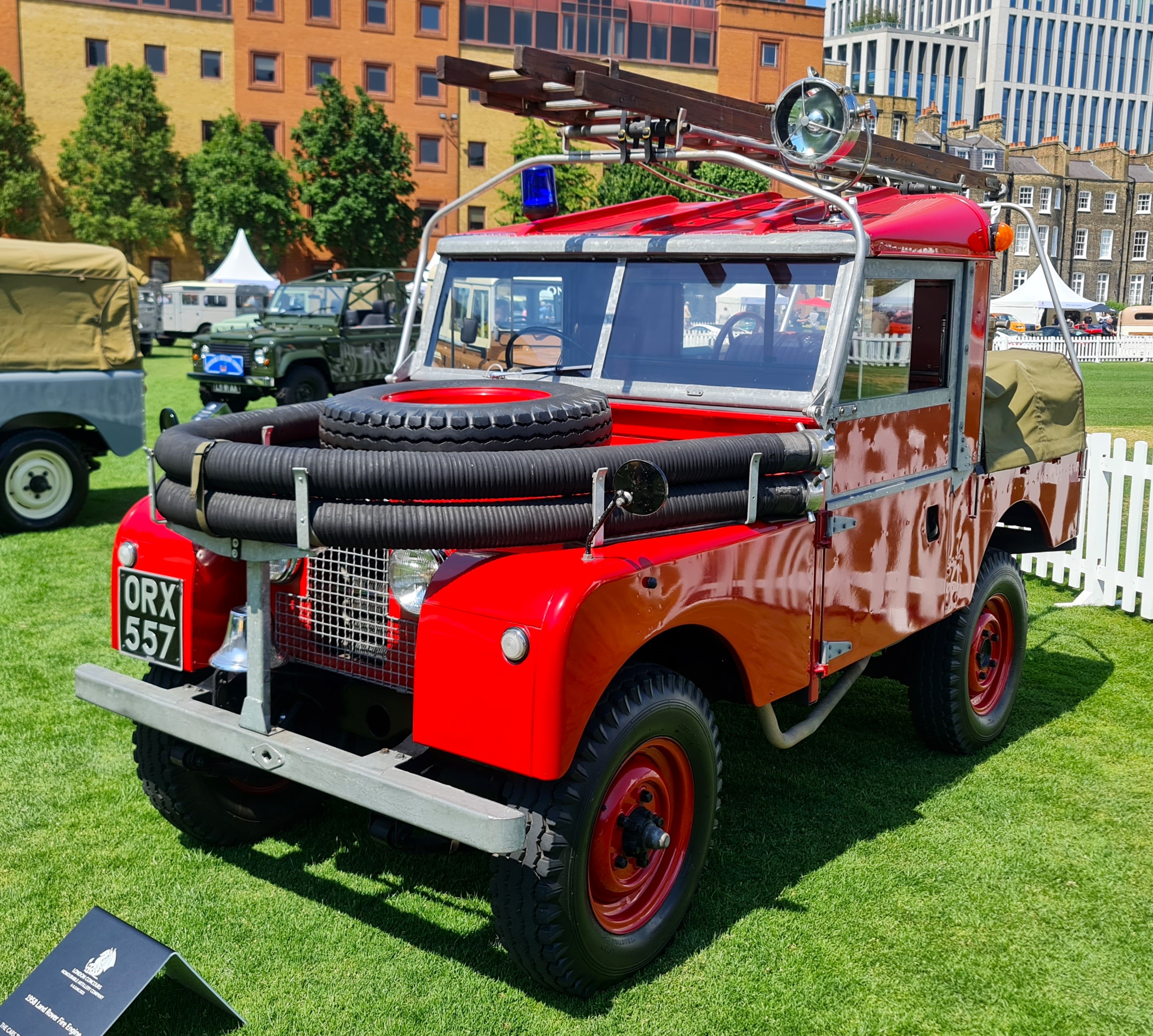
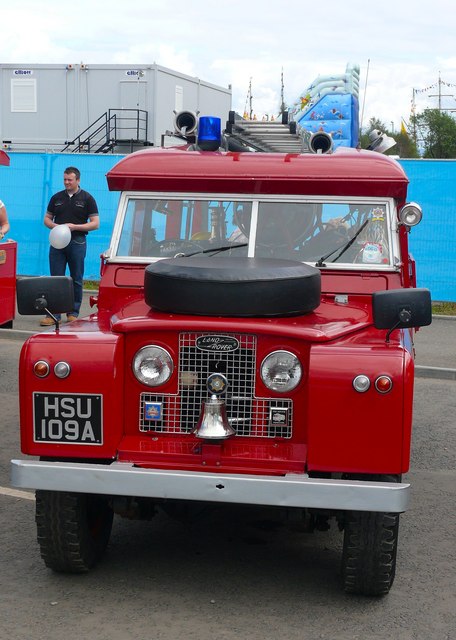
3 VEHICLES IN THIS CHAPTERFire fighting was among the first specialist roles Rover catalogued. From the late 1940s the company fitted out Series I chassis in-house as complete appliances, buying in pumps and equipment: a pump driven off the centre power take-off, hose reels, ladders, extinguishers and on some vehicles a 40-gallon first-aid tank, first on the 80-inch and then on the longer chassis. Survivors delivered new to works brigades — the printers Hazell, Watson & Viney among them — are shown at museums almost invariably in red.
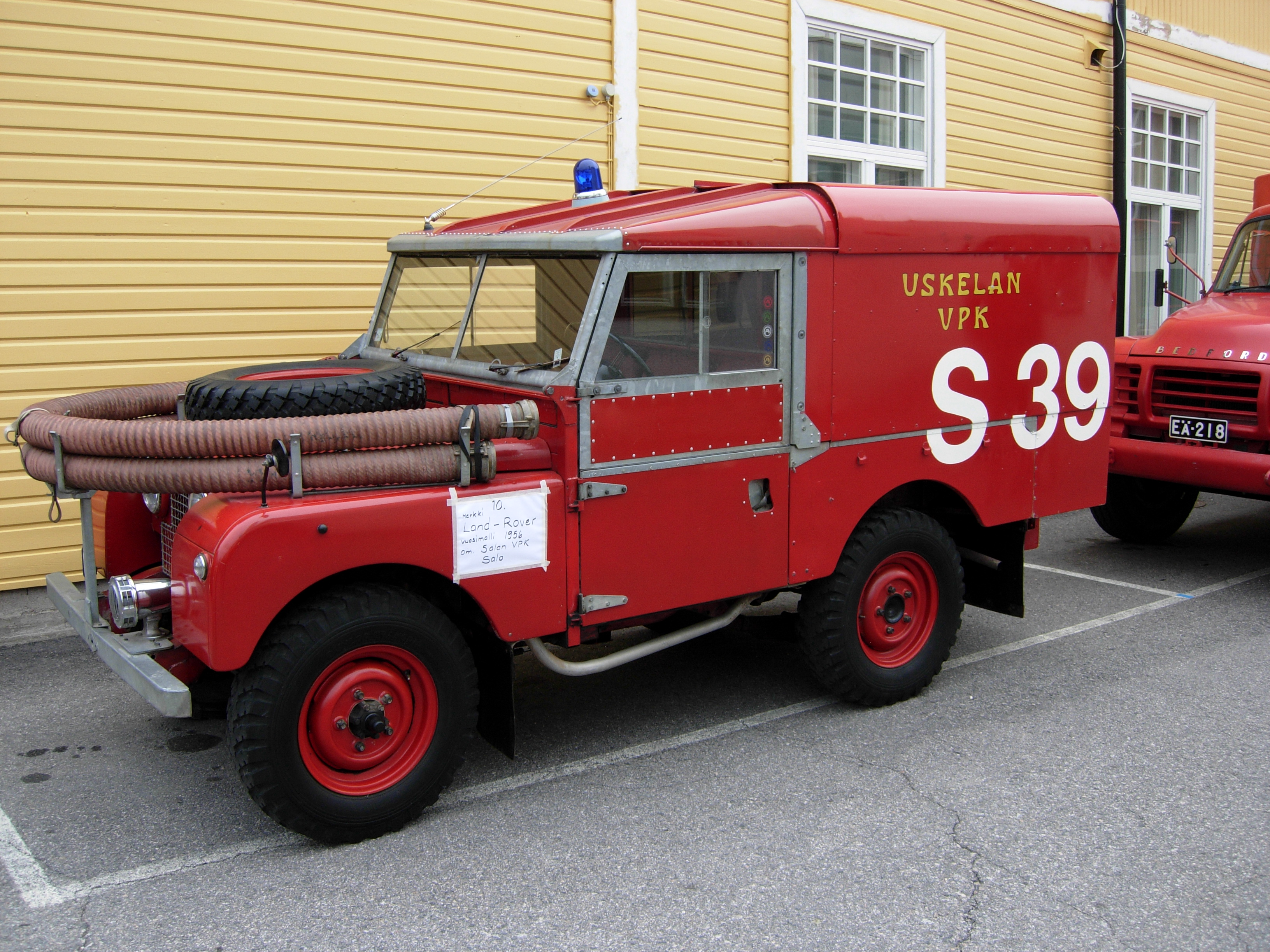
The type travelled. The Uskela volunteer brigade in Salo, Finland, preserved its long-wheelbase Series I with suction hoses carried on the bonnet, and the RAF put blue-grey 88-inch soft tops lettered AIRCRAFT CRASH RESCUE on its airfields to replace the wartime crash-rescue Jeeps as the first-away vehicle. Rover soon found brigades wanted more than the factory could economically build, and in the mid-1950s Carmichael & Sons of Worcester, an established fire engineering house, became its approved converter.


In the registry · chapter 1
Bush, forest and works brigades
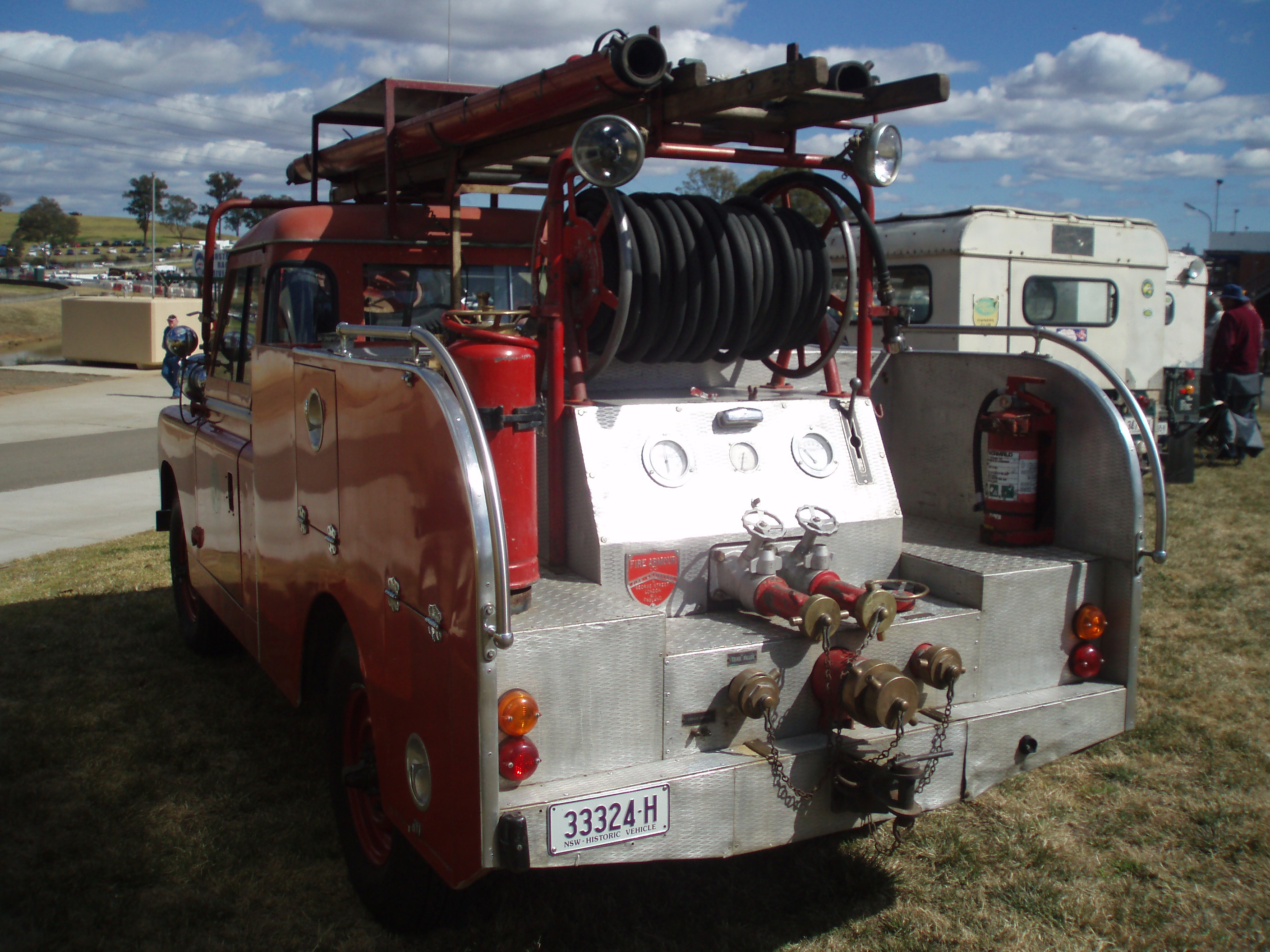
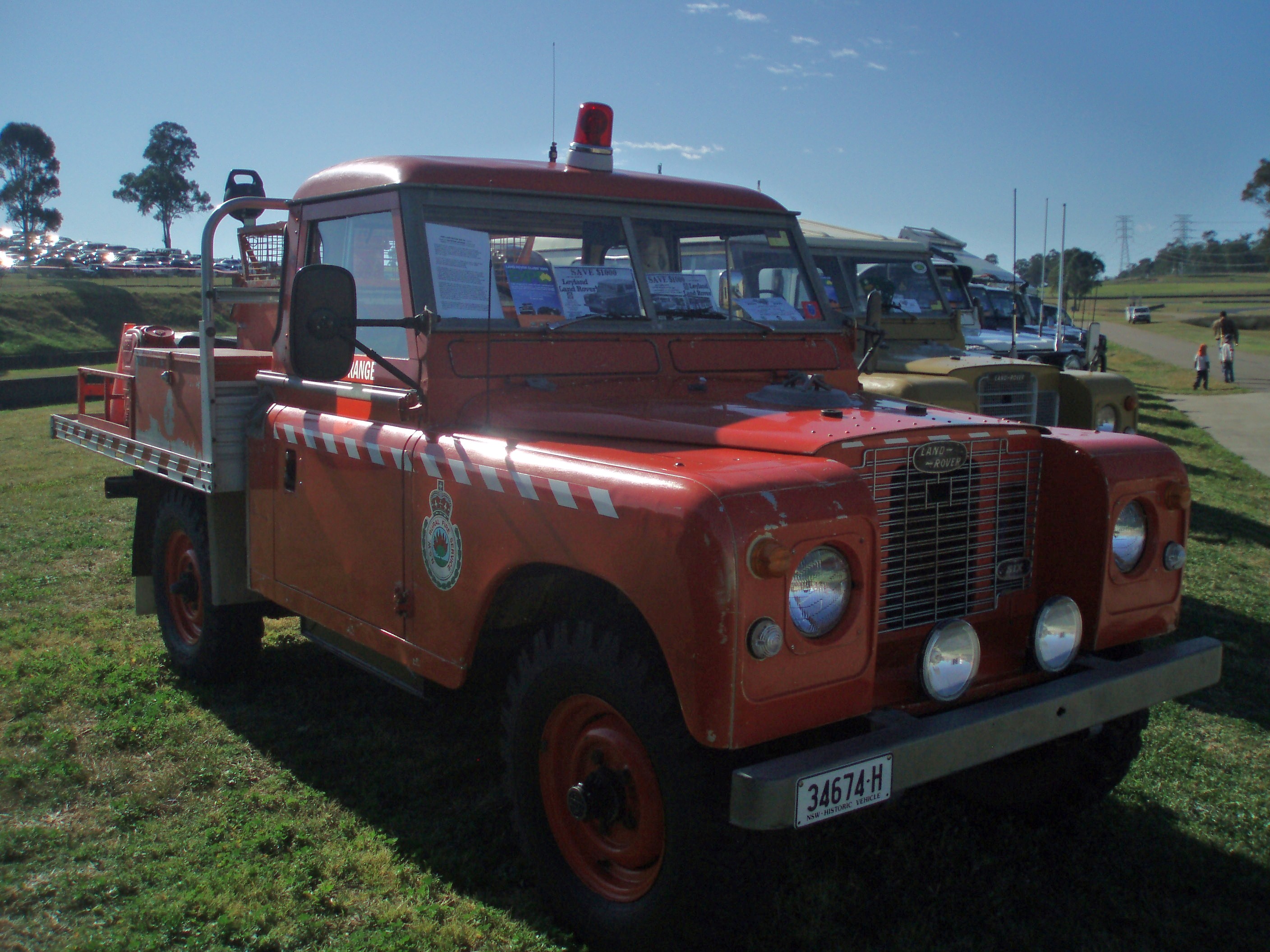
5 VEHICLES IN THIS CHAPTERThe Series II era took the fire Land Rover into the rough. The first Forest Rover, XLE 762, was a 1959 Series II 109 rebuilt by Roadless Traction on 10×28 tractor tyres and supplied to the Forestry Commission with a fire-tender rear body and EXPERIMENTAL VEHICLE sign-writing — one of only nine made. In Australia the Snowy Mountains Hydro-Electric Authority protected its camps with a 1960 109 bodied by Firefly of London, and the volunteer New South Wales Bush Fire Brigade ran a 1969 109 pickup with a slip-on unit on a flat tray and a red beacon: the ancestor of the Rural Fire Service tanker.
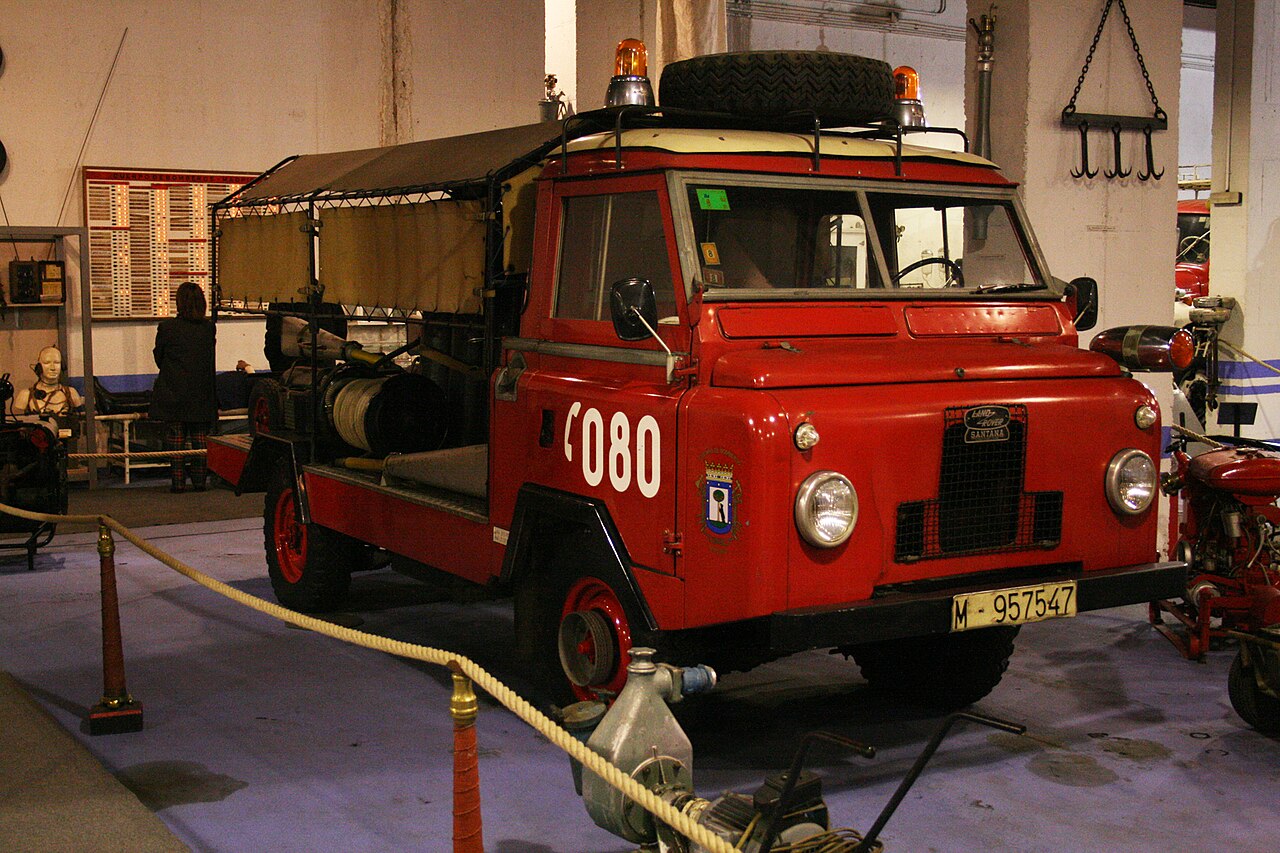
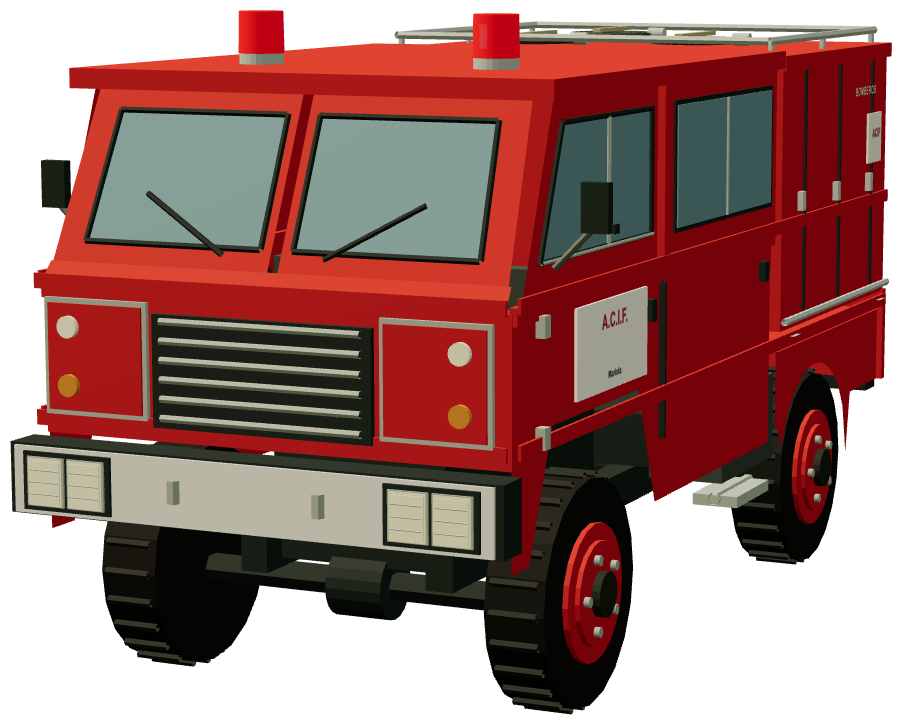
Spain went its own way. Santana's forward-control 1300, the Linares-built 1.3-tonne truck, was bodied by FIMESA of Madrid and others as a light appliance for municipal and forest brigades from 1967, with single and double-cab versions; Madrid's fire museum and the Lleida motor museum each keep one.
.jpg)
.jpg)

Forward control and the crash truck
8 VEHICLES IN THIS CHAPTERThe 1970s belonged to the cab-over. Marte of Austria built Vaduz's Pikettfahrzeug on a Series IIB Forward Control in 1970; HCB-Angus bodied a 1973 IIB FC for the Army Fire Service with a rear Godiva pump driven off the transfer-box PTO; and when Land Rover stopped making its own Forward Control, Bates of Evesham rebuilt six-cylinder 1-ton 109 chassis as cab-over pumps with a four-seat crew cab — the Northern Ireland Fire Brigade took 44. Santana's 2000, the two-tonne successor to the 1300 launched in 1979, listed fire-fighting equipment among its factory body options.
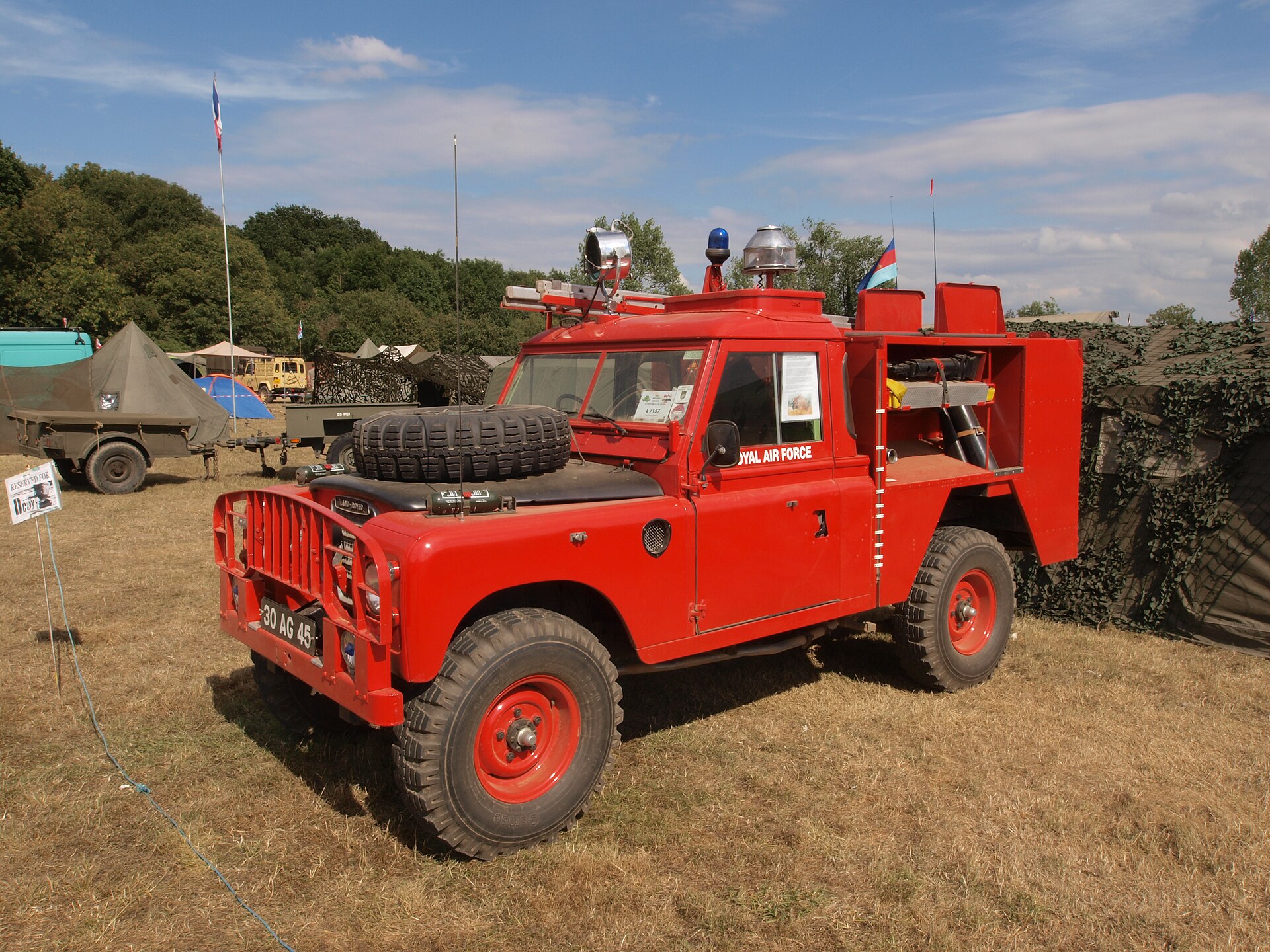
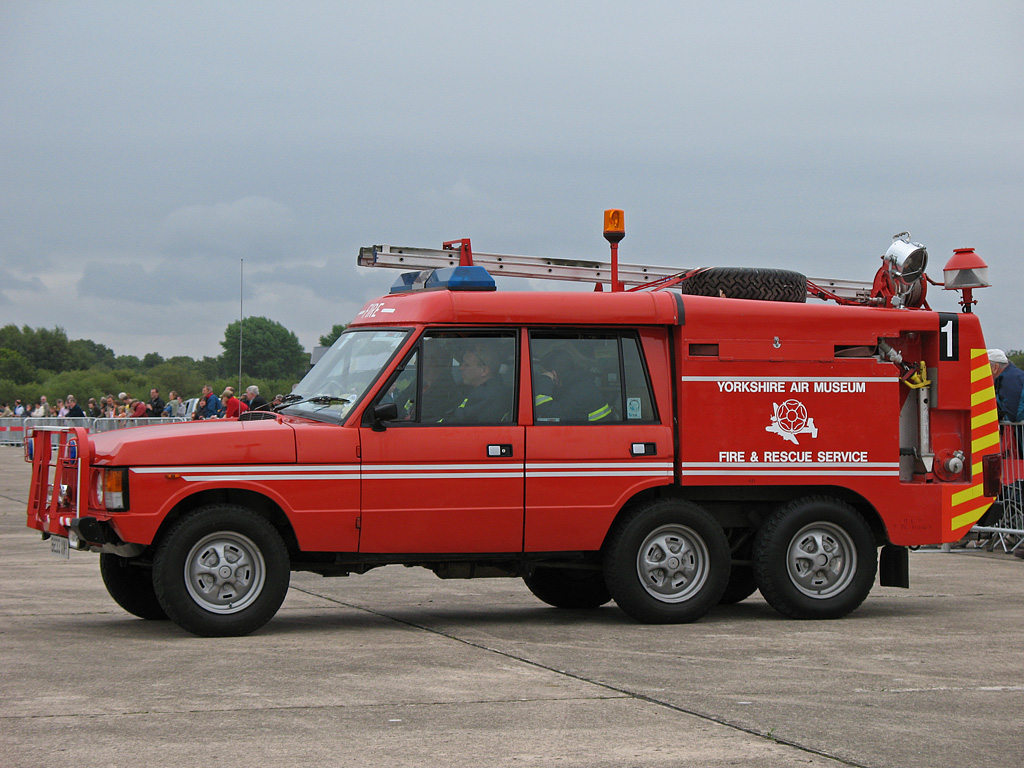
On the airfields the RAF's third-generation crash truck arrived in 1972: TACR1, built by HCB-Angus on uprated 1-ton 109 chassis, a three-man rapid-intervention truck with a brush guard fitted so it could crash straight through the emergency gates. Around 89 were made. From 1977 the six-wheeled TACR2 began replacing it: Carmichael's 6×4 Range Rover conversion, V8-powered, carrying 200 gallons of premixed foam, bodied by Gloster Saro, Carmichael and HCB-Angus and reputed to be one of the fastest appliances of its day. Carmichael's civilian Redwing FT/5 on the Series III, meanwhile, served the Cape Hill brewery's works brigade.
_owned_by_Paul_Hazell_pic1.JPG)

Series III to One Ten
4 VEHICLES IN THIS CHAPTERCounty brigades kept a Land Rover for the jobs a big pump could not reach. Gwent's 1982 Series III 109 appliance, in blue-lit old-siren livery with side lockers and roof ladders, went on to industrial work and the rally field; in Portugal the Campo de Besteiros volunteers ran a Carmichael-bodied Series III with twin hose reels and overhead suction-pipe storage.
Carmichael was still at it when the coil-sprung 110 arrived: a 1987 V8 hydrant vehicle for the Sellafield nuclear plant, rebuilt two years later by Storm Fire Protection into a CAA-approved Category 2 airfield fire engine that served Turweston aerodrome until retirement. North Wales Fire and Rescue's Bangor-based Water Incident Unit put a snorkel and a black inflatable on a red Defender 110 for floods and river rescues in Gwynedd.
The Defender appliance
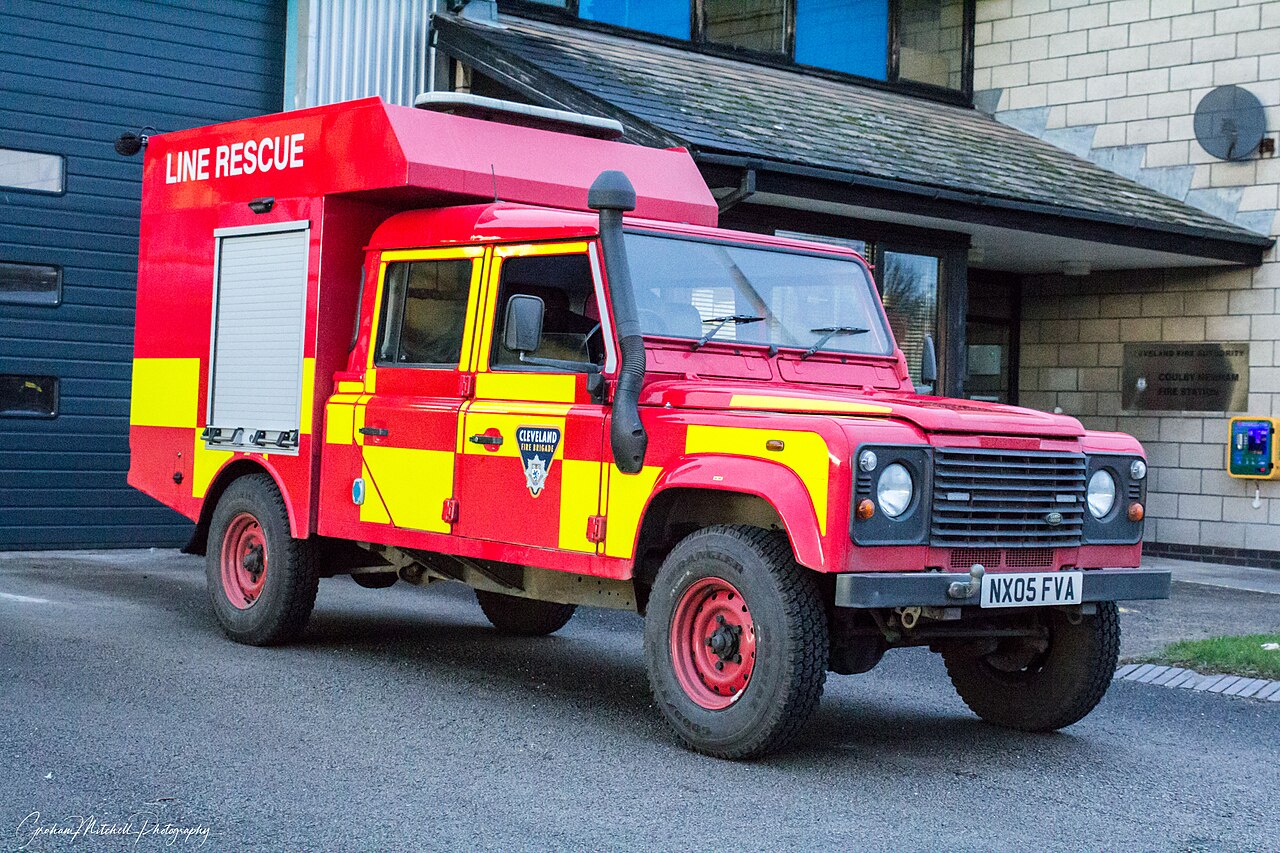
7 VEHICLES IN THIS CHAPTERThe Defender age produced specialists rather than pumps. Land Rover Special Vehicles and GB Fire built a one-off 6×6 crew-cab appliance in 1998 to protect the company's own Gaydon proving ground for nearly two decades. Invicta Fire & Rescue put a firefighting skid on a 2002 110 pickup for helipad cover; Cleveland Fire Brigade's 2005 Defender 130 carried a demountable box of rope- and water-rescue gear; the Falkland Islands' 'Rescue 1' is a 130 light rescue appliance run from Stanley. Belgium's Kalmthout volunteers had AB Technics build a 130 double-cab for reconnaissance on the country's most fire-prone heathland.
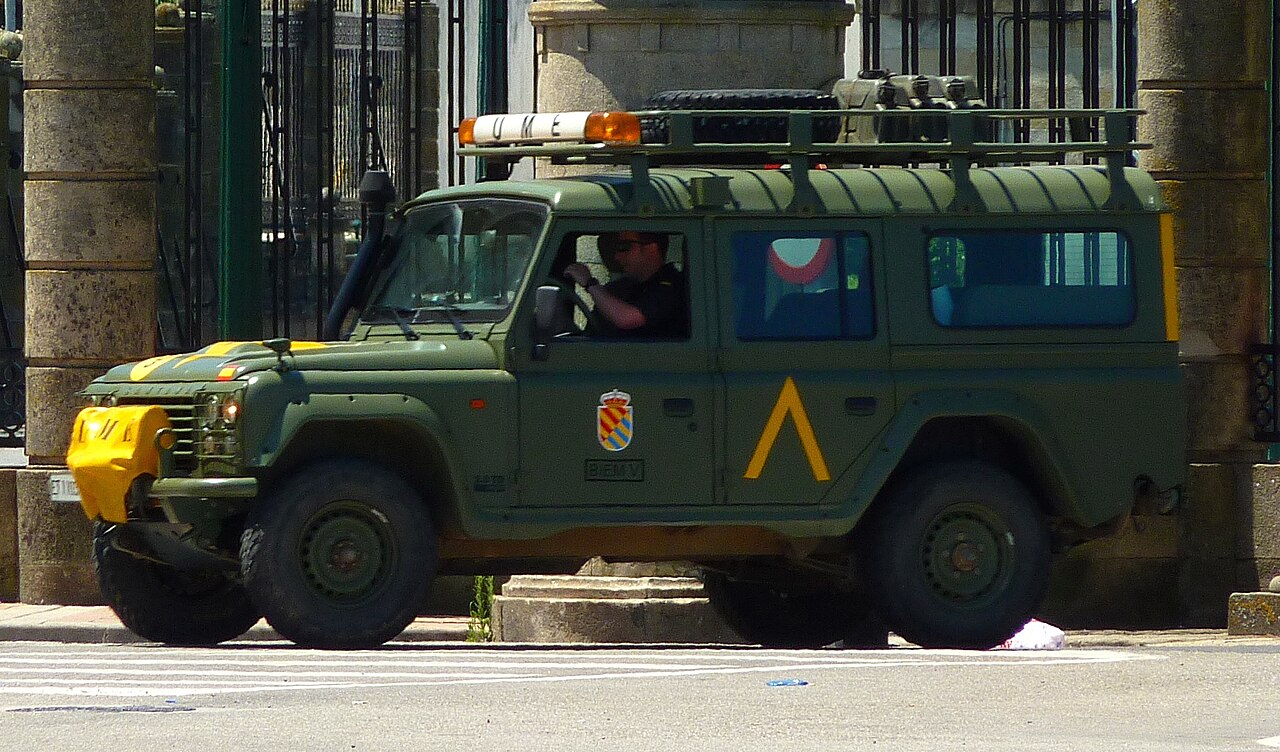
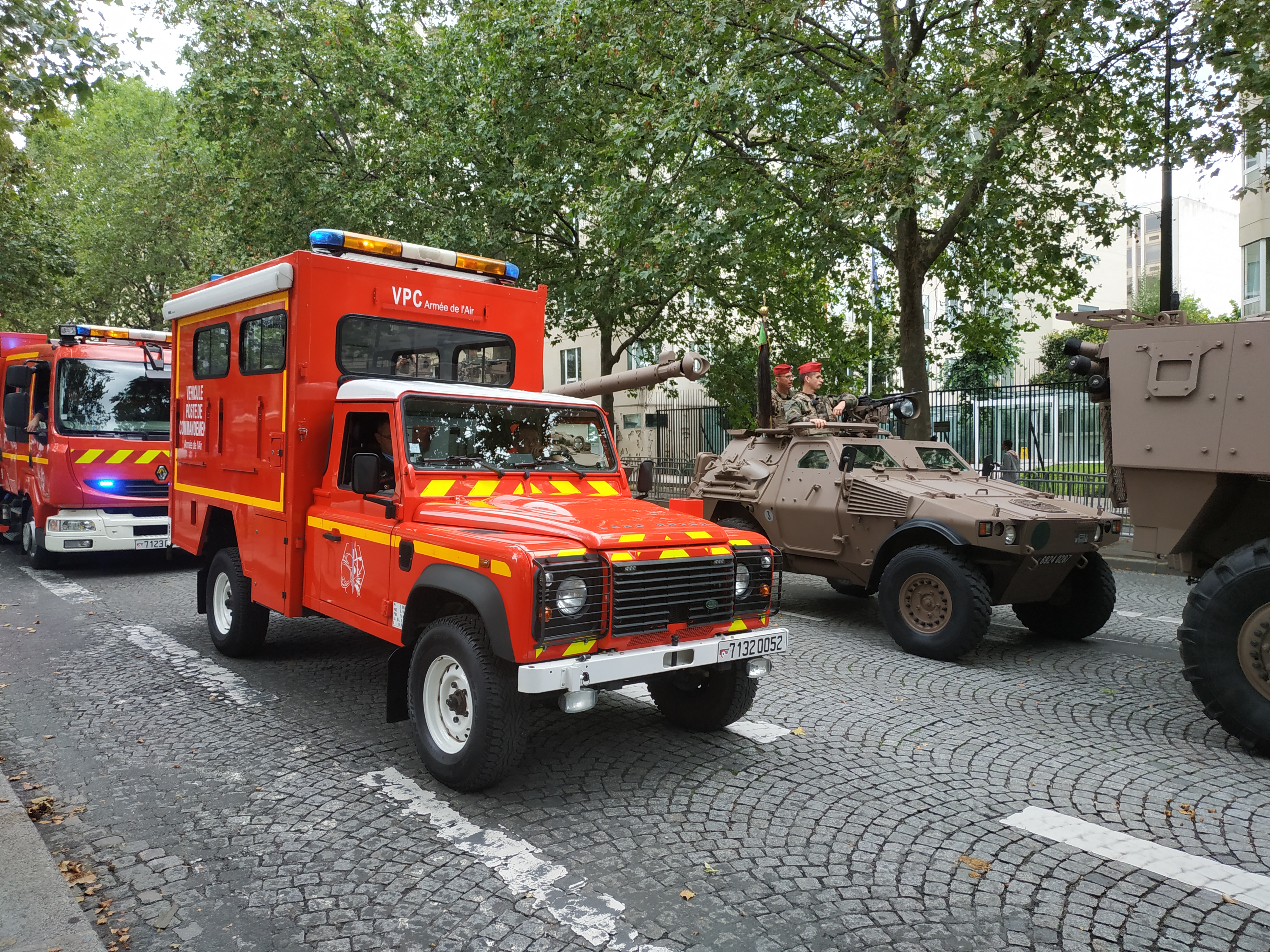
Spain and France added military emergency units. The Unidad Militar de Emergencias, created in 2005, took some 225 Santana Aníbals in army green with high-visibility yellow chevrons; the Armée de l'Air's base fire squadrons run a Defender 130 command post bodied by Essonne Sécurité in fire-service red, doubling as an NRBC detection vehicle.


.jpg)
Forest fire patrol in the south
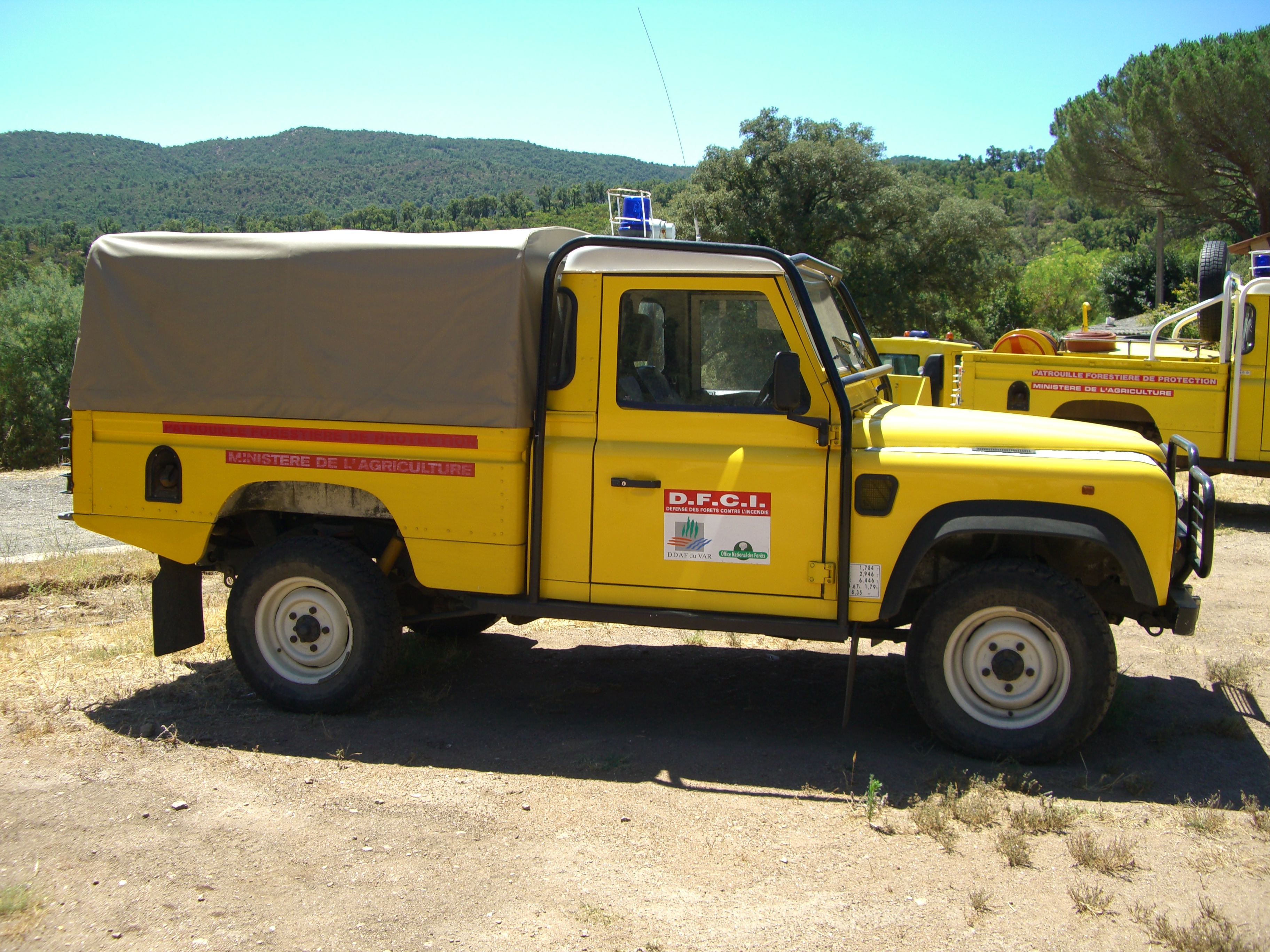
3 VEHICLES IN THIS CHAPTERIn the Mediterranean the Defender 110 is the vehicle of first attack. The Forestiers-Sapeurs of Corse-du-Sud patrol the maquis from Ajaccio in a yellow double-cab Tdi with a canvas tilt and a rotating beacon; the Office National des Forêts in the Var runs yellow 110s with DFCI markings and cab protection as forest-fire patrol and logistics vehicles; and Croatia's volunteer brigade DVD Blaguša keeps a red 110 station wagon with a white roof and full-length equipment rack.

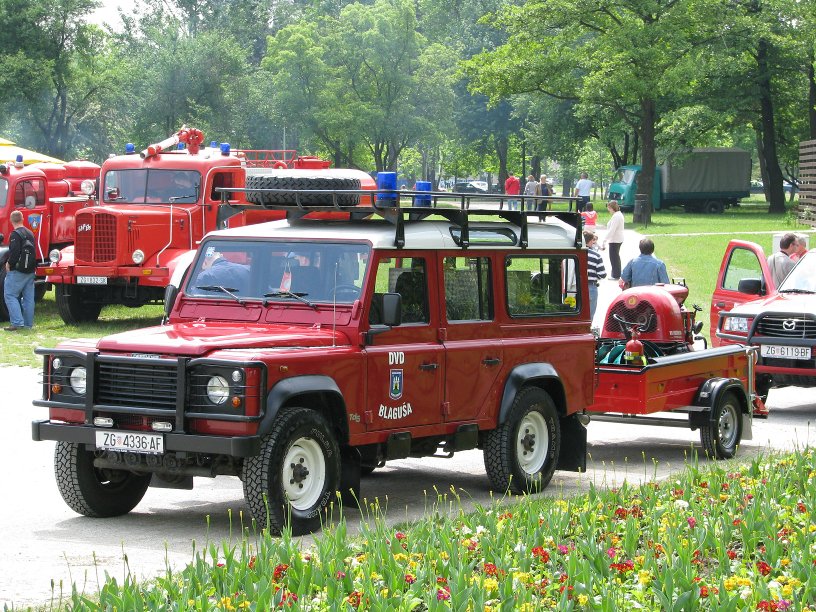

In the registry · chapter 6
The makers behind them
Every fire vehicle in the registry
39 records, oldest first. Each opens its full registry page.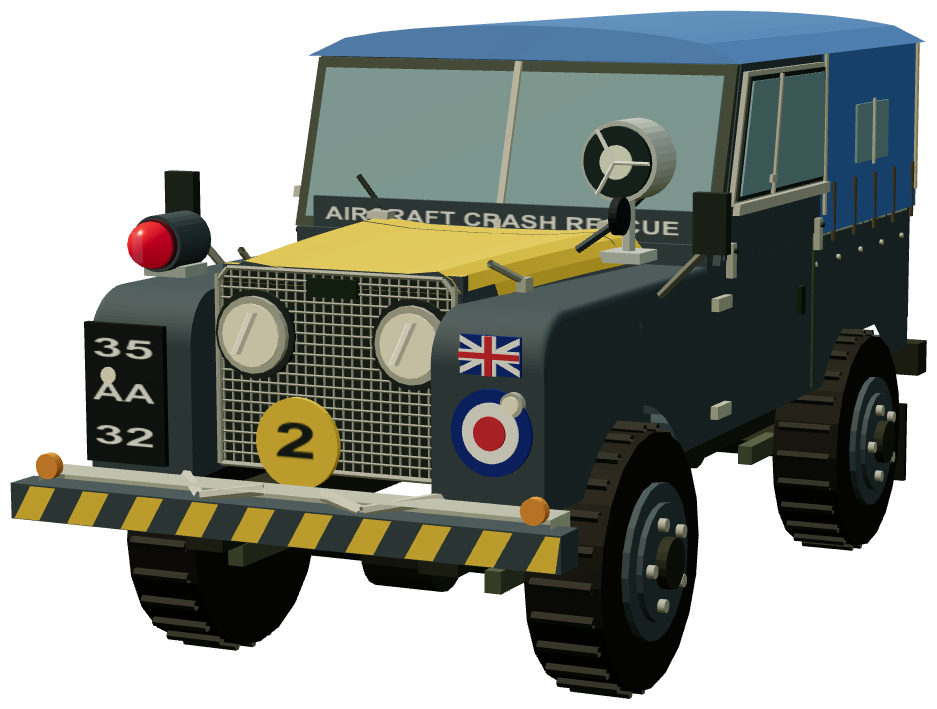 RAF Crash Rescue Series I1949 · United Kingdom
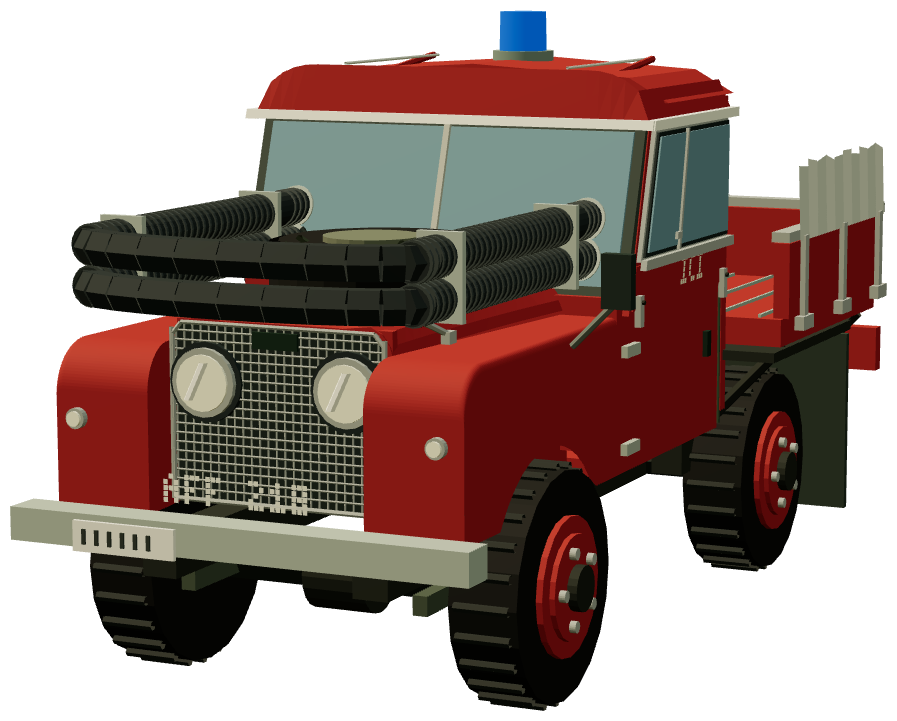 Series I Fire Tender1949–58 · United Kingdom
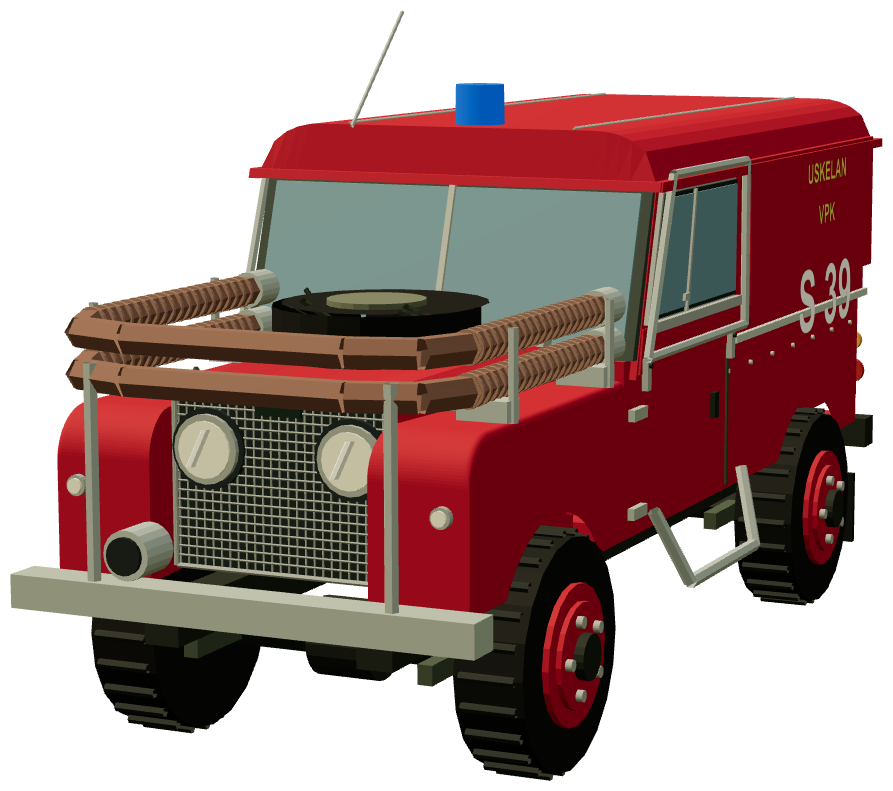 Uskelan VPK1954–58 · United Kingdom
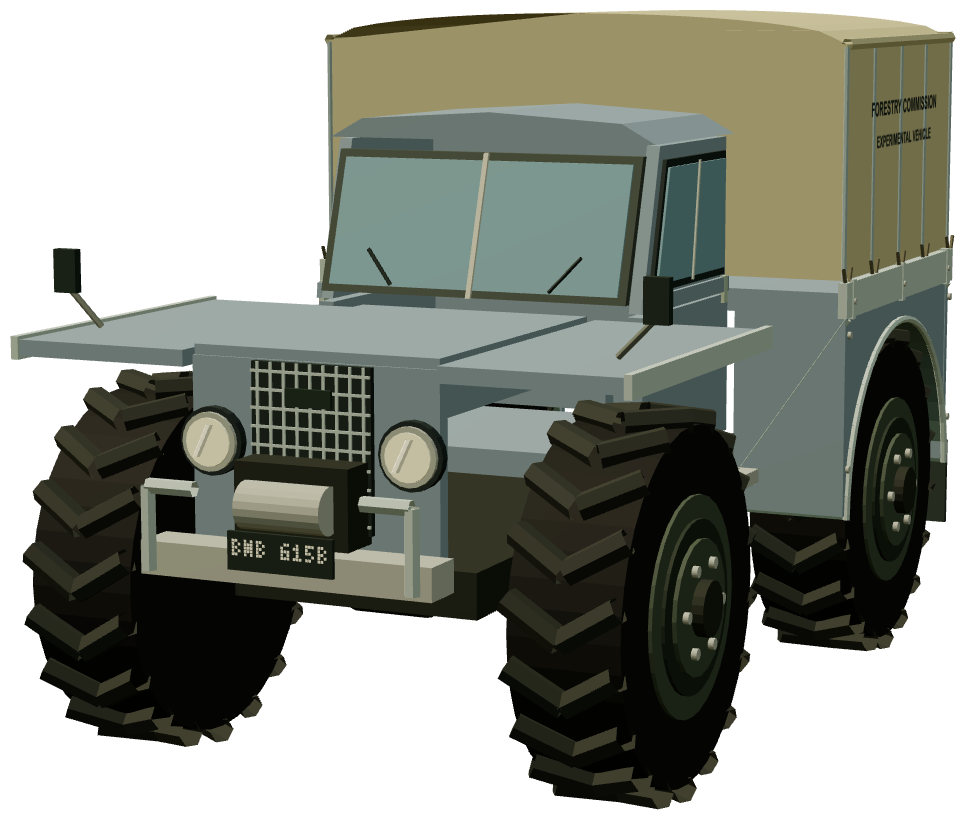 Forestry Commission Roadless Fire Tender1959 · United Kingdom
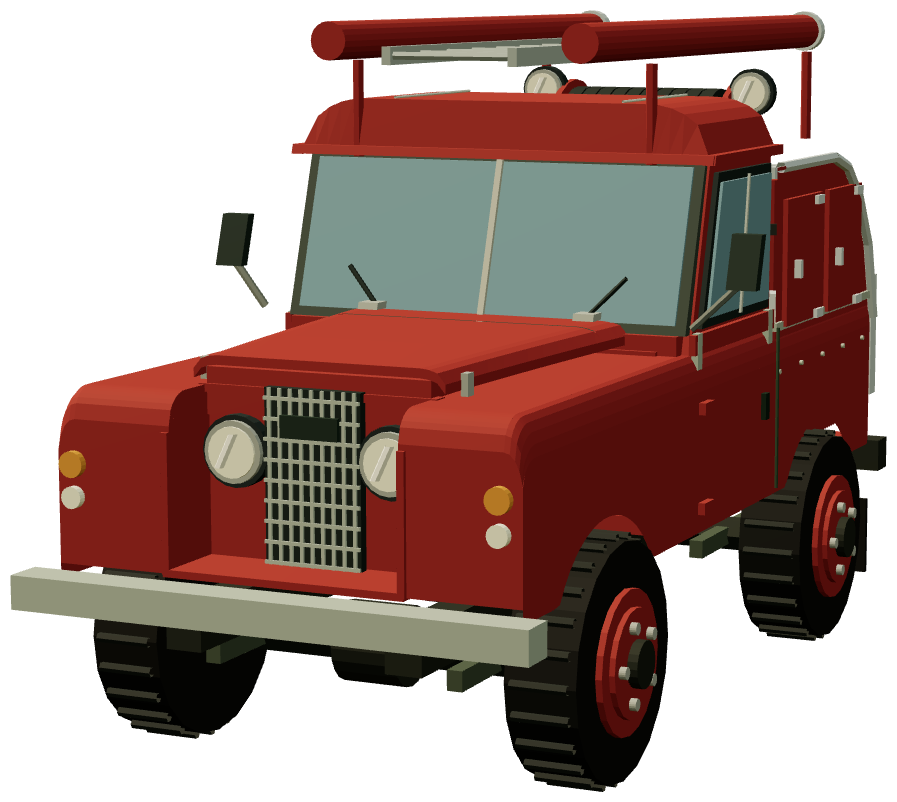 Snowy Mountains Hydro Fire Truck1960 · United Kingdom
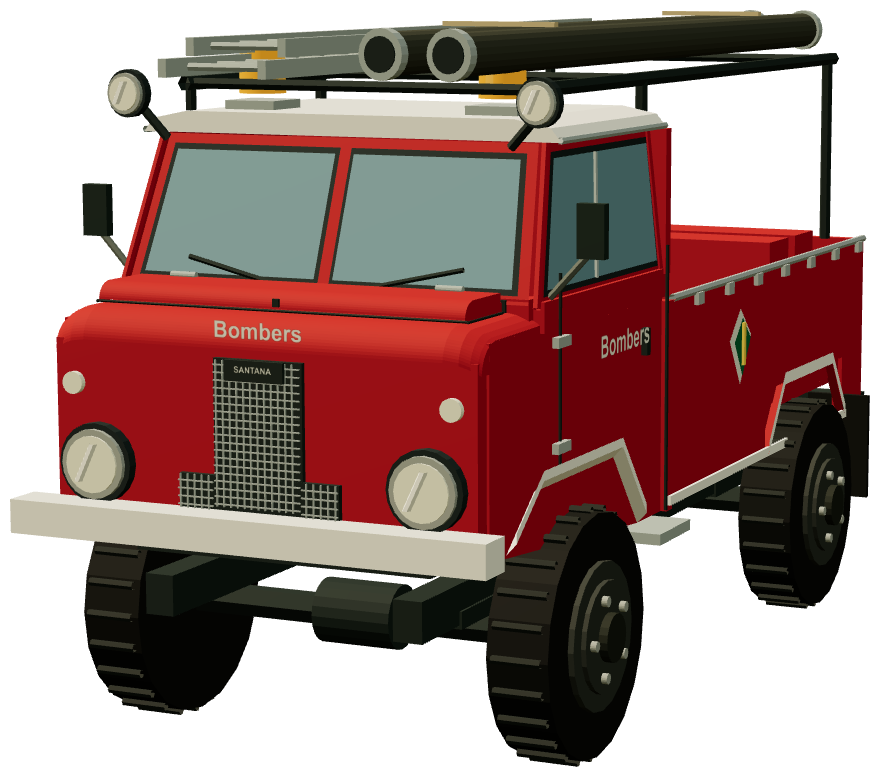 1300 Bomberos1967–78 · Spain
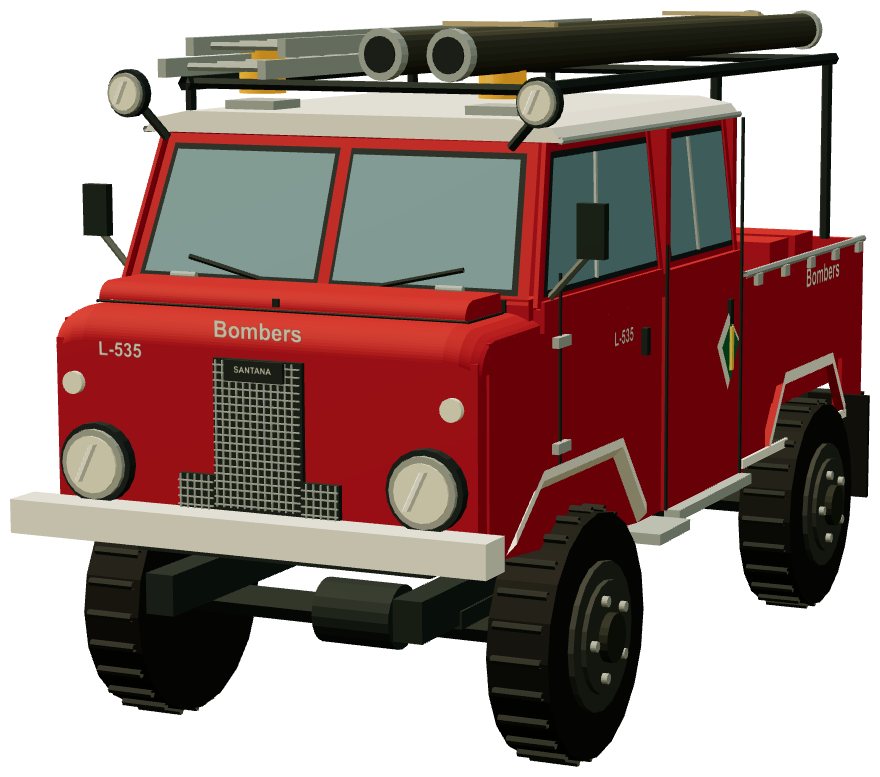 1300 Bomberos Double Cab1967–78 · Spain
 Brighton Fire Brigade HCB-Angus 1091967 · United Kingdom
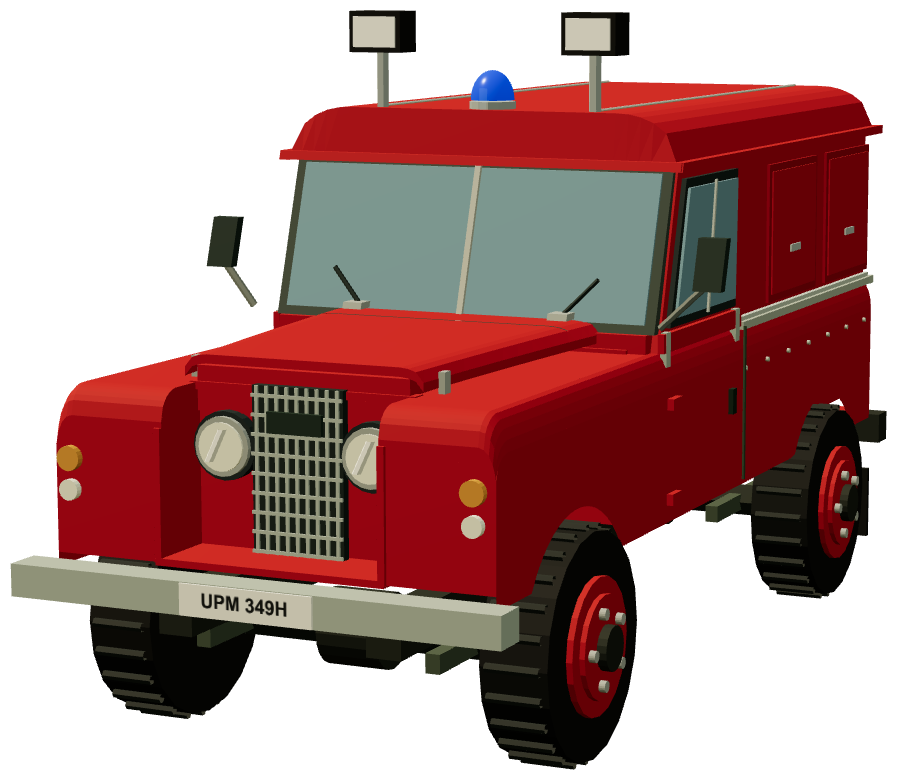 East Sussex Haywards Heath Light Rescue Tender1969–70 · United Kingdom
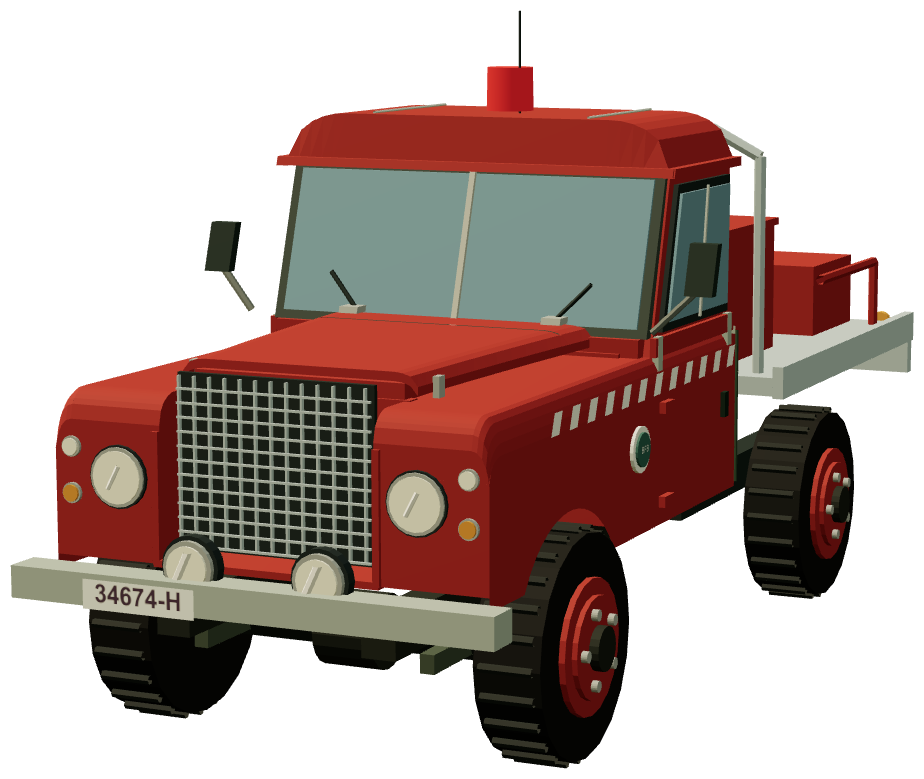 NSW Bush Fire Brigade Tanker1969 · United Kingdom / Australia
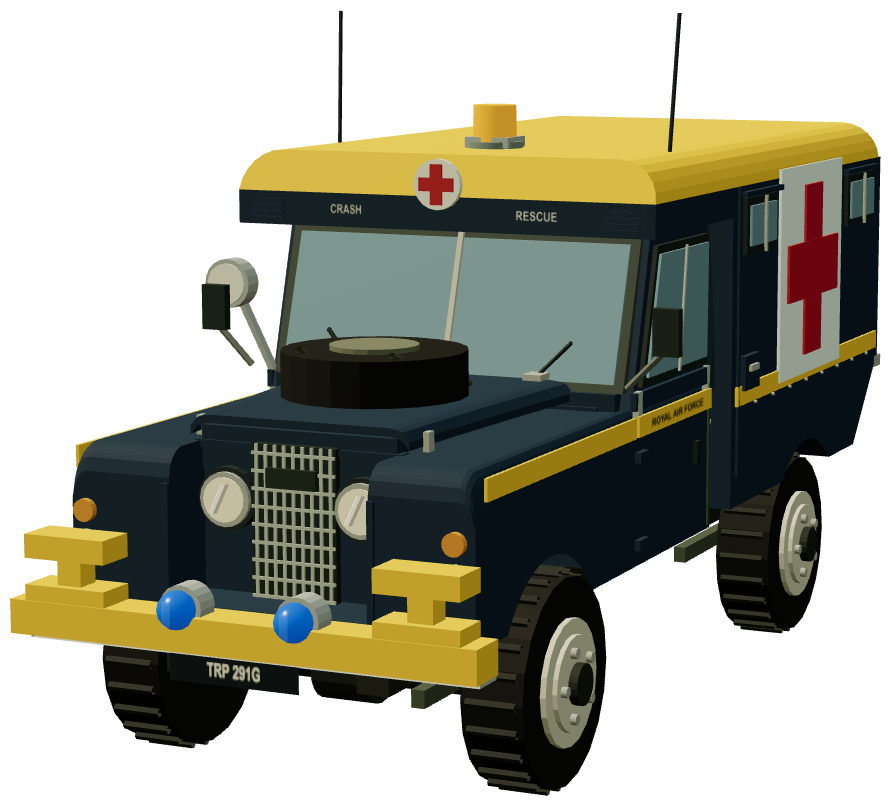 RAF Crash Rescue Marshall Ambulance1969 · United Kingdom
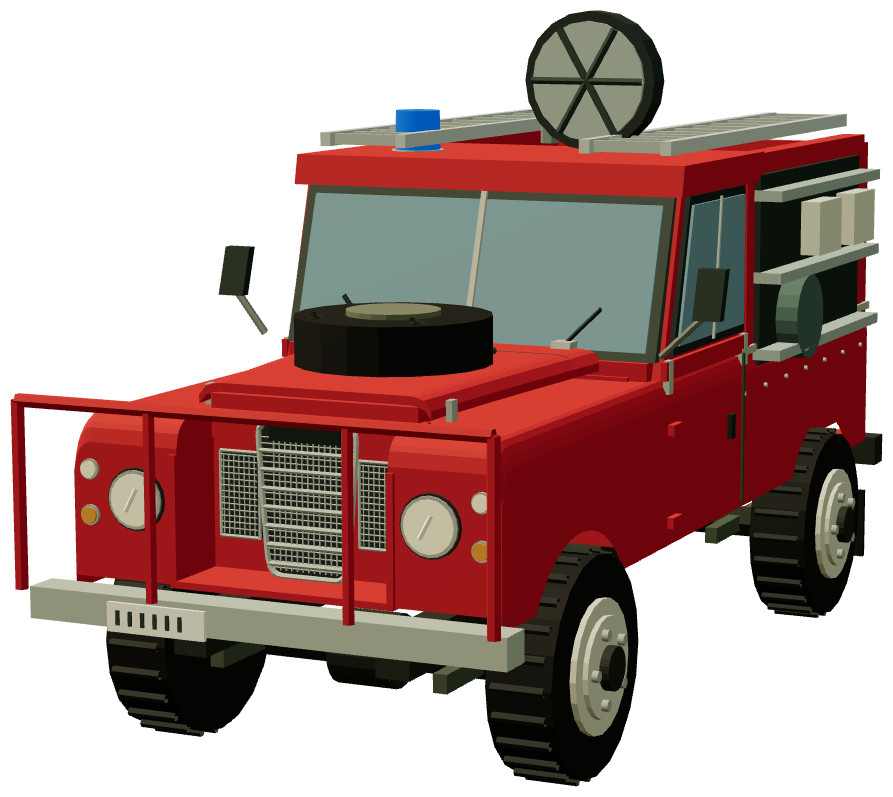 TACR11970–76 · United Kingdom
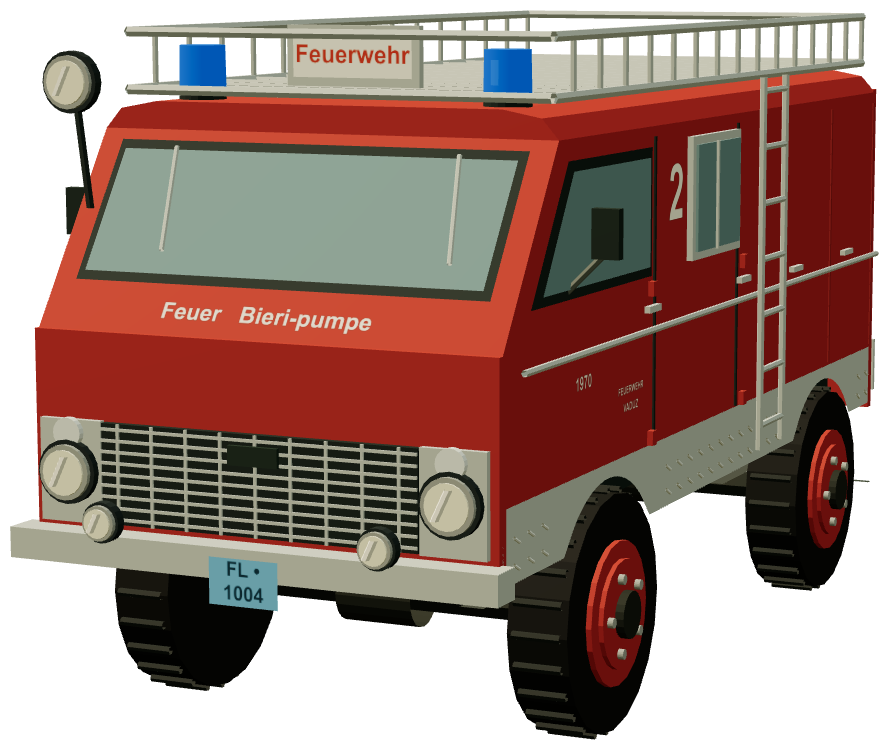 Vaduz Marte Pikettfahrzeug1970 · United Kingdom
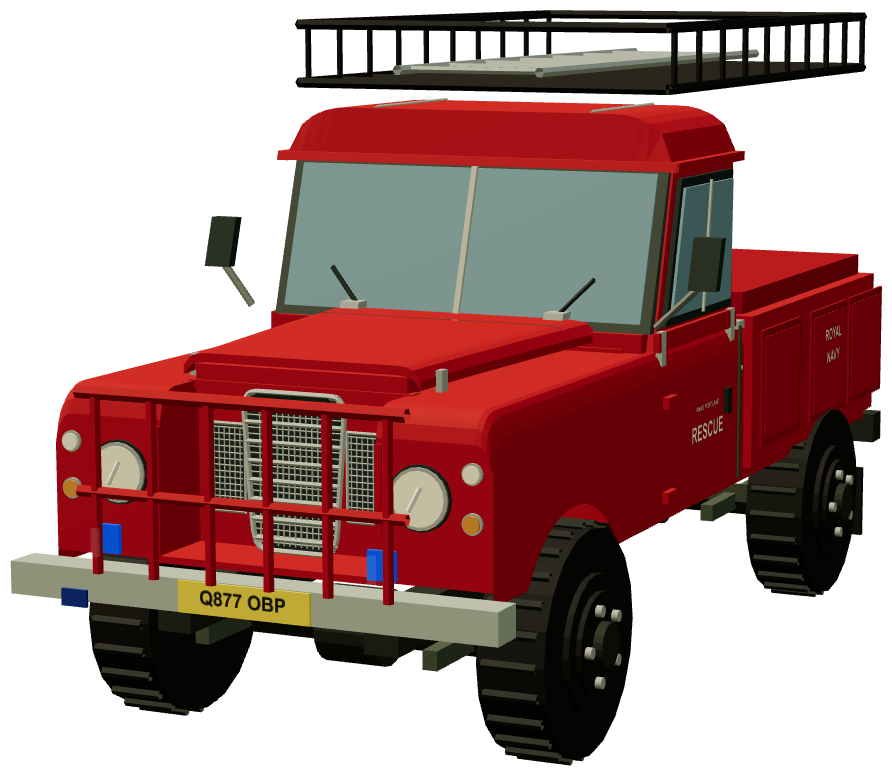 RNAS Series III Fire Rescue1971–85 · United Kingdom
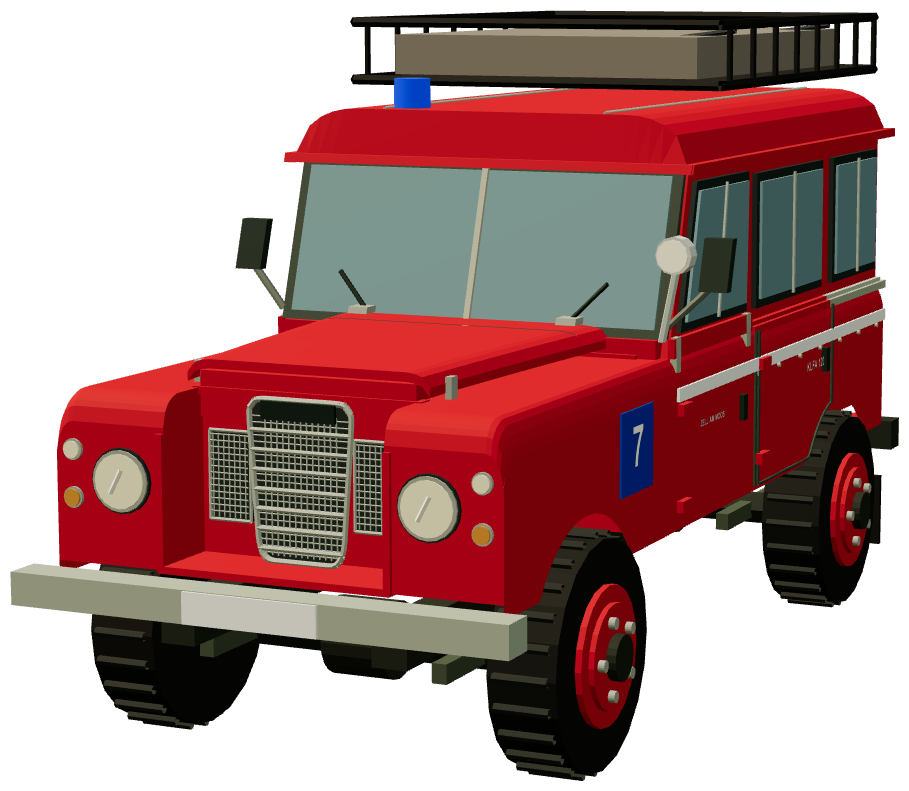 Zell am Moos Rosenbauer KLFA 1201971–85 · United Kingdom / Austria
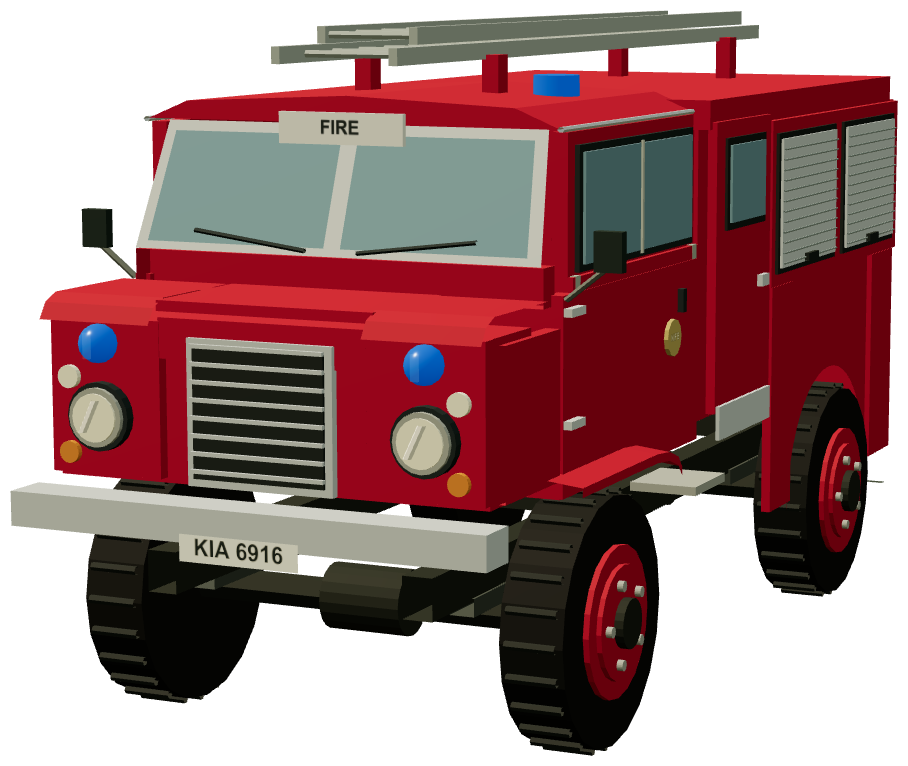 Bates FC L4P1972–79 · United Kingdom
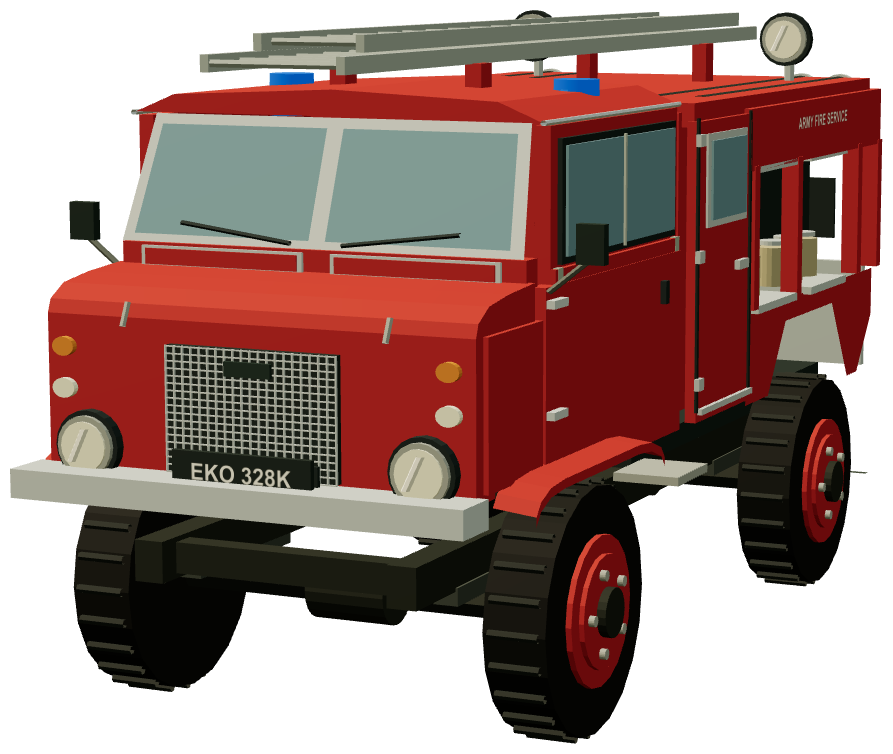 Army Fire Service HCB-Angus FC1973 · United Kingdom
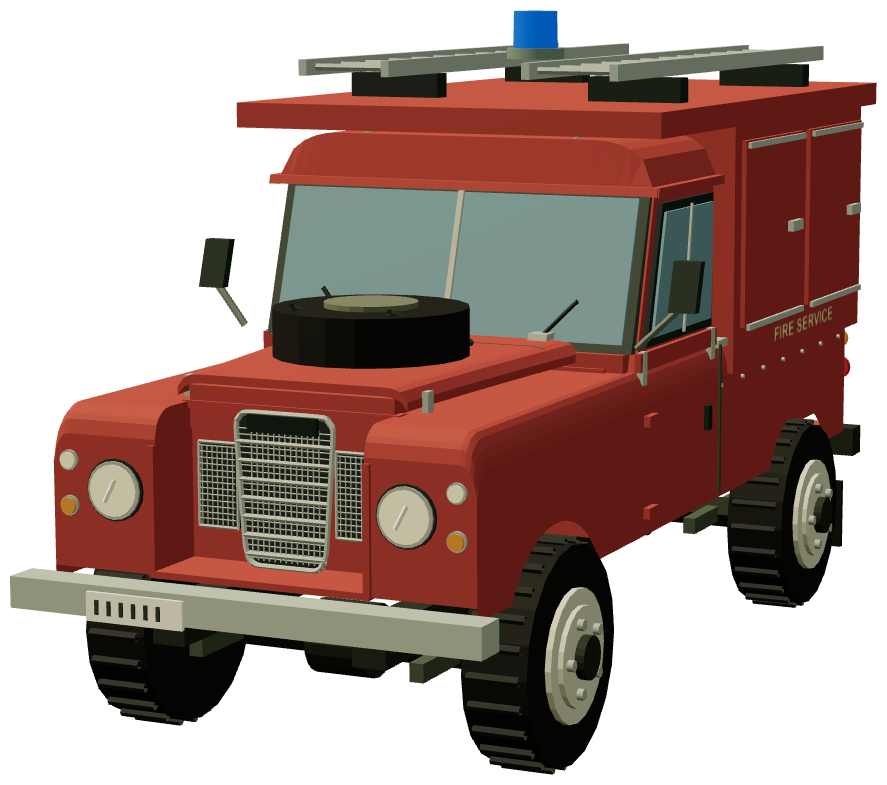 Carmichael Redwing FT/5 — Series III1975 · United Kingdom
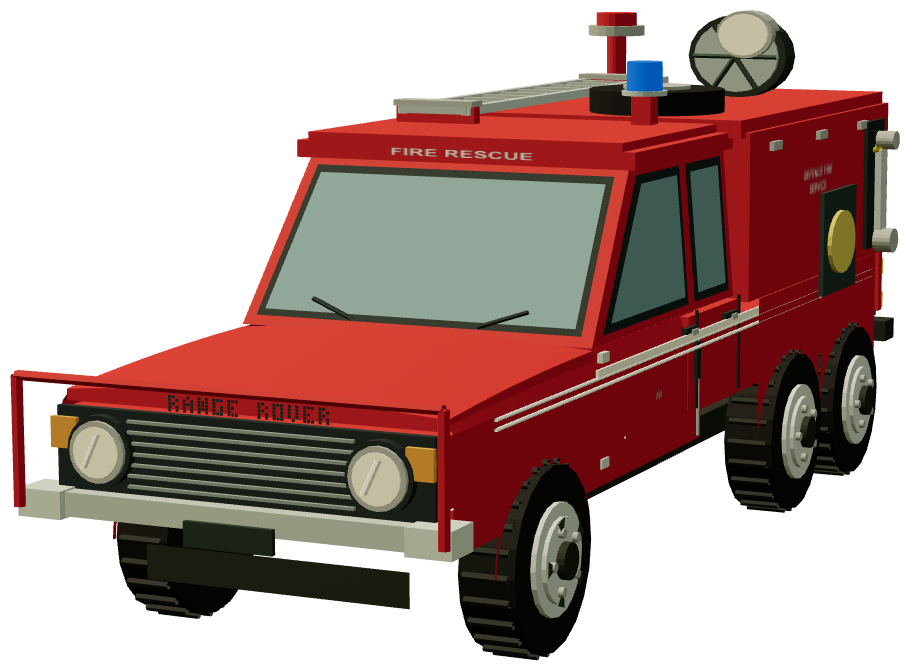 TACR21977–87 · United Kingdom
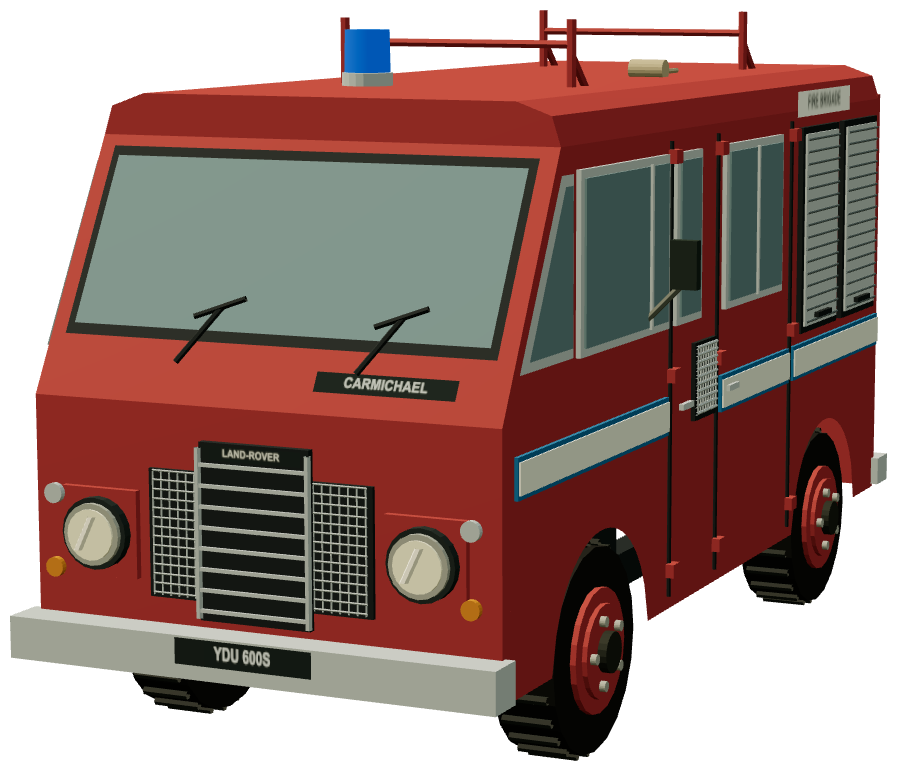 Unipart Works Fire Tender1978 · United Kingdom
 2000 FC Bomberos1979 · Spain
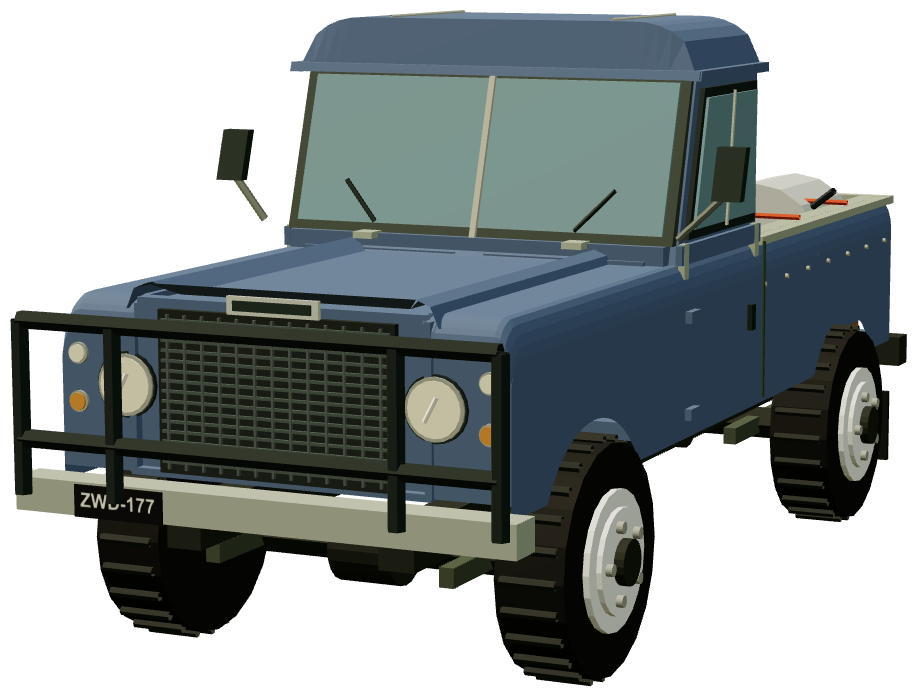 RAN Series III Stage 1 V8 Fire Ute1979–83 · United Kingdom
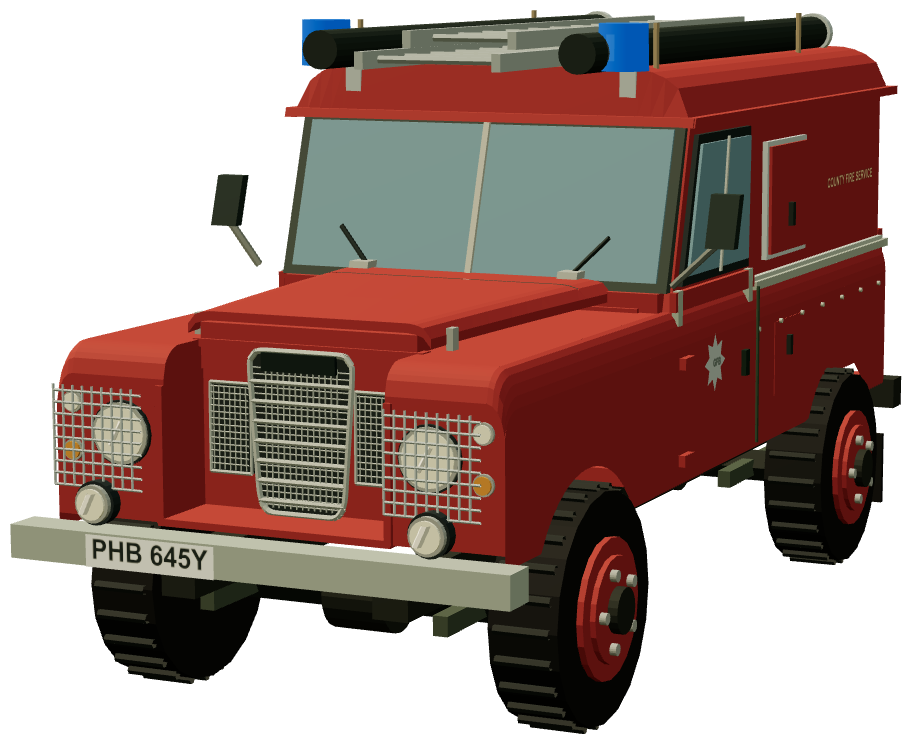 Gwent Series III Fire Appliance1982 · United Kingdom
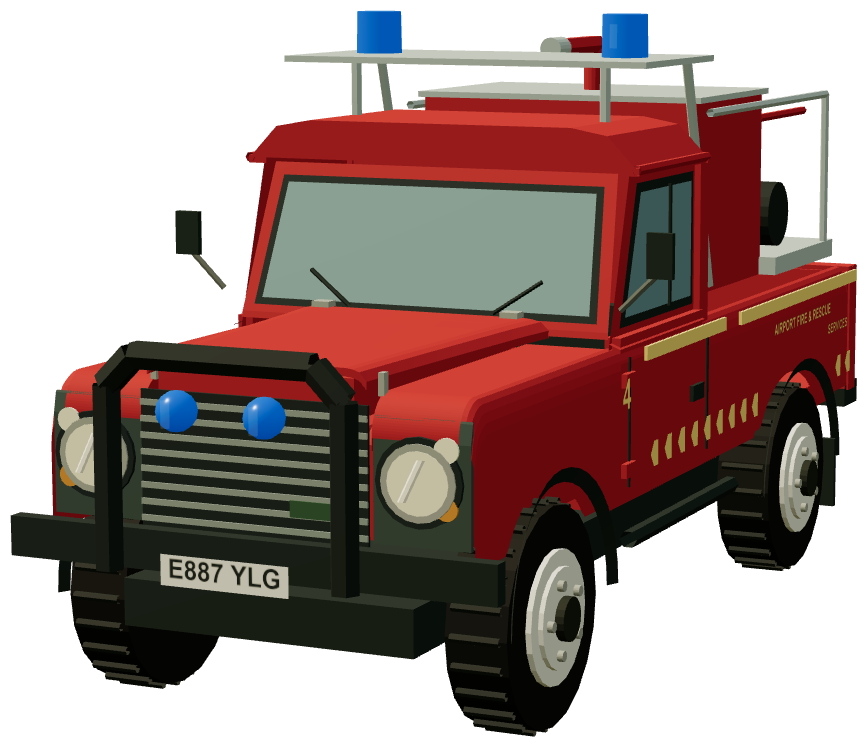 Sellafield Carmichael Hydrant Vehicle1987 · United Kingdom
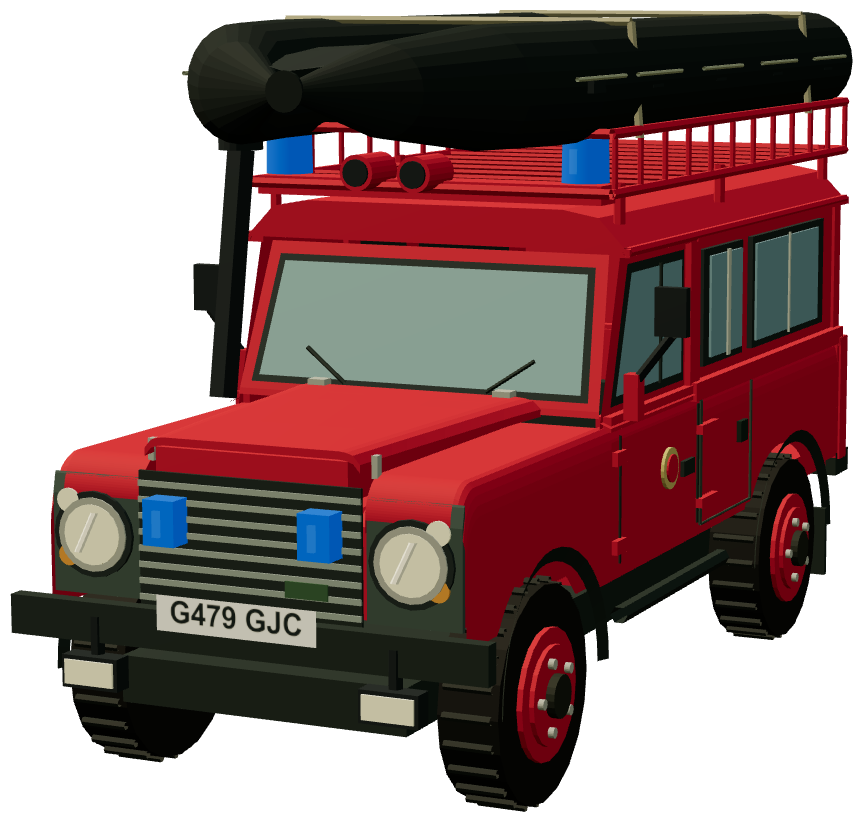 North Wales Water Incident Unit1989–90 · United Kingdom
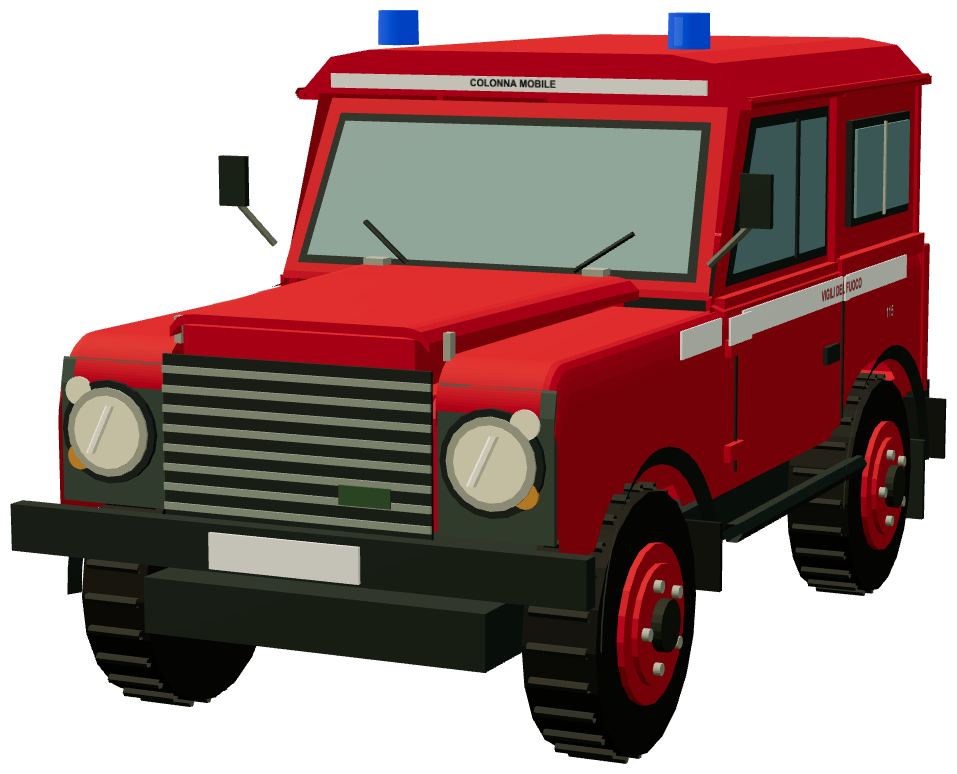 Agrigento Vigili del Fuoco Land Rover1990 · United Kingdom
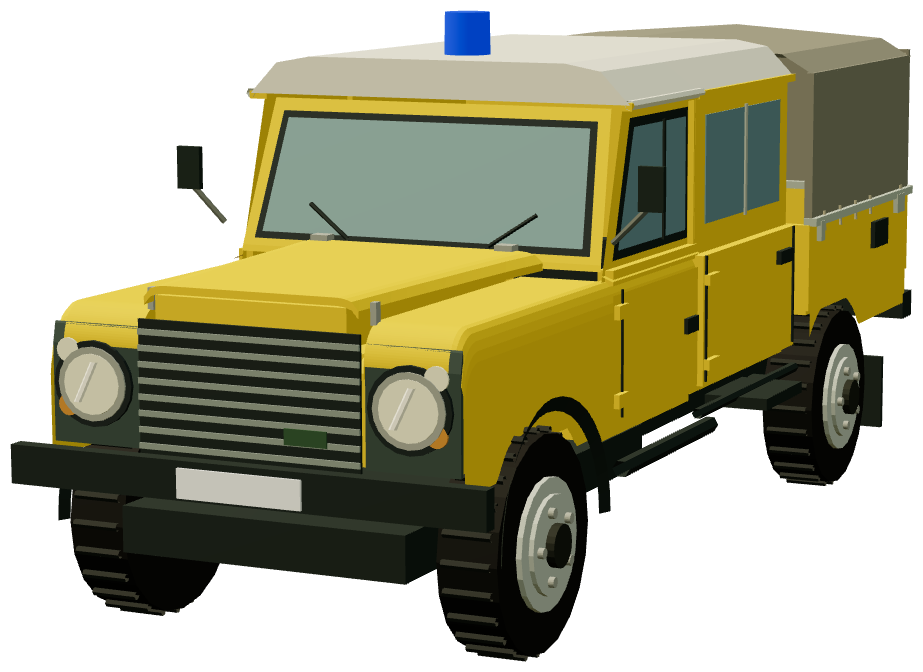 Ajaccio Forestiers-Sapeurs Defender1990 · United Kingdom
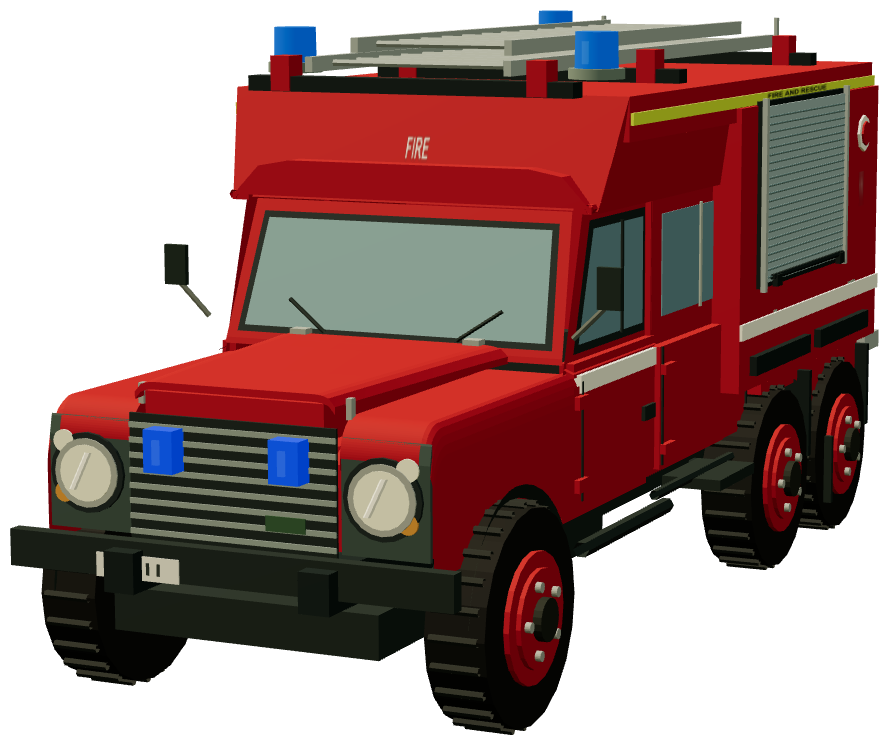 Defender 6×6 Fire & Rescue1998 · United Kingdom
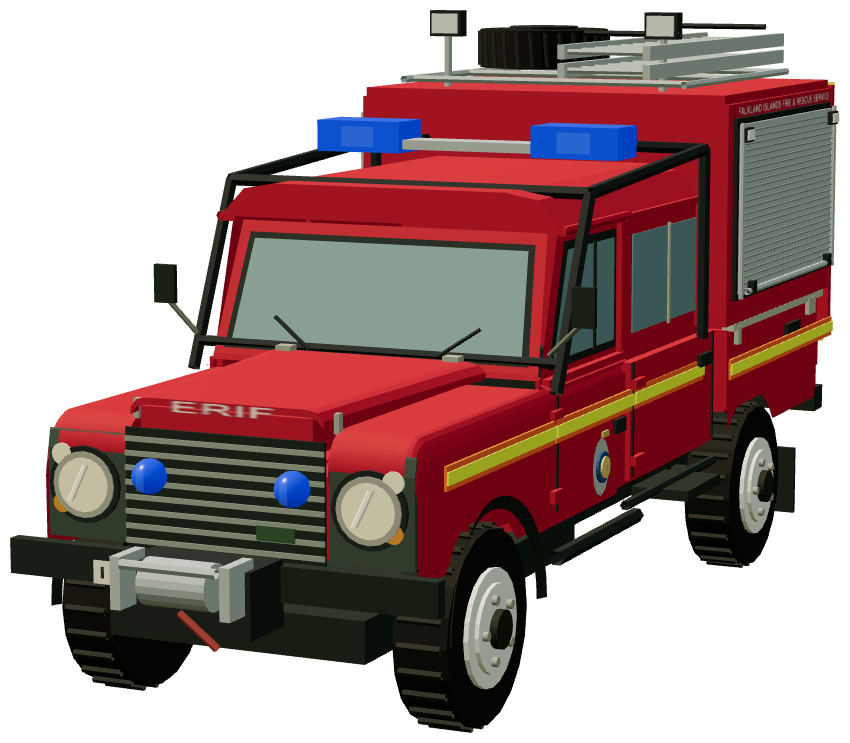 Falkland Islands Fire & Rescue2000 · United Kingdom
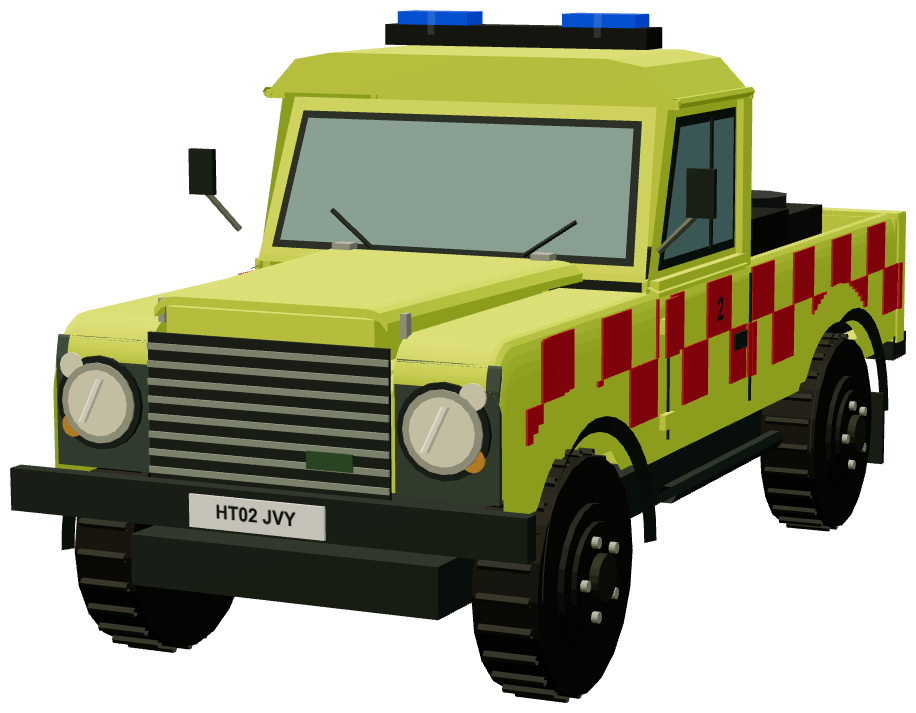 Helicopter and Aviation Services Fire Defender2002 · United Kingdom
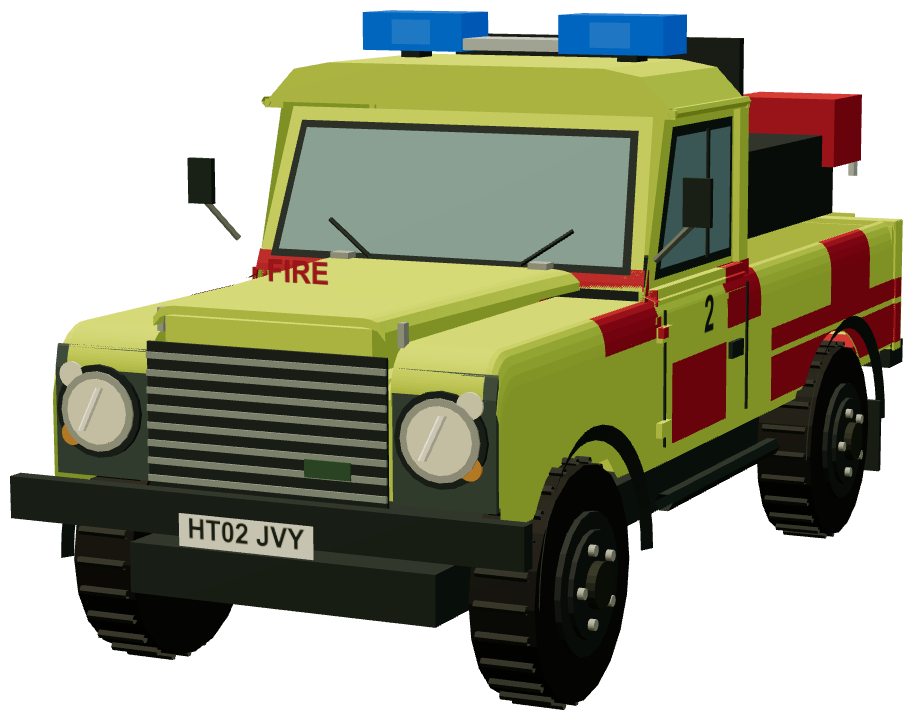 Invicta Helipad Fire Defender2002 · United Kingdom
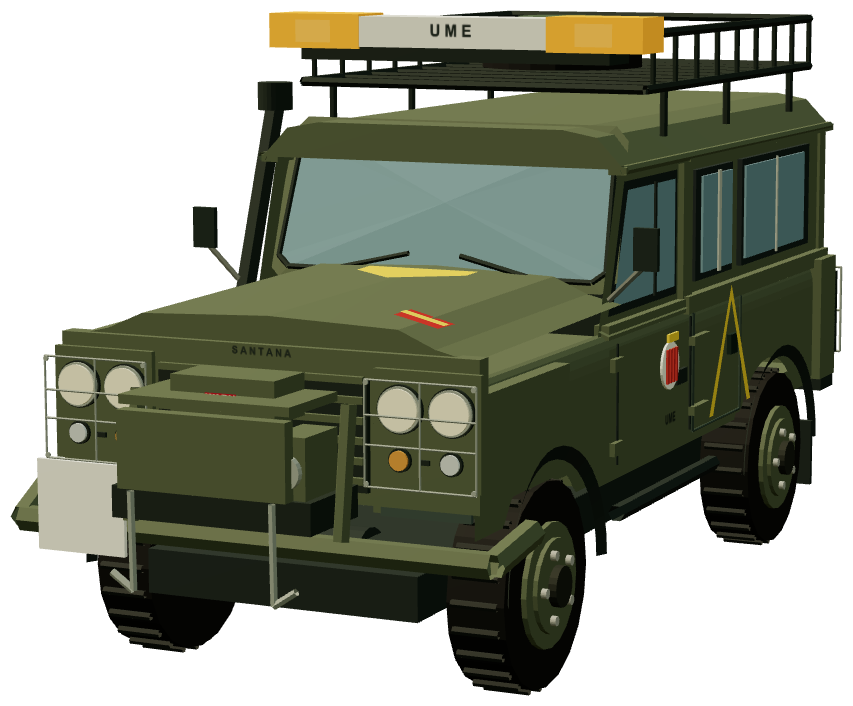 UME Aníbal2002–11 · Spain
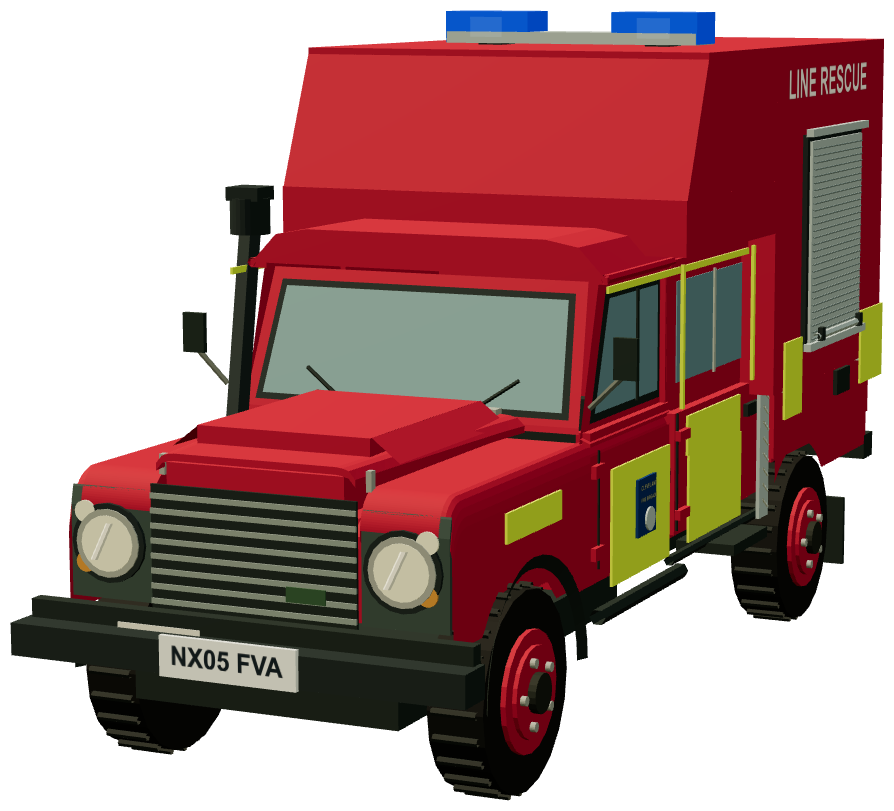 Cleveland Fire Brigade2005 · United Kingdom
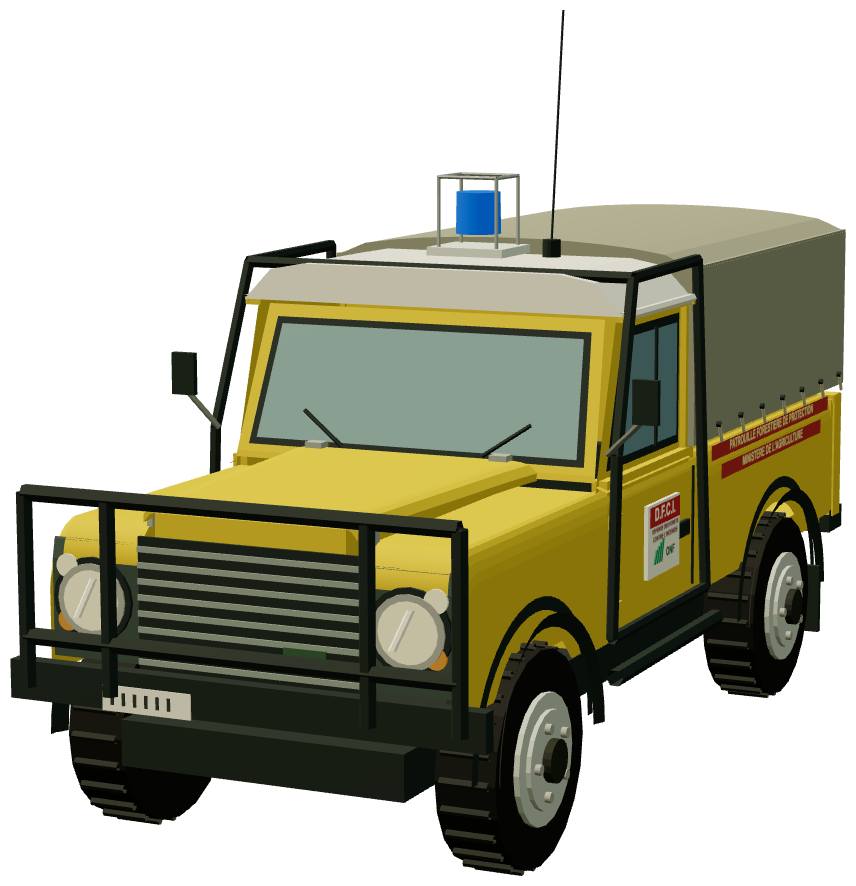 ONF Var VLTT 1102006 · United Kingdom
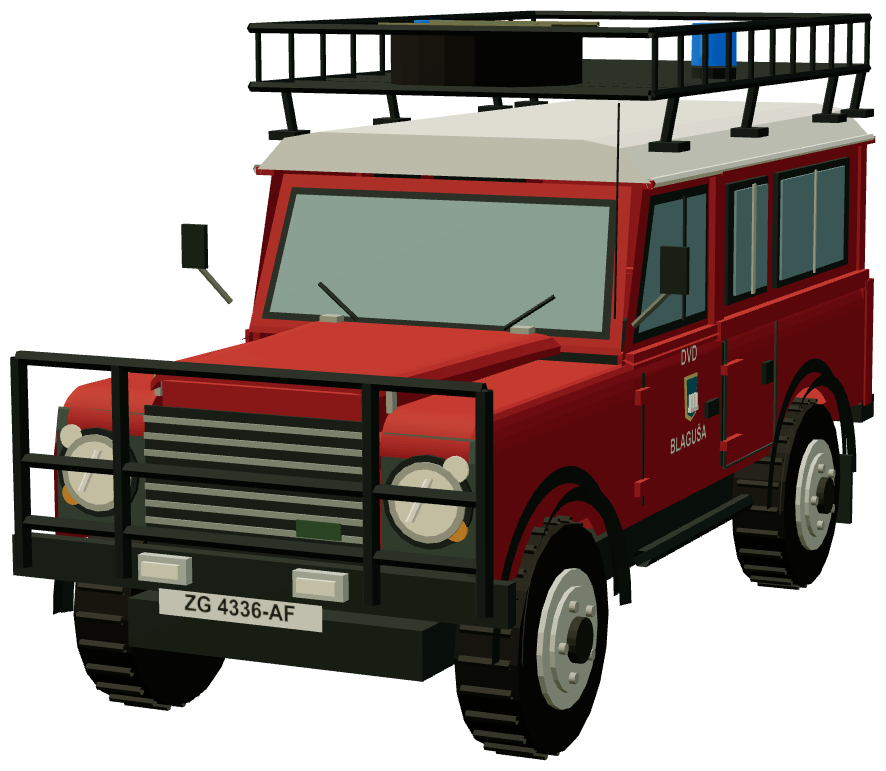 DVD Blaguša 1102009 · United Kingdom
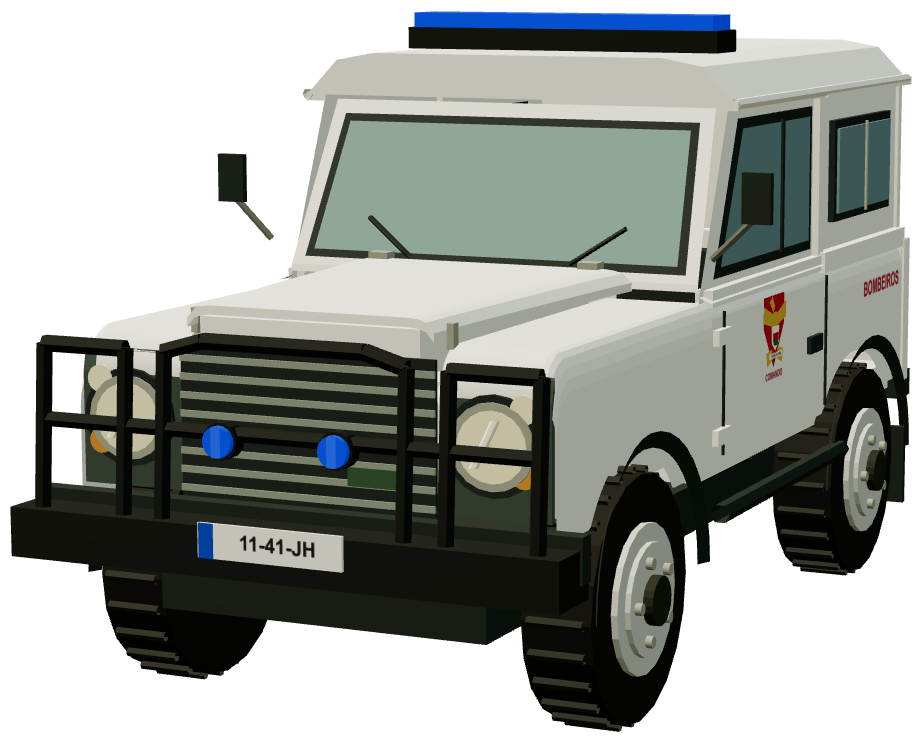 Bombeiros de Leiria Defender Comando2010 · United Kingdom
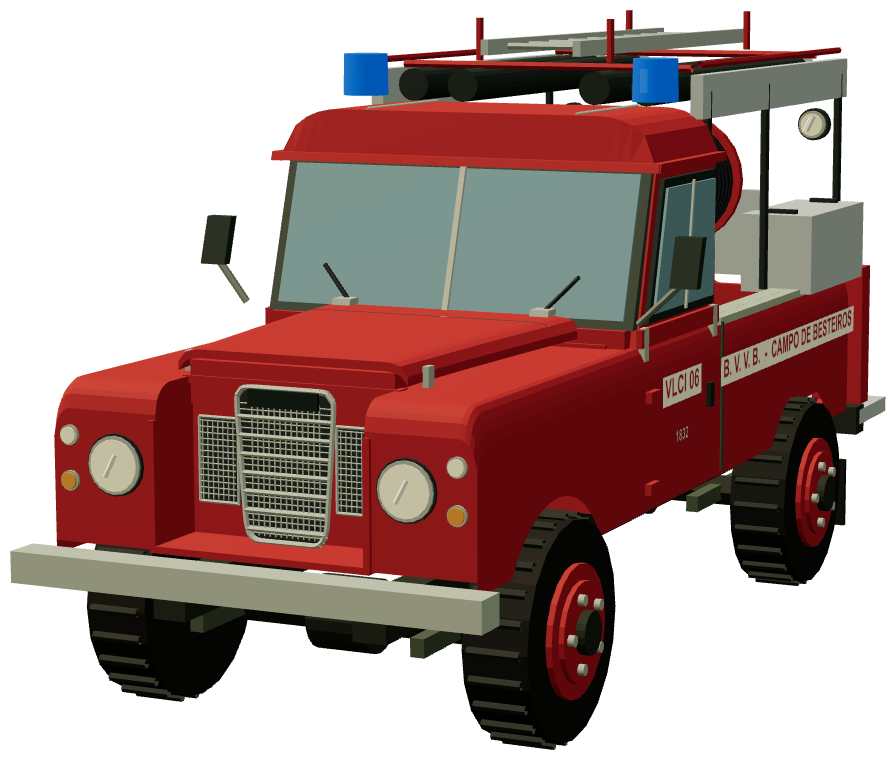 Campo de Besteiros VLCI 062011 · United Kingdom
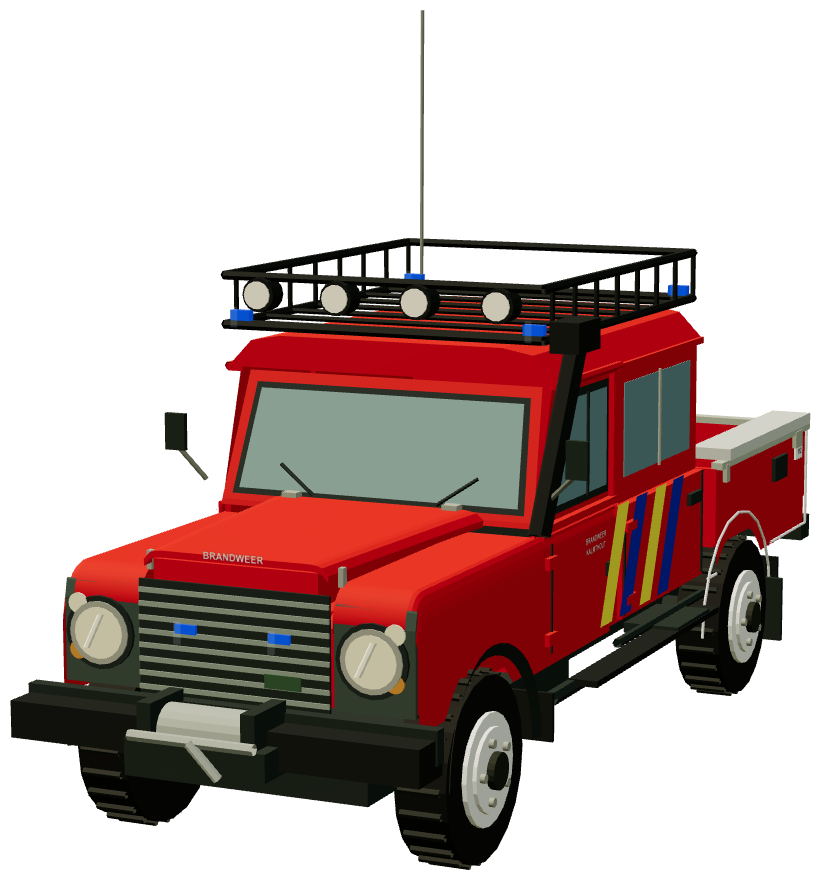 Brandweer Kalmthout Defender 1302012 · United Kingdom / Belgium
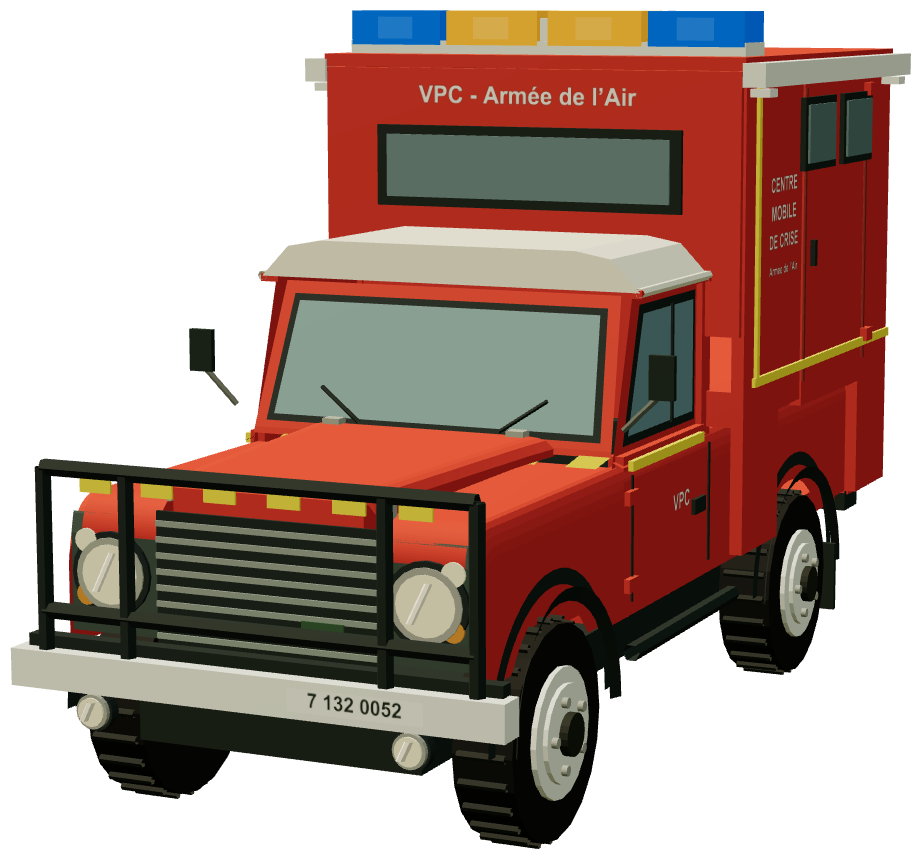 VPC · Armée de l’Air2013 · United Kingdom / France