The record
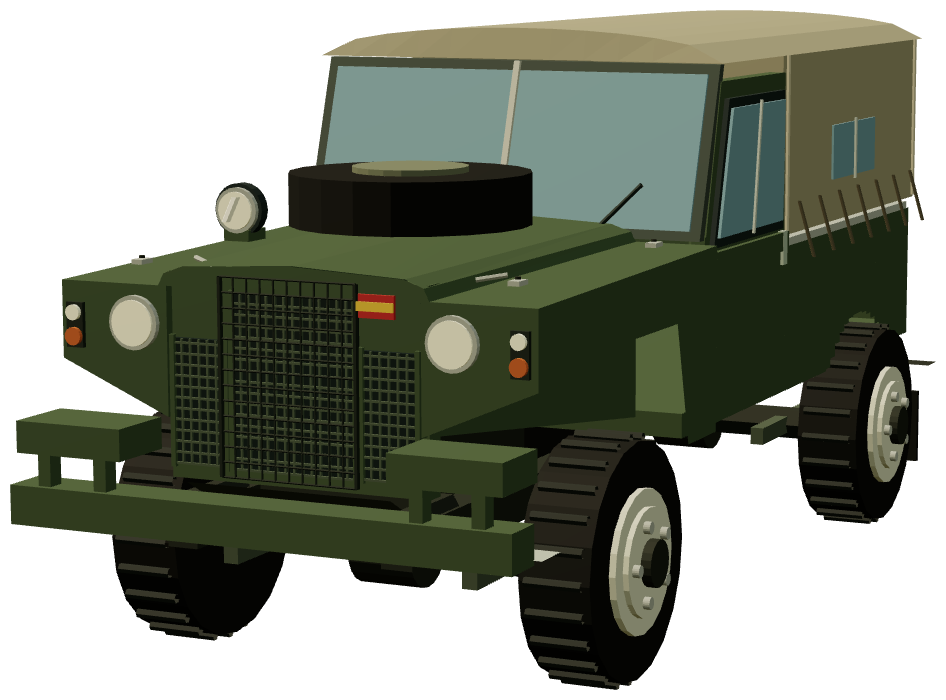
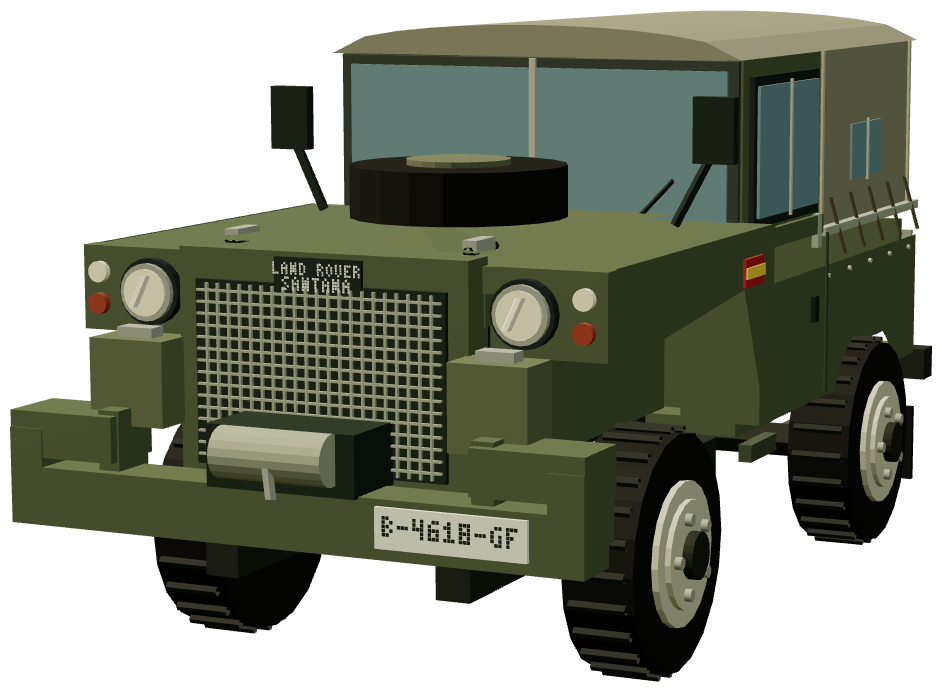
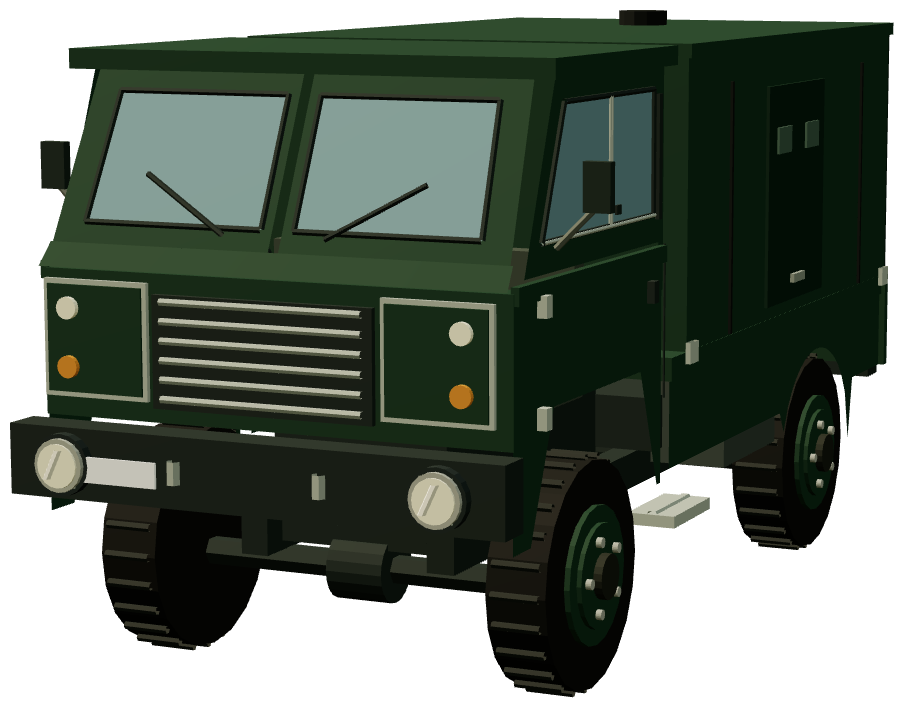
Santana Motor of Linares, in the province of Jaén, built Land Rovers under licence from 1958 and steadily developed its own derivatives for the Spanish market. The Santana 1300, launched in 1967, was the boldest of them: a forward-control 1.3-tonne truck on the long-wheelbase 109-inch Series IIA chassis, with the cab and mechanicals moved as far forward as they would go to leave a long, low load bed behind. It answered the same brief as Britain's Land Rover 101 Forward Control but was developed entirely separately and, unlike the 101, was sold openly to civilian customers as well as to the state. Spaniards nicknamed it the 'Chato de Linares'. Around 4,000 were built before the Santana 2000 replaced it in 1978, using the 2,286 cc four in 81 CV petrol or 62 CV diesel form.
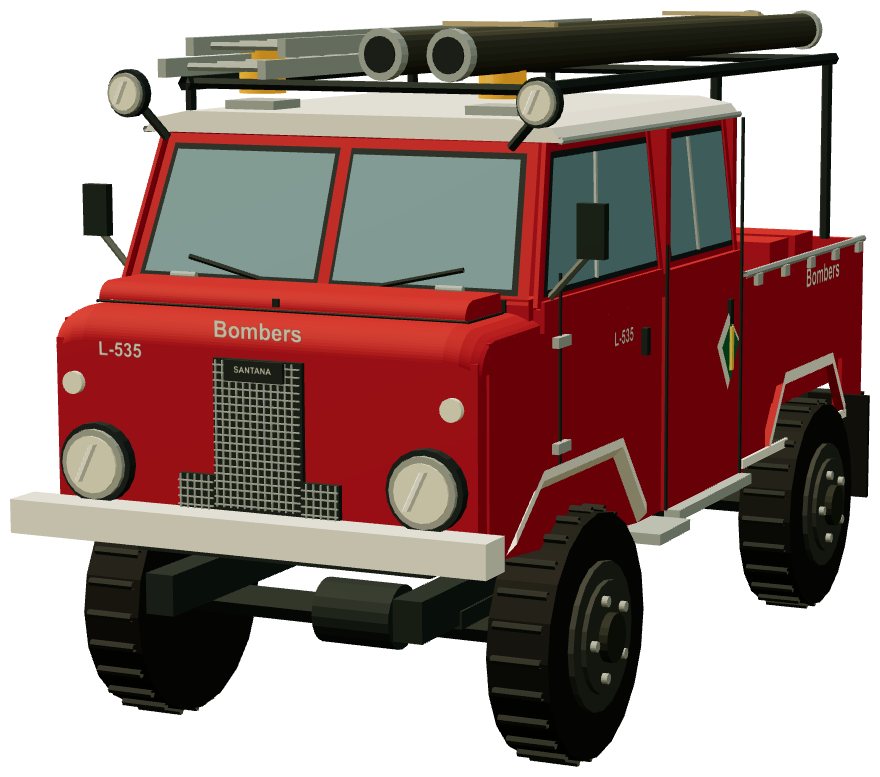
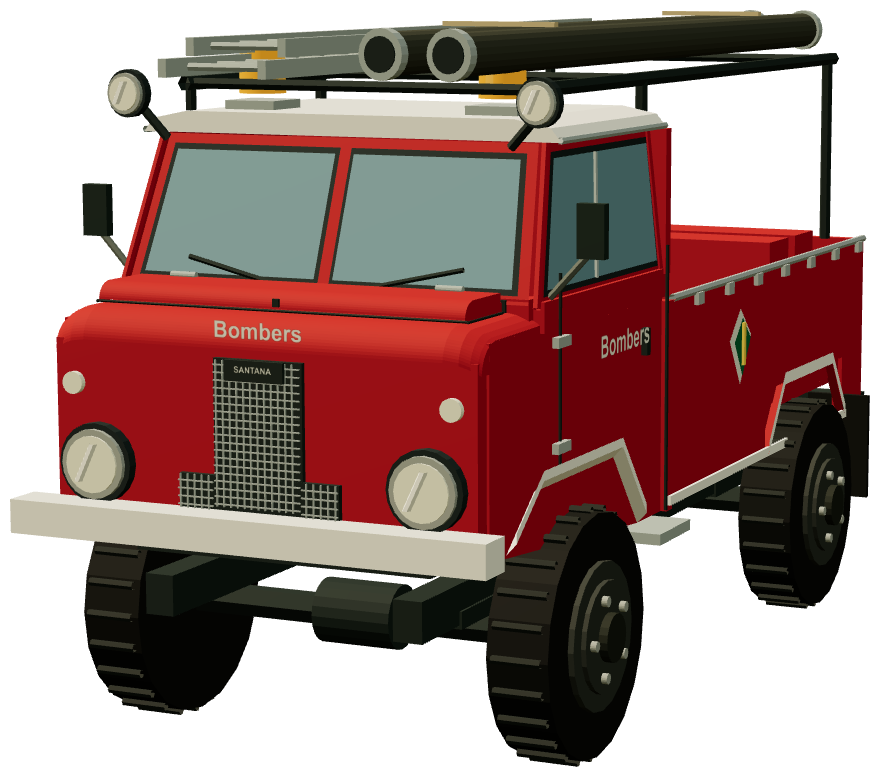
Because it was commonly supplied as a chassis-cab, the 1300 became a staple base for Spanish bodybuilders. The best-known fire conversions came from FIMESA (Financiera Mecánico Eléctrica S.A.) of Madrid, which built appliances on Land Rover, Santana 1300, Avia, Barreiros and Pegaso chassis. Its light forest tender on the 1300, catalogued internally as the A-109, carried a 450-litre water tank at the rear, four side lockers, a roof rack for ladders, auxiliary seats, a Guinard centrifugal pump with thirty metres of high-pressure hose, a siren, work lamps and a rear towing hook. Brigades at Santiago de Compostela, Lloret de Mar and Girona are among those recorded running the type, and it became a common sight in fire stations across Spain.
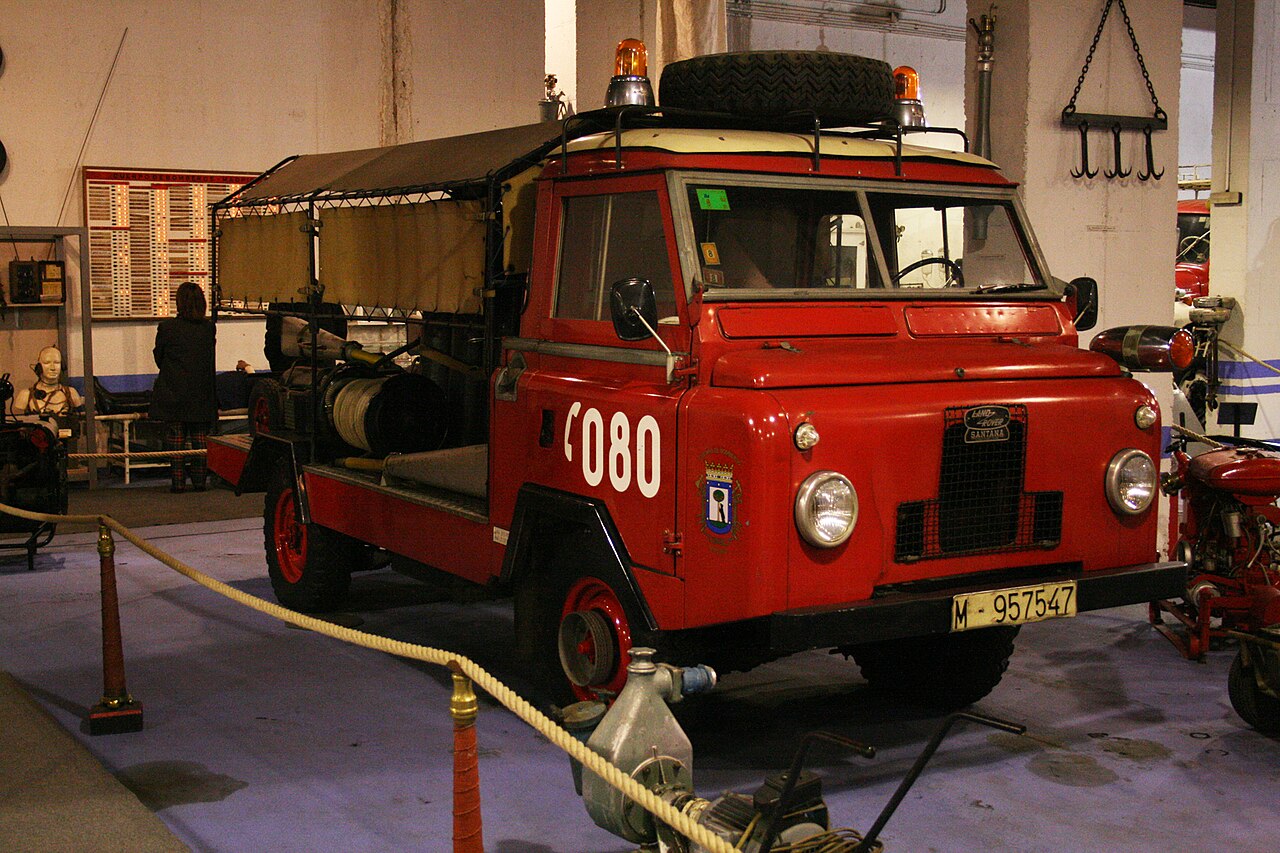
The compact forward-control layout, four-wheel drive and good ground clearance made these appliances especially useful on forest tracks and in old town centres where a full-size autobomba could not go. Their front-line careers were largely over by the 1980s, when heavier purpose-built forestry tenders took over, but preserved examples remain. The Madrid fire brigade's own 1300, registration M-957547, survives in red with the city's coat of arms and the '080' emergency number on its cab sides, twin roof beacons, a roof rack carrying the spare wheel, and hose reels and equipment stowed under the canvas tilt of the rear body.