The record
Metalúrgica de Santa Ana, S.A. was founded in 1955 in Linares, in Spain's Jaén province, with state incentives to industrialise Andalusia. After building agricultural machinery it reached agreement with Rover in 1956 to build Land Rovers under licence, and production from Complete Knocked Down kits shipped from Solihull began in 1958. Local content grew rapidly behind Spain's protected market - by 1968 the vehicles were 100% locally made - and by 1962 Santana was supplying Land Rovers to Central and South America and parts of Africa.
From 1968 Santana increasingly went its own way, developing its own versions of the Series models and, in time, its own engines. Vehicles that worked hard in harsh export markets exposed weaknesses early, and Santana answered with features that often preceded Solihull's equivalents: tapered leaf springs, disc brakes, anatomical seats and, later, turbodiesels. The company's proudest piece of independent engineering was its six-cylinder engine family. Rather than adopt Solihull's ageing 2.6-litre inlet-over-exhaust six, Santana stretched the rugged 2,286 cc Land Rover four by half again, producing 3,429 cc inline-sixes in both petrol and diesel form.
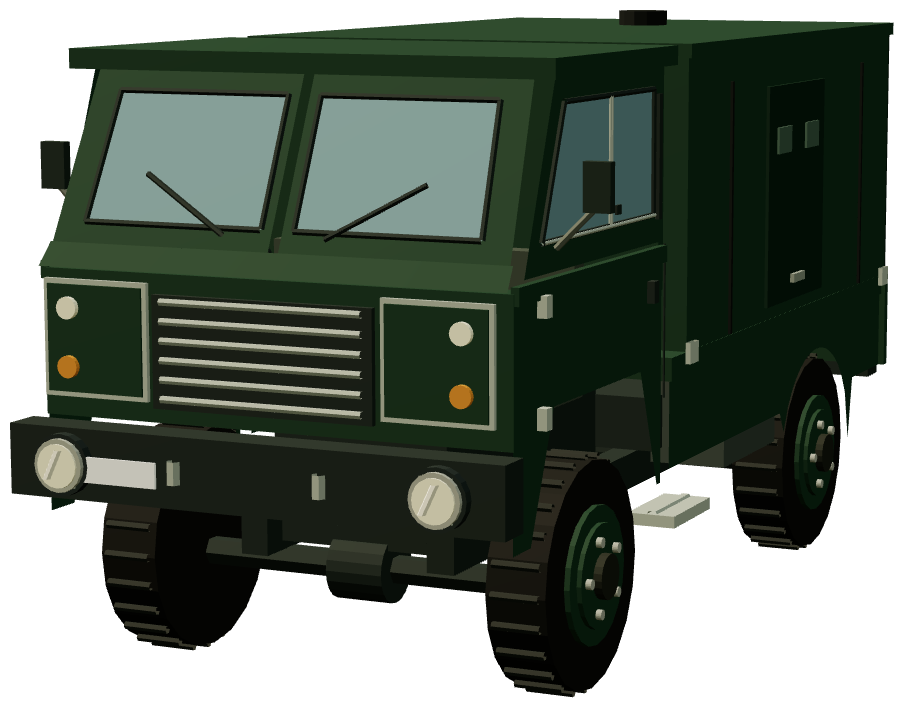
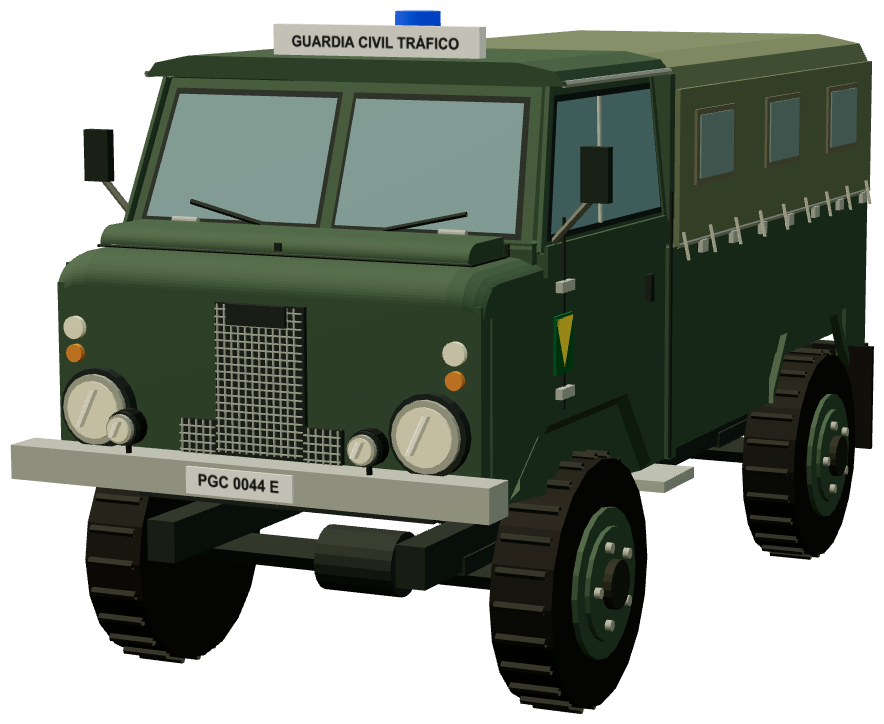
The six-cylinder diesel - 90.47 mm bore, 88.9 mm stroke, 23:1 compression, around 94 bhp at 4,000 rpm with 152 lb ft at 1,800 rpm - gave roughly 50% more power and torque than the four-cylinder diesel. A one-tonne six-cylinder military forward control entered production in 1976, the first six-cylinder diesel 109-inch Land Rovers followed in 1977, and in 1978 the Santana 2000 forward control adopted the six exclusively. In 1981 the company renamed itself Land Rover Santana, S.A., reflecting a relationship in which Linares was by then developing as much as it was assembling.
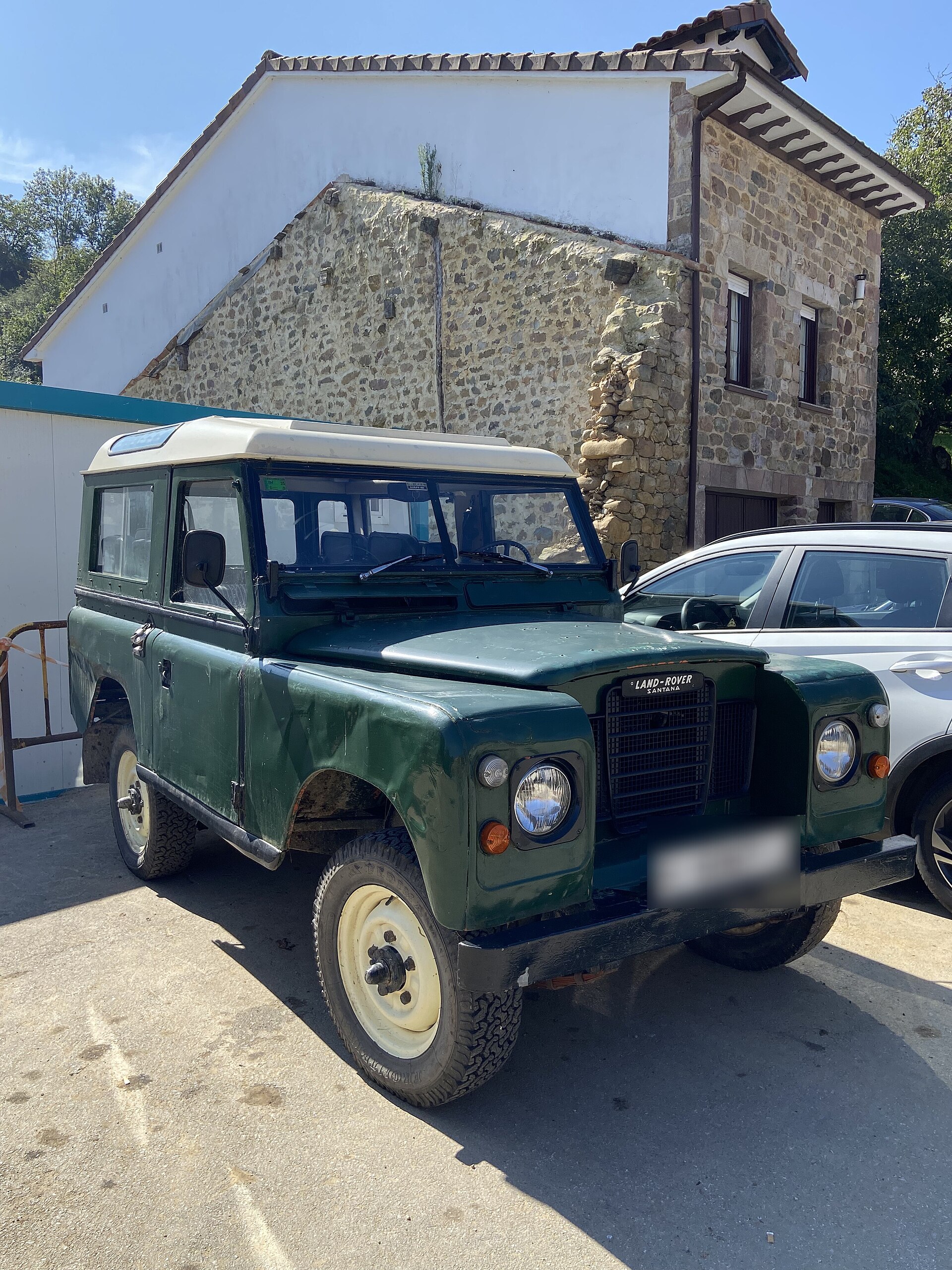
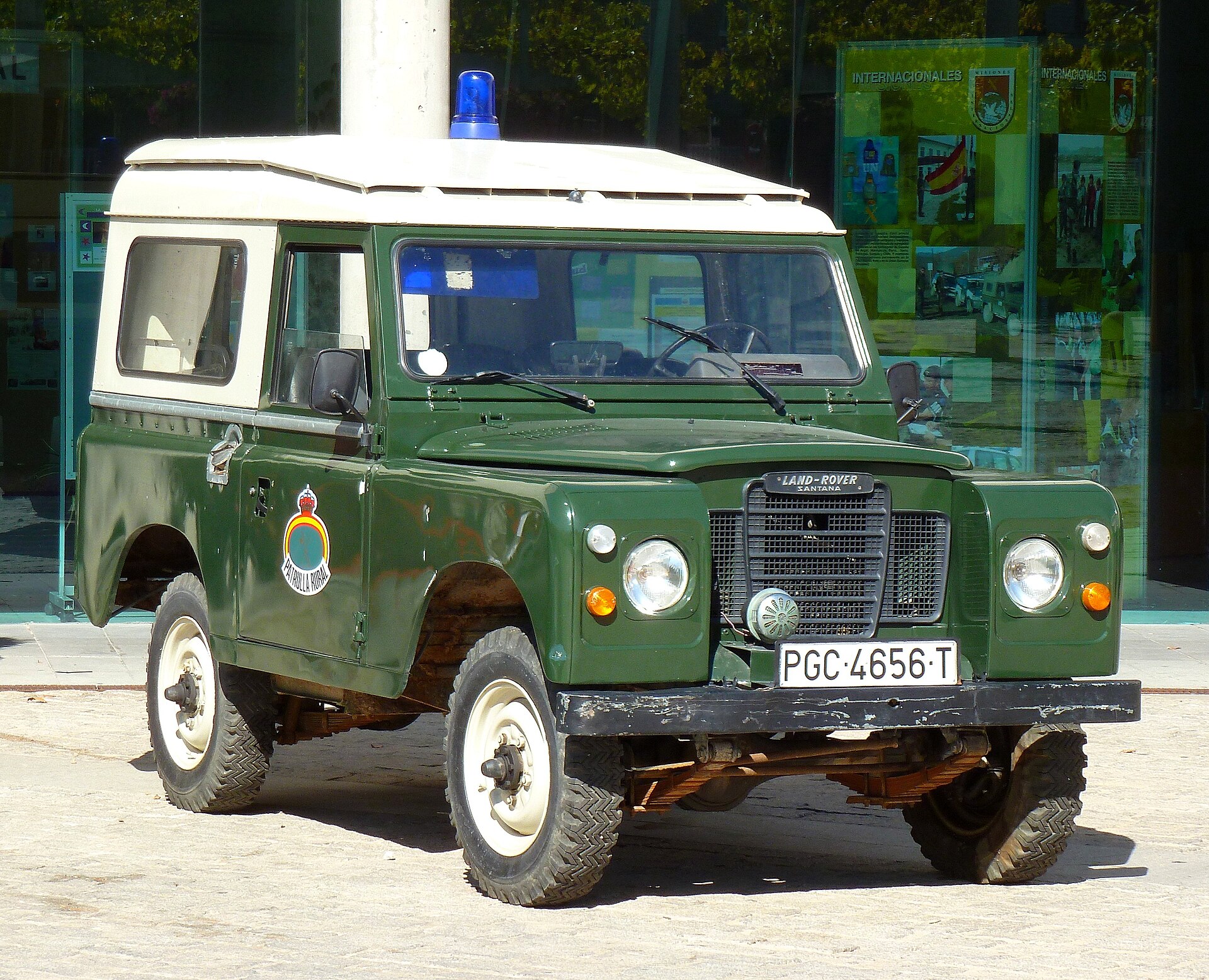
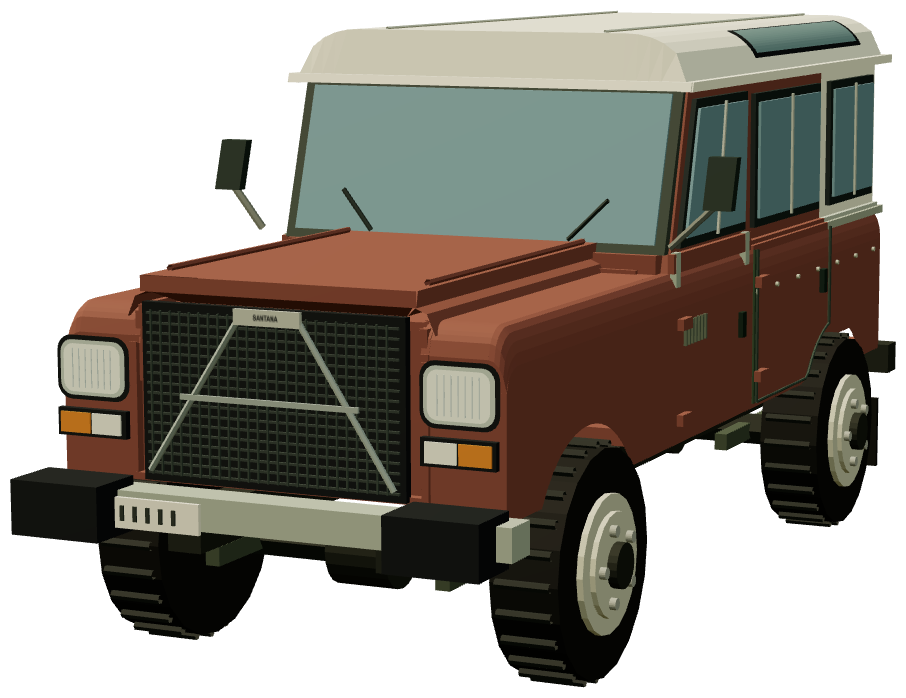
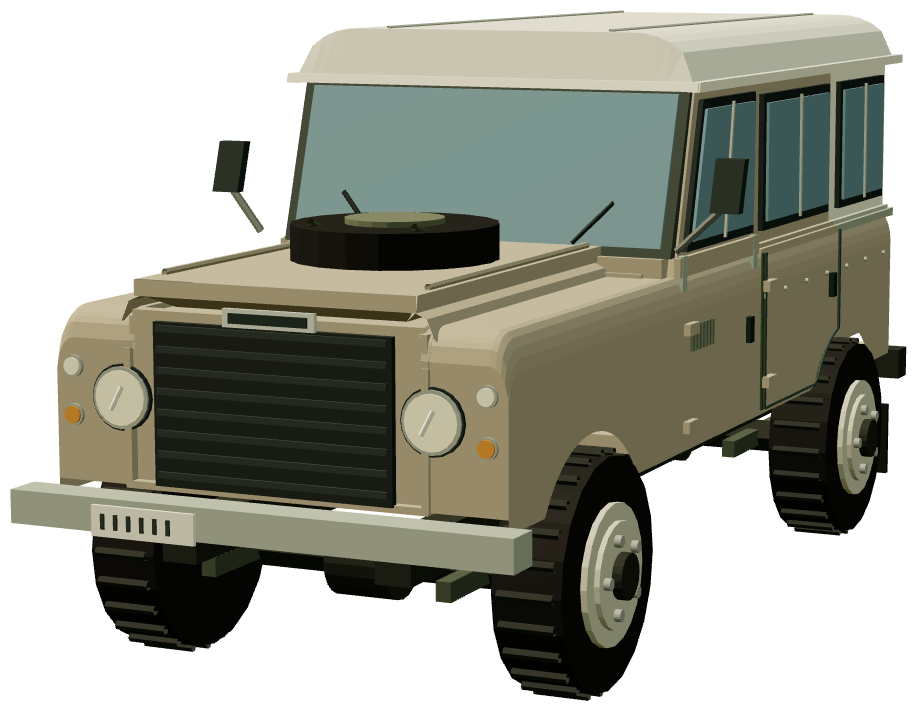
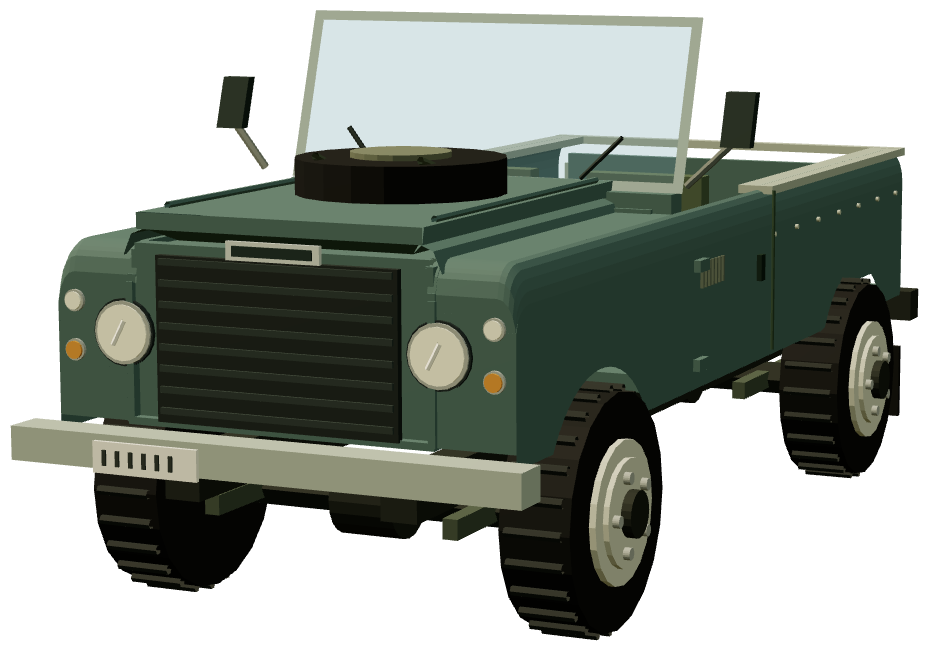
Santana's Series-type models, in 88- and 109-inch wheelbases, continued into the 1980s alongside increasingly independent derivatives. The non-compete agreement with Land Rover ended in 1983 and the licence itself in 1990, after which Santana carried on with its own Land Rover-derived ranges before turning to Suzuki and Iveco production; the Linares factory finally closed in February 2011. Spanish enthusiasts recall the works Series colours as a light 'pistachio' green, a blue-grey and olive and grass greens, with Limestone cream reserved for wheels and tops - close cousins of Solihull's palette, though Santana's exact paint records are poorly documented.
 No roof
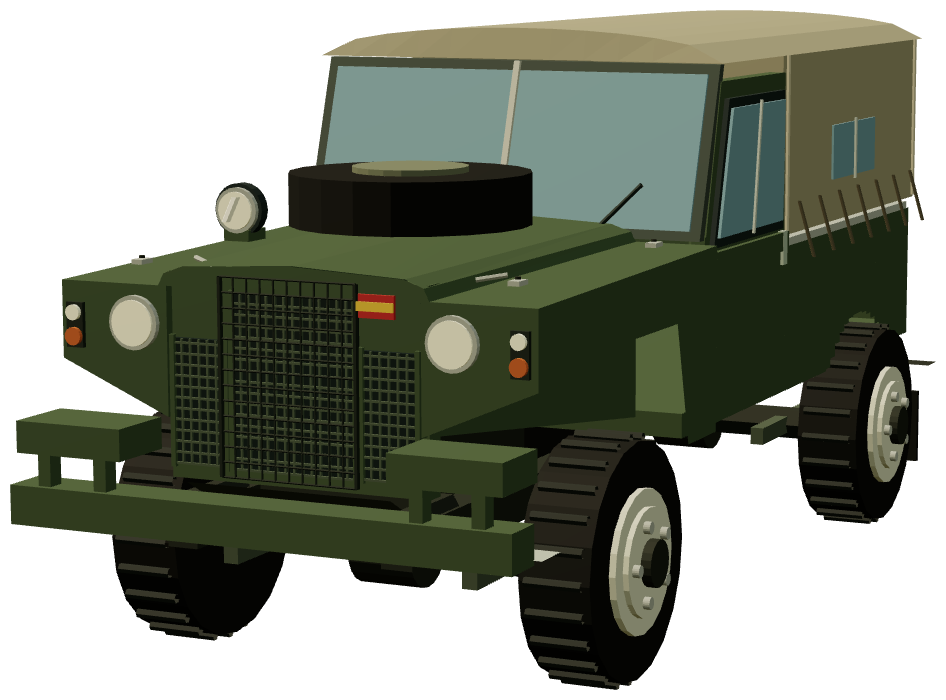
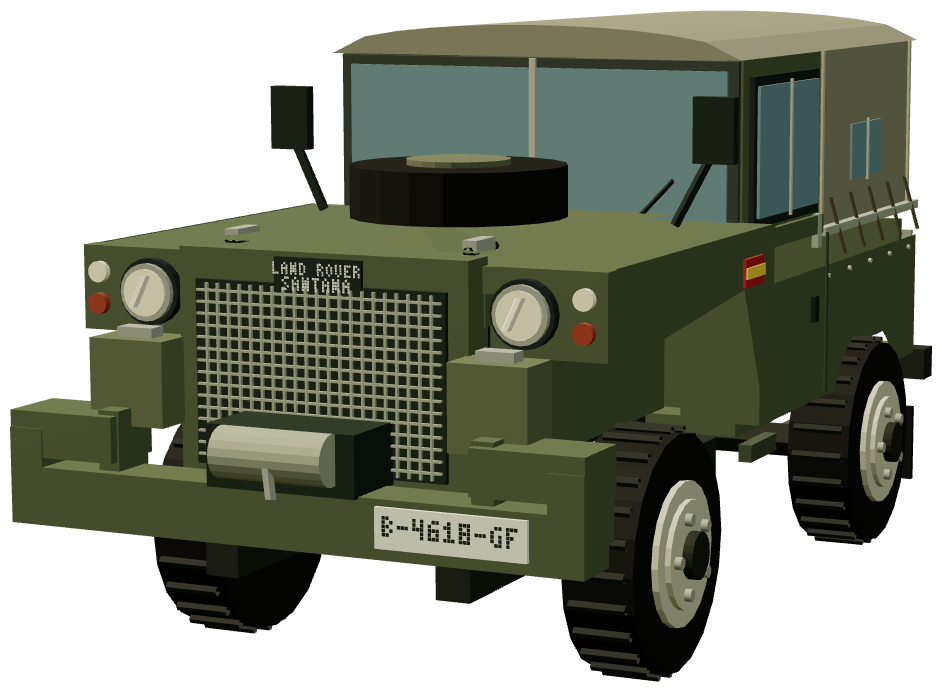
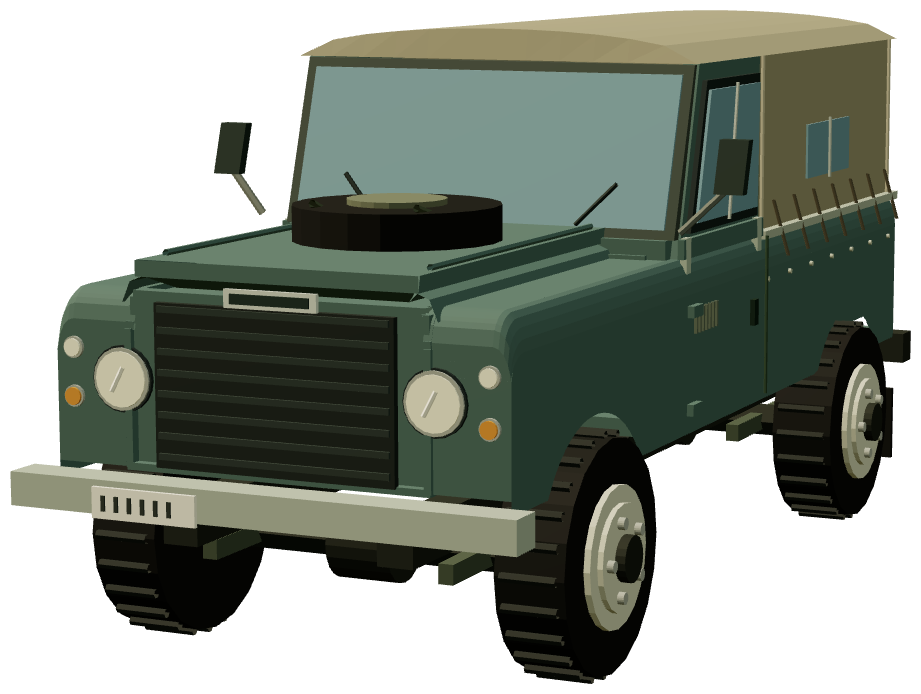 Canvas soft top
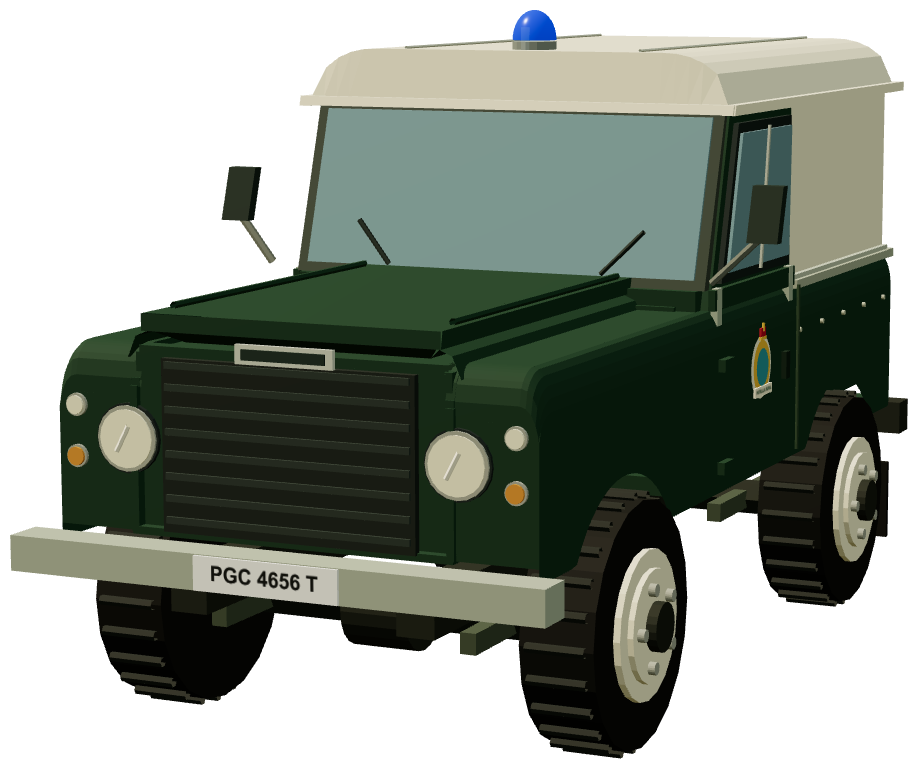
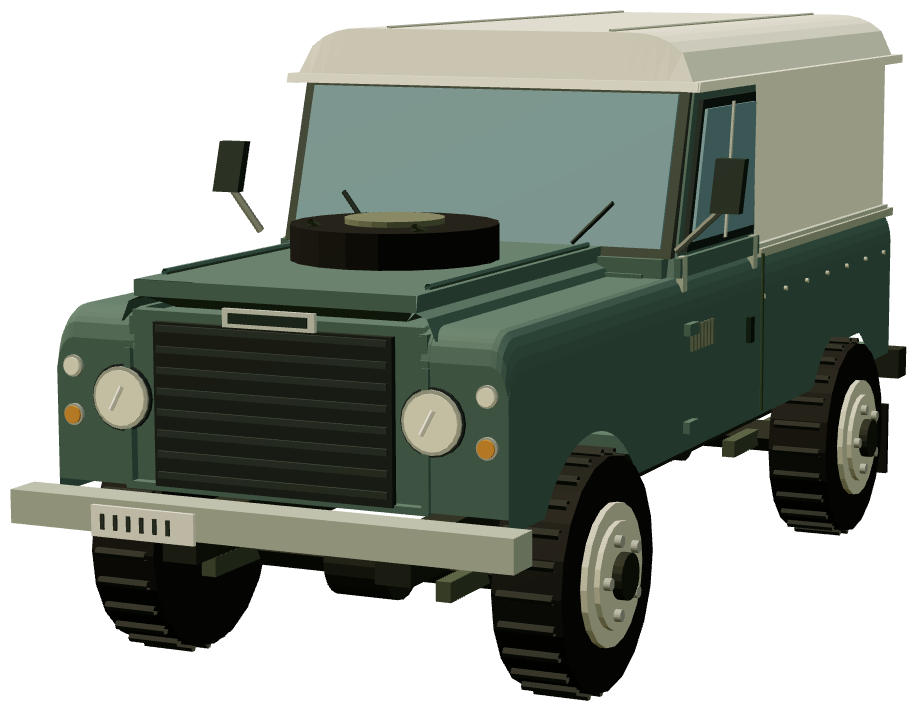 Hard top
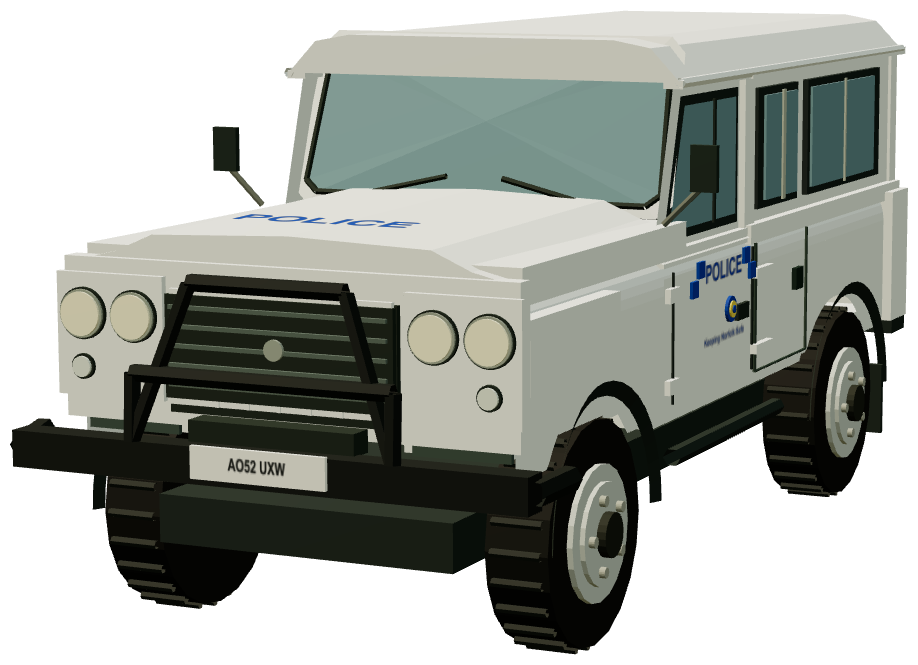
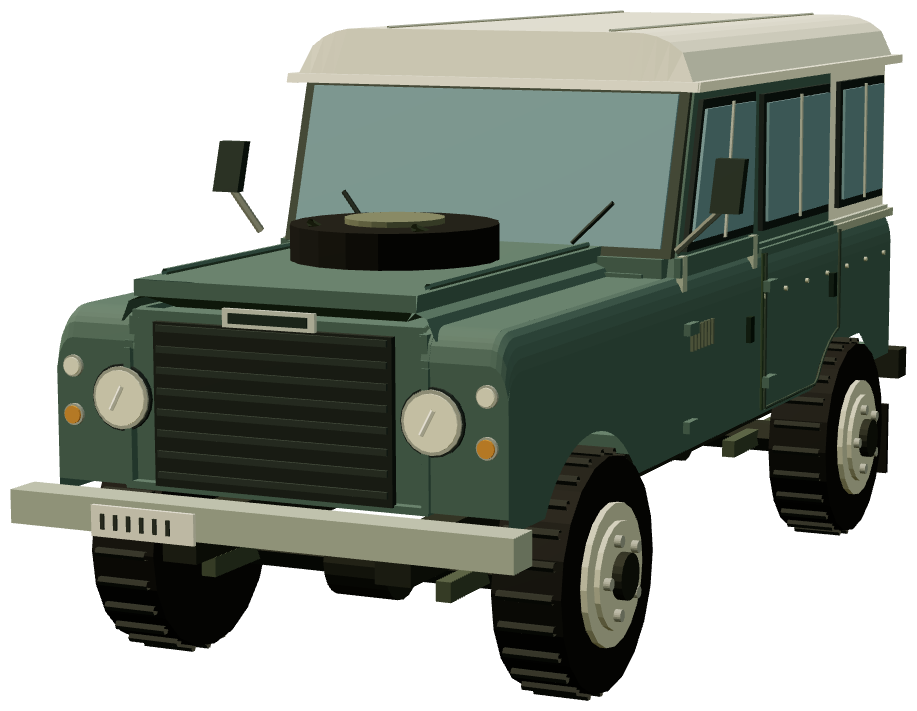 Station wagon
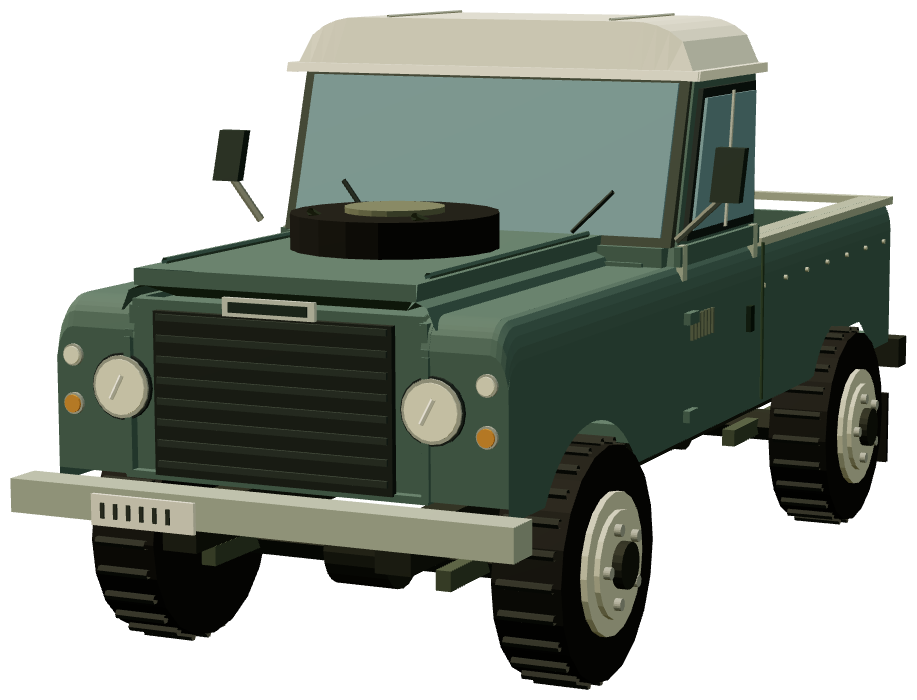 Cab top
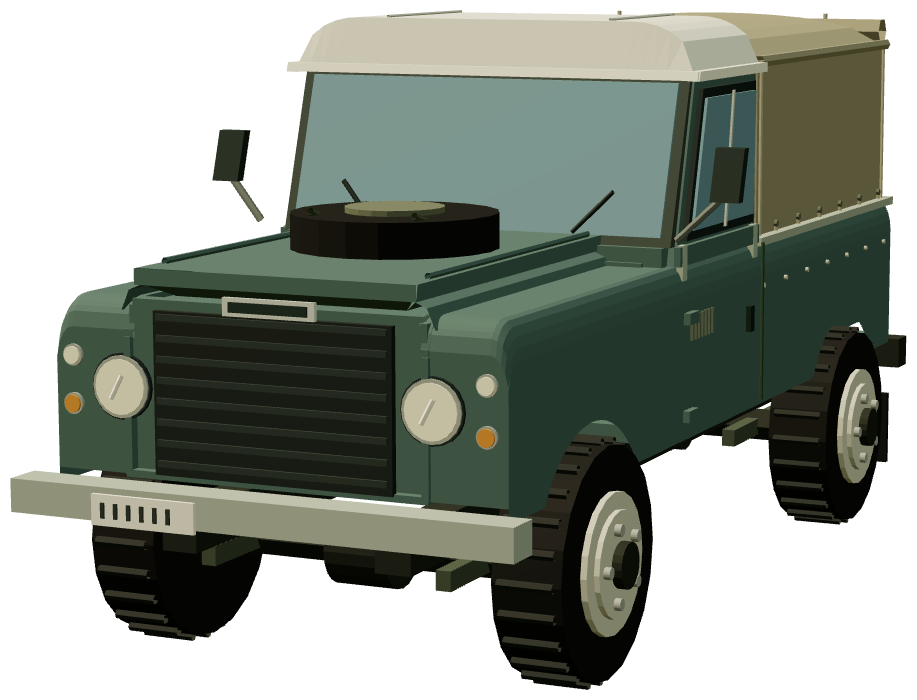 Cab top canvas
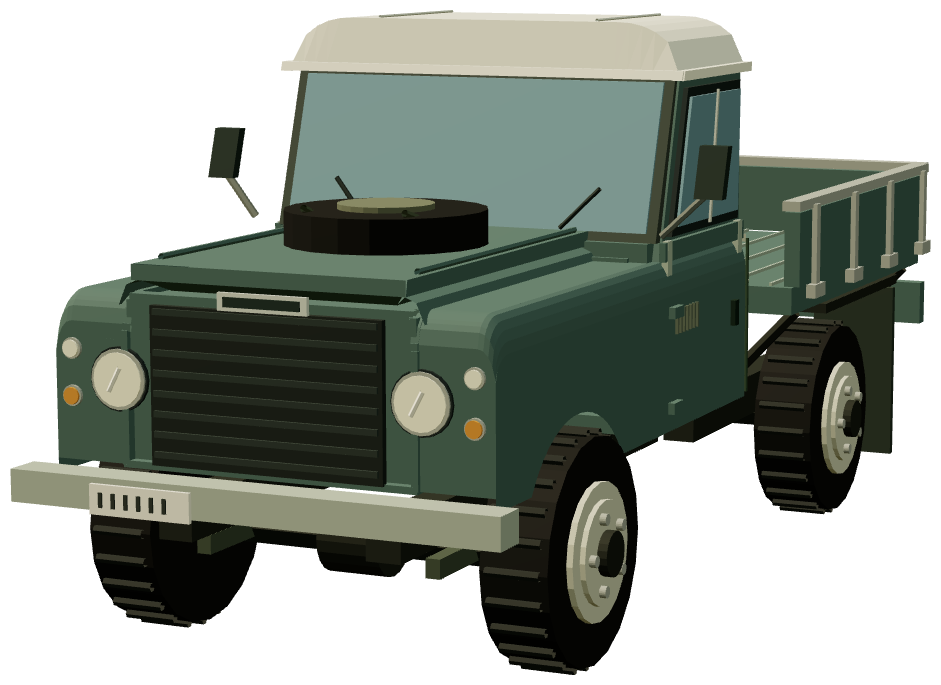 Trayback