The record
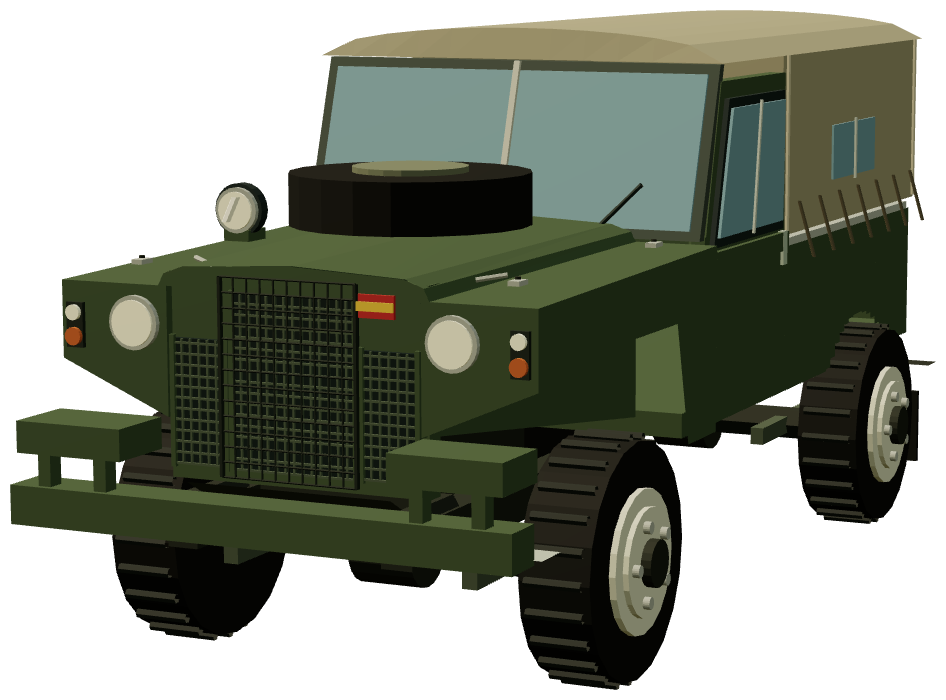
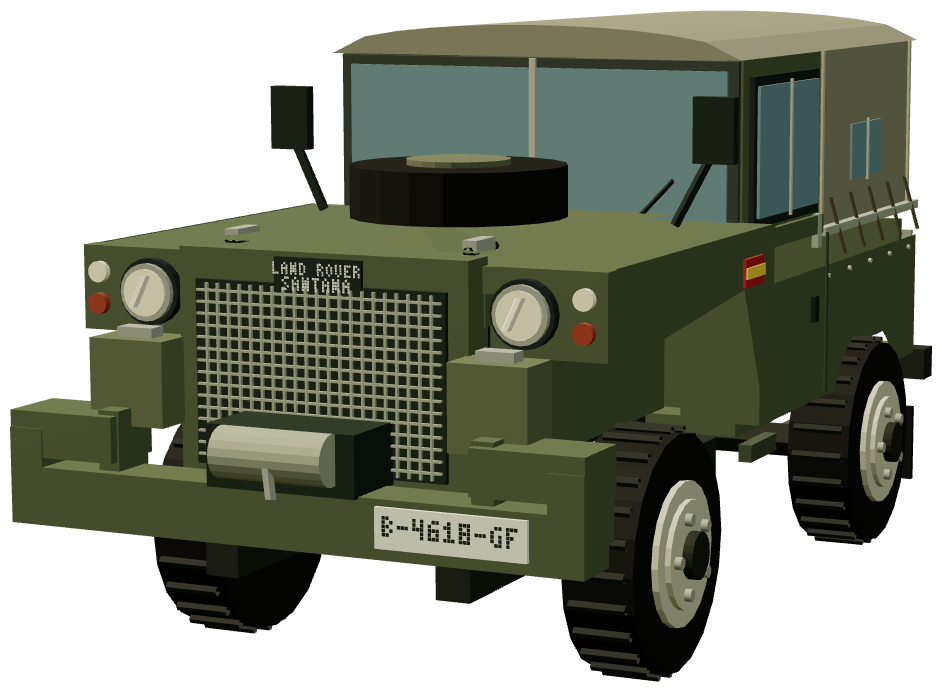
Santana Motor grew out of Metalúrgica de Santa Ana, an agricultural machinery works founded at Linares in the province of Jaén in 1956. From 1958 it assembled Land Rovers under licence for the protected Spanish market, beginning with CKD Series II 88s and reaching near-total local content within a couple of years. Spanish homologation rules, local supply and local demand steadily pushed the Linares cars away from their British siblings, so that by the 1970s Santana models carried their own bodywork details, their own gearboxes and, eventually, their own engines.
The most significant of those was a six-cylinder diesel. Rover's Buick-derived V8 was considered for the Series III in Spain and rejected as too thirsty, so Santana's engineers instead added two cylinders to the existing 2.25-litre four, keeping the same bore and stroke to arrive at a 3,429 cc naturally aspirated direct-injection straight six of about 94-96 CV (a 107 CV petrol six was also built). Because it kept the four-cylinder starter motor the engine was notoriously reluctant to fire from cold, but it gave the long-wheelbase Santana far more pulling power than any 2.25 could manage. The six-cylinder cars were the first Santanas to get a one-piece windscreen, larger door glass, a moulded glassfibre roof with ventilation hatches, glassfibre bumpers, wider seats and a much larger fuel capacity.
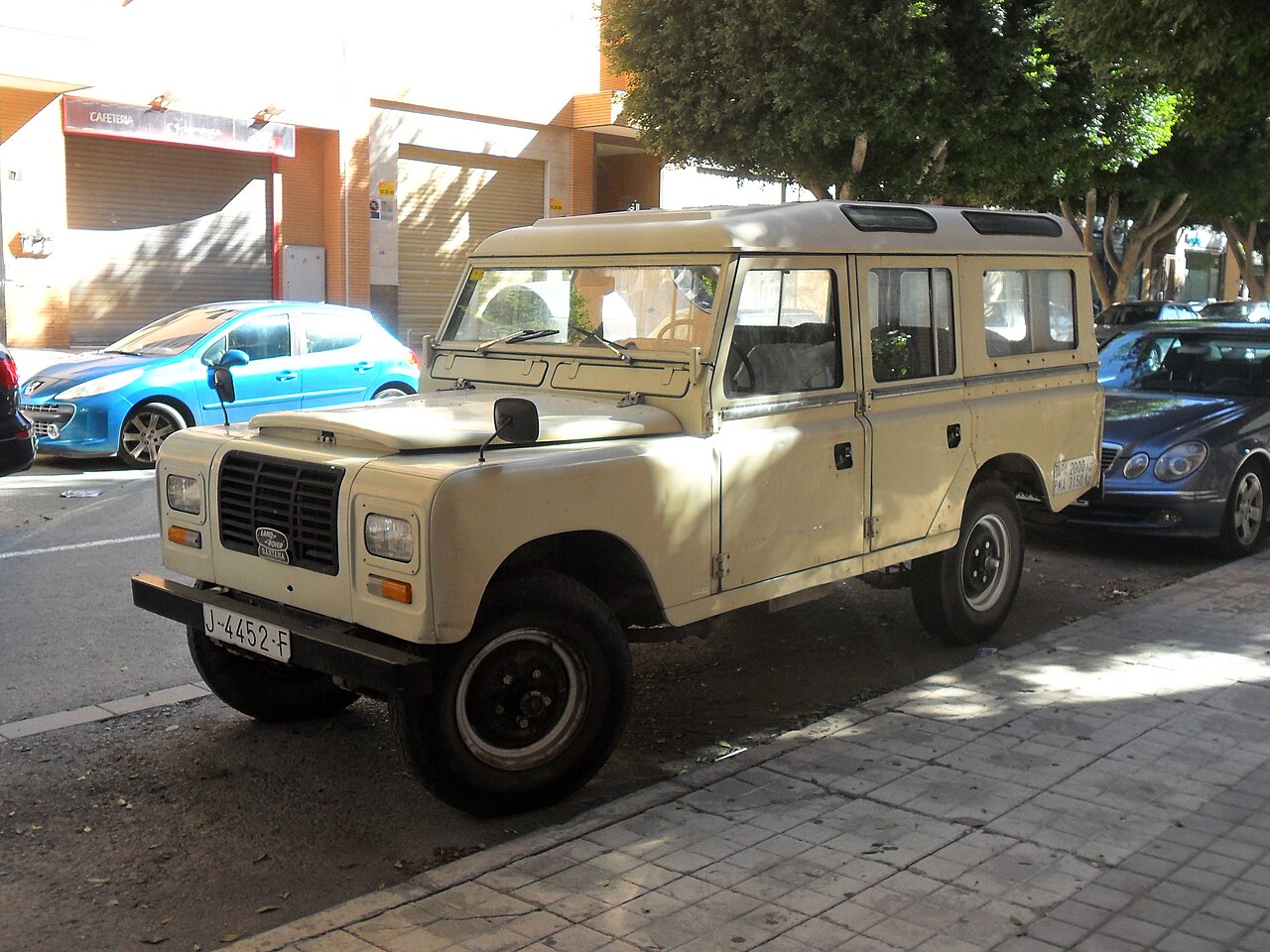
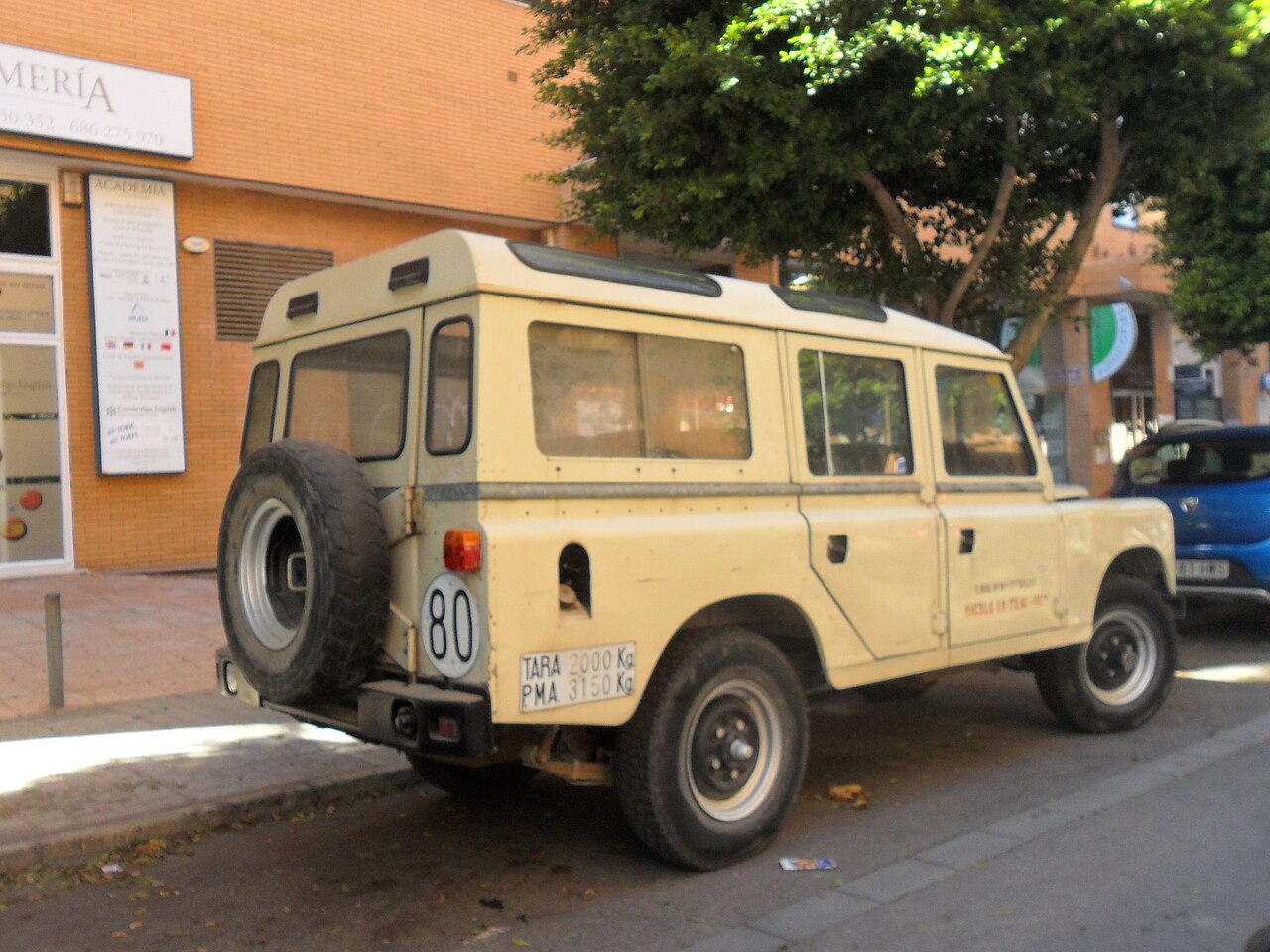
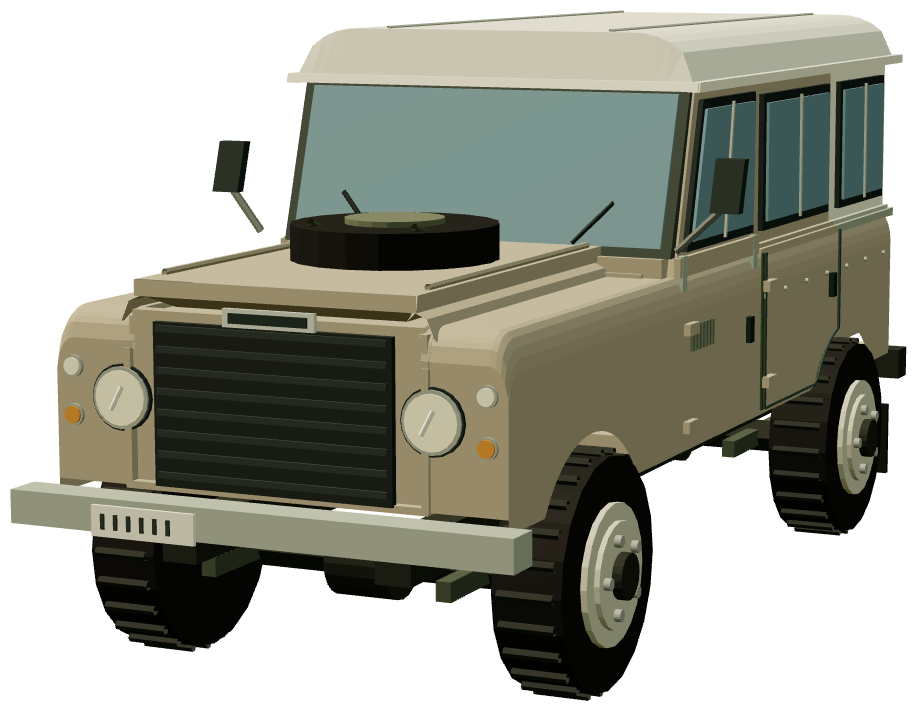
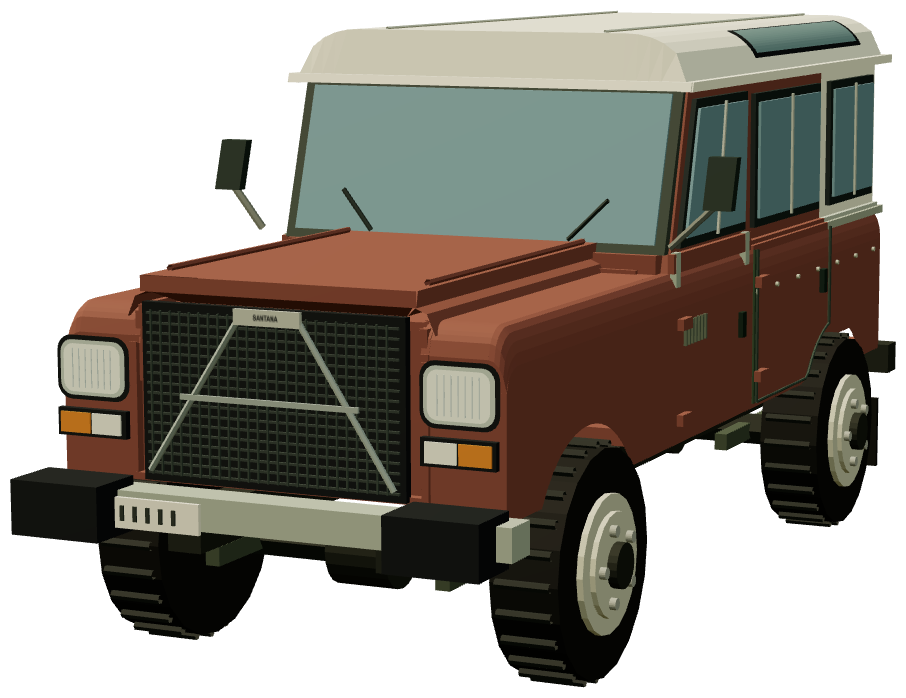
Production of the Cazorla began in 1982, named after the Sierra de Cazorla in the same province as the Linares factory, and succeeding the Land Rover Santana Serie III 109 Especial. It was conceived as a nine-seat working station wagon rather than a luxury car: sparse inside, but with two fuel tanks giving 92 litres and, with the LT85 five-speed gearbox and overdrive, a genuine 120 km/h cruise at the cost of fuel consumption approaching 20 L/100 km. Leaf springs, selectable four-wheel drive and drum brakes were retained. Visually its signature is the pair of square headlamps taken from the SEAT 127, mounted in the wings, plus four fixed alpine windows and the Santana badge on the grille panel. The Cazorla was succeeded in the range by the Santana Super, and the whole Series-derived line eventually gave way to the Santana 2.5/2500 after Land Rover withdrew from the company in the mid-1980s.