The record
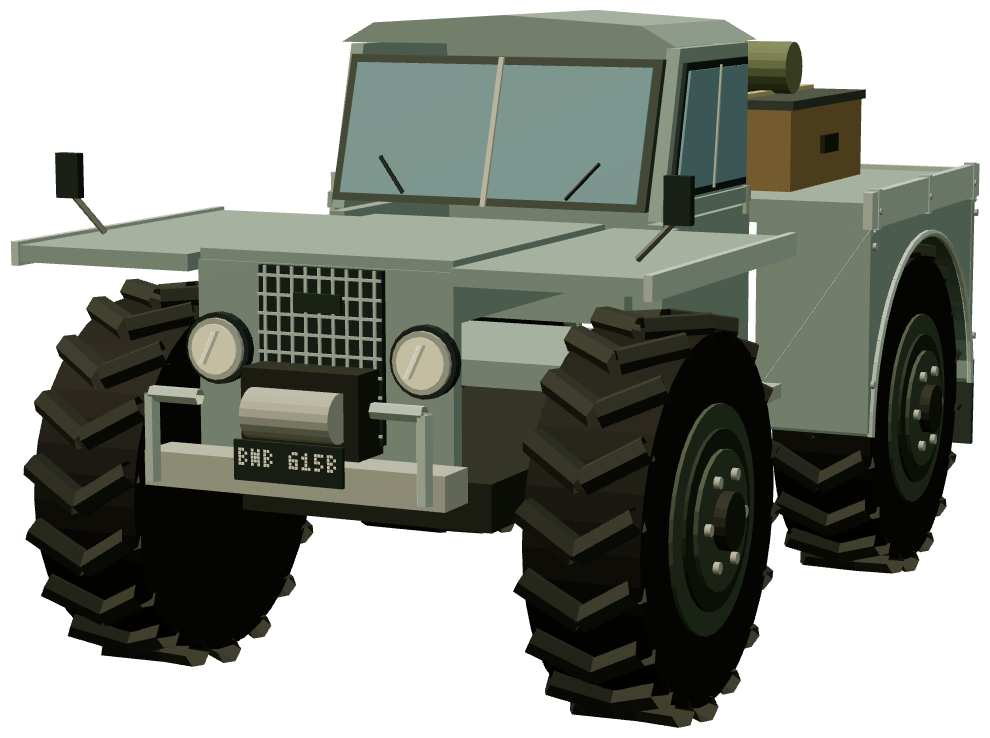
Roadless Traction of Hounslow made a Land Rover that could straddle plough furrows: a 109 with the standard axles replaced by wider units on 10×28-inch six-ply tractor tyres, giving the ground clearance to work in young plantations, and a bespoke load-carrying body. Research by Nick Pitaluga, Gary Pusey and the Dunsfold Collection's Philip Bashall in the Rover production records at Gaydon concluded that only nine were built between 1959 and 1963, and Land Rover Monthly published their fates in 2023.
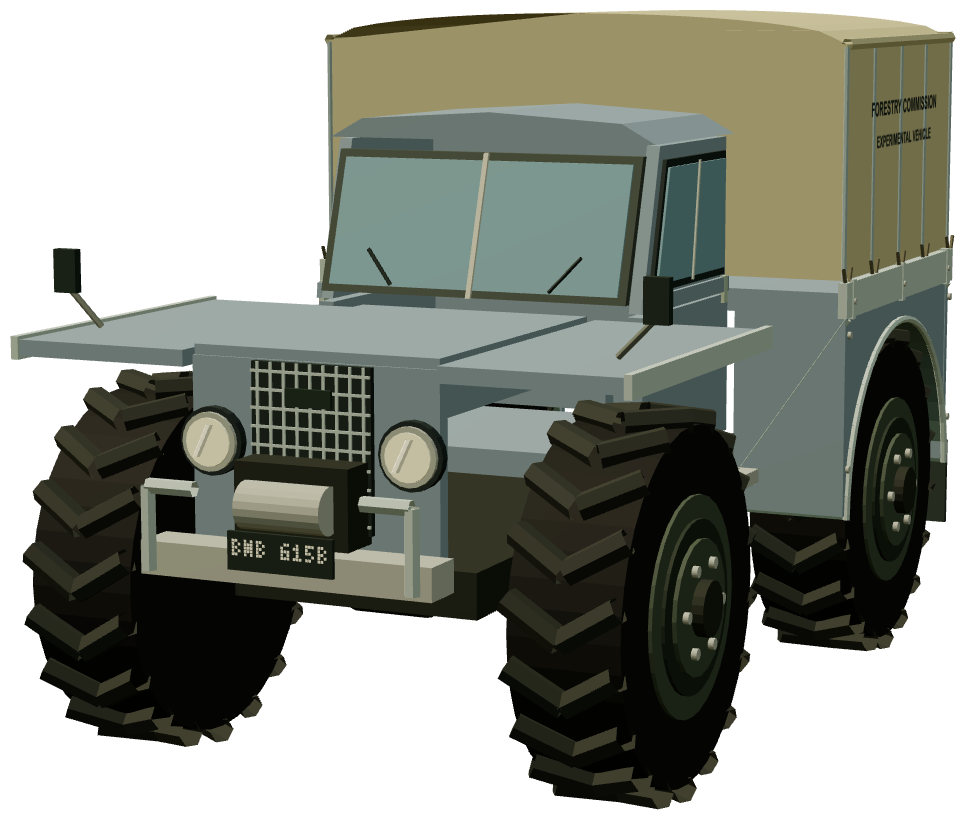
The first of them is this vehicle. The donor, chassis 151900757, was built by Land Rover and dispatched in May 1959 to the Forestry Commission at Hounslow — Roadless's address — and became the first prototype Roadless built. It went to the Forestry Commission with a rear body described at the time as a fire tender, for the grass and plantation fires that are a forester's standing hazard, and was sign-written Forestry Commission Experimental Vehicle. The Commission evaluated it extensively at Alice Holt, its research station in Hampshire, and it was later used for many years as a training aid at Telford Agricultural College. It is believed to have been scrapped at Telford in 1979; a photograph showing its registration, XLE 762, came to light only after the original research was published.
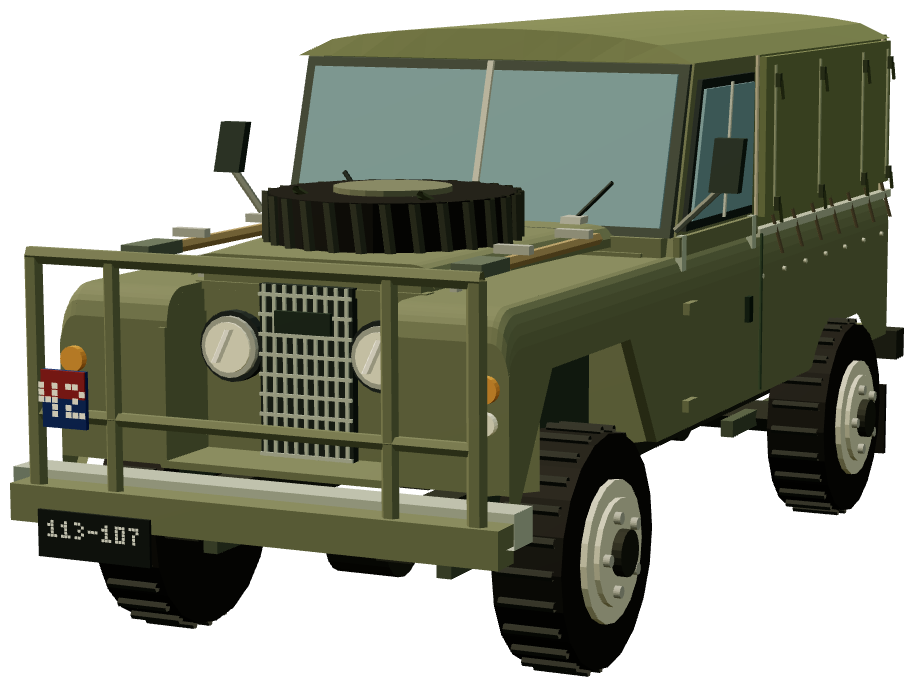
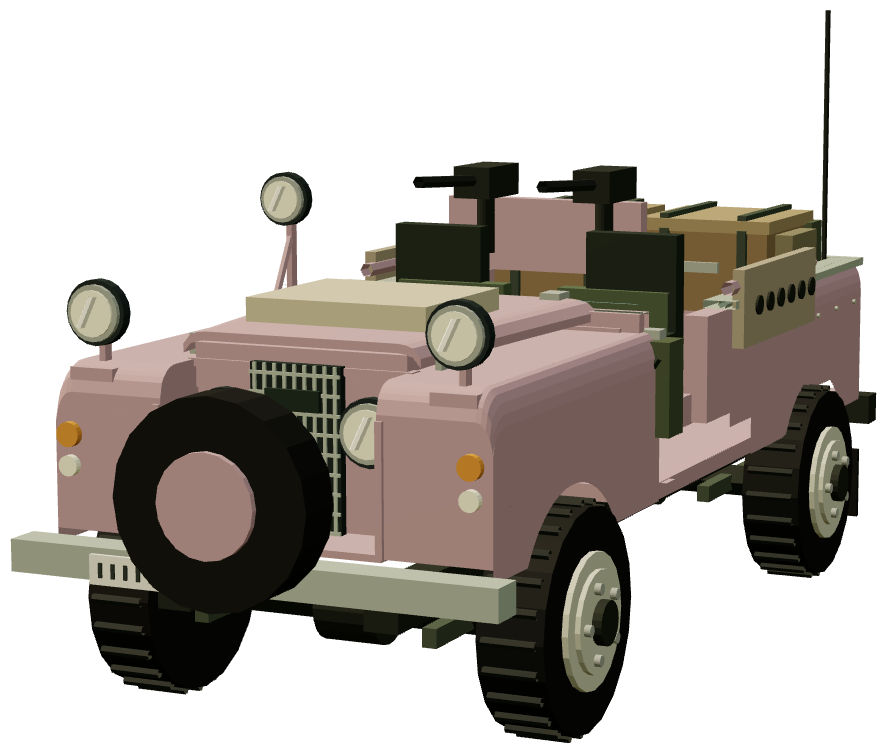
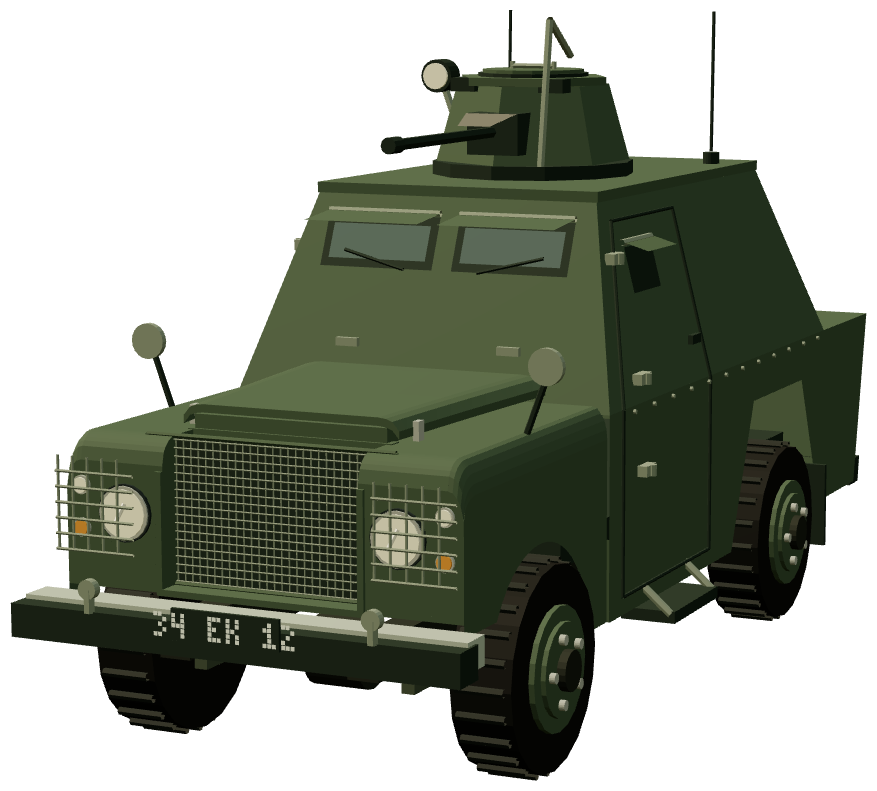
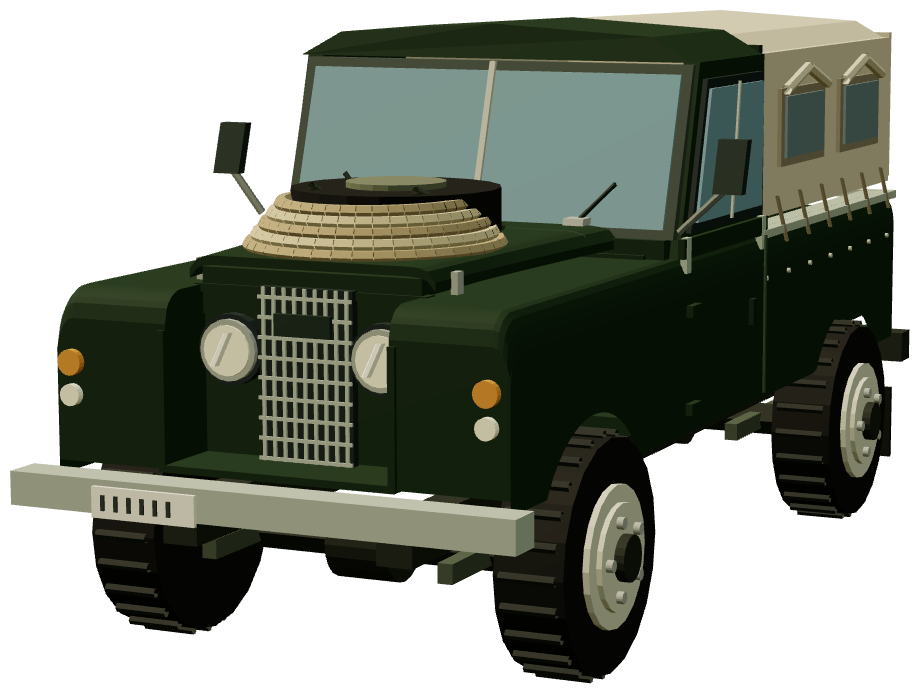
The production prototype that followed, XSY 698, survives and sold at auction in May 2022 for £110,000; the ex-Central Electricity Generating Board car is in the Dunsfold Collection, and the best-known survivor is the Pitaluga family's Big Rover in the Falkland Islands, in farm service from 1962 to 2007. This record represents the fire-tender prototype, on Roadless's wide wings and tall canvas equipment body, with the 109's 2.25-litre petrol four or 2.0-litre diesel — Roadless quoted both, and the records consulted do not say which XLE 762 carried.