The record
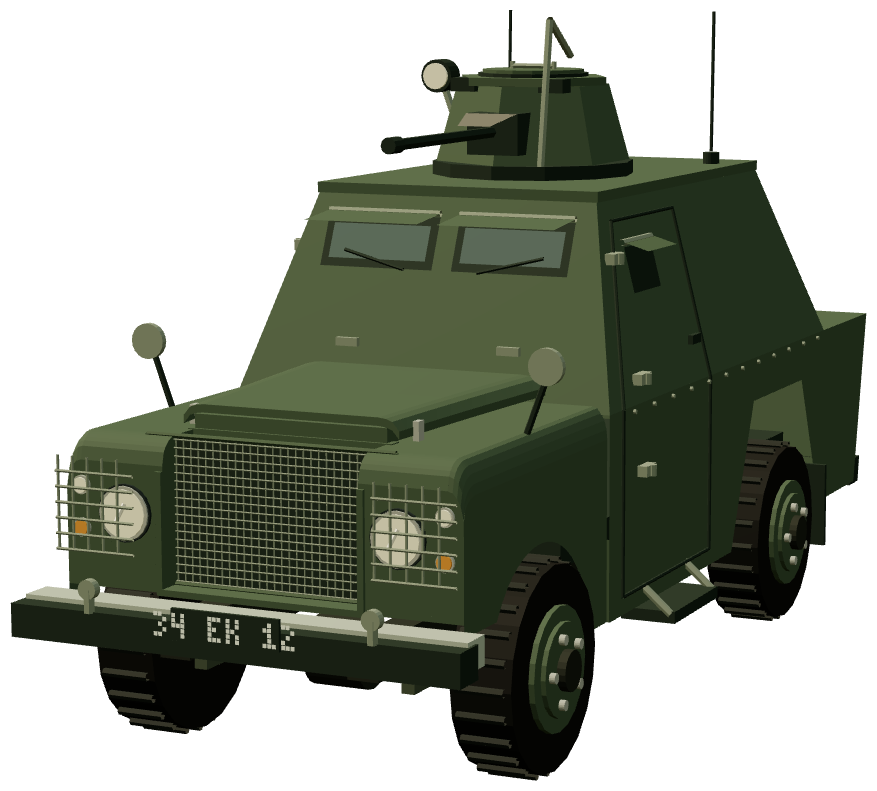
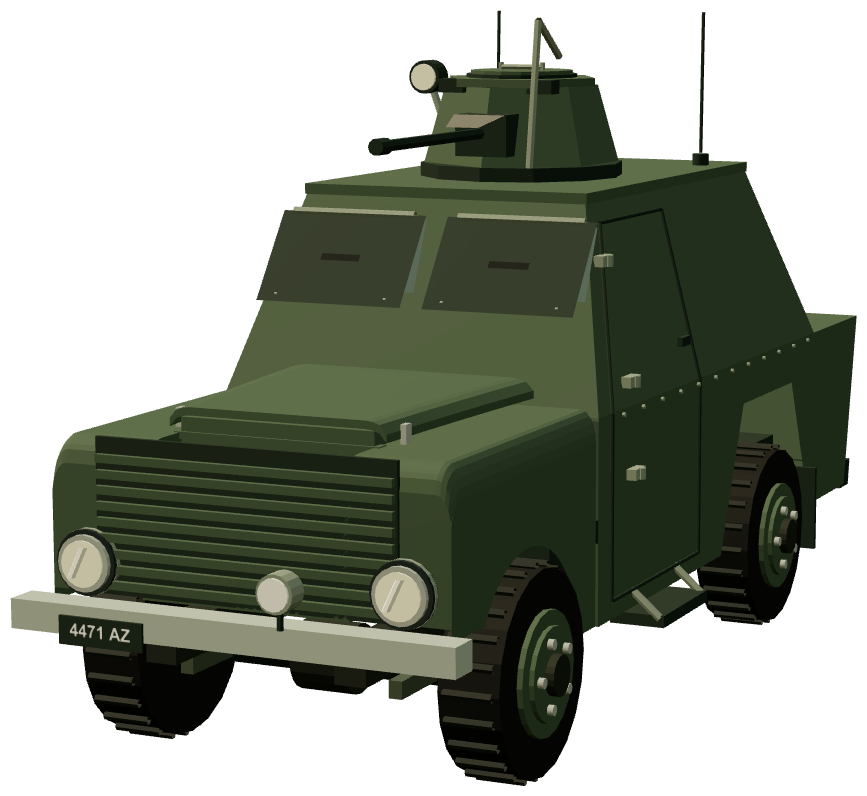
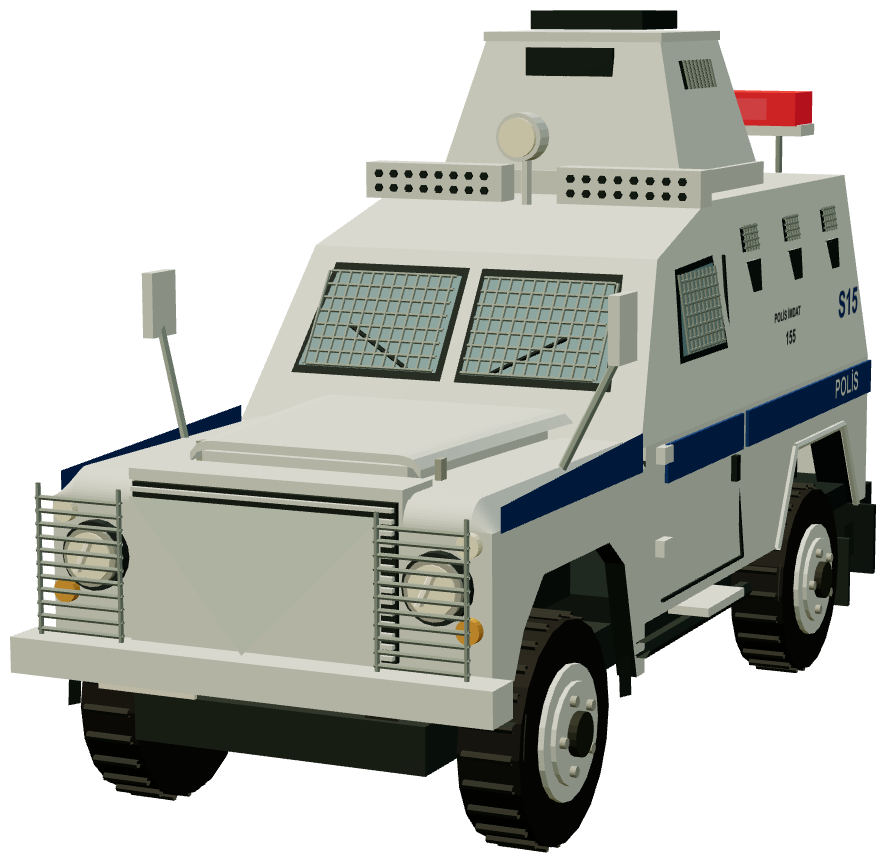
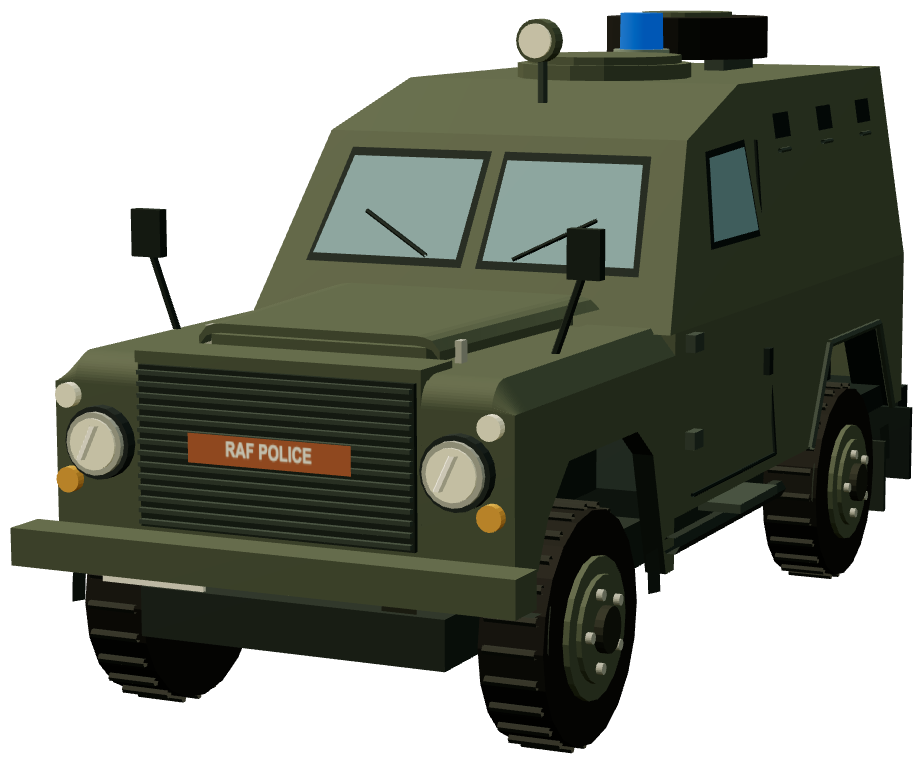
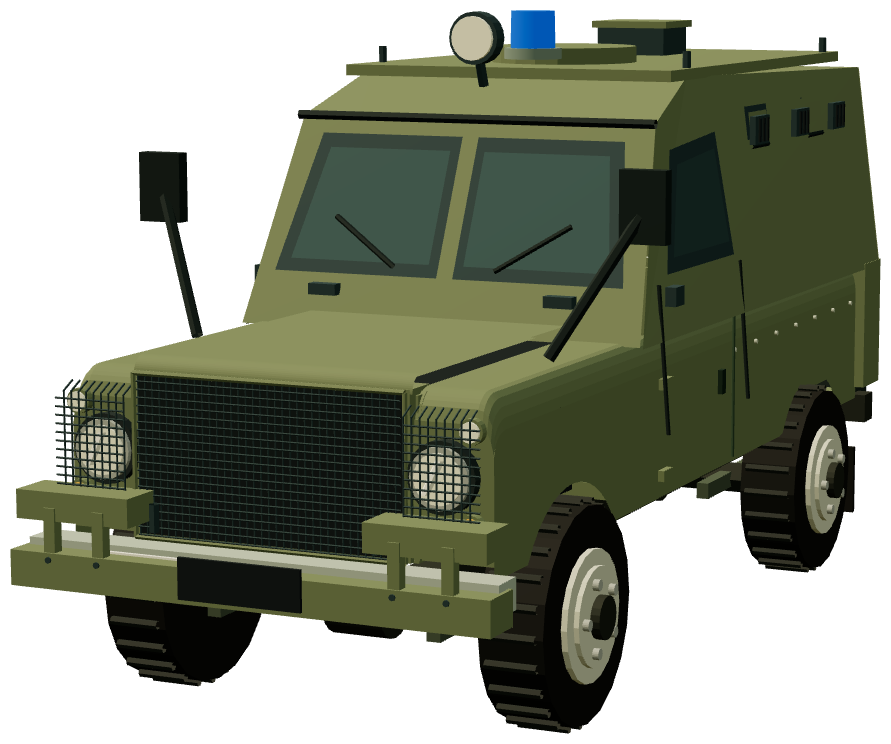
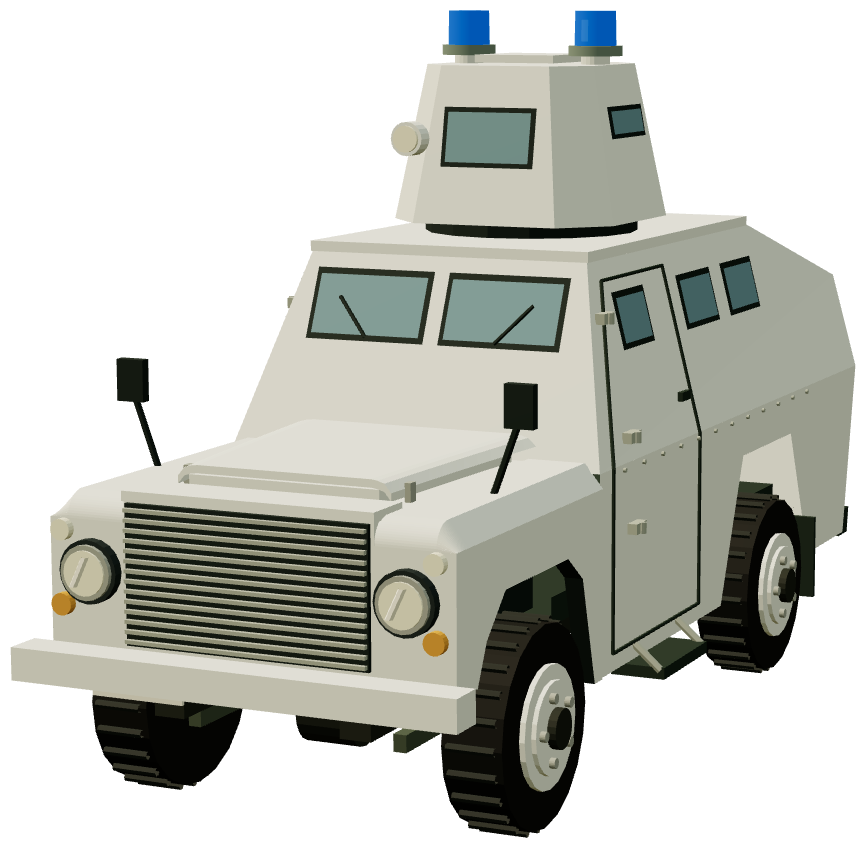
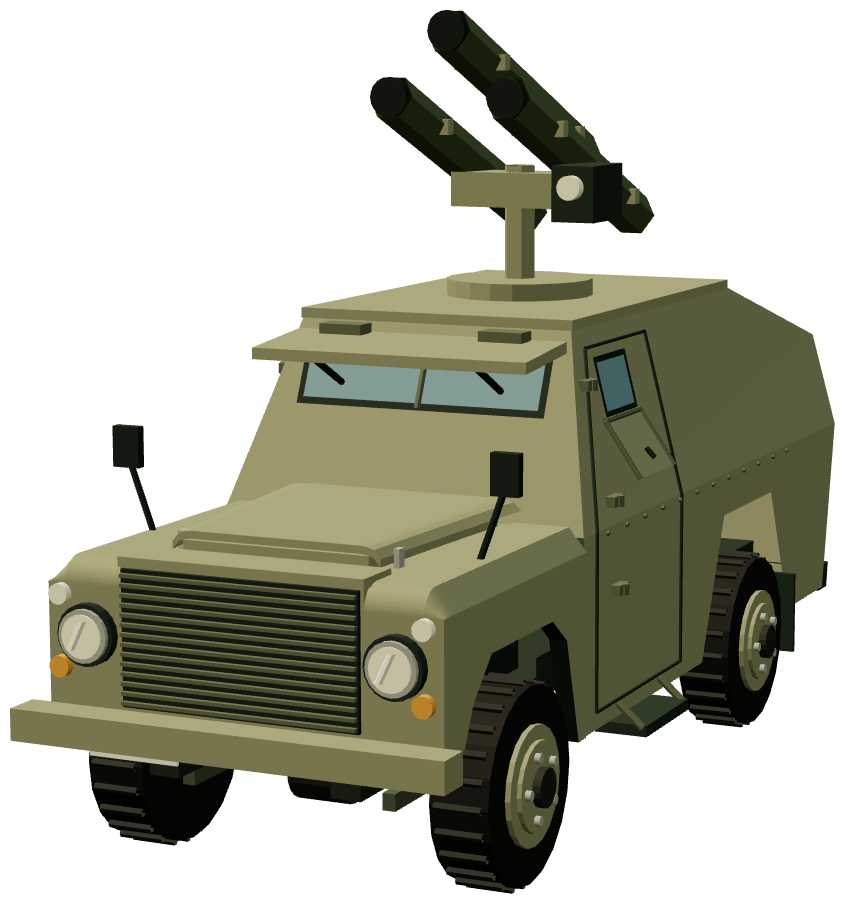
The Shorland began as a Royal Ulster Constabulary requirement of the early 1960s for an armoured car for internal security and border patrol work. Design meetings started in November 1961 and the concept was worked up by Frederick Butler MBE with the RUC's own engineering team; the first experimental armoured body was mounted on a long-wheelbase Series II Land Rover carrying the Belfast registration 4471 AZ. After two rounds of refinement — sloped upper sides, a sloping rear, a turret derived from the Ferret scout car, then lower-body sloping armour, a flatter boot housing the spare wheel and an armoured bulkhead between the fuel tank and the crew — the third prototype standard became the Mark 1 production vehicle. Short Brothers & Harland Ltd of Belfast built it.
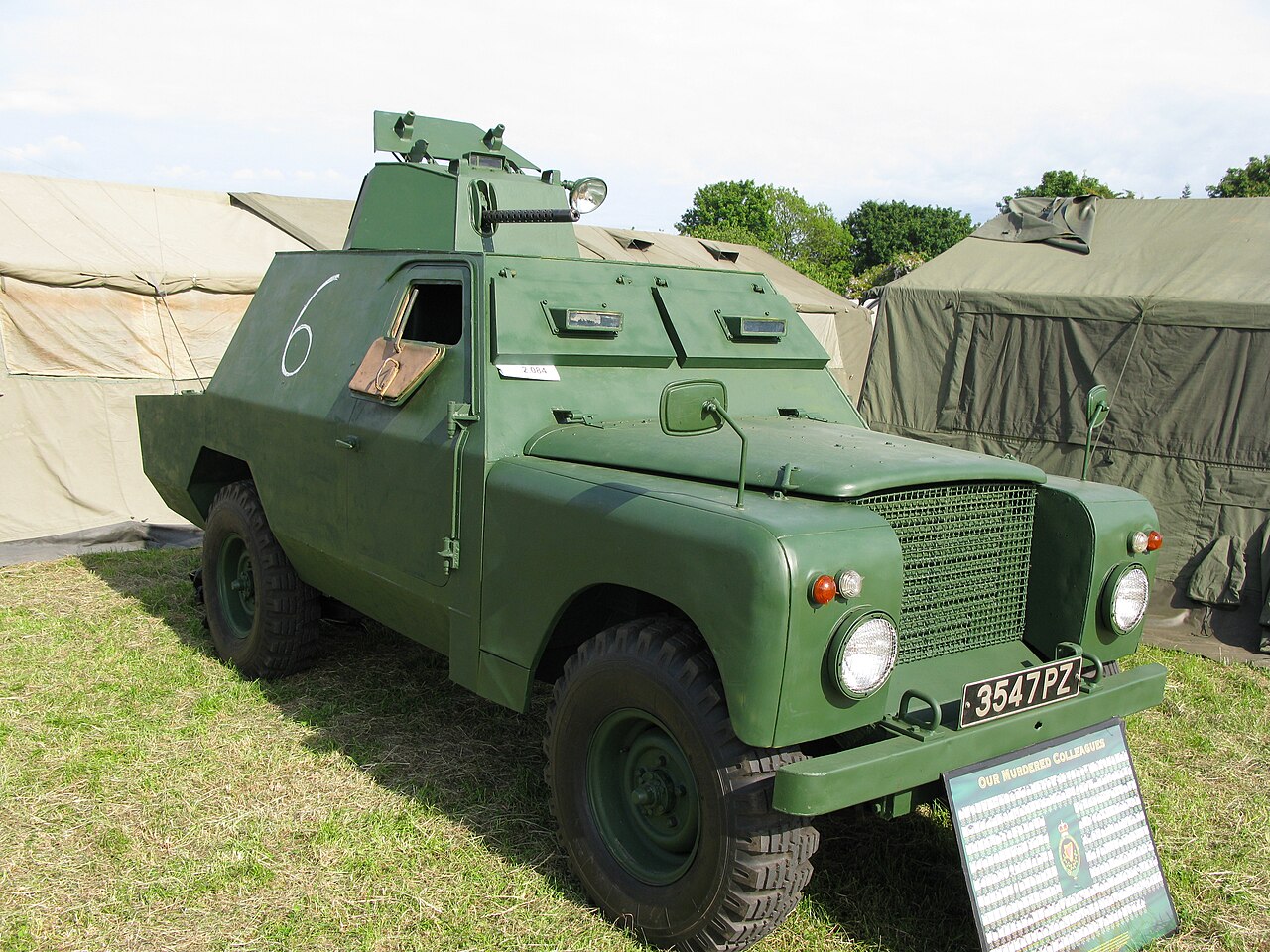
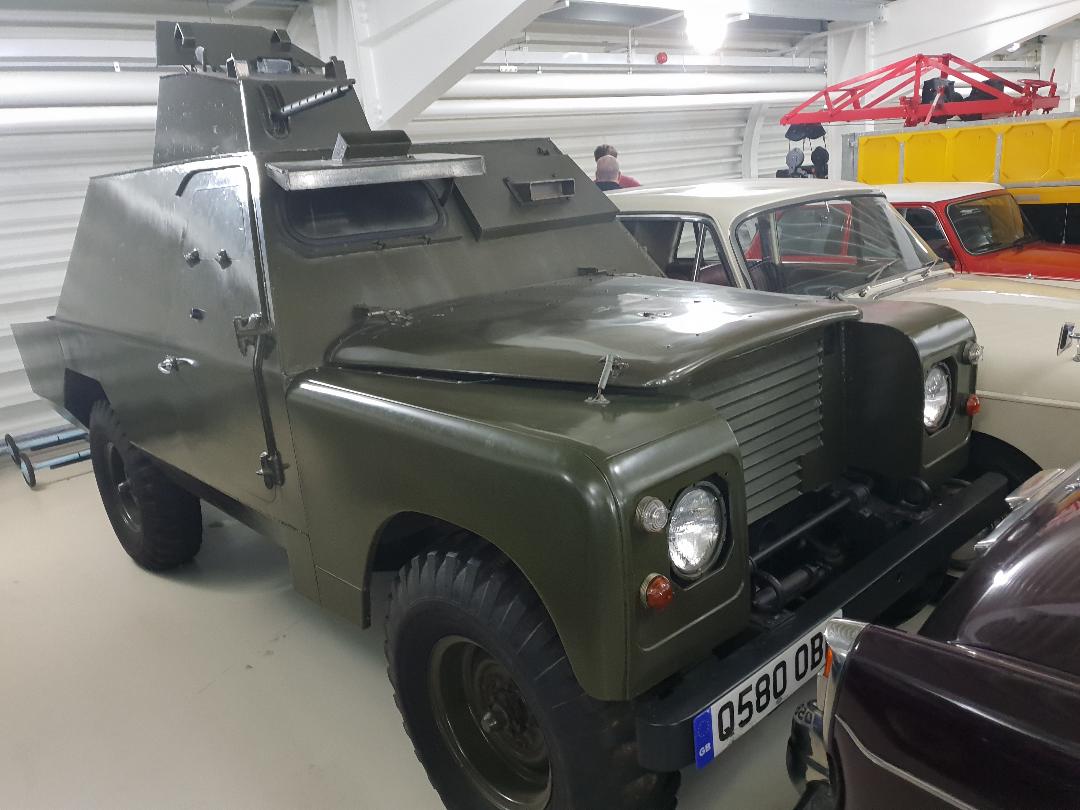
Production was under way in October 1965 on the 109-inch-wheelbase Series IIA Land Rover, using a military chassis with heavy-duty axles and suspension. The Mark 1 carried 7.25 mm armour of Brinell hardness 363, a .30 in Browning machine gun in the turret, and a single 14-gallon (64-litre) fuel tank; a second tank, an extractor fan and smoke dischargers were listed as options but were not fitted to RUC cars. The 2,286 cc four-cylinder petrol engine gave 77 bhp at 4,100 rpm after a compression-ratio change lifted it from the 67 bhp figure that still appears in some references. Unladen weight was 2,812 kg. Roughly 100 Mark 1s were built — a figure Shorts themselves supplied in 1990.
The first Shorland into RUC service was 9551 OZ on 30 March 1966; the Ulster Transport Museum's example, the ninth built, entered service on 17 June 1966 with No. 2 Platoon, Reserve Force, Mountpottinger, Belfast. Cars were finished in a satin emerald green rather than the battleship grey used on other RUC vehicles. When the Troubles erupted in the summer of 1969 the border-patrol cars were redeployed onto Belfast streets, and a final batch was issued to the RUC in September-October 1969. In the reorganisation that followed the Army's deployment on Operation BANNER the RUC was disarmed of its armoured vehicles.
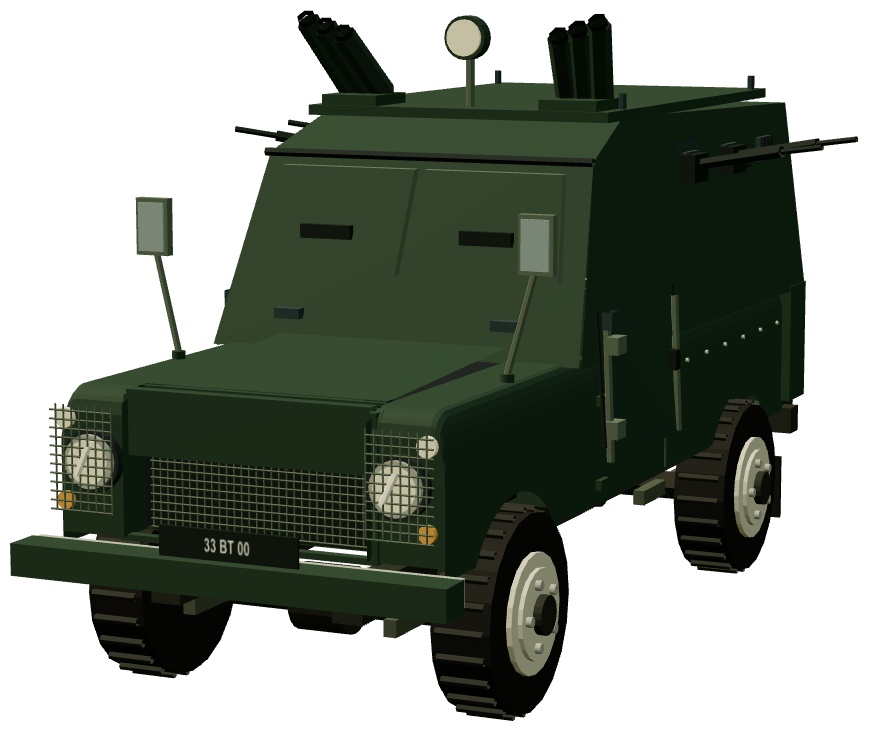
The surviving Mark 1s were transferred to the Ulster Defence Regiment after its formation on 1 April 1970 — the Shorland Site's own car was withdrawn from police duty in January 1970 and repainted in high-gloss deep bronze green with matt black disruptive stripes, springs included. Belfast civil registrations were replaced by military xxBTxx marks, denoting a transfer rather than a wheeled-vehicle contract: AOI 4051 became 27 BT 50 in July 1971 and AOI 4055 became 27 BT 51, both with 3rd Battalion UDR. These requisitioned vehicles were removed from service in 1977, having served alongside the newer Mark 3s. Sources differ on the number involved: the Shorland Site's FAQ states the British Army took 16 Mark 1s from the RUC in 1970 and that all but two were later cut up by Shorts, while Bob Morrison records sixteen as the first batch to enter police service in March 1966 — the two accounts cannot both be describing the same sixteen cars and neither has been reconciled here.
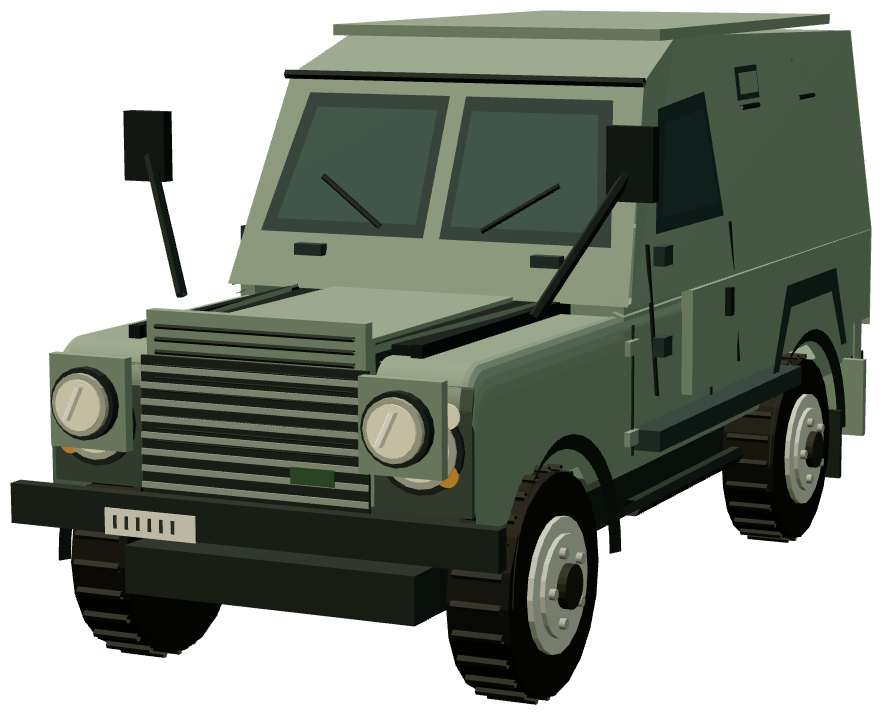
Shorts also tried turretless Mark 1s as a first attempt at a personnel vehicle — cramped and unventilated, since the open turret had provided most of the airflow — later adding an armoured extractor cowl of the type used on the rear escape hatch. An experimental Mark 1 water cannon drew from a tank and pump on a towed trailer; no further examples are recorded.

.jpg)