The record
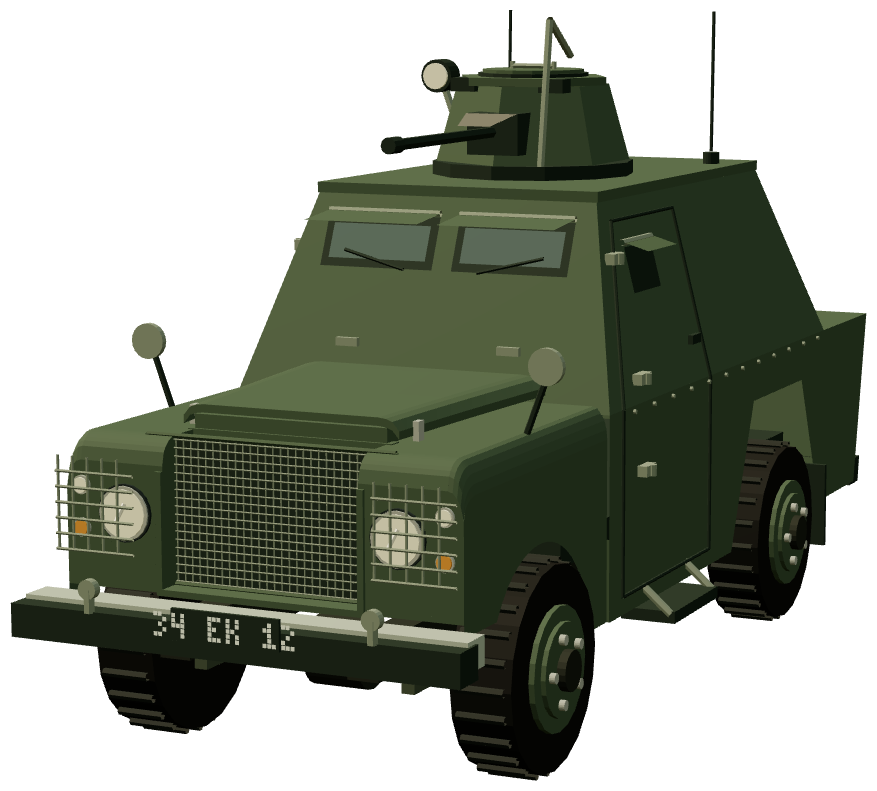
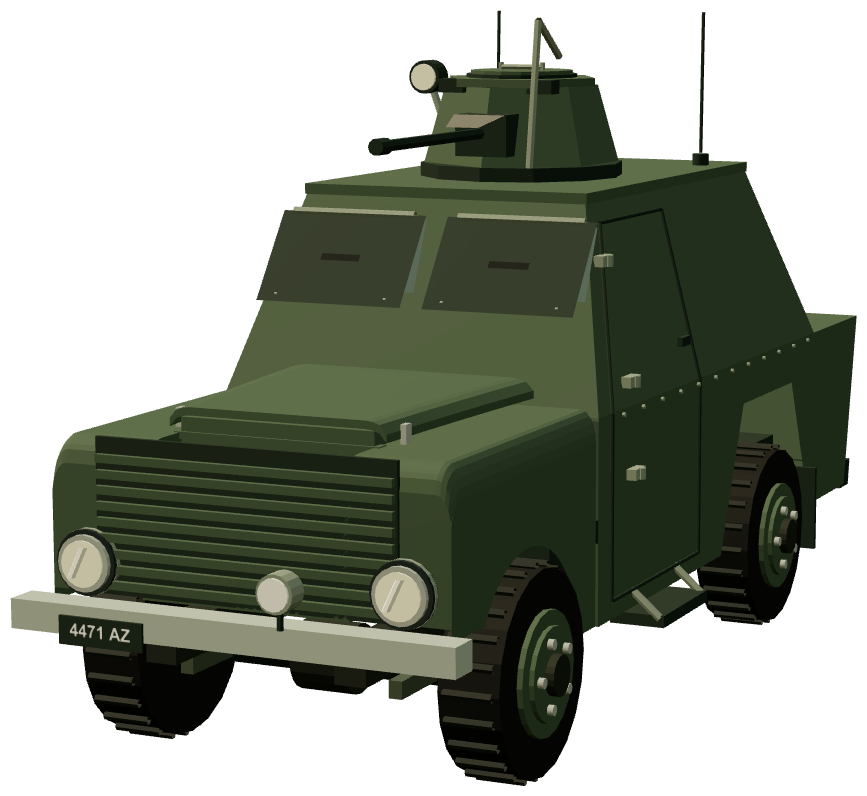
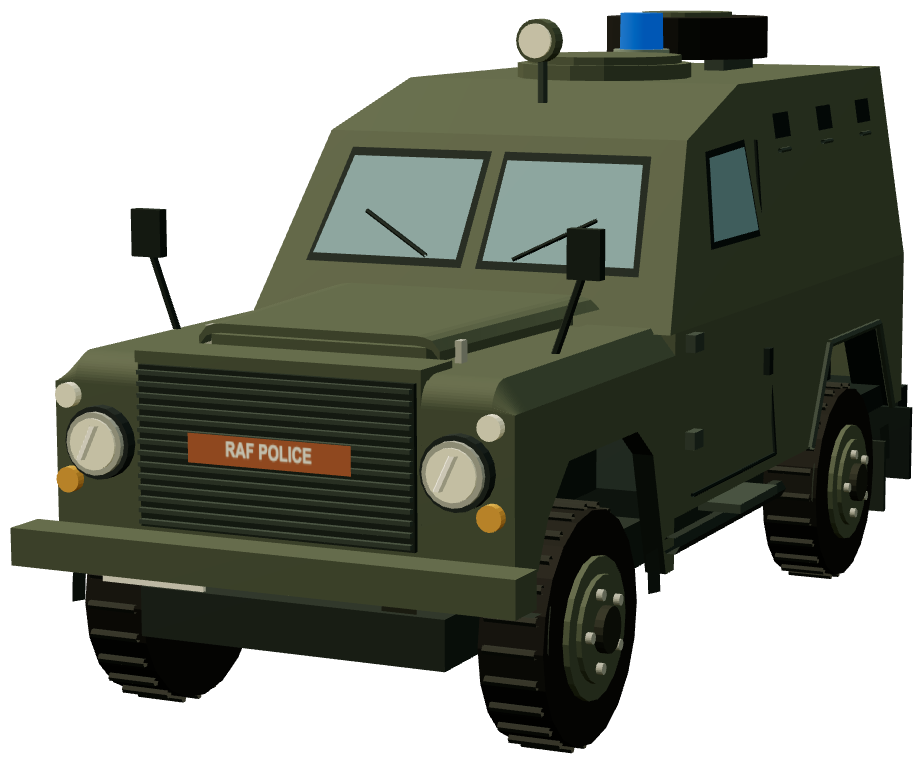
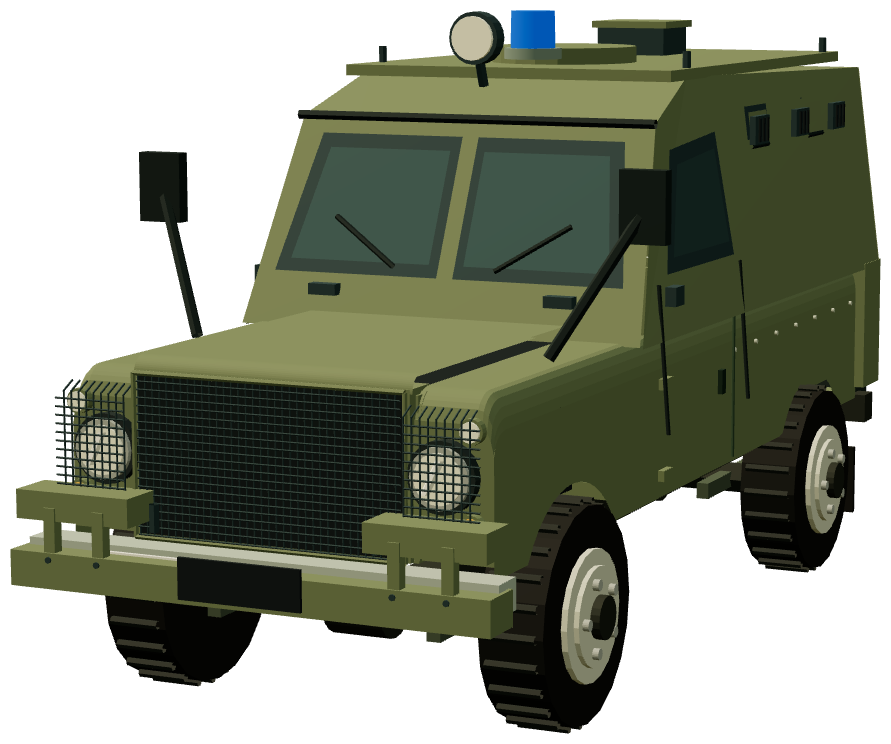
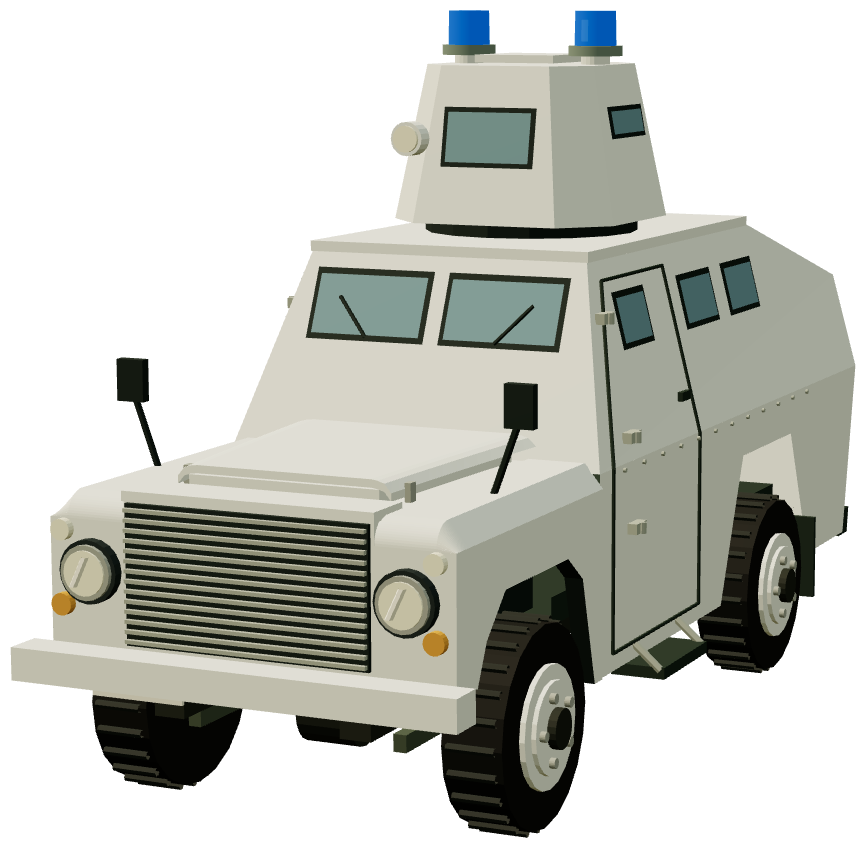
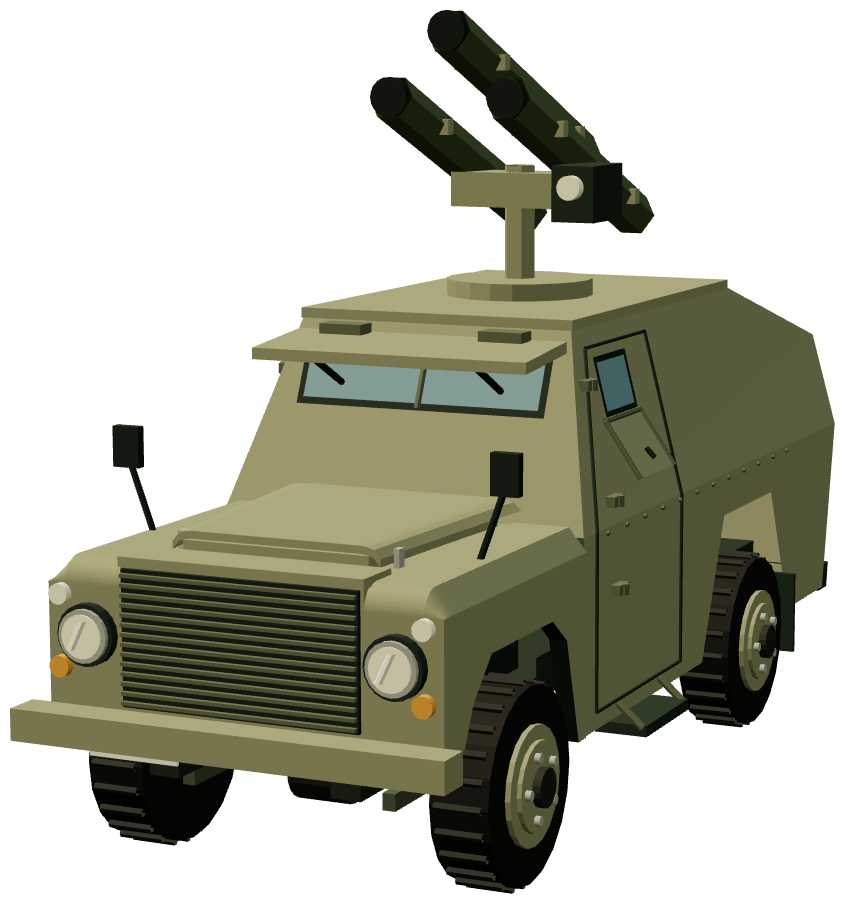
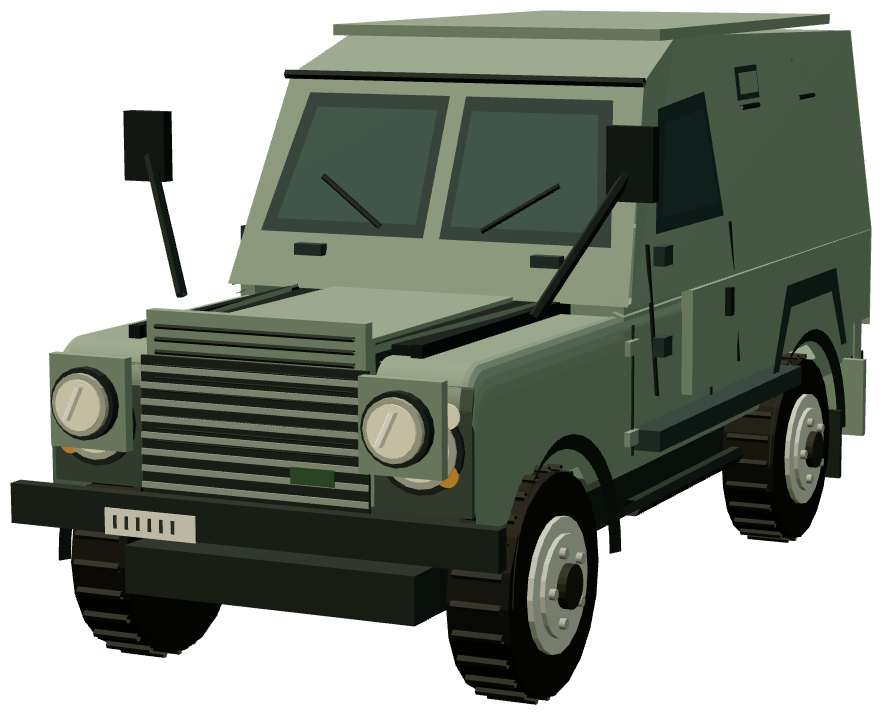
Short Brothers & Harland Ltd of Belfast had been building the turreted Shorland Armoured Patrol Car (APC) for the Royal Ulster Constabulary since 1965. This vehicle belongs to the other branch of the family: the Armoured Personnel Vehicle (APV), a fully enclosed troop and officer carrier with the turret deleted. The Shorland Site, whose owner has held the vehicle since restoration, describes it as "basically a Shorland with no turret, extended rear sides and with a thin steel roof". Shorts themselves always marketed the enclosed cars as Shorlands, and reserved "APC" (Armoured Patrol Car, in their usage) for the turreted line and "APV" for the personnel carriers.
The dating is contested and this record follows the primary specialist source rather than the published books. Standard references give 1973 as the prototype's build year; the Shorland Site's owner records evidence of trials in 1972 and states that the chassis itself was sent to Shorts in 1968 — a date consistent with its Series IIA underpinnings and its 2,286 cc four-cylinder petrol engine. It was a private venture intended to test the market for an enclosed Shorland, and on the site owner's account it initially found no demand.
Mechanically it was a compromise. The four-cylinder engine left the vehicle, in the owner's words, "severely under powered"; it had no brake servo and no ventilation at all, a shortcoming inherited by the production SB.301 and only cured on the SB.401 with its roof extractor. It first appeared with the usual Shorland armoured windscreen visors; these were later removed and a standard Land Rover windscreen fitted, both to soften the vehicle's military appearance for police and civil customers and to improve vision once the prototype had been relegated to use as a factory runabout, carrying materials and staff around the Shorts complex.
Only the single prototype was built. Its concept reached the market in 1974 as the SB.301, which moved to the Mark 3 Shorland's 2,625 cc six-cylinder engine to carry a crew of eight. The prototype survives in private preservation in Northern Ireland, still on its original Belfast registration.