The record
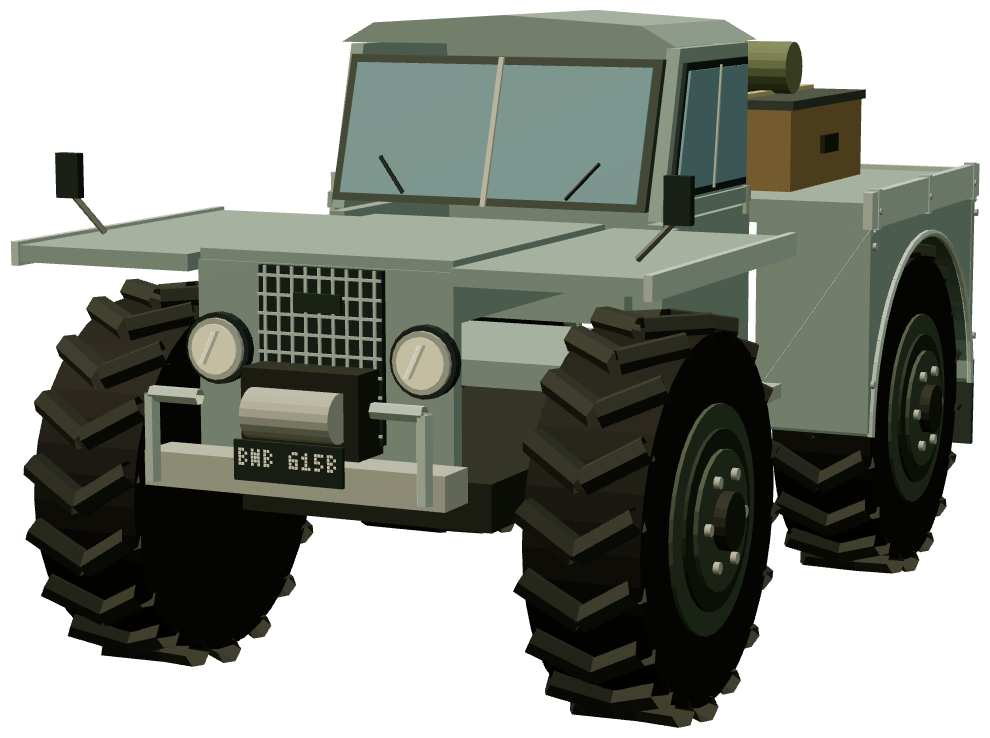
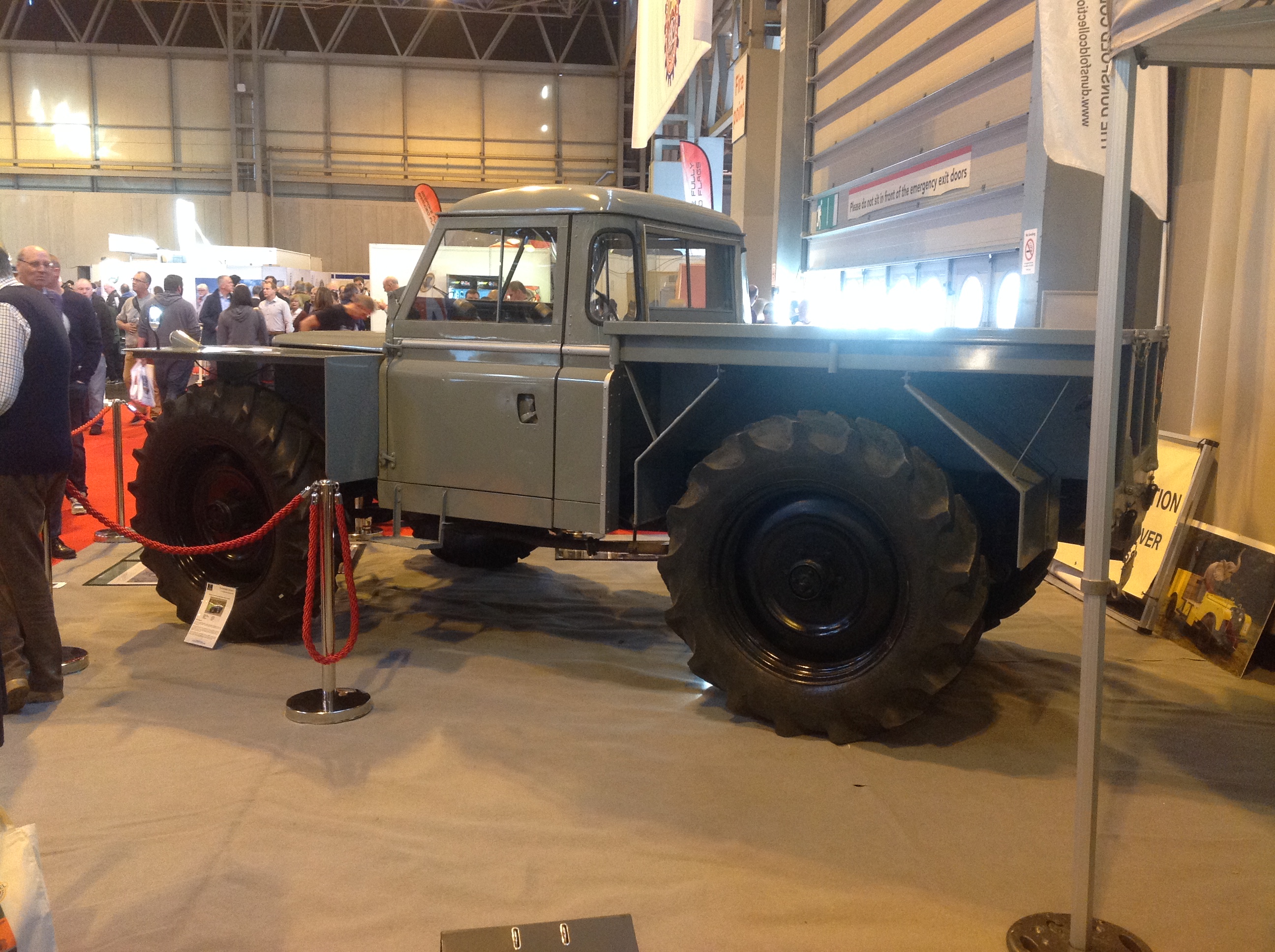
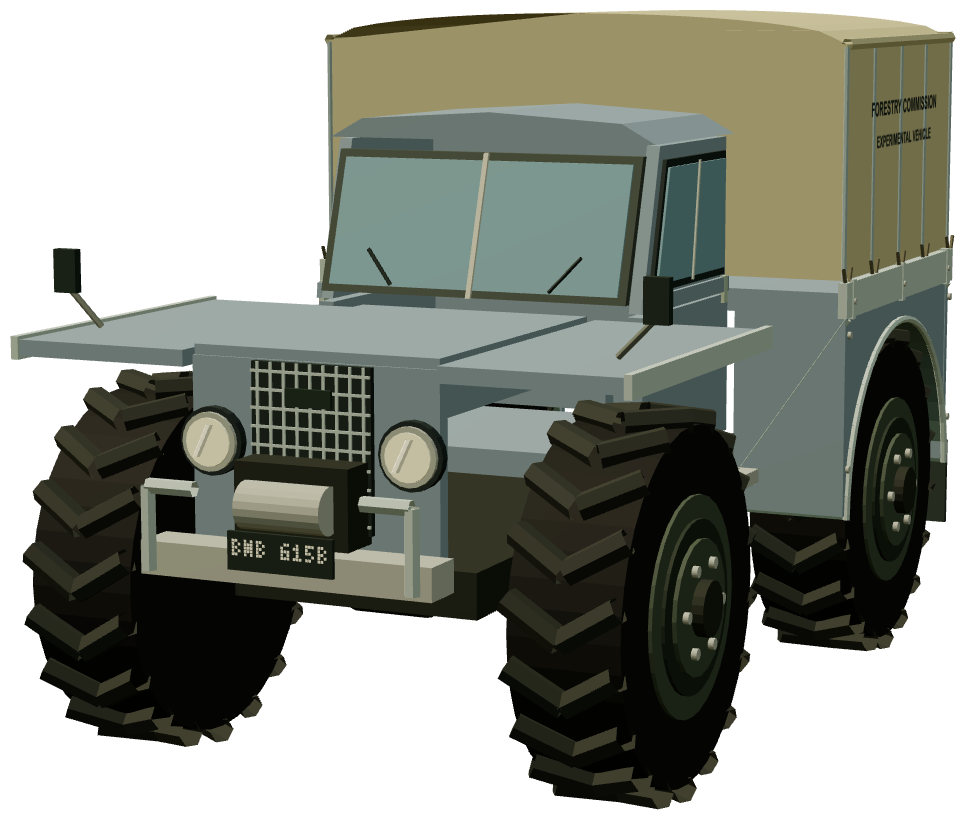
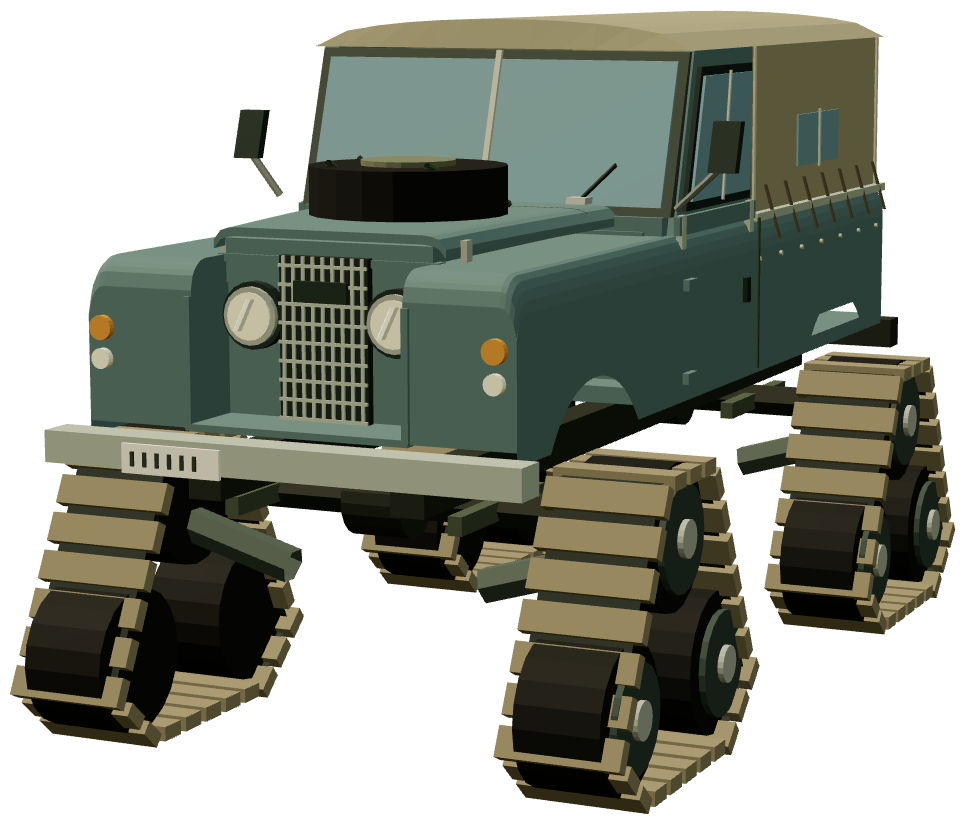
In the late 1950s the Forestry Commission found that standard Land Rovers grounded on the deep plough furrows of its upland plantations, and after experimenting with its own test vehicles in 1958-59 it turned to Roadless Traction Ltd of Hounslow, a firm long specialised in tracked and four-wheel-drive tractor conversions. Roadless rebuilt the long-wheelbase Land Rover on widened axles carrying large tractor wheels and tyres, with flat panels replacing the front wings and tractor-style mudguards over the rear wheels. The extra wheel diameter transformed ground clearance and flotation on churned forestry ground. After some eighteen months of testing sanctioned by Rover, the conversion - marketed as the Forest Rover - was launched in 1961 on the Series II/IIA 109 chassis.
The Forest Rover remained a tiny-volume special: people who worked at Roadless put the total at about nine vehicles including the two prototypes, though some accounts suggest up to twenty. Around five or six are known to survive, scattered as far as Brazil and the Falkland Islands - one example was shipped to the Falklands as early as 1962 - and the diesel-engined demonstrator, prototype number 2, was restored over three years and offered at Tennants' May 2022 sale with a £45,000-55,000 estimate.
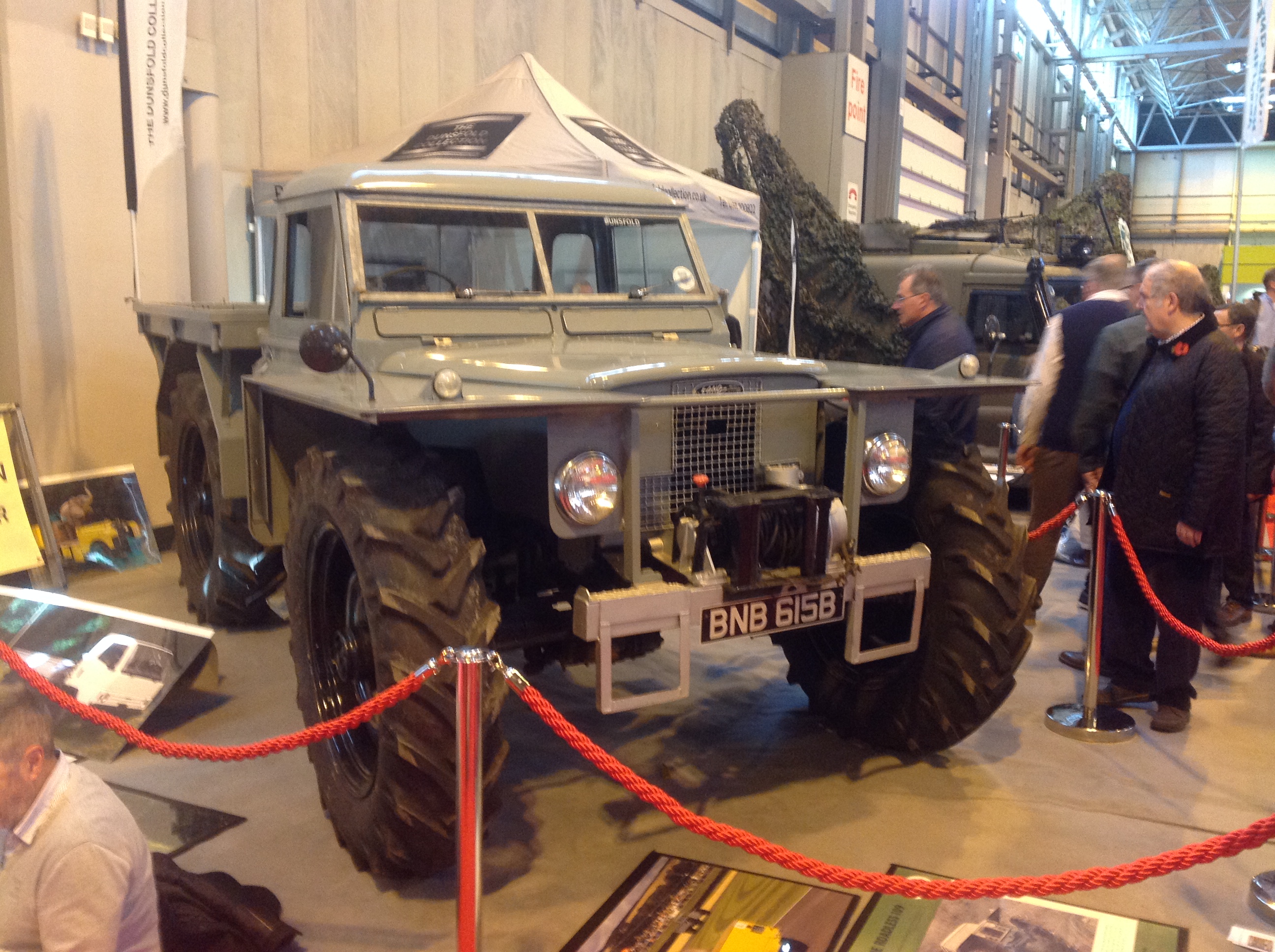
The registry's reference vehicle is BNB 615B, a 2.25-litre petrol Series IIA conversion bought new by the Central Electricity Generating Board and driven from Hounslow to the Rheidol hydro-electric scheme in Wales in 1964. Nicknamed 'The Rheidol Bug', it worked on dam maintenance until 1987, came to the Dunsfold Collection in 1989 still wearing CEGB bright orange, and was partially rebuilt - including a replacement chassis - at the REME workshops at Bordon in 2004.
.jpg)
_-_30387927764.jpg)