The record
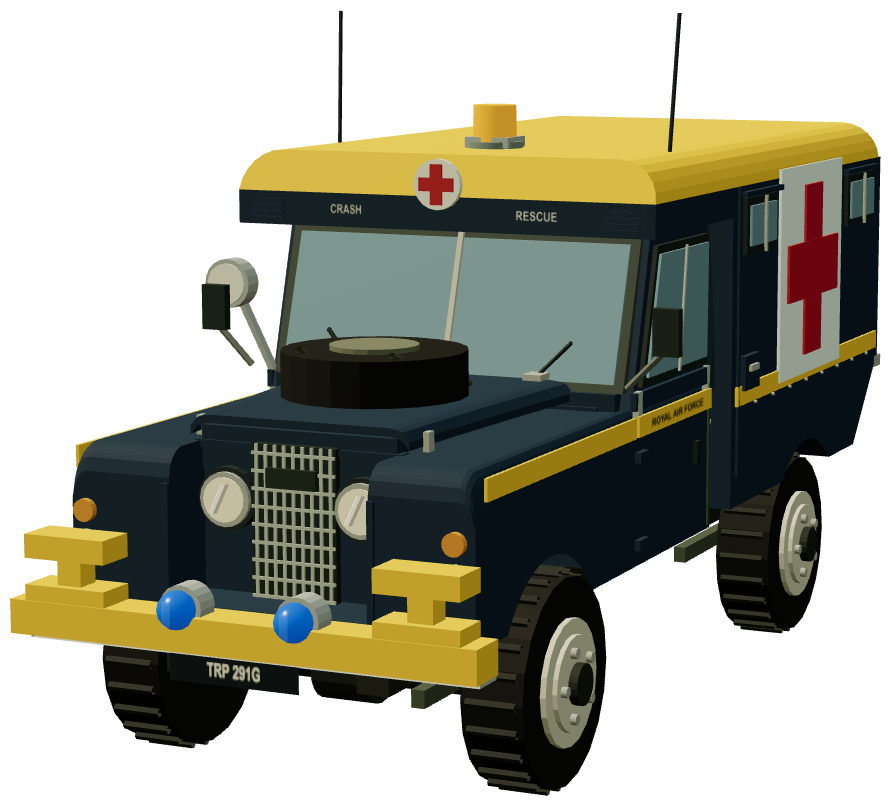
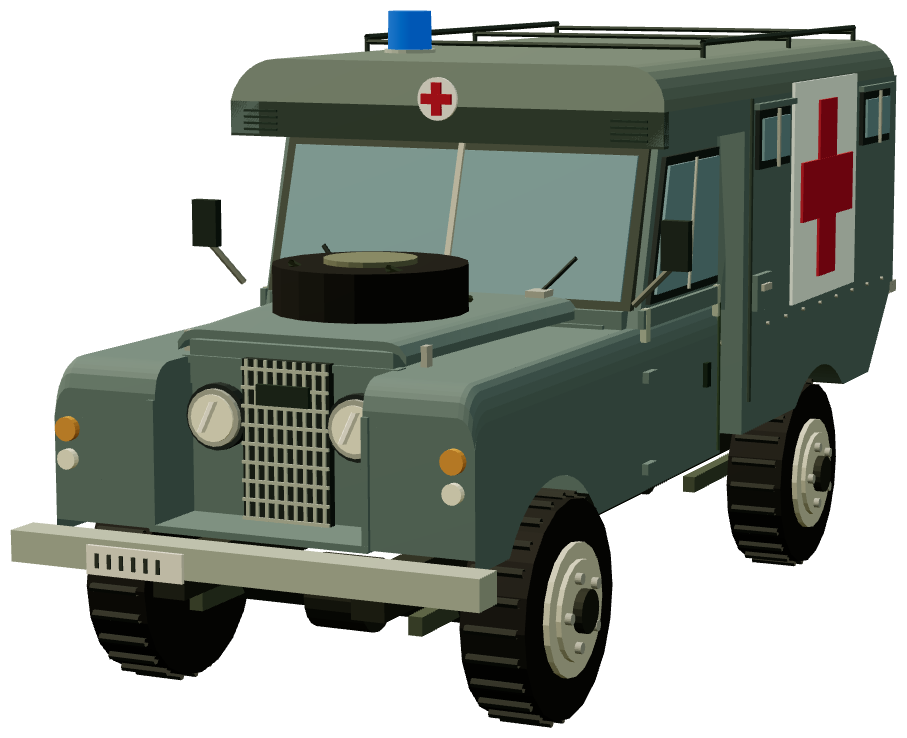
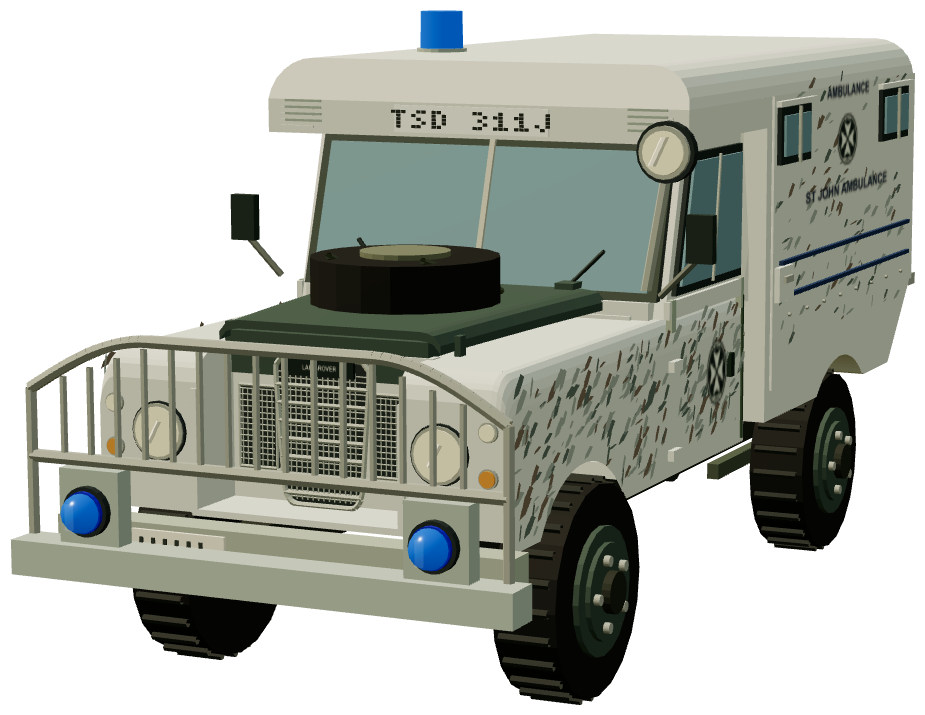
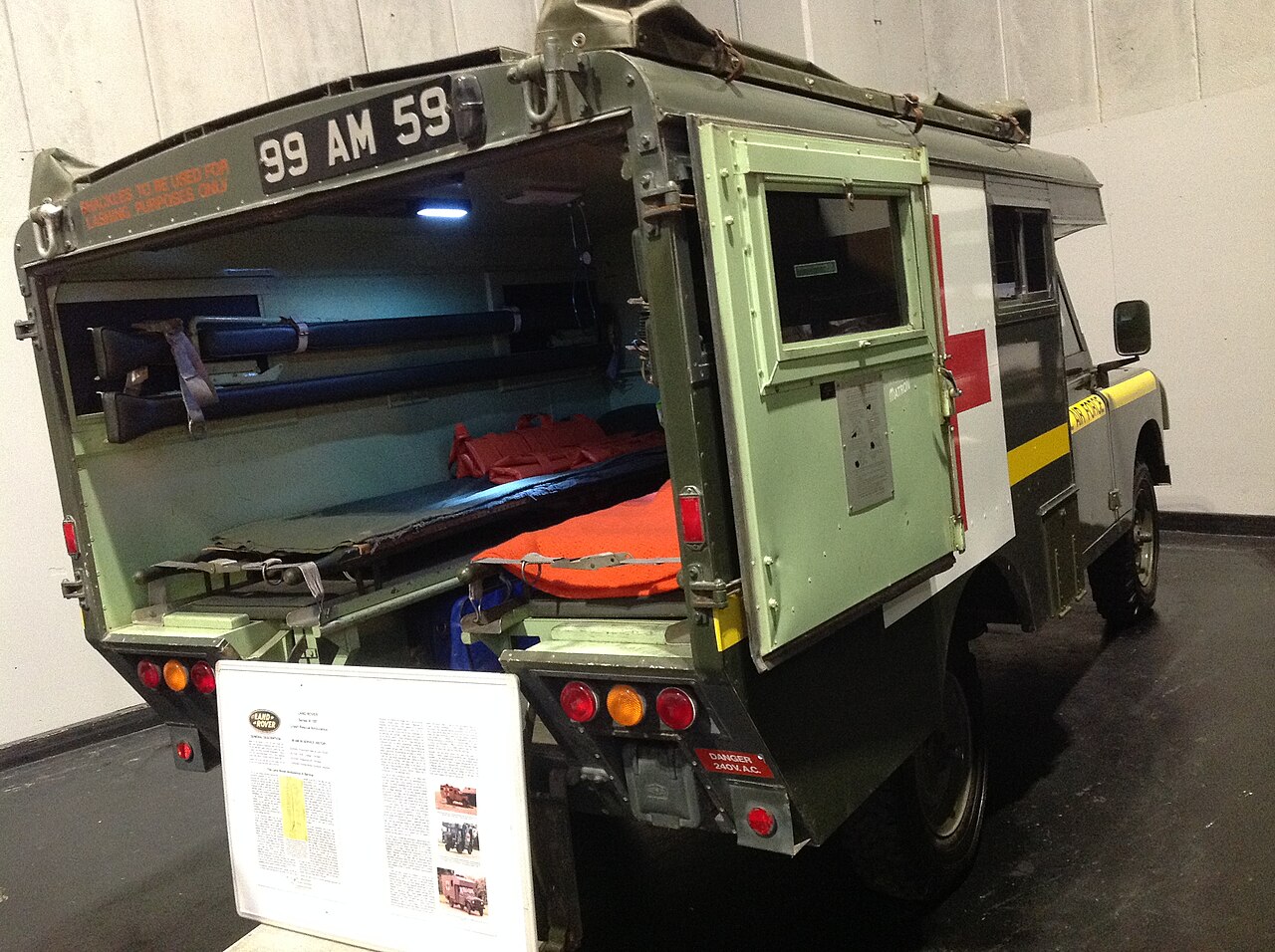
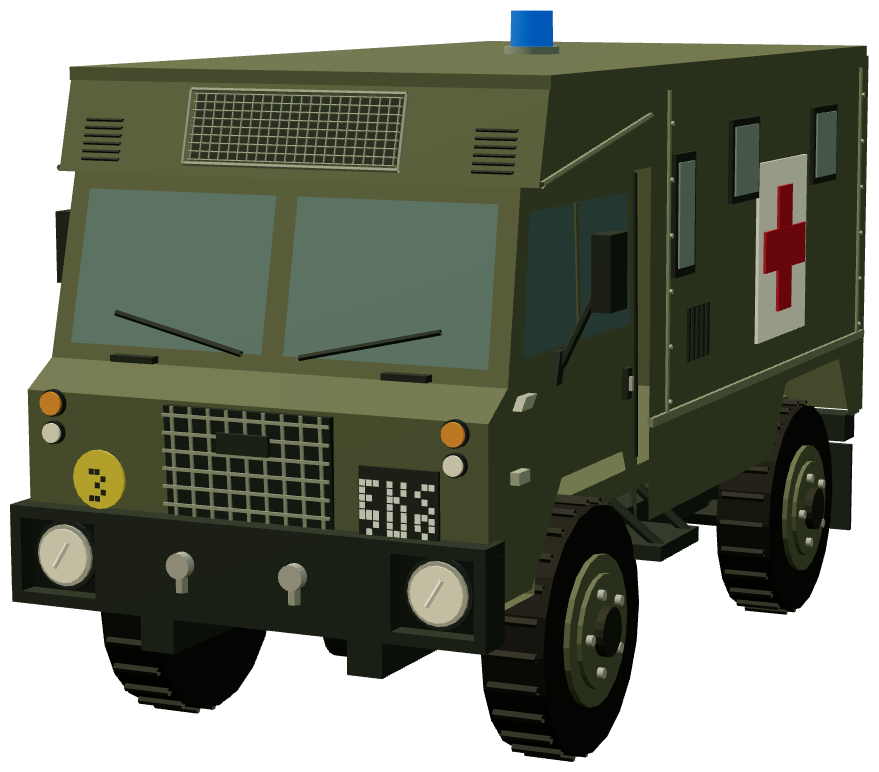
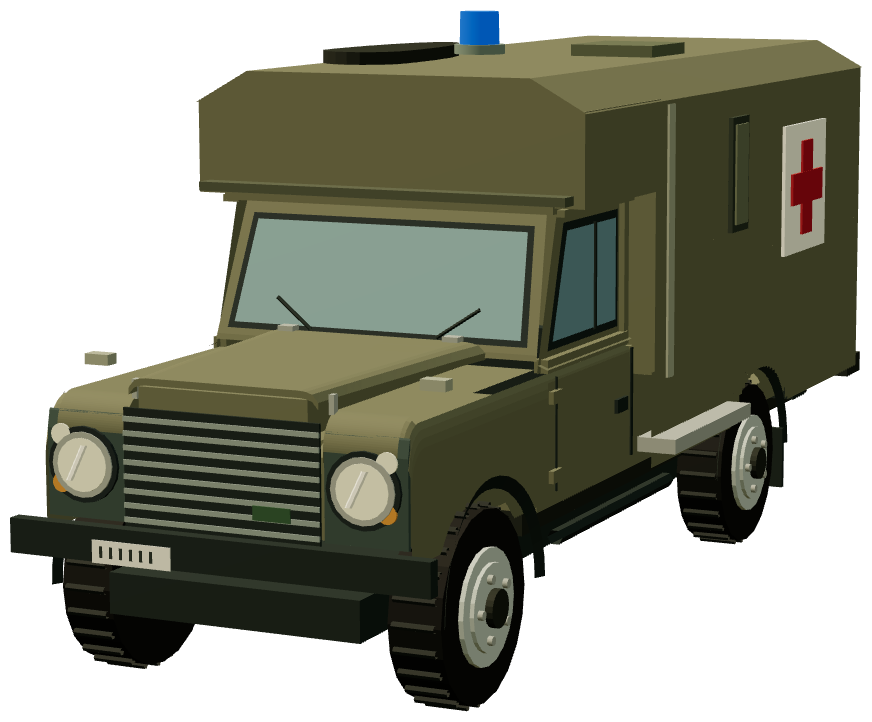
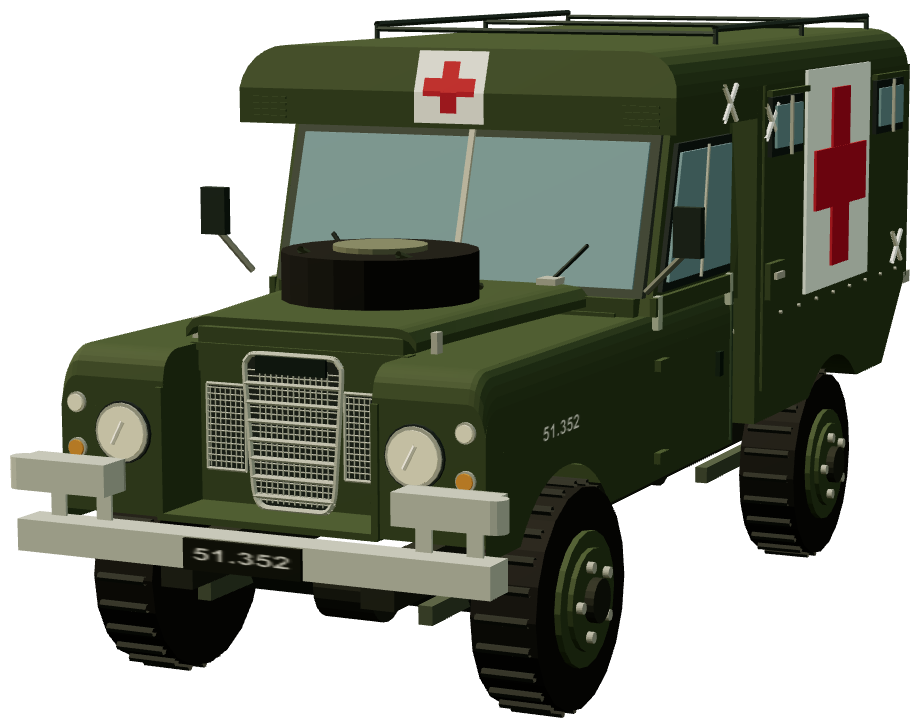
Marshall of Cambridge built ambulance bodies on the long-wheelbase Land Rover from the late 1950s to the early 1980s - an extended, raised box body on Series II/IIA and later Series III 109in chassis, of which roughly 2,000 were produced for the British armed forces and overseas customers. Most served the Army in deep bronze green as battlefield ambulances, but the Royal Air Force took the type too, including a crash rescue ambulance variant attached to station fire and medical sections for 'the rapid recovery of airfield incident casualties' - distinguished by a substantial front crash bar (which could also carry an awning for a casualty handling shelter) and a 240-volt input socket for keeping the vehicle warm and charged on standby.
TRP 291G is a documented survivor of this RAF crash rescue ambulance type: a 1969 Series IIA 109 with Marshall body, chassis 25114748D, carrying RAF titles and a Northamptonshire-issued civilian registration. Auction and enthusiast records report long RAF service - stationed at RAF Lossiemouth by one account, and serving some two decades at RAF Catterick (home of the RAF's fire service training school) by another - followed by preservation, a substantial rebuild including chassis and panel repairs, an engine replacement and gearbox rebuild, and additions such as overdrive, free-wheeling hubs, two-tone horns and an LPG conversion. It has been shown at the Gaydon Motor Museum Transport Show and was offered, unsold, at the Iconic Auctioneers Silverstone Festival sale in August 2025.
In RAF service the crash rescue ambulances wore the force's blue-grey rather than Army green, as TRP 291G does in preservation; the record here follows this Royal Air Force crash rescue presentation.
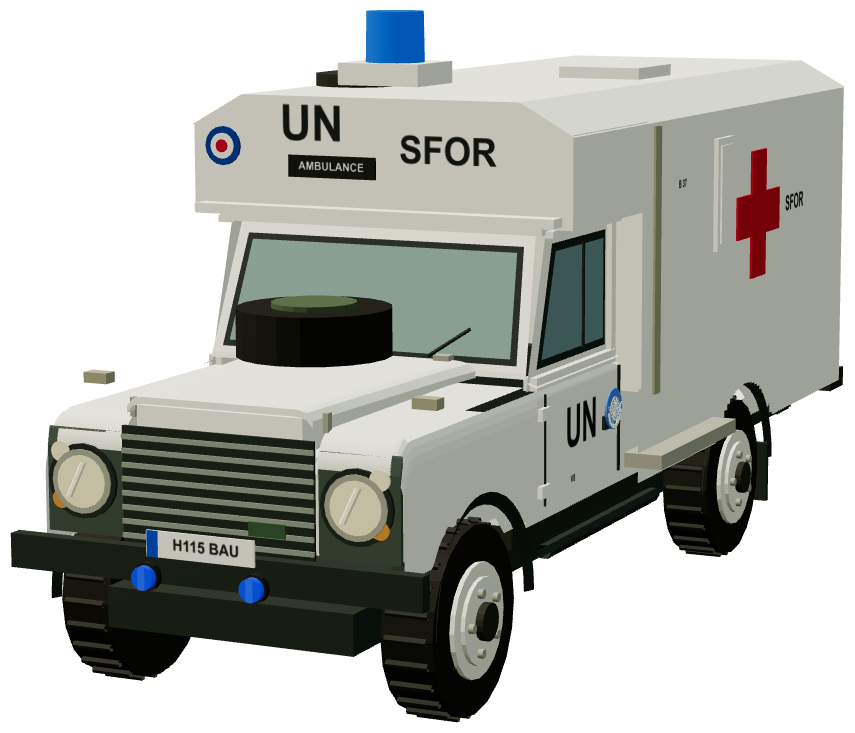
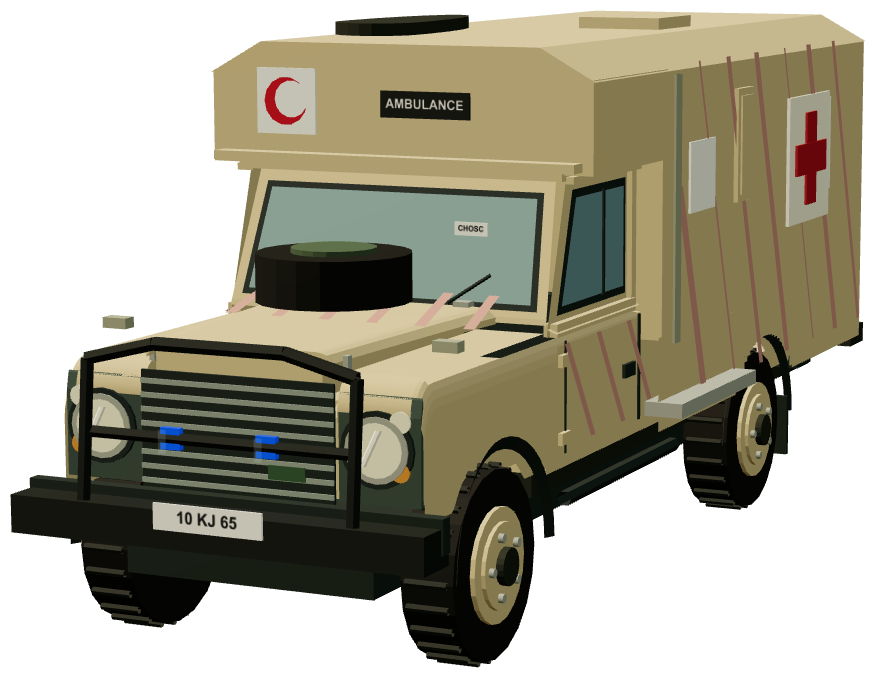
 UK Marshal Body Ambulance
 Meteor Works
.jpg)