DIFFLOCKEDTHE REGISTRY NAMED MODEL · 1996
NAMED MODELSpecial · AmbulancesMilitary · UKUnited Kingdom

Wolf Ambulance.

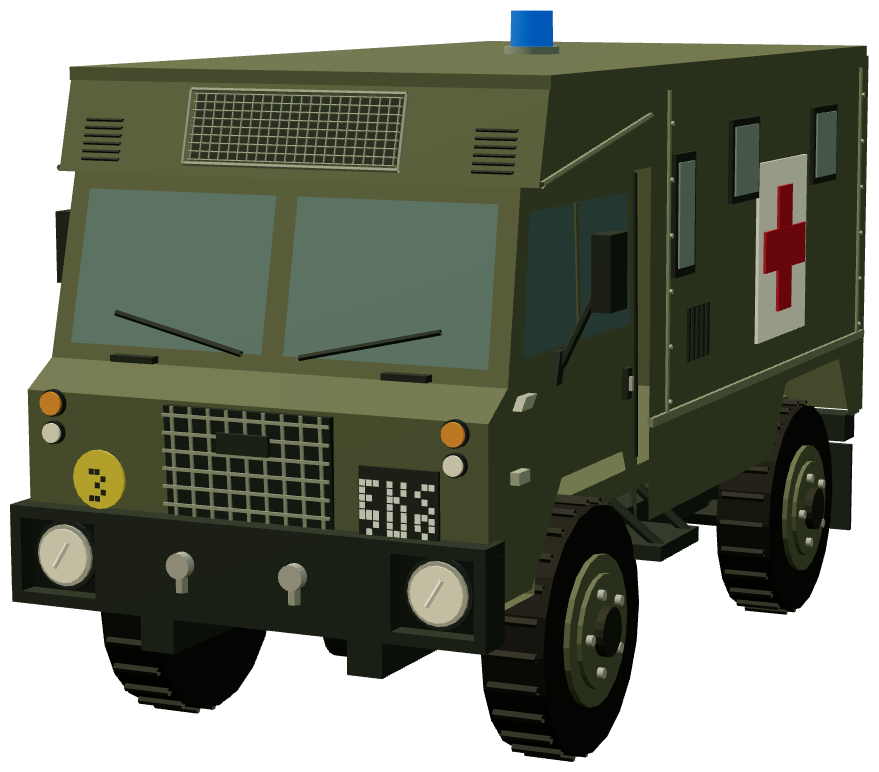
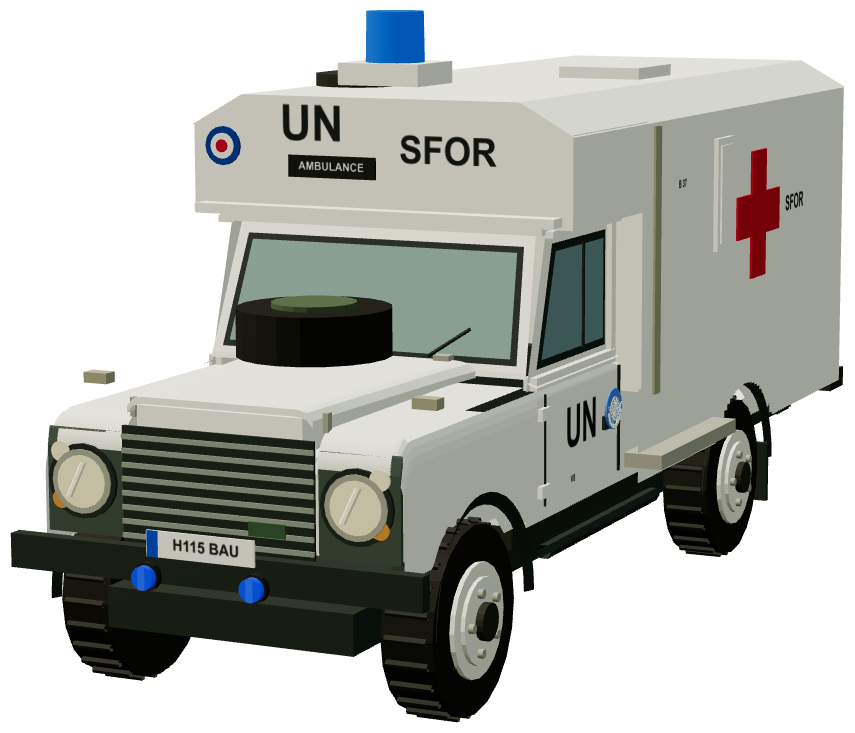
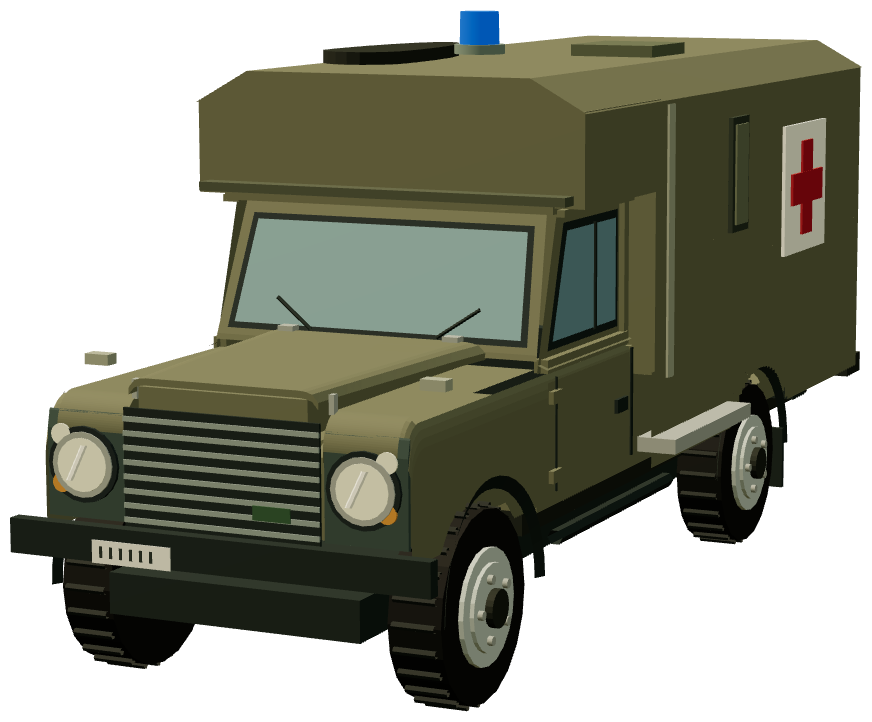
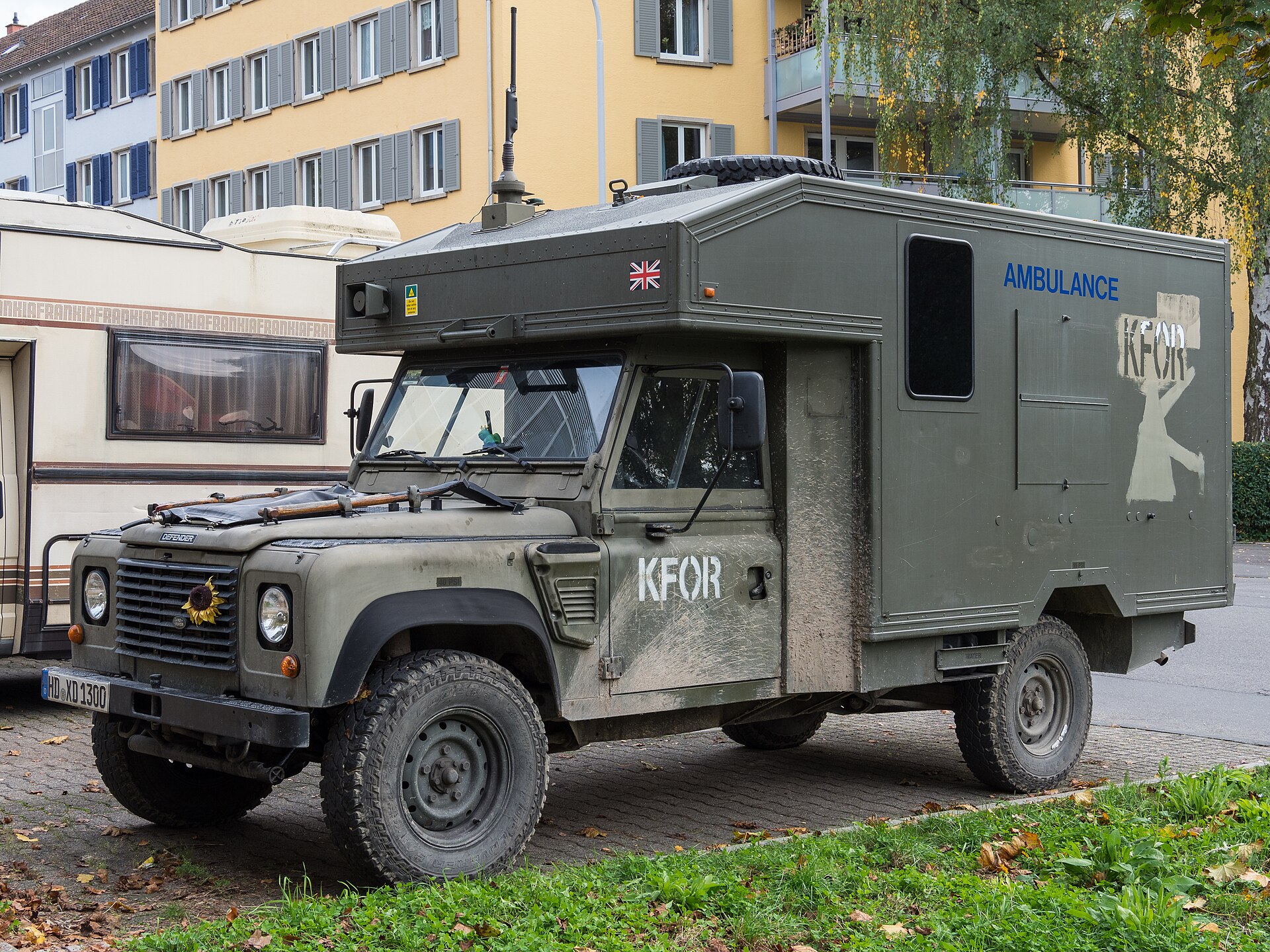
The British Army's battlefield ambulance of the Wolf era: a Marshall of Cambridge box body on the ultra-long Defender 130 (XD) chassis, procured under Project Pulse alongside the Wolf 90/110 order of January 1996 — about 800 were built, known in service as the 'Pulse' and, less accurately, the 'Wolf' ambulance.

Drive it in the gameSources & evidence
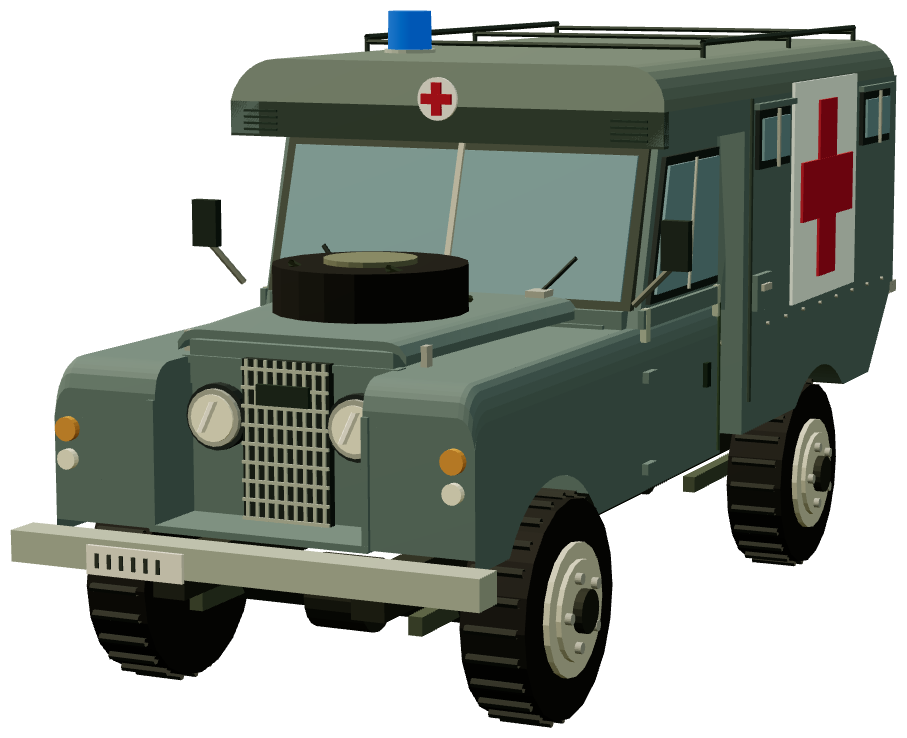
Wolf Ambulance — front three-quarter render
BASE VEHICLEDefender 130 Hi-CapCONVERTERMarshall of CambridgeIN SERVICE1996OPERATED INUnited KingdomPRODUCTION~800 vehiclesLAYOUT4 wheels

The record

The requirement for a new battlefield ambulance was announced in February 1992, alongside the tenders that produced the Wolf utility fleet. Land Rover won the design project — known as Project Pulse — with a version of the ultra-long-wheelbase Defender 130 (approximately 127 in / 3,225 mm wheelbase), and the production contract was placed on 18 January 1996, the same day as the ~8,000-vehicle Wolf order. Around 800 ambulances were built, entering service from 1997 as the 'Ambulance 4x4 4-Stretcher'; enthusiasts and the surplus trade call them Pulse or Wolf 130 ambulances. Strictly the Pulse was a separate development from the Wolf 90 and 110, but it shares the strengthened XD chassis engineering, 300 Tdi drivetrain and Defender front bodywork, so the 'Wolf Ambulance' label has stuck.

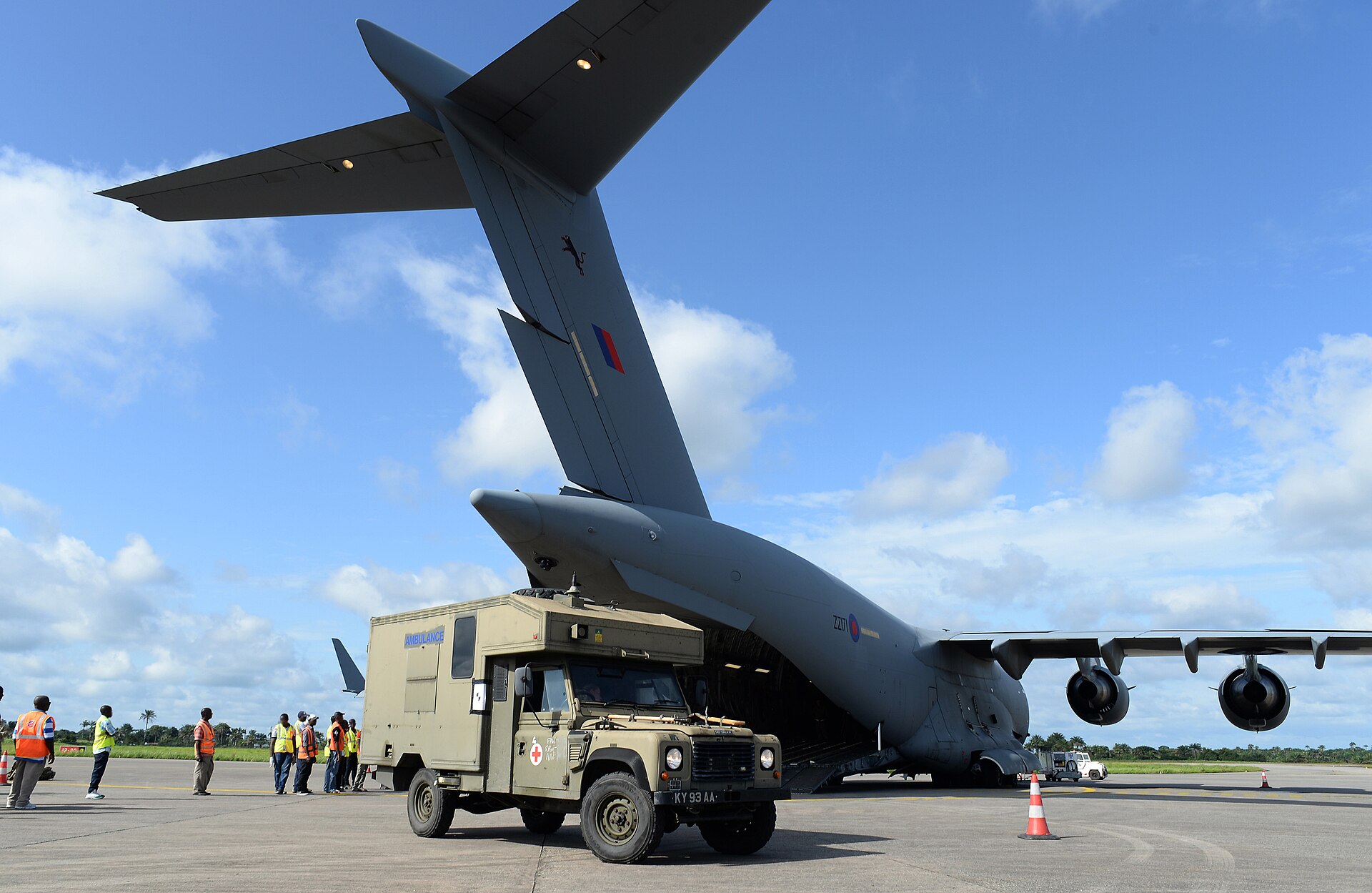
The insulated, heated box body was designed and built by Marshall of Cambridge (Marshall Aerospace), continuing that company's decades-long line of Land Rover military ambulance conversions. The body carries four stretcher cases, six seated (ambulant) patients, or two stretchers plus three seated, in addition to the driver and medic, with a rear step, stretcher racks, interior lighting and heater. Some examples were waterproofed for amphibious deployment with 3 Commando Brigade.

The fleet served on operations from the Balkans and Sierra Leone to Iraq and Afghanistan — and in the 2014 Ebola response in Sierra Leone (Operation Gritrock) — comfortably exceeding its specified 15-year service life, with several hundred still operational more than two decades after introduction. As heavier protected ambulances took over front-line casualty evacuation, surplus Pulse 130s were sold into preservation and civilian use, and some redundant chassis were rebuilt as Defender 130 double-cab pick-ups and mortar carriers under Project HEBE.
Specification

MANUFACTURERLand Rover
MODIFIER / COACHBUILDERMarshall of Cambridge ↗
Marshall Aerospace
MANUFACTUREDcontracted January 1996; in service from 1997
ENGINE2.5 L (2,495 cc) 300 Tdi intercooled turbodiesel inline-four
PRODUCTION RUN~800 vehicles
COUNTRY OF ORIGINUnited Kingdom
OPERATED INUnited Kingdom
STATUSlargely retired; surplus examples preserved and in civilian hands
WHEELBASEc.127 in (3,225 mm), Defender 130 chassis
CAPACITY4 stretchers, or 6 seated patients, or 2 stretchers + 3 seated, plus driver and medic
SERVICE DESIGNATIONAmbulance 4x4 4-Stretcher
RECORD KINDNamed model
MODEL LINEDefender
WHEELS4
CATEGORYSpecial · Ambulances, Military · UK

Catalogue fields describe the vehicle's structure and body as this registry records it. They are not certified factory measurements, and no performance figures are published here.

Variants & colours

Factory colours

  • NATO Green (IRR)

Codes on hover. Hex values are representative approximations of period paint unless a source states a measured value.

Sources

  1. 1MLR Pt.12 – Pulse 130 Battle Field Ambulance ↗Joint Forces News · accessed 2026-09-09SOURCE
  2. 2Military Land Rover Ambulances ↗Ex-Military Land Rover Association · accessed 2026-09-09SOURCE
  3. 3Land Rover Wolf (ambulance bodies by Marshall Aerospace) ↗Wikipedia · accessed 2026-09-09SOURCE

Registry record updated 2026-09-11T00:38:16.973Z · status: researched