The ambulance is the Land Rover's oldest military speciality after the plain cargo truck, and it evolved in two directions at once. The quick way was to leave the vehicle alone and add stretcher rails under the tilt, so a cargo truck could lift casualties and then go back to carrying stores — the Belgian Minerva did it in 1952, the Australian Army was still doing it with its 'Fitted With Stretcher Frame' Series IIAs in the 1970s. The proper way was a coachbuilt box: raised, insulated, with a separate medical compartment, built to fit inside a transport aircraft. Marshall of Cambridge built around 2,000 of those on the 109-inch chassis for the British forces from 1961 into the 1980s, and then built the Defender 130 'Pulse' ambulance thirty-five years later.
Civilian and charity ambulances follow the same line a generation behind: Lomas coachwork on a Series IIA for export to eighty countries, a St John Ambulance One Ten with a Luton peak, a Macclesfield-bodied Defender 130 for Guernsey.
Stretchers under the tilt
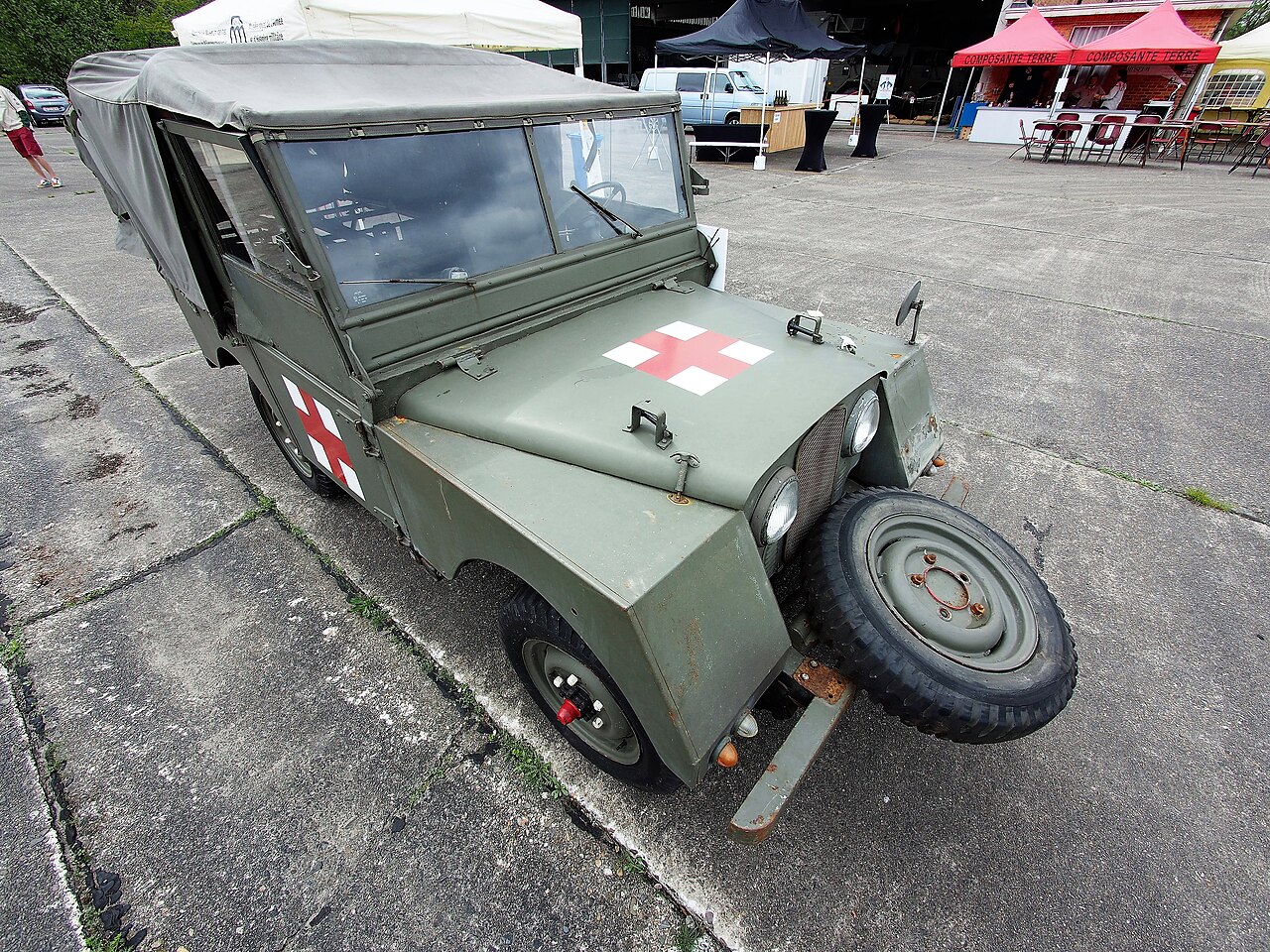
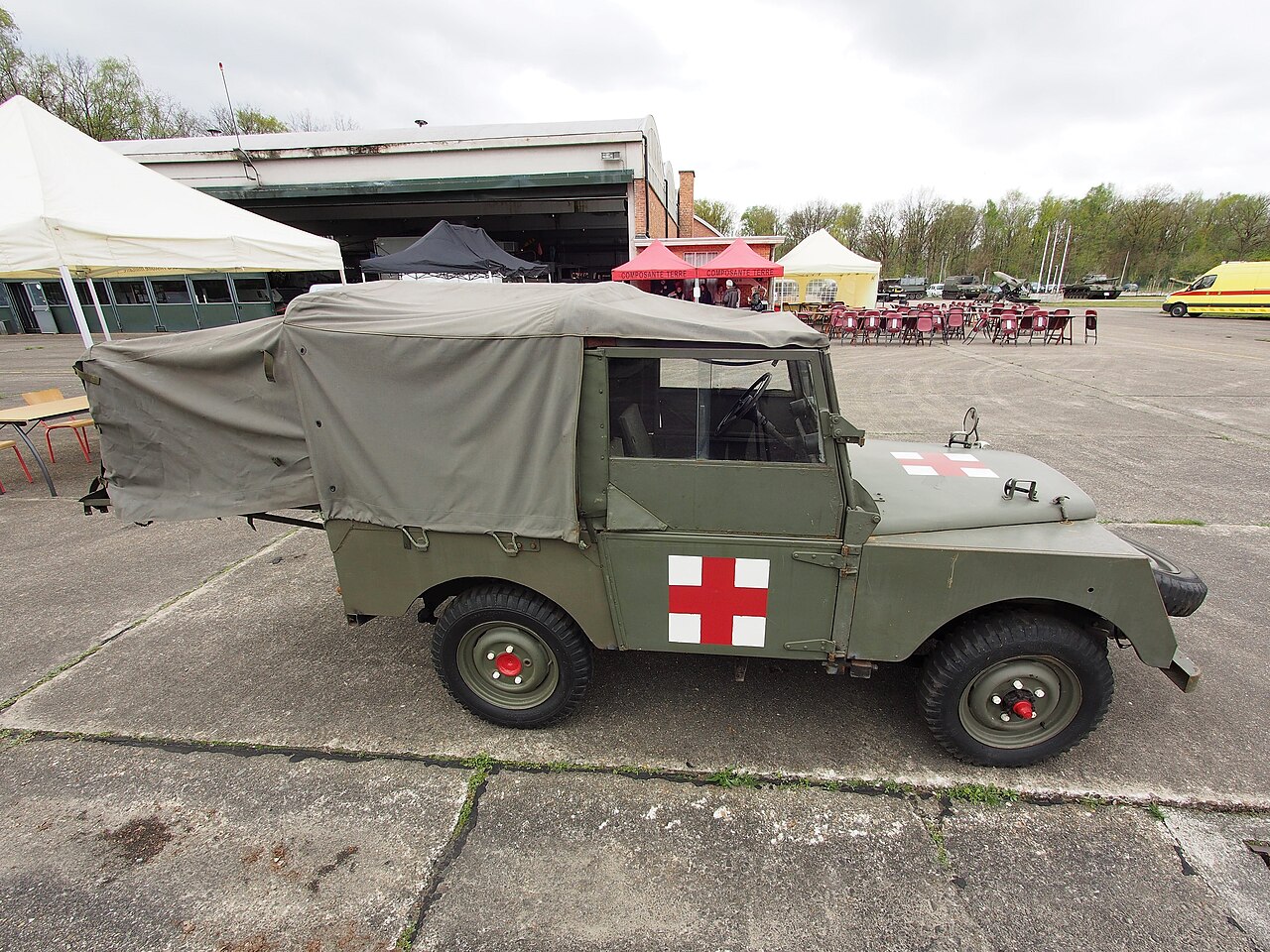
3 VEHICLES IN THIS CHAPTERThe Minerva TT, the Belgian-built steel-bodied Series I 80-inch assembled under Rover licence at Mortsel from 1952, was the first Land Rover produced for an army in quantity, and its field ambulance carried two casualties on a removable metal frame beneath an extended tilt — a concept borrowed from wartime Jeeps — so the vehicle could revert to general duties in minutes.
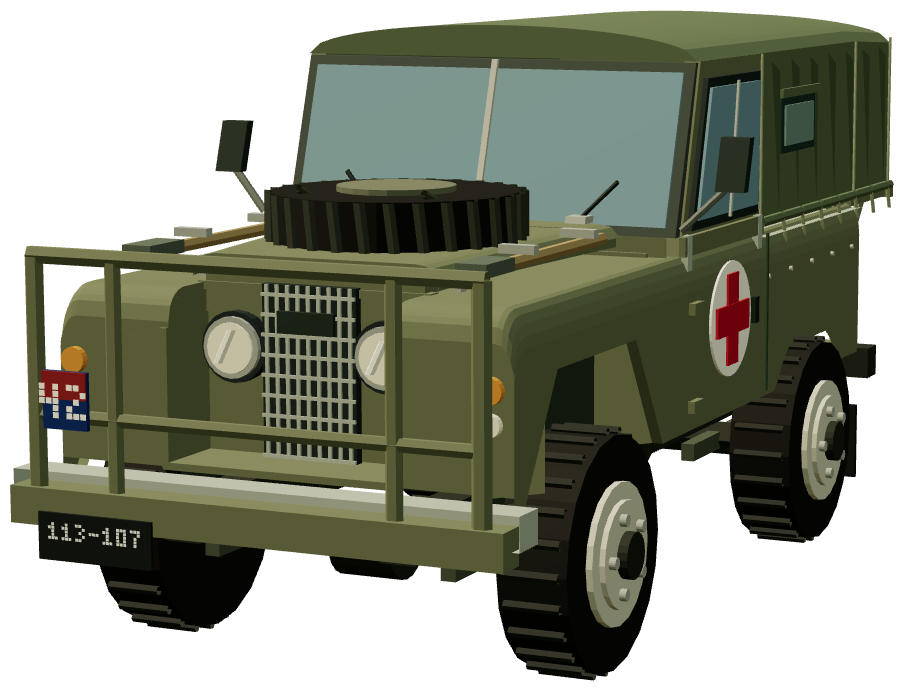
Australia refined the idea. The Forward Area Ambulance of 1959 was an 88-inch with its floor extended past the tailgate and the canvas stretched over longer hoops, a short, nimble carrier that could get further forward than the big box ambulance. The 'Fitted With Stretcher Frame' Series IIA 109s were plainer still — ordinary General Service trucks with C-section rails and a bulkhead clamp under the standard tilt.


.jpg)
In the registry · chapter 1
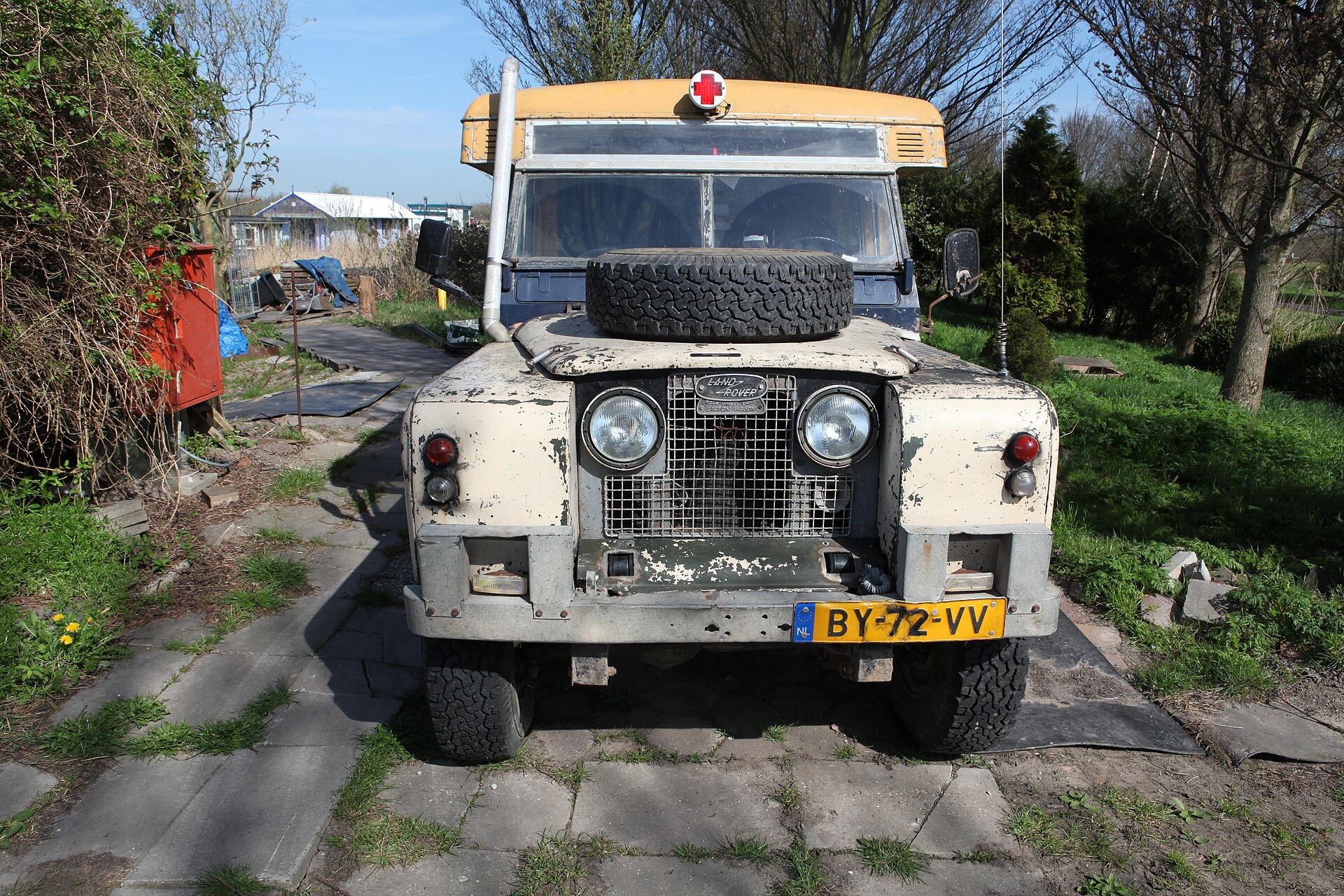
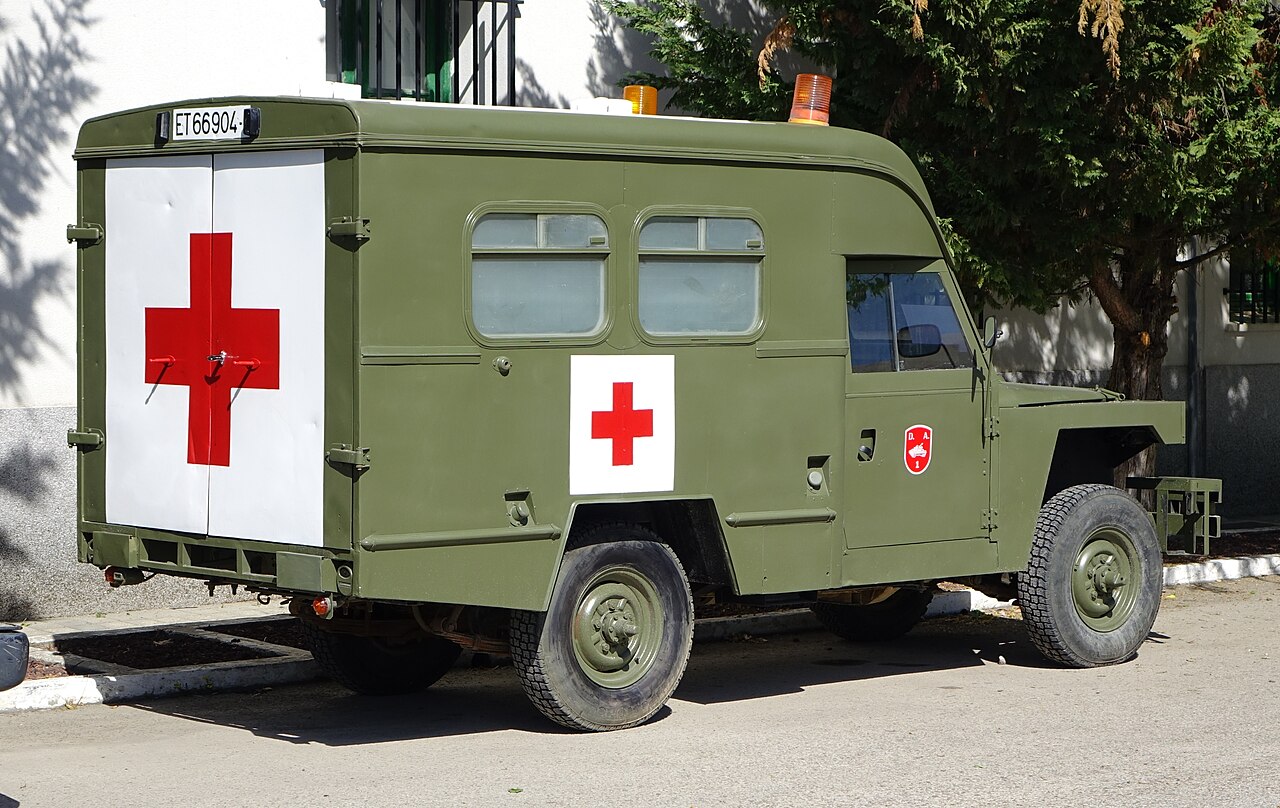
The box body
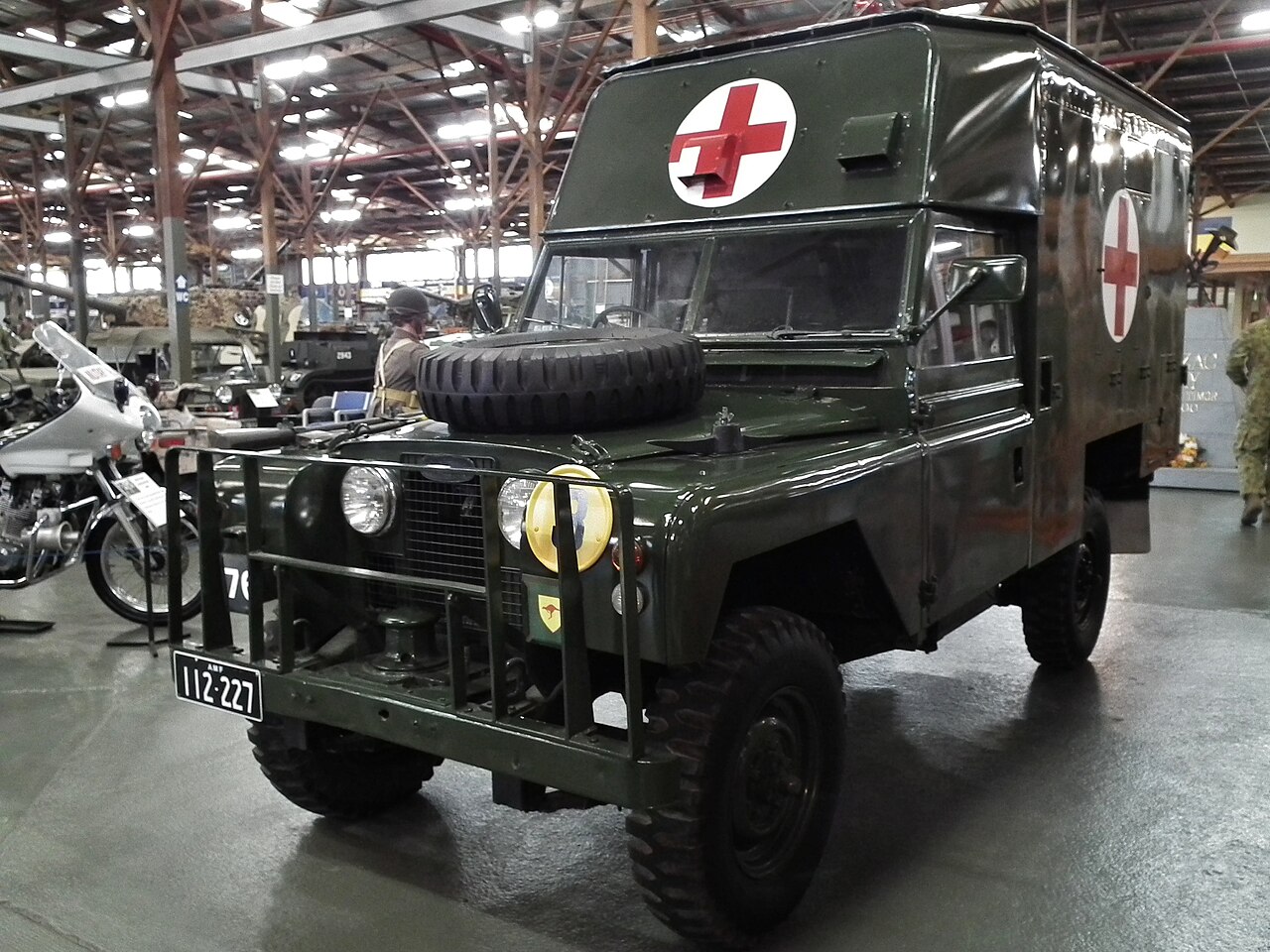
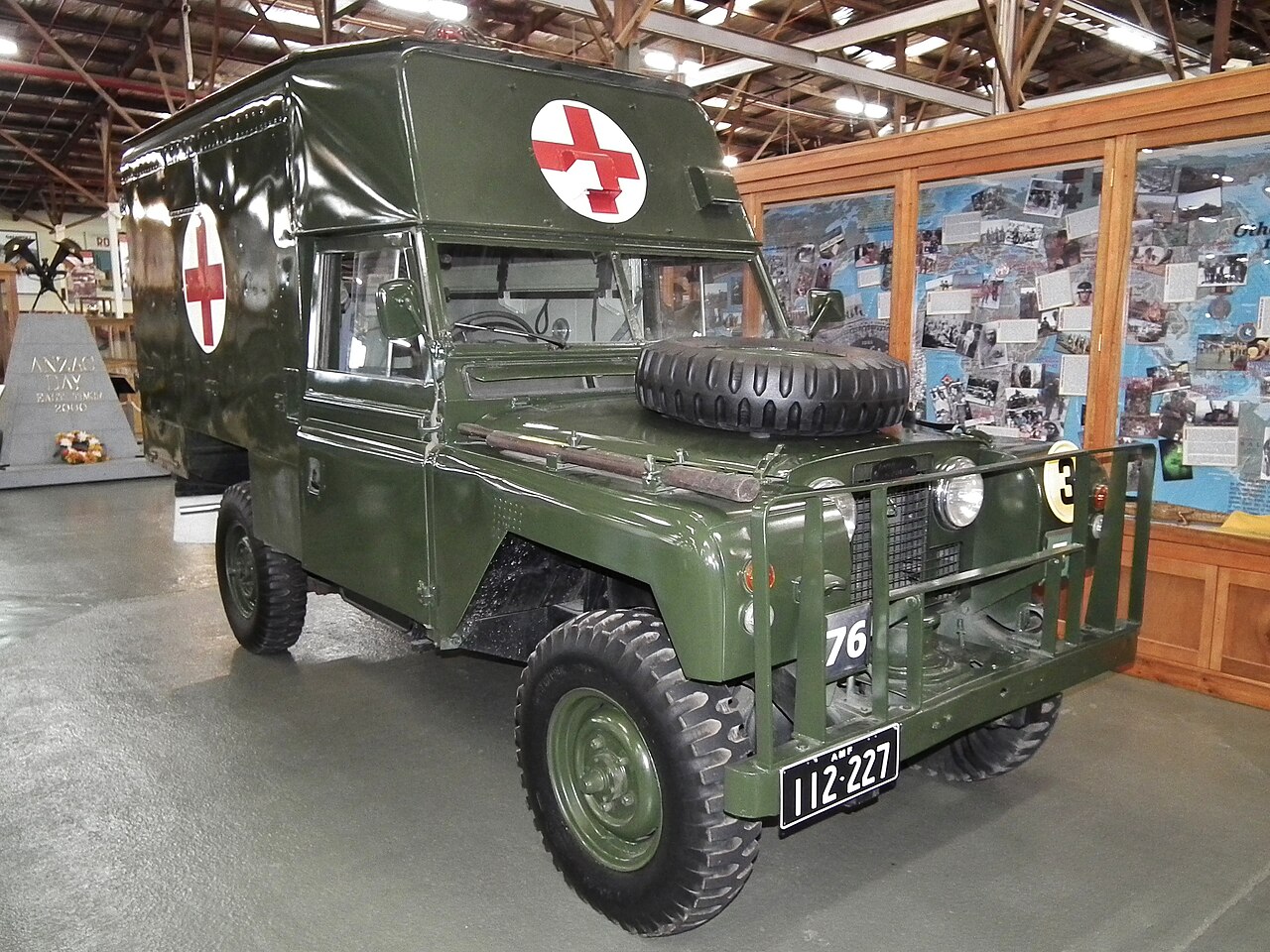
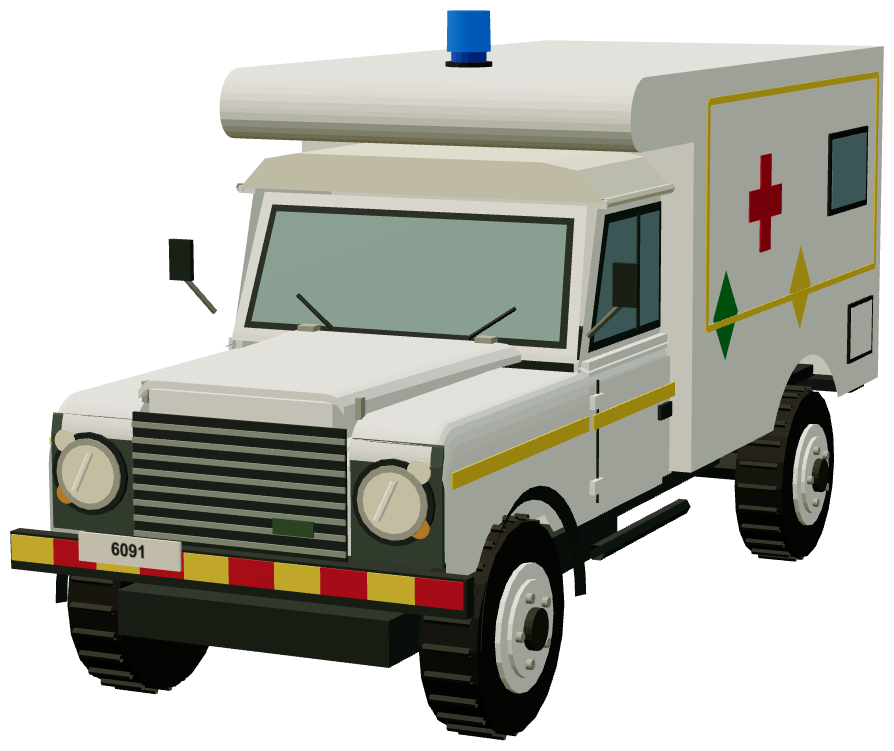
8 VEHICLES IN THIS CHAPTERThe Australian Army got there first with the 'Bloodbox': a tall insulated aluminium four-stretcher body designed by the Army Design Establishment and built by Pressed Metal Corporation in Sydney on 109-inch Series 2 and 2A chassis, 184 delivered between 1959 and 1967 and in service from 1961. Britain's requirement, FV18044, was first met by Mickleover Transport in 1961–62 and then taken over by Marshall of Cambridge, which mounted a raised, extended body — low enough for RAF transport aircraft, chamfered at the back for the departure angle — on whichever Series 109 was in production. Roughly 2,000 served the Army, RAF and Fleet Air Arm through the Falklands and the Gulf.
Marshall's body reached Denmark (one Series III, at Oksbøl) and, with a crash bar, the RAF's airfields. Herbert Lomas of Handforth offered a rounder, fully integrated coachbuilt body on the Series IIA 109 for the Navy, the Royal Marines and civilian customers in eighty countries; Santana built the Spanish Army a full-width hard box on its 109 Militar; and Searle's Carawagon Model 80 turned the same chassis into a roving mobile clinic with a sterilisation unit and vaccine refrigerator for remote villages.
.jpg)


Forward control
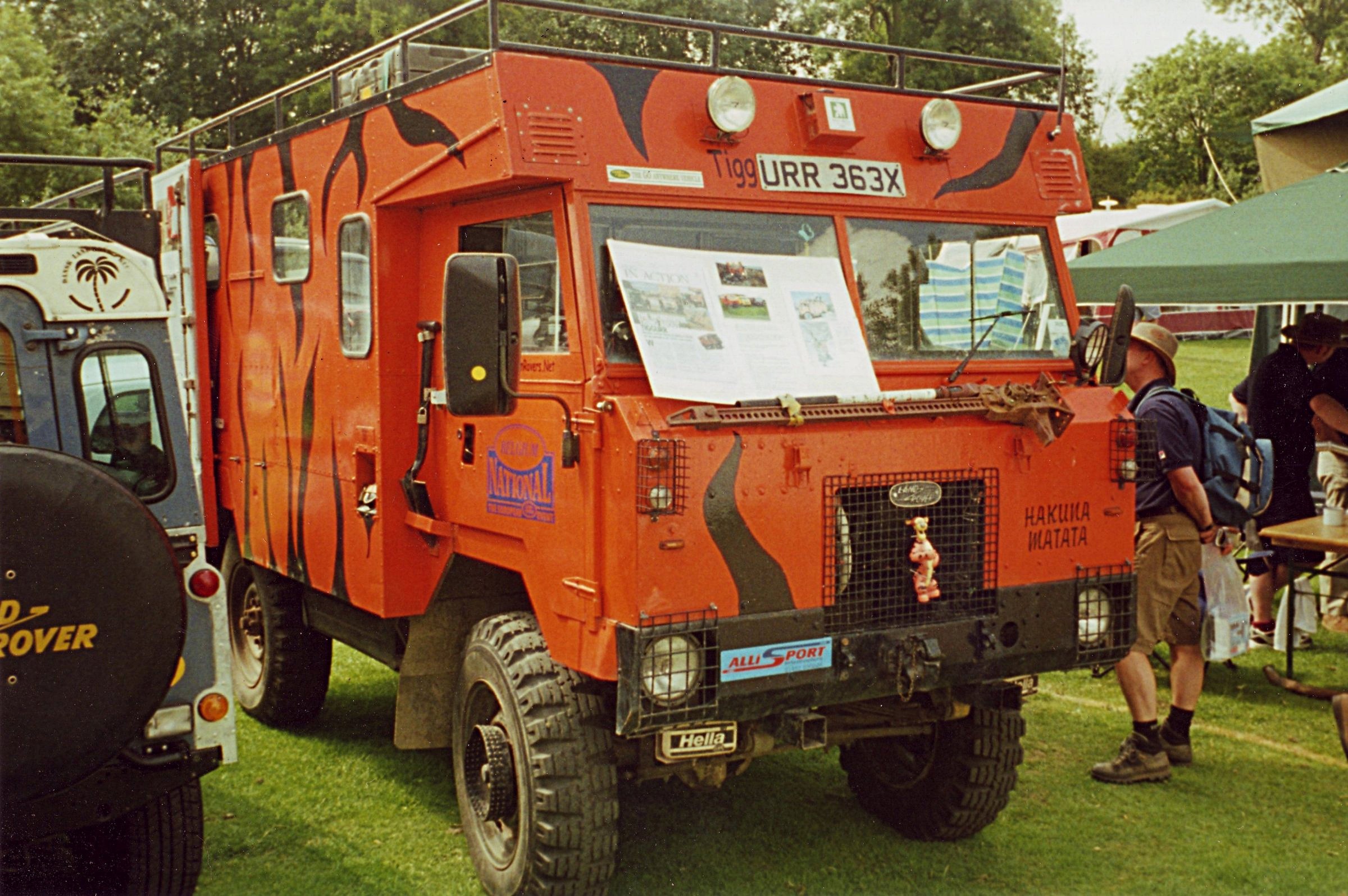
1 VEHICLE IN THIS CHAPTERThe 101 Forward Control — the V8-powered one-tonne cab-over gun tractor built for the British military between 1972 and 1978 — took a Marshall four-stretcher ambulance body over its rear, the largest medical compartment yet mounted on a Land Rover and the only one with the driver sitting ahead of the front axle.

In the registry · chapter 3
Coil springs and modules
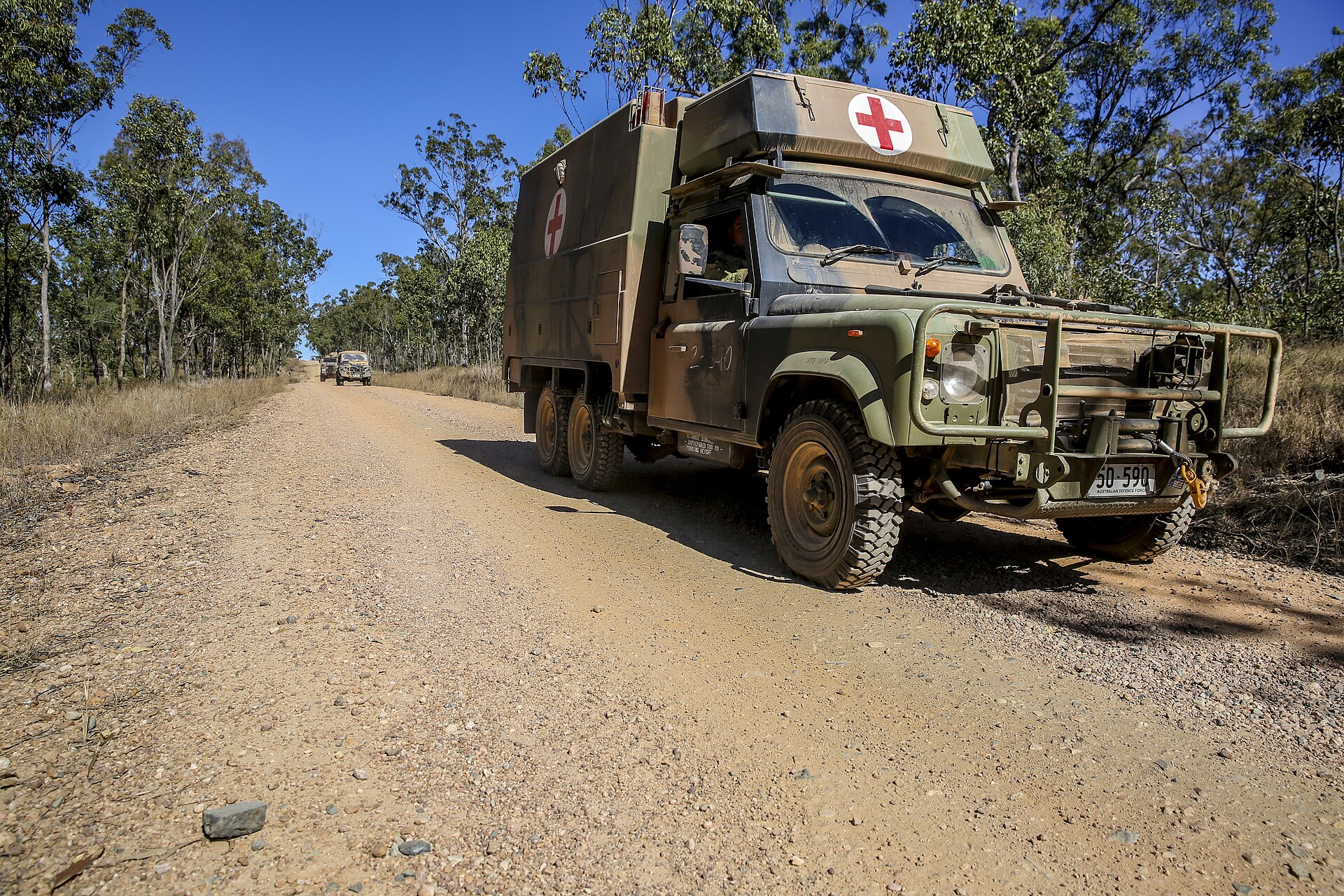
3 VEHICLES IN THIS CHAPTERSt John Ambulance's One Ten of 1984–85, a square coachbuilt box with a Luton peak in white with green-and-yellow Battenburg, shows the charity's four-wheel-drive ambulances for events and rough ground on the first of the coil-sprung line. Australia went six-wheeled: the Perentie 6×6 ambulance of 1989 carried a self-contained, demountable fibreglass treatment module for four stretchers or eight seated casualties, ninety-four built, and it took over the Army's overseas commitments. The US 75th Ranger Regiment's MEDSOV was the same Defender 110 as its gun-armed SOV with the mount removed to carry six litters.

In the registry · chapter 4
The Pulse and the 130
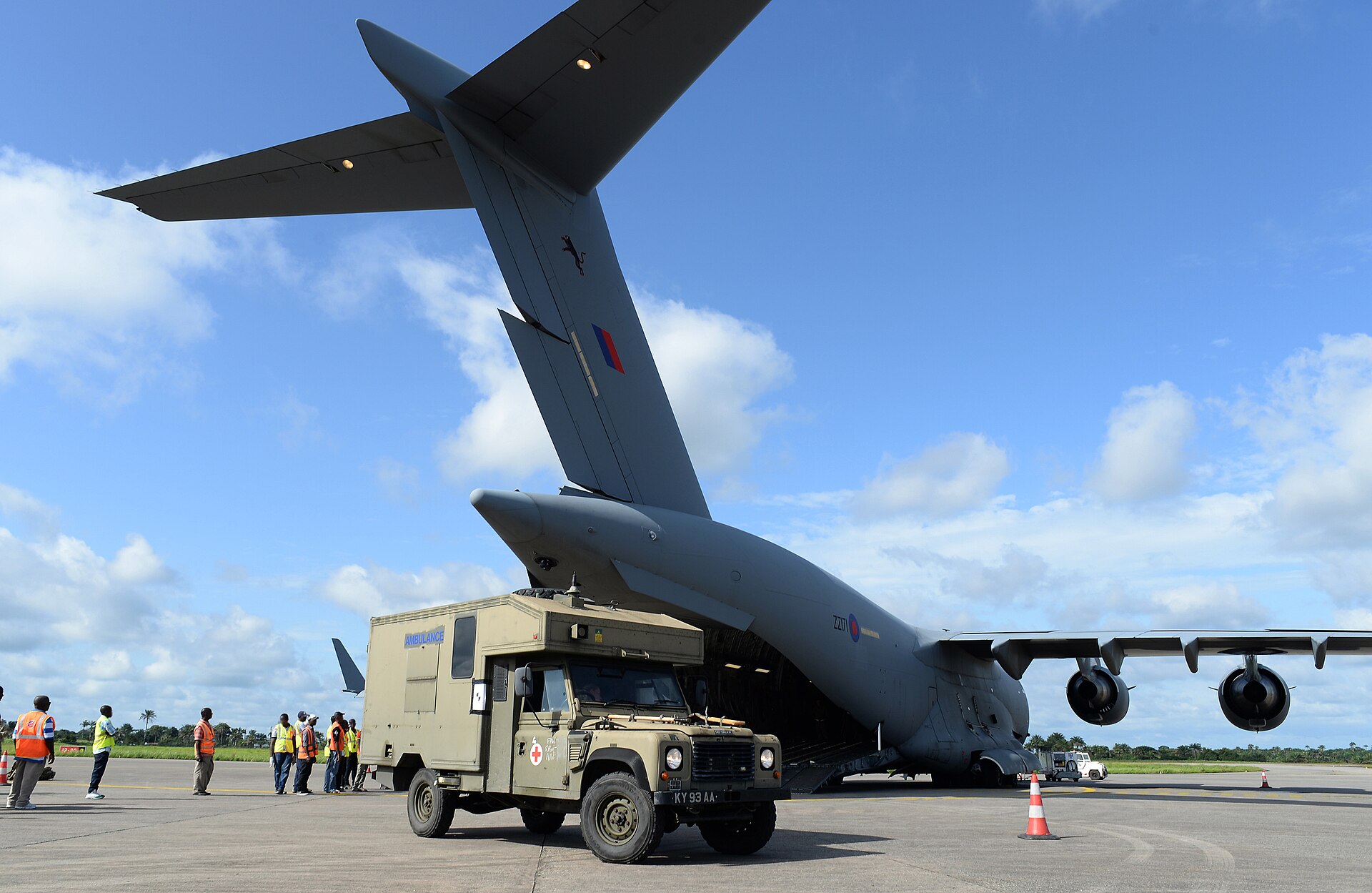
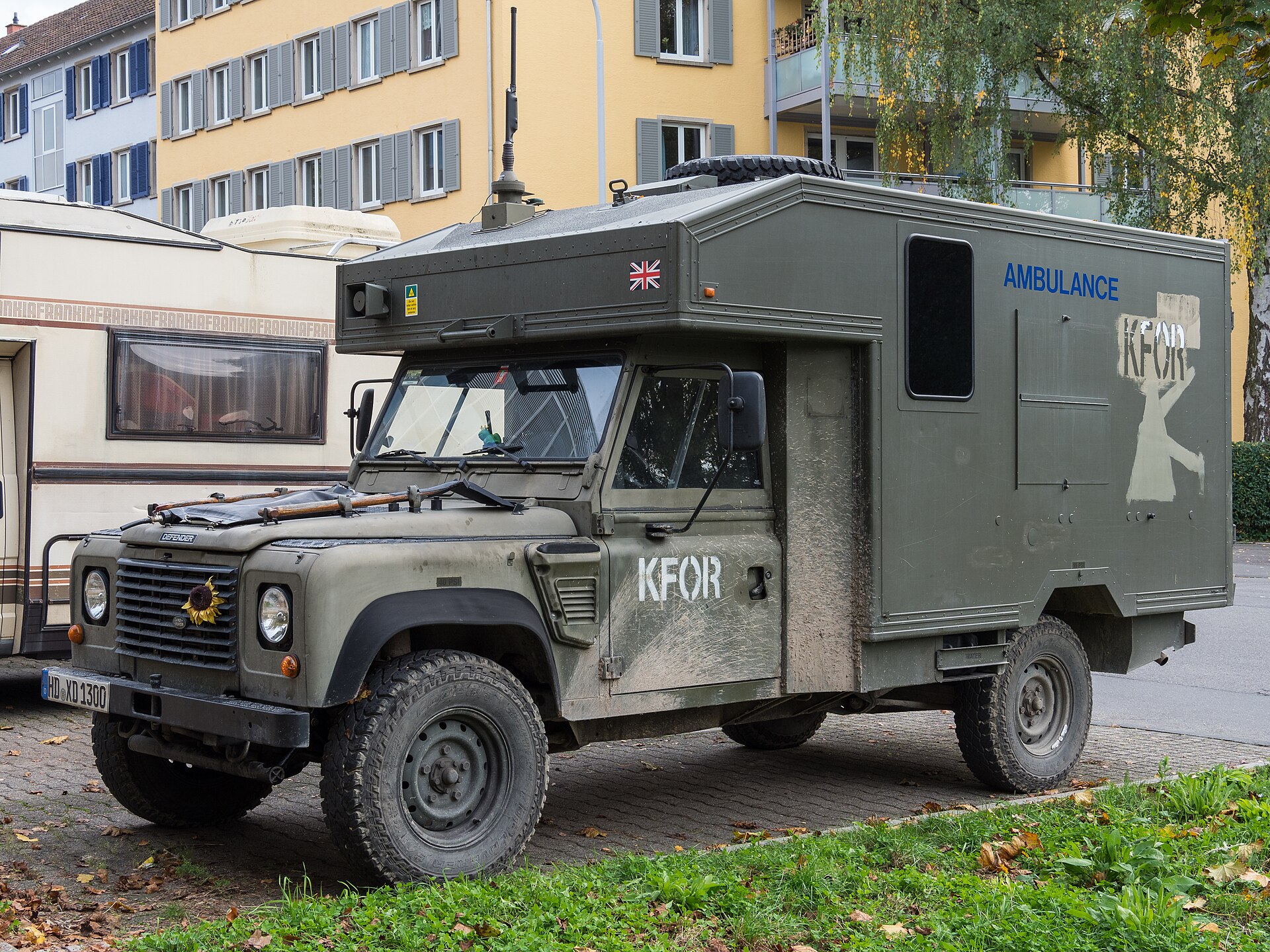
6 VEHICLES IN THIS CHAPTERProcured under Project Pulse alongside the Wolf order of January 1996, Marshall's box body on the ultra-long Defender 130 (XD) chassis became the British Army's battlefield ambulance: about 800 built, known as the 'Pulse' and, less accurately, the Wolf ambulance. When they were surplus, Project HEBE at the Defence Support Group converted up to 500 into four-man double-cab pick-ups from 2010.
The 130 became the ambulance chassis everywhere. MMB International of Macclesfield bodied a Td5 for St John Ambulance Guernsey in 2000; Bay Search & Rescue's box-bodied 130 covers Morecambe Bay; Durisotti built the French Army's white Luton-peaked ambulances; and Otokar in Turkey built a rounded over-cab two-stretcher body on the 110 in the hundreds for the Iraqi security forces from 2005, in NATO green with Red Crescent markings.


The makers behind them
Every ambulance vehicle in the registry
27 records, oldest first. Each opens its full registry page.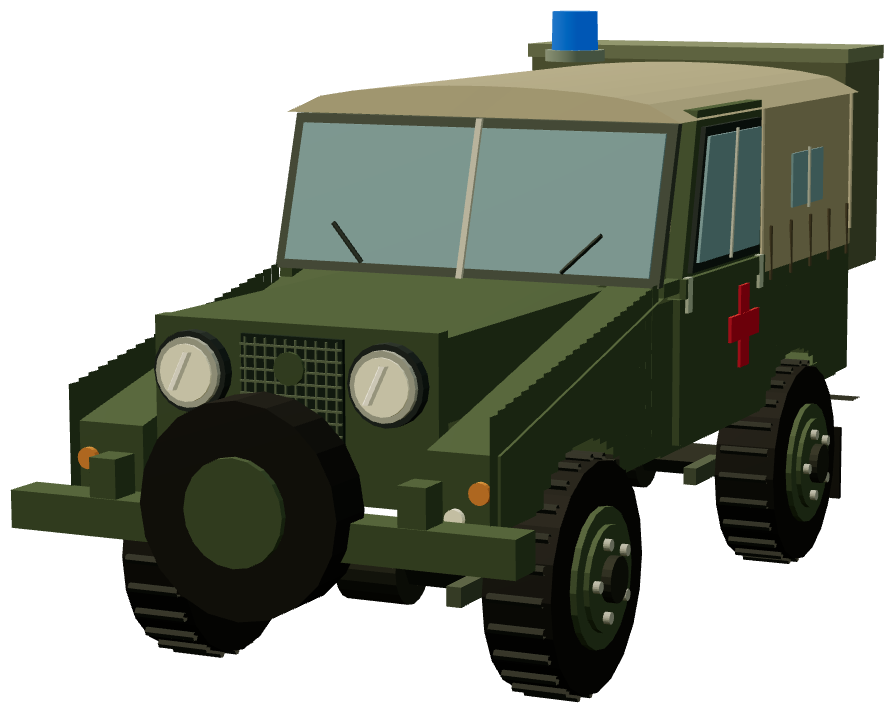 Minerva Field Ambulance1952–56 · Belgium
 Forward Area Ambulance1959–64 · United Kingdom / Australia
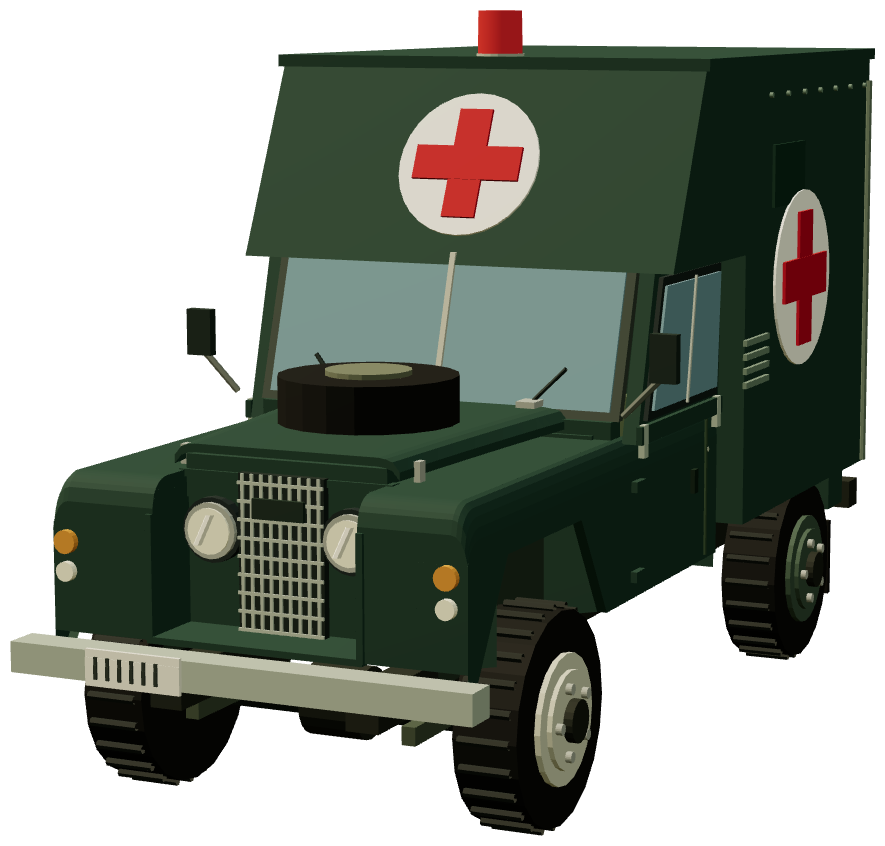 Series II Ambulance1959–67 · Australia
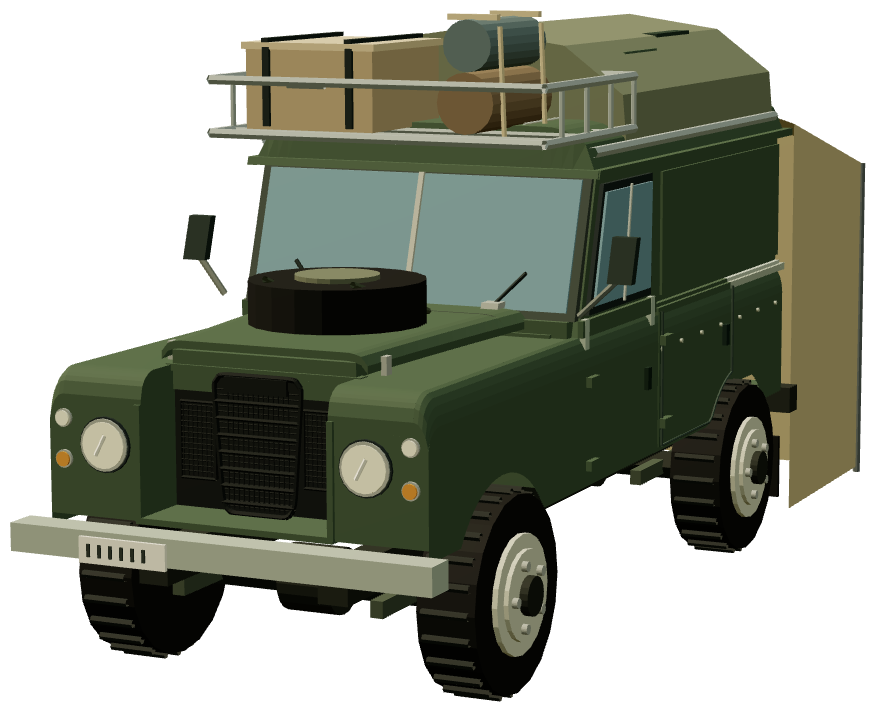 Carawagon Mobile Clinic1960 · United Kingdom
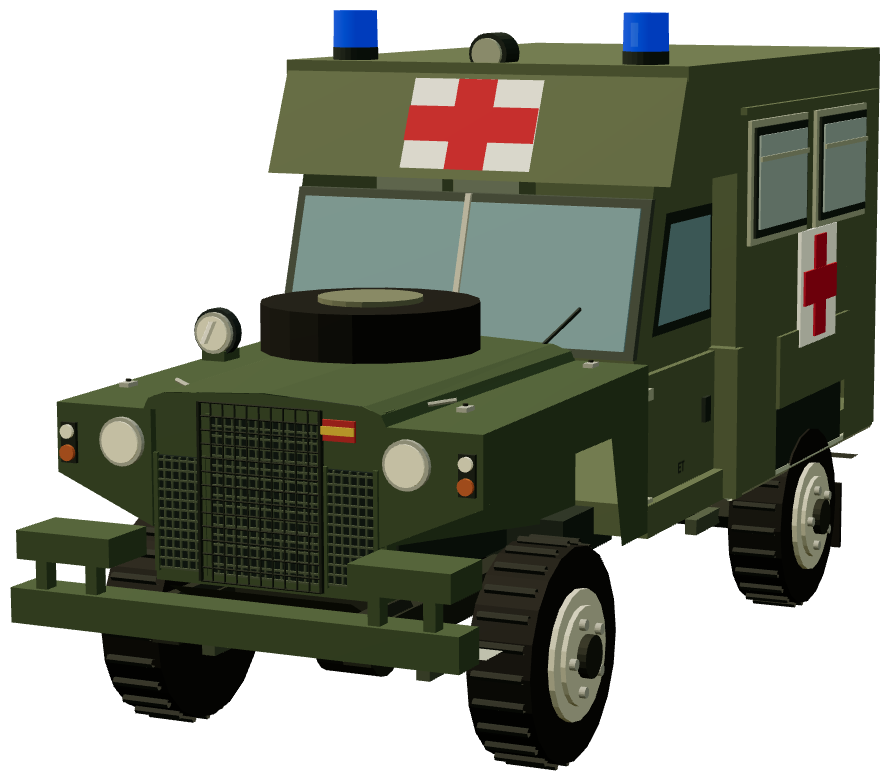 Santana Ambulance1960 · Spain
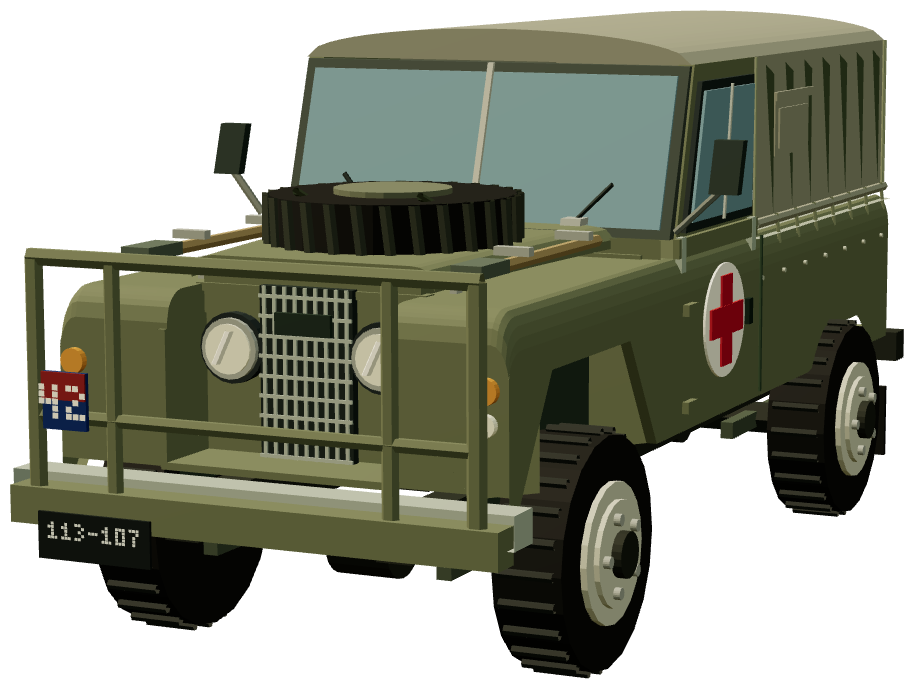 FWSF1961–72 · United Kingdom
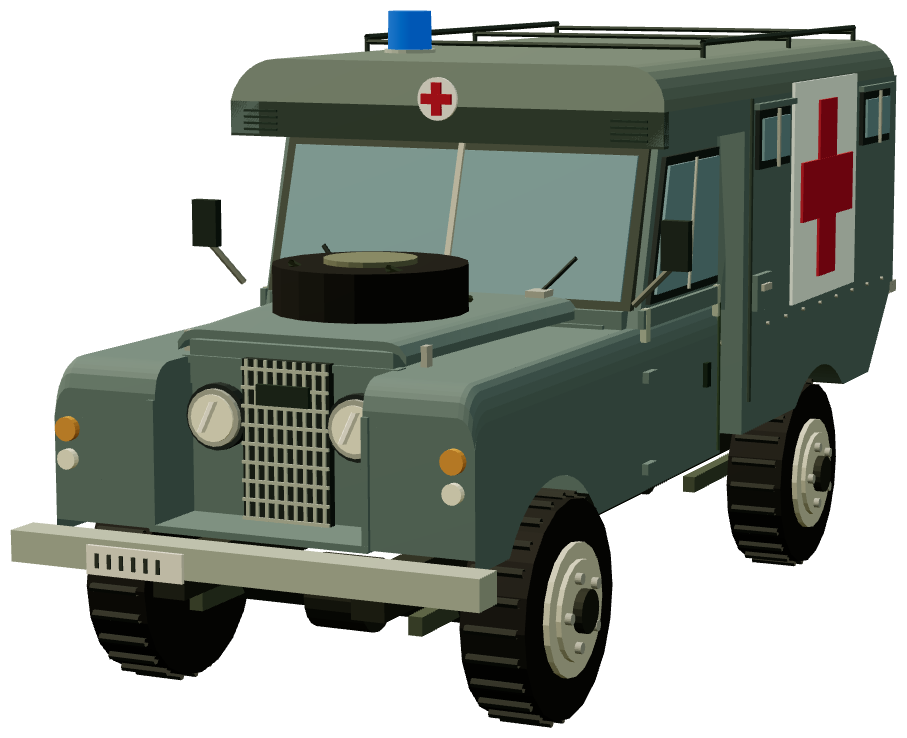 UK Marshal Body Ambulance1961–82 · United Kingdom
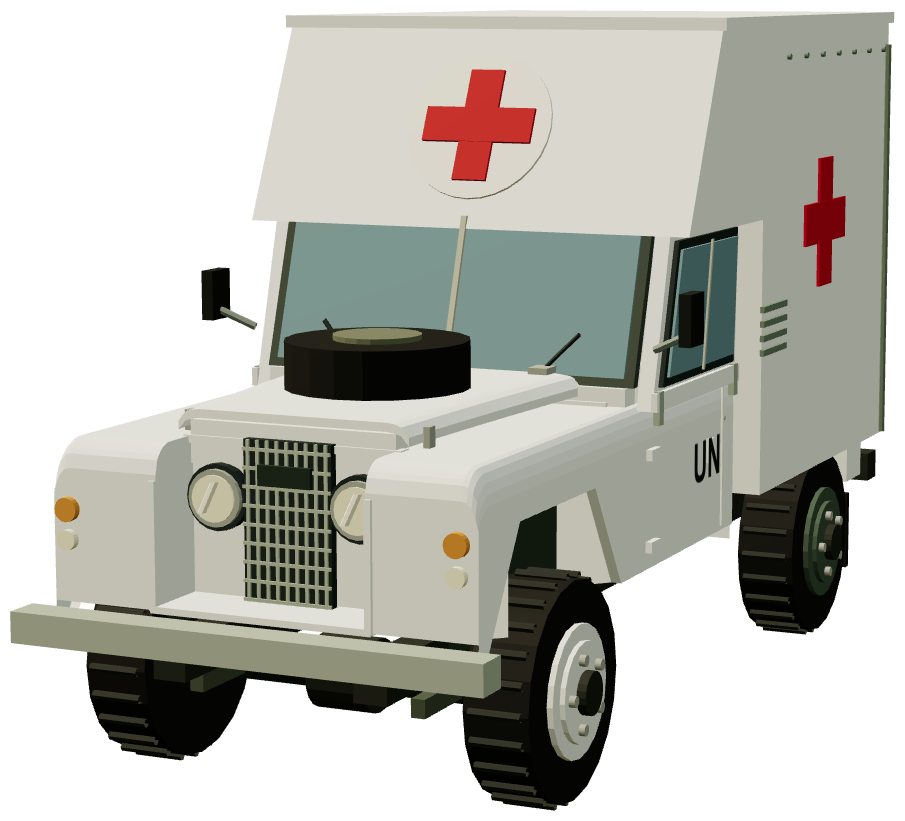 Bandiana UN Series 2A Ambulance1963 · Australia
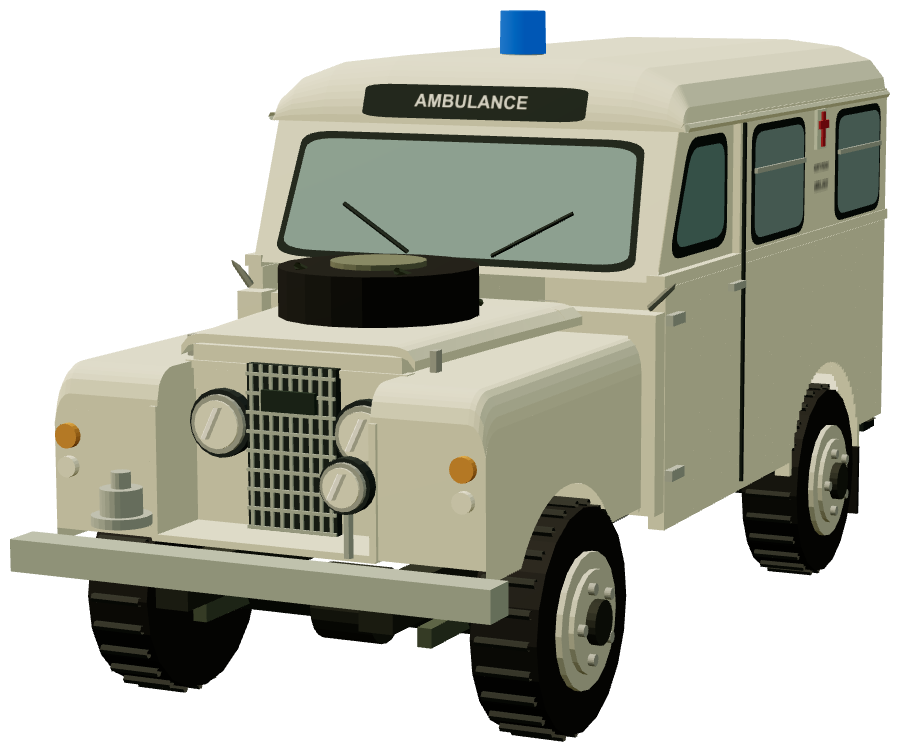 Lomas 109 Ambulance1965 · United Kingdom
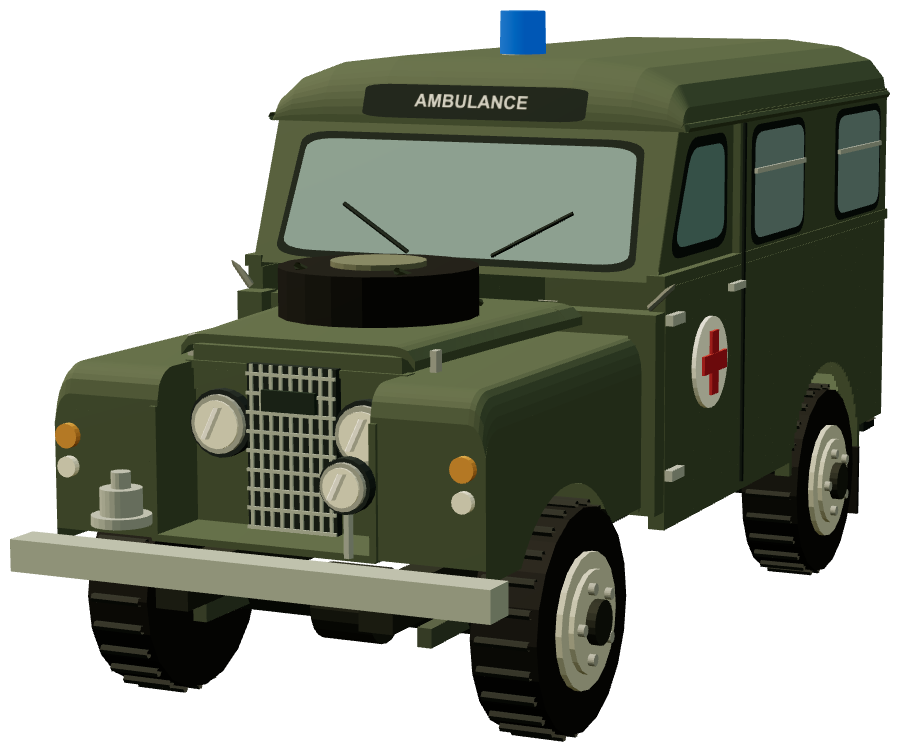 Lomas 109 Ambulance1967 · United Kingdom
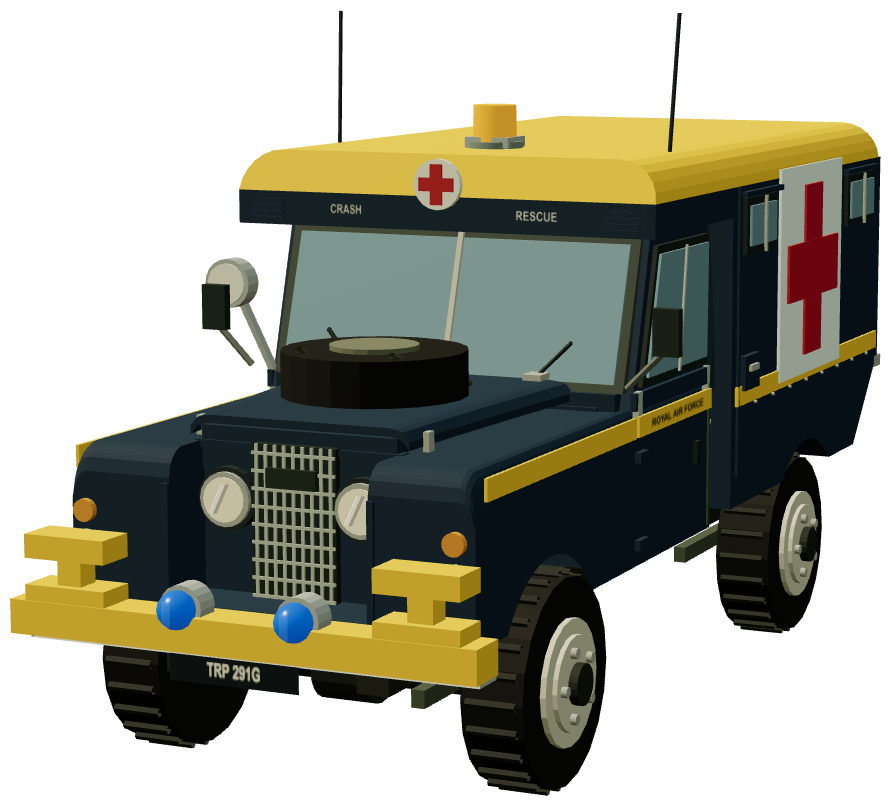 RAF Crash Rescue Marshall Ambulance1969 · United Kingdom
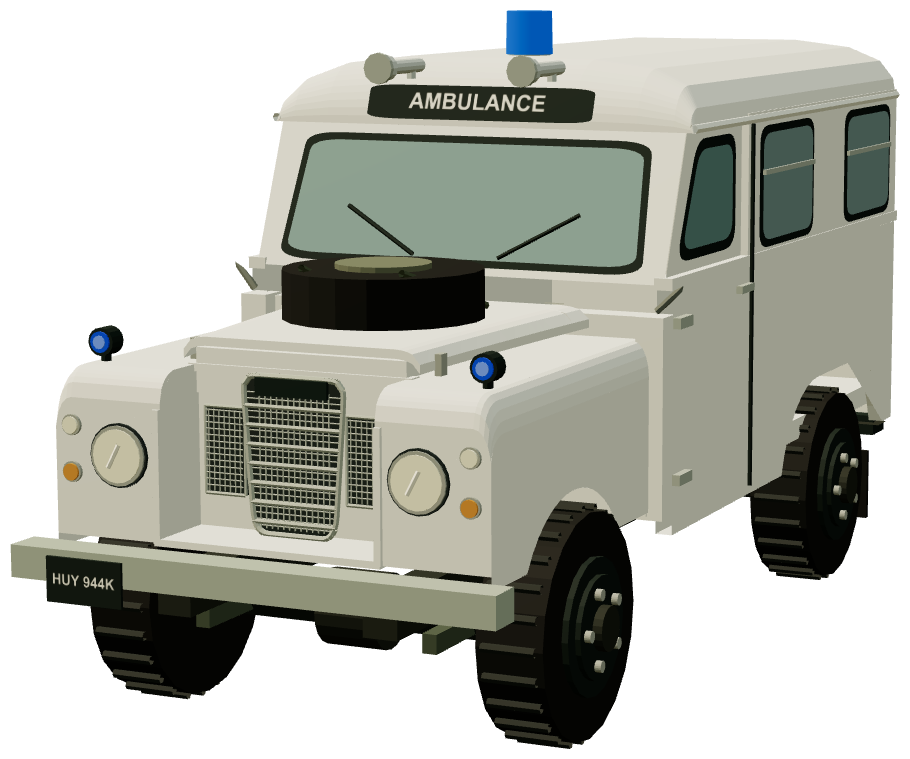 Worcestershire Ambulance Service Land Rover 1091971–72 · United Kingdom
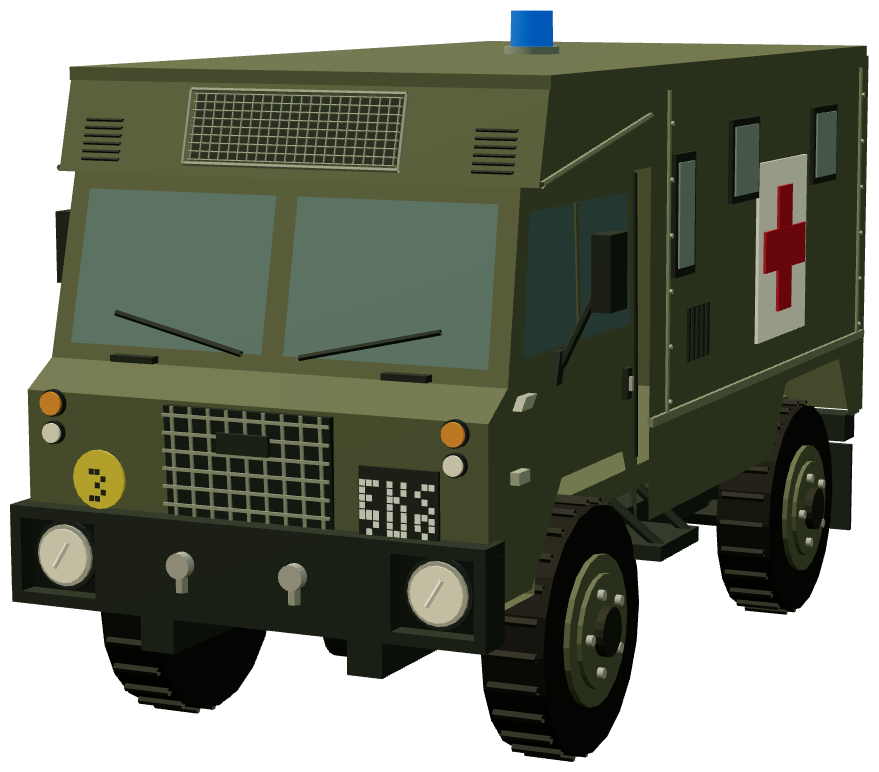 101 Forward Control Ambulance1972–78 · United Kingdom
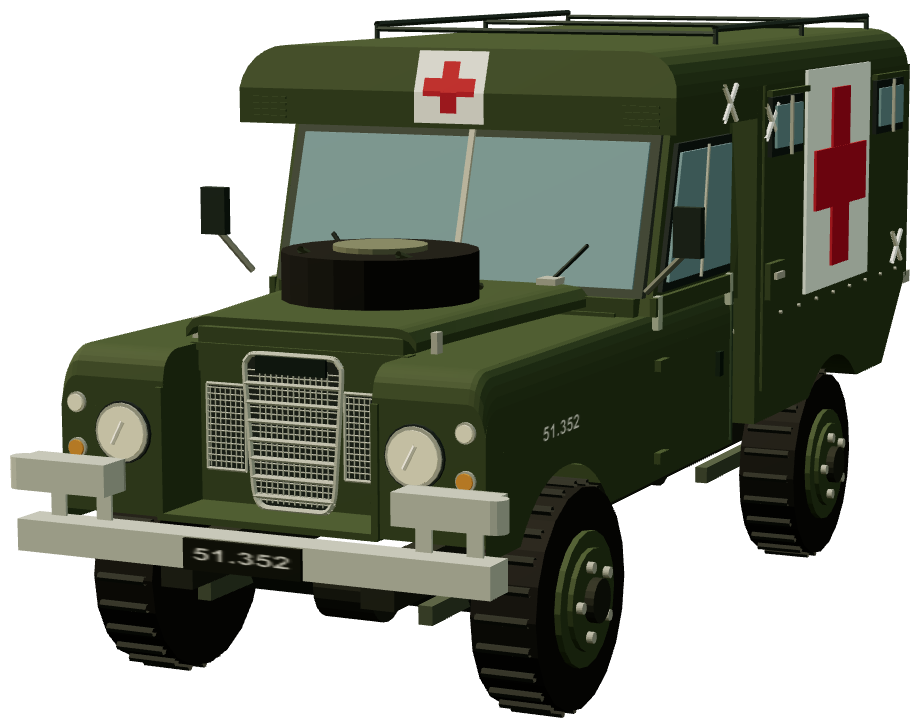 Danish Army 109 Marshall Ambulance1980 · United Kingdom
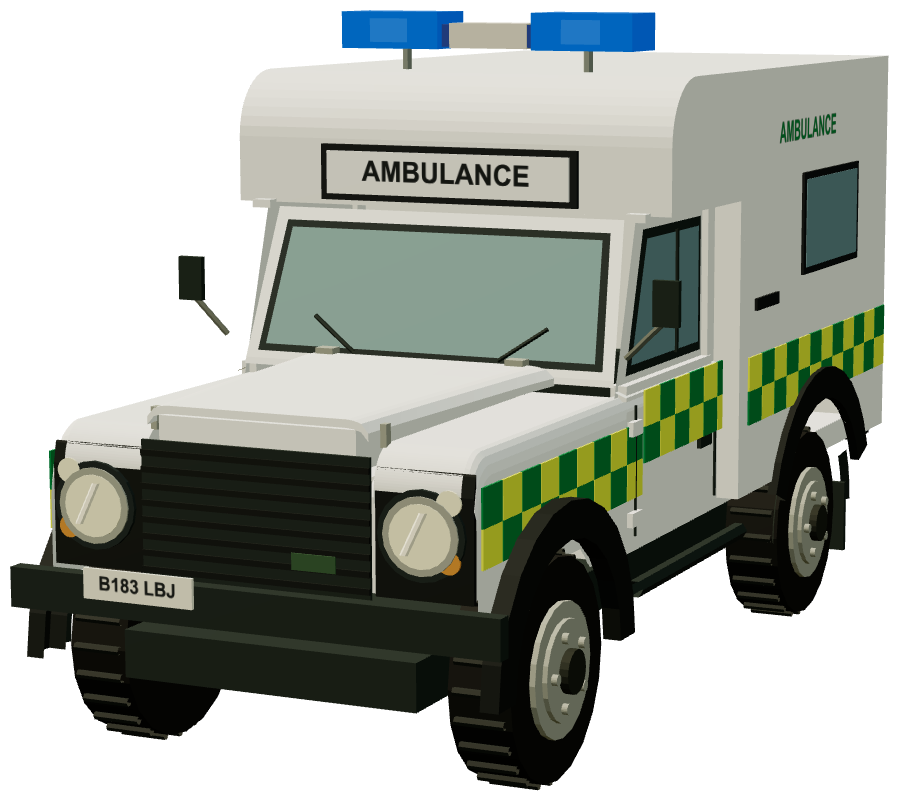 St John Ambulance One Ten B183 LBJ1984 · United Kingdom
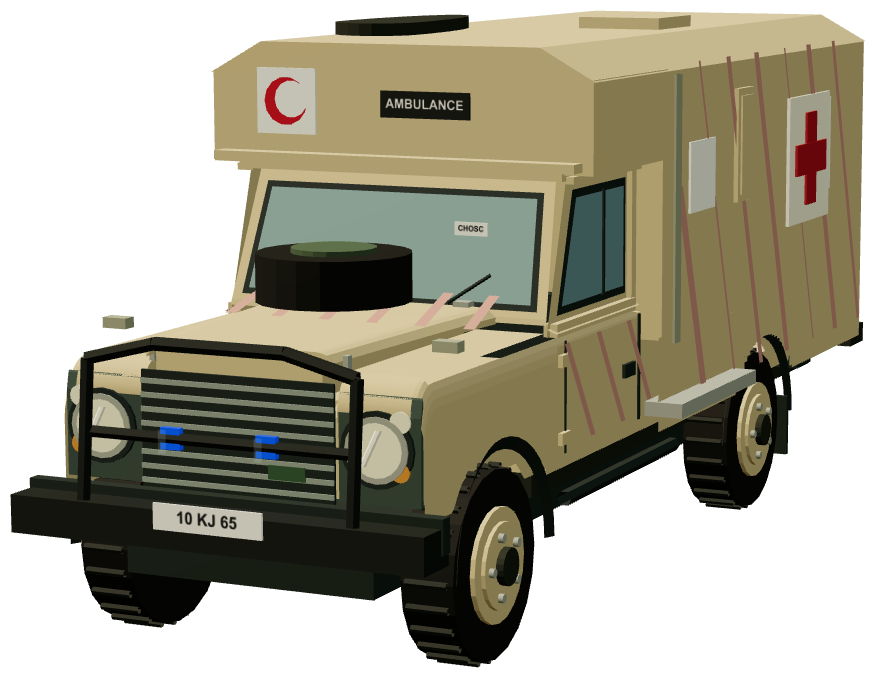 CHOSC Tiger-Stripe 127 Ambulance1985–90 · United Kingdom
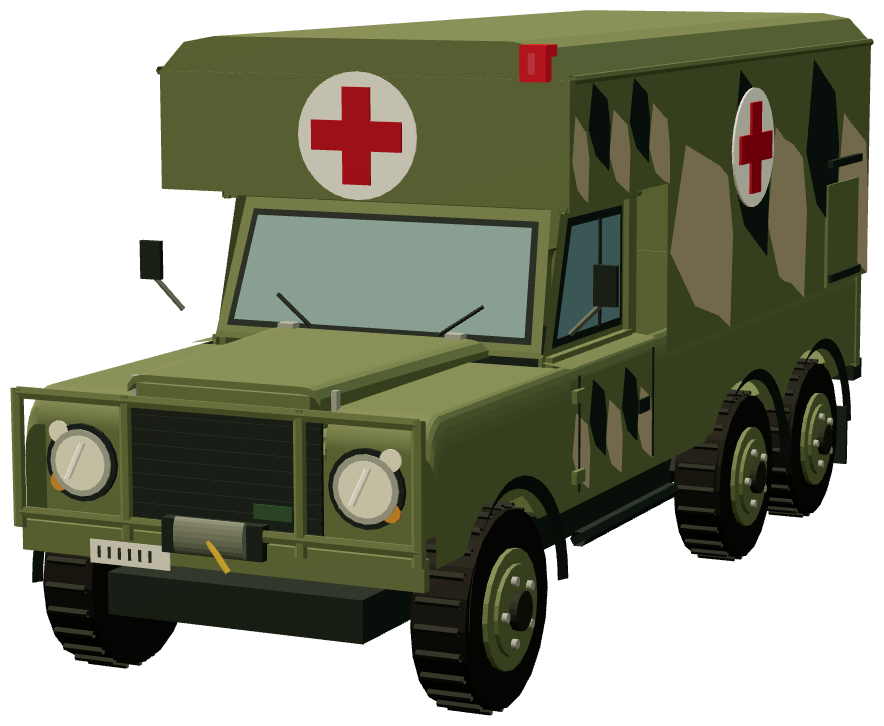 Perentie 6×6 Ambulance1989–92 · Australia
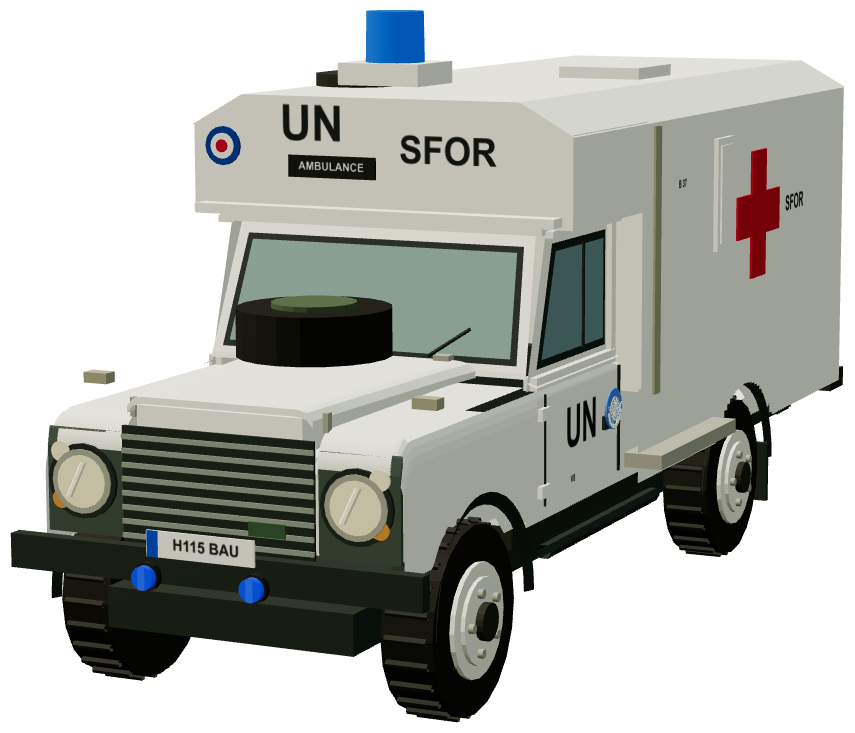 SFOR UN Pulse Ambulance (Bosnia)1990–91 · United Kingdom
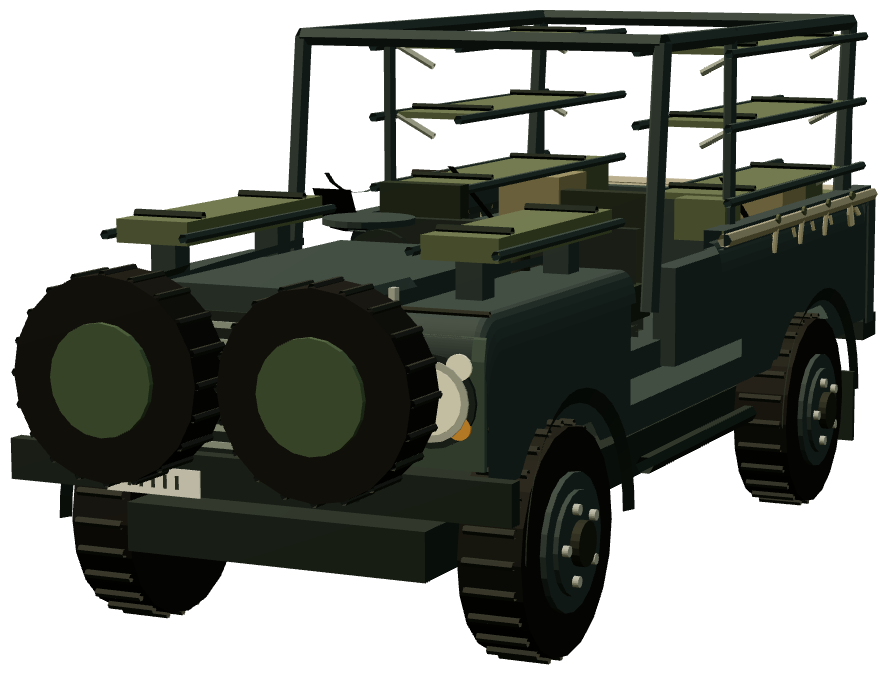 Ranger MEDSOV1992 · United Kingdom
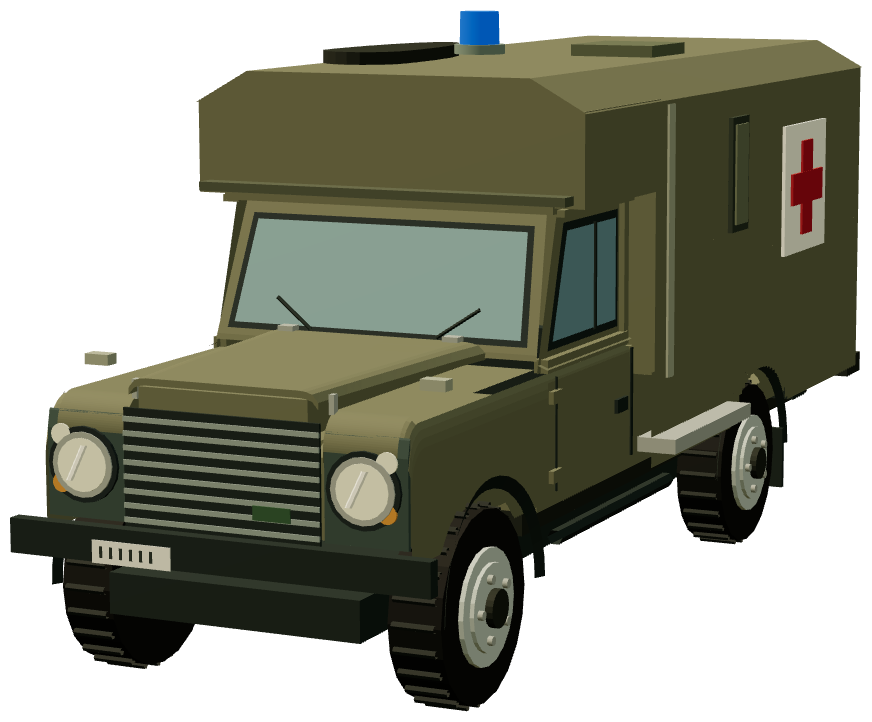 Wolf Ambulance1996 · United Kingdom
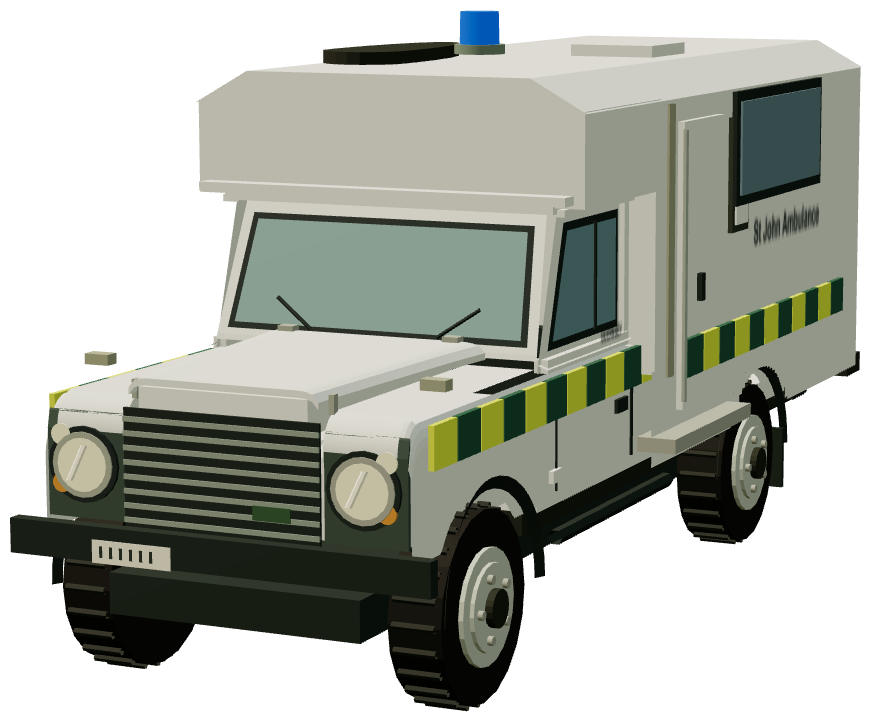 MMB Defender 130 St John ambulance2000 · United Kingdom
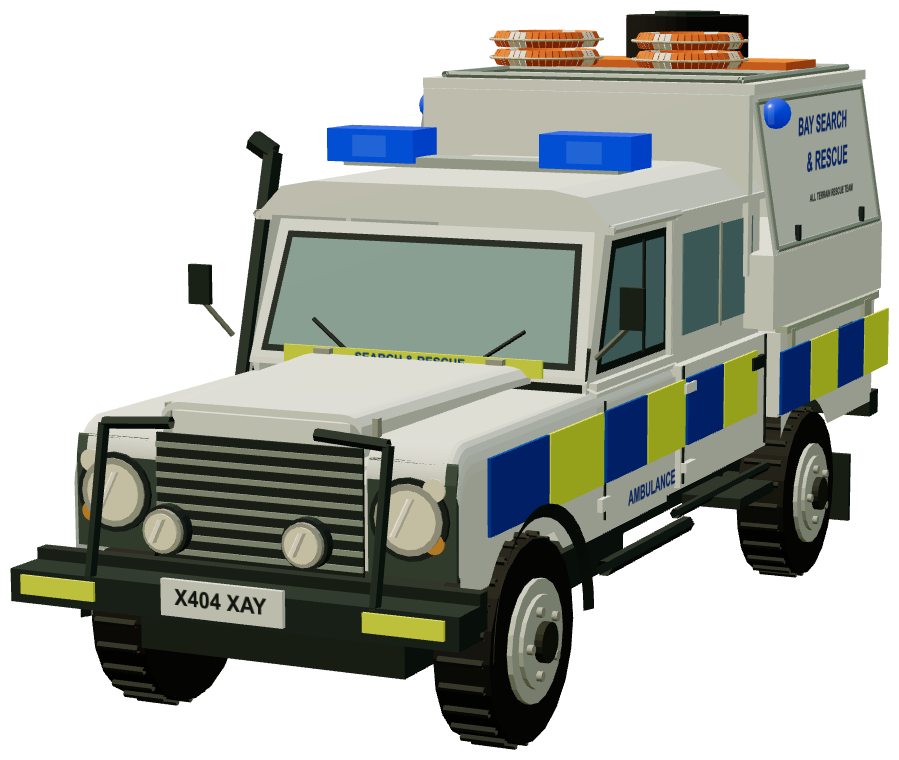 Bay Search & Rescue2004 · United Kingdom
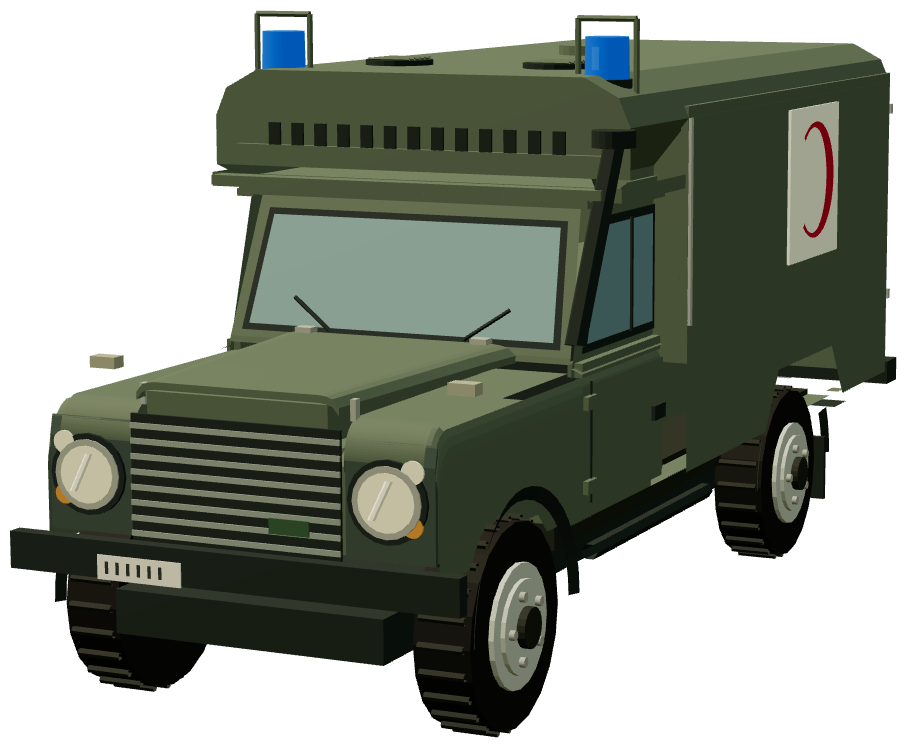 Otokar Defender Ambulance2005 · Turkey / United Kingdom
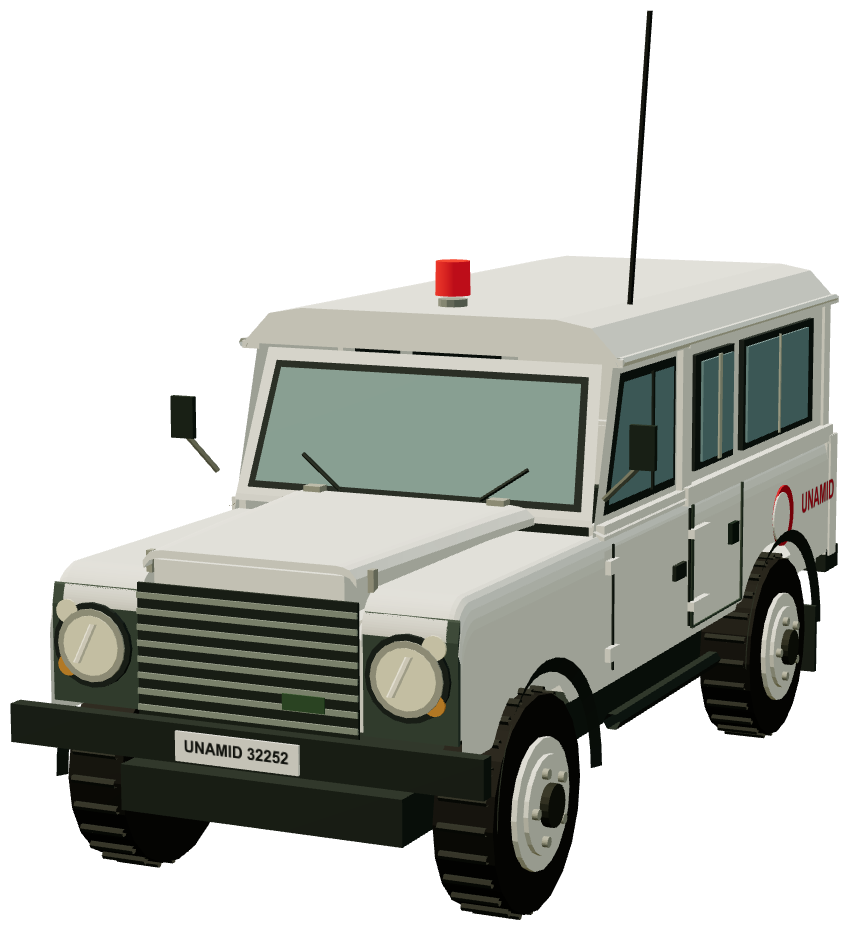 UNAMID Defender 110 Medical Vehicle (Nyala 2011)2007–11 · United Kingdom
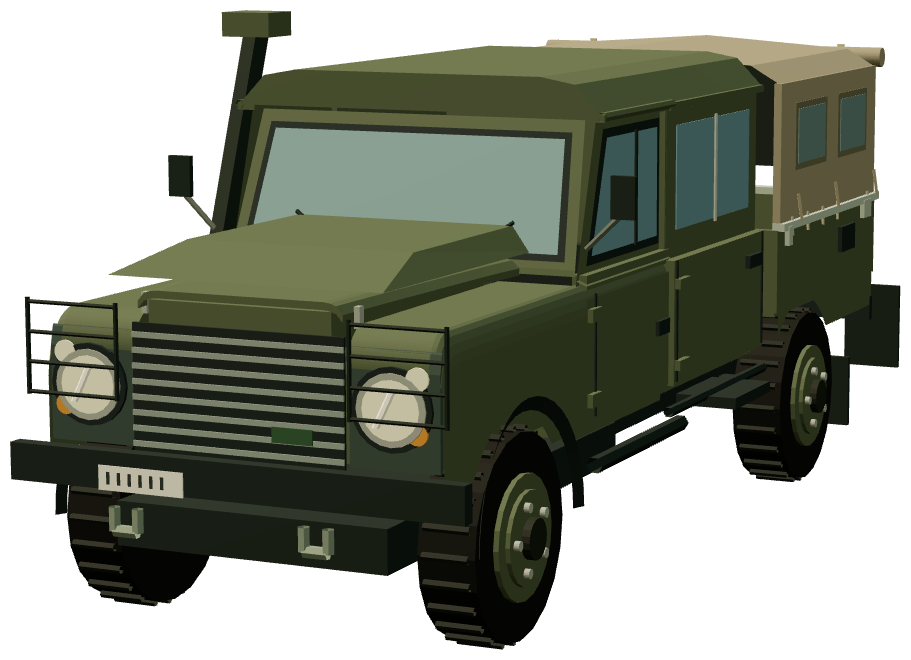 Project HEBE2010–11 · United Kingdom
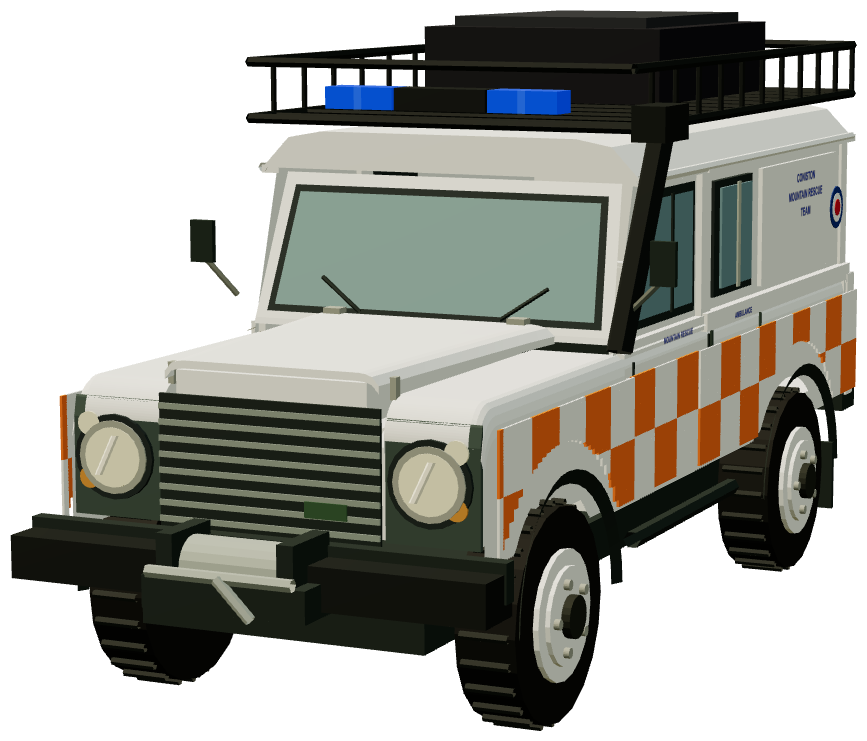 Coniston MRT Defender 110 Stretcher Carrier2011 · United Kingdom
 French Army Durisotti Defender 130 Ambulance2013 · France