The record
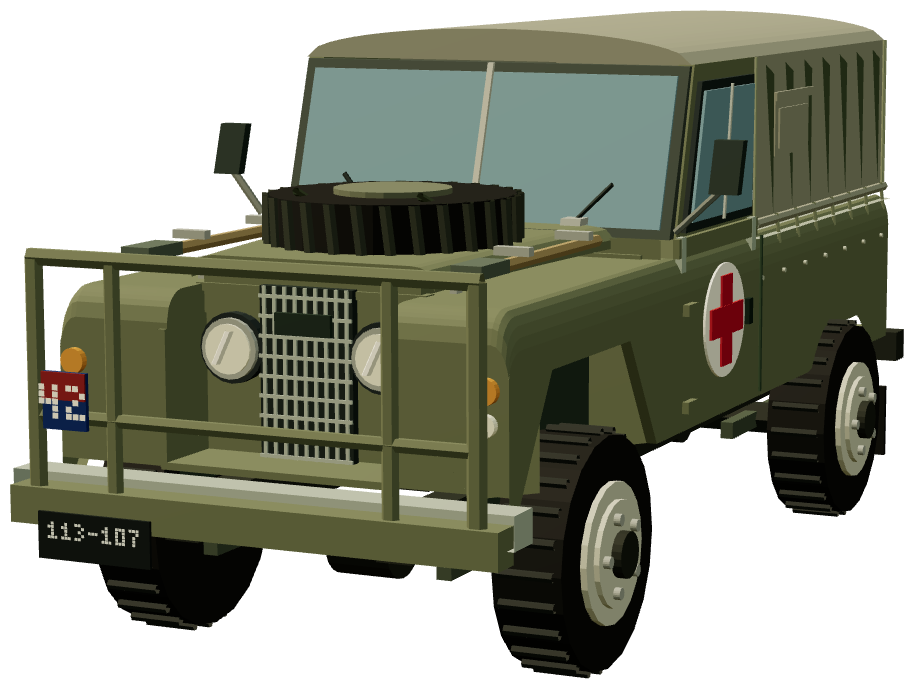
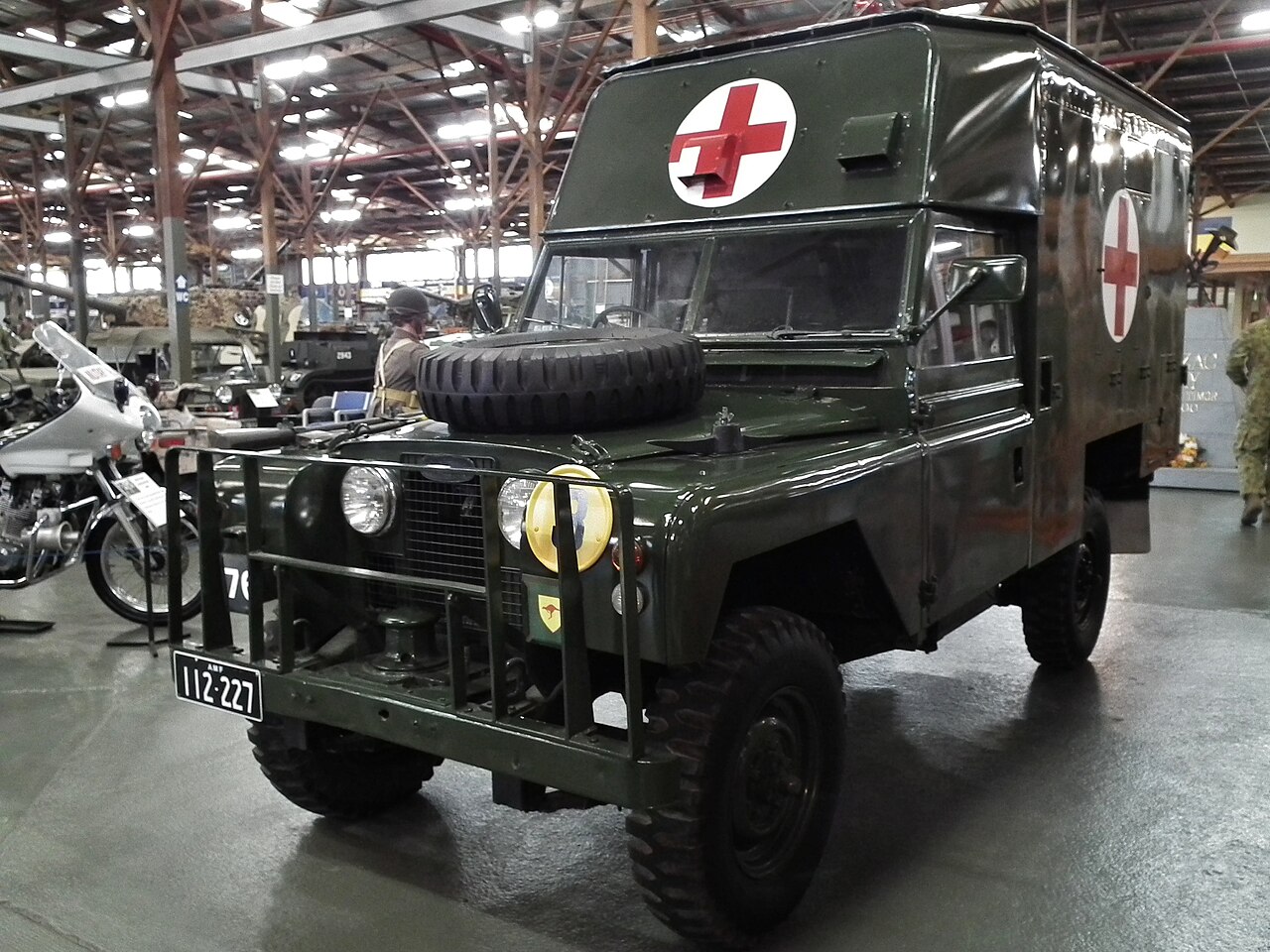
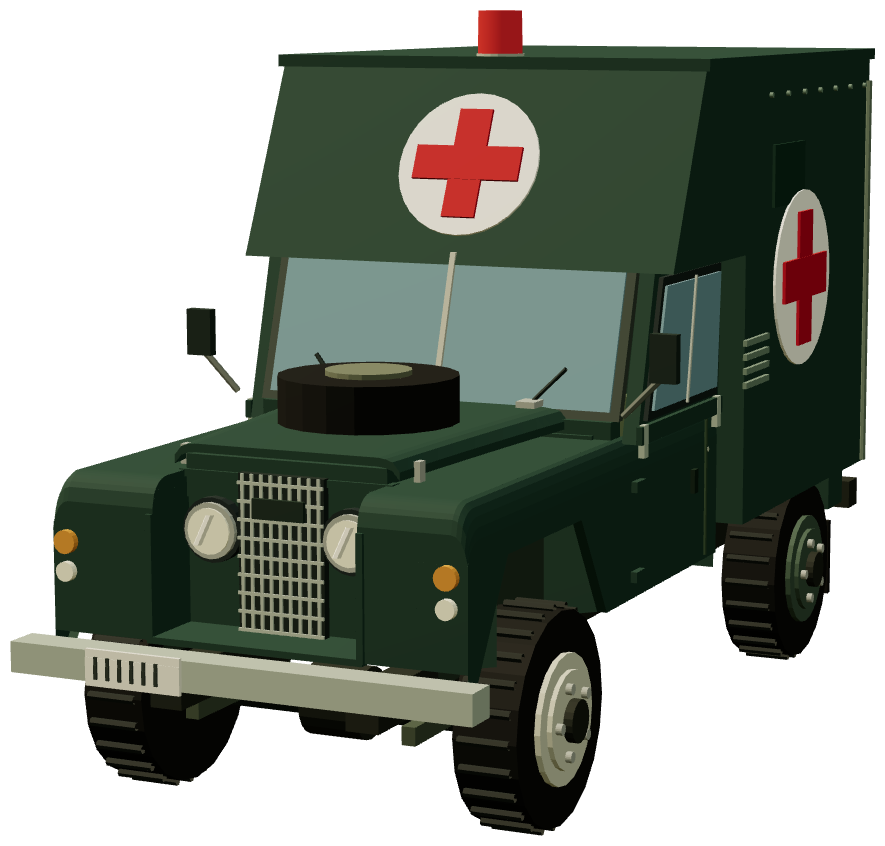
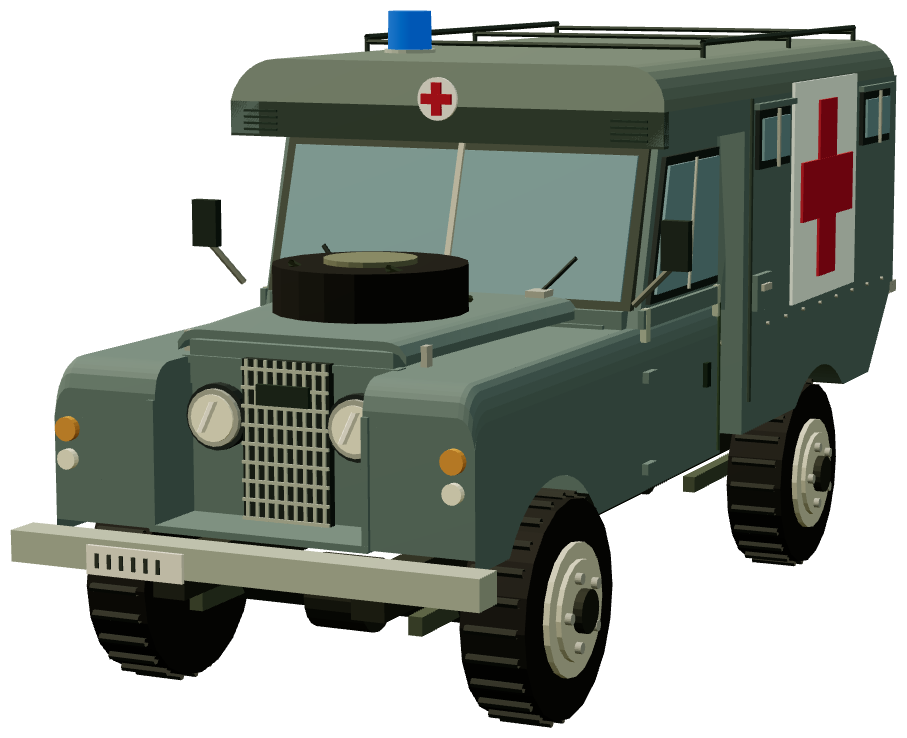
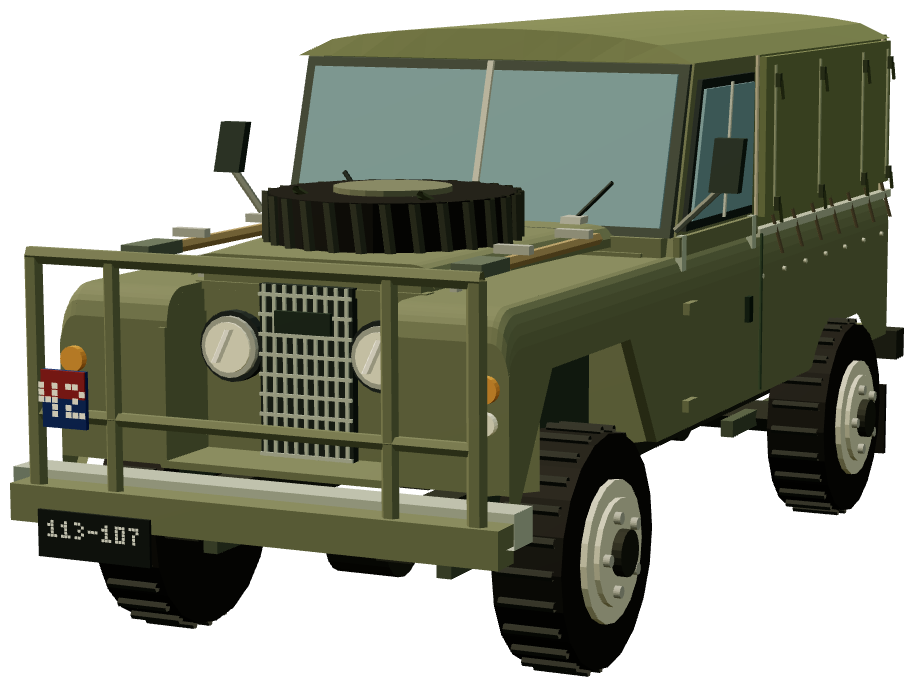
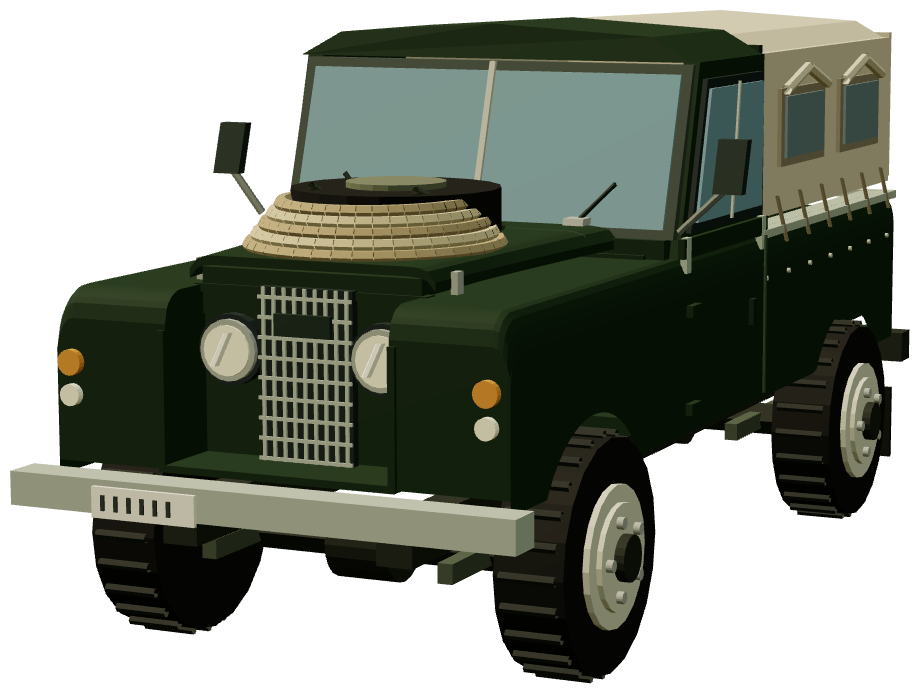
The Australian Army ran two purpose-built Land Rover ambulances: the 109-inch, box-bodied four-stretcher vehicle (census 6362B, or 6362C with winch) and the short-wheelbase Forward Area Ambulance (6005A). The Fitted With Stretcher Frame trucks were neither. They were plain 109-inch General Service cargo trucks — canvas tilt, tailgate, drop sides — into which the Army fitted the stretcher-carrying hardware from the ambulance: C-section rails of the kind used in the four-stretcher body, plus a clamp mounted on top of the bulkhead between the driver's compartment and the cargo area. The rails could be stowed against one side so the tailgate still opened and the tray still worked as a tray. In Australian nomenclature the vehicles remained 'Truck, Utility, 3/4 Ton, GS, Cargo, Fitted With Stretcher Frame' — cargo trucks first, casualty carriers second.
Two census codes covered the fitment: 6028D for the standard truck and 6028E for the winch version. REMLR's register lists 66 vehicles between them — 62 coded 6028D and four 6028E — of which 65 are Series IIA and one a 1961 Series 2. All are 109-inch. The build dates cluster hard: one each in 1961, 1966 and 1970, two in 1967, ten in 1971, one in 1972, and then 25 in 1968 and 25 in 1969, which is to say the great majority came from the two large mid-Vietnam-era Australian Army orders. Disposals run from 1972 through to 1991.
Markings were inconsistent to the point of being a poor identifier. REMLR, which in 2026 published the first page dedicated to the type and notes that its photographs are 'quite rare', records four distinct treatments among the handful of known in-service images: a red cross in a white circle on both doors; the same plus one on the rear passenger side of the bonnet; crosses on the canopy sides just aft of the front doors; and no visible markings at all. The registry's Australian medical-vehicle records also include the FAA (see `forward-area-ambulance`), and REMLR is explicit that the exact chronology between the FWSF trucks, the 88-inch Forward Area Ambulances and the standard four-stretcher ambulances is unknown — the three overlapped rather than succeeded one another, and how the Army decided which unit got which is not documented.
Paint followed the fleet. The 1961, 1966 and 1967 vehicles would have been delivered in gloss Deep Bronze Green, the colour the Australian Military Forces used until April 1967; everything from the 1968 and 1969 batches onward left the factory in lustreless Australian Olive Drab, the flat colour adopted for Vietnam service. A small number of Series 2 and 2A specialist vehicles — ambulances, workshops, gunbuggies — survived long enough to be repainted into the three-colour olive drab, tan and black camouflage of the late 1980s, but there is no evidence any FWSF truck did.
Survivors are thin. REMLR's register notes ARN 172-484 ('Aggie') as restored in 1991–92, ARN 172-511 as a paddock find in a member's hands, one chassis sold on eBay in 2007, and several vehicles passing through the Bandiana and Mt Claremont disposal auctions of 1989–91. Because the conversion is a set of rails and a clamp rather than a body, an unrestored FWSF is essentially indistinguishable from any other 109 GS once the fittings are removed — which is why REMLR flags one restored vehicle photographed at Corowa in 2013 as of uncertain status.
.jpg)