The record
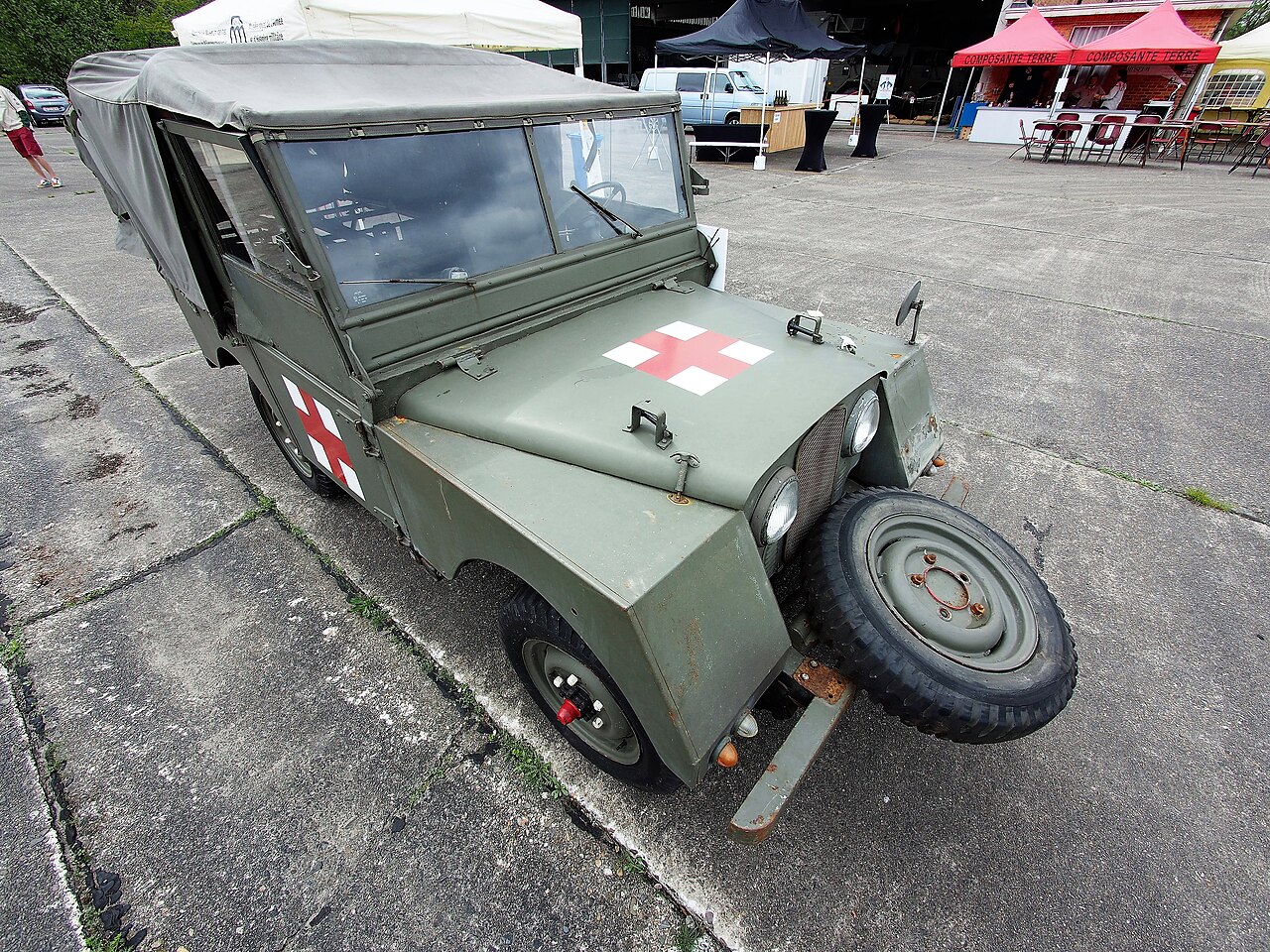
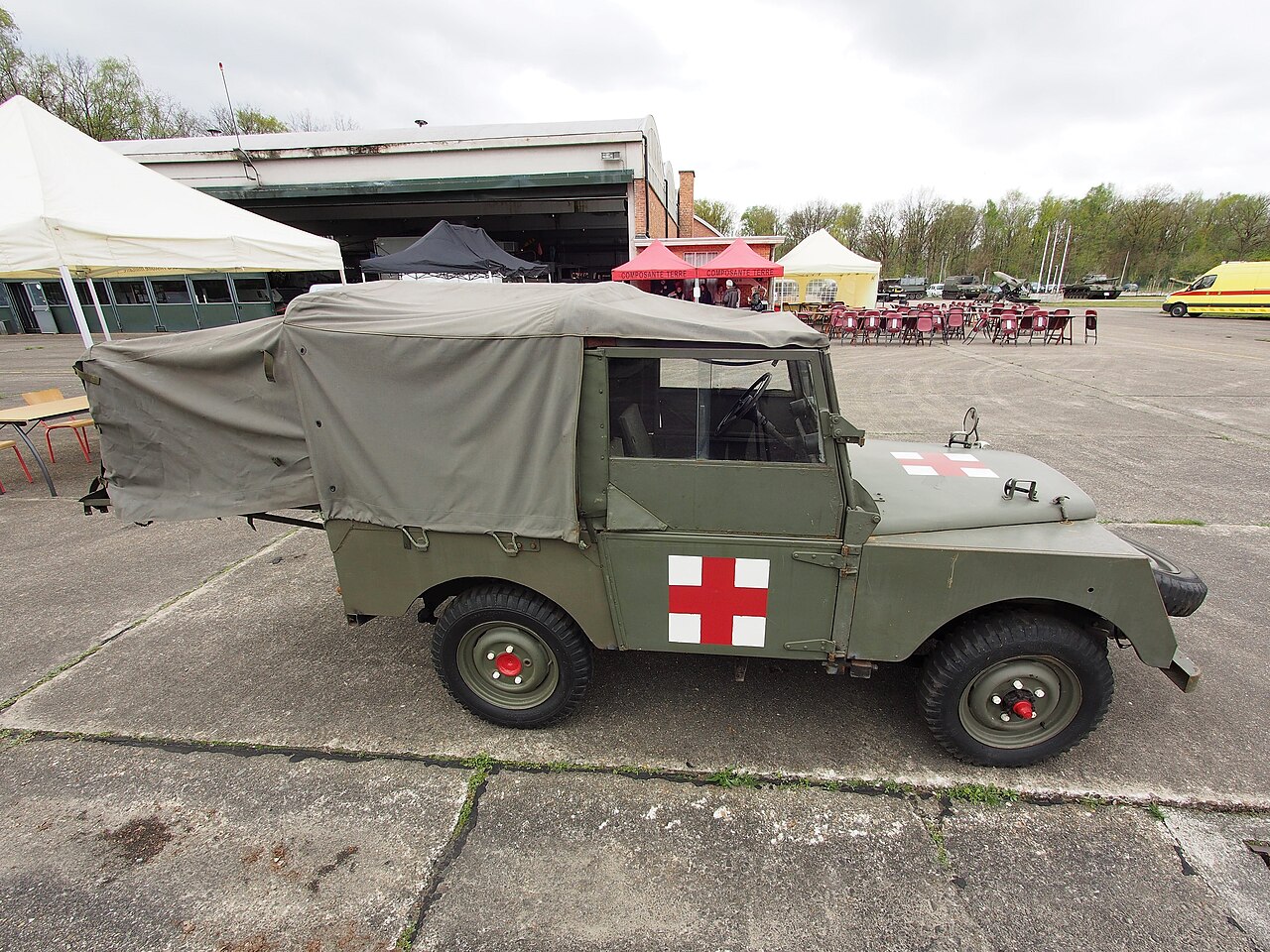
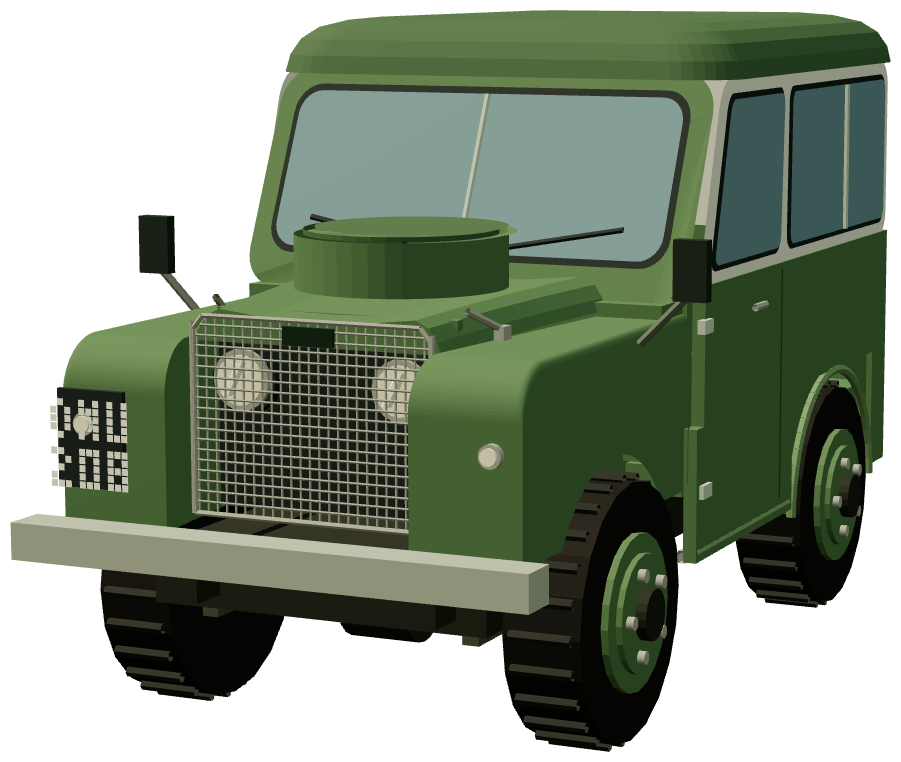
After the Second World War the once-grand Belgian marque Minerva survived by assembling British vehicles under licence, and on 7 May 1952 it concluded an agreement with Rover to build Land Rovers for the Belgian Army. The 80"-wheelbase vehicles were supplied as CKD (Completely Knocked Down) kits of running gear from Solihull, with around 63% of content eventually sourced locally, and were assembled and bodied in steel at Minerva's works near Antwerp — British Land Rovers were aluminium-bodied. Because Minerva could not press the compound-curve front wings it substituted a simple folded-sheet design, giving the Minerva TT ('Tout Terrain') its distinctive sloping front, along with a redesigned grille panel, a low fixed tailboard and a swing-away spare-wheel carrier that gave the rear a Jeep-like look.
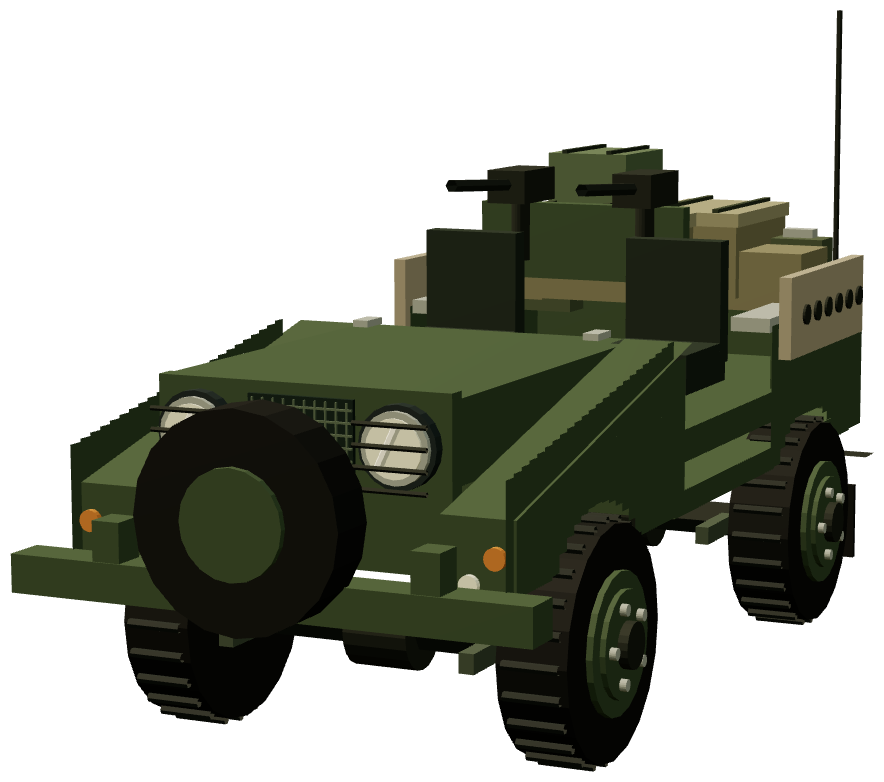
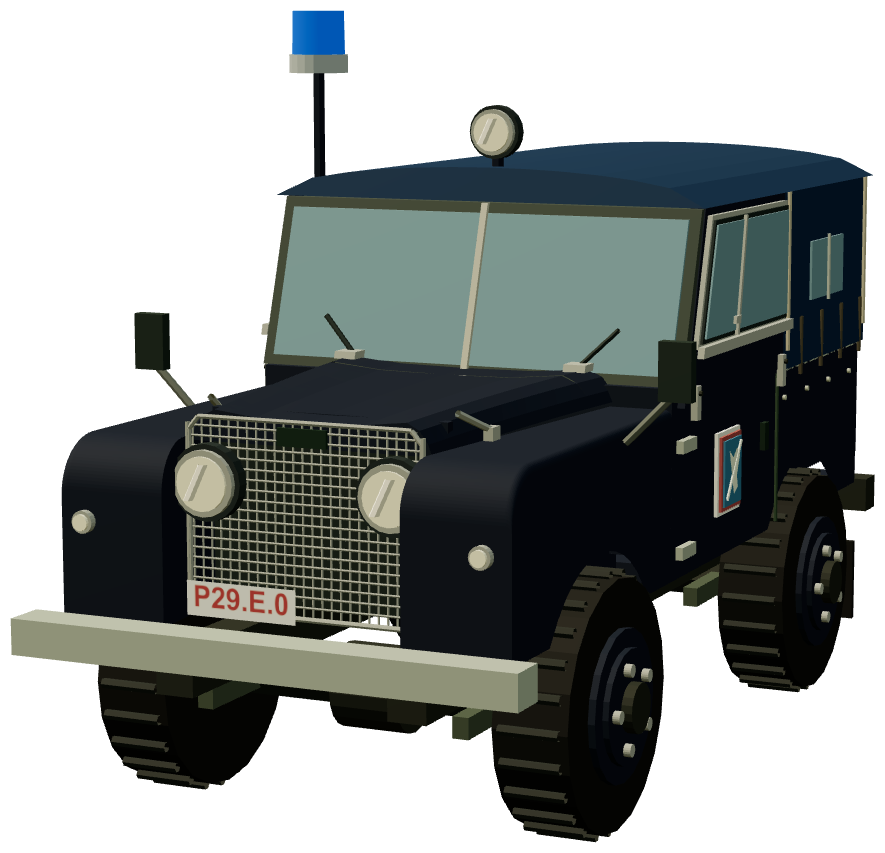
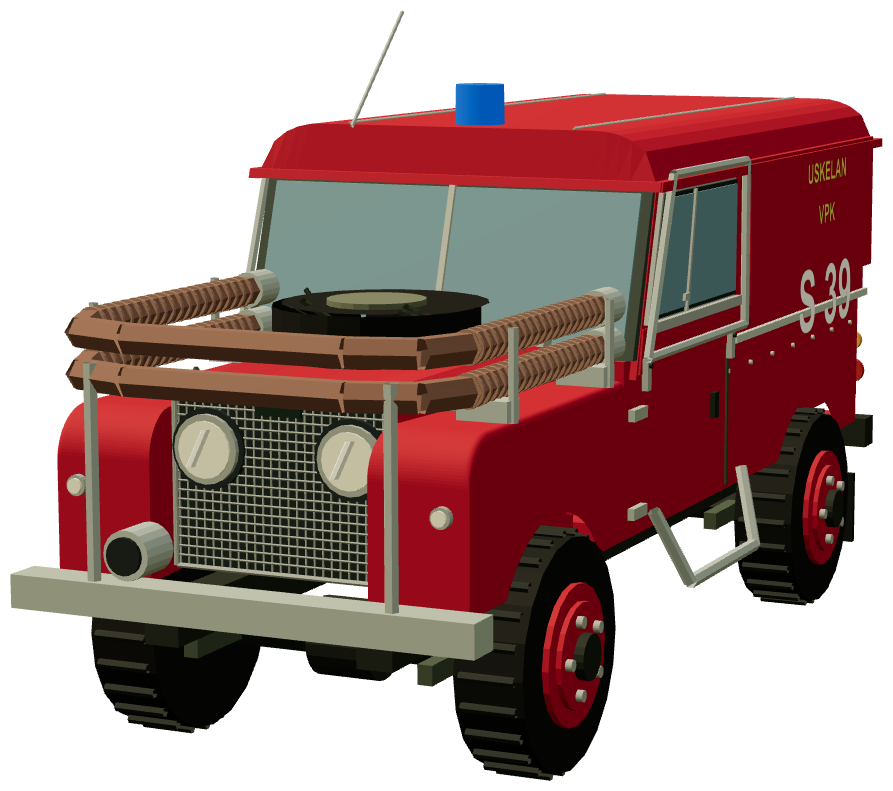
The Belgian Army initially ordered 2,500 vehicles and followed with thousands more; Rover records show 8,959 CKD kits dispatched between 1952 and 1956, with roughly 1,100 of the later 86" model built from 1954, and period estimates of total output run to around 10,000. Alongside the standard cargo/personnel vehicles Minerva built station wagons, hardtops, truck cabs and specialist military variants, including armoured assault vehicles and field ambulances.
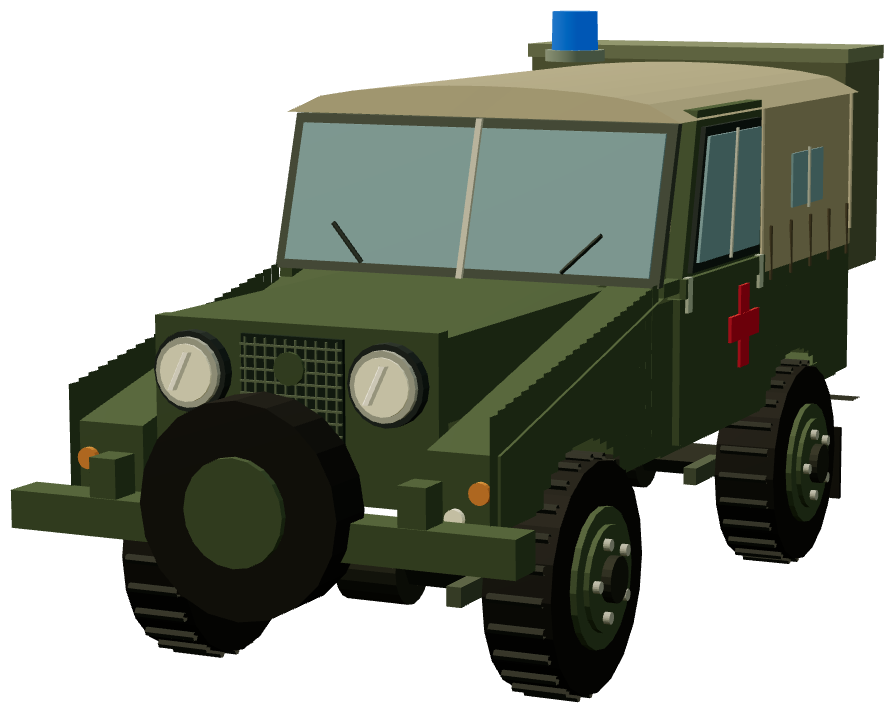
The ambulance conversion carried two casualties on stretchers supported by a removable metal frame beneath an extended tilt — a concept pioneered on wartime Jeeps — so the vehicle could quickly revert to general duties. Surviving Minerva ambulances are extremely rare. Minerva TTs served the Belgian armed forces at home, in Korea and in the Belgian Congo, and the Para-Commandos kept theirs in service until the late 1980s; the licence collapsed in acrimony in mid-1956 and Minerva itself entered liquidation in 1958.