The record
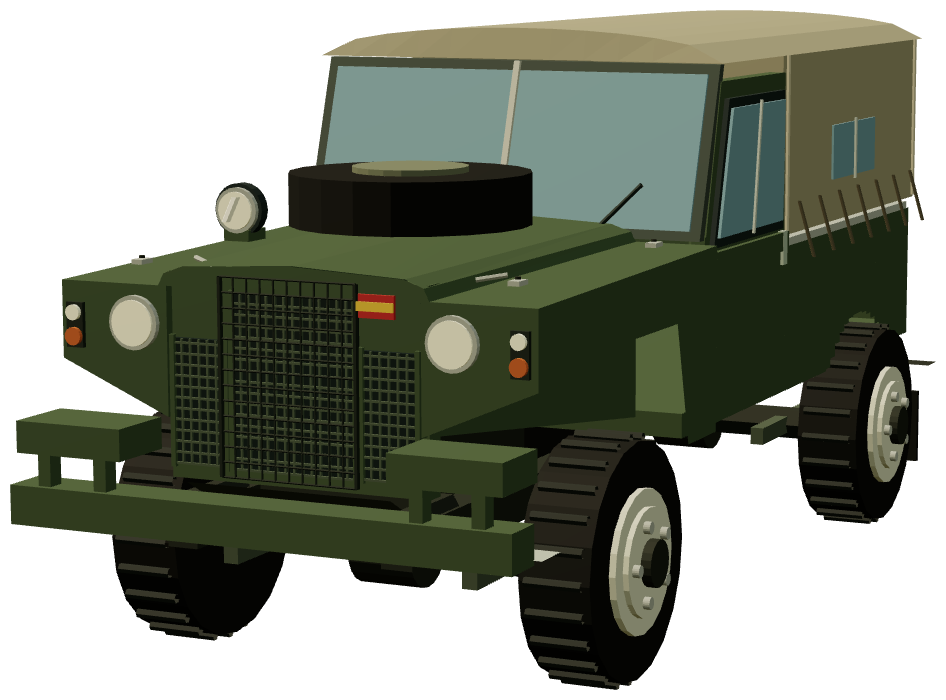
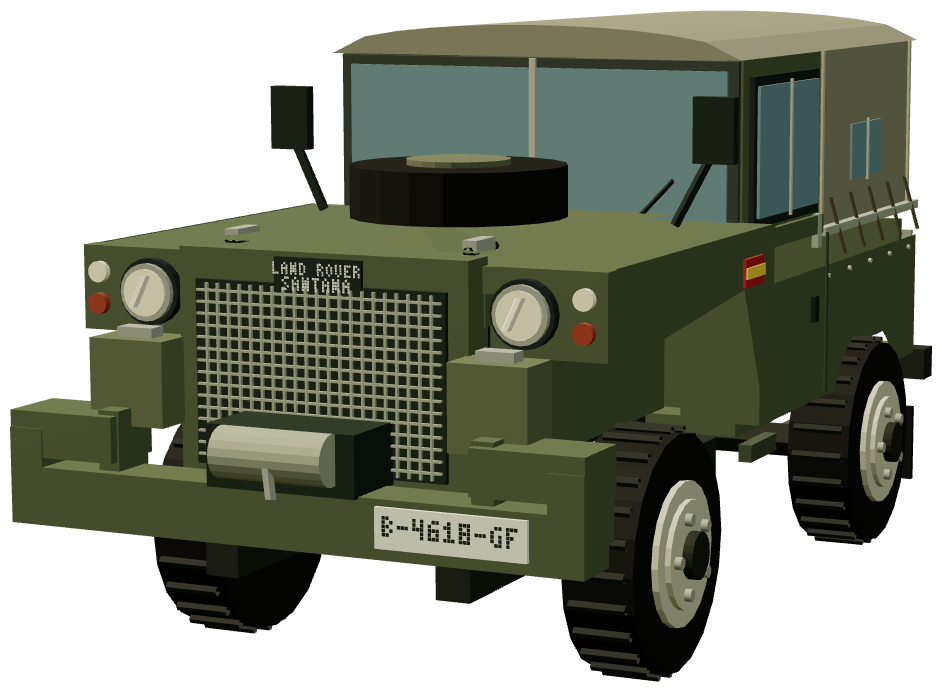
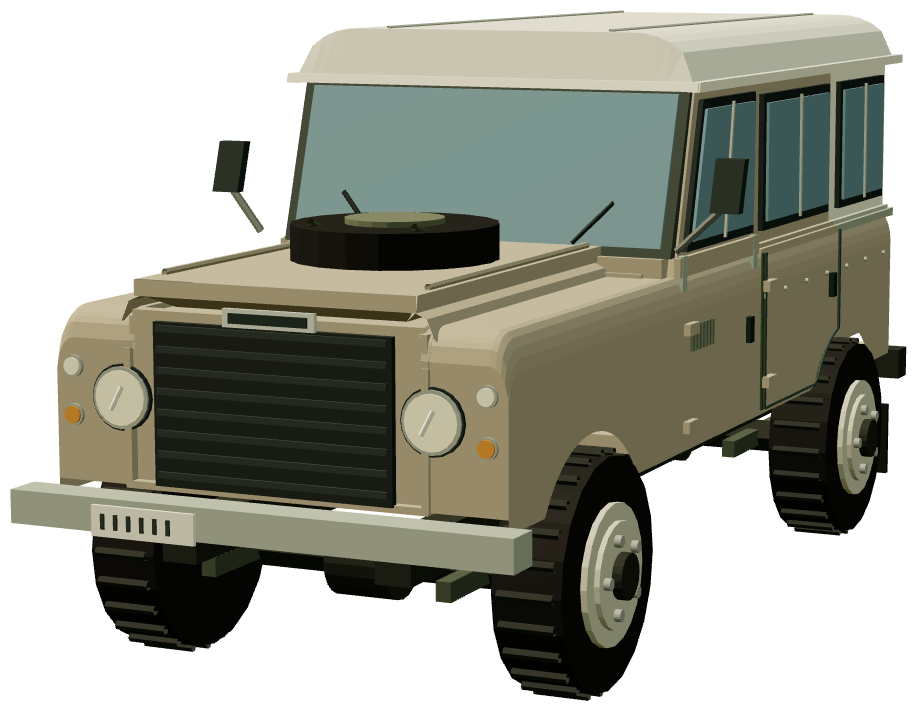
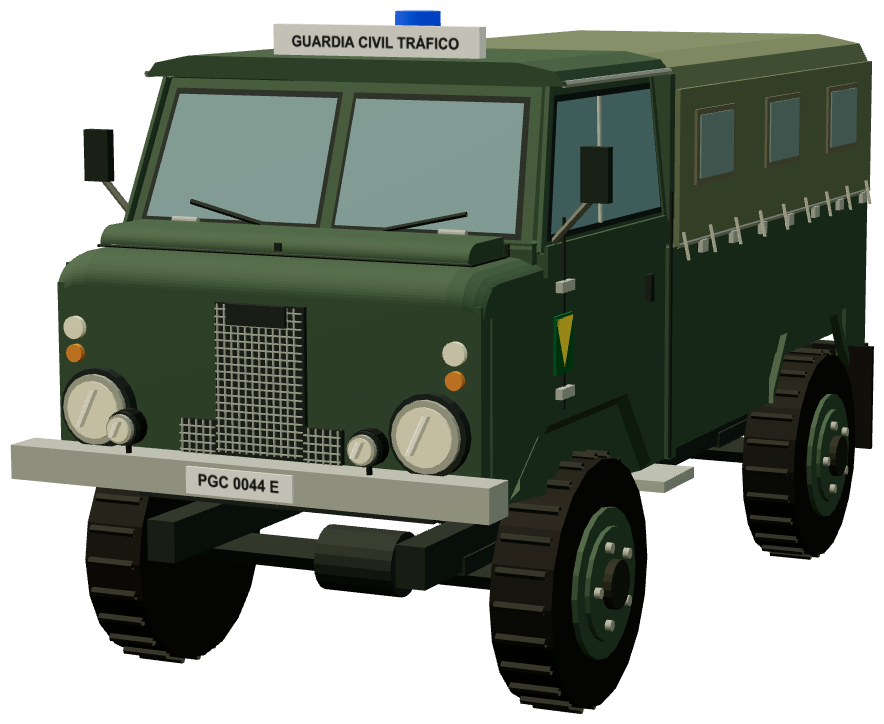
Santana Motor, founded at Linares in the province of Jaén as Metalúrgica de Santa Ana in 1956, began building Land Rovers under licence in 1958 and quickly became the Spanish state's default supplier of cross-country vehicles. The Guardia Civil, the Policía Armada, the Ministry of Public Works, the national telephone company and all three armed services bought Santanas in quantity, and it was in those hands that the type earned its reputation for toughness. From 1969 Santana also developed a dedicated military line, beginning with the short-wheelbase 88M — later marketed as the Ligero — and extending to long-wheelbase 109-inch models, with purpose-built variants for ambulance work, signals, deep wading and machine-gun carriage.
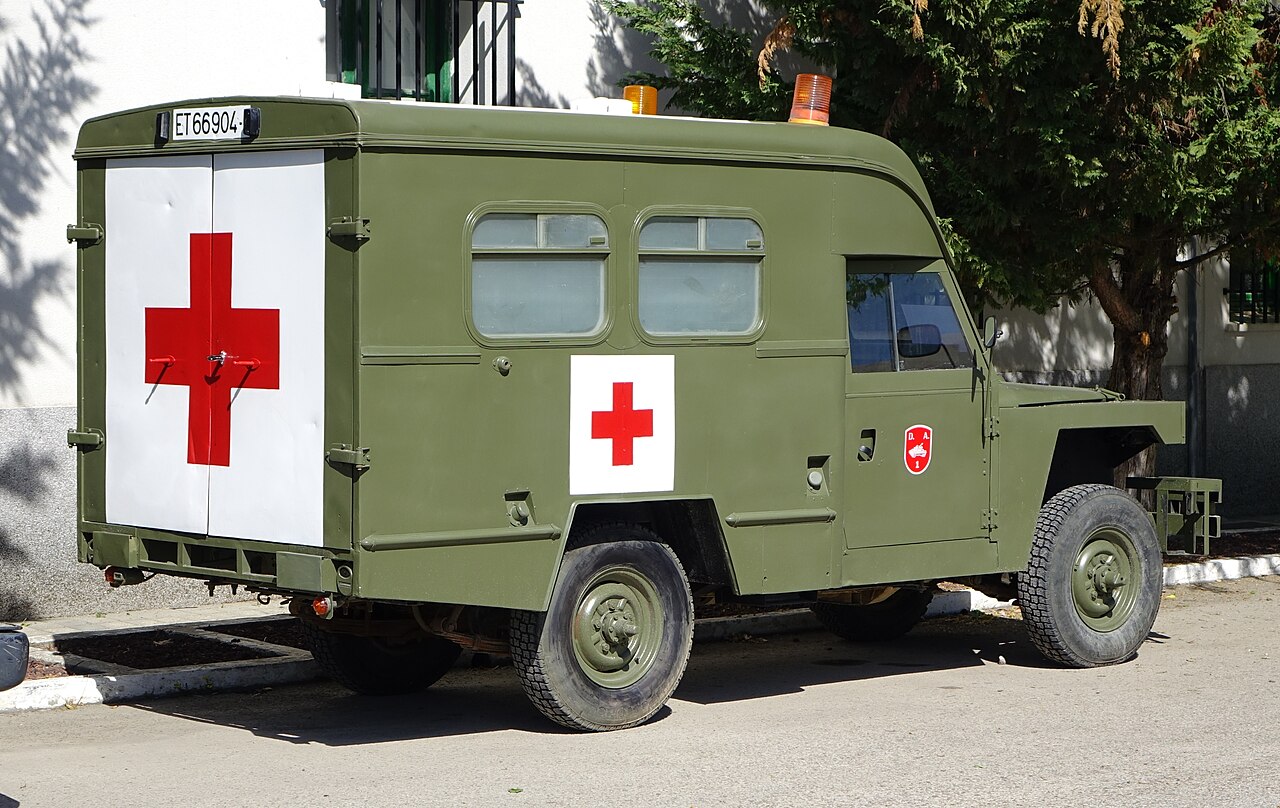
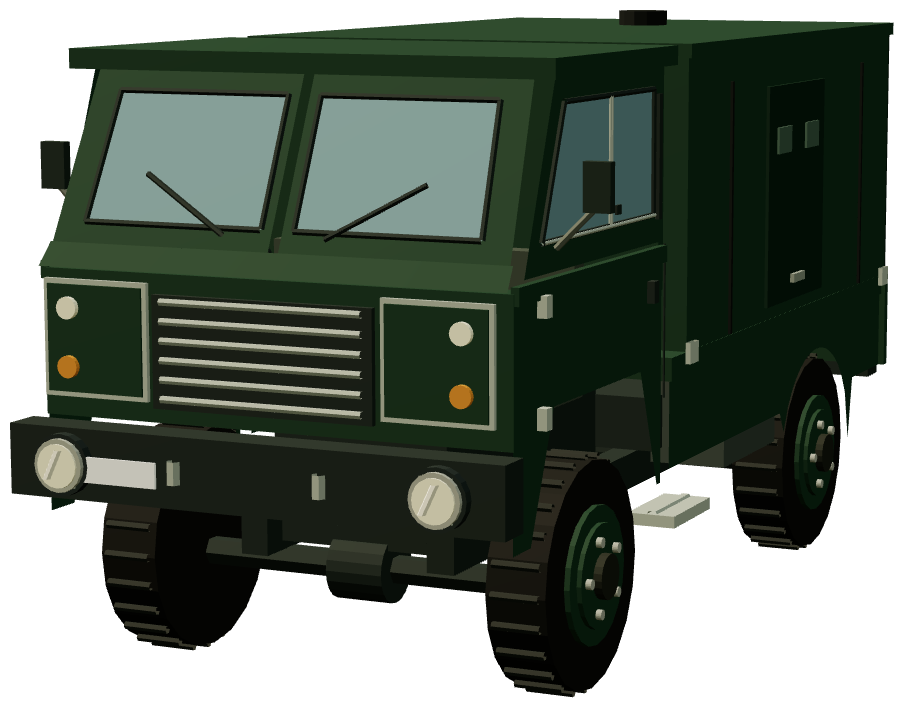
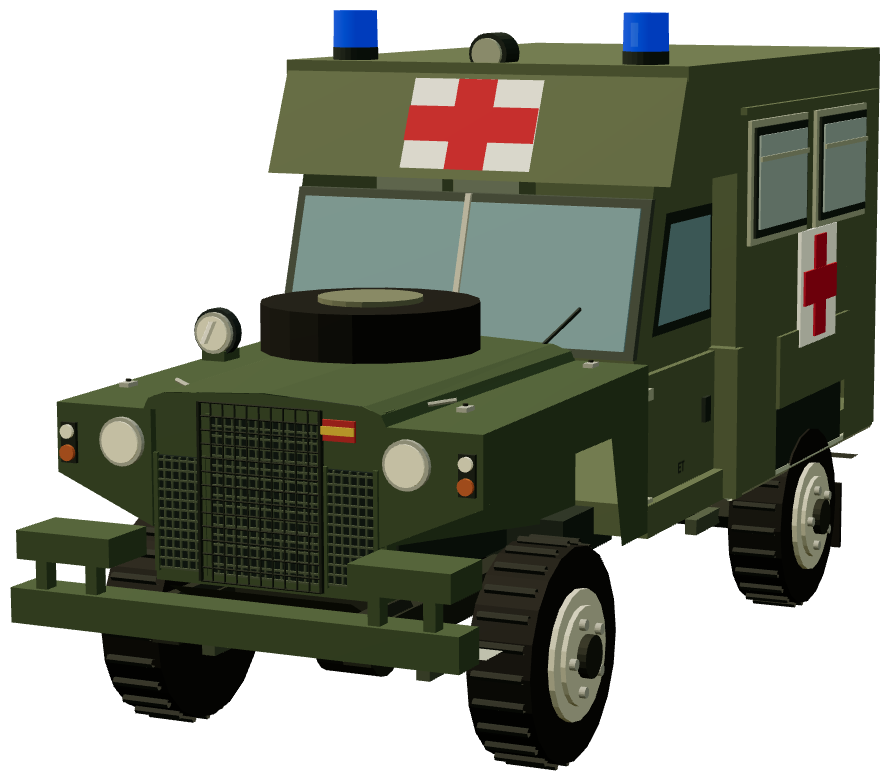
The ambulance was built on the 109-inch chassis with a full-width hard body, considerably wider and taller than the standard station wagon, giving room for stretcher racks and a medical attendant. Access is by a pair of full-height rear doors, painted with the Geneva red cross on a white ground, with a further cross panel on each side; sliding side windows light the compartment, and roof-mounted amber beacons were fitted for road use. The cab retains the ordinary Santana military front end, complete with the heavy front bumper and towing eyes of the military range. Vehicles wore Ejército de Tierra registration plates in the ET series — the example photographed here carries ET 66904 and a Sanidad Militar shield on the cab door.
Mechanically these were standard Santana 109s, using the 2,286 cc four in petrol or diesel form and, in later production, the 2.5-litre unit that succeeded it. Their long service reflects how few purpose-designed military ambulances Spain bought in the period: the Santana box-body remained the army's all-terrain ambulance for decades, and only in recent years has the Ejército de Tierra put its ageing ambulance fleet through wholesale replacement with modern road, all-terrain and armoured tactical medical vehicles. Retired Santana ambulances have passed into private and collector hands, and several are preserved in Spain.