The record
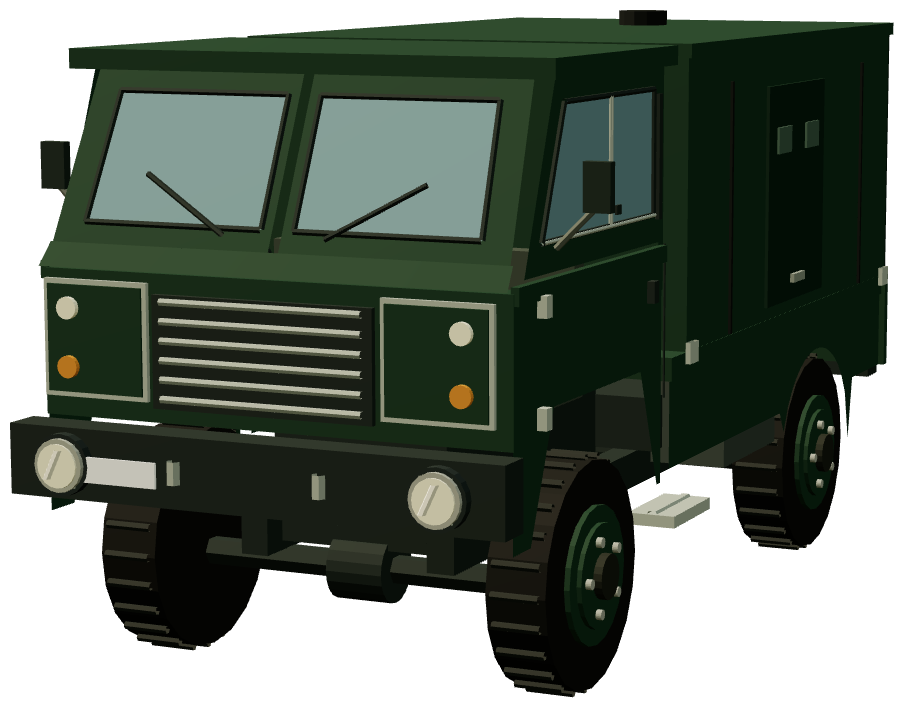
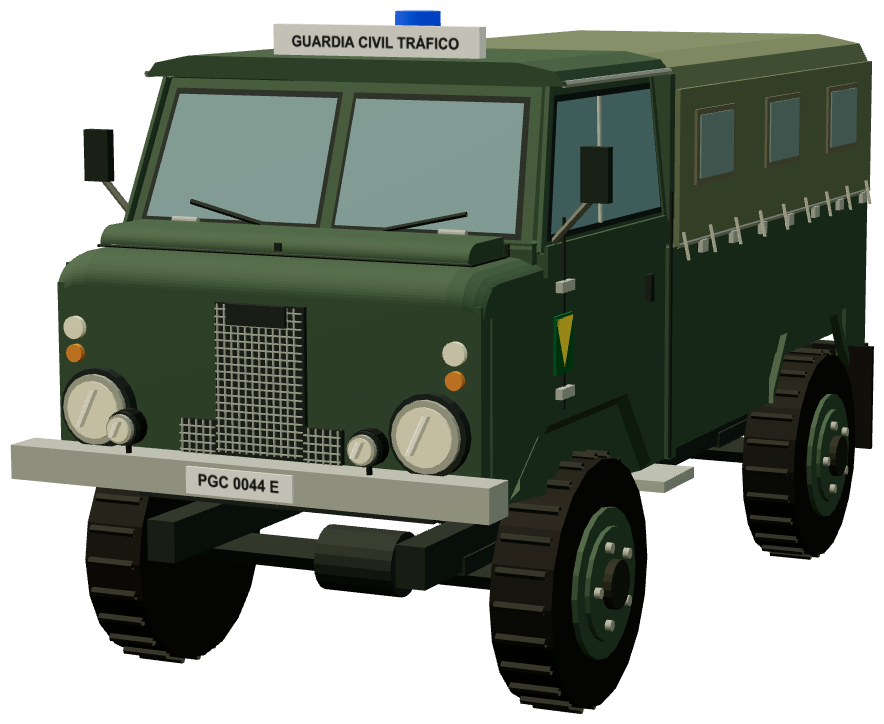
Santana Motor of Linares had built Land Rovers under licence since 1958, and in 1967 it produced its own forward-control truck, the 1.3-tonne Santana 1300, by pushing the cab and mechanicals of a 109-inch Series IIA as far forward as they would go. In February 1979 Metalúrgica de Santa Ana presented its successor, the S-2000 or Santana 2000: the same idea scaled up to a two-tonne payload, with a roomier and more versatile forward cab. Both engines were Santana's own 3,429 cc straight sixes — 104 CV at 4,000 rpm and 241 Nm at 1,500 rpm on petrol, 94 CV at 4,000 rpm and 309 Nm at 1,800 rpm on diesel — driving through a four-speed synchromesh gearbox and a two-speed transfer case. The truck ran to 4,949 mm long, 1,960 mm wide and 2,235 mm high over the cab, with 280 mm of ground clearance and a gross weight of 4,600 kg.
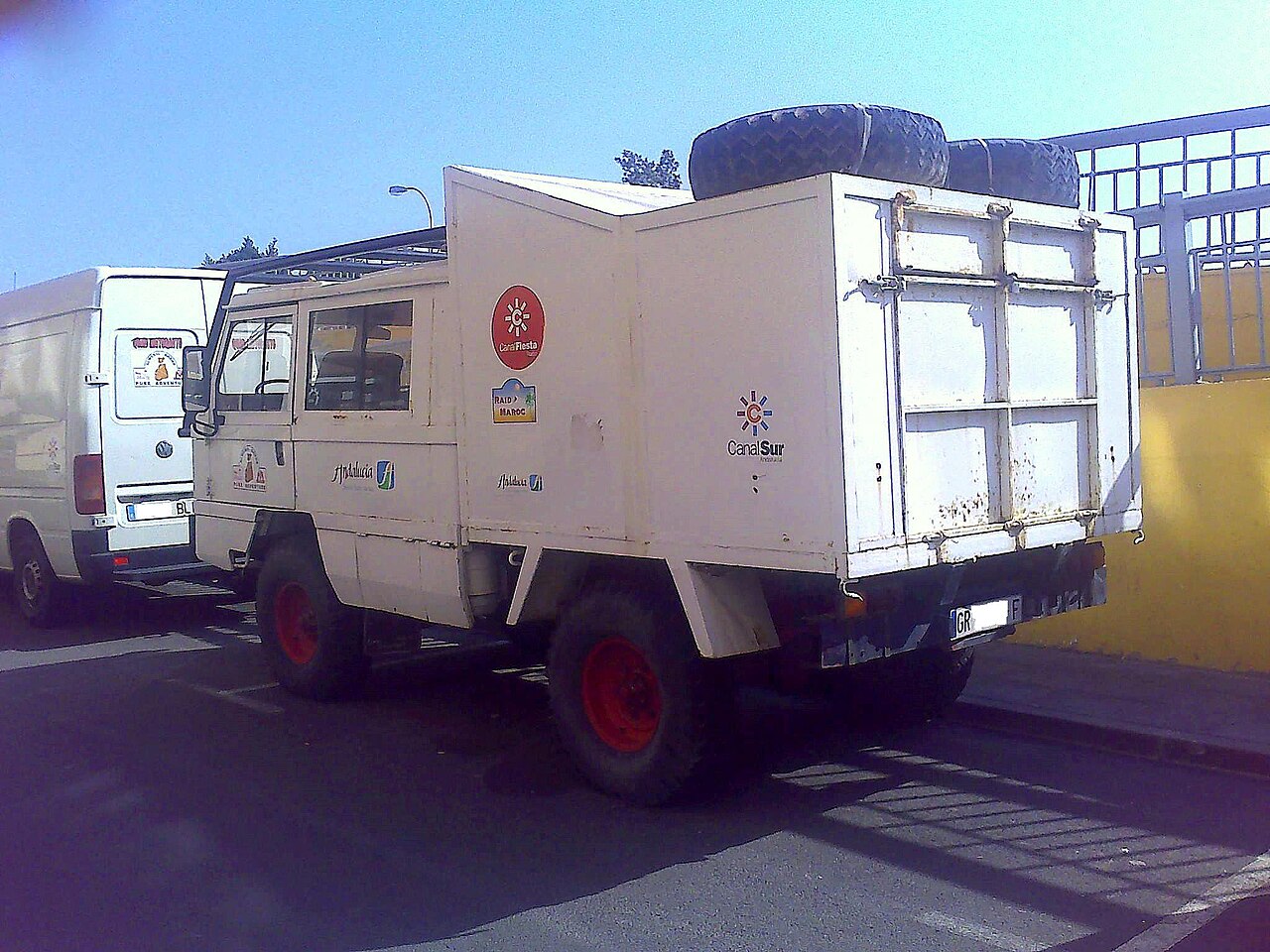
Crucially, the 2000 was sold as a chassis-cab so that each customer could have it bodied to suit. Factory-listed configurations included a tipper, a crane platform, a snow plough, an insulated van, an irrigation tanker and fire-fighting equipment, and in practice the type found its widest use in forestry and fire work, where its compact dimensions, permanent four-wheel drive and generous clearance let it reach tracks and firebreaks closed to a conventional appliance.
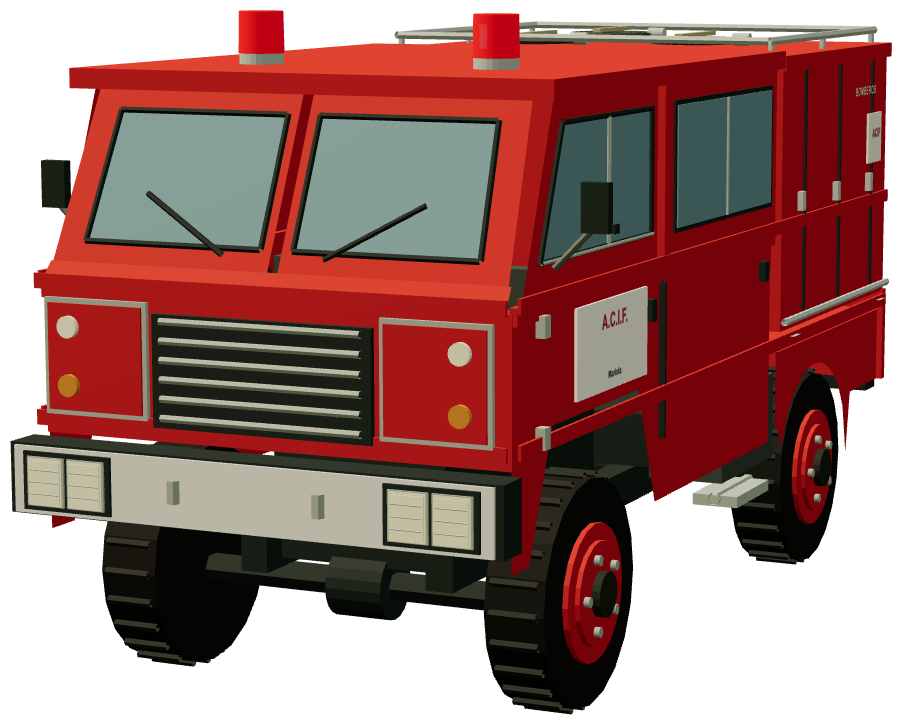
Double-cab fire versions carry the crew forward with the driver and leave the rear deck free for the water tank, pump, hose reels and lockers. Spain's volunteer forest fire-fighting groups are typical operators: the ACIF Mariola Verda of the Alcoy area — founded as Mariola Verda in 1995 and reconstituted as an ACIF (Agrupació Contra Incendis Forestals) in 2012, working the sierras of the Alcoià and El Comtat — is the unit whose appliance this record is based on. Its livery is the standard Spanish fire red with red flashing beacons and hose reels carried on the rear body.