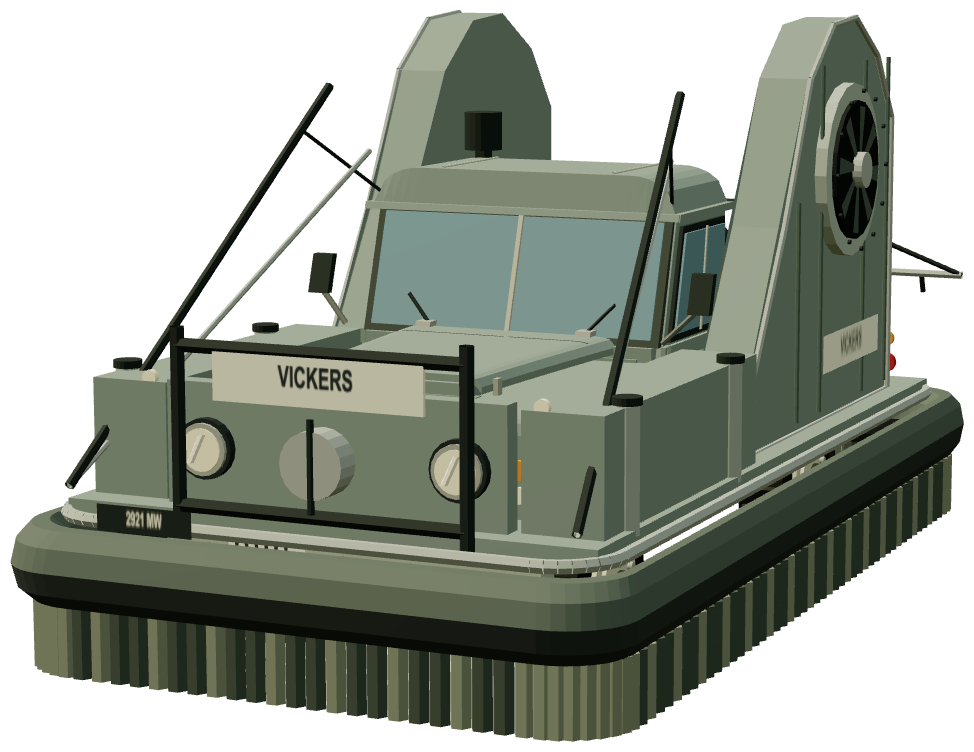
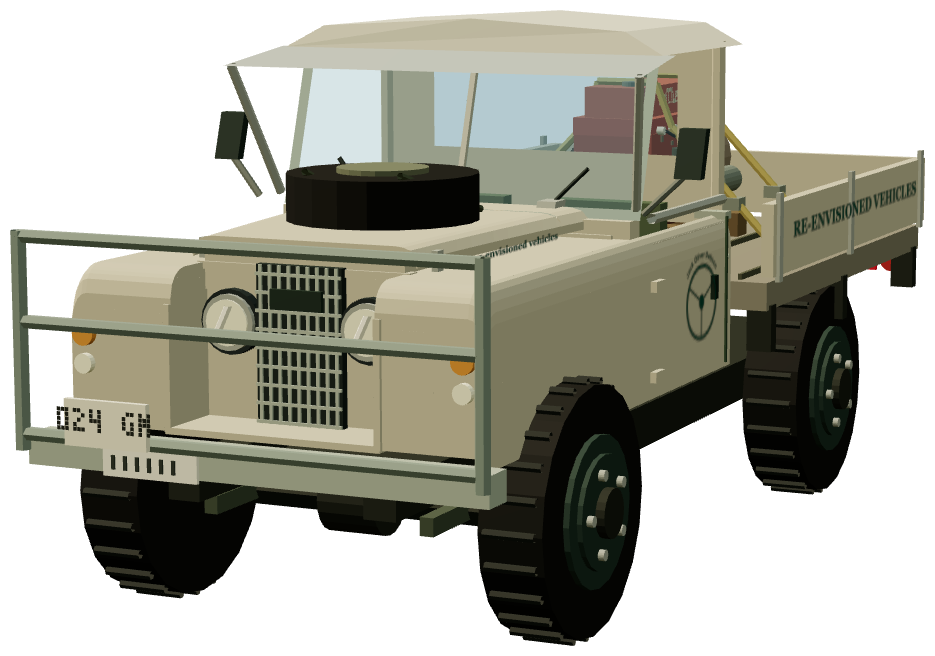
Vickers-Armstrongs' 1962 experimental air-cushion Land Rover: a hovercraft-style skirt and fan conversion, demonstrated at South Marston, that part-supported the vehicle on an air cushion while its wheels kept traction.
BASE VEHICLESeries II 109″CONVERTERVickers-ArmstrongsIN SERVICE1962OPERATED INUnited KingdomPRODUCTION1 demonstrator documentedLAYOUT4 wheels
The record
The Hover Rover was built by hovercraft maker Vickers-Armstrongs at its South Marston works near Swindon, in parallel with the company's full-size hovercraft programme of the early 1960s. It took a standard long-wheelbase Land Rover and added extended bodywork, lift fans and a large flexible skirt around the lower body. The skirt could be raised so the vehicle travelled normally on its wheels, or lowered so the air cushion carried most of the weight, leaving the lightly loaded wheels to provide traction and steering over soft ground. Vickers pitched the system as an aftermarket 'hovercraft conversion kit' that could in principle be fitted to any vehicle, and demonstrated it to the press at South Marston in April 1962; British Pathe filmed it skimming over rough, swampy ground the same year.
The application actually trialled was agricultural crop spraying, where the vehicle's minimal ground pressure promised to protect soft fields. It failed in practice: air escaping from the cushion scattered the spray uncontrollably, and the conversion's added machinery cut heavily into payload. The Hover Rover was never developed further, though Vickers kept it for a few years as a promotional curiosity for its larger hovercraft. Only the single demonstrator is documented, and its ultimate fate is not recorded in the sources consulted; period accounts differ on details such as whether the fans ran off the Land Rover's own engine (as bartiesworld.co.uk describes) or required a separate engine.
Specification
MANUFACTURERLand Rover (The Rover Company) — donor vehicle
STATUSnot developed beyond the demonstrator; fate unrecorded
RECORD KINDNamed model
MODEL LINESeries IIA
WHEELS4
CATEGORYSpecial · Prototypes & Custom, Special · Utility & Heavy
Catalogue fields describe the vehicle's structure and body as this registry records it. They are not certified factory measurements, and no performance figures are published here.
Renders & references
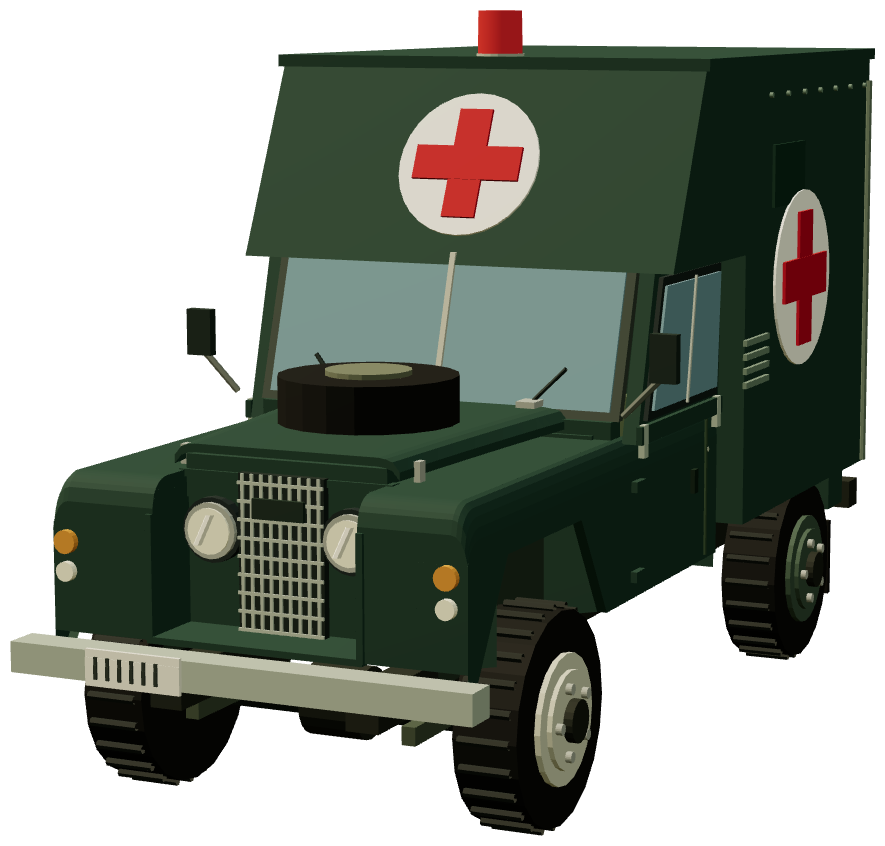
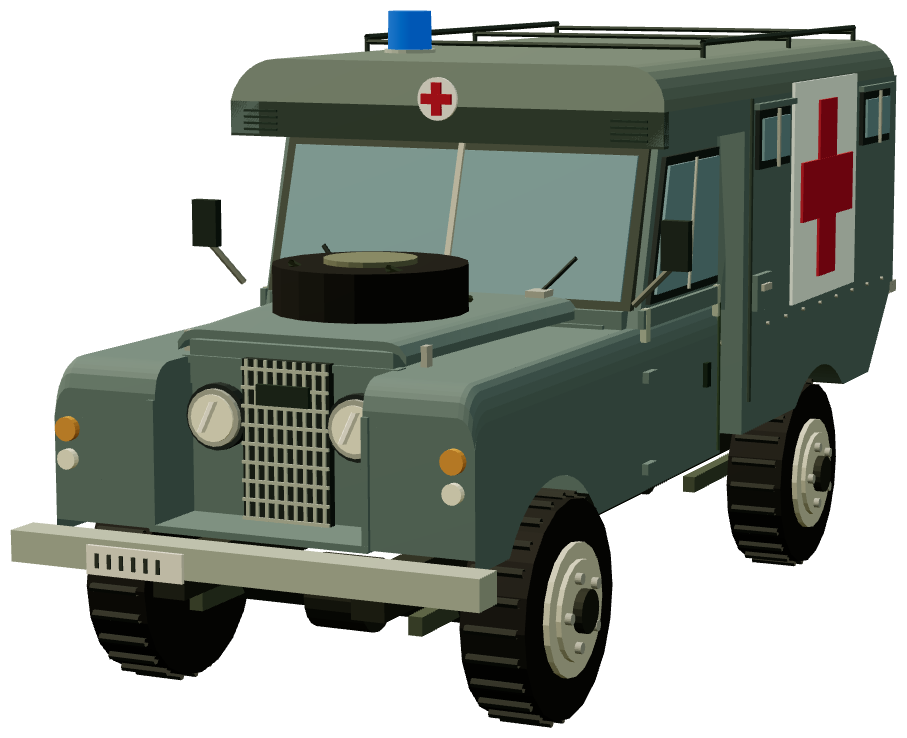
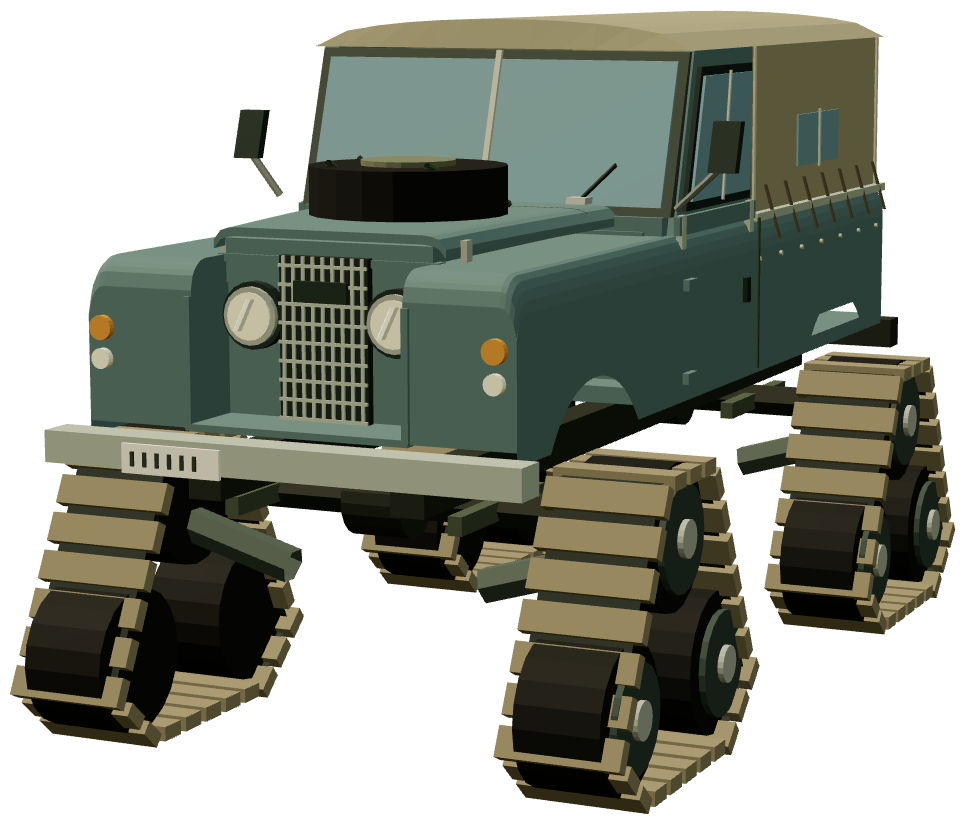
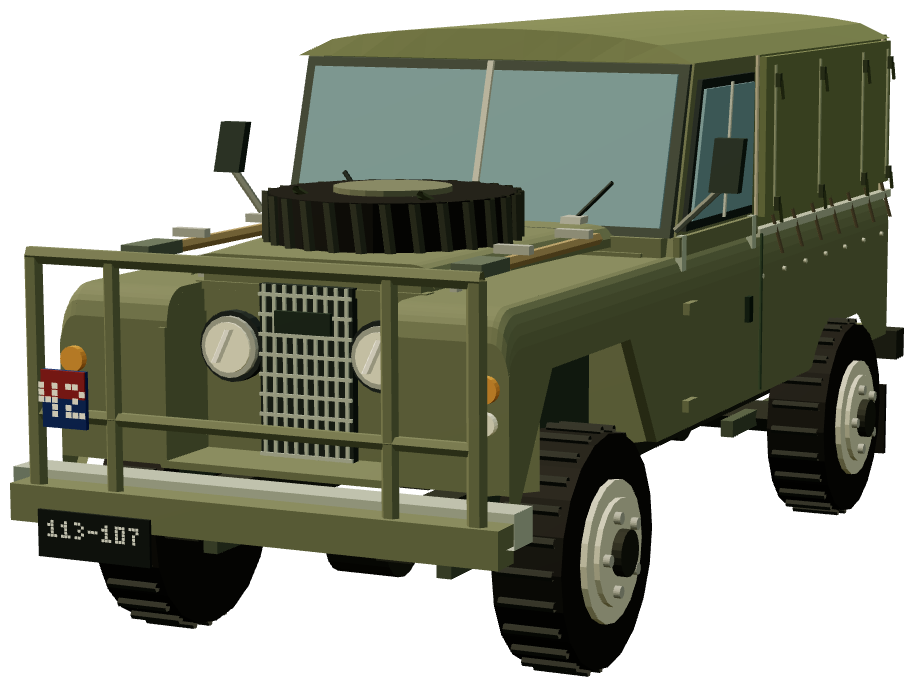
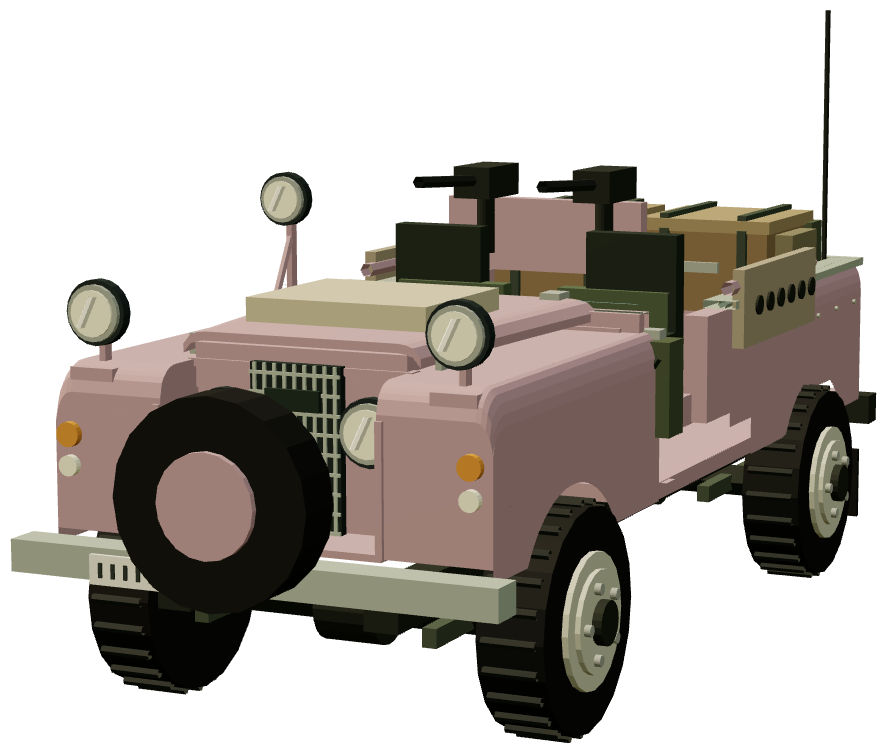
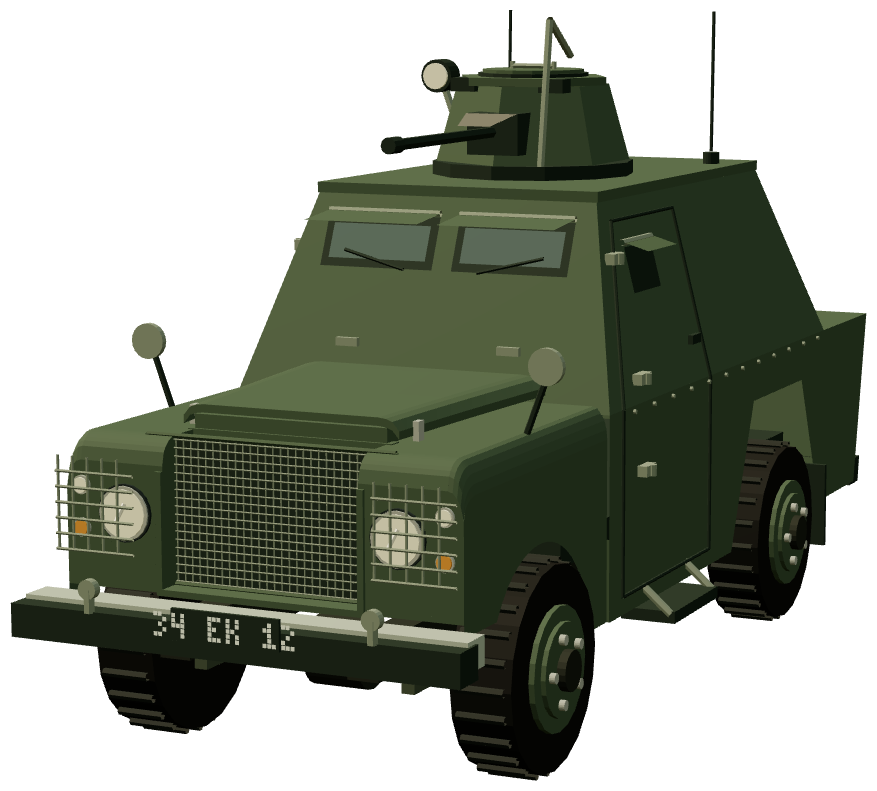
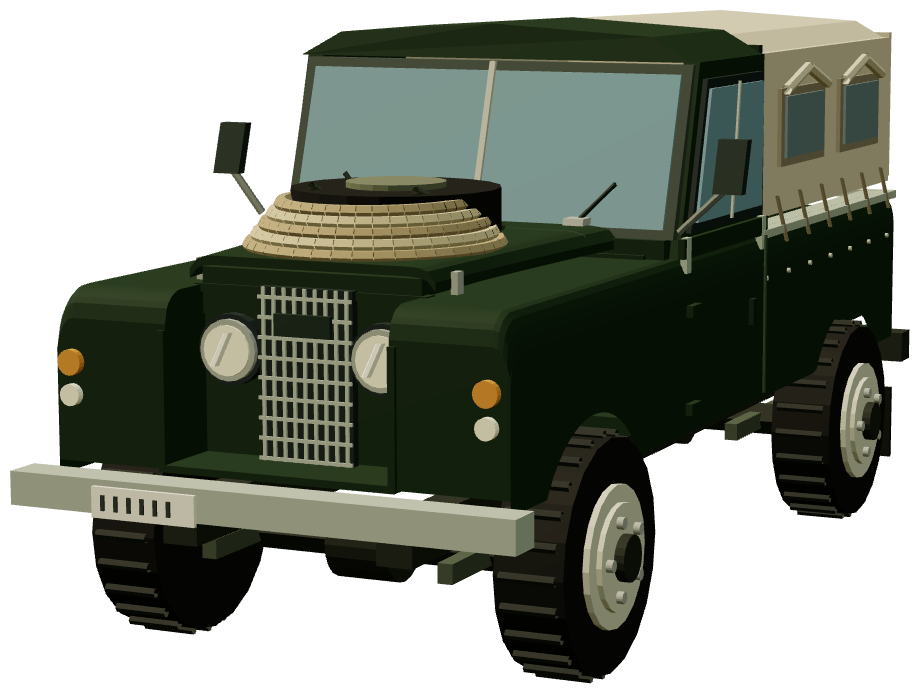
Front three-quarterRegistry renderThree-quarterRegistry renderSideRegistry renderRearRegistry renderFrontRegistry render