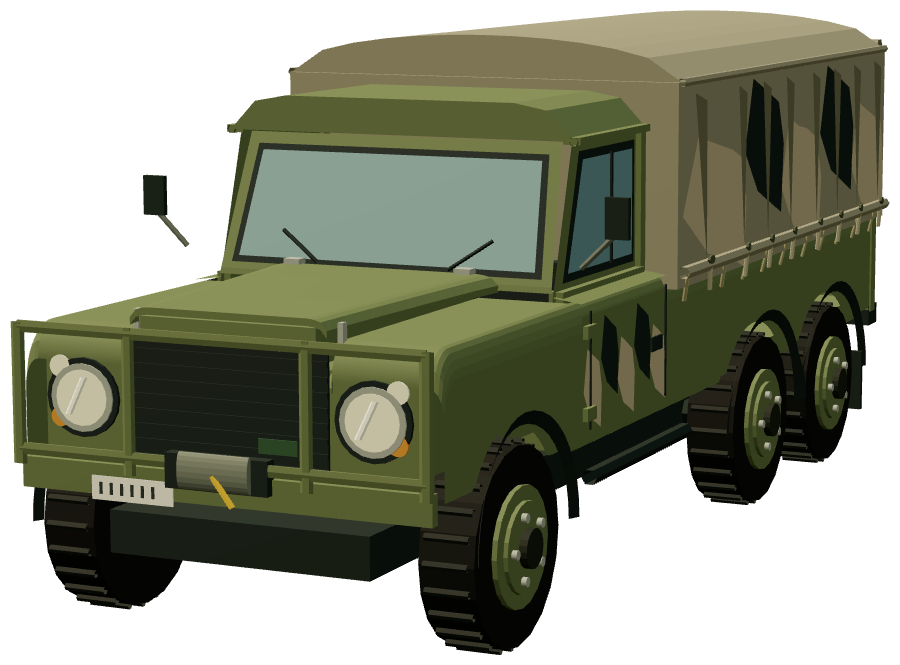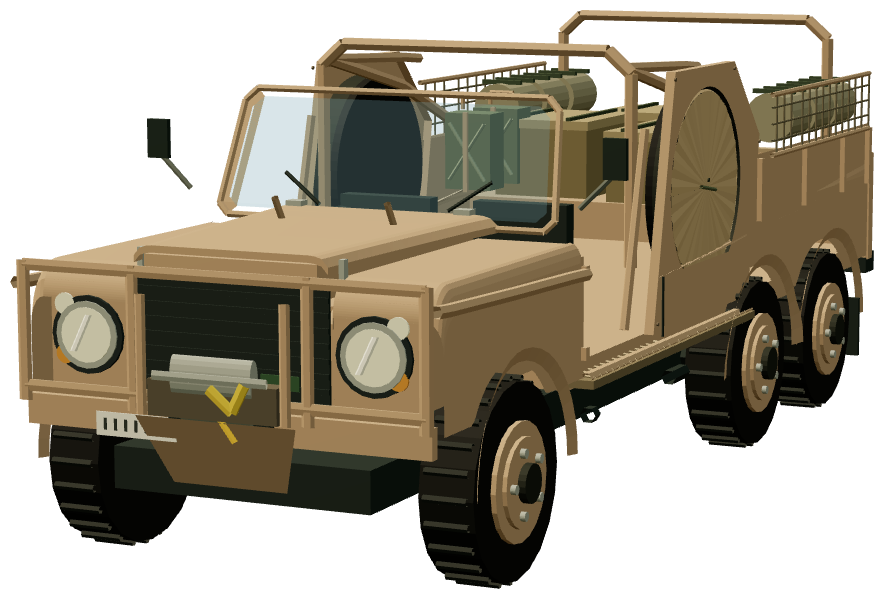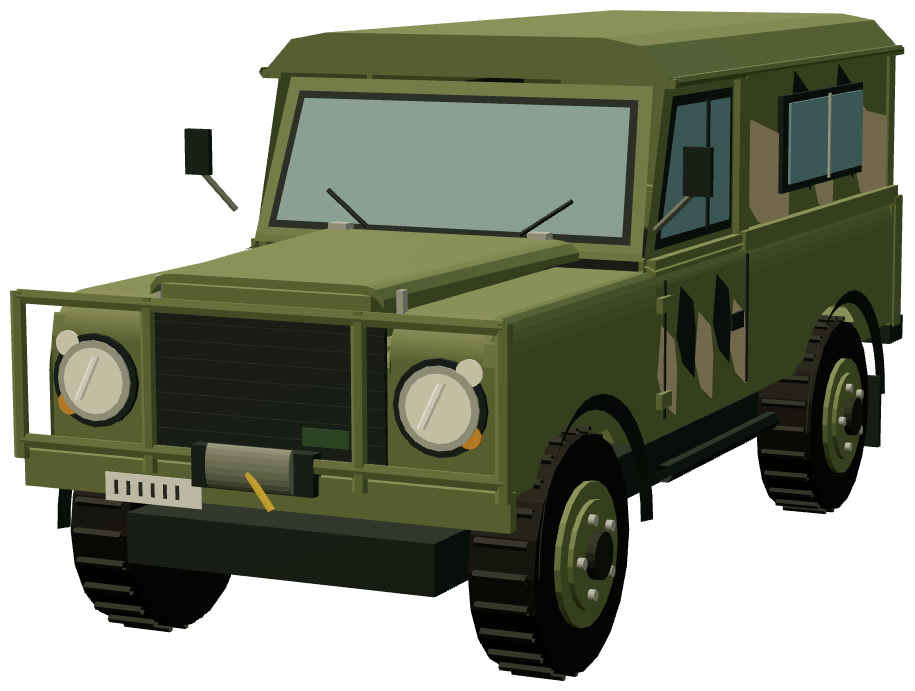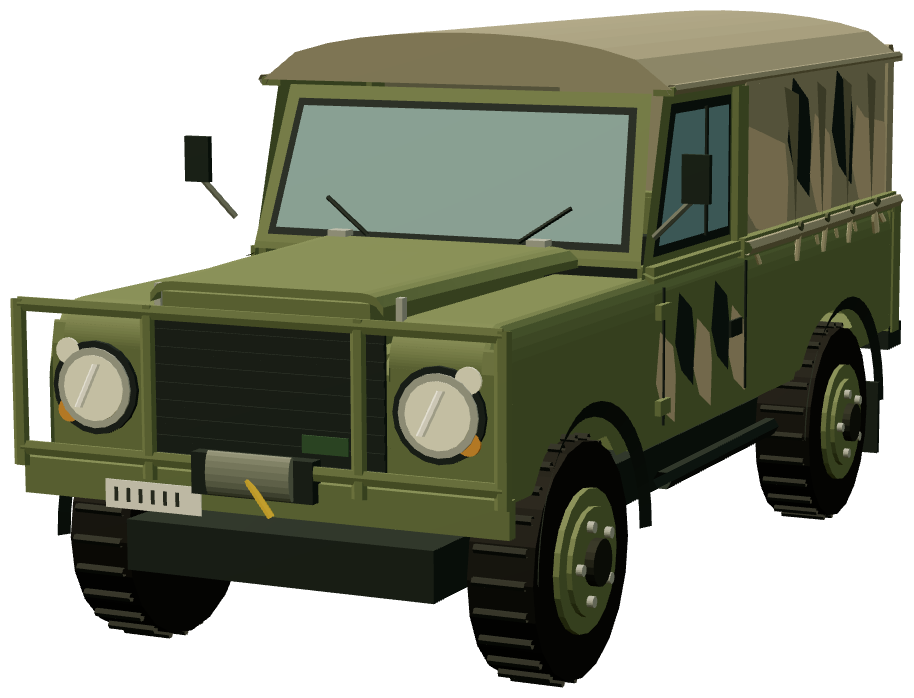
The record
Parakeet is the Australian Defence Force's deployable battlefield trunk communications system: an interconnected network of mobile trunk nodes providing secure voice, data, facsimile and messaging to a deployed force, scaling from around thirty subscribers to more than three hundred. It was developed by AWA Defence Industries (AWADI) under project JP65 and entered service in the mid-1990s as the Battlespace Communications System (Land), superseding the older Battlefield Telecommunications Network; later phases, including the Parakeet 4.3 satellite and trunk assemblage, were delivered by BAE Systems Australia for both the Australian Army and the Royal Australian Air Force. The system was operated principally by the Royal Australian Corps of Signals, and the RAAF's No. 1 Combat Communications Squadron ran Parakeet vehicles of its own. Its best-known operational outing was the 2000 peacekeeping period in East Timor, when Parakeet carried the communications link between the Australian mainland and the deployed force.
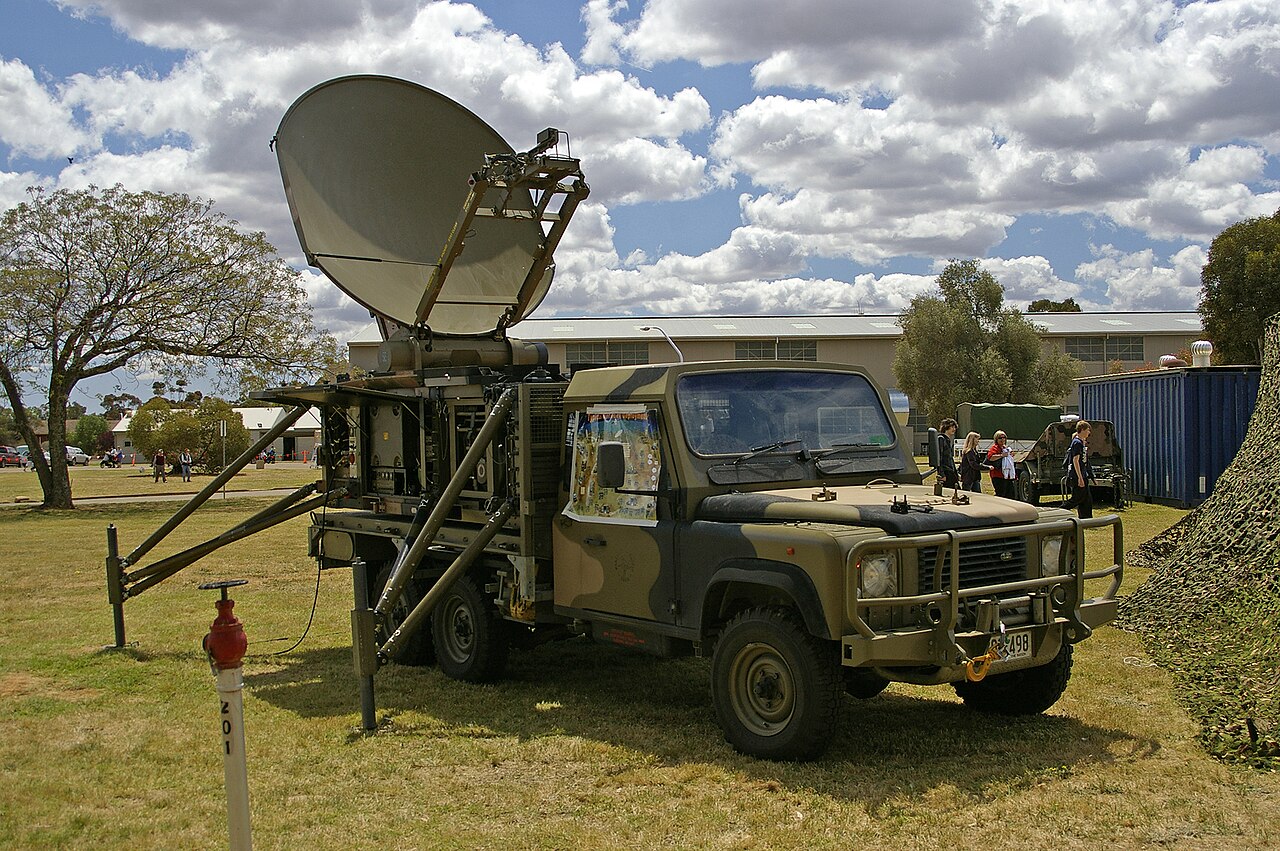
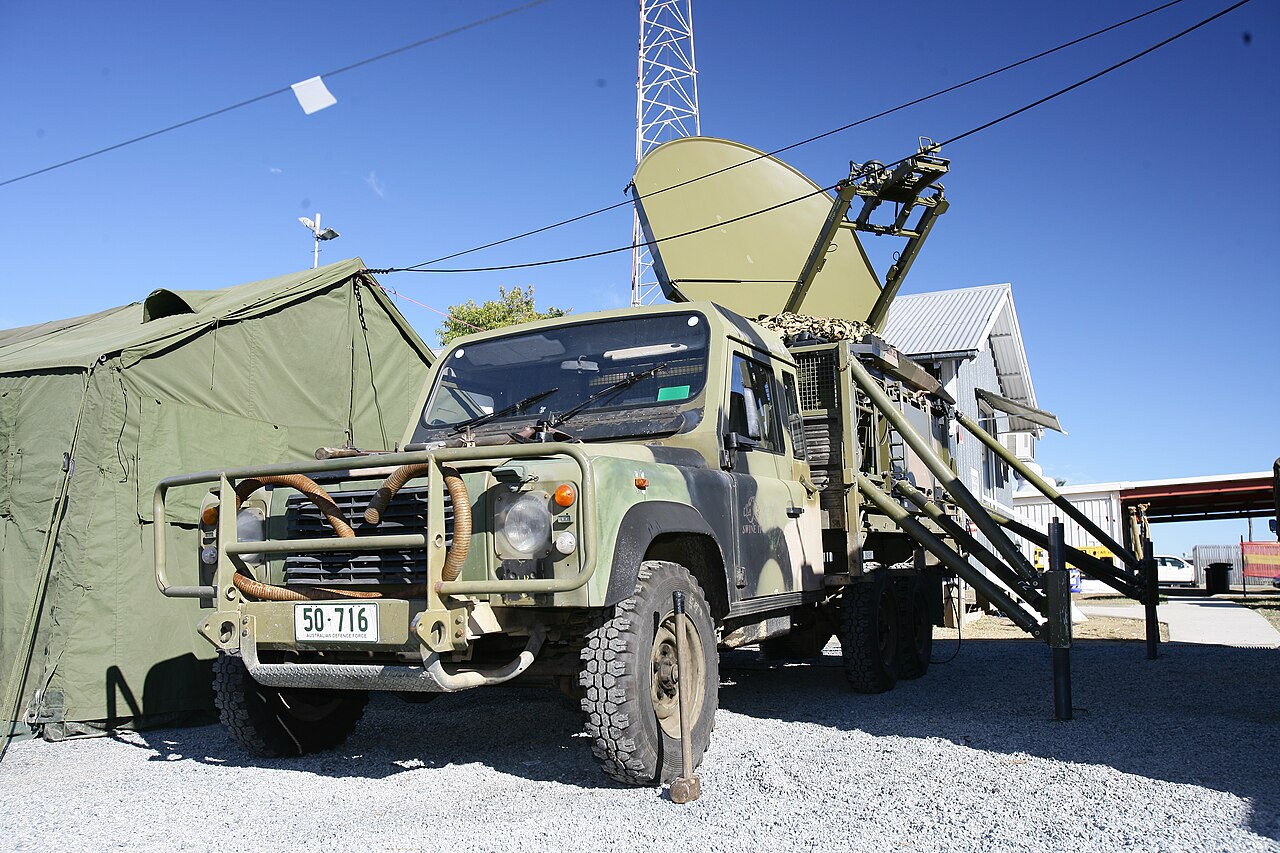
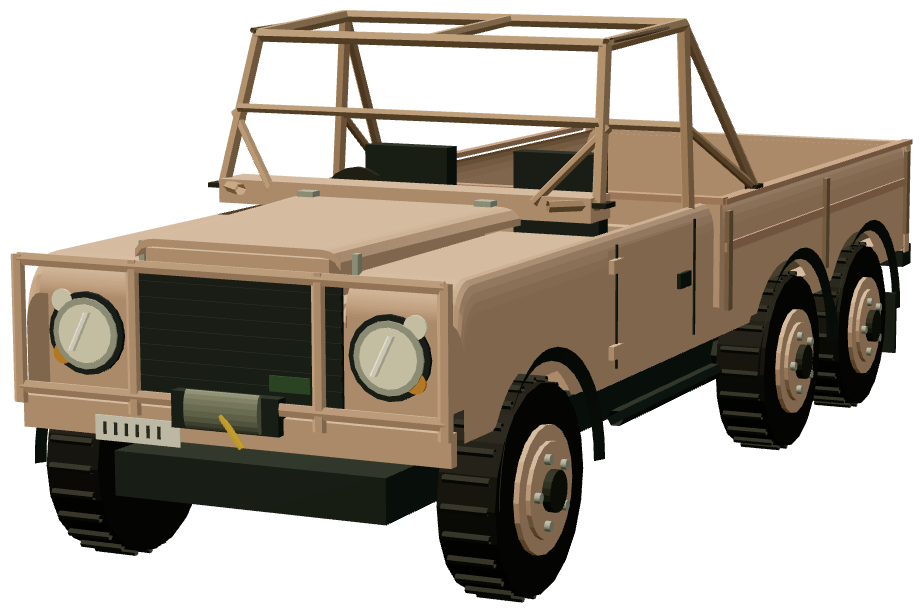
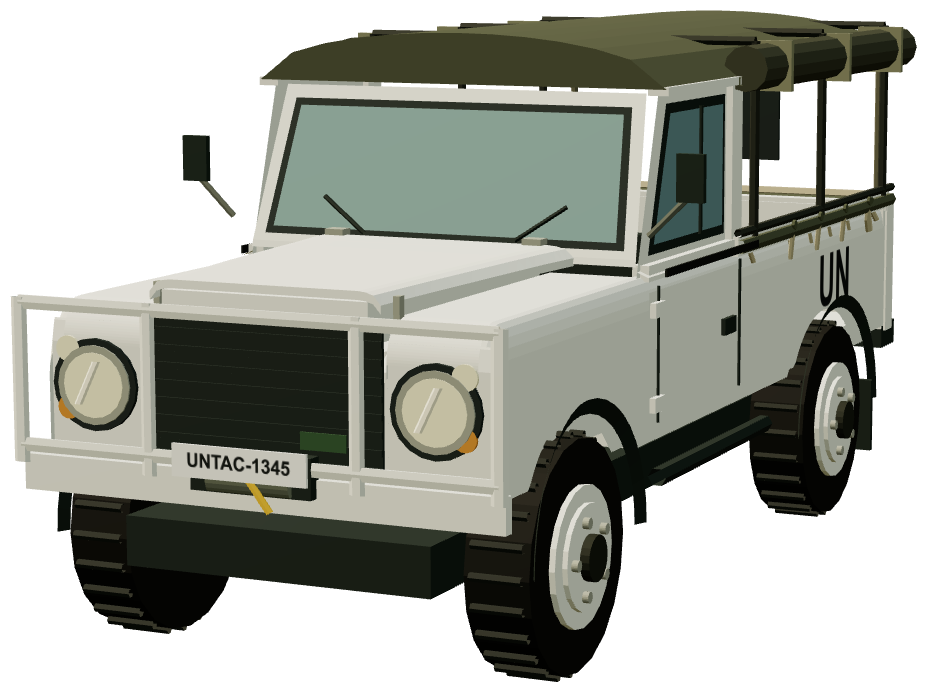
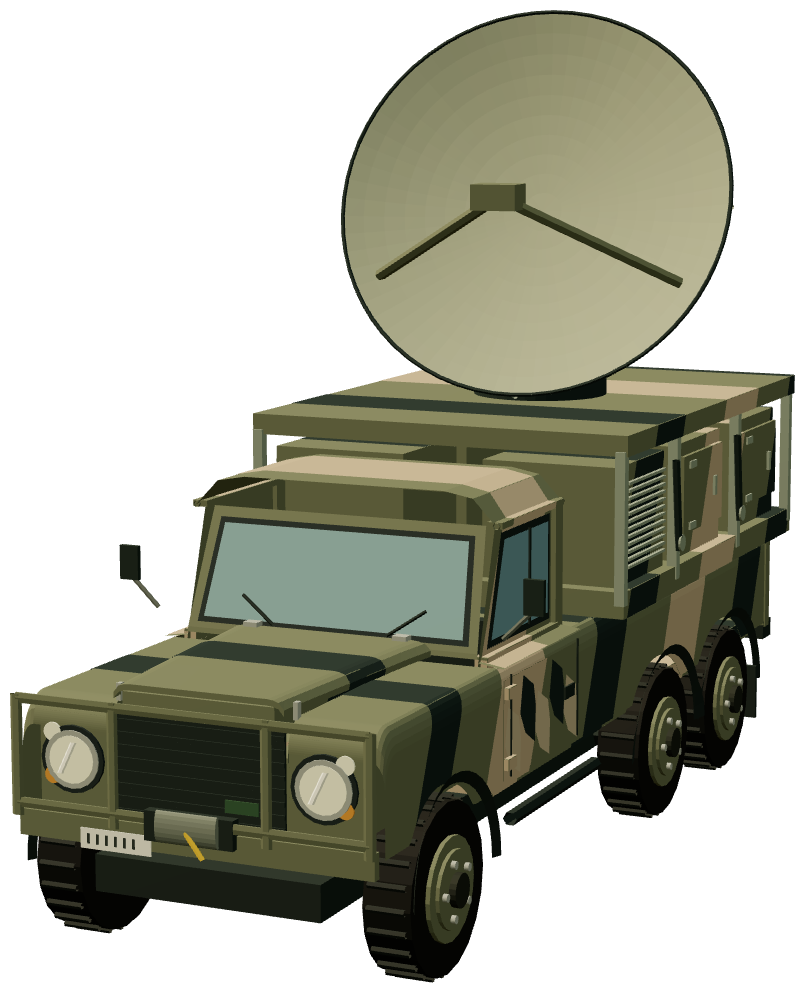
The assemblage was designed to sit on the back of a standard Australian Army Land Rover 6x6 Perentie, and that is the crucial qualification for this record: Parakeet is not one of the variants in the Perentie production table. REMLR's identification guide lists a 'Parakeet Communications Vehicle' but notes candidly that there appears to be no Army record of it as a distinct model - unsurprising given the classification of the role - and that the Parakeet module is a bolt-on unit that can be fitted to trucks as well as Land Rovers, with modules even seen on dual-cab 6x6s. What the photographs show, then, is the shelter and its equipment: a boxed electronics module on the 6x6 tray, a folding satellite terminal dish on a pivoting mast frame with ground-anchored outrigger legs, cable runs to a separate generator, and the vehicle's own winch and bull bar left untouched underneath.
Mechanically these are ordinary Perentie 6x6s: a JRA Limited extended and galvanised 110 chassis with a third load-sharing axle, wider cab, permanent four-wheel drive with selectable six-wheel drive, and the turbocharged Isuzu 4BD1-T rated at 90 kW, built at Moorebank, New South Wales and delivered from March 1989. Parakeet outlived the vehicles that carried it - the Perentie fleet was retired from around 2012 under Project Land 121 - and a modernisation of the system's subsystems was established as project JP2072 in 2017.