The record
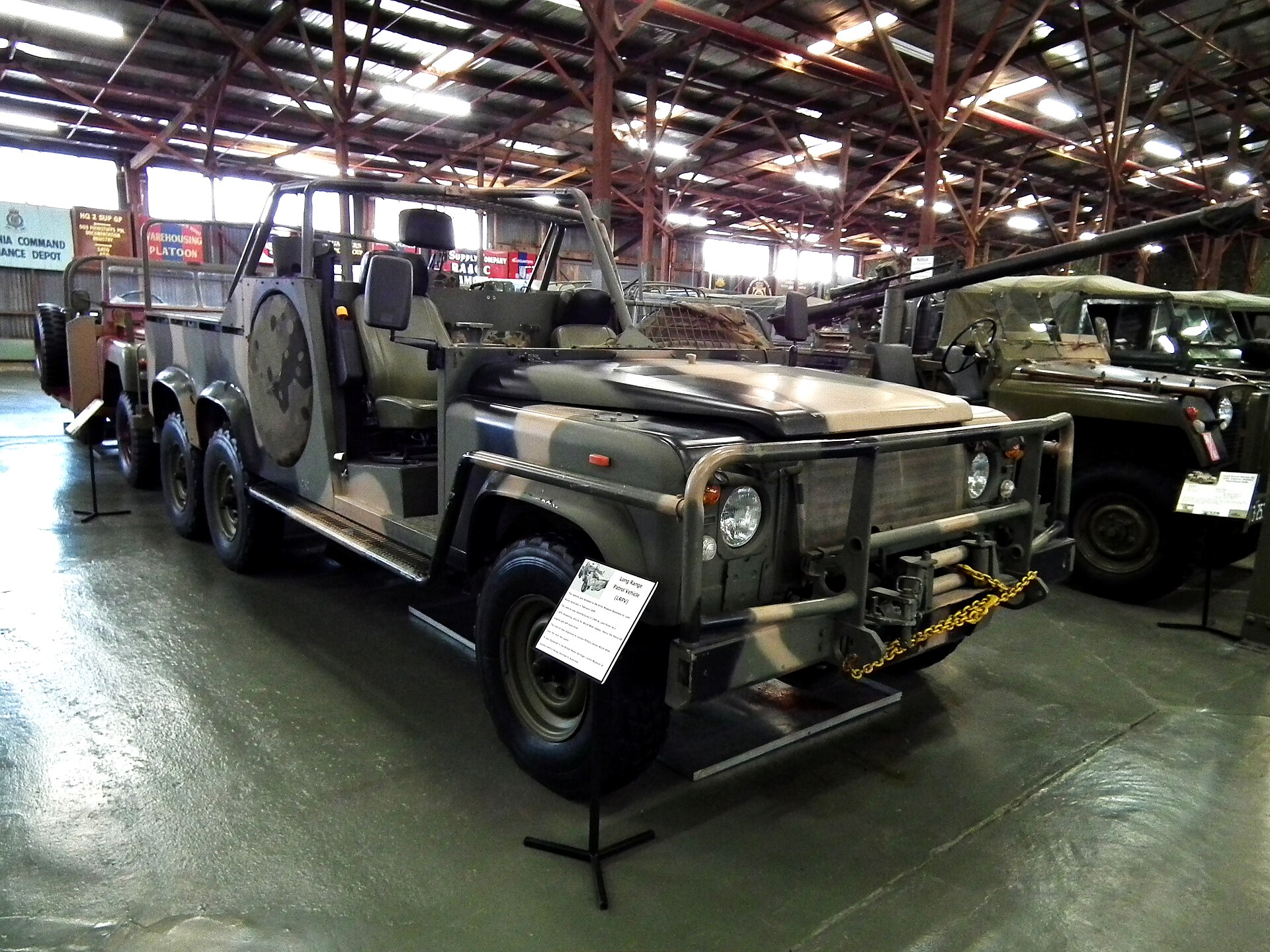
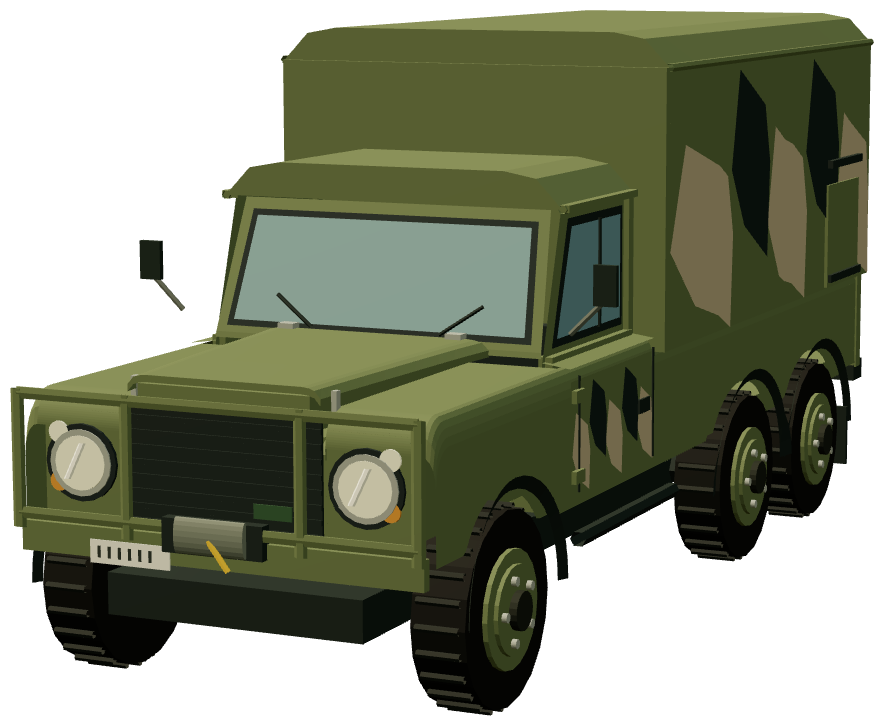
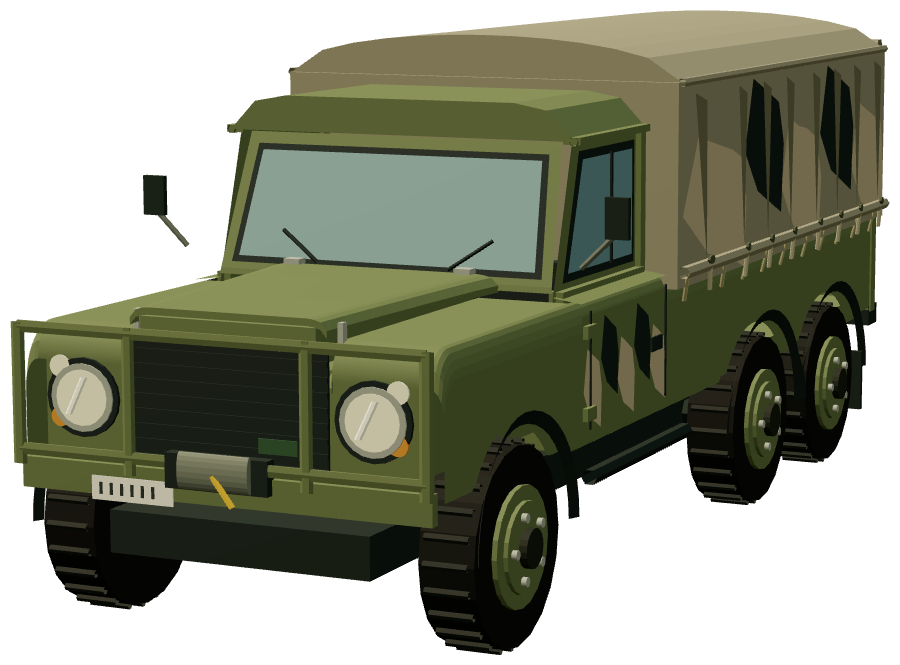
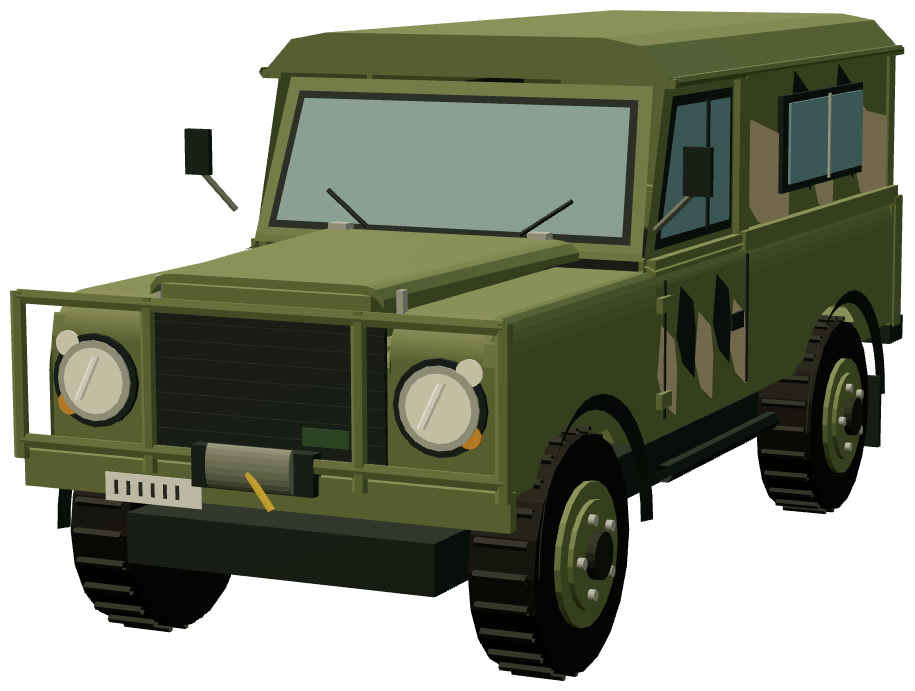
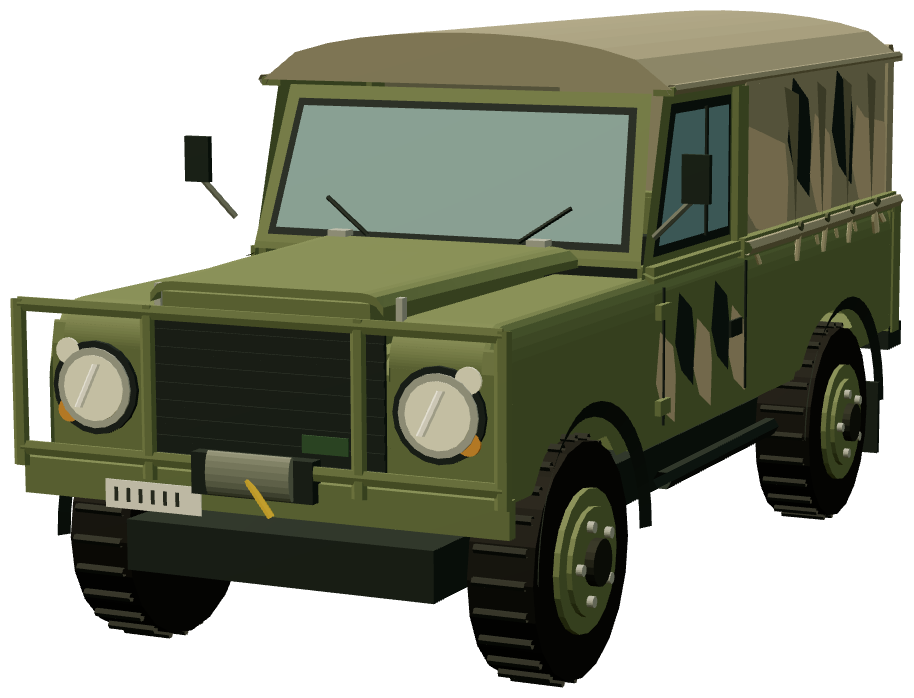
The LRPV grew out of the Australian Army's Project Perentie, under which JRA Limited (Jaguar Rover Australia) of Moorebank, New South Wales built heavily re-engineered Land Rover 110-based 4×4 and 6×6 vehicles from 1987, all powered by Isuzu 3.9-litre four-cylinder diesels. In the late 1980s a specialised variant of the 6×6 - catalogued as 'Truck, Long Range Patrol, Light, Winch, MC2' - was developed to replace the SASR's ageing Series 2A-based long range patrol vehicles for patrolling remote regions of Australia. The Perentie variant table records 27 LRPVs built, with press reports counting 28-30 including two prototypes; 6×6 deliveries began in 1989.
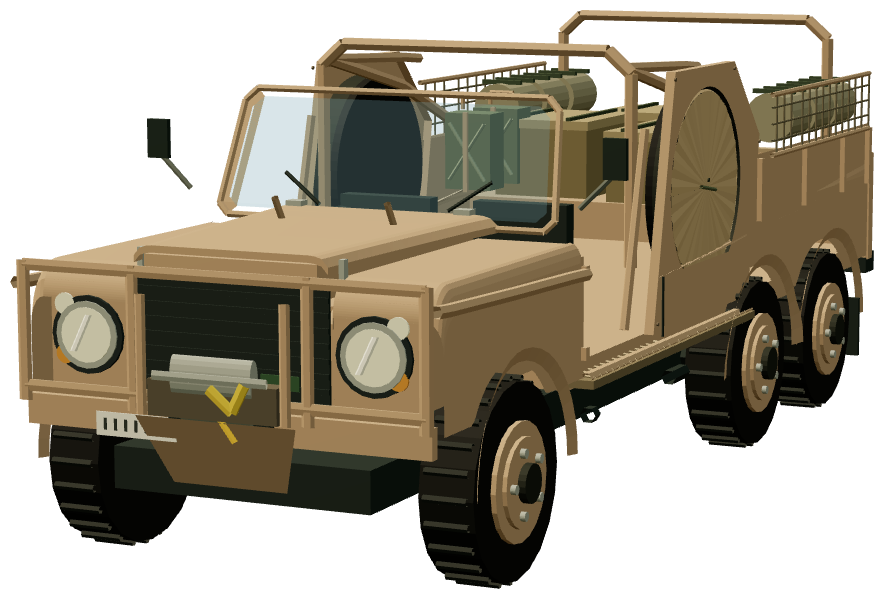
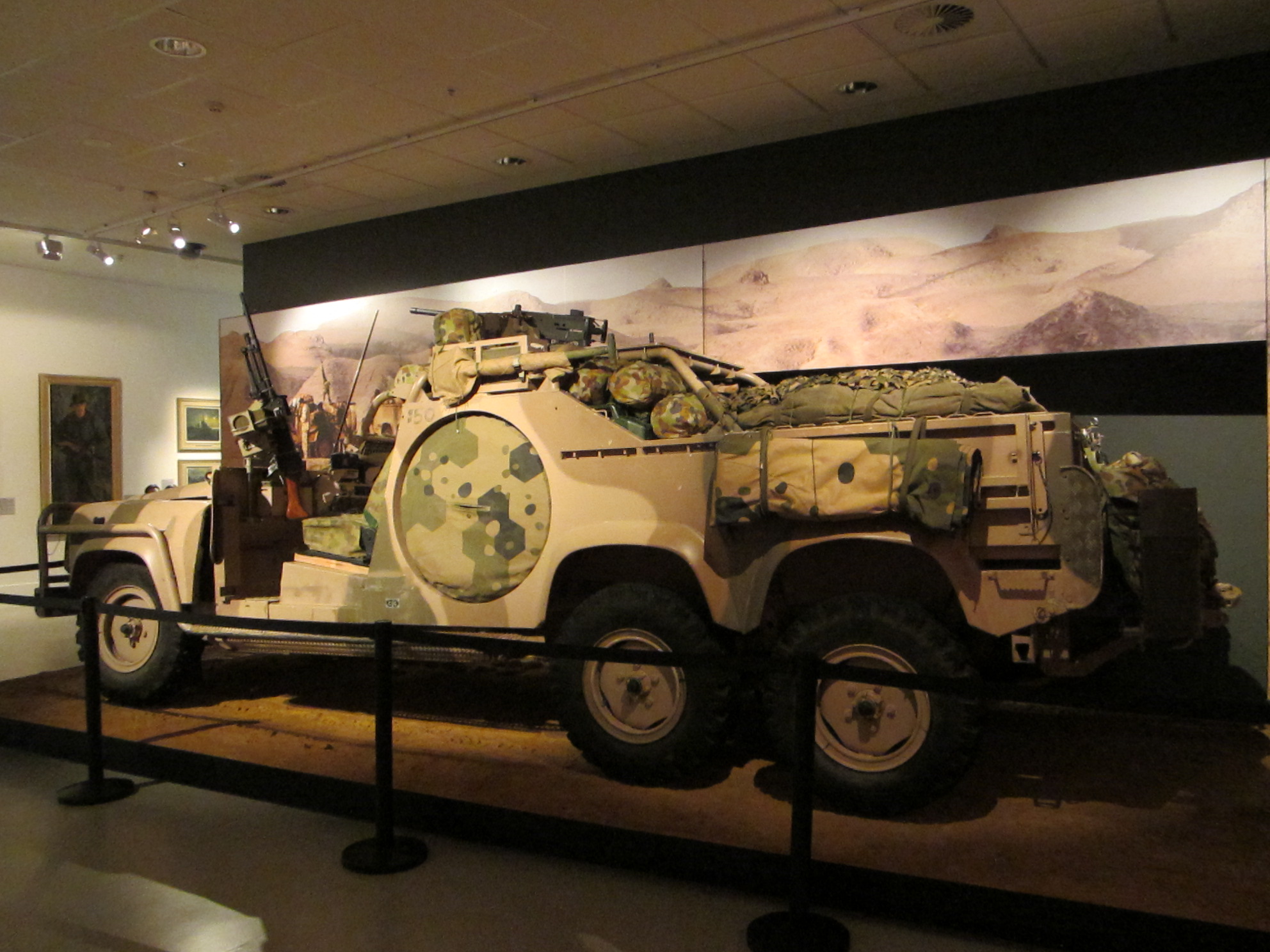
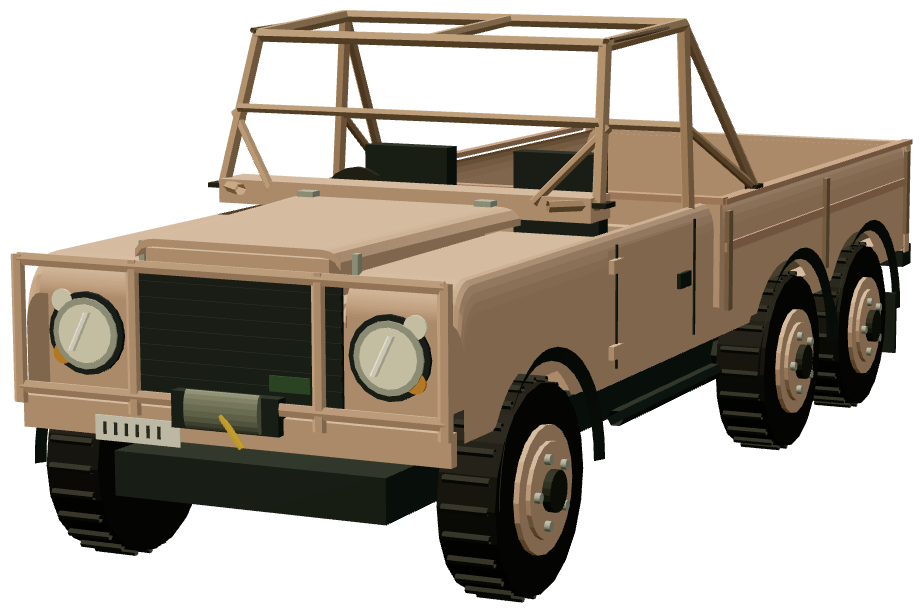
The LRPV used the turbocharged Isuzu 4BD1-T (about 90 kW) in an open, cut-down three-crew body built for endurance rather than protection: a central ring mount took an M2 Browning .50-calibre machine gun or Mk 19 40 mm grenade launcher, a MAG 58 was pintle-mounted at the front passenger position, and stowage for weeks of fuel, water and rations gave an operational range of around 1,600 km. A Suzuki dirt bike could be carried on the tailgate for scouting. Factory finish was the Australian Army's lustreless olive drab, with vehicles later painted in the three-colour Auscam disruptive scheme or theatre-appropriate desert shades.
The type's defining service came overseas. LRPVs deployed to Kuwait in 1998 for Operation Desert Thunder, and from November 2001 carried 1 SAS Squadron patrols hundreds of kilometres from Camp Rhino into the Afghan interior, where their ability to stay out for weeks without resupply proved ideal. The fleet also served in Iraq in 2003 during Operation Falconer. The vehicles' vulnerability to mines was shown in February 2002 when Sergeant Andrew Russell was killed by a mine strike - Australia's first fatality of the Afghanistan war - after which a Survival Enhancement Kit added belly armour and shock-absorbing seats; Tenix Defence overhauled the fleet again in 2005.
LRPVs returned to Afghanistan with the Special Operations Task Group from 2006 before the Bushmaster and, from 2012, the Supacat HMT 'Nary' took over the special-operations mobility role, and the Perentie fleet as a whole gave way to Mercedes-Benz G-Wagens under Project Land 121. Retired examples are preserved, including a mine-damaged LRPV displayed at the Australian War Memorial and another at the Army Museum Bandiana. Uniquely among Australia's Land Rovers, the Perenties were JRA's own engineering programme rather than a Solihull product line, which is why the registry files them outside the Defender family.

.jpg)