The record
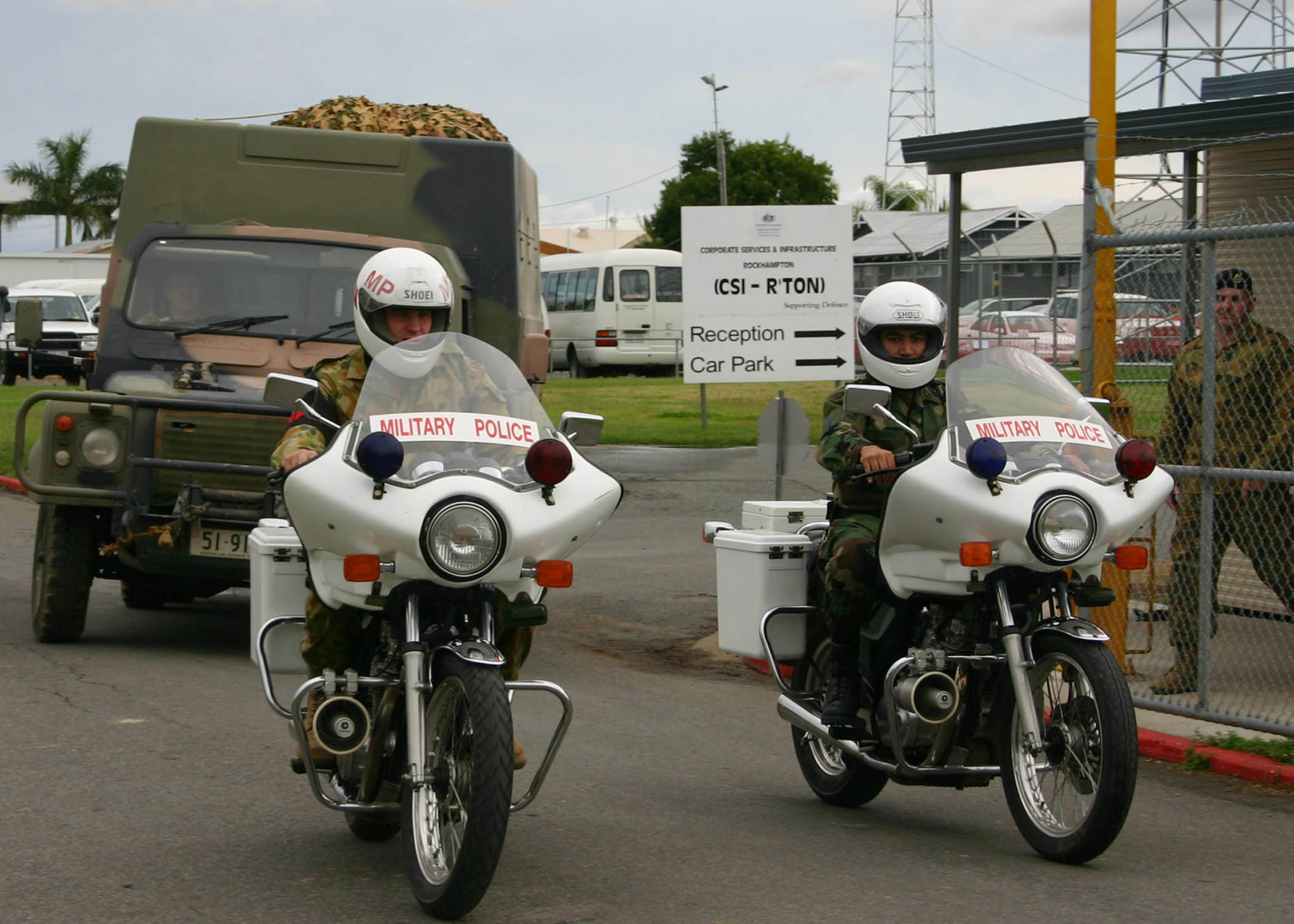
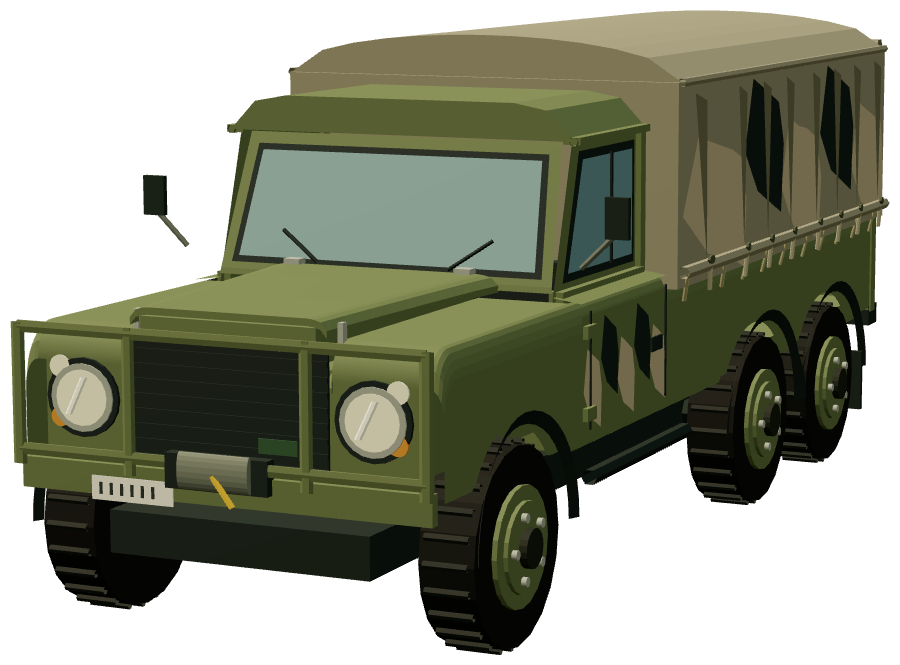
Almost every Perentie 4×4 left Moorebank as an open tray with hoops and a canvas tilt. A small minority did not. Four liability codes covered vehicles with a fixed roof and a closed rear compartment, and they are the scarcest 110s the Australian Army bought.
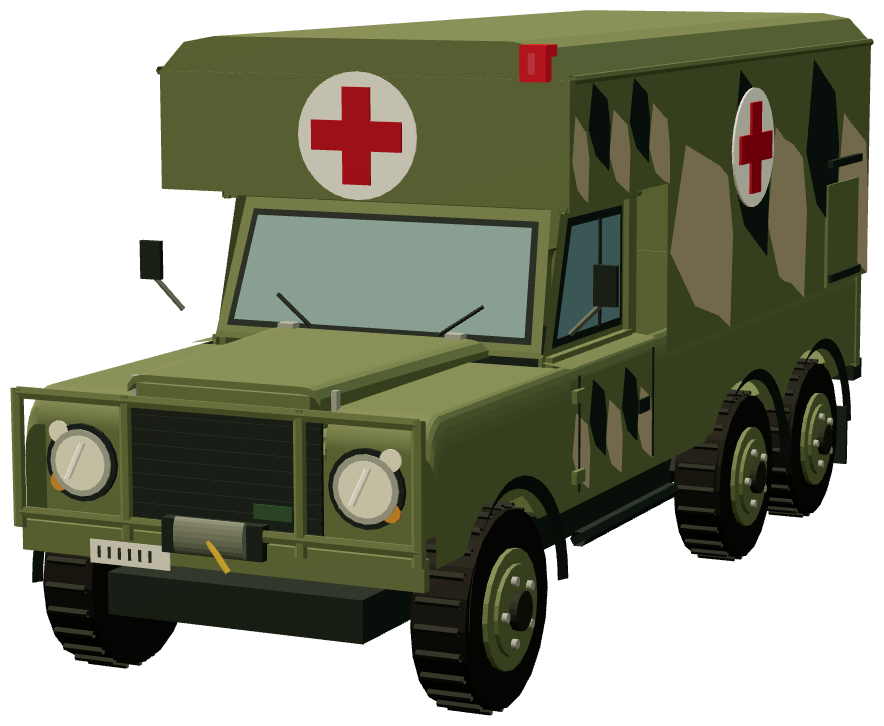
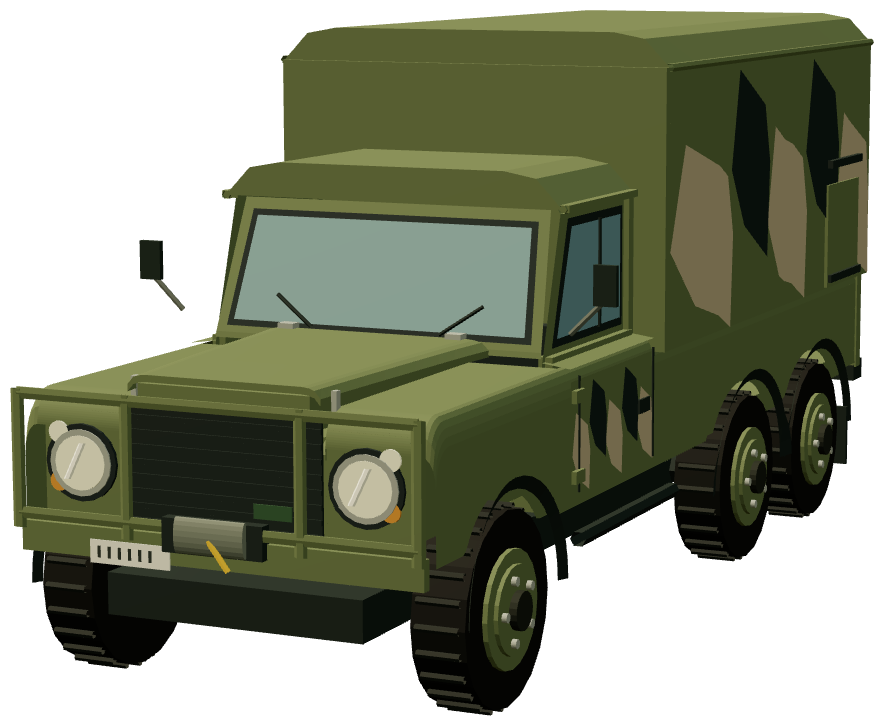
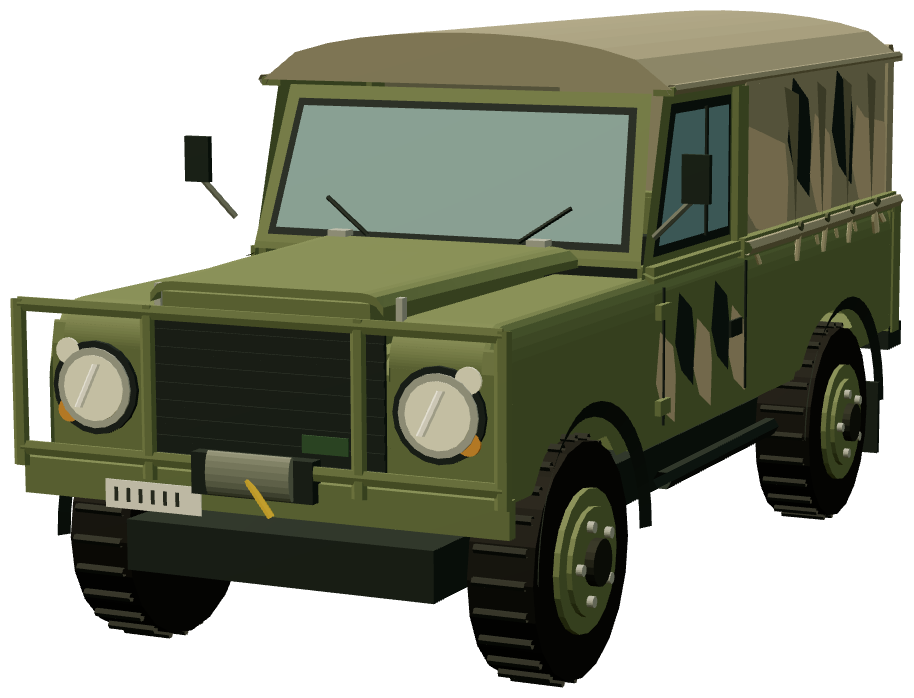
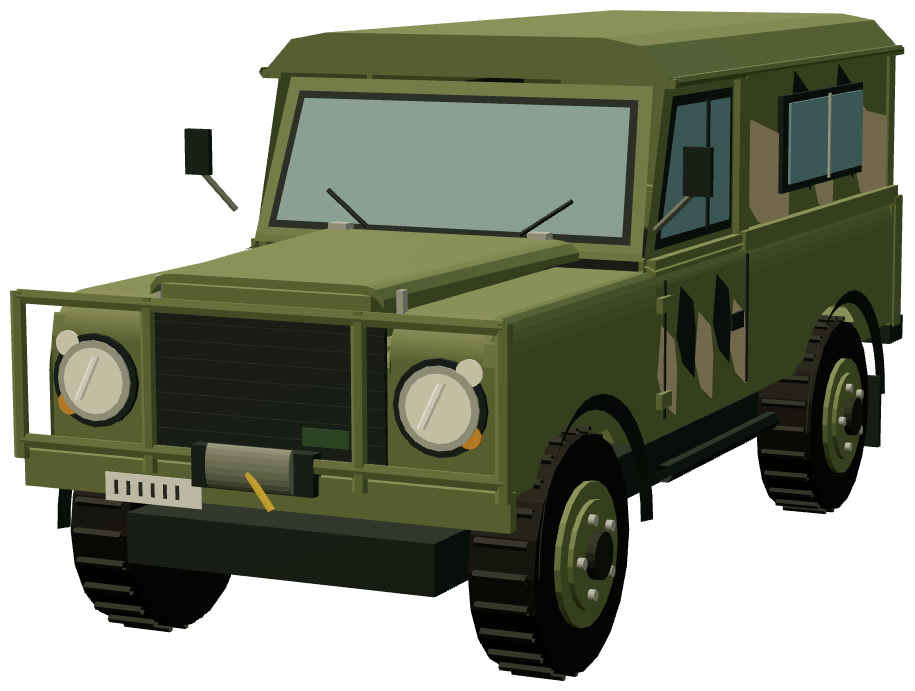
The Survey vehicle (code 73310, 'Truck, Panel, Lightweight, Survey, FFR, Winch, MC2') is the archetype: a van-type body with blank rear side panels, a single side-hinged rear door and a raised 'safari' roof, but — unlike the civilian County wagon it superficially resembles — no alpine windows in the roof sides. Behind the rear seat sits an enclosed bank of batteries for a 28-volt auxiliary system, with a power distribution panel and a radio mounting tray. Range was about 550 km on good roads. Wikipedia's variant table records 35 built; REMLR's ARN register lists 36.
The two Carryalls put windows and seats where the Survey vehicle has panels and equipment. The Personnel Carrier (73600) is a nine-seat station wagon with bench seating in the back, no auxiliary battery installation, no radio table and no winch — the plainest of the closed bodies, 38 built. The Senior Commander (73510) is the same shell equipped for work: a winch, a 28-volt auxiliary system with a battery bank behind the rear seat, a power distribution box and a radio mounting tray, seven or eight passengers depending on how much radio kit was carried, and a role REMLR describes as moving senior commanders and VIPs 'where the use of a normal GS vehicle is not appropriate'. Eleven were built. The Personnel Carryall has its own registry record (`perentie-personnel-carryall`); this record covers the closed-body group as a class.
The fourth is the rarest Perentie of any kind. The Command Post FFR (73400) was, in REMLR's words, 'very similar to the Survey Vehicle' but with 'a hard top fitted' and wired for radio — about 95% the same vehicle as the Survey, distinguishable mainly by its antenna mounts. Exactly two were built, both from the initial production run and carrying sequential VINs. OLN-965 was an engineering development vehicle retained by Land Rover Australia and later sold to a REMLR registrant; ARN 48-005 (VIN SALLDHAZ1BF565740) came off the line on 7 December 1986 and was accepted at 21 Supply Battalion, Moorebank, on 20 February 1987, ahead of its scheduled dispatch date. No further orders followed, and 48-005 was reconfigured as an ordinary FFR with a canvas canopy — losing its hard top — some time around late 1991 or early 1992. Wikipedia's variant table does not list the Command Post at all; the registry follows REMLR here and flags the omission.
All of these sit on the same Project Perentie foundation as the rest of the fleet: a galvanised, helicopter-liftable 110 chassis built under Land Rover licence by JRA Limited at Moorebank, New South Wales, with a naturally aspirated Isuzu 4BD1 3.9-litre diesel, delivered from August 1987 until the plant closed on 30 September 1992. What separates the closed bodies is scarcity. Add the four types together and the total is roughly 86 vehicles — under three per cent of the 4×4 fleet — which is why photographs of them are hard to find, and why surviving Survey vans and Carryalls now command far more attention on the Australian surplus market than the canvas-topped General Service trucks that outnumbered them nearly twenty to one.