DIFFLOCKEDTHE REGISTRY NAMED MODEL · 1989–92
NAMED MODELMilitary · AustraliaAustralia

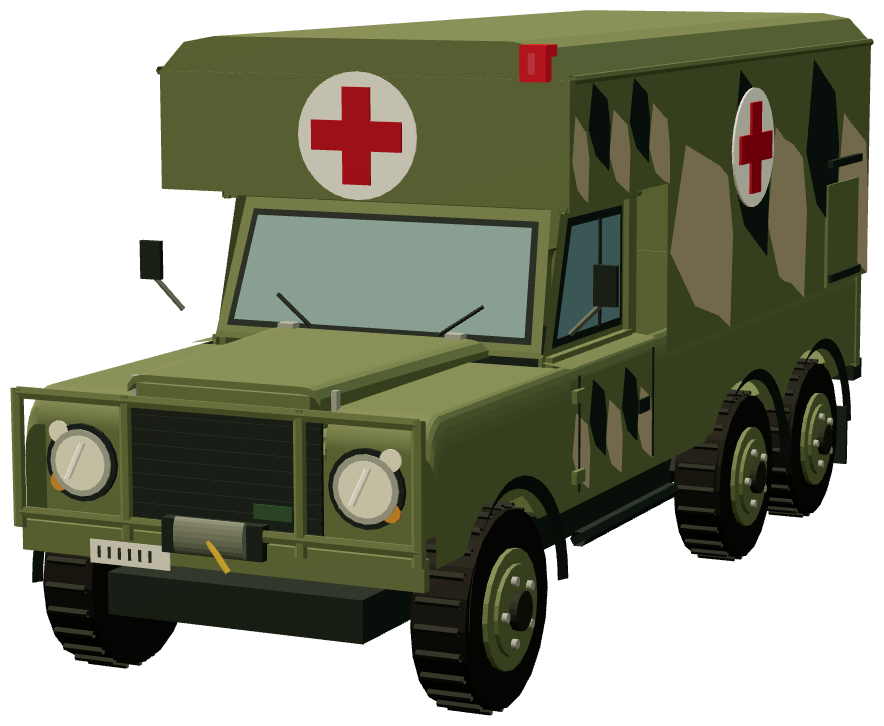
Perentie 6×6 Canvas.

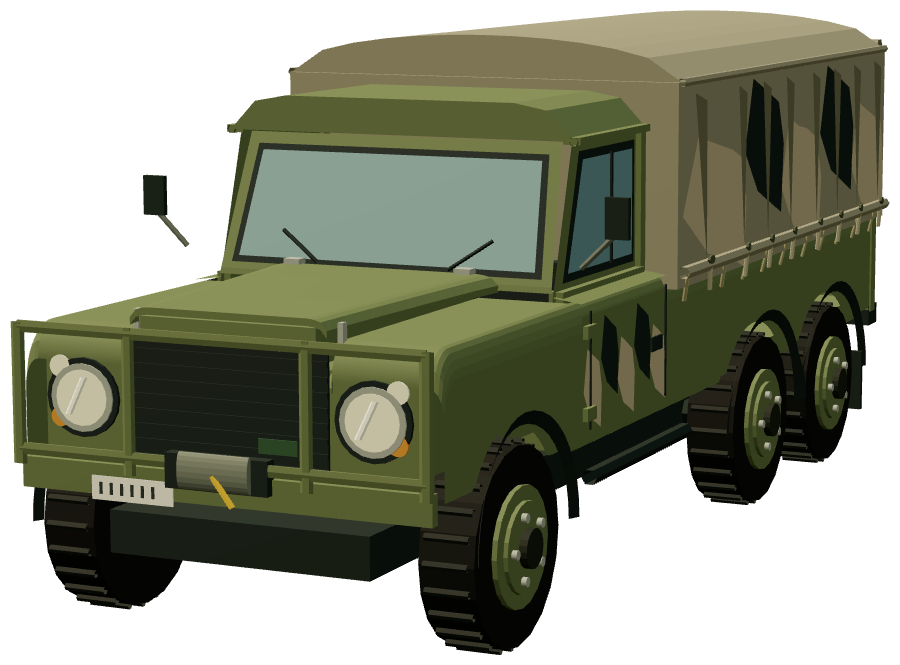
The two-tonne cargo truck of the Perentie 6×6 range — 'Truck, Cargo, Light, MC2' — an open tray with hoops and a canvas tilt, outward-facing bench seats for twelve in the back and three in the cab. It was the most numerous 6×6 body and the platform on which every other 6×6 module was mounted.

Drive it in the gameSources & evidence
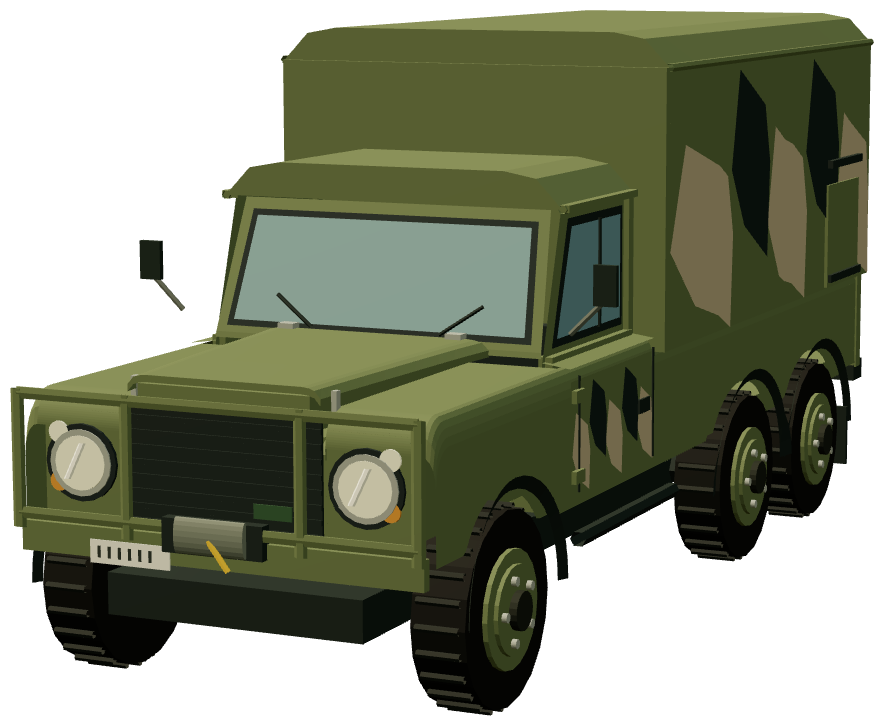
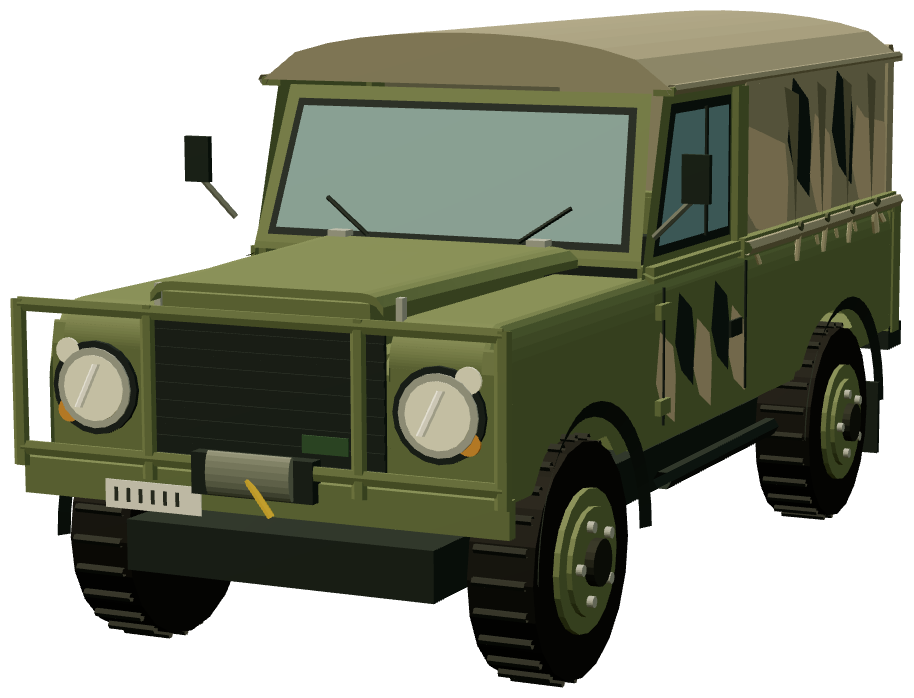
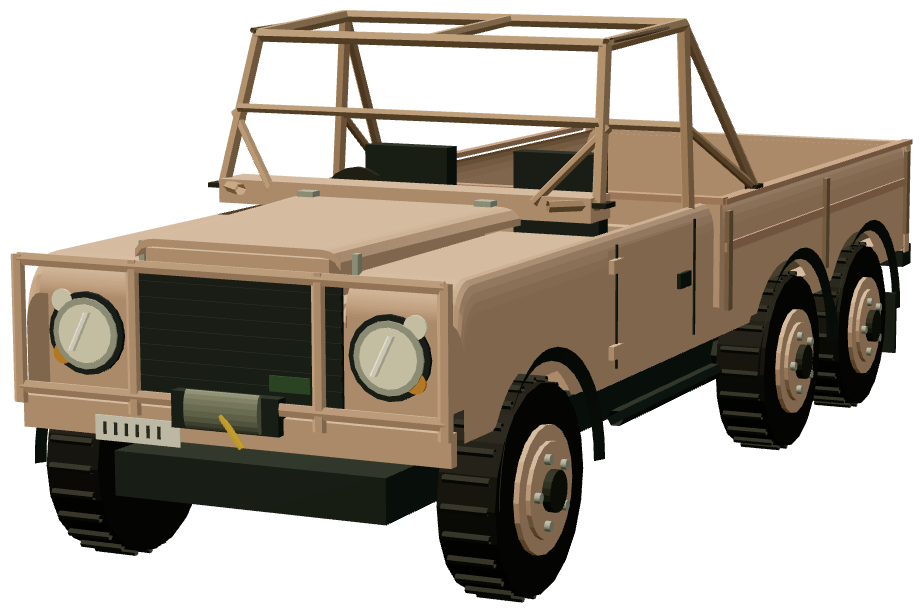
Perentie 6×6 Canvas — front three-quarter render
BASE VEHICLEPerentie 6×6BUILT BYJRA Limited (Jaguar Rover Australia)IN SERVICE1989–92OPERATED INAustraliaPRODUCTIONSources conflict: Wikipedia gives 215 cargo plus 32 winchLAYOUT6 wheels

The record

Where the Perentie 4×4 was rated at one tonne, the three-axle version doubled it. The General Service cargo truck, liability code 74800 (74810 with a winch), was designed to move two tonnes of stores or up to fifteen people — three in the cab and twelve in the rear on bench seats fitted facing outwards along the tray sides — over sealed roads, second-class roads and cross-country, with a trailer of up to 900 kg behind and a range of about 600 km on good surfaces. Road registration allowed only the three cab seats to be occupied on public roads.

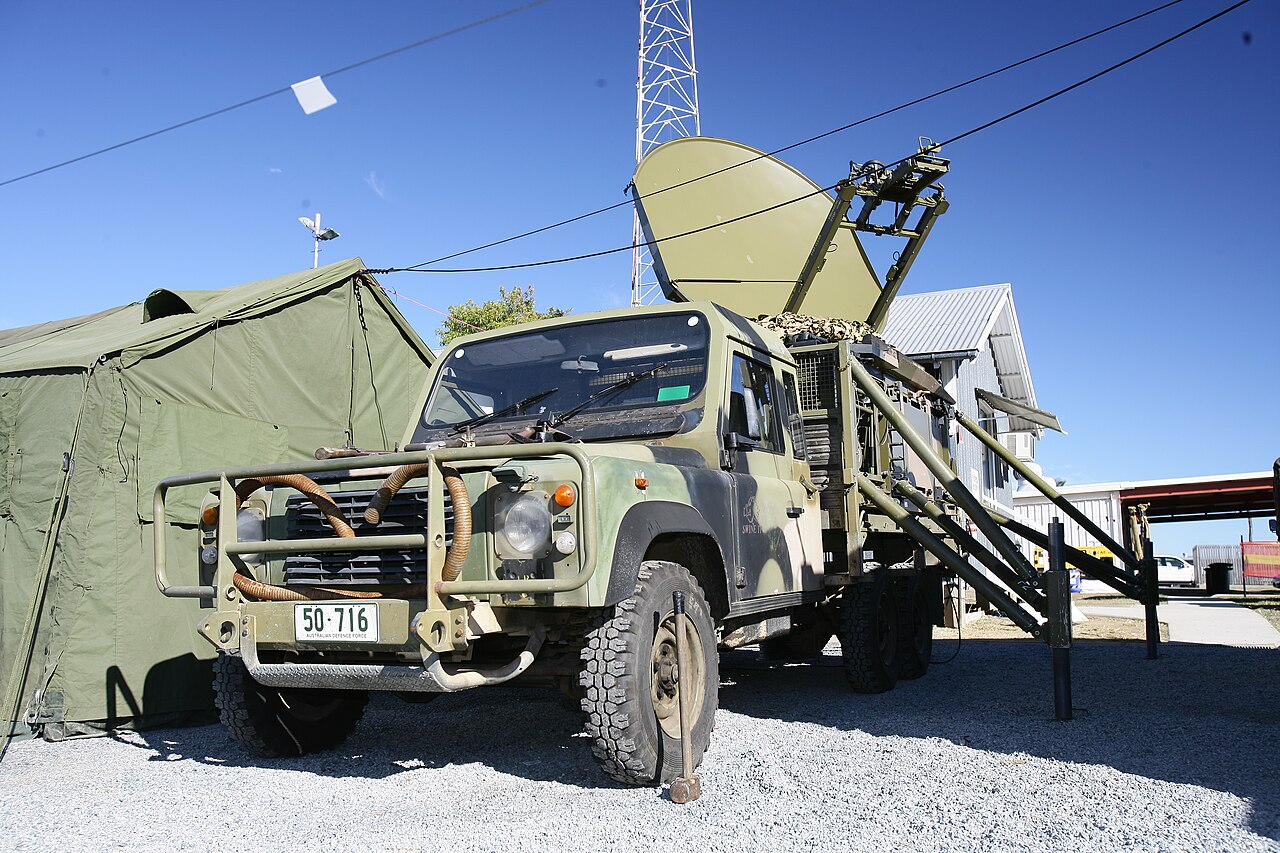
The body itself is deliberately unremarkable: a long steel tray on the extended chassis, hoops, and a canvas tilt. Its significance is structural rather than visual. REMLR notes that the ambulance and general maintenance modules mount on the chassis 'in the same manner as the cargo tray body' — the tray is the baseline fitment, and the enclosed fibreglass modules of the ambulance, workshop and repair variants (see `perentie6-hard` and `perentie6-ambulance`) are alternatives bolted to the same points. Strip a module off a 6×6 and what remains is this vehicle. That interchangeability is also why the cargo chassis turns up under specialist loads it was never catalogued for: satellite terminal assemblies, engineer stores, and unit-improvised fitouts, with the tilt left off entirely.

The build numbers are the most contested in the whole Perentie programme, and the registry records the disagreement rather than resolving it. Wikipedia's variant table gives 215 cargo trucks plus 32 with winch. REMLR's own page on the type states 'Number Built: 231 and 59 with Winch'. REMLR's ARN register, compiled from Army registration ledgers, lists 235 and 57. The three sources agree only that this was the commonest 6×6 body, somewhere between a third and two-fifths of the 699 (or so) 6×6s built. REMLR adds a useful explanation for part of the spread: the cargo trucks were predominantly built under the original Perentie contract, but some winch-equipped examples came later under the Project Bushranger contract, so where a counter draws the line between programmes changes the total. 4X4 Australia complicates it further by dating Perentie production to May 1986 – September 1992 with a further licence-built run by BAeA in 1996–98; the registry records that claim without endorsing it.

Underneath, the 6×6 is a serious piece of Australian engineering rather than a stretched 110. JRA Limited at Moorebank, New South Wales built it on a widened, hot-dip galvanised chassis with twin rear axles, permanent four-wheel drive and selectable six-wheel drive for difficult going, with helicopter sling, shipping tie-down and recovery points designed in. Power came from the turbocharged Isuzu 4BD1-T 3.9-litre diesel — the naturally aspirated engine of the 4×4 would not have carried two tonnes. Deliveries began in March 1989, three months short of two years after the 4×4s, and the Moorebank plant closed on 30 September 1992.

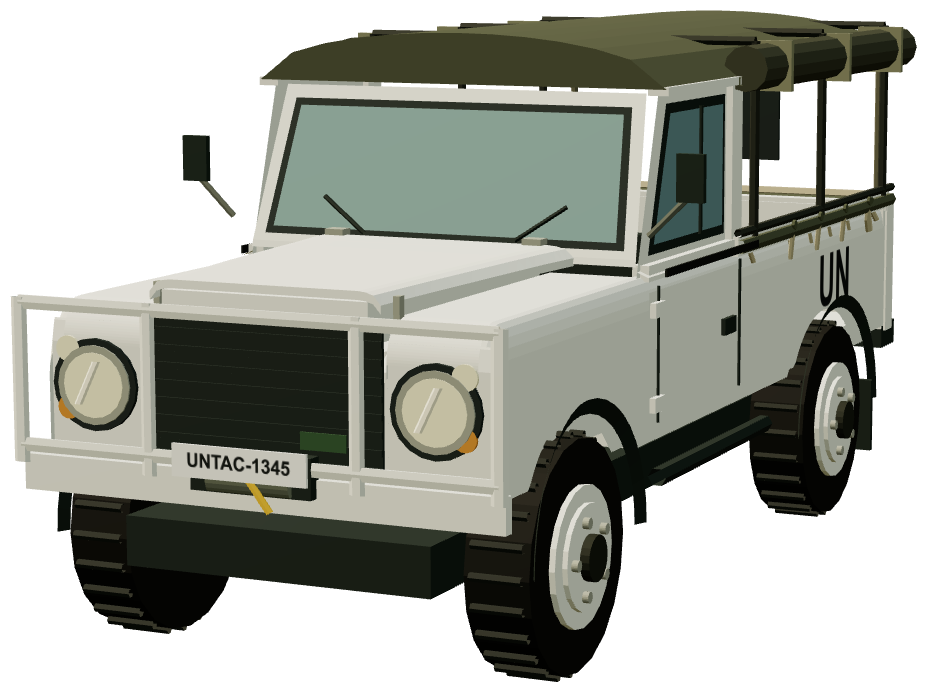
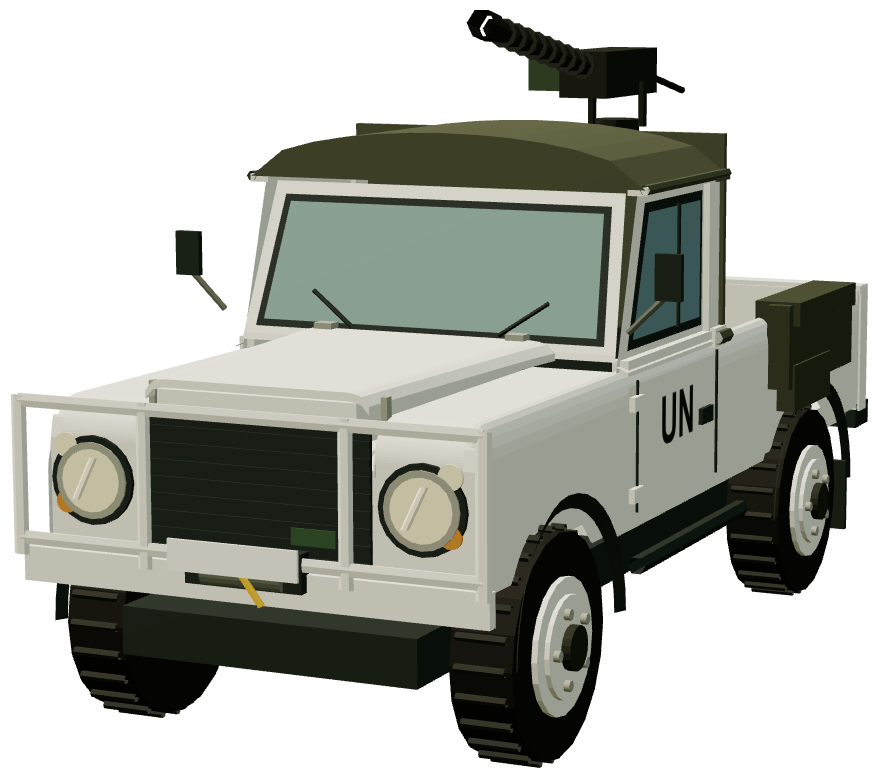
Cargo 6×6s left the line in lustreless Australian Olive Drab and were progressively repainted into the three-colour Auscam disruptive scheme of olive drab, tan and black through the 1990s; vehicles sent on United Nations service were painted overall white. They served through Somalia, Timor-Leste, the Solomon Islands, Iraq and Afghanistan before the Mercedes-Benz G-Wagon replaced the fleet under Project Land 121 from around 2012. Being the plainest and most numerous 6×6, the cargo truck is also the one most often seen in civilian hands, usually with the tray rebuilt into a camper or expedition body.
Specification

MANUFACTURERJRA Limited (Jaguar Rover Australia) ↗
Moorebank, NSW — under Land Rover licence
MANUFACTURED1989–1992 (6×6 deliveries from March 1989; some winch trucks later under the Project Bushranger contract)
ENGINEIsuzu 4BD1-T 3.9 L turbocharged diesel inline-four
PRODUCTION RUNSources conflict: Wikipedia gives 215 cargo plus 32 winch; REMLR's variant page says 231 and 59; REMLR's ARN register lists 235 and 57
COUNTRY OF ORIGINAustralia
OPERATED INAustralia
STATUSretired from ADF service (replaced by the Mercedes-Benz G-Wagon under Project Land 121, disposals from c. 2012); widely sold surplus and popular as an expedition base
NOMENCLATURETruck, Cargo, Light, MC2 (liability code 74800); Truck, Cargo, Light, Winch, MC2 (74810)
PAYLOAD2 tonnes
OCCUPANTSup to 15 — three in the cab, twelve on outward-facing bench seats in the tray (three only when driven on public roads)
TOWINGtrailer up to 900 kg
RANGEup to 600 km on first-class roads
DRIVELINEpermanent four-wheel drive with selectable six-wheel drive
CHASSISwidened, hot-dip galvanised, twin rear axles; helicopter sling, shipping tie-down and recovery points
RECORD KINDNamed model
MODEL LINEPerentie
FAMILYPerentie 6×6
WHEELS6
BODY STYLEsoft
CATEGORYMilitary · Australia

Catalogue fields describe the vehicle's structure and body as this registry records it. They are not certified factory measurements, and no performance figures are published here.

Variants & colours

Factory colours

  • Australian Olive Drab (lustreless)
  • Auscam Camouflage Tan (Brown)
  • Auscam Camouflage Black

Codes on hover. Hex values are representative approximations of period paint unless a source states a measured value.

Sources

  1. 1Perentie 6x6 General Service (GS) — nomenclature and liability codes 74800/74810, 2-tonne payload, three in cab and twelve in the tray, 600 km range, outward-facing bench seats, 'Number Built: 231 and 59 with Winch', Bushranger contract note ↗Registry of Ex-Military Land Rovers (REMLR) · accessed 2026-09-10SOURCE
  2. 2Land Rover 110 — 6x6 General Service ARN register (235 'Truck, Cargo, Light, MC2' and 57 winch vehicles listed) ↗Registry of Ex-Military Land Rovers (REMLR) · accessed 2026-09-10SOURCE
  3. 3Perentie 6x6 Ambulance — records that the ambulance module mounts to the chassis 'in the same manner as the cargo tray body' ↗Registry of Ex-Military Land Rovers (REMLR) · accessed 2026-09-10SOURCE
  4. 4Land Rover Perentie — variant table giving 6×6 cargo 215 plus 32 with winch of 699 6×6s; turbocharged 4BD1-T, March 1989 deliveries, Land 121 replacement ↗Wikipedia · accessed 2026-09-10SOURCE
  5. 5Ex-military Land Rover 110 Perentie 6x6 — dates Perentie production to 'May 1986 and Sep 1992, and by BAeA under licence between 1996-98' ↗4X4 Australia · accessed 2026-09-10SOURCE
  6. 6Australian Army Vehicle Colour Schemes and Paint — olive drab to Auscam changeover through the 1990s; overall white for United Nations service ↗Registry of Ex-Military Land Rovers (REMLR) · accessed 2026-09-10SOURCE

Registry record updated 2026-09-11T00:38:16.972Z · status: researched