The record
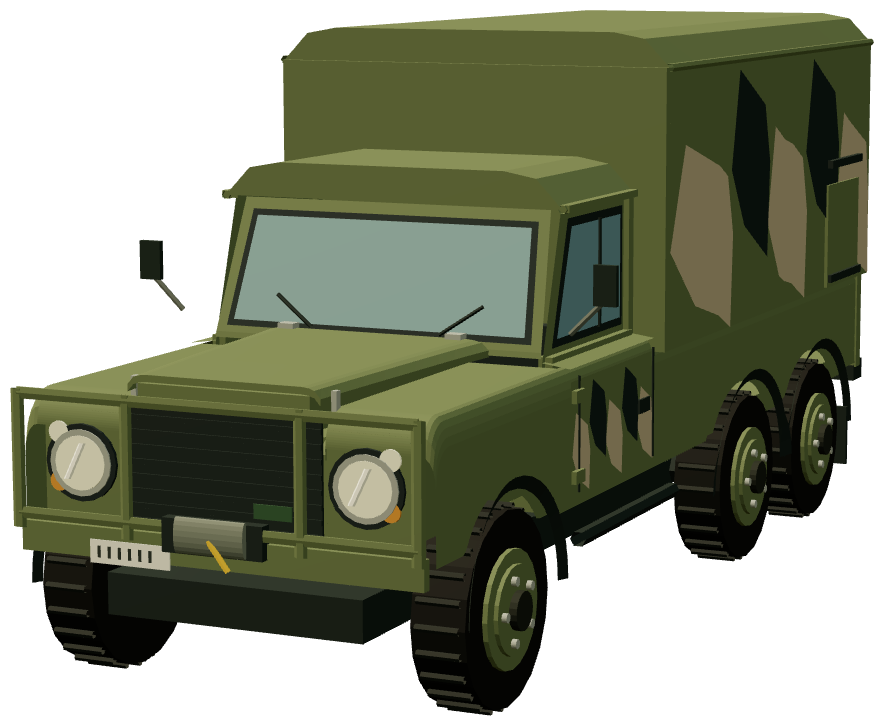
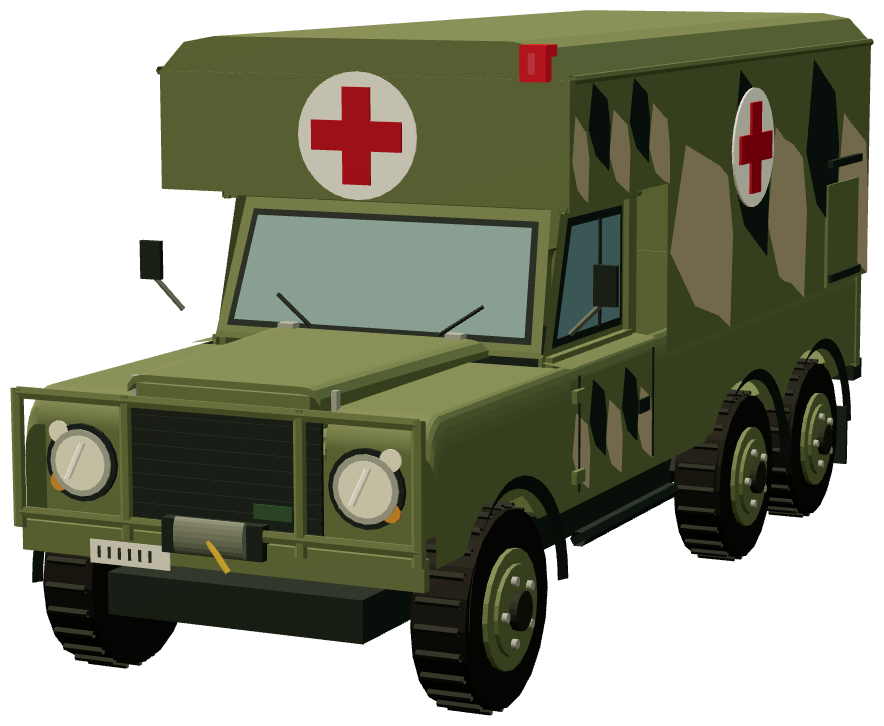
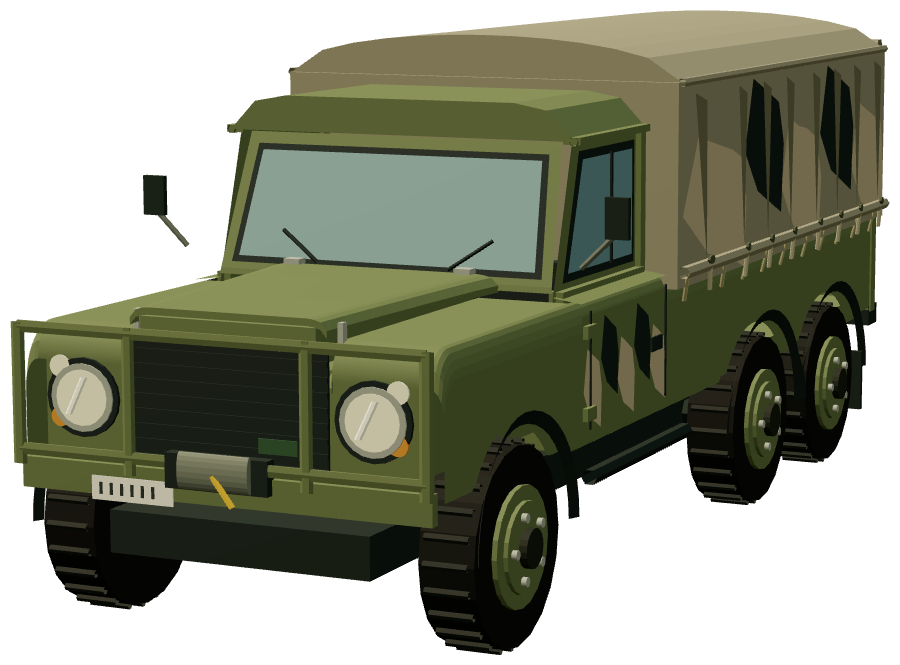
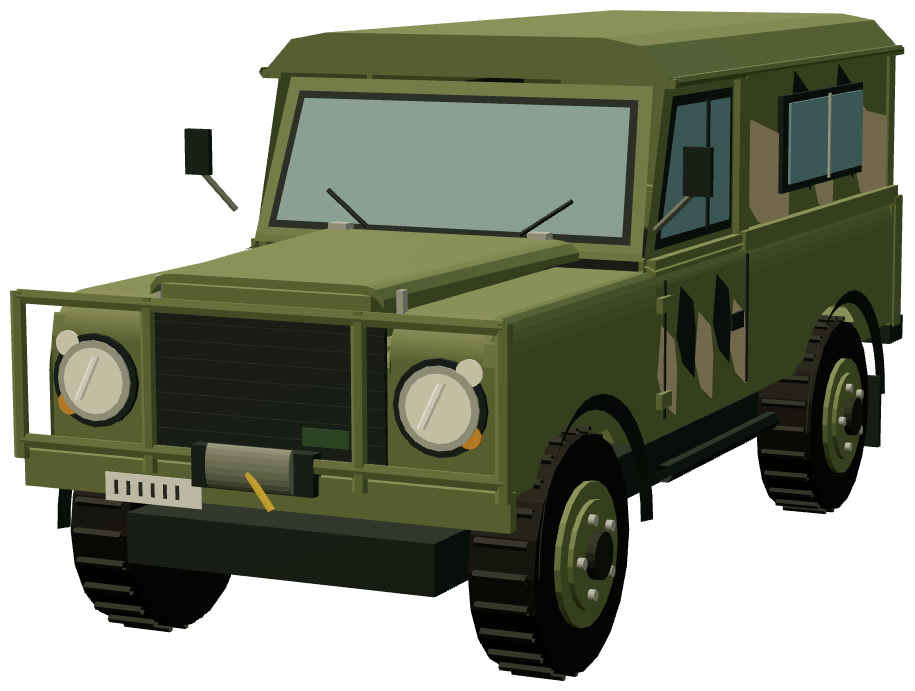
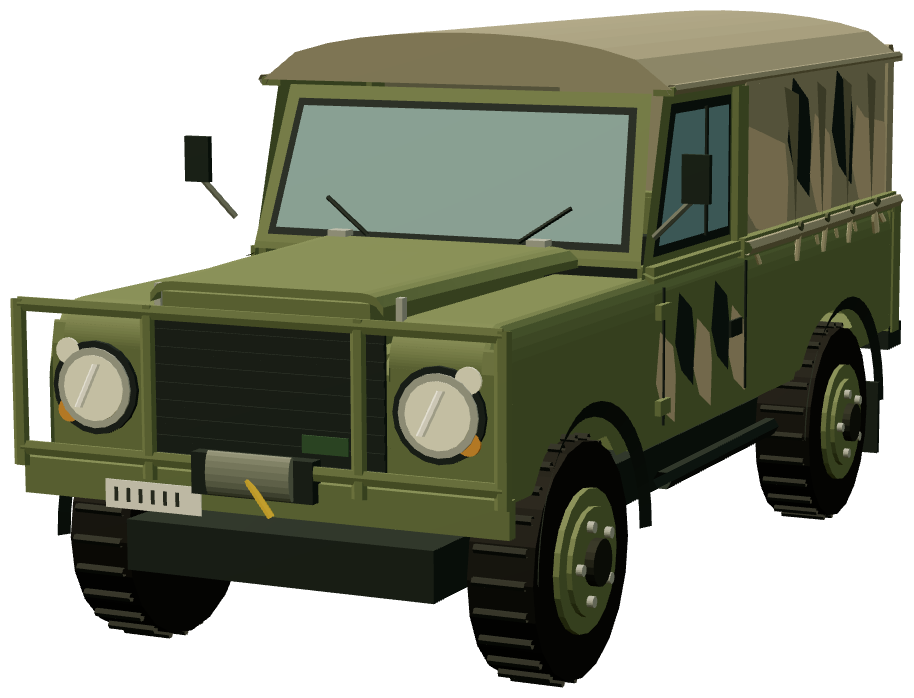
Of the eight Perentie 6×6 types, three carried a fully enclosed fibreglass rear body rather than an open tray: the General Maintenance Vehicle, the Electronic Repair Vehicle and the ambulance. The ambulance has its own registry record (`perentie6-ambulance`); this one covers the workshop and repair side of that family, together with the small COMSEC Repair batch. The module is a substantial structure — insulated fibreglass, about 3 metres long, 2 metres high and 2.4 metres wide, mounted to the chassis on the same points as the cargo tray body, and demountable. It runs its own 24-volt lighting circuit and accepts 240-volt shore power from an external source, while the vehicle beneath it stays on 12 volts.
The General Maintenance Vehicle (liability code 73230, 'Truck, General Maintenance, Light, Winch, MC2') is the type most people picture. Its stated role was to provide work stations for up to two tradespeople to carry out general maintenance repairs inside or outside the vehicle, plus internal storage for tools, test equipment, documents, repair parts and personal kit. In practice that meant field maintenance and repair of vehicles, weapons, aircraft and electrical equipment, welding included — and, as REMLR puts it, providing an 'Auto Club' roadside repair service during convoy movements. The working bay opens on three sides, giving a roughly 260-degree working aspect around the rear of the vehicle. Range was about 600 km on first-class roads and, like every 6×6, it was road-registered for three occupants in the cab only.
The Electronic Repair Vehicle (nomenclature 'Truck, Electronic Repair, Light, MC2') and the COMSEC Repair Vehicle ('Truck, COMSEC Repair, Light, MC2') take the same shell and fit it out for signals and communications-security equipment rather than mechanical work. The COMSEC trucks are the rarest of the three: Wikipedia's variant table records twelve, and REMLR's ARN register — otherwise thorough — returns no results at all for them, a gap the registry notes rather than papers over.
Build figures for this group are unusually spread. For the GMV, Wikipedia's table gives 181, REMLR's ARN register lists 166, and 4X4 Australia's account of the type says 185. For the ERV, Wikipedia gives 40 while REMLR's register lists 52 — the one variant where REMLR's count runs comfortably above the published table. Taking Wikipedia's figures, the three box-bodied working variants total 233 vehicles, a third of the roughly 699 6×6s built; taking REMLR's, 218 plus an unrecorded COMSEC batch. None of these should be read as final.
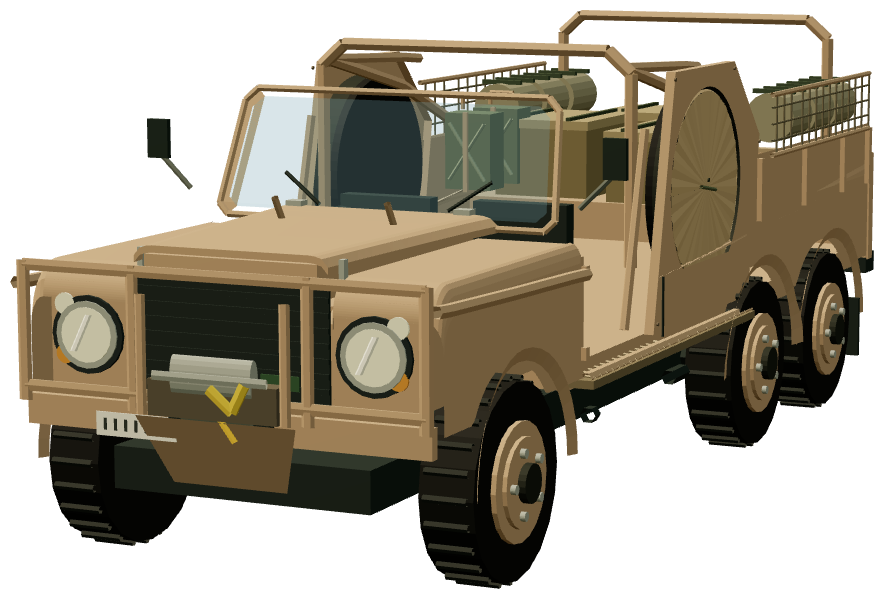
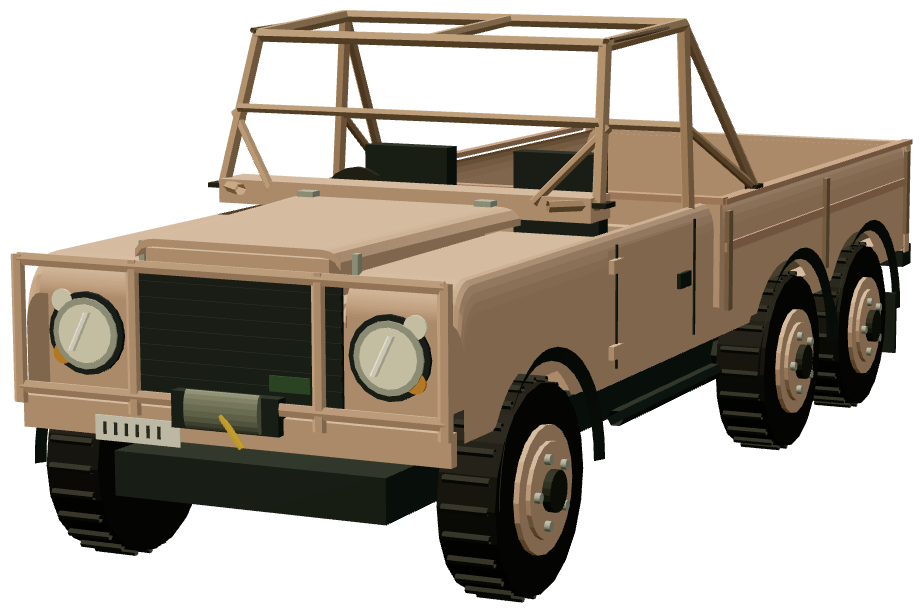
The underlying vehicle is the standard Perentie 6×6: a widened, hot-dip galvanised chassis with twin rear axles and helicopter-lift points, built under Land Rover licence by JRA Limited at Moorebank, New South Wales, powered by the turbocharged Isuzu 4BD1-T 3.9-litre diesel, delivered from March 1989 until Moorebank closed on 30 September 1992. The modules outlived the production line: a further run of replacement fibreglass rear bodies was made in 2007–08 for vehicles whose original modules had been worn out in service — which is also why so many surplus GMV bodies now turn up on the civilian market, insulated and weatherproof, converted into campers.
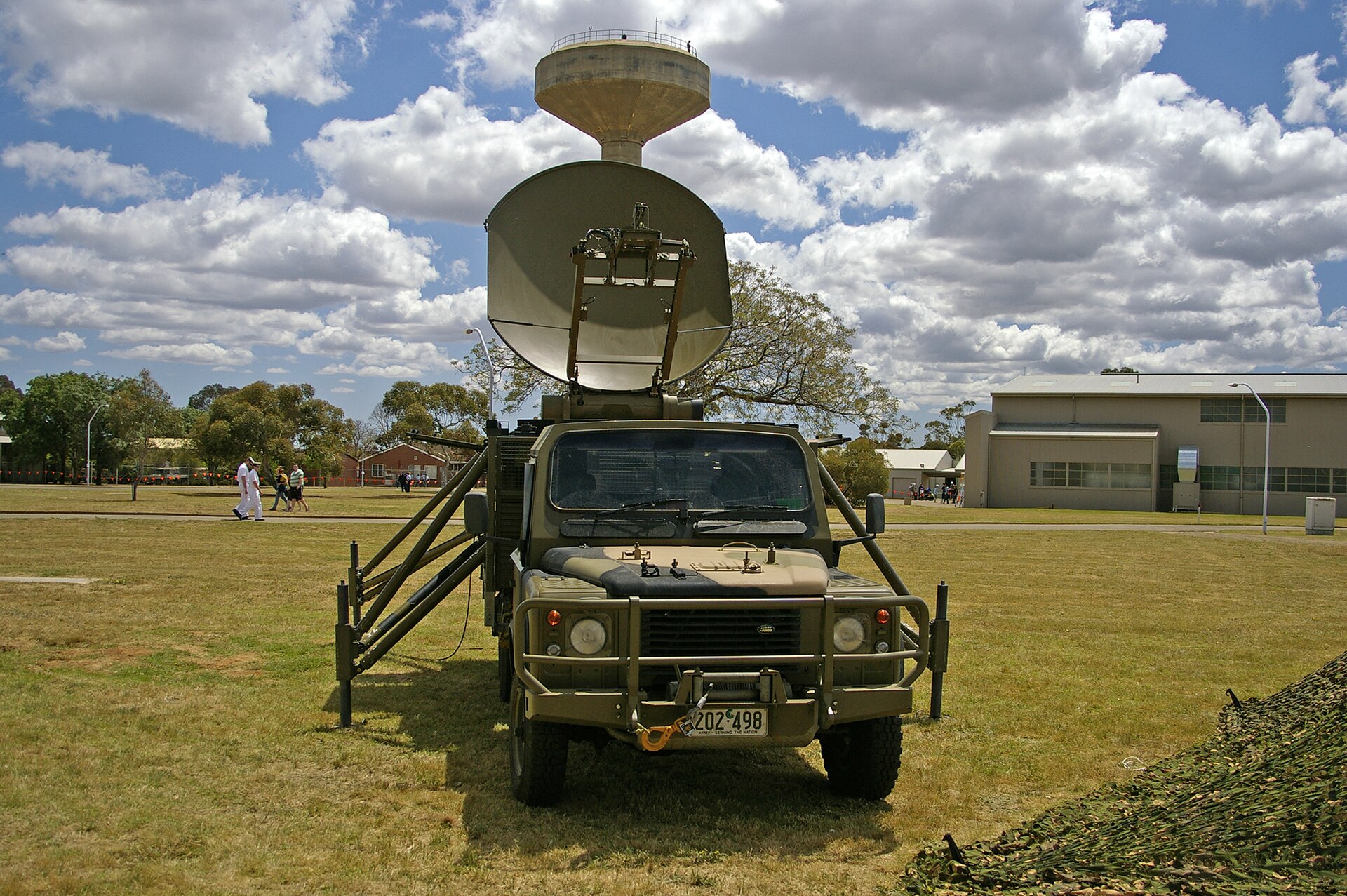
Two other 6×6 variants carry enclosed rear structures but are not part of this group: the Air Defence truck (see `perentie6-air-defence`), which carries a box body for RBS-70 missile detachments, and the RAAF's Parakeet satellite communications vehicle (see `perentie6-parakeet`).
.jpg)