The record
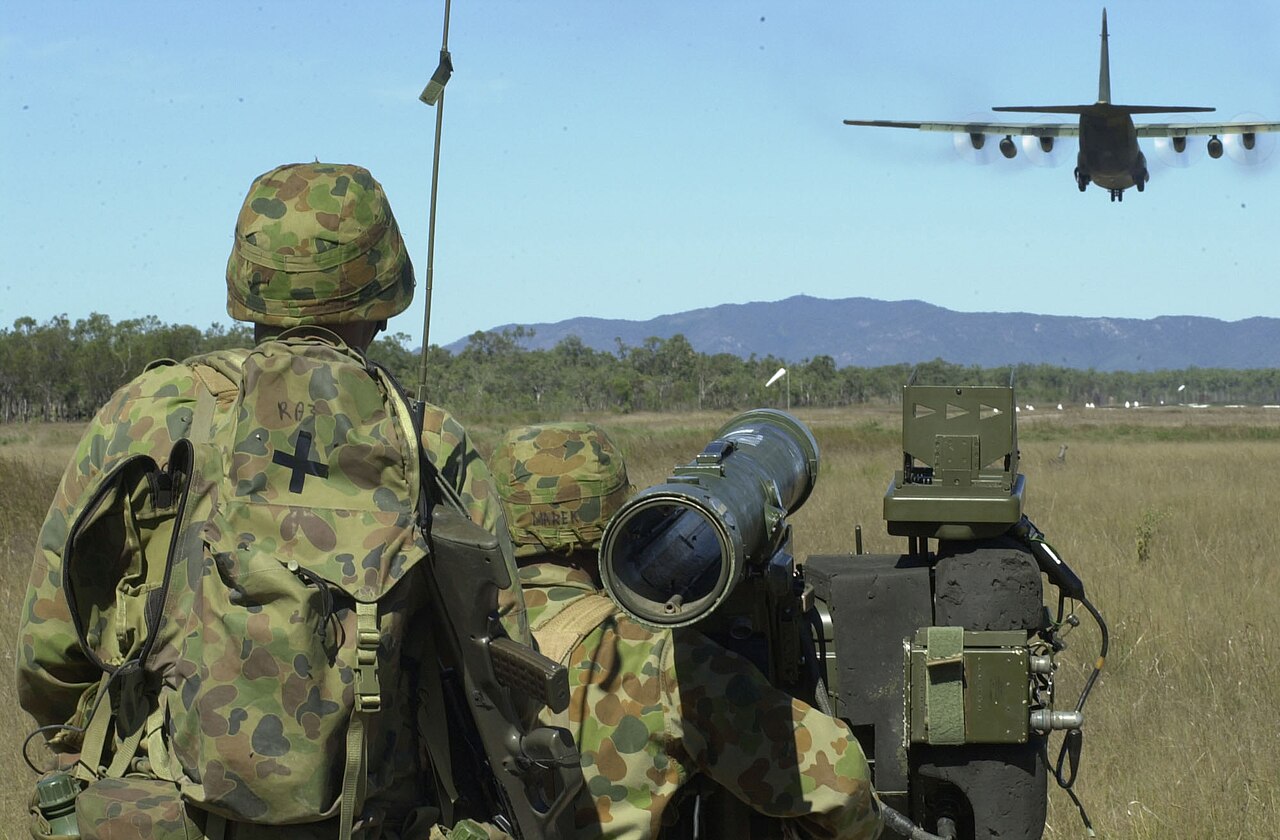
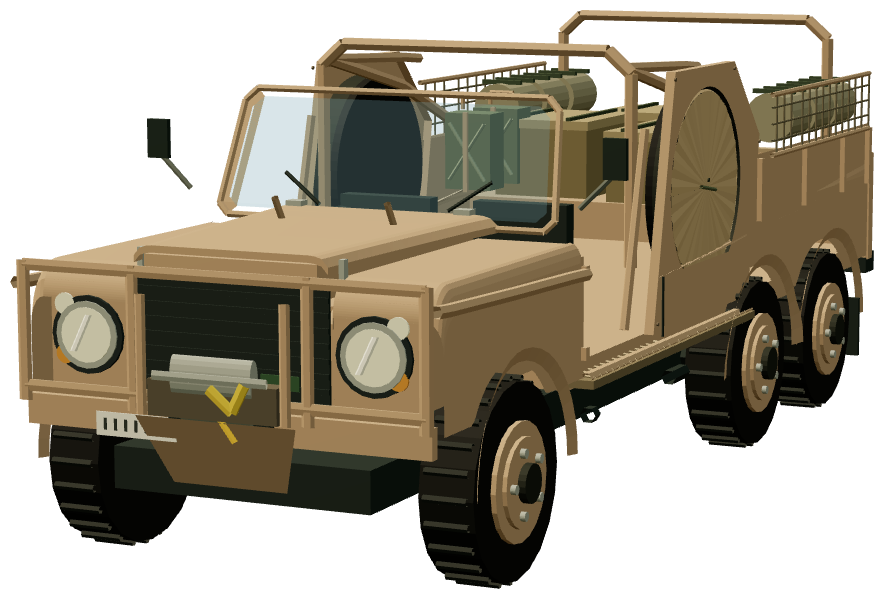
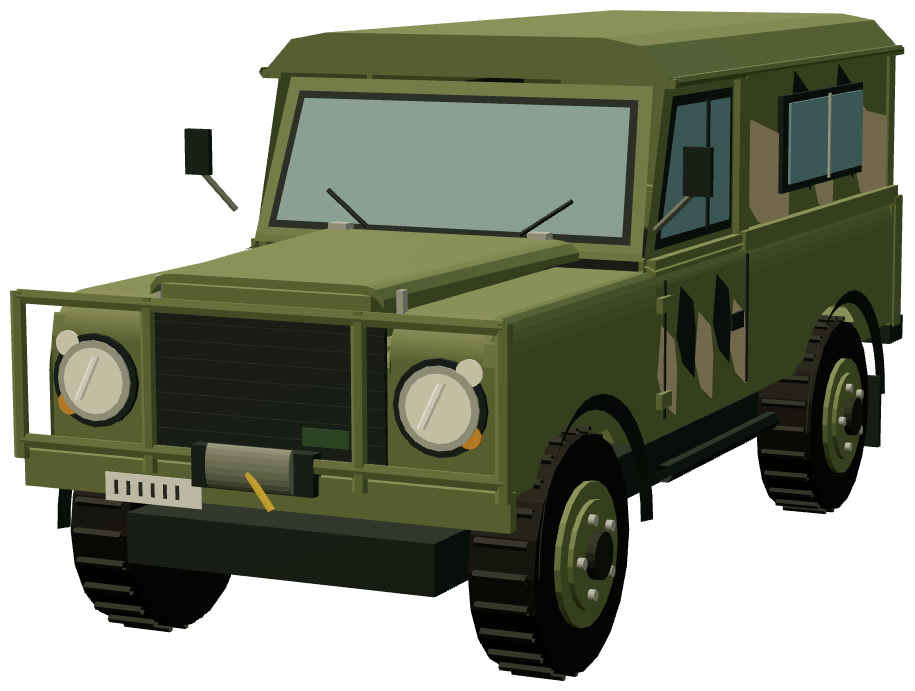
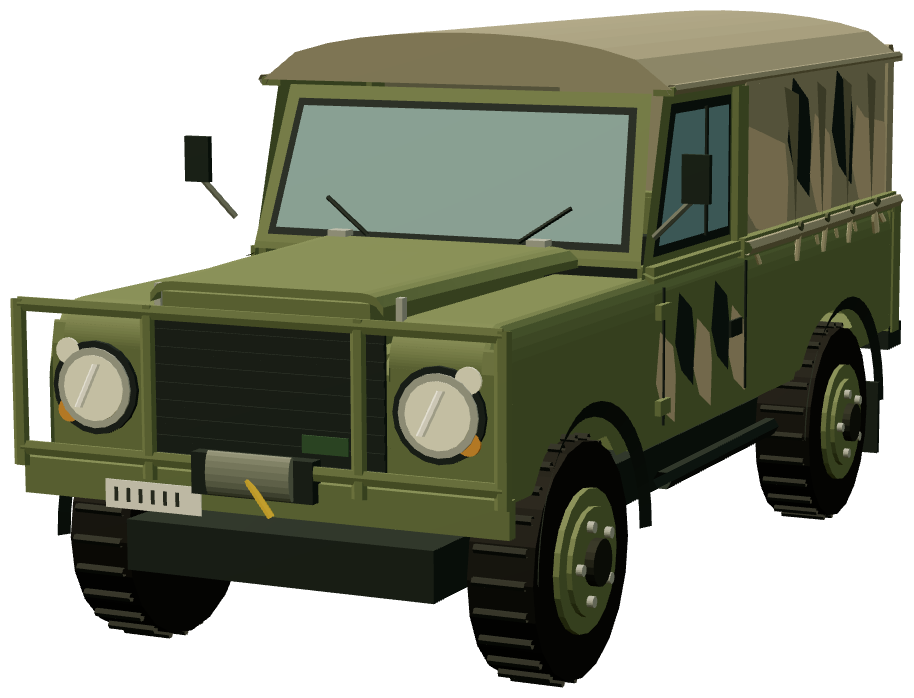
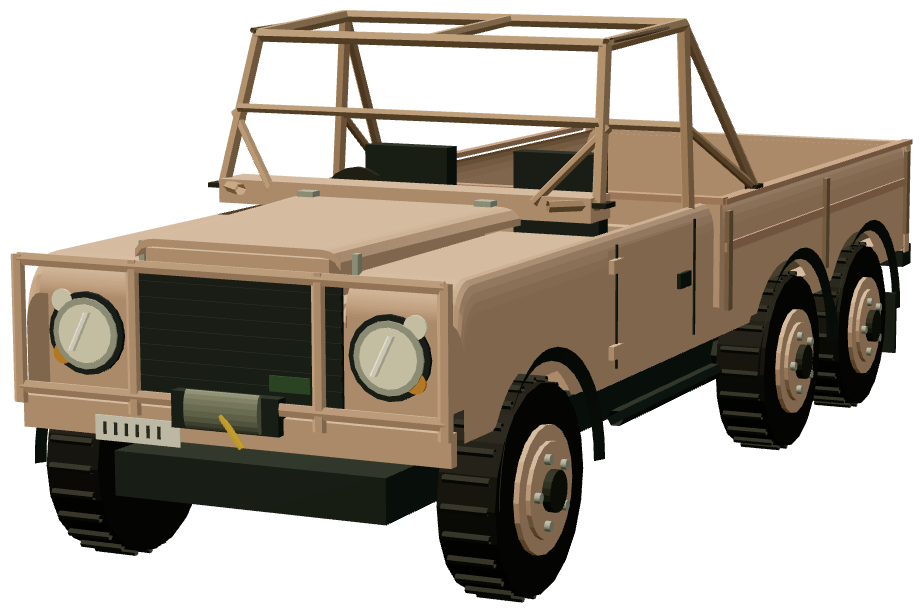
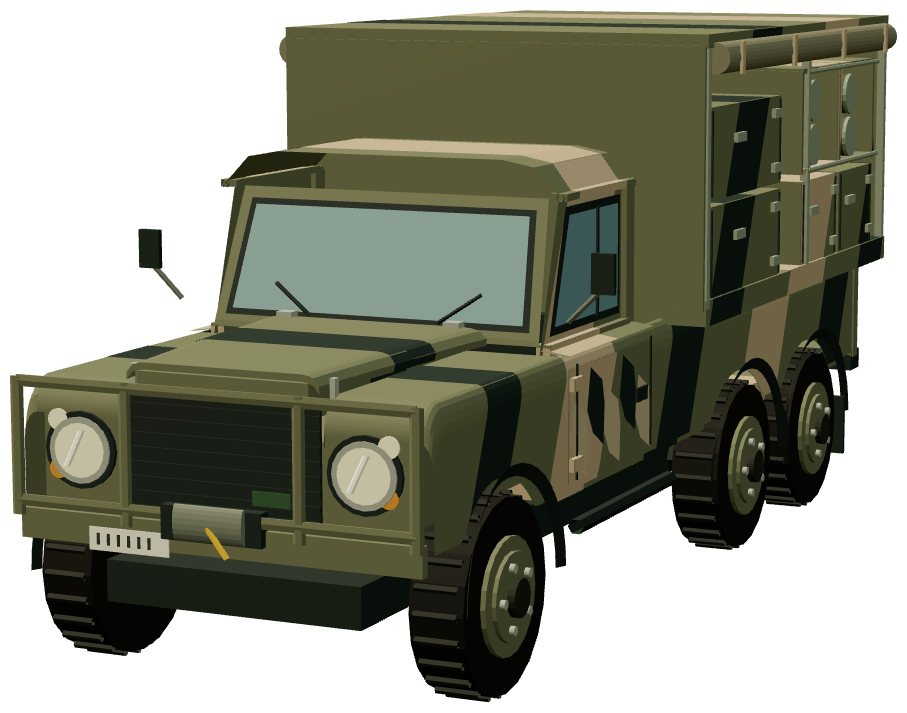
The 6x6 half of Project Perentie was a JRA Limited creation with no Solihull equivalent: a 110 chassis extended and given a third, load-sharing leaf-sprung axle, a wider cab, permanent four-wheel drive with selectable six-wheel drive, and the turbocharged Isuzu 4BD1-T rated at 90 kW. Deliveries began in March 1989. Of the 699 6x6s, the published variant table records 72 as 'Truck, Air Defence, Light, FFR, Winch, MC2' (liability code 73270/01) - the vehicle that took over from the Land Rover 101 Forward Control as the mount for Australia's short-range air defence batteries. Its stated role is to move up to three people including the driver together with six Rapier or twelve RBS-70 missiles and associated equipment; it is not itself a firing platform, and the Rapier vehicles carried a hitch mount beside the number plate for manoeuvring the towed fire unit.
REMLR argues the Air Defence Perentie is really two vehicles under one name. In its first form the bodywork was deliberately kept close to the general service 6x6 for camouflage reasons - only a valance where the sideboards would sit gave it away - while underneath the tray was entirely different: the RBS-70 version carried twelve sealed, pressurised missile containers across the front of the load area with the rear given over to ancillary equipment, and the Rapier version was fitted out for that system's rounds, optical tracker and fire unit stores. REMLR's own counts are 51 built for Rapier and 17 for RBS-70. When Rapier left Australian service the surviving RBS-70 system was upgraded, and its new transport and storage container was too large in diameter for the old racking; a rebodied 'new' Air Defence variant appeared with squarer, locker-sided coachwork closer in style to the Bushranger-built infantry 6x6s, in Target vehicle and Fire vehicle forms (50-676 is a documented example). Six vehicles were converted to that later standard from Rapier and RBS-70 stock, and others were converted back to plain general service trays, which required replacing the rear bodywork outright.
The customer was the Australian Army's only ground-based air defence unit, 16th Air Defence Regiment (now 16th Regiment, Royal Australian Artillery) at Woodside, South Australia: 111th Air Defence Battery replaced Redeye with RBS-70 in 1987, while 110th Air Defence Battery kept Rapier until 2005. Mechanically the vehicle is standard 6x6 - 3,550 kg unladen, 5.6 tonne GVM and 7.1 tonne GCM, 2,000 kg carrying capacity, a 1,500 kg towed load, two 62-litre tanks and a Thomas T9000M winch. The Perentie fleet was retired from about 2012 in favour of the Mercedes-Benz G-Wagon under Project Land 121, and disposal-auction photographs by Australian Frontline Machinery are now among the best records of the later Air Defence body.