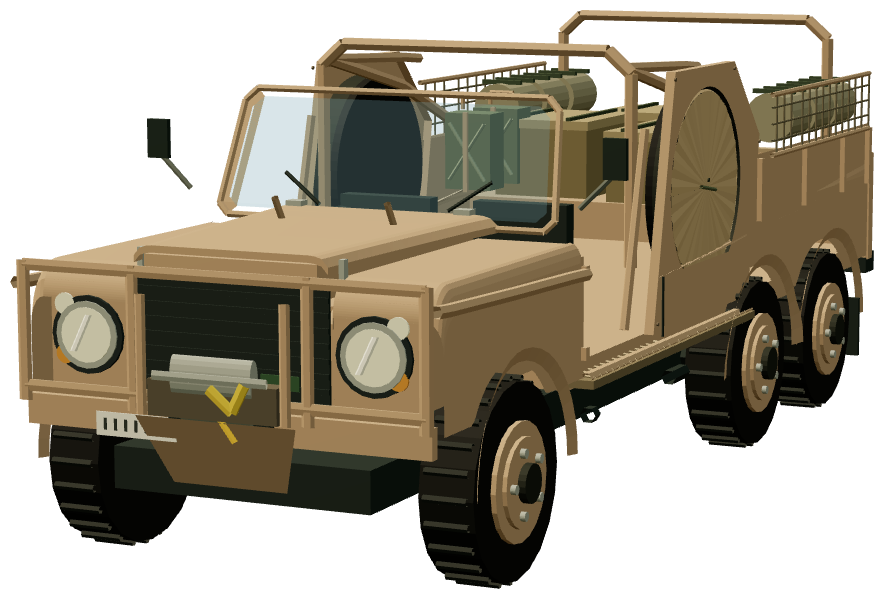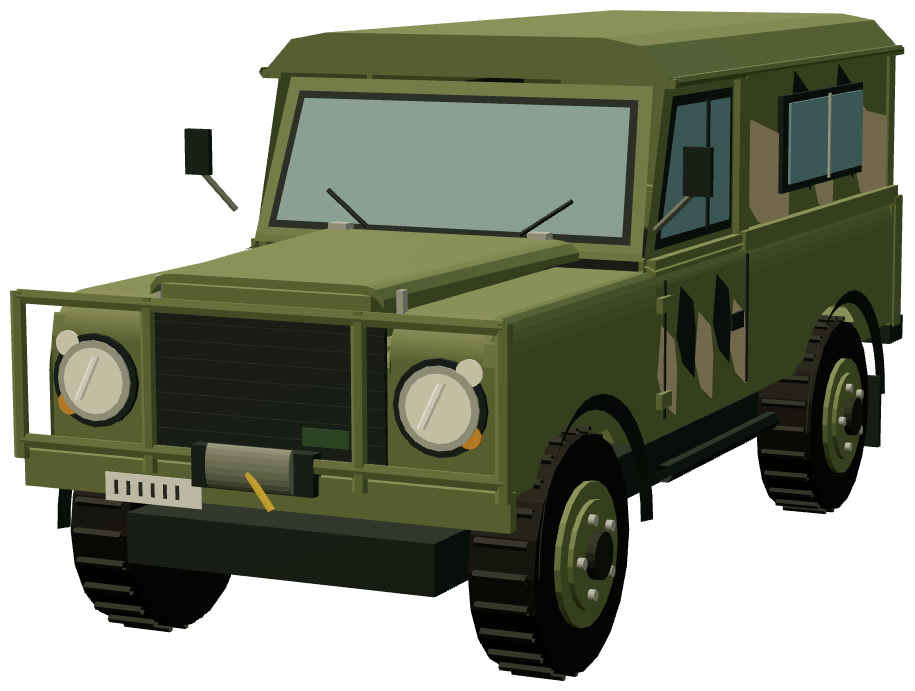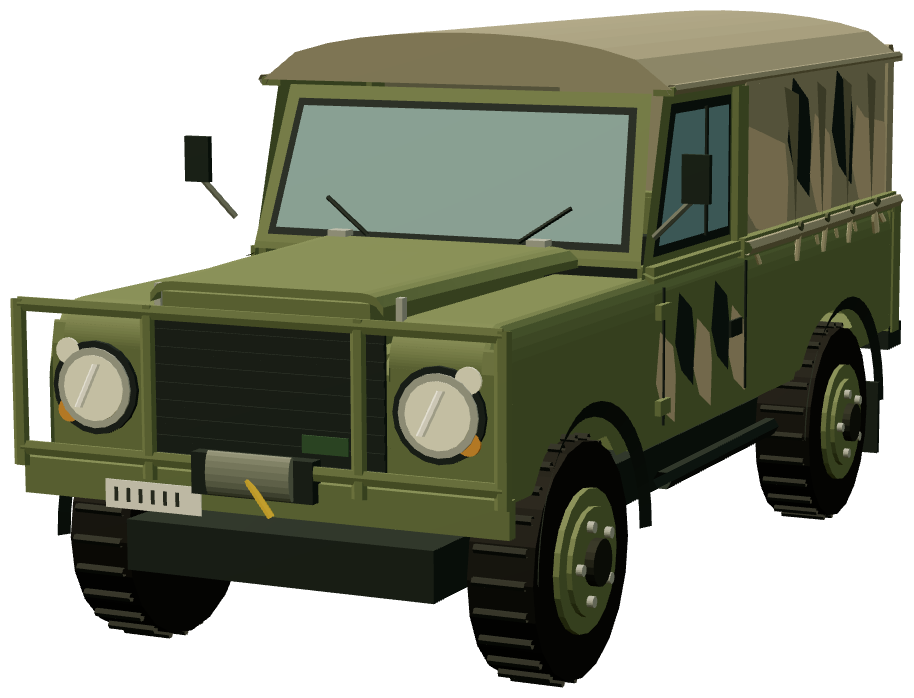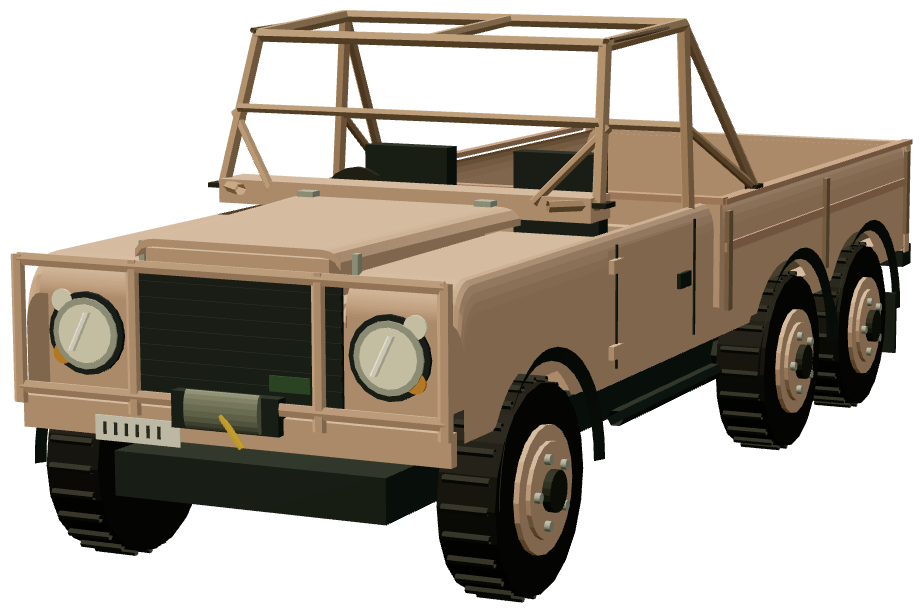
The record
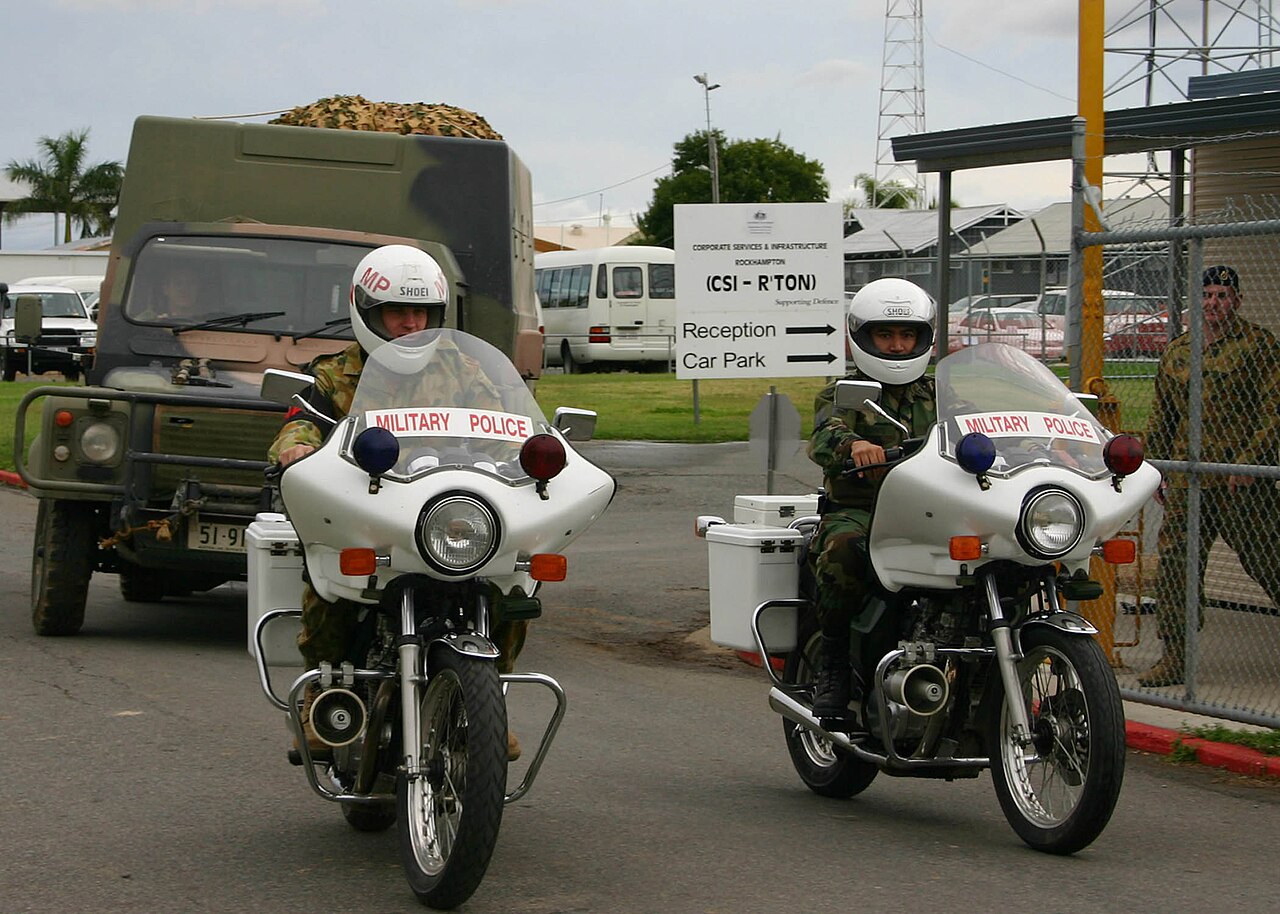
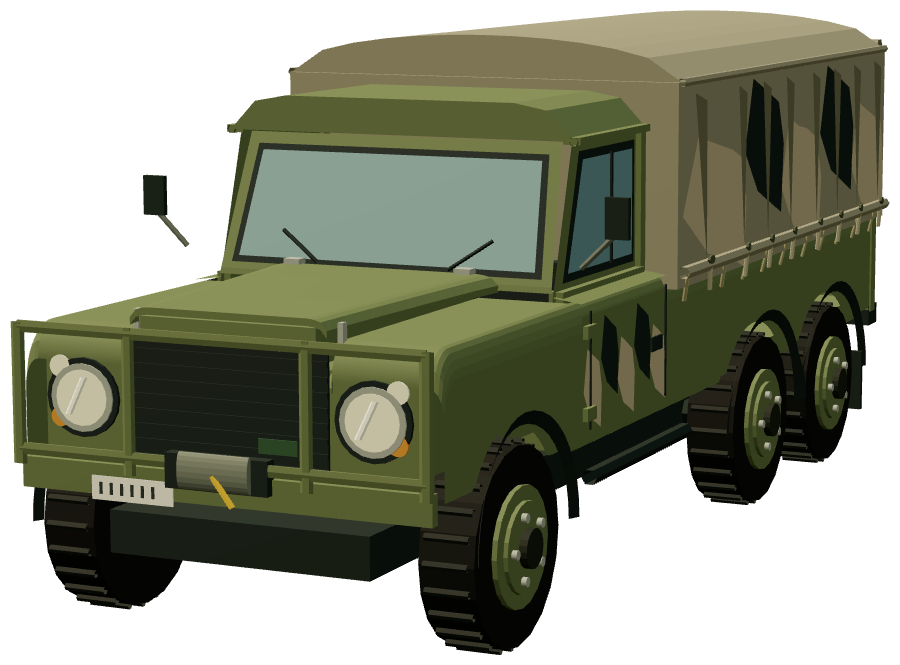
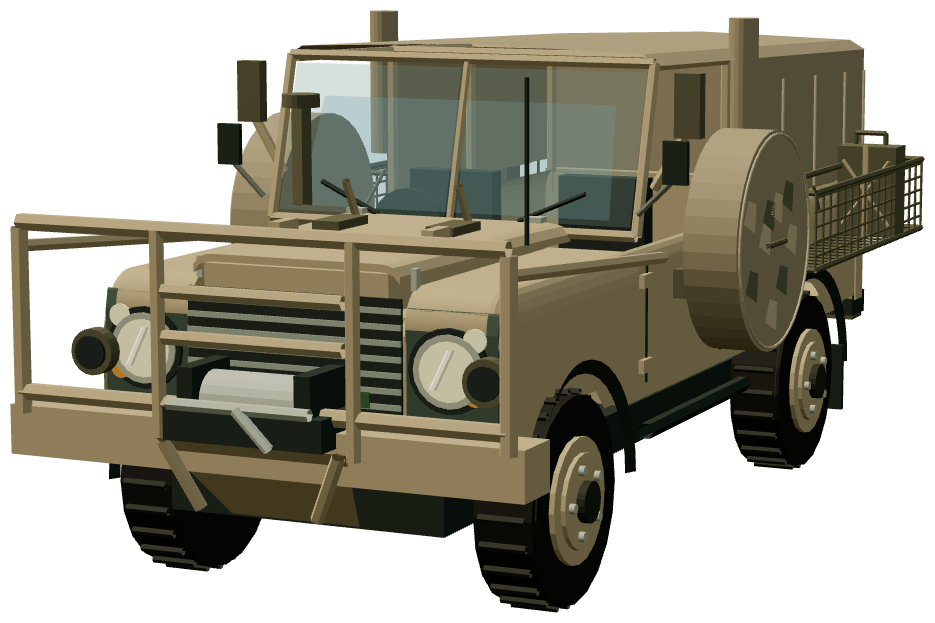
Under Project Perentie, JRA Limited (Jaguar Rover Australia) of Moorebank, New South Wales built heavily re-engineered Land Rover 110-based vehicles for the Australian Army from 1987, all powered by the Isuzu 4BD1 3.9-litre four-cylinder diesel. Among the 4x4s the variant table records 231 examples of the 'Truck, Surveillance, Lightweight, Winch, MC2' - the Regional Force Surveillance Vehicle, or RFSV (REMLR counts 243 built under Project Perentie, with a further 20 FFR-with-winch vehicles later converted to the standard). A ruggedised version of the basic canvas soft-top Perentie, the RFSV was built to carry a three-person patrol and weeks of fuel, water and stores across the most inhospitable parts of northern Australia for the Regional Force Surveillance Units - NORFORCE, the Pilbara Regiment and the 51st Battalion, Far North Queensland Regiment. It gained heavy-duty split rims, extended brush-bar protection rails, twin spare tyres, four external jerry-can mounts, extra stowage boxes, a taller roll-over protection system and a Thomas T8000M winch, with GVM raised from the usual 3,200 kg to 3,600 kg; unlike its armed cousins it was a purely unarmed surveillance vehicle.
The SRV - officially 'Truck, Lightweight, Surveillance and Reconnaissance, Winch, MC2', and the source of the SRV name used here - began as RFSV 51-735, development vehicle for what was first termed the Reconnaissance and Direct Fire Weapons Vehicle. Built under Project Bushranger with the RFSV as its template, it was designed from the outset as an armed vehicle for overseas deployments, carrying four personnel for up to three days with a rear weapon ring for a Minimi or MAG 58, side stowage racks, twin externally-mounted spares and the same uprated 3,600 kg GVM. Only 43 SRVs were built, with 12 more converted from RFSVs; most were taken to SRV (SF) specification for special forces use, with a heavier LRPV-style forward weapon ring for a .50-calibre gun, lowered roll cage and spare tyres mounted in place of the doors - 55 SRV/SRV(SF) vehicles in all.
The RFSV fleet itself was progressively upgraded, Able Industries converting more than 150 vehicles to an improved standard under Project Overlander Phase 2A with revised roll protection, storage and seating. As the ADF's Land Rover fleet gave way to Mercedes-Benz G-Wagens and Hawkeis under Project Land 121, the Perenties were retired, with surplus RFSVs appearing at Australian Frontline Machinery disposal auctions from 2013 - some still in their original configuration - and passing eagerly into the hands of overlanders and collectors. Like the rest of the Perentie programme these were JRA's own engineering rather than a Solihull product line, which is why the registry files them outside the Defender family.