The record
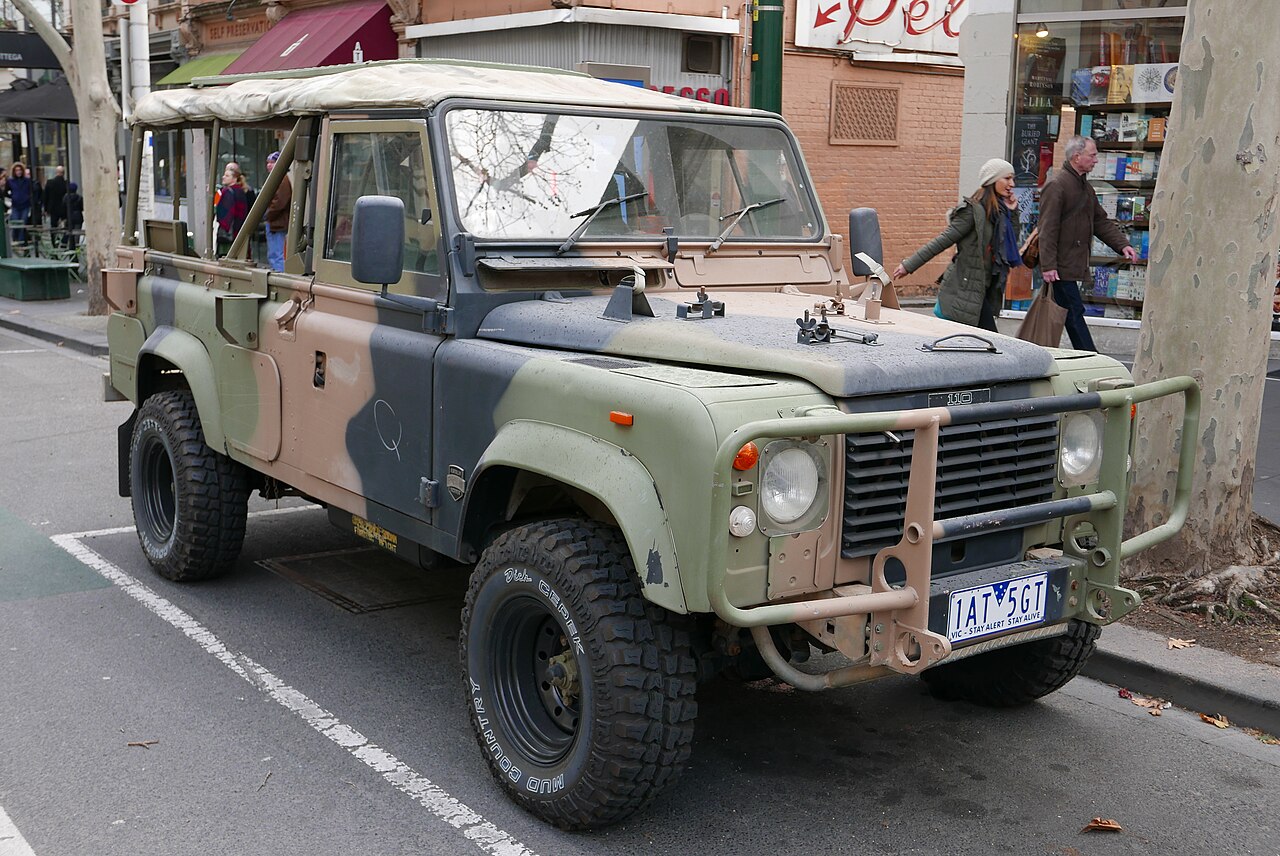
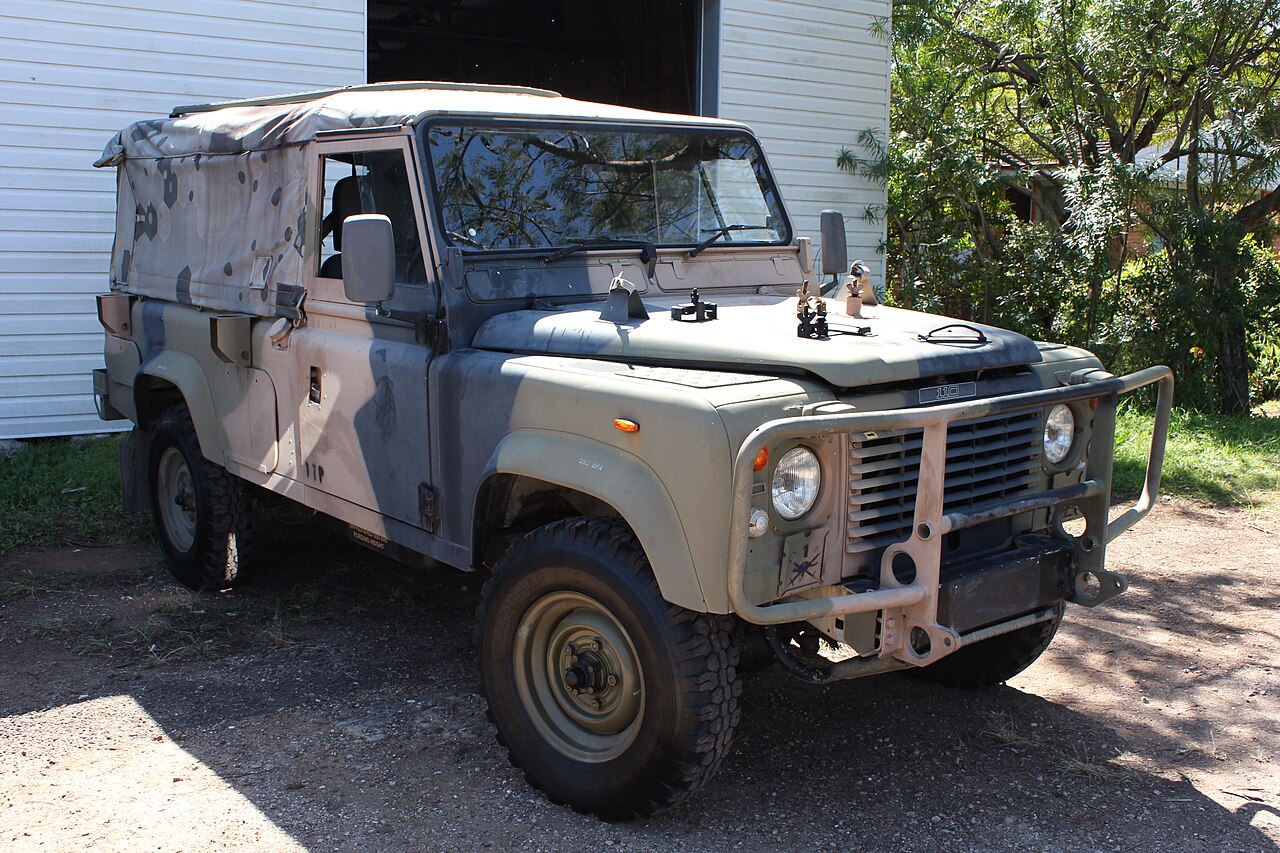
Project Perentie replaced the Australian Army's Series 3 and 101 Forward Control fleets with a locally re-engineered Land Rover 110: trials from 1981, tenders in June 1982, and vehicles built by JRA Limited (Jaguar Rover Australia) at Moorebank, New South Wales on a strengthened, hot-dip galvanised chassis around an Isuzu 4BD1 3.9-litre four-cylinder diesel. Deliveries of the 4x4s began in August 1987. Of the 3,023 4x4s built, the Fitted For Radio variants were far and away the largest single group - 964 'Truck, Utility, Lightweight, FFR, MC2' (liability code 73000) and a further 208 'Truck, Utility, Lightweight, FFR, Winch, MC2' (73010), more than a third of the whole 4x4 programme.
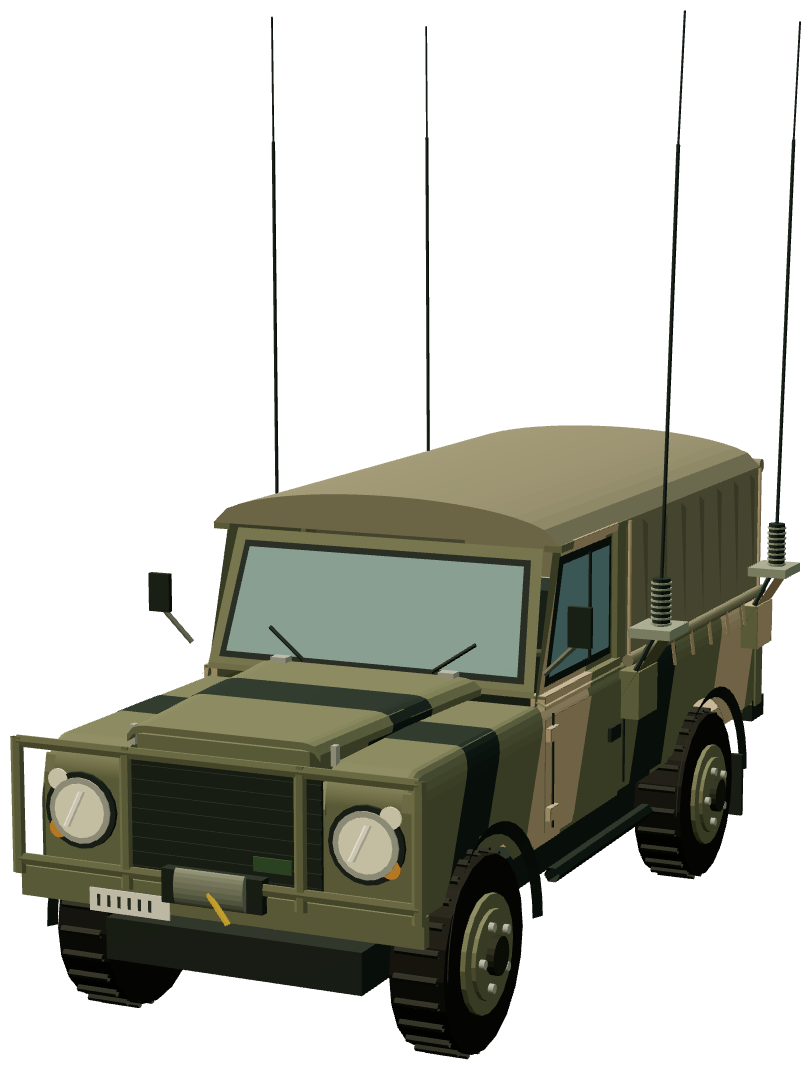
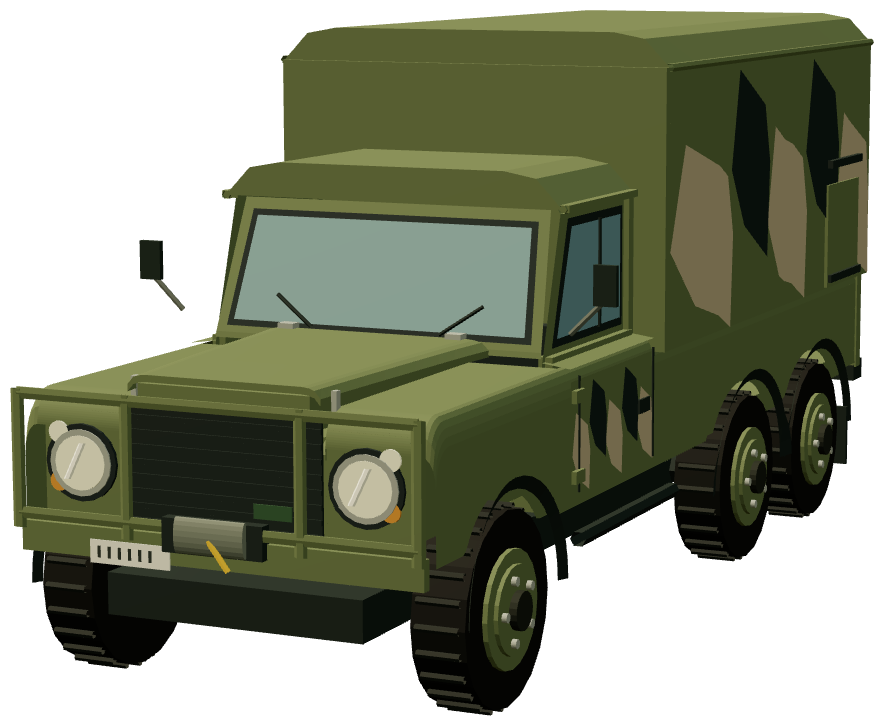
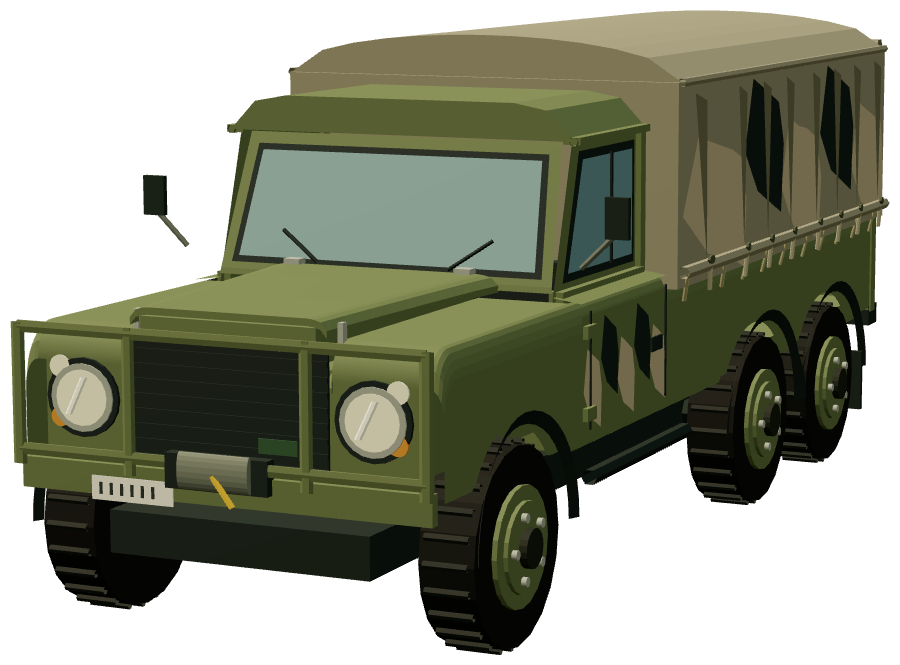
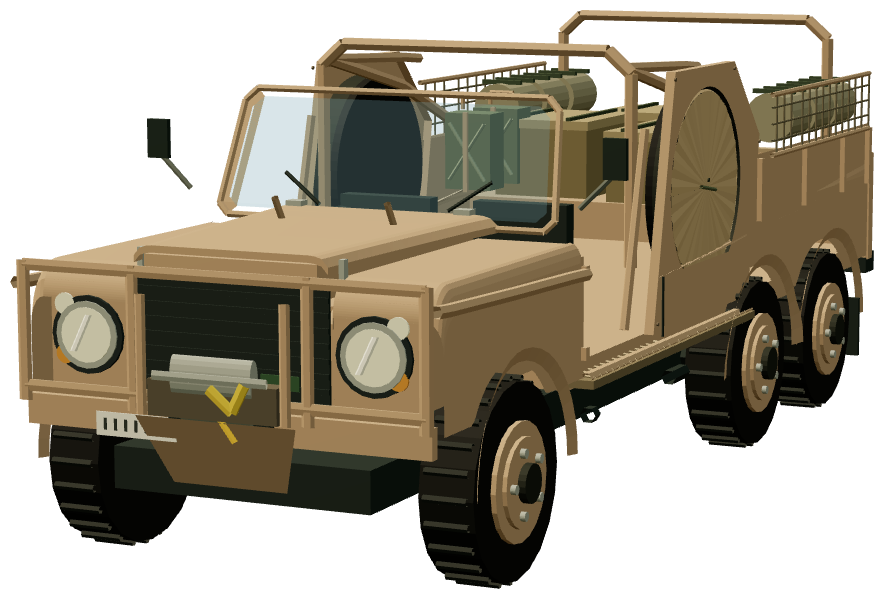
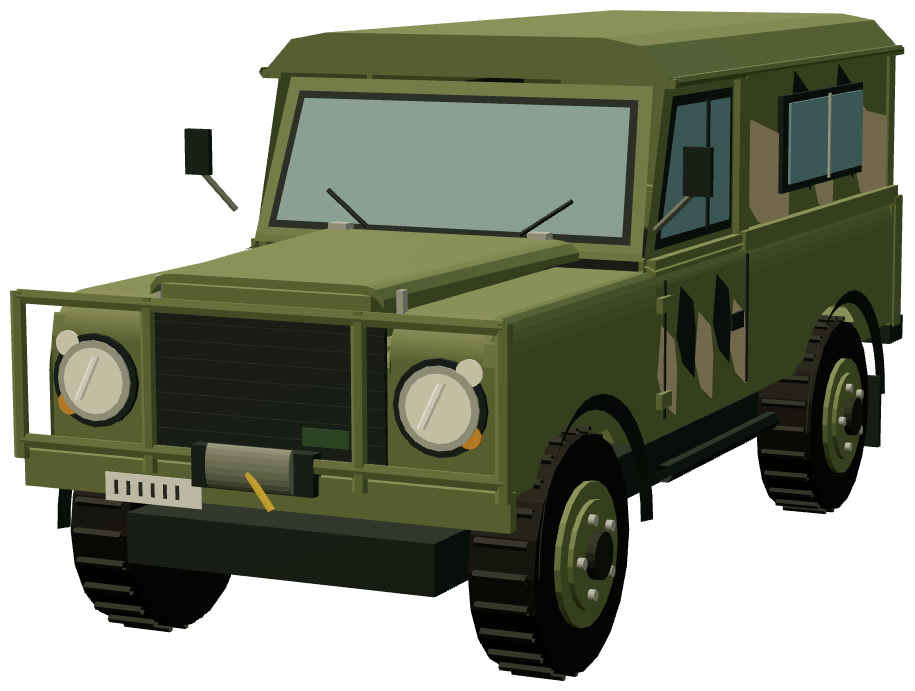
What separates an FFR from the general service Perentie is almost entirely electrical. REMLR's variant sheet records an auxiliary 28-volt system with two banks of batteries carried beneath the tray floor, one on each side of the vehicle and reached through side access doors; a power distribution panel mounted against the front bulkhead; and mounting holes provided for in-service and RAVEN radio sets. Mounts for four antennae are fixed to the sides of the tray with access holes through the side panels and matching cut-outs in the canopy, and the canvas tilt gets an additional blackout liner so the crew can work the sets at night without showing light. Externally the give-aways are that scooped, half-height fixed tailgate and the pairs of angled antenna-base shrouds on each side of the tub. Payload is 1,000 kg (900 kg with a winch fitted) made up of radio equipment and two radio operators, on an unladen mass of 2,280 kg and a 3,200 kg GVM, with a 900 kg trailer permitted; the winch version carries the Thomas T8000M.
FFRs went everywhere the Army did, from Australian barracks and field exercises to peacekeeping and stabilisation operations in East Timor, and twenty FFR-with-winch vehicles were later converted to Regional Force Surveillance Vehicle standard. The Moorebank plant closed on 30 September 1992 and the Perentie fleet was progressively retired from around 2012 as the Mercedes-Benz G-Wagon arrived under Project Land 121; surplus FFRs then reached Australian Frontline Machinery disposal auctions and, stripped of their classified radio fit, are now common in civilian hands. JRA's Perentie was an Australian engineering programme rather than a Solihull product line, which is why this registry files it outside the Defender family.
_01.jpg)
