The record
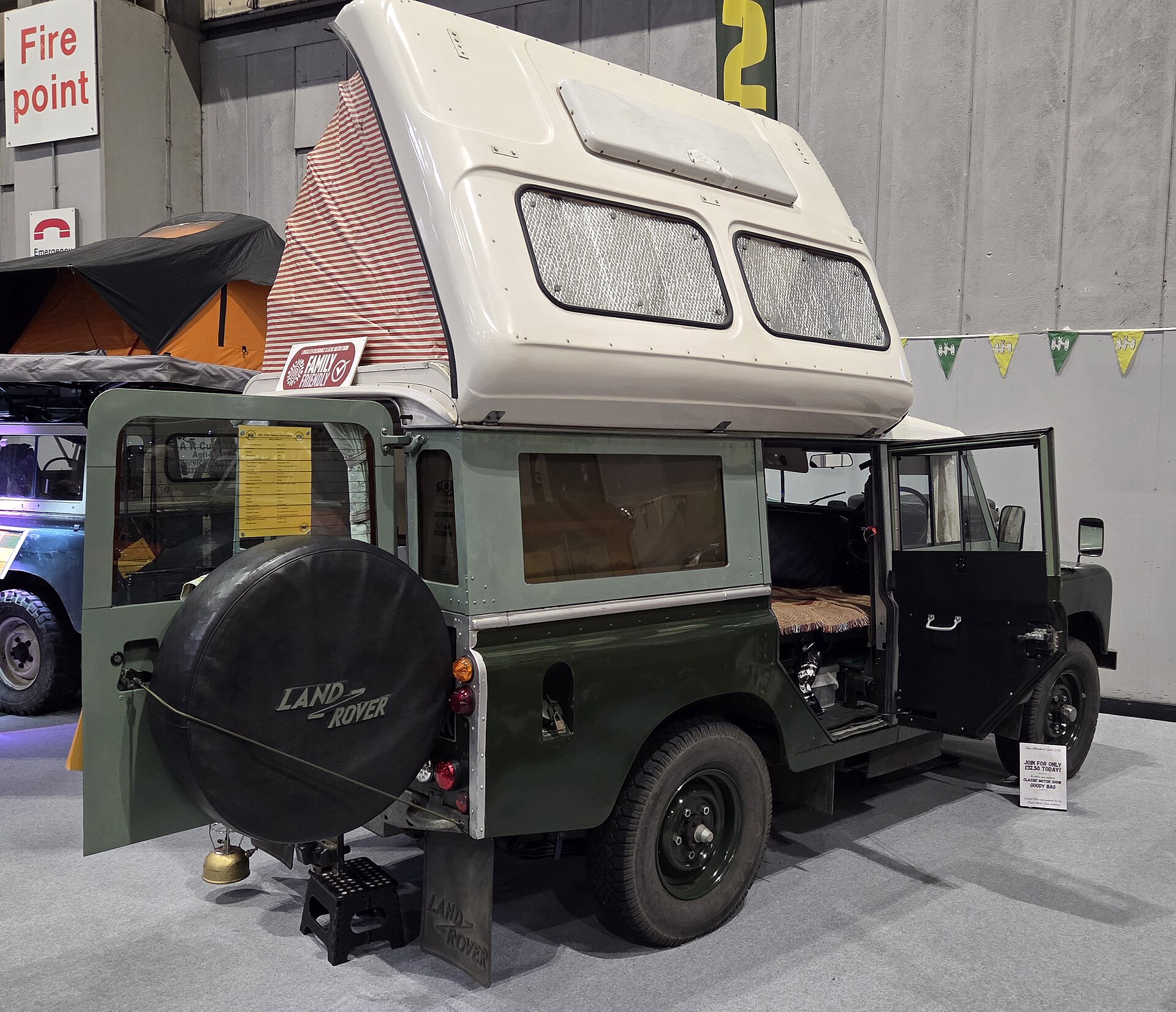
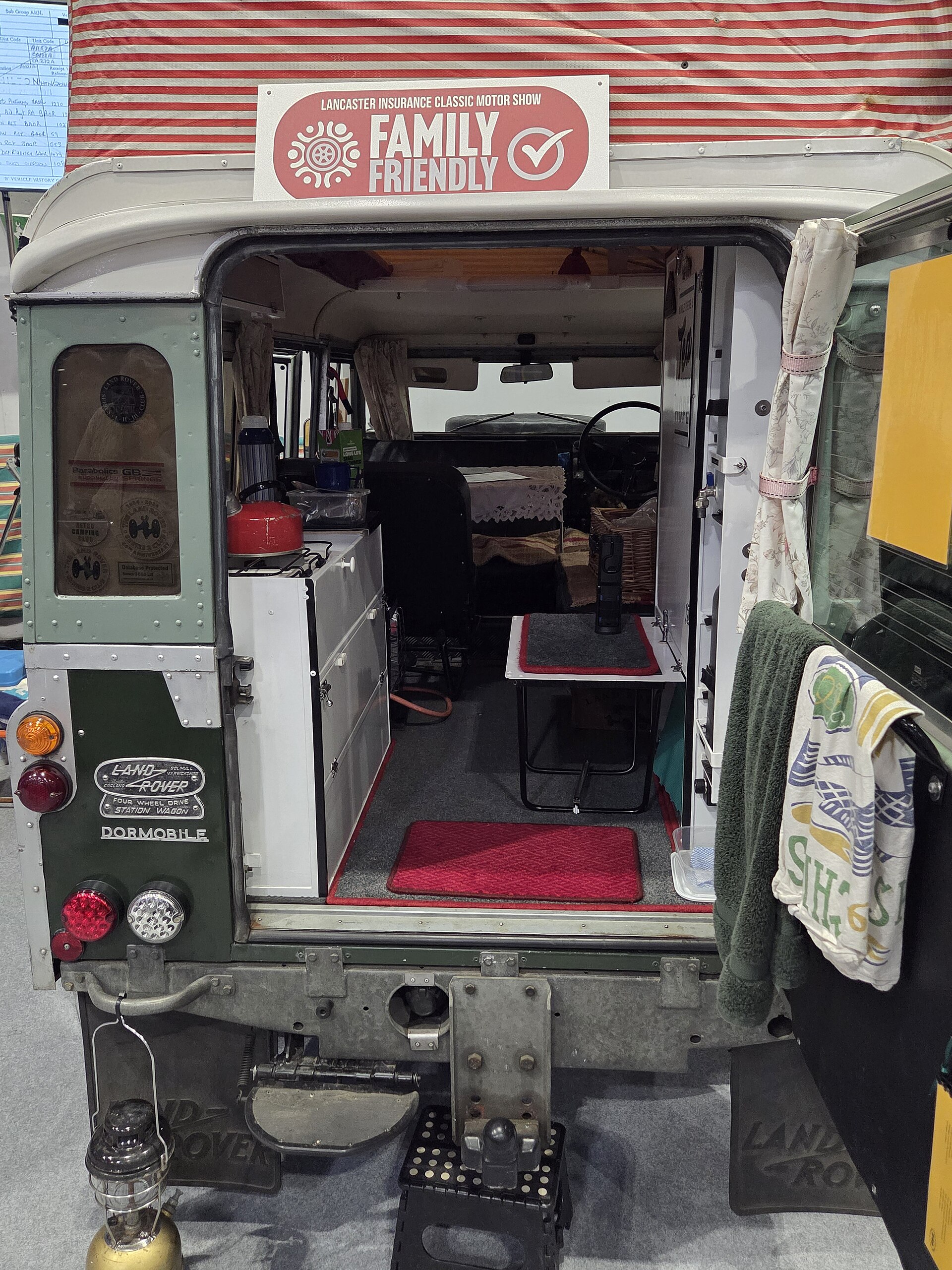
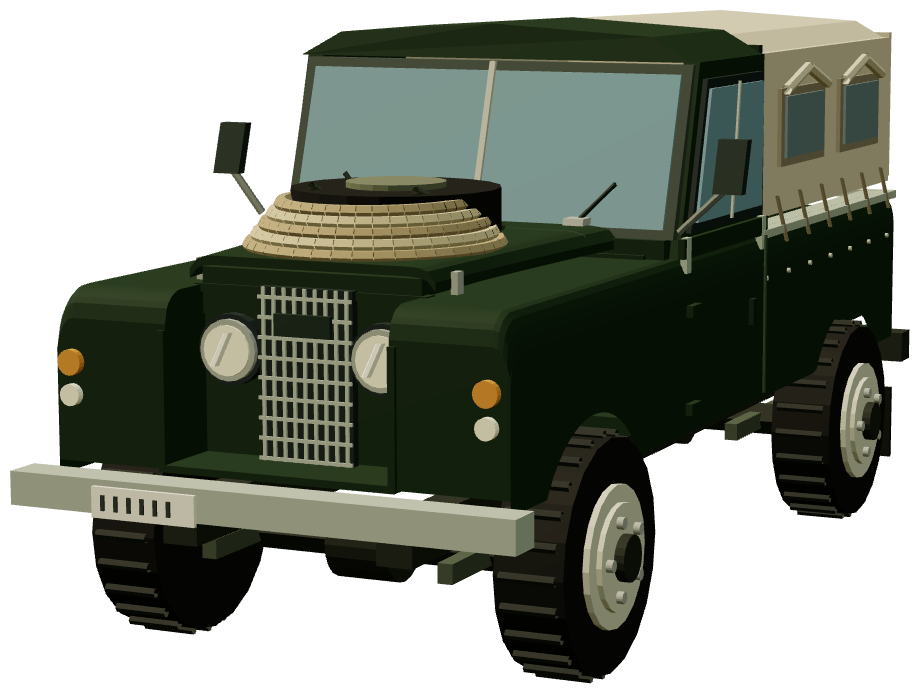
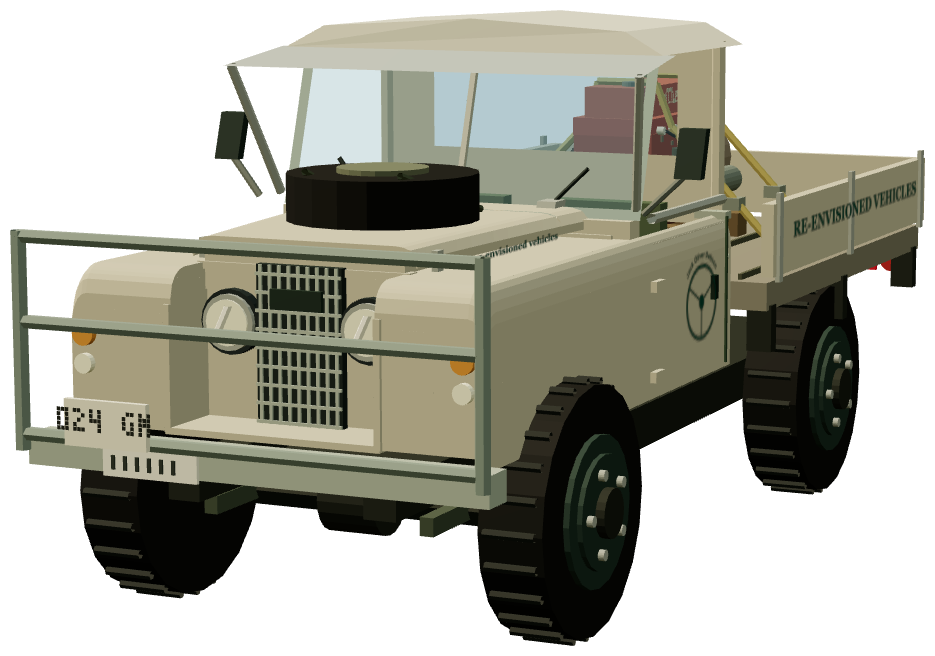
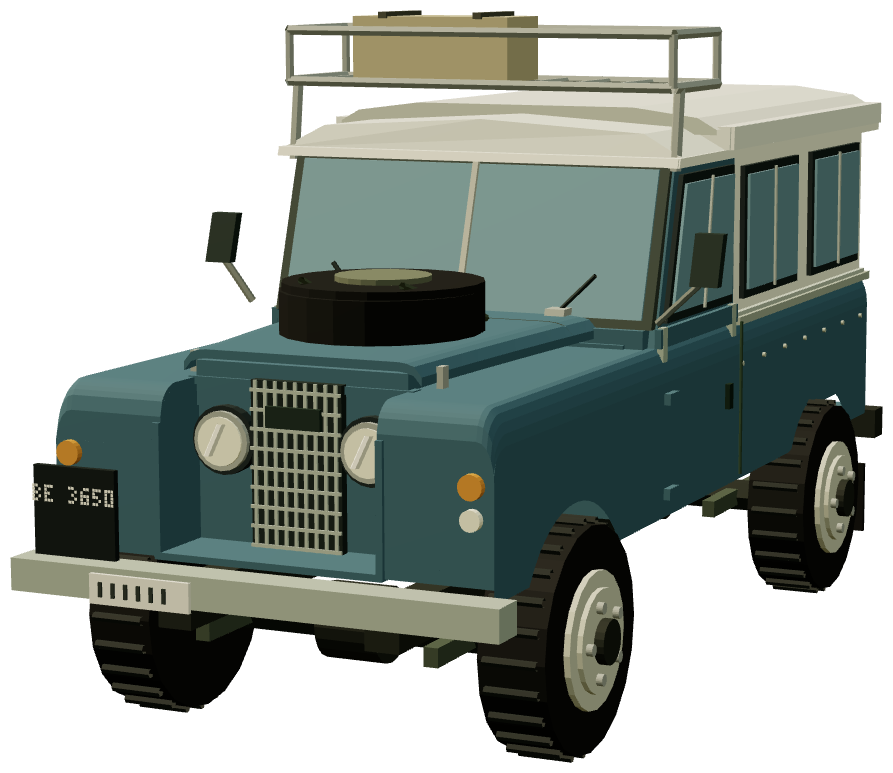
Martin Walter Ltd of Folkestone, Kent - a coachbuilding house with roots in harness-making in 1773 - created the Dormobile motor caravan on the Bedford CA van in the early 1950s and made its side-hinged elevating roof, with candy-striped fabric sides and roof windows, the signature of the marque; the Dormobile name became so famous that Dormobile Ltd was formed as its own company in 1969. In the spring of 1961 the firm added the Land Rover to its range alongside the Volkswagen, converting new 109-inch Station Wagons to order: the lifting roof gave standing headroom and carried two stretcher bunks, while the interior gained seats that folded into a double bed, a cooker, sink, water carriers, curtains, a wardrobe, a table and an external roof rack. Conversions were catalogued options ordered through Land Rover dealers - a January 1962 US price list offered the Dormobile camper at $5,280 against $3,925 for the standard 109 Station Wagon - and every factory conversion carried a riveted Martin Walter identification tag; kits were also supplied for dealer fitting, notably in North America.
Company records did not survive Martin Walter's closure, but research collated by the marque's historians estimates about 830 four-door (type 626) Station Wagon conversions at the Folkestone factory between 1961 and 1975 - roughly 725 on the Series IIA plus about 104 on the Series III - alongside an unknown number of Series II and two-door (type 625) conversions, for a rough total of a thousand Land Rover Dormobiles, at least 85 per cent of them 626 station wagons. The Land Rover Dormobile proved ideal for overland travel, and surviving examples are prized by expedition and camper enthusiasts worldwide.
Dormobile production at Folkestone ended in 1994, but the brand was revived in 1997; the present Dormobile Ltd reproduces the classic elevating roof and fits fresh caravan conversions to Land Rover 109s and Defender 110s to the original pattern.