The record
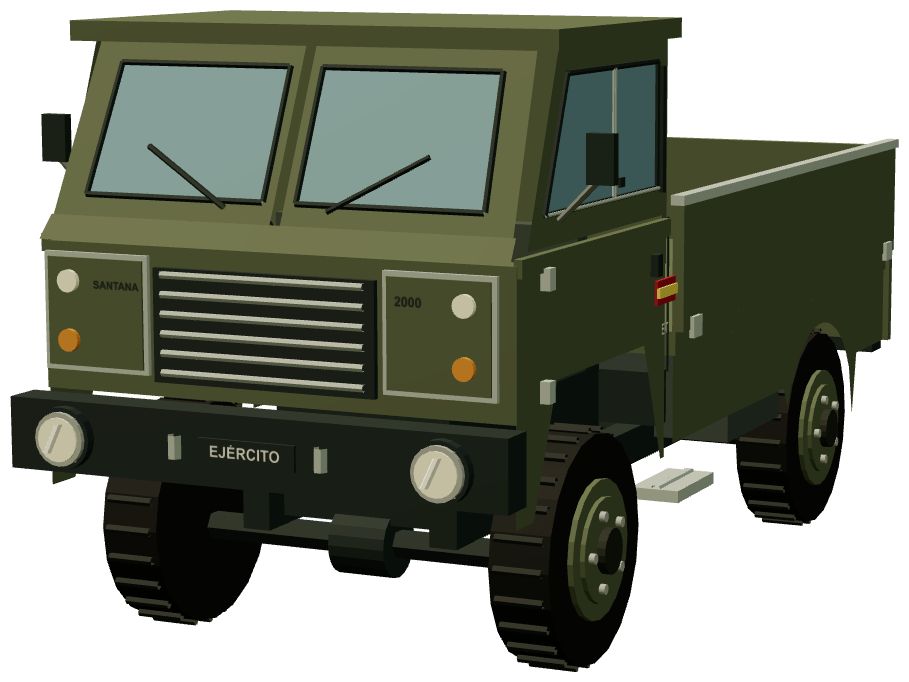
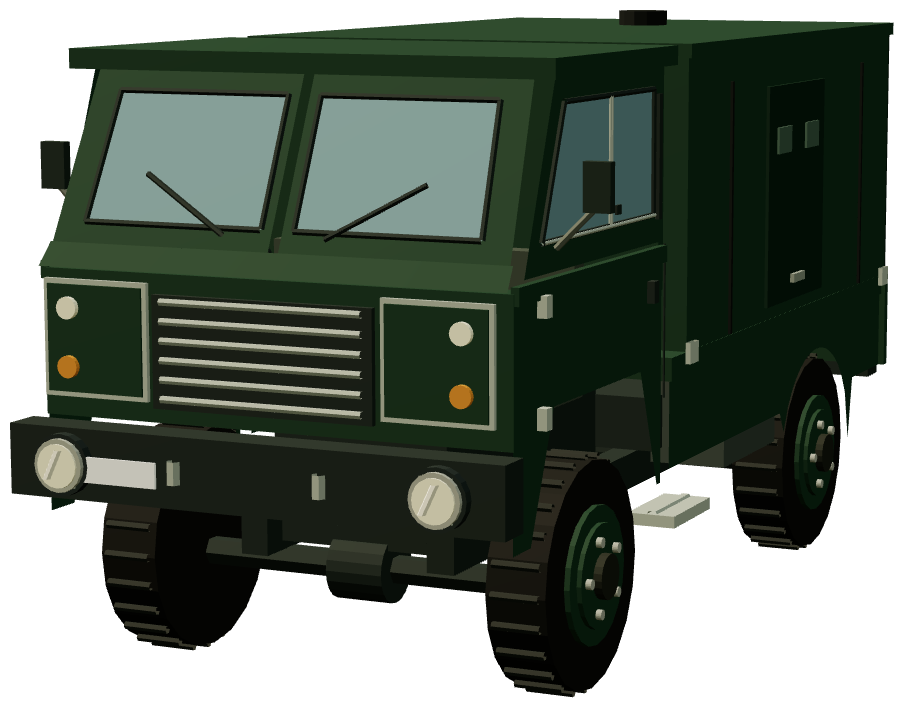
Santana Motor of Linares had been building Land Rovers under Spanish licence since 1958 when, in 1967, it launched a forward-control truck of its own: the Santana 1300, a 1.3-tonne machine on 109-inch Series IIA running gear with the cab and mechanicals moved forward to free a long load bed. In February 1979 Metalúrgica de Santa Ana replaced it with the S-2000 — the Santana 2000 — raising the payload to two tonnes and enlarging the cab. Both engine options were Santana's own 3,429 cc straight six: 104 CV at 4,000 rpm with 241 Nm at 1,500 rpm on petrol, or 94 CV at 4,000 rpm with 309 Nm at 1,800 rpm on diesel, driving through a four-speed synchromesh gearbox and a two-speed transfer case. The truck was 4,949 mm long and 1,960 mm wide, stood 2,235 mm to the top of the cab, cleared 280 mm and grossed 4,600 kg.
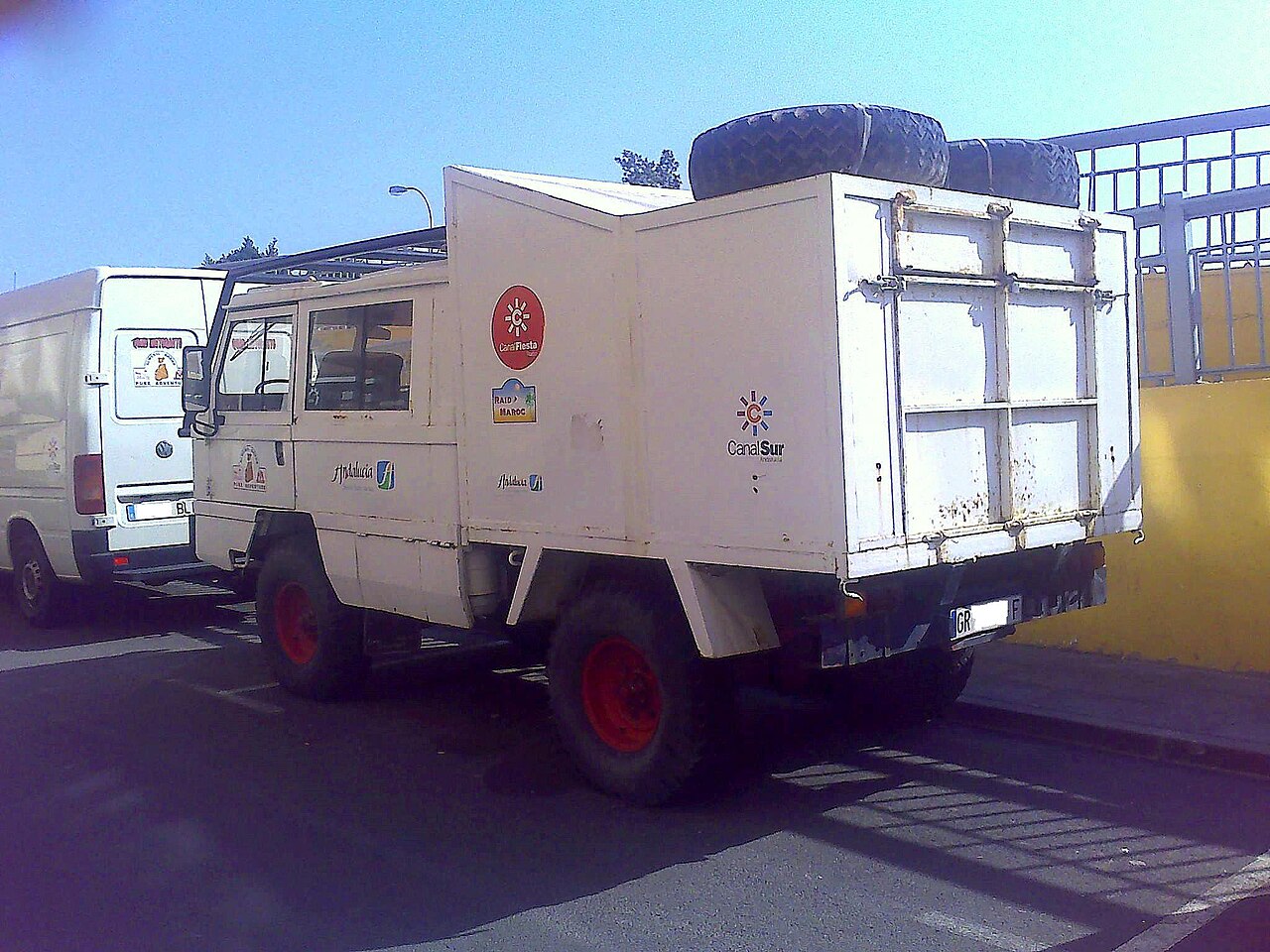
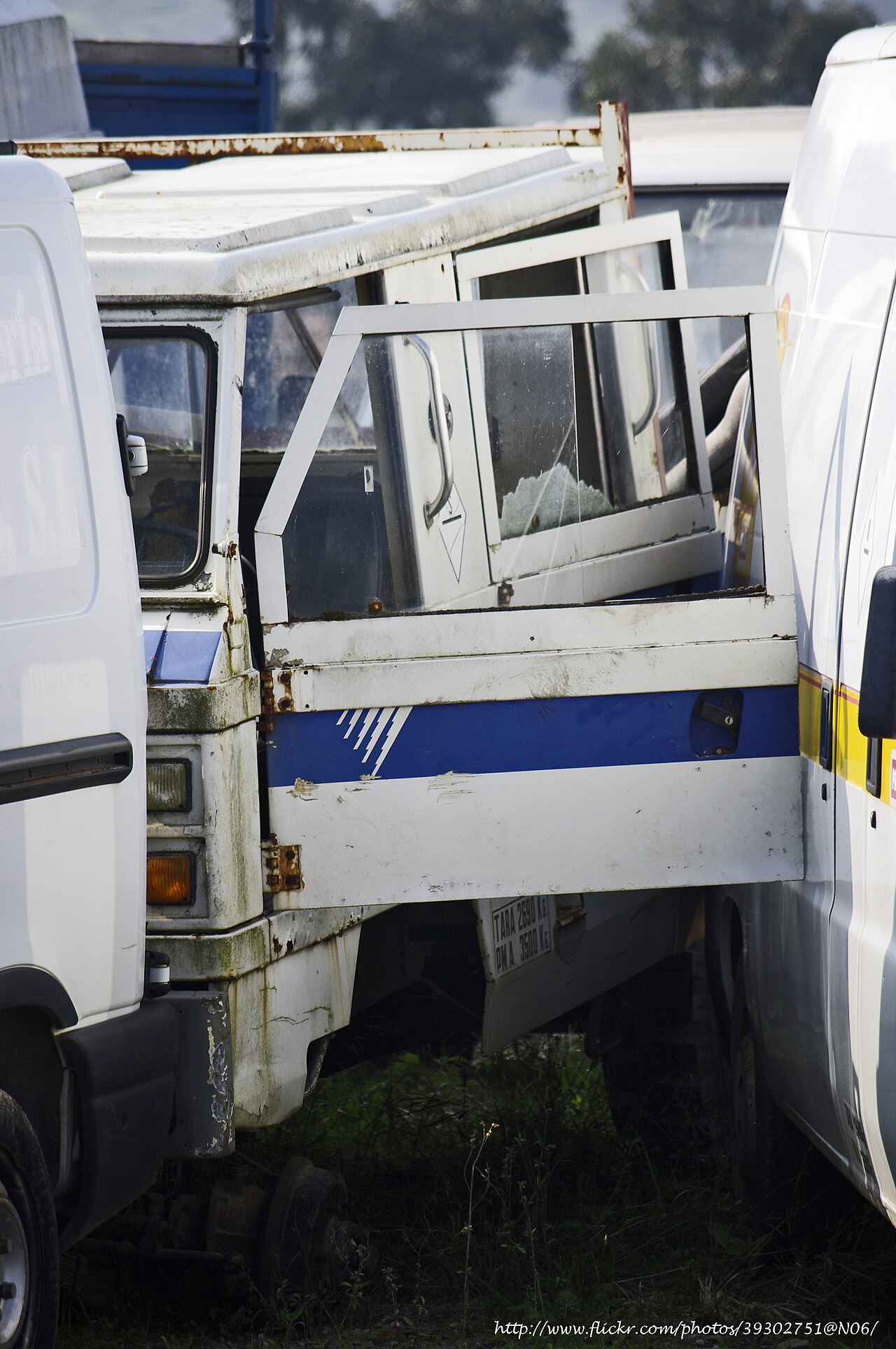
The 2000 was sold as a chassis-cab and bodied to order. Santana's own catalogue listed a tipper, a crane platform, a snow plough, an insulated van, an irrigation tanker and fire-fighting equipment; independent bodybuilders added many more. The simplest of them all is the flat tray — a plain steel or timber platform with drop sides, often with a headboard behind the cab — and it was this that made the 2000 a mainstay of farms, quarries, public works departments and forestry services. With the cab over the front axle, the platform sits low and long relative to the vehicle's overall length, and permanent four-wheel drive with 280 mm of clearance let it work well off the road. The related and larger Santana 3000 carried the same idea on a heavier chassis.
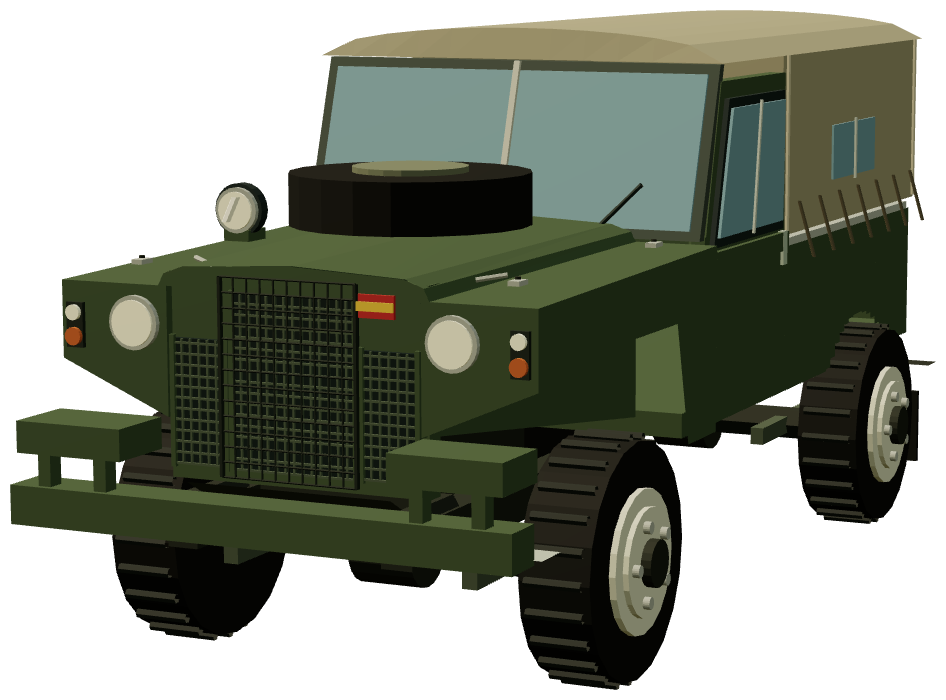
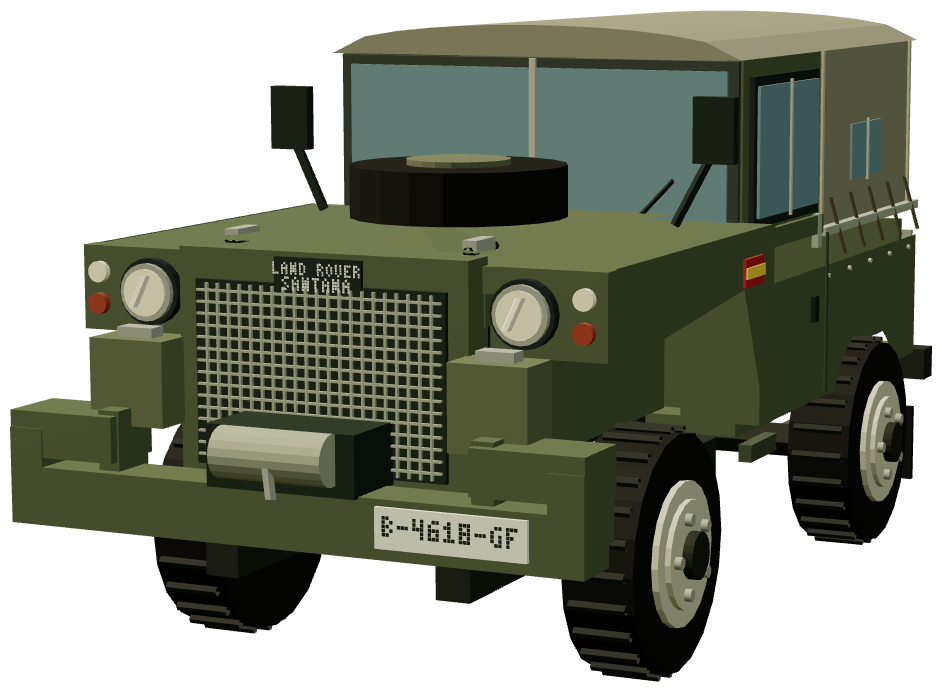
This record presents the tray in Spanish military finish. Santana's documented military business, however, ran through the 88 Ligero, the 109 Militar and later the Aníbal rather than the forward-control trucks, and no source consulted for this record confirms Spanish armed forces use of the Santana 2000 platform truck. The base vehicle and body style are real; the military service is unverified, and the record is left as a draft pending better evidence.
Research status: draft — identification, dates or figures could not all be pinned down; the summary says what is unresolved.

.jpg)