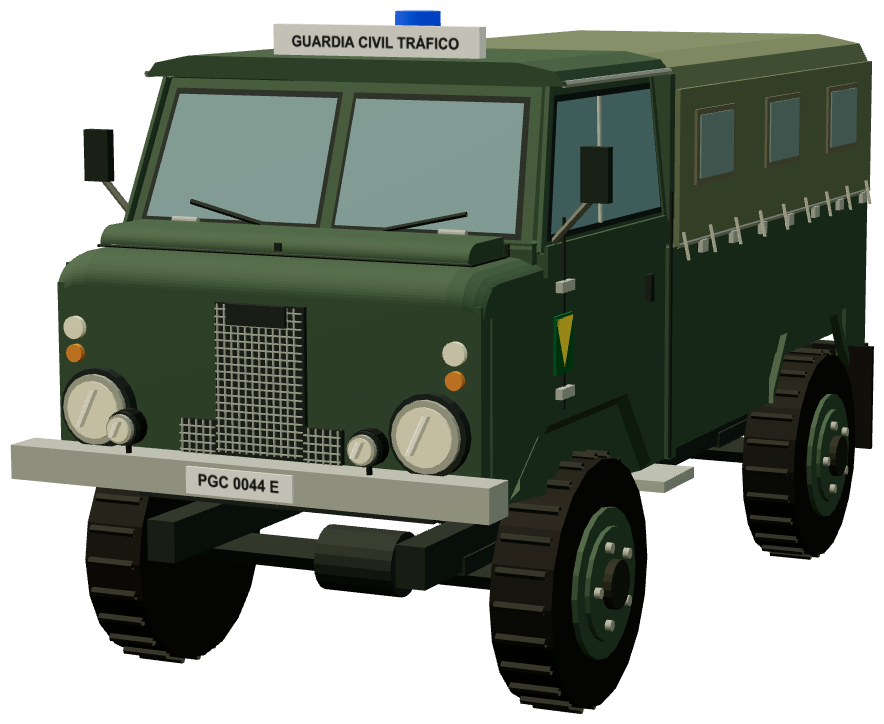
The record
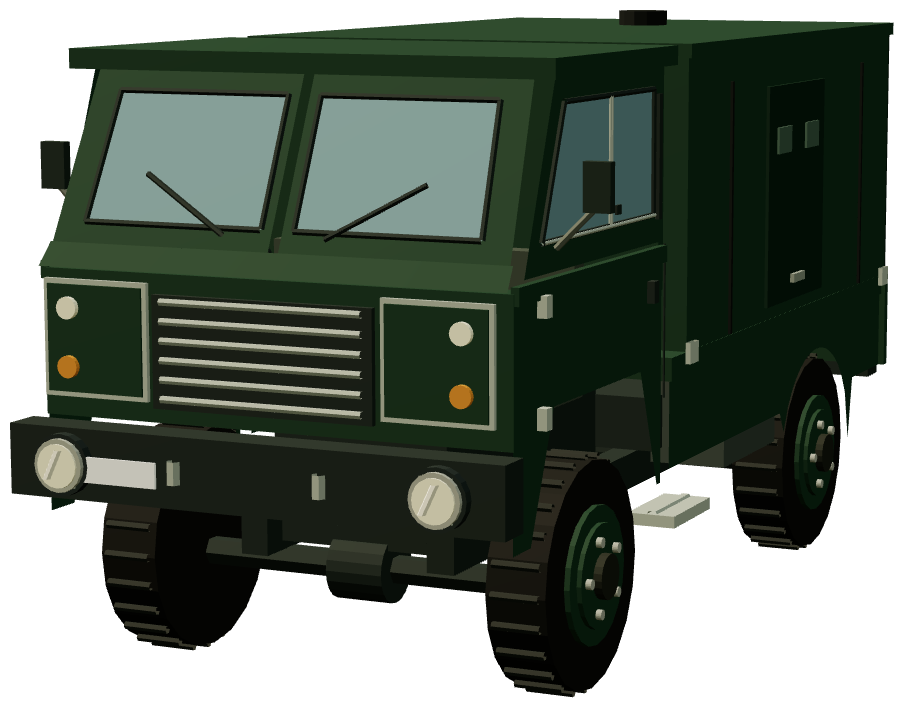
Santana Motor of Linares built Land Rovers under Spanish licence from 1958, and in 1967 added a forward-control truck of its own design, the 1.3-tonne Santana 1300, on 109-inch Series IIA running gear. In February 1979 Metalúrgica de Santa Ana presented its successor: the S-2000, or Santana 2000, with a two-tonne payload and a larger forward cab. Power came from Santana's own 3,429 cc straight six — 104 CV at 4,000 rpm and 241 Nm at 1,500 rpm on petrol, 94 CV at 4,000 rpm and 309 Nm at 1,800 rpm on diesel — through a four-speed synchromesh gearbox and a two-speed transfer case with four-wheel drive. In standard form it was 4,949 mm long, 1,960 mm wide and 2,235 mm high, cleared 280 mm and grossed 4,600 kg.
The 2000 was marketed as a chassis-cab so that each customer could specify the body, and Santana's own list ran to tippers, crane platforms, snow ploughs, insulated vans, irrigation tankers and fire-fighting equipment. That flexibility, combined with two tonnes of payload, permanent four-wheel drive and a great deal of ground clearance, made it an obvious basis for an expedition motorhome: a chassis that could carry a full living body into places a conventional camper could not follow.
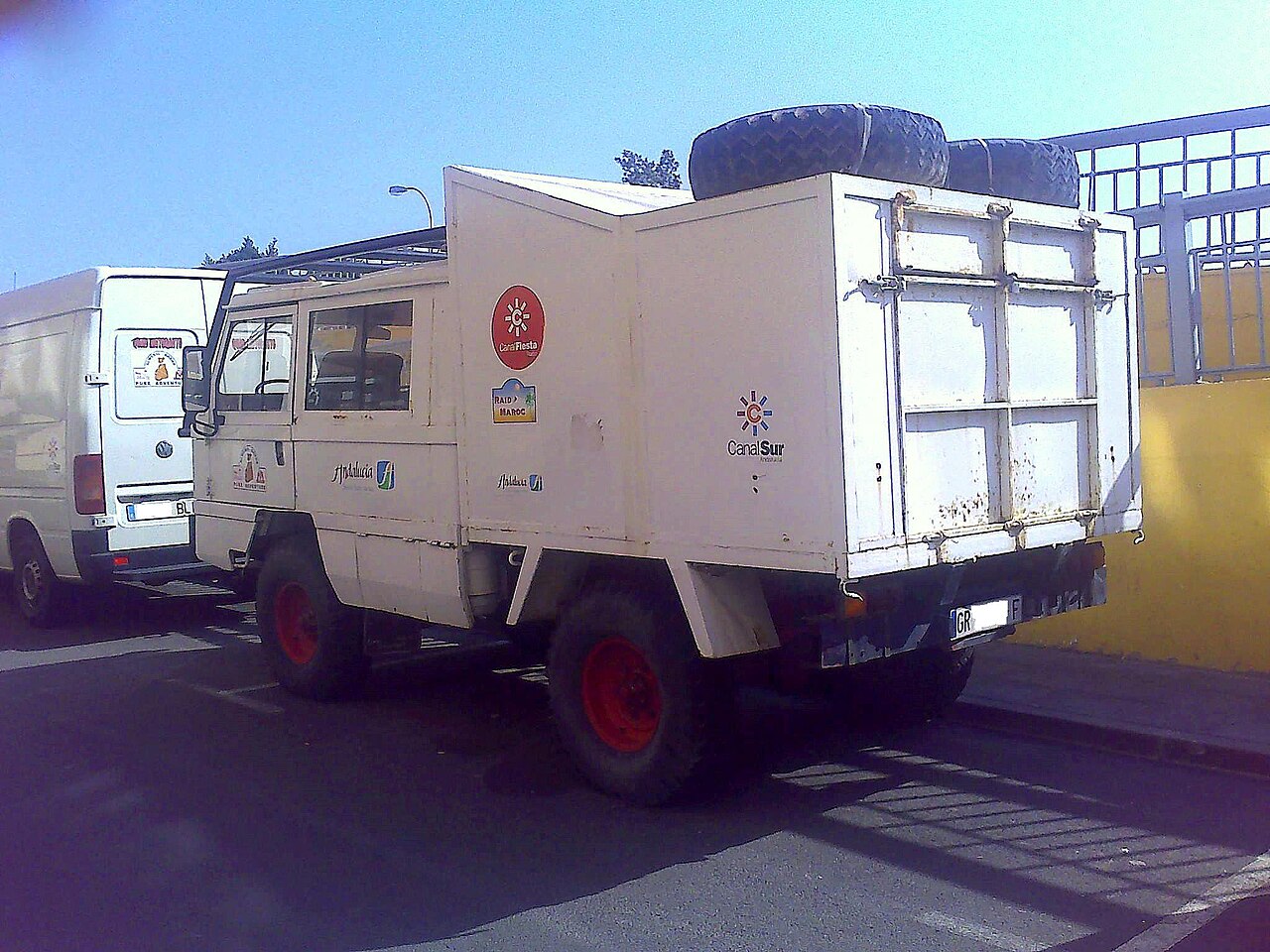
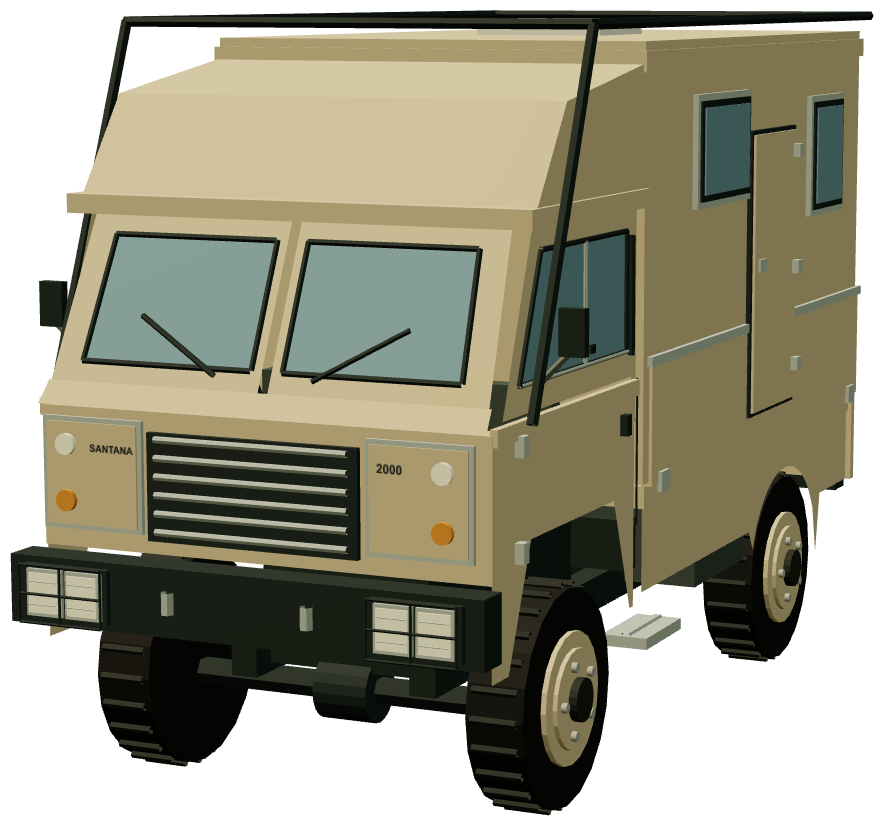
The conversion described in detail by the Spanish commercial-vehicle press belongs to Neftalí Morcillo, and the truck beneath it had a working life first. Solo Camión records that this vehicle was built on 20 March 1989 — a chassis manufacture date, not a coachwork one — and that it spent several years in the technical service fleet of the Spanish telephone company Telefónica before passing to an Army parachutist. Morcillo found it through the mediation of Josep Meler and bought it in 2009, then spent roughly two years turning it into a camper; his own trade, running the firm Automatismos Neftalí, let him fit out the interior to his own taste, while the Taller de Carrocería Manuel Santana built the new structure that houses the living accommodation. The camper body therefore dates from around 2009–2011, two decades after the chassis left Linares, and no exact completion date for the coachwork is published.
The finished vehicle stands 2,980 mm tall — three-quarters of a metre above the standard truck — and contains a double bed over the cab, a bathroom with shower, a two-burner gas kitchen, a trivalent gas/12 V/220 V refrigerator, air conditioning, a 2,000 W heater, a 20-litre hot water tank, 25 W of solar panels charging two 140 Ah batteries, a 3,500 kg winch and a convertible dinette giving further berths. Conversions like it keep the type alive long after Santana stopped building trucks, and give the model its enduring reputation in Spain as the todoterreno de los mil usos — the all-terrain vehicle of a thousand uses.
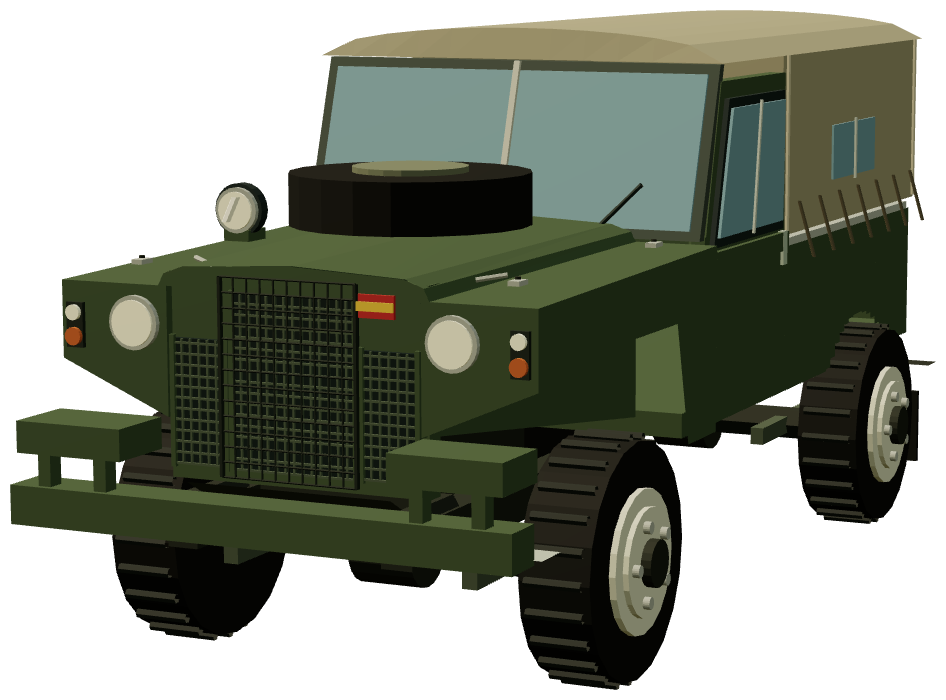
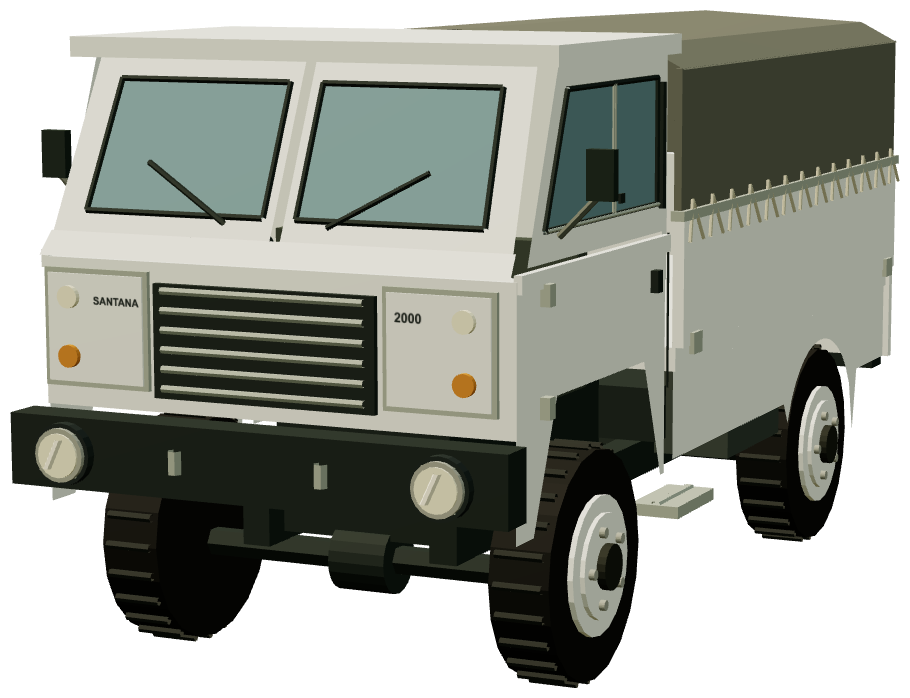 Canvas soft top
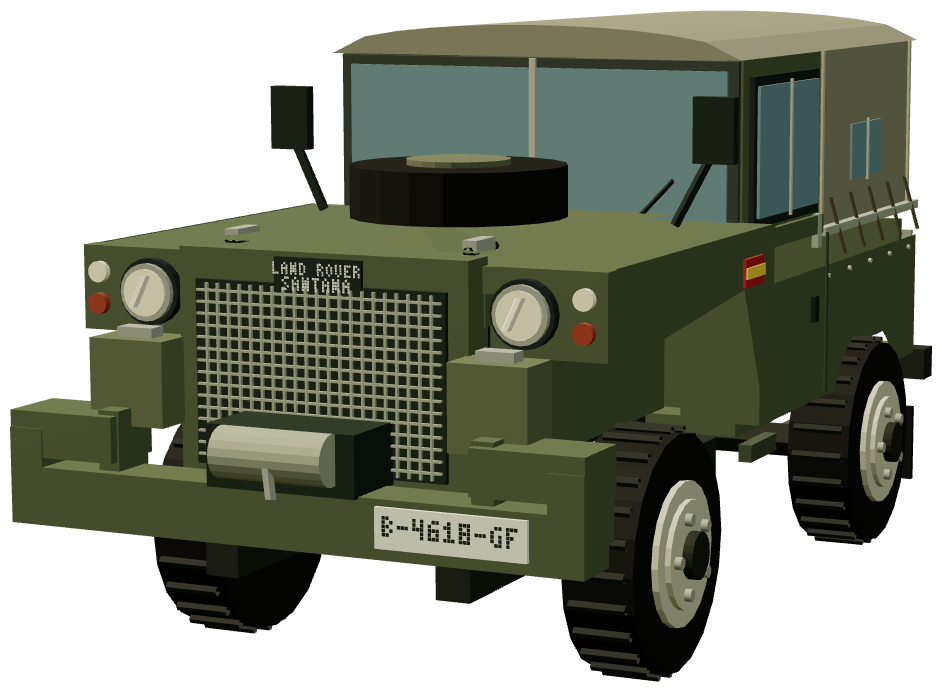
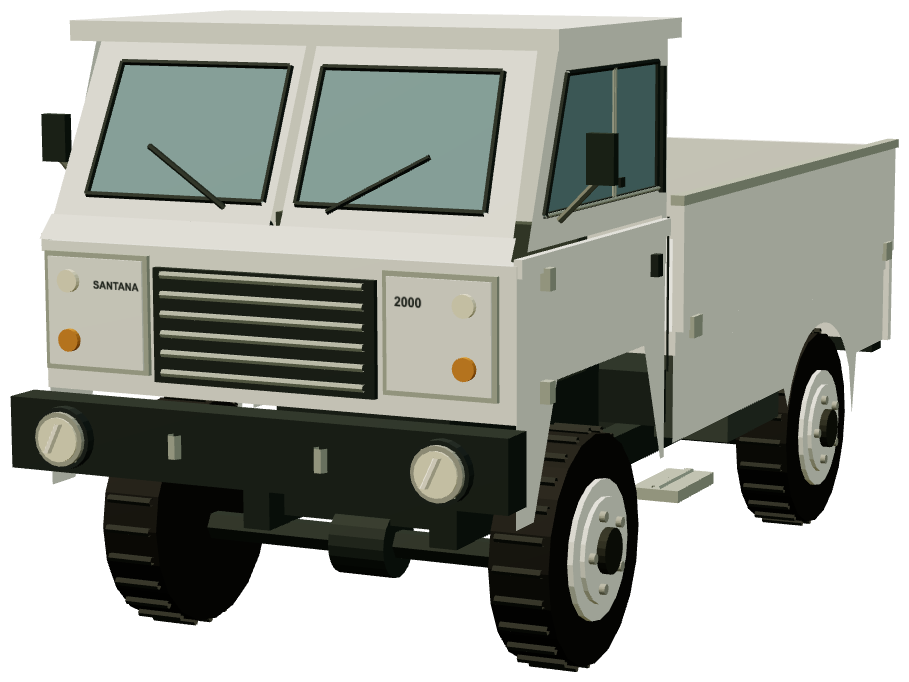 Trayback
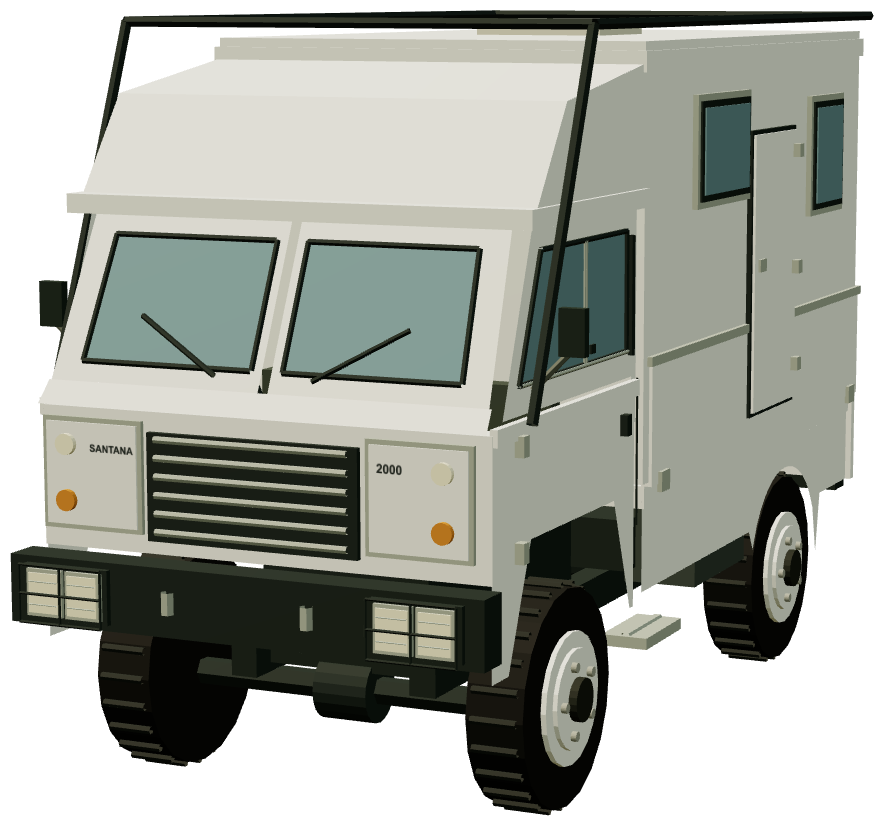 Autocaravana
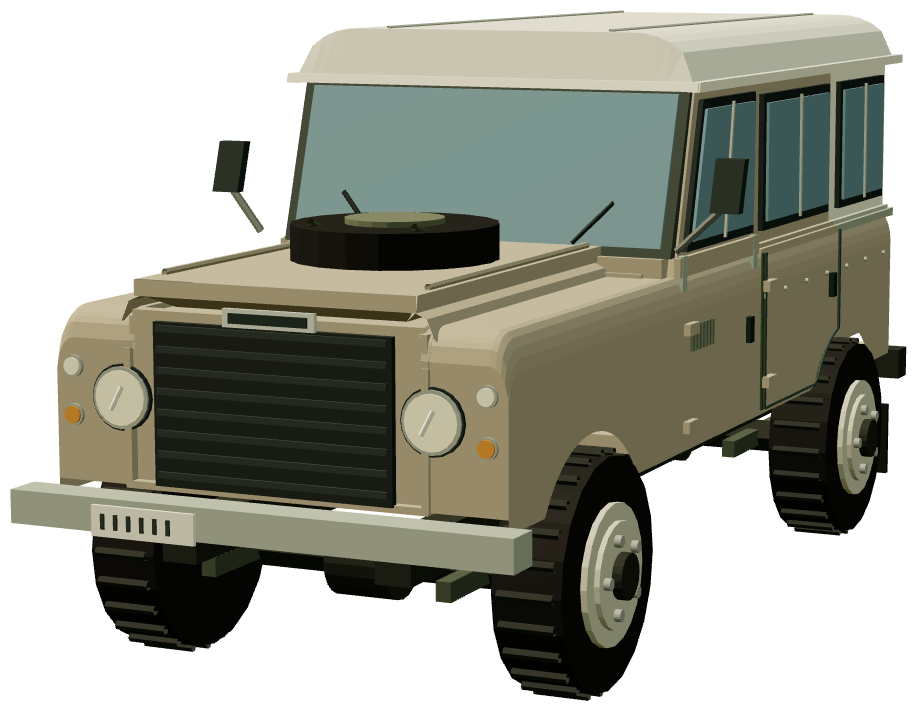
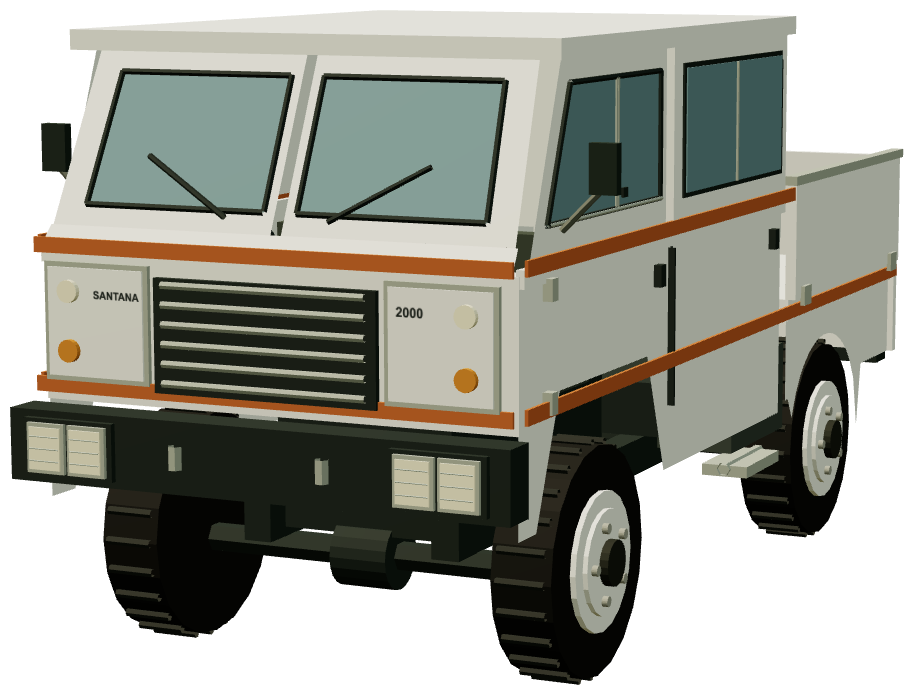 Double cab