The record
Santana Motor of Linares had built Land Rovers under licence since 1958, and after Land Rover withdrew in the mid-1980s it continued alone with the Santana 2.5 and 2500. When the 2500 was dropped, a market study suggested demand for perhaps 6,000 more professional-grade four-wheel drives, and in 1997 the factory director José Antonio Navarro Yagüe launched a project to build one. A sheet-metal scale model was approved in January 1998, full-size prototypes followed on 2500 running gear, and the finished vehicle was unveiled at the Madrid motor show on 23 May 2002 at a development cost of around 19 million euros. It was named Aníbal after Hannibal Barca, who by tradition married Himilce of Cástulo, an Iberian city whose ruins lie within the boundaries of Linares. Abroad it was sold as the PS-10, because the Hummer's manufacturer held the 'Hannibal' trademark.
The Aníbal looked much like its ancestors, which was the point: Santana marketed it as a working vehicle where toughness mattered more than style. The changes were where they counted — a redesigned front with separate dipped and main-beam lamps, indicators moved out to the ends of the tubular bumper, a wider rear tailgate sized to take Euro pallets, parabolic leaf springs, optional power steering and air conditioning, and above all the Iveco 8140.43P: a 2,798 cc turbocharged, intercooled four with common-rail direct injection producing 92 kW (125 CV) at 3,600 rpm and 275 Nm at 1,800 rpm. Transmission was Santana's own LT85 five-speed on early cars and a ZF five-speed from 2005, through a dual-ratio transfer case; gross weight was 3,050 kg with a payload of 1,000 kg, and the tank held 100 litres. There were three- and five-door wagons and single- and double-cab pick-ups. In July 2005 the British magazine 4x4 named the Aníbal the best off-roader in the world, beating the Defender, Discovery and Nissan Patrol.
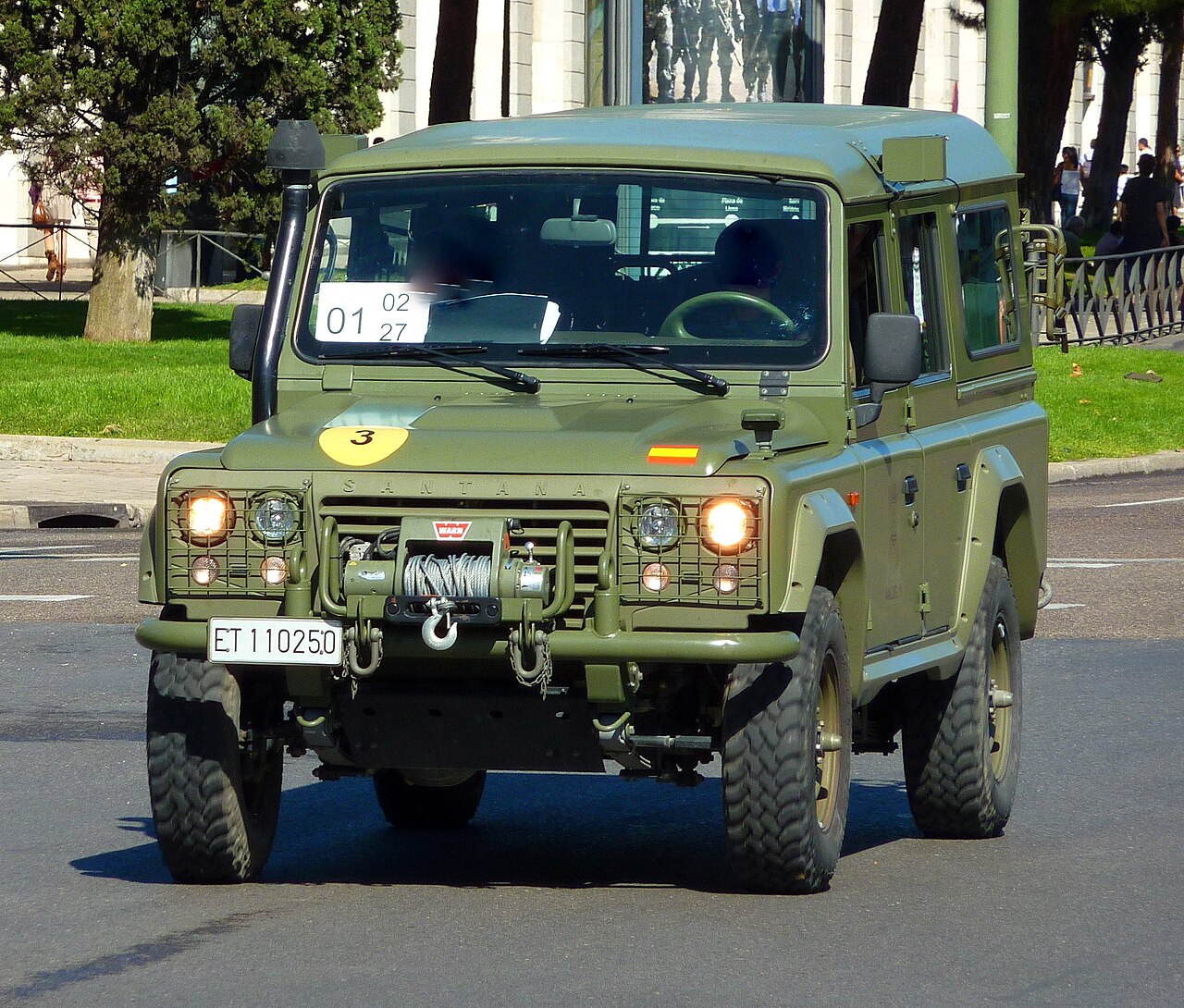
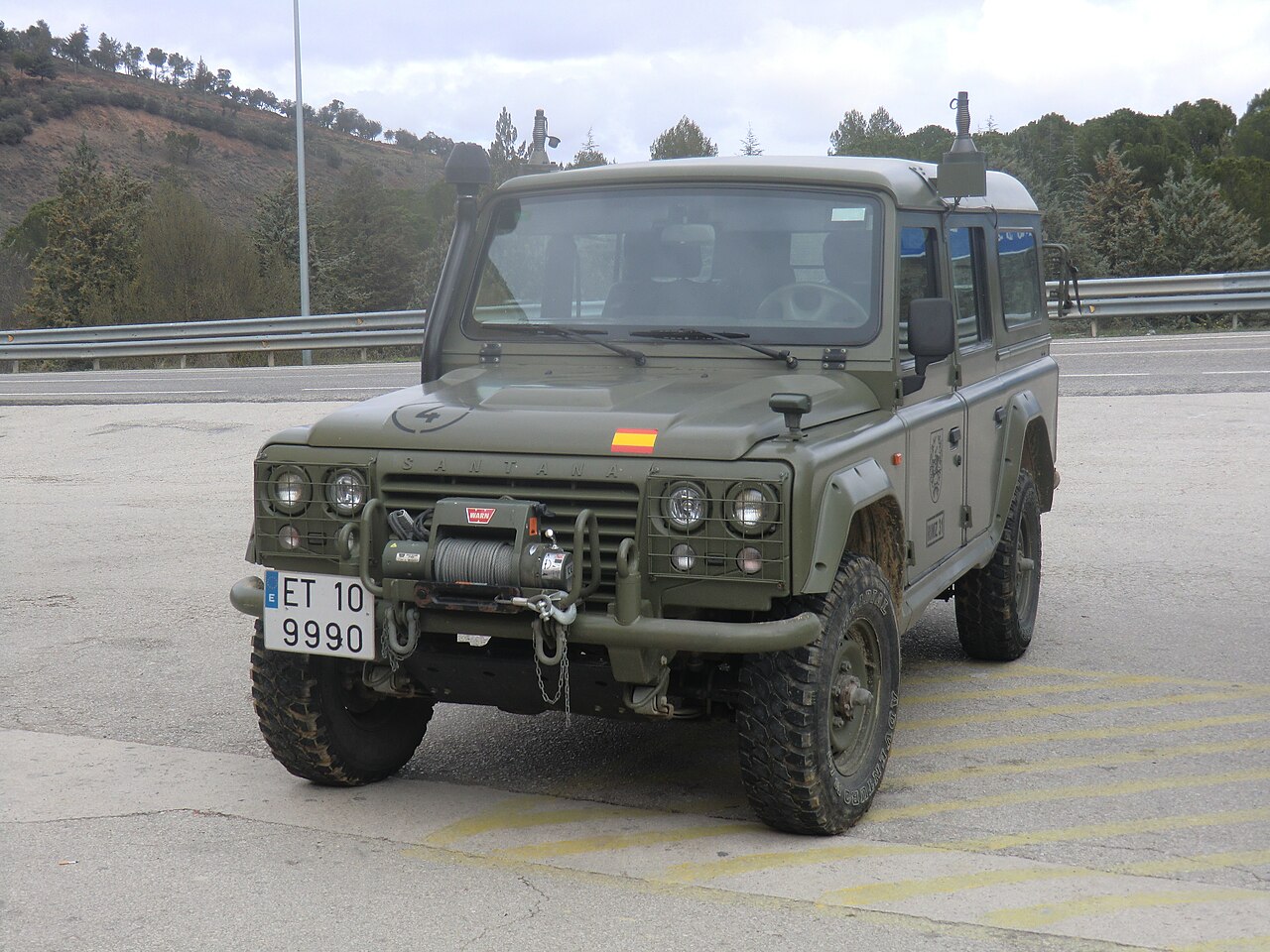
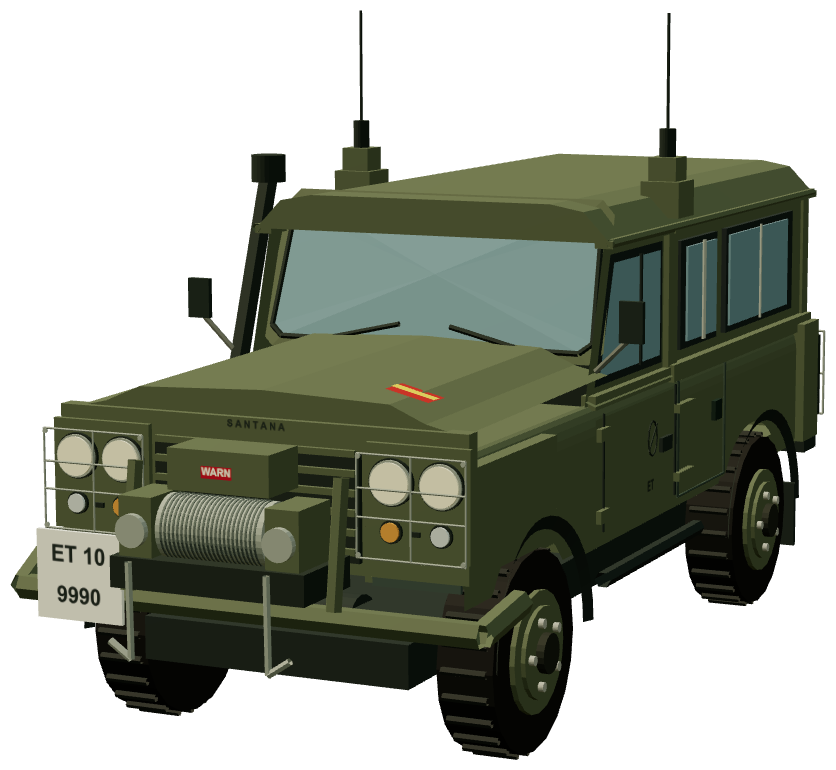
Military sales kept the line alive. The Spanish Army ordered 1,700, most sources agreeing on that figure though some Spanish press since has put total army purchases nearer 2,000, and France and the Czech Republic also bought the type as a light utility vehicle; trials were run for Britain and Morocco. Army Aníbals were fitted with a heavy tubular front bumper and lamp guards, a self-recovery winch, snorkel, roof rack and antenna mounts, and carry ET-series registrations. They have served across the Ejército de Tierra as liaison and utility transport, deployed on NATO's enhanced Forward Presence in Latvia from 2017 and on exercises such as Trident Juncture. In 2006 Santana agreed with Iveco to supply an Italdesign-restyled derivative sold as the Iveco Massif from 2007; Santana registered the name Mahorí for its own version, of which only five were assembled before the company was wound up in February 2011. The army's Aníbals are now being replaced under the VMTT programme, with Iturri Landtrek and Toyota Land Cruiser vehicles entering service from the mid-2020s.