The record
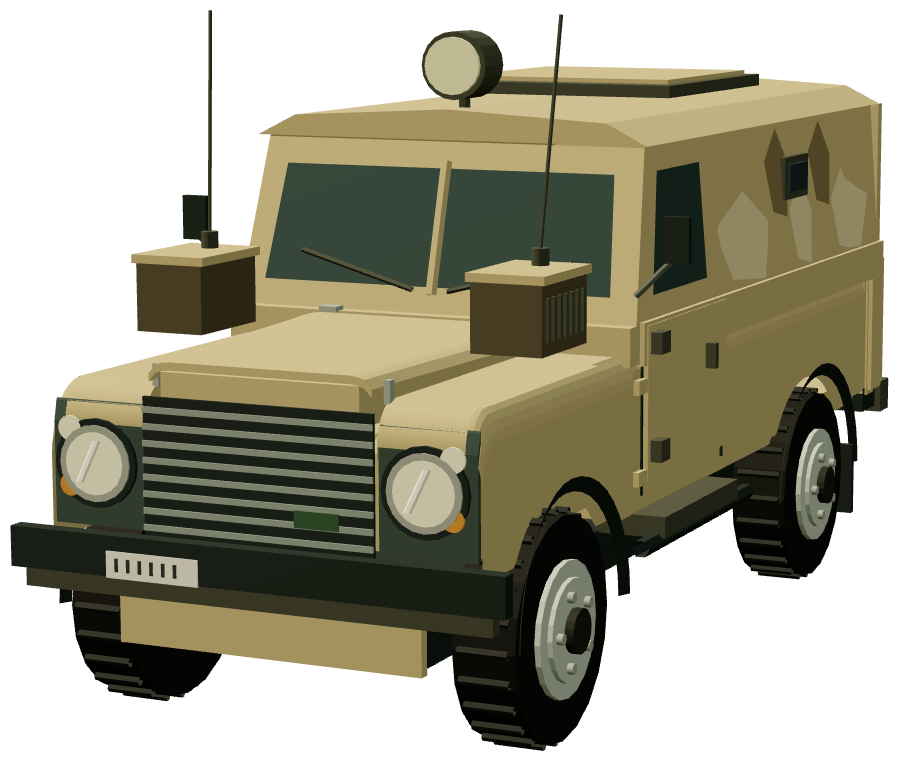
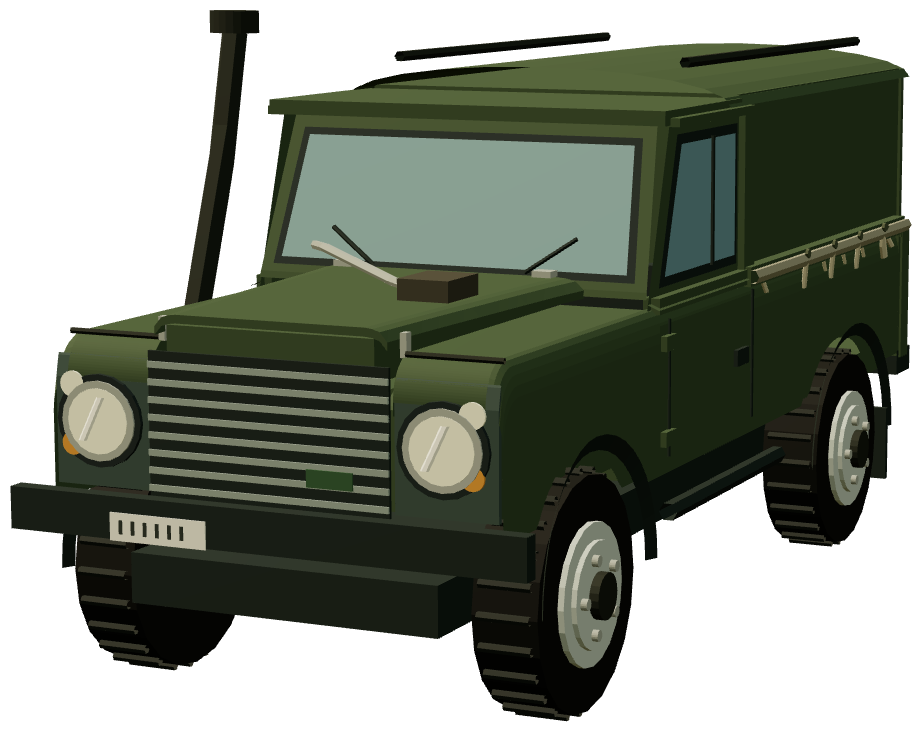
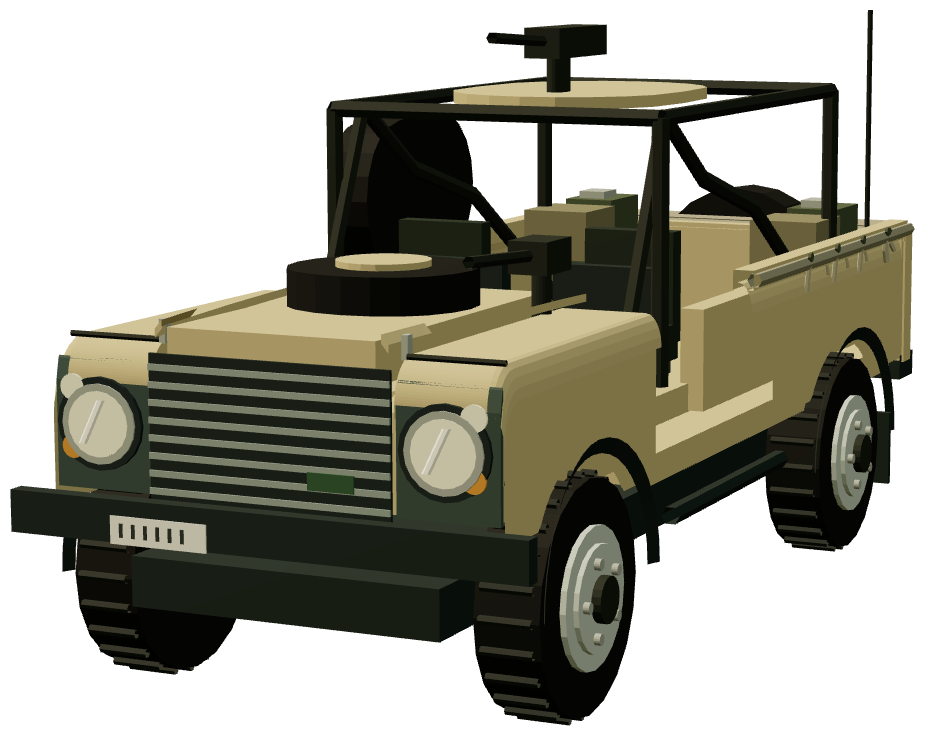
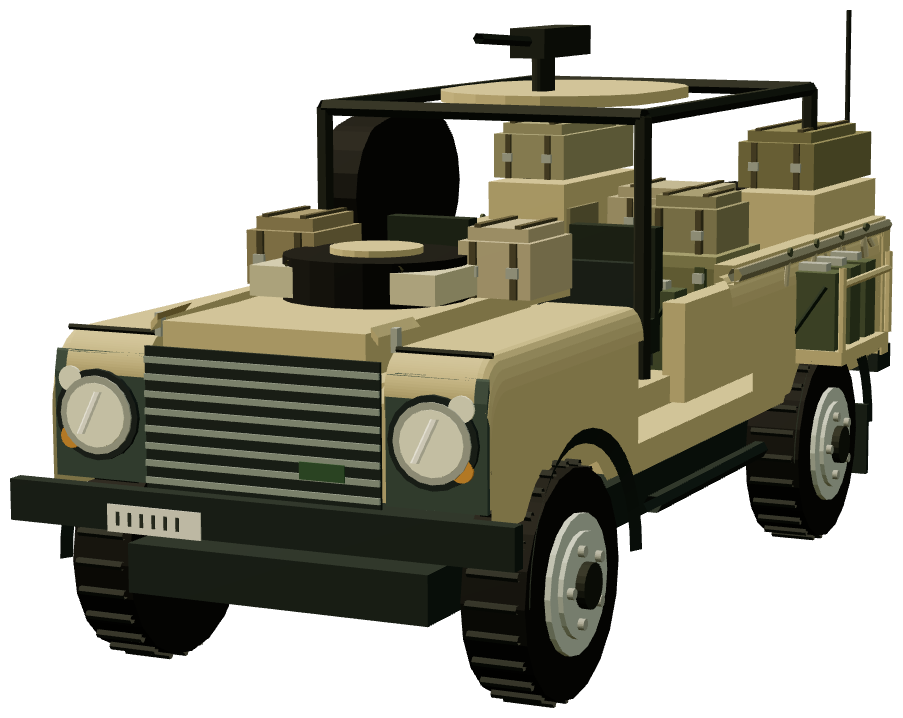
The Land Rover Global Expedition was to be led by Sir Ranulph Fiennes over some 23,000 miles from London through Russia and across the Bering Strait to Alaska and New York in 1997-98. For it, Land Rover's Special Vehicles department at Solihull prepared a small batch of left-hand-drive military-specification Wolf Defender 110 300 Tdis — sources cite six or seven vehicles — with the reinforced XD chassis and axles, 24-volt electrics, roll cages, winches and expedition equipment.
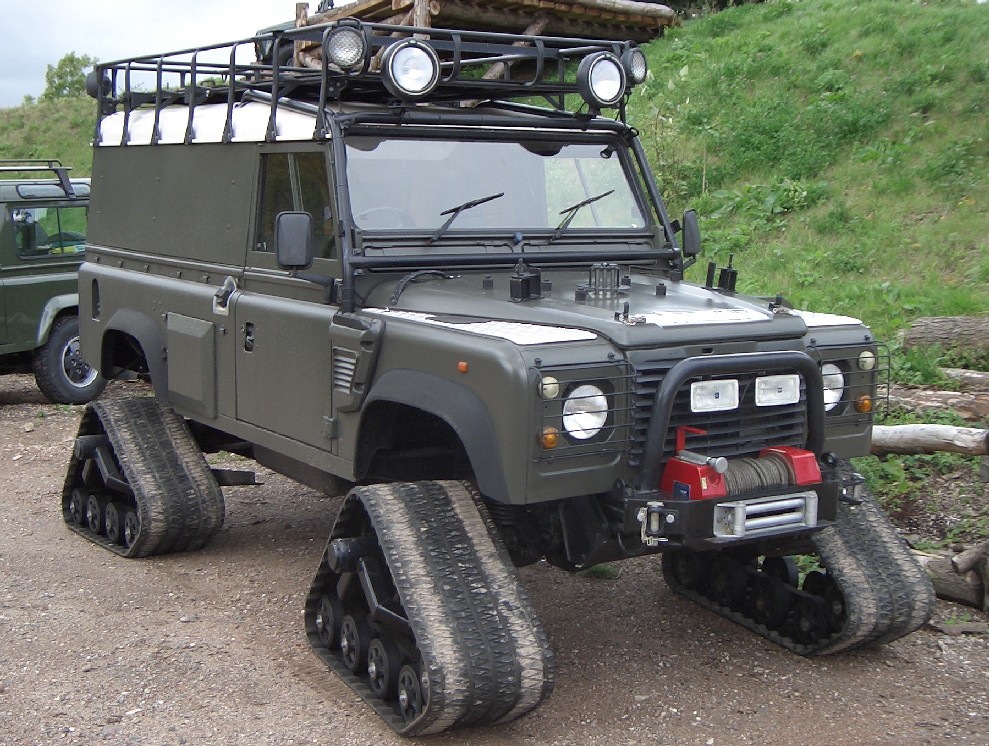
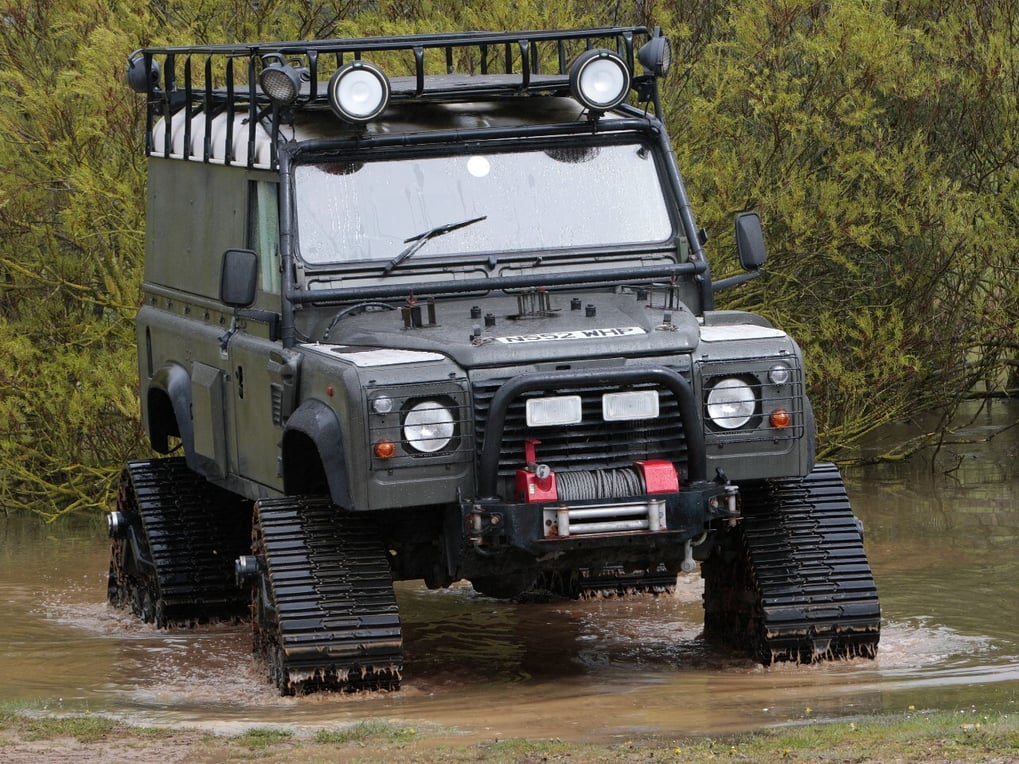
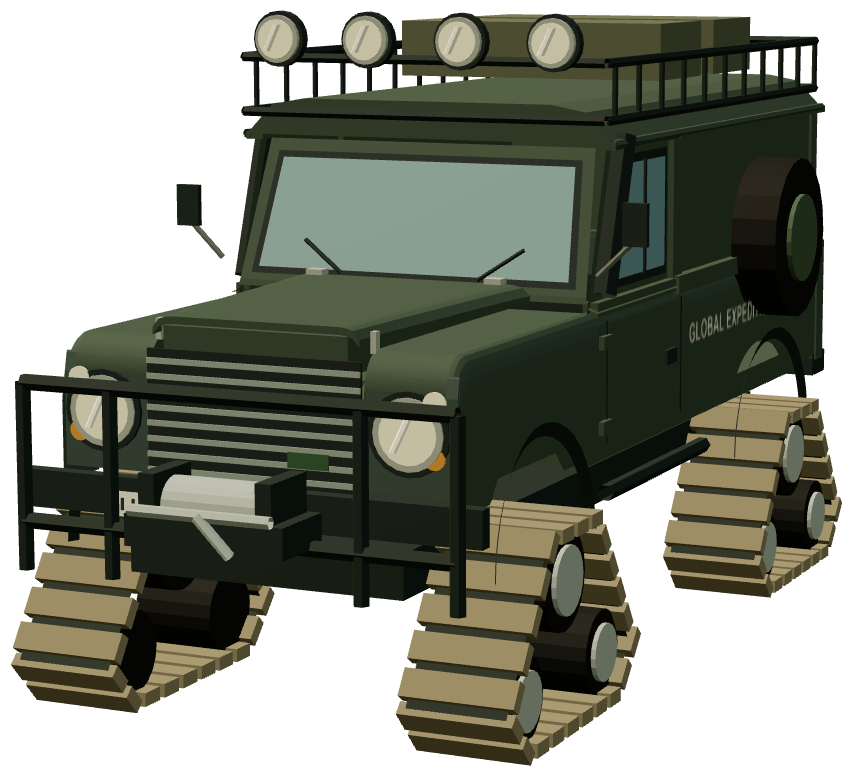
For ice and swamp the wheels could be exchanged for Mattracks: individual rubber track units from the US company of that name, each bolting to the standard hub via a driving cog with small jockey wheels and torsion bars — a principle dating back to 1950s track conversions. Early trials in Wales exposed weaknesses, with torsion bars heavily loaded and jockey wheels breaking regularly. For open water each vehicle could be mounted on an LRPC — Land Rover Powered Catamaran — a two-tonne Kevlar catamaran whose twin stern paddle wheels were driven hydraulically from the vehicle's rear power take-off, steerable from the driving seat.
A reconnaissance in Alaska in early 1997 successfully tested the Bering Strait crossing concept, but Land Rover's management changed and the company withdrew sponsorship, cancelling the expedition at the last minute and leaving some of the most comprehensively equipped overland Land Rovers ever built without a job. The vehicles dispersed; one, on its Mattracks, is held in the permanent collection of the British Motor Museum at Gaydon (accession 2015-13-7), which records the 2,495 cc, 111 bhp engine and a top speed of 80 mph.