The record
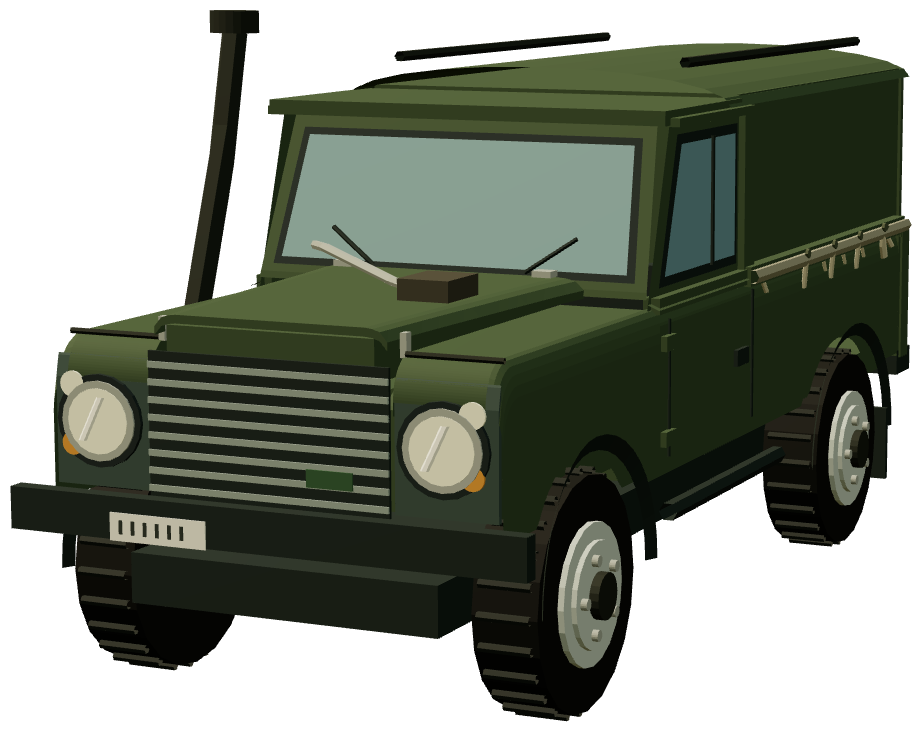
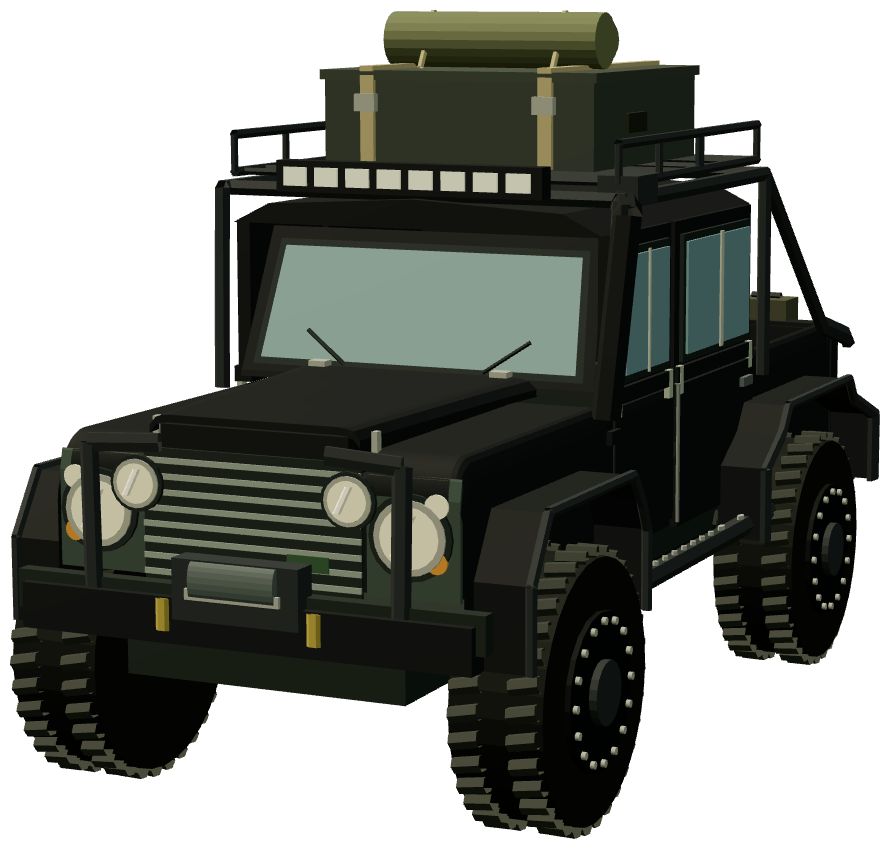
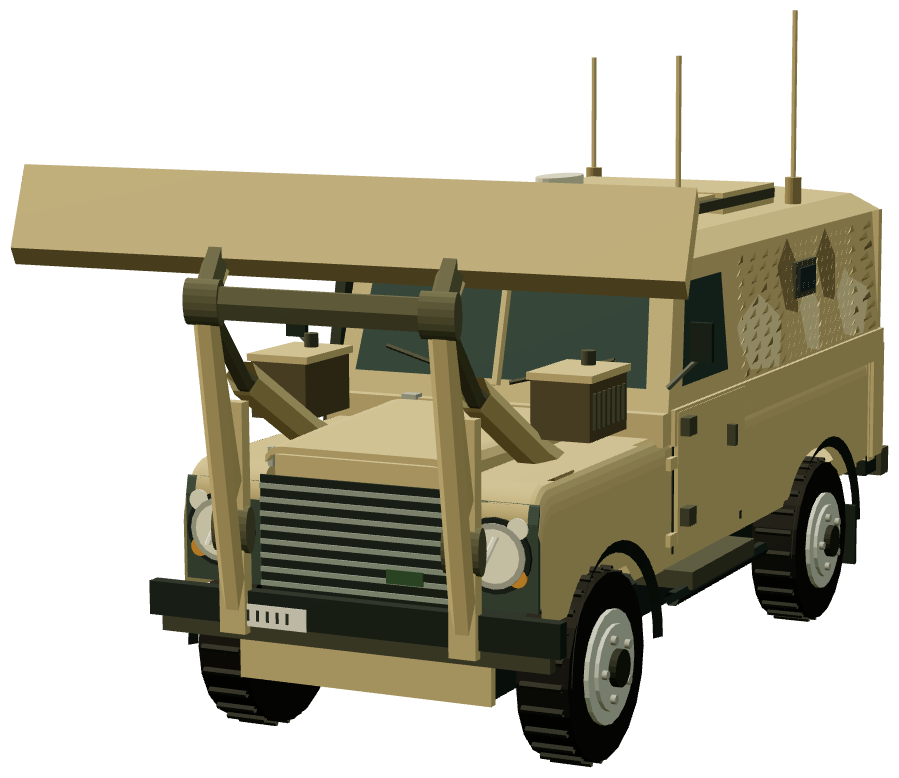
Panama was a British urgent operational requirement (UOR) programme of 2010–2011 that turned redundant Snatch Land Rovers into remotely operated (unmanned) mine- and IED-detection vehicles for the war in Afghanistan. The base vehicles were CAV-100 "Snatch" armoured Land Rover Defender 110s, originally built in the early 1990s for internal security duties in Northern Ireland and later remanufactured to Snatch 2/2A standard with 300Tdi turbodiesel engines and automatic gearboxes. After the Snatch was withdrawn from patrol use over its poor protection against IEDs, roughly 200 examples sat awaiting disposal; reusing them gave the Ministry of Defence a fast, low-cost donor fleet for an unmanned detection vehicle.
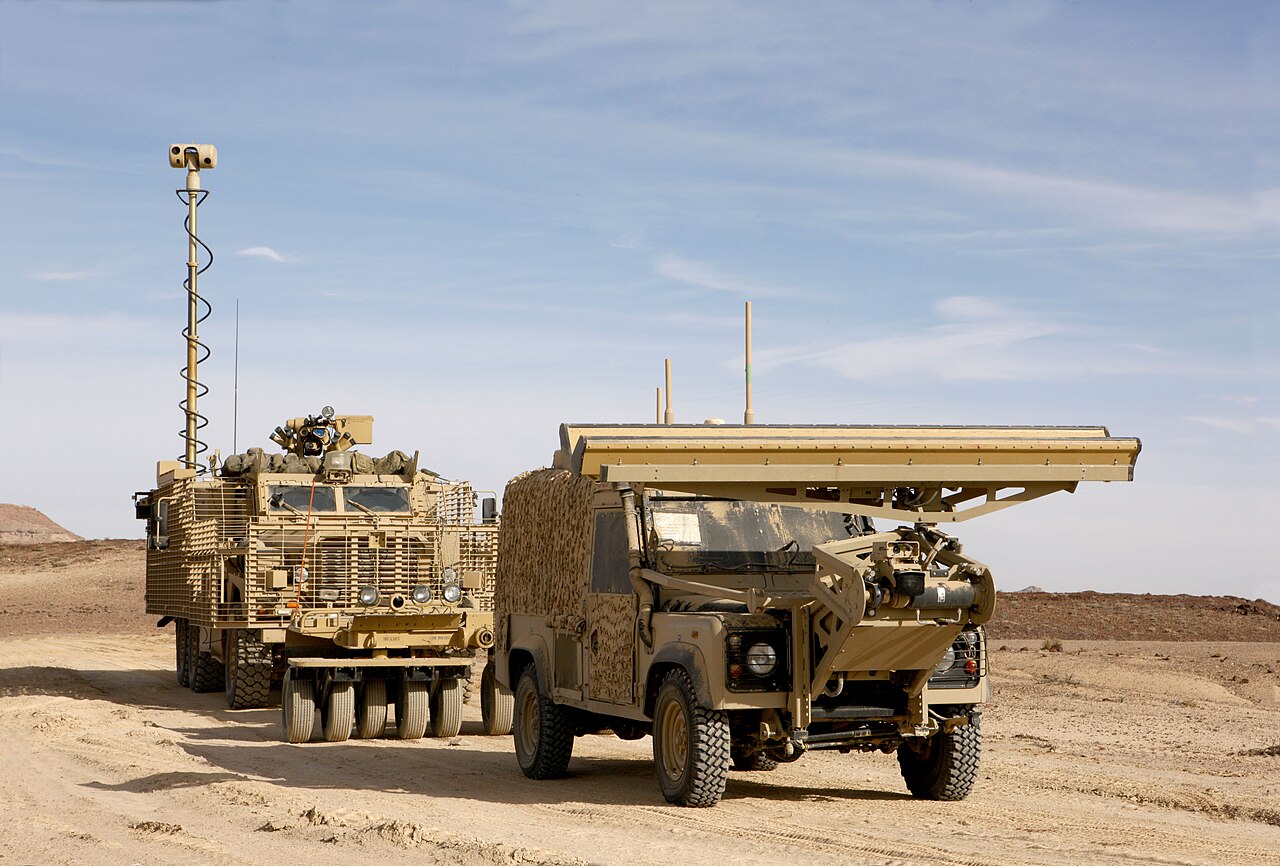
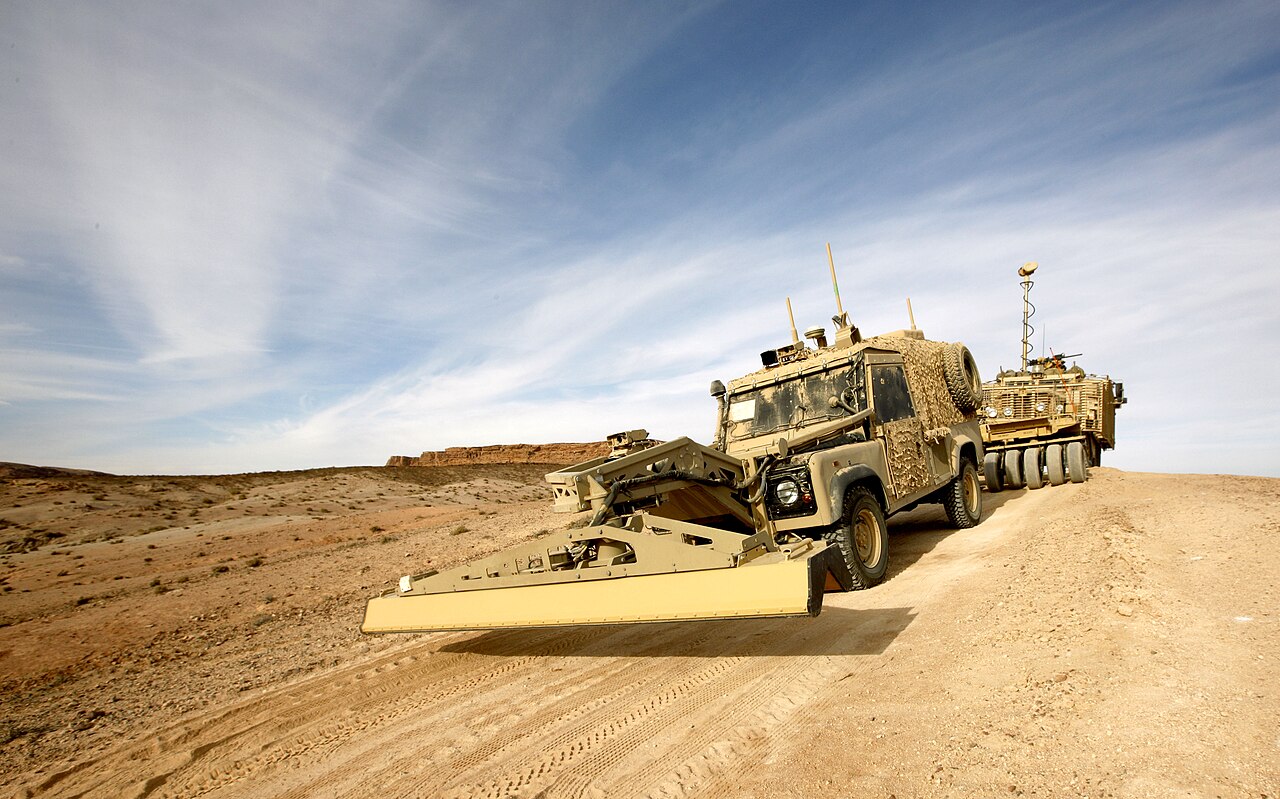
The programme was run by Defence Equipment and Support with PA Consulting Group as programme partner. For the conversion itself the MoD selected MIRA (the Motor Industry Research Association) under a contract reported at £15 million, beating rival bids from BAE Systems and Marshall Land Systems; MIRA fitted its MACE (MIRA Autonomous Control Equipment) remote-control technology, with Thales UK and Exponent supporting systems integration. Each Panama carried a ground-penetrating radar deployed on an articulated boom ahead of the vehicle, telescopic mast-mounted cameras, and other detection systems that were never publicly detailed for operational-security reasons. Reported programme cost was about £50 million in total, delivered £9 million under budget, and the project moved from investment decision to operational use in eleven months.
In service from early-to-mid 2011 in Helmand province, Panama worked at the head of Royal Engineers Talisman route-clearance groups. A Panama system comprised two converted vehicles plus a ground control station, with one system reported per each of six Talisman teams (roughly a dozen conversions in all). The vehicle was towed to the search area behind a Buffalo mine-protected vehicle ("Rummage" in Royal Engineer service), unhitched without the crew exposing themselves, and then driven by remote control from inside a Mastiff using a thumb-joystick controller and video monitor — an interface soldiers could reportedly learn in about an hour. Routes could be searched for IEDs at least ten times faster than by dismounted means, and the programme won PA Consulting the Management Consultancies Association's top award in 2012.
With the end of UK combat operations in Afghanistan the small Panama fleet was withdrawn, and surplus examples — still carrying their front-mounted detection booms but with classified electronics removed — were later sold off through MoD disposal agents such as Witham Specialist Vehicles. At least one preserved example (MLR 48) has appeared in the enthusiast press.