The record
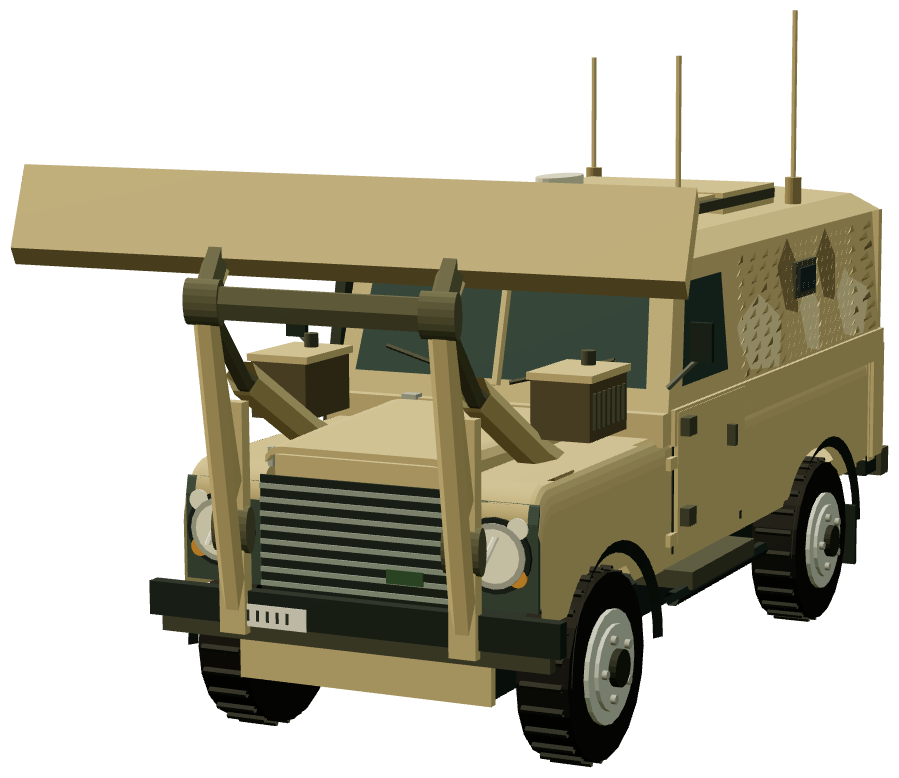
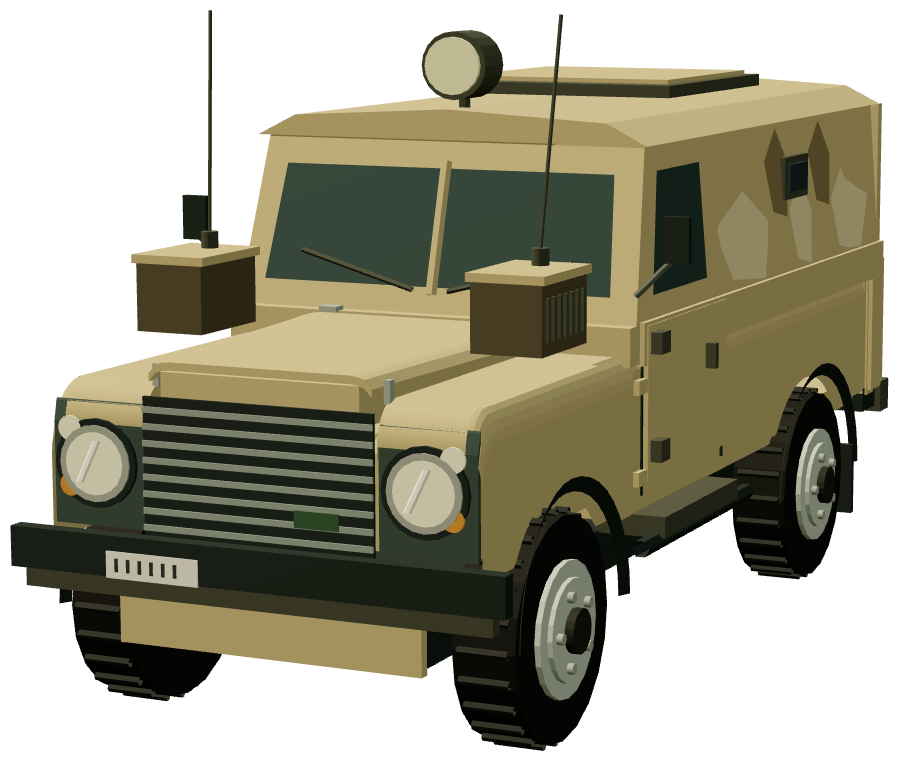
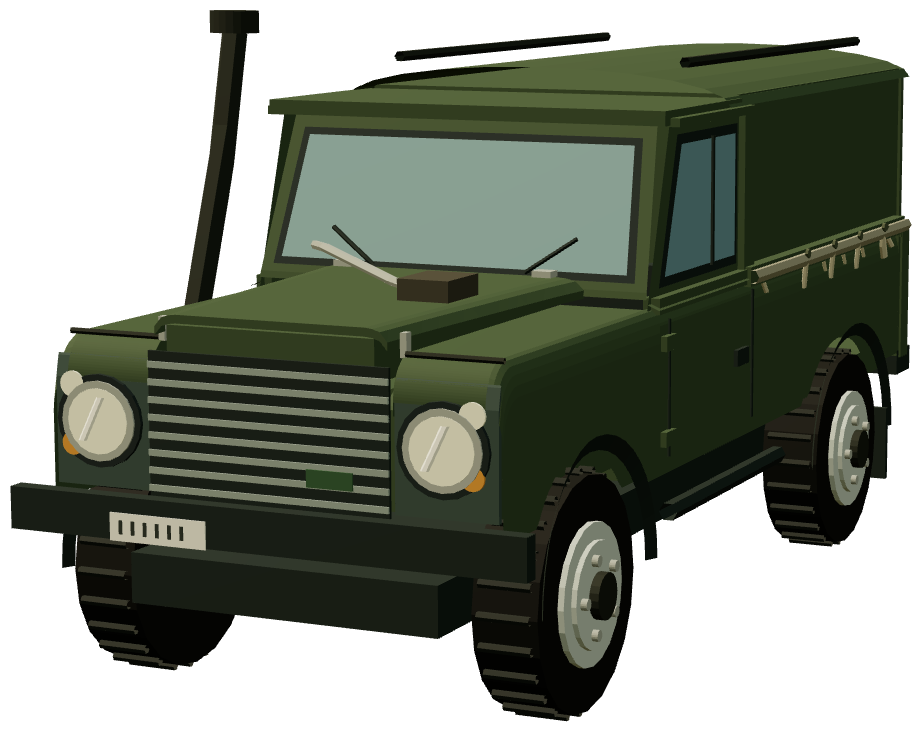
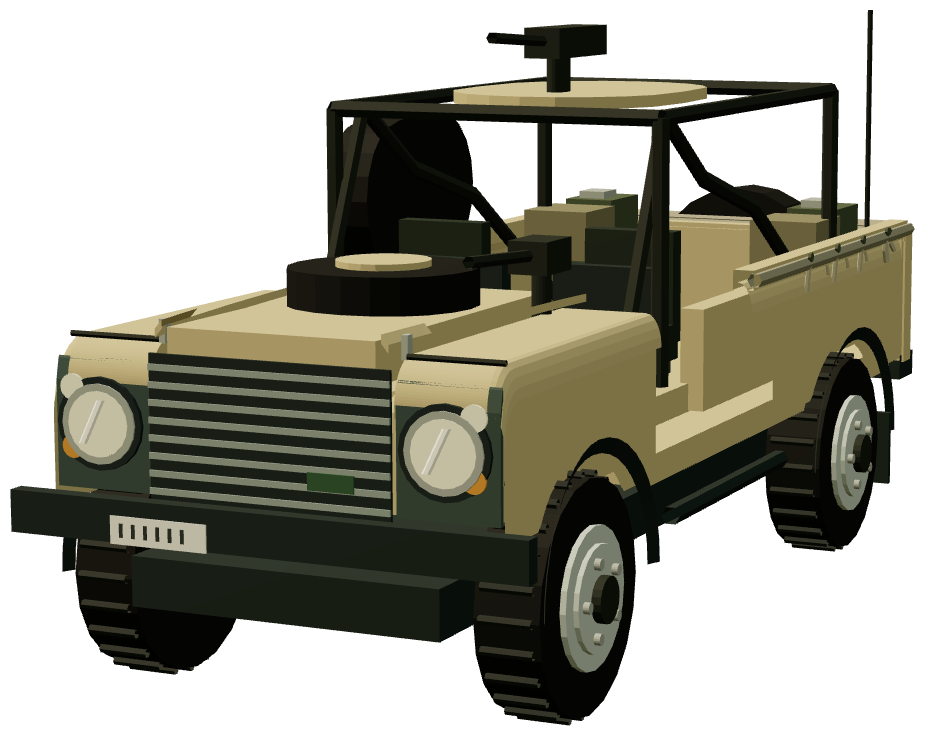
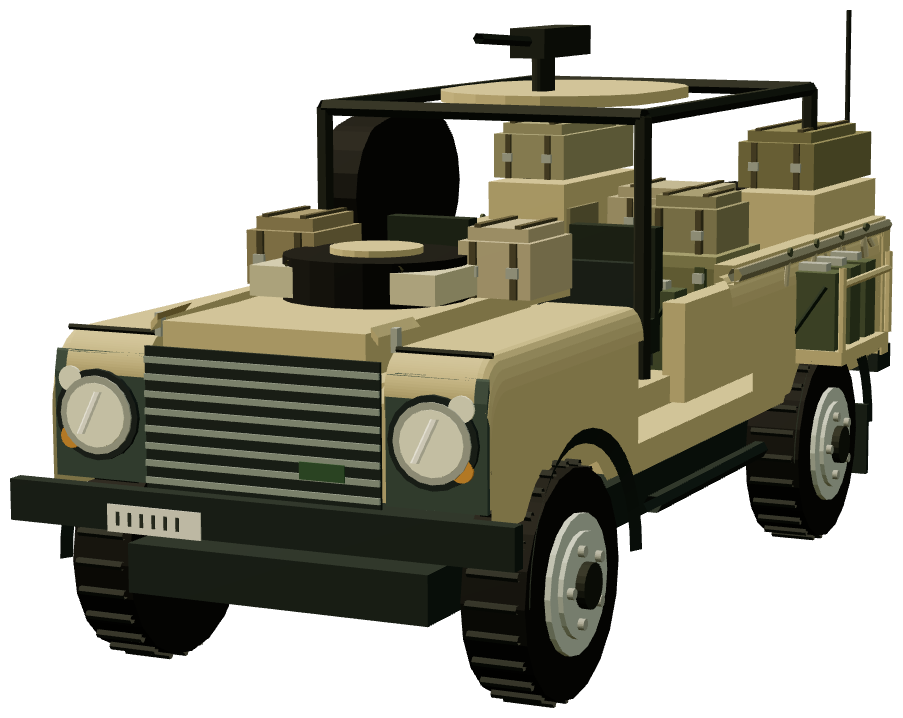
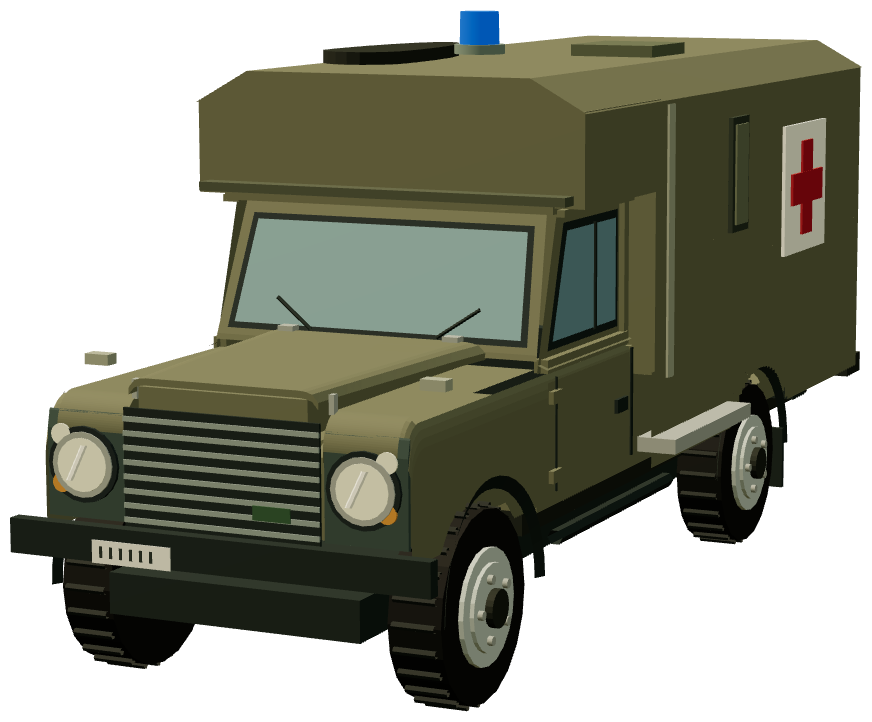
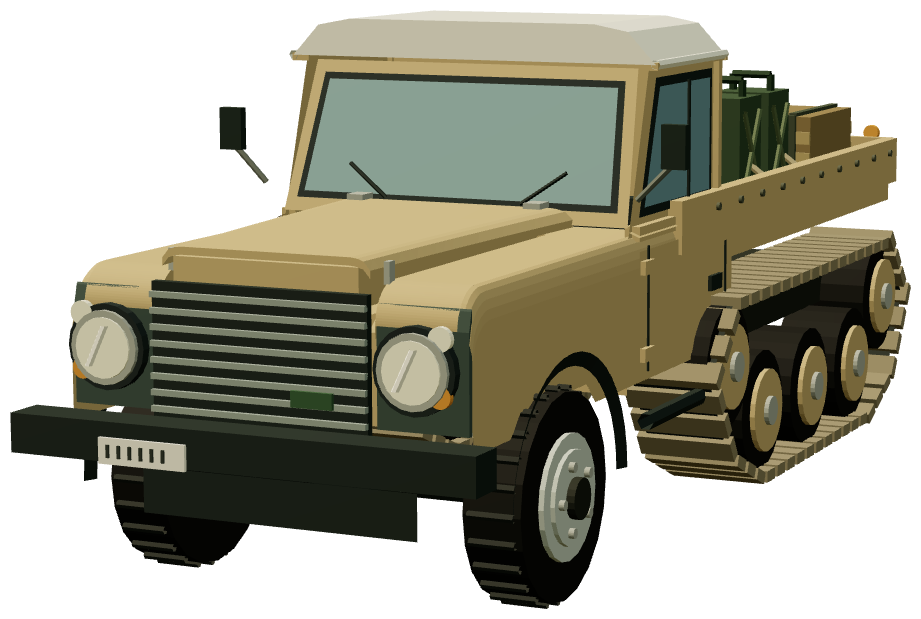
The Centaur was developed from 1978 by Laird (Anglesey) Ltd at Beaumaris on Anglesey, Wales, working in a former Saunders-Roe aircraft hangar. The concept mated the front chassis, cab, 3.5-litre Rover V8 petrol engine and gearbox of a Land Rover to a rear hull carrying shortened Alvis Scorpion CVR(T) tracks and running gear, giving eight forward and two reverse speeds driving both the front wheels and the tracks. The result was a roughly three-tonne half-track with around a tonne-and-a-half of payload and a top speed near 50 mph, pitched at export customers as a cheap multi-role carrier - troop transport, ambulance, anti-tank platform, air-defence mount - with Land Rover parts commonality.
Six pre-production vehicles were built in 1979 on new Stage One V8 109 front ends supplied by Land Rover, following the initial prototype; the final vehicle, completed in 1983, instead used the coil-sprung front end of the new Land Rover One Ten and was finished in overall sand for a hoped-for Chilean evaluation that never came. Demonstrators toured Nigeria and the Gulf, and the Centaur was extensively trialled in Oman and Norway for hot- and cold-weather performance; the British MOD showed interest but never ordered. Only two vehicles are believed to have been sold, one each to the militaries of Oman and Iraq. Criticisms included vulnerability to small-arms fire, no NBC protection, noise, poor performance on gravel and track-tensioning trouble, and Laird wound the project up around 1984-85.
Sources differ on the exact total - seven per Tank Historia, eight per the Dunsfold Collection - and most survive. The 1983 One Ten-based car, the last Centaur built and the only one with the coil-sprung front, was donated by Laird to the Tank Museum at Bovington in 1989 and is on long-term loan to the Dunsfold Collection; the Tank Museum has also run an operational example at public events.