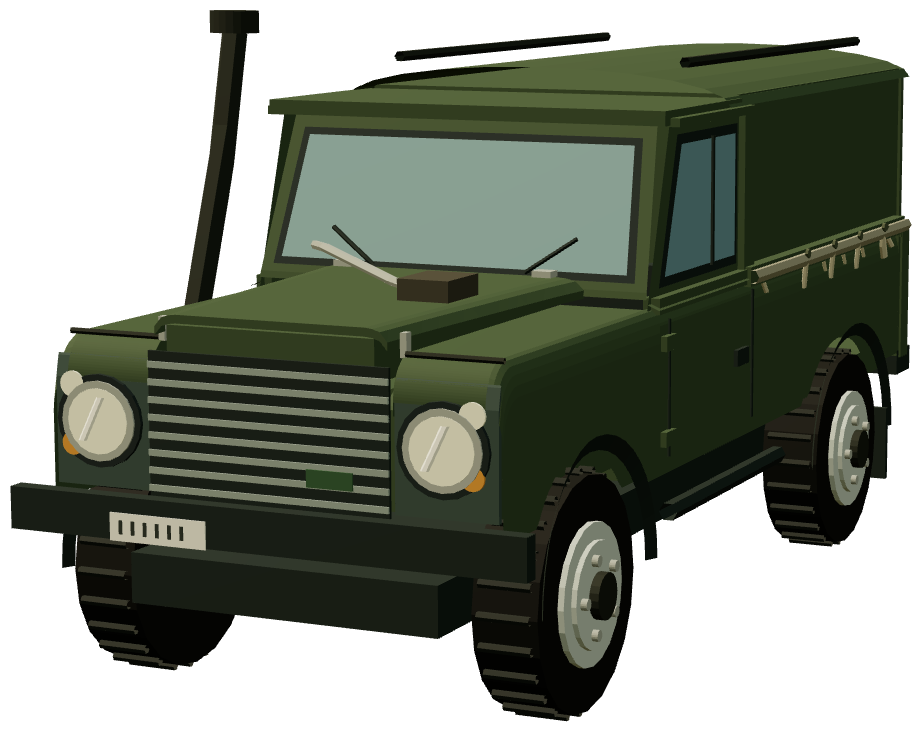
The record
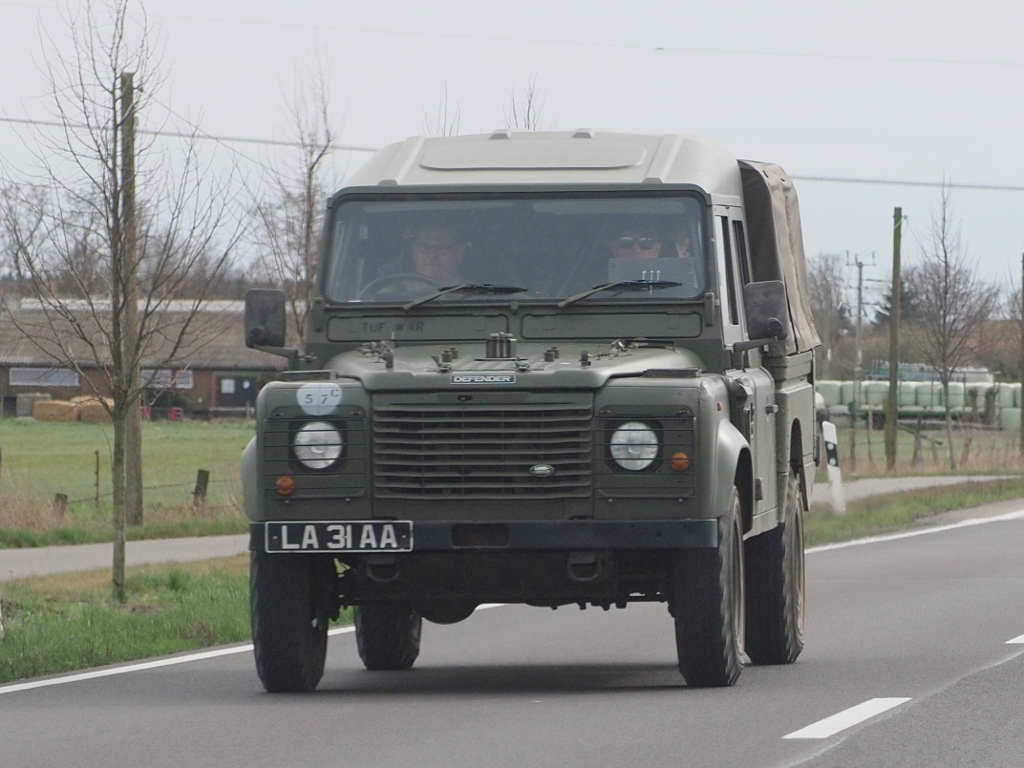
In January 1992 the UK Ministry of Defence published a tender for a new generation of light and medium utility trucks; of the nineteen companies that showed interest only Land Rover's proposal met the specification. The result, developed under the factory codename 'Wolf' and sold commercially as the Defender XD (eXtra Duty), was announced on 18 January 1996 as an order for about 8,000 vehicles worth nearly £170 million. In service the 90-inch-wheelbase model is designated Truck Utility Light (TUL) HS and the 110 Truck Utility Medium (TUM) HS, the HS standing for High(er) Specification.
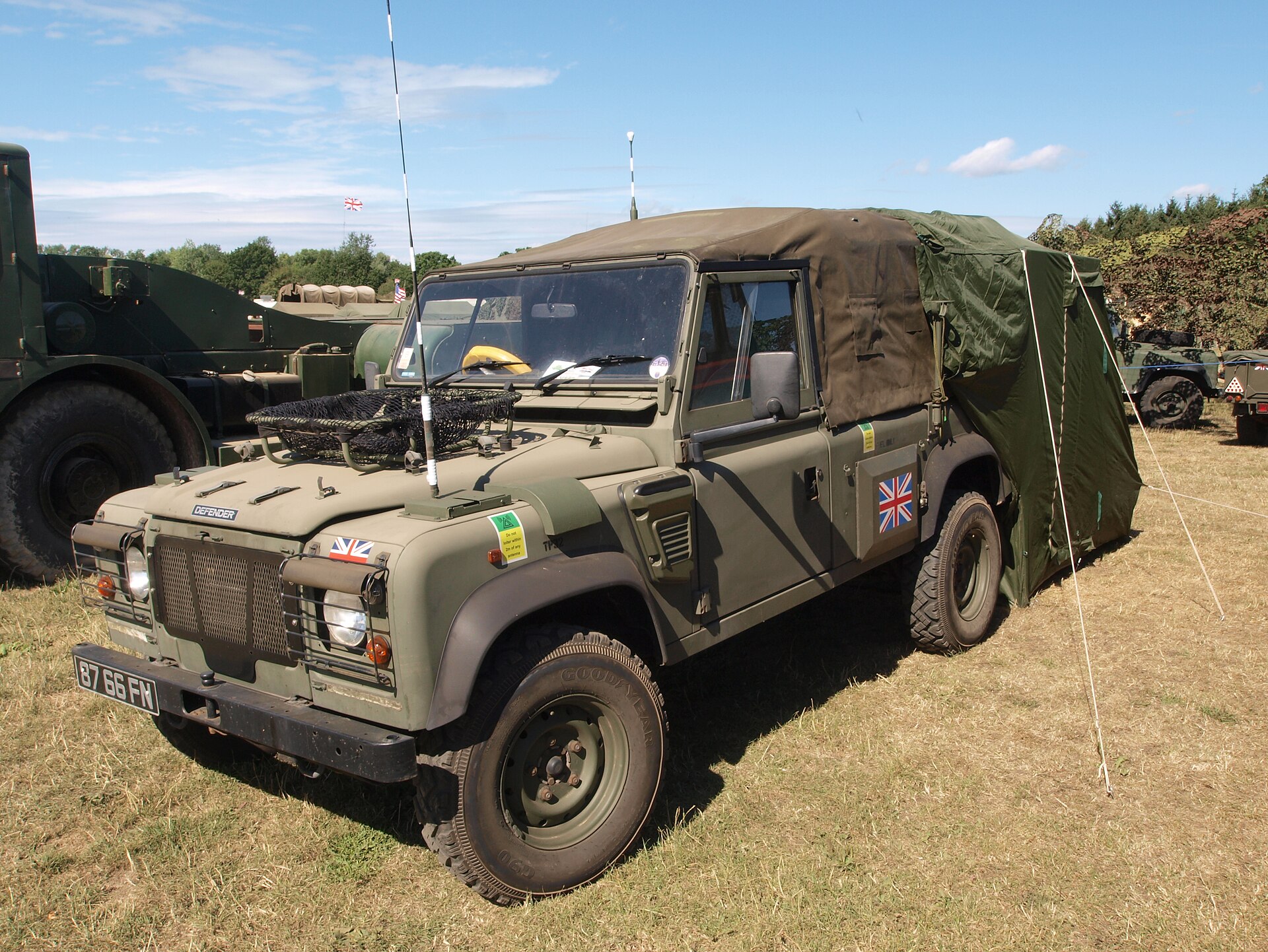
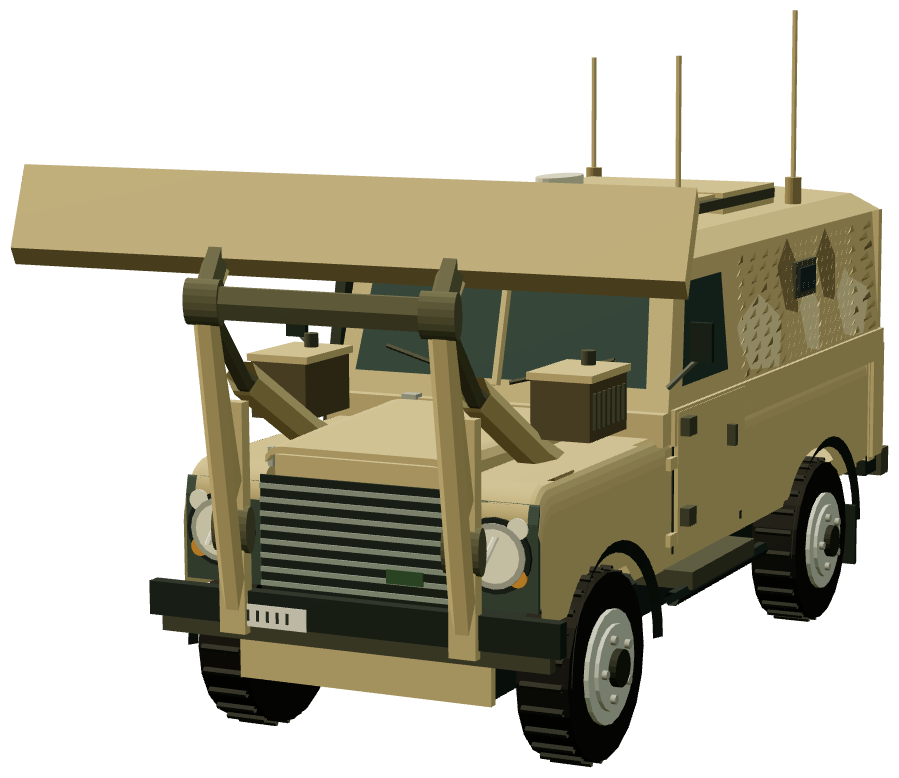
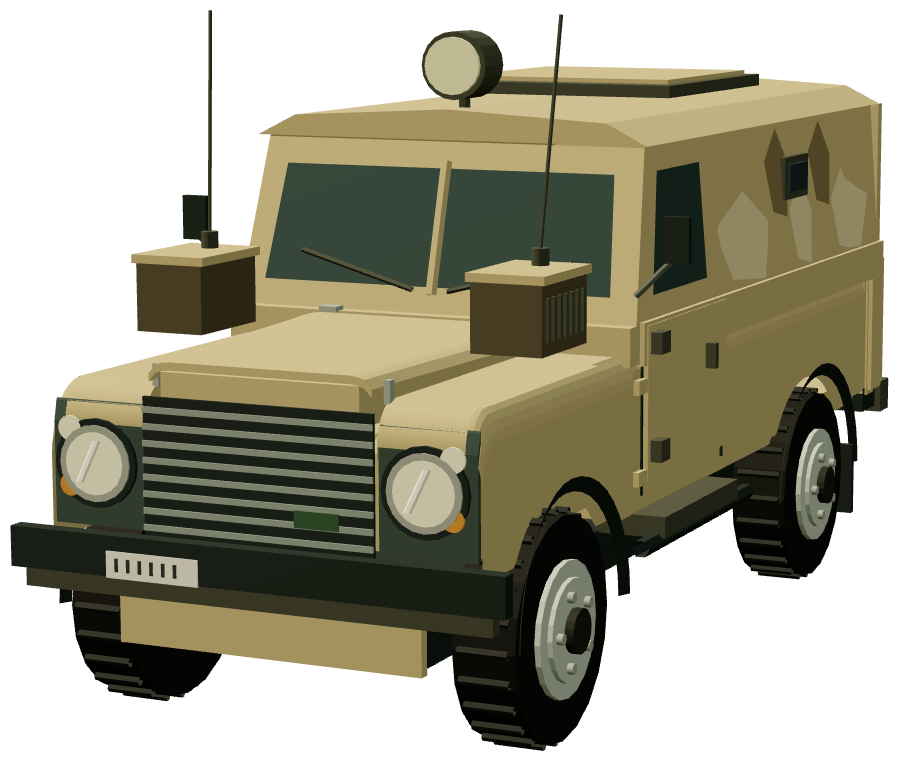
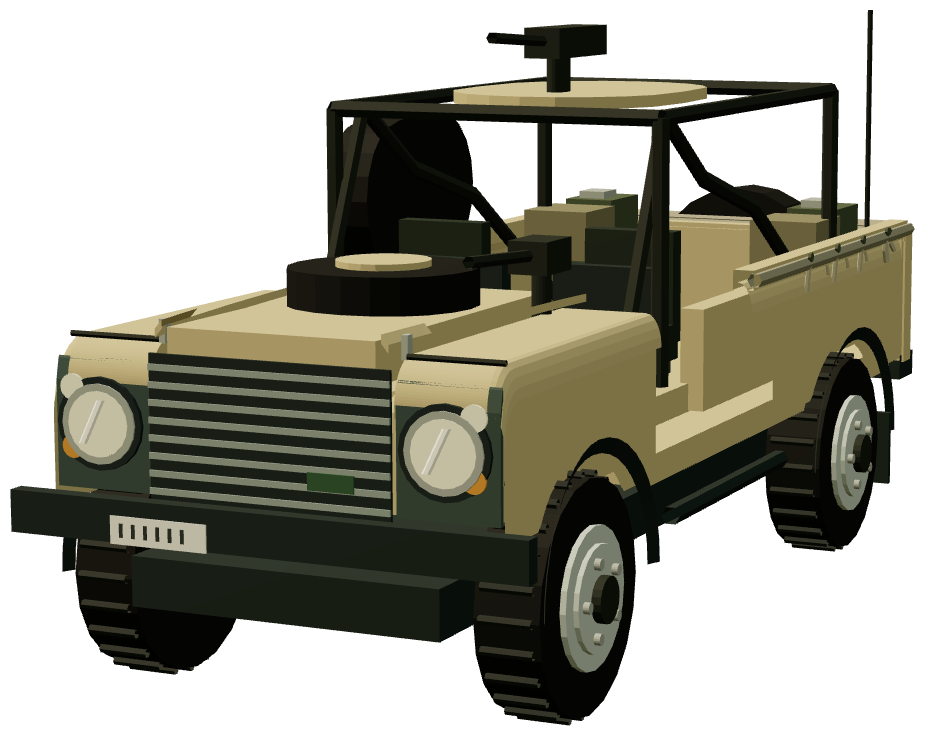
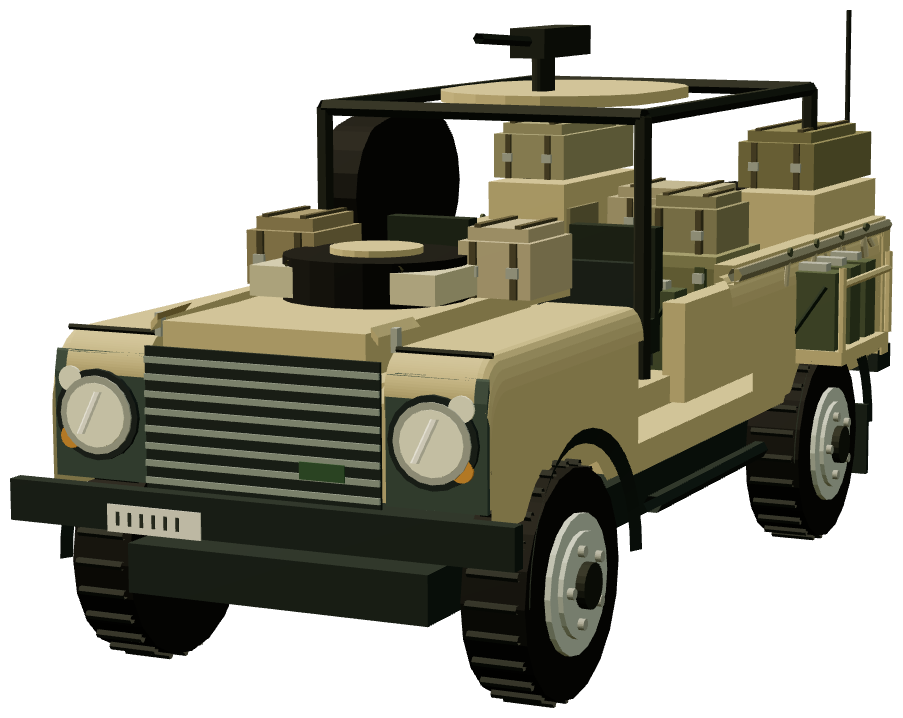
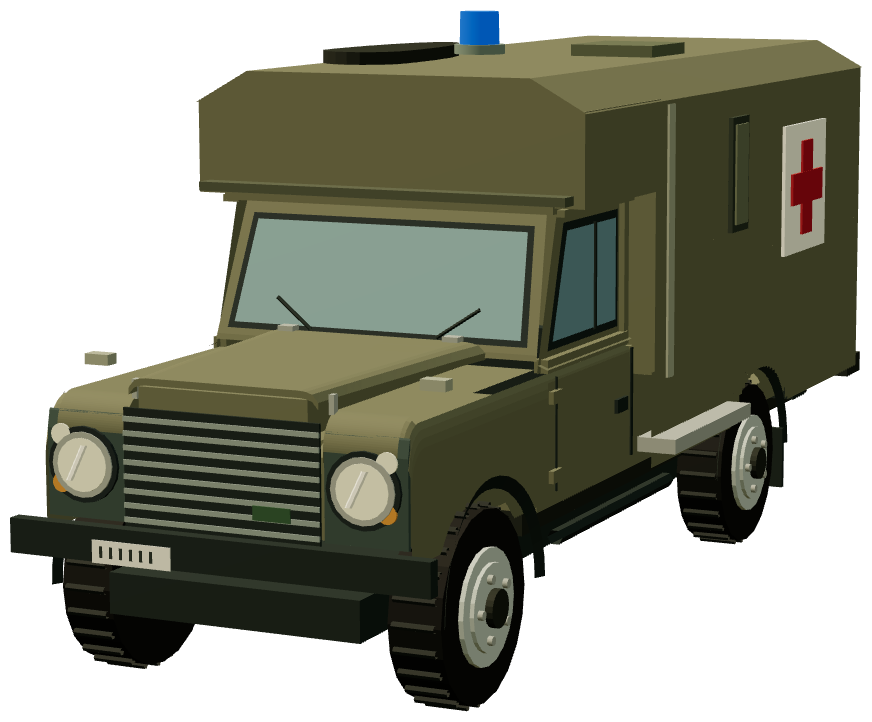
The Wolf is far more than a repainted civilian Defender. A computer-aided redesign strengthened the chassis and axle casings — the Salisbury-type axles were reworked with stronger internals, hubs and outer casings after repeated breakages in trials — and the bodywork and canopy frames were reinforced to improve rollover survivability. Power comes from the 2,495 cc 300 Tdi four-cylinder intercooled turbodiesel of about 111 bhp; the MoD retained the mechanically injected 300 Tdi even after the civilian range moved to the electronic Td5, because the simpler engine was easier to manage in the field. Vehicles carry 24-volt electrics, military lighting and towing gear, and were built in dozens of configurations — soft top, hard top (with an outsourced fibreglass roof), Fitted For Radio, winterised and waterproofed versions for the Royal Marines, the Ricardo-developed WMIK weapons platform and the Marshall-bodied 130 battlefield ambulance among them; some 97 configurations are commonly cited.
The first vehicles entered service in the summer of 1996, in time for IFOR operations in the Balkans, and the fleet went on to serve in Kosovo, Sierra Leone, Iraq and Afghanistan and on every routine task in between. A small follow-on batch was supplied to the Royal Netherlands Marine Corps, and Wolfs have appeared with users including Brunei, the Czech Republic, Lithuania and others. After nearly thirty years of service the Wolf fleet began final withdrawal from front-line MoD service in 2026, its longevity a testament to the strength of the original XD engineering.

_(owner_C._Brown)_pic1.JPG)