The record
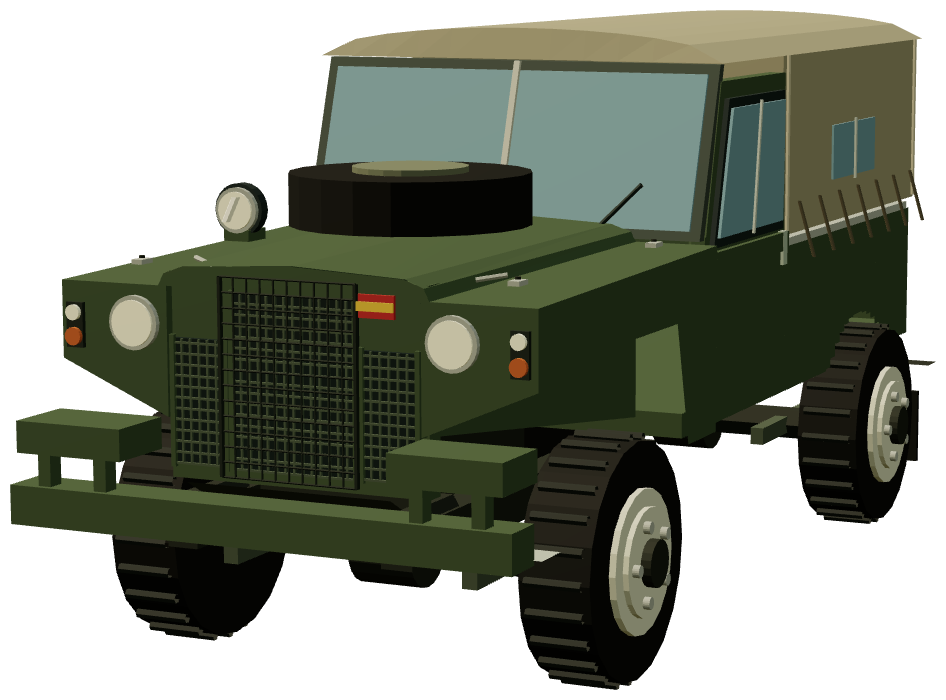
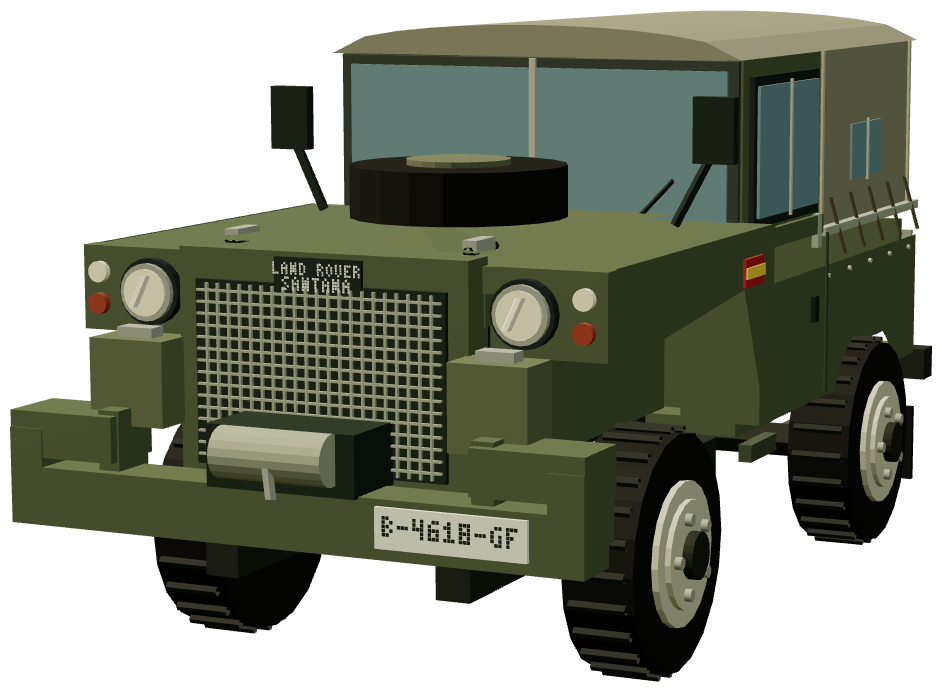
Santana's story begins with Metalúrgica de Santa Ana, S.A., formed at Linares in the province of Jaén on 24 February 1955 with Spanish government money intended to industrialise the province. The plant was built for agricultural machinery, but within a year an agreement was reached with Rover to assemble the Land Rover in Spain, and the first Spanish-built Series IIs reached the market in 1958 — a year ahead of schedule. Over the following three decades Santana moved from screwdriver assembly of Solihull kits to almost complete local content and to models of its own devising, and the licence relationship with Land Rover ran until around 1990, when Land Rover-badged production at Linares ended and Suzuki became the majority shareholder.
The PS-10 was the company's attempt to go back to those roots. With Suzuki-based volumes collapsing after 2000 — 33,821 units sold in 2000, 22,736 in 2001, and losses of €301 million — Santana revived a project begun in 1997 under plant director José Antonio Navarro Yagüe to replace the old Santana 2500. Development cost some €19 million; the prototypes were built on 2500 underpinnings, and surplus 2500 components were deliberately consumed in early production. The vehicle was shown at the Madrid motor show on 23 May 2002 and went on sale that autumn, badged Aníbal in Spain after the Carthaginian general Hannibal, and PS-10 for export because Hummer's makers held the Hannibal trademark. Sources differ on when series sales properly began: Spanish Wikipedia dates the marketed model 2004–2011 and the French entry 2003–2010.
The range opened with a closed three-door on the short wheelbase and a five-door on the long one, plus single- and double-cab pickups; a long-wheelbase closed three-door prototype was built but never sold. This short-wheelbase car was the least widely distributed of the family — it was never offered in the United Kingdom, for example. Mechanically it was frankly old-fashioned: leaf springs, a Santana LT85 five-speed gearbox (a ZF unit from 2005), a dual-range transfer box and the option of two-wheel drive alongside 4x4, with no ABS or airbags but with optional power steering and air conditioning and a rear opening enlarged to swallow a Euro pallet. Power came from Iveco's 2.8-litre 8140.43 four: first the mechanically injected 8140.43C of 106 hp (78 kW), later the common-rail 8140.43P rated 125 CV (92 kW) at 3,600 rpm and 275 Nm at 1,800 rpm. British magazine 4x4 in July 2005 named it the best light all-terrain vehicle in the world, beating the Defender, Discovery and Nissan Patrol.
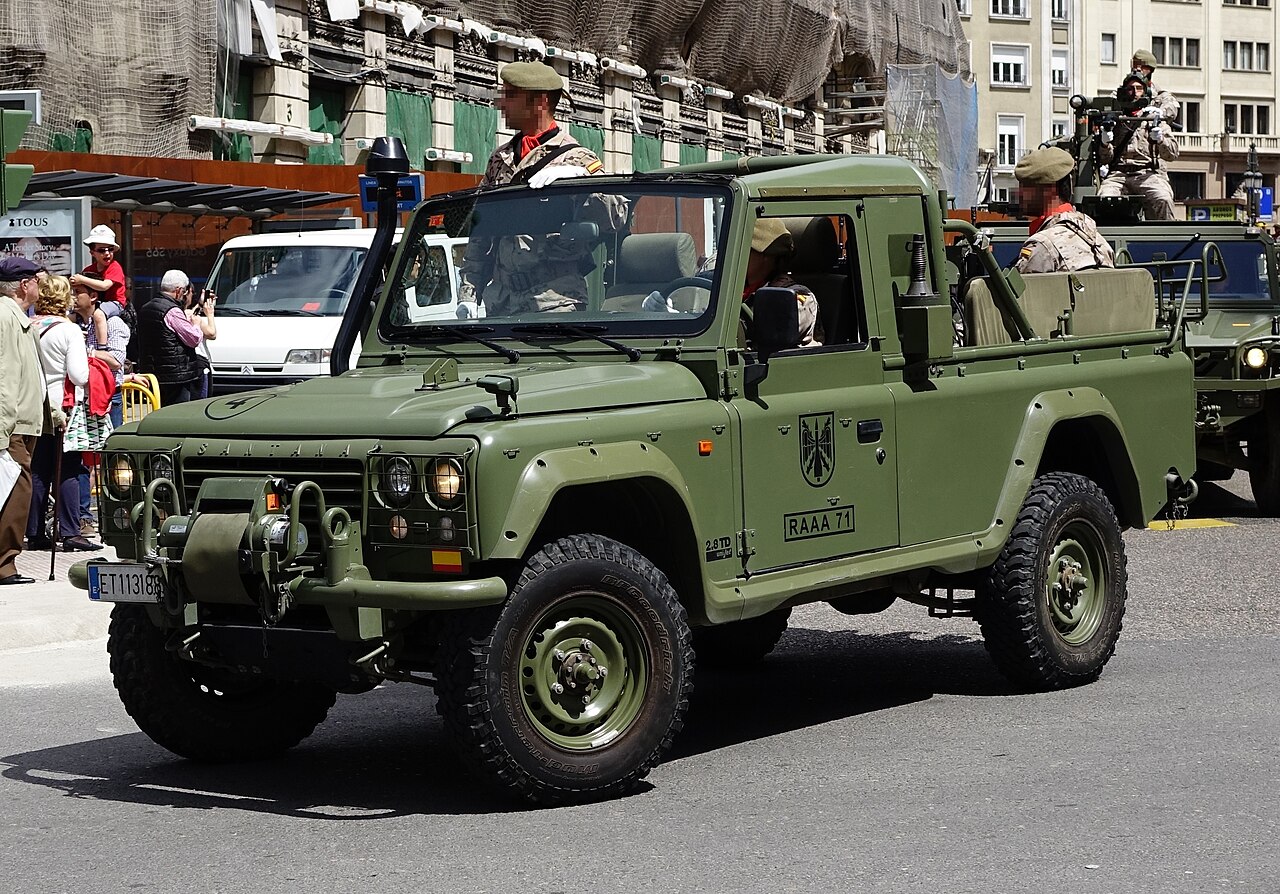
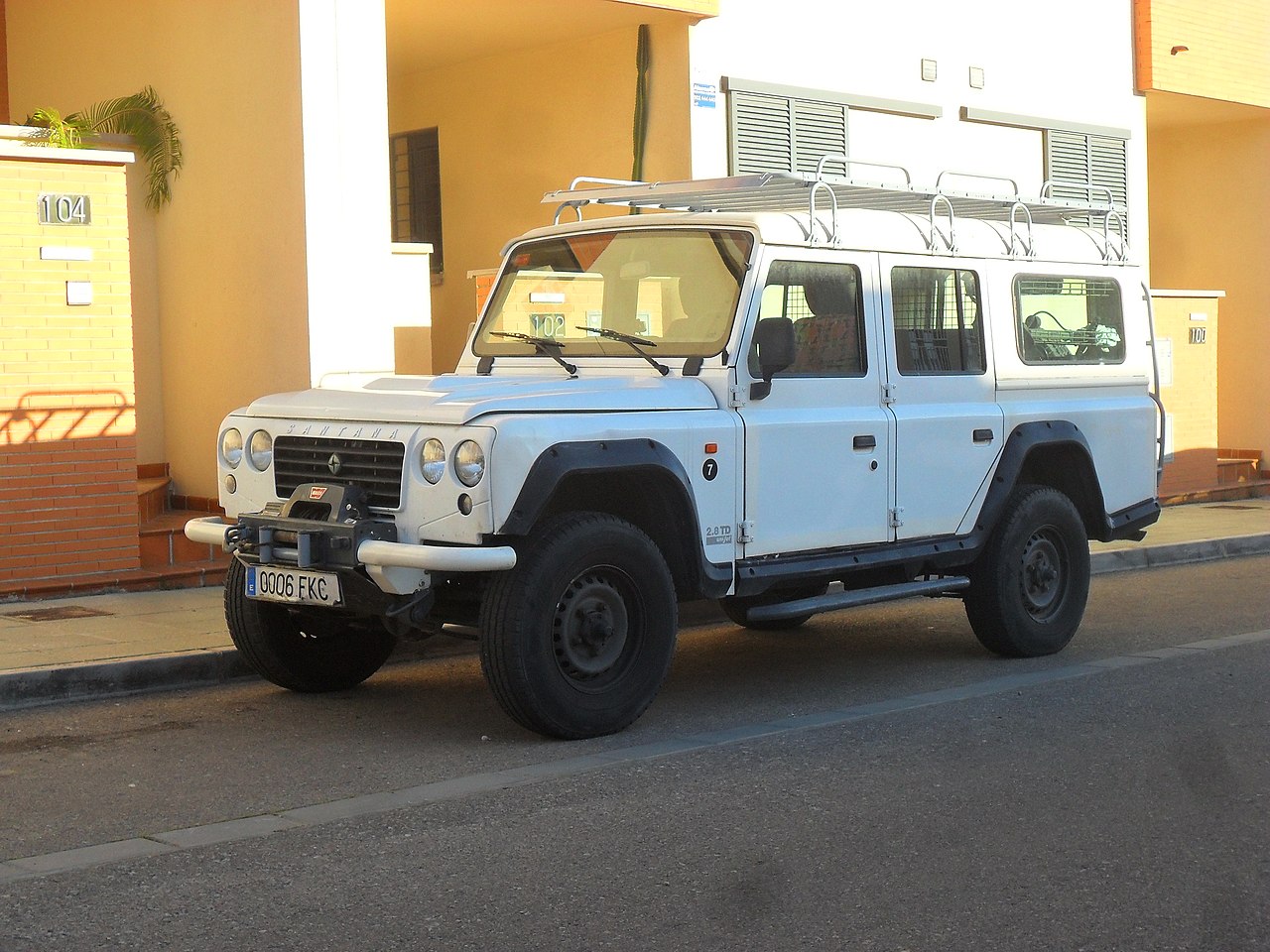
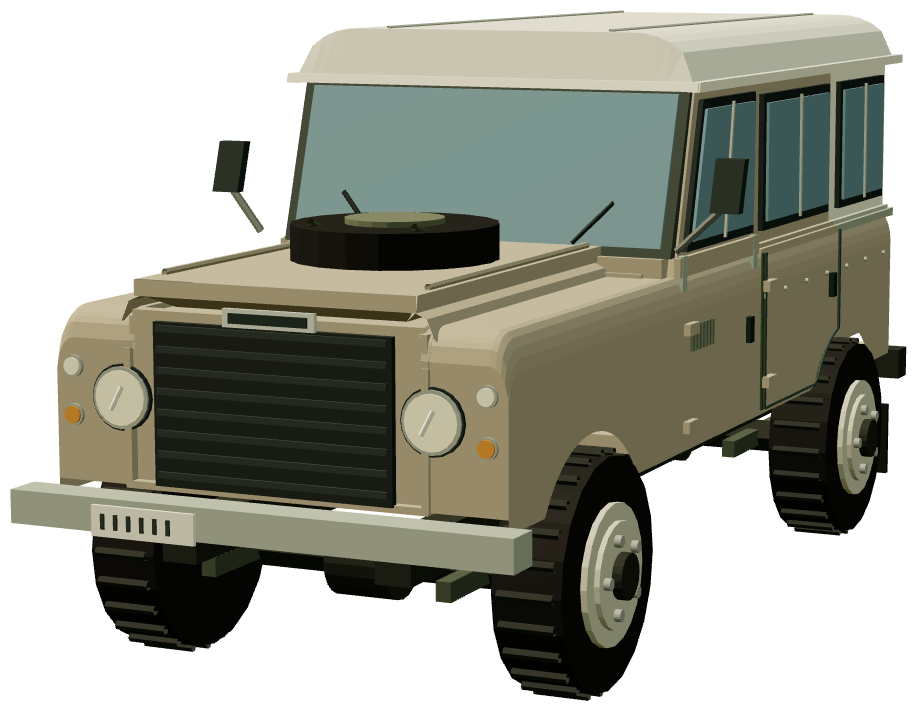
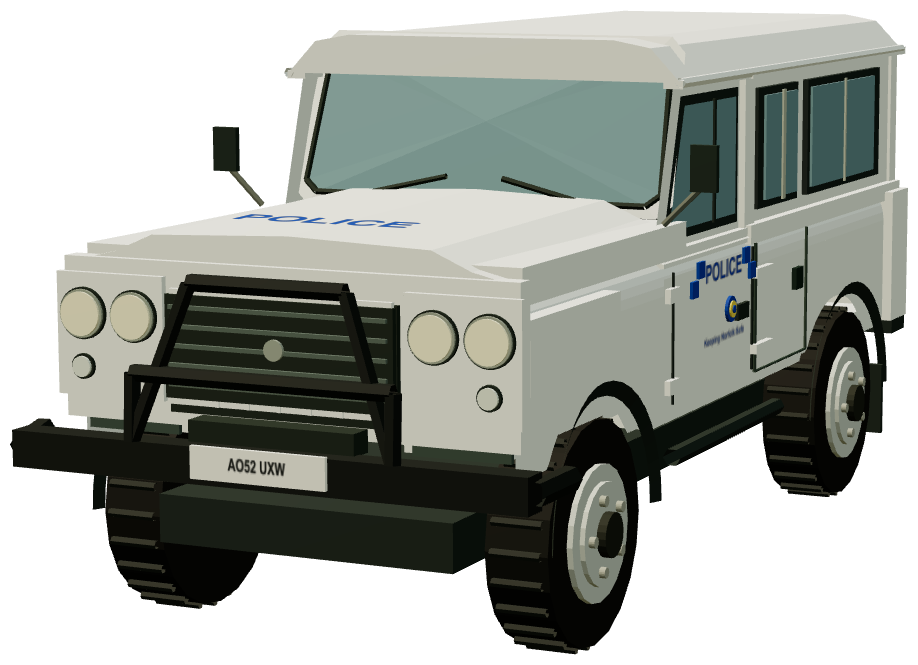
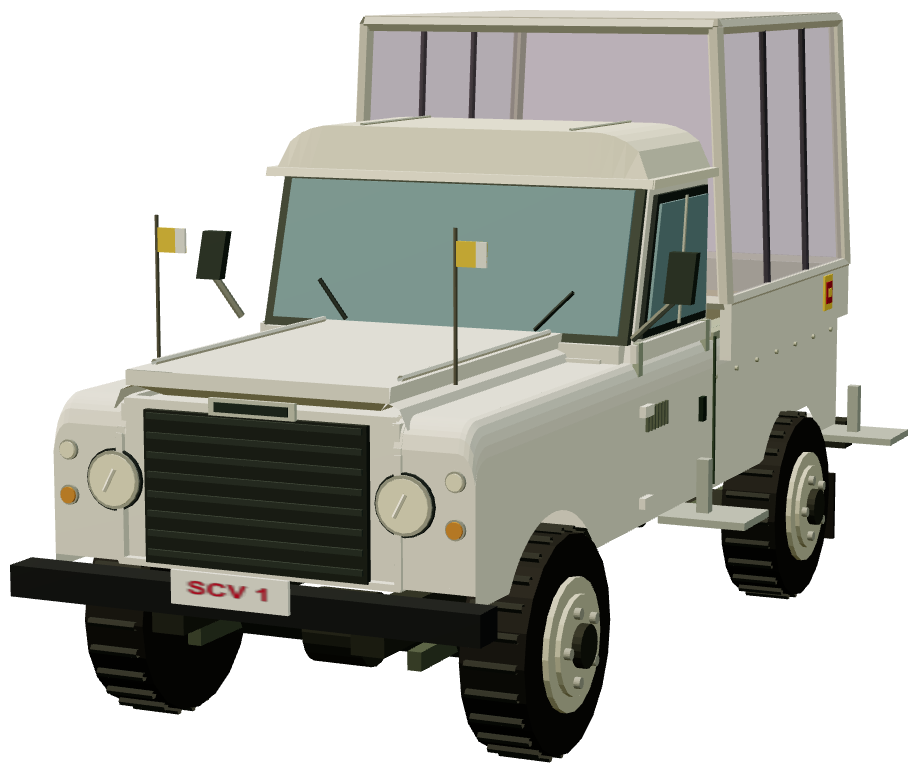
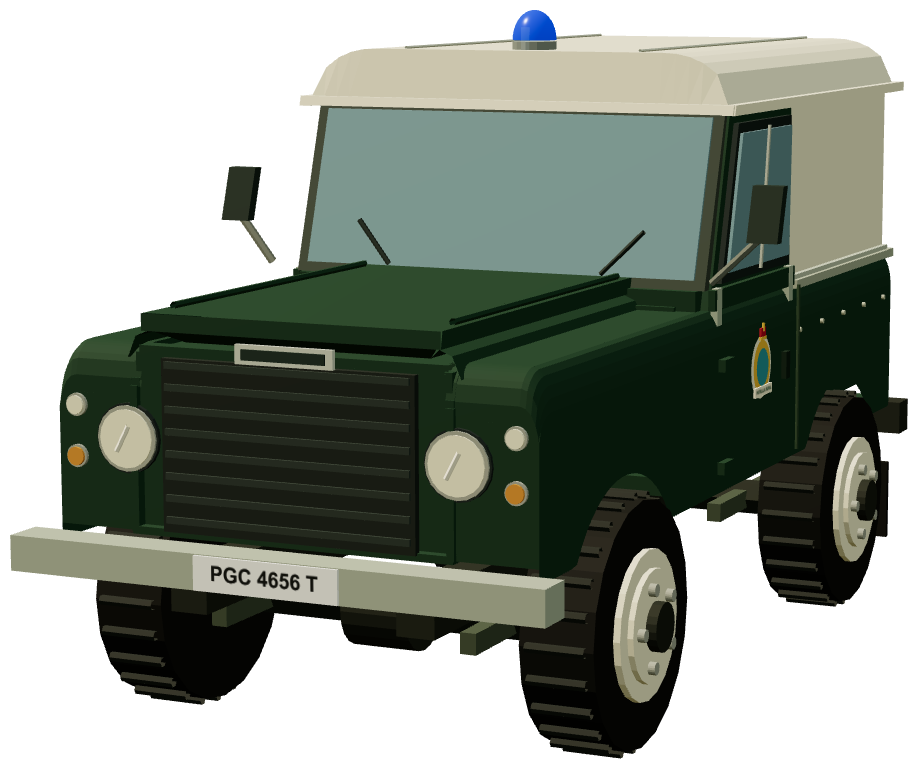
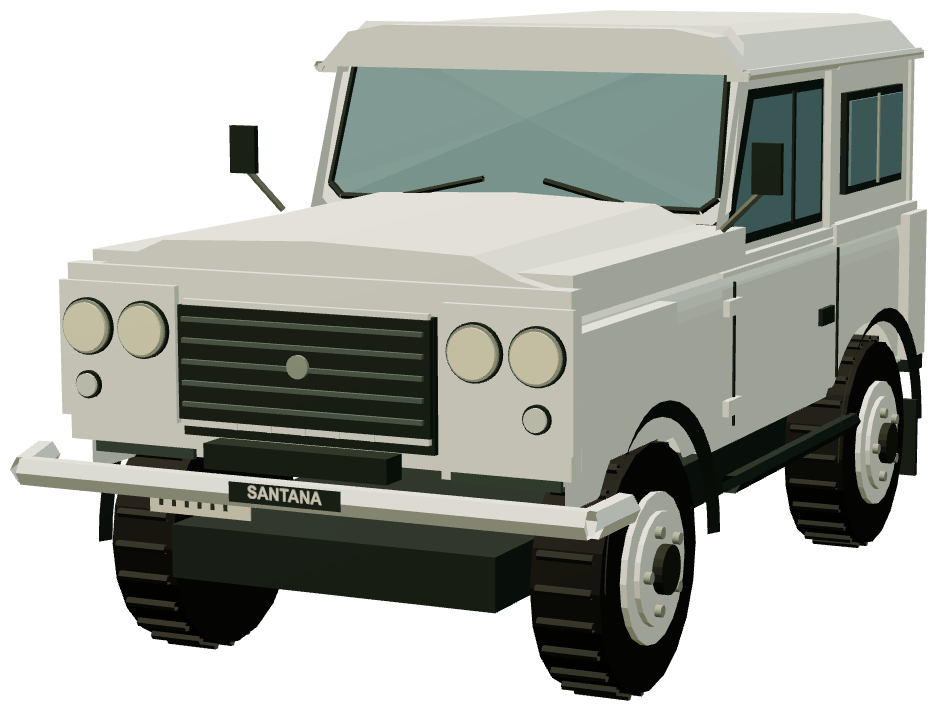
It was not enough. The Spanish Army took up to 1,700 Aníbal/PS-10s as a light cross-country vehicle and French and Czech orders followed, with trials for the British and Moroccan armies, but civil sales stayed modest. In 2006 Iveco agreed to take the product line over, restyling it through Italdesign as the Iveco Massif, built at Linares from July 2007. Output fell from 6,692 vehicles in 2007 to 1,197 in 2009 and just 769 in 2010; Iveco walked away, and in 2011 the owner of the company, the Junta de Andalucía, closed Santana Motor with 1,341 workers laid off or retired early. Free photography of the short-wheelbase three-door is scarce — the images below show the long-wheelbase PS-10/Aníbal that shares its cab, front end and running gear.