The record
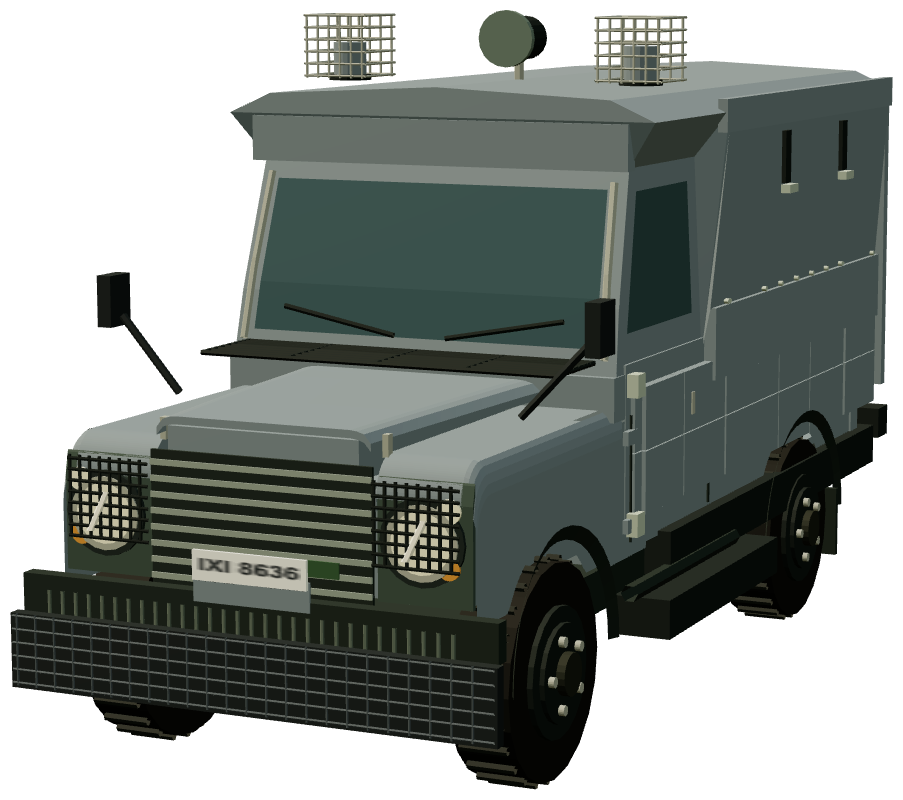
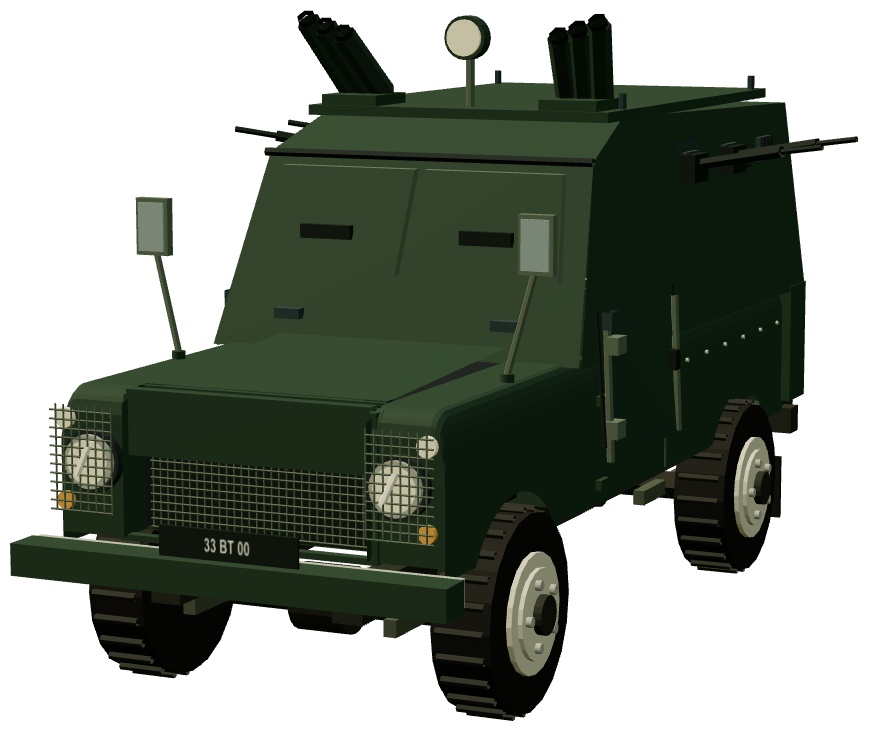
Armoured Land Rovers had been part of policing in Northern Ireland since 1957, when a Series I 109-inch pick-up was fitted with basic protection against bricks and bottles in public-order situations. As the threat escalated during the Troubles, ballistic steel plating and armoured rear doors were added, and in the late 1970s the RUC produced the Hotspur — named after the type of armour plate used — in bulk on Series III chassis. The more sophisticated Simba followed in the early 1980s, but it proved slow to produce, leaving a gap as the Hotspur fleet wore out.
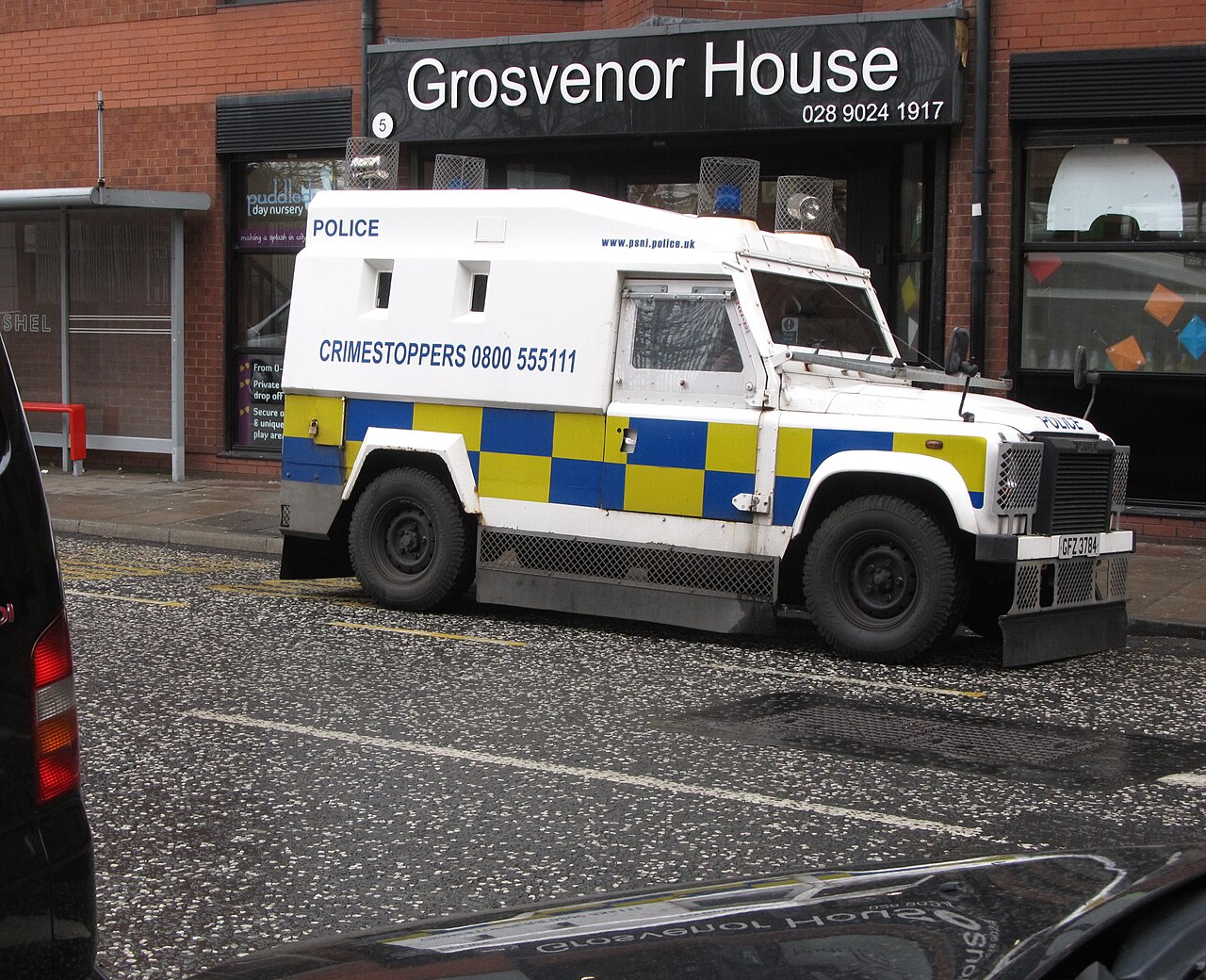
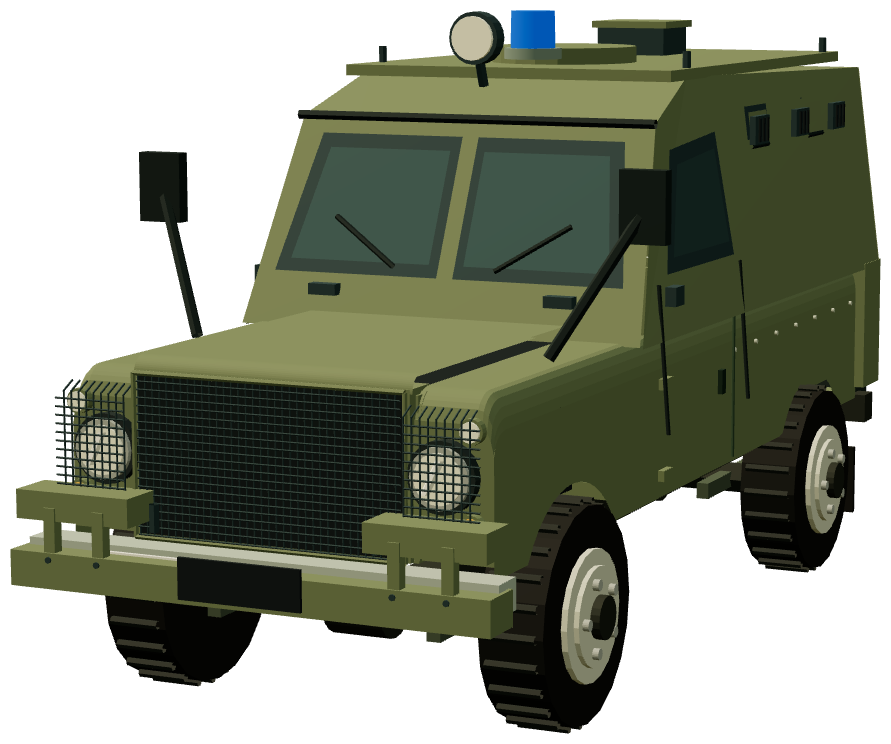
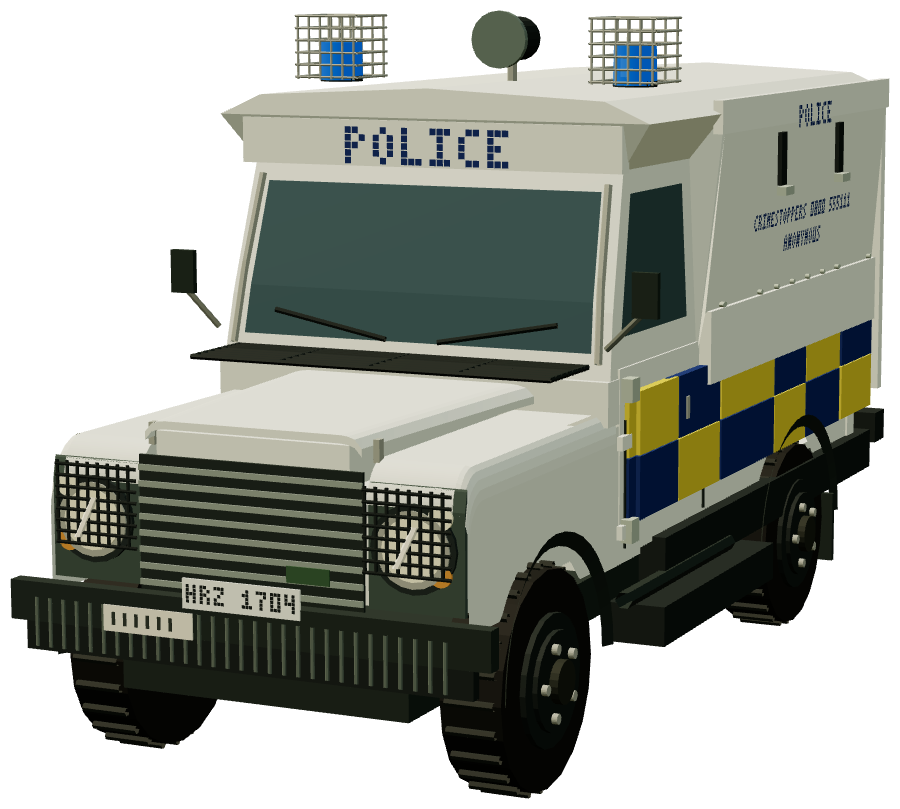
The answer was the Tangi, its name derived from the Swahili word for 'tank'. Unusually for any police force in the world, the vehicle was designed and built in-house by the Royal Ulster Constabulary's own vehicle engineering team at Seapark, outside Belfast. The first examples were created by transplanting Hotspur armoured body kits from worn-out Series III chassis onto around one hundred of the new coil-sprung Land Rover One-Ten (Defender 110) chassis; when the stock of donor kits ran out, the workshops fabricated new armour. The first Tangi, registration HXI 3593 (fleet number 8203), went into action on 16 January 1986.
The Tangi became the fleet standard, and several hundred more were produced and progressively upgraded through the 1990s and into the early 2000s as threat levels changed. One notable modification followed a drogue-bomb attack that damaged a vehicle's roof during rioting in Dawson Street, Belfast: the resulting 'Dawson' roof mounted a second steel roof above the first, working on the principle of spaced armour. Protection also included hardened side plating, a bulletproof windscreen, fire-suppression equipment and polycarbonate side skirts. Tangis were powered by standard Land Rover Defender engines, with V8 petrol and five-cylinder turbo-diesel units recorded across the fleet.
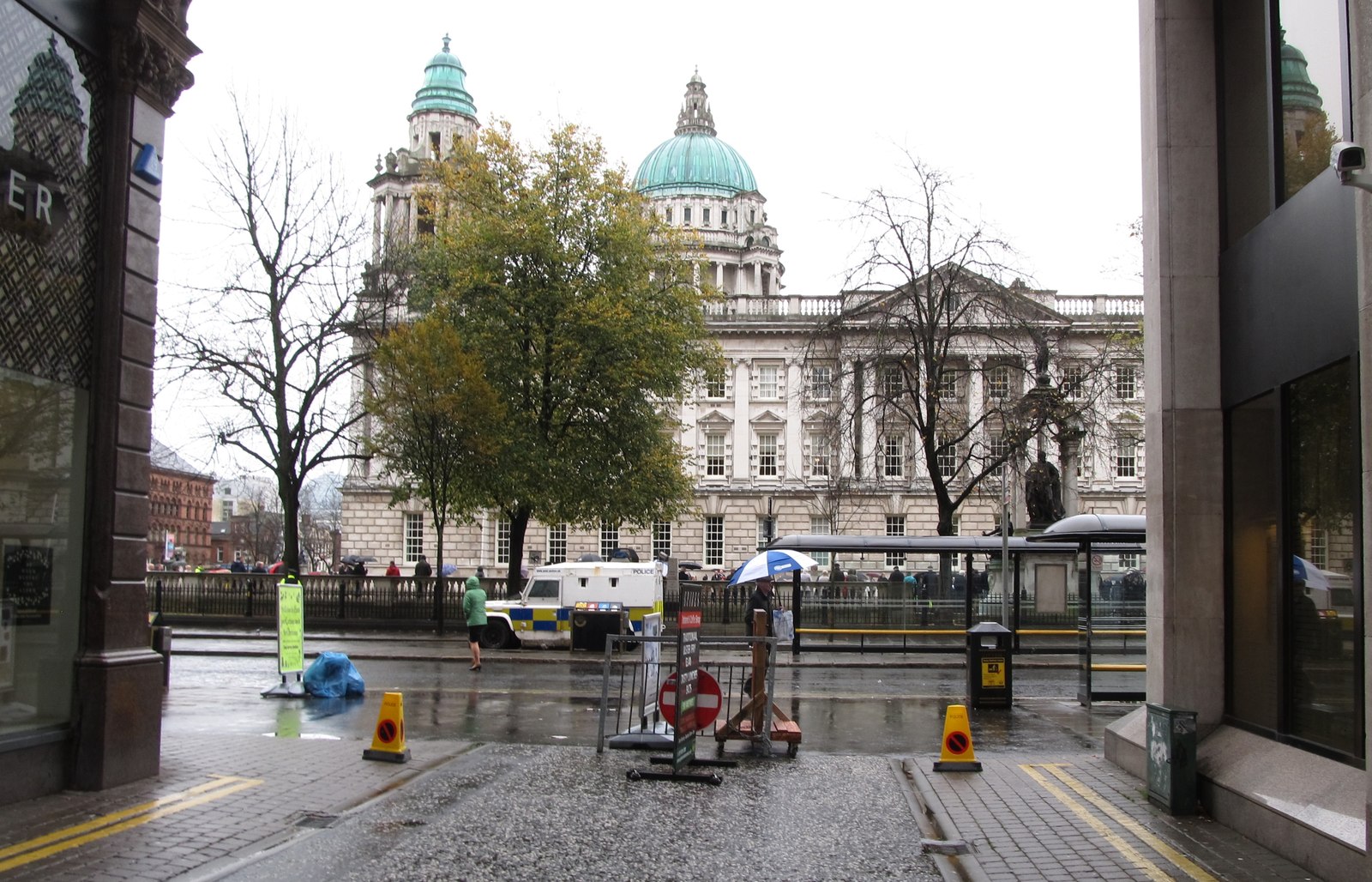
When the Police Service of Northern Ireland replaced the RUC in 2001 it inherited the Tangi fleet and kept the type in front-line service for years afterwards. The oldest vehicles were replaced between mid-2011 and around 2014 by the OVIK Pangolin public-order Land Rovers and, after a supplier dispute split the second production batch, by Penman Engineering's equivalent ALR; more than half of the roughly 450-strong armoured Land Rover fleet was decommissioned in the process, although some Tangis remained in PSNI service as late as 2021. Because armoured police vehicles are usually decommissioned rather than sold, Tangis are rare in civilian hands, but preserved examples exist.