The record
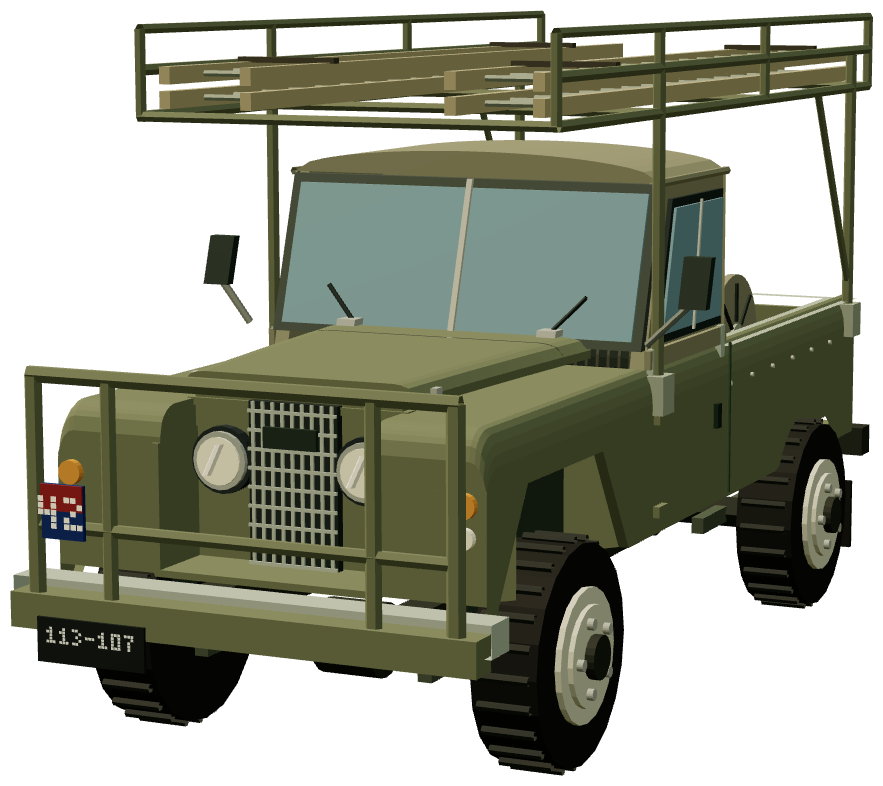
Laying field cable is one of the oldest signals tasks there is, and armies have always improvised vehicles for it rather than order them. The Fitted For Line, or line layer, is exactly that: REMLR records it as a unit-level conversion of a regular general service Land Rover, modified with the equipment needed to lay communications and other cables, and states plainly that it does not appear to be an official variant in the Australian Army's nomenclature. The conversion is recognisable from two additions - a tubular frame carried over the body to hold the ladders used for running line up poles and over obstacles, and one or two cable drums mounted in the rear of the tub. On this Series IIA the ladder frame is fabricated from round tube; later line layers built on Series 3 and Perentie 110 general service vehicles used square-section tube, which is the quickest way to date a photograph of one.
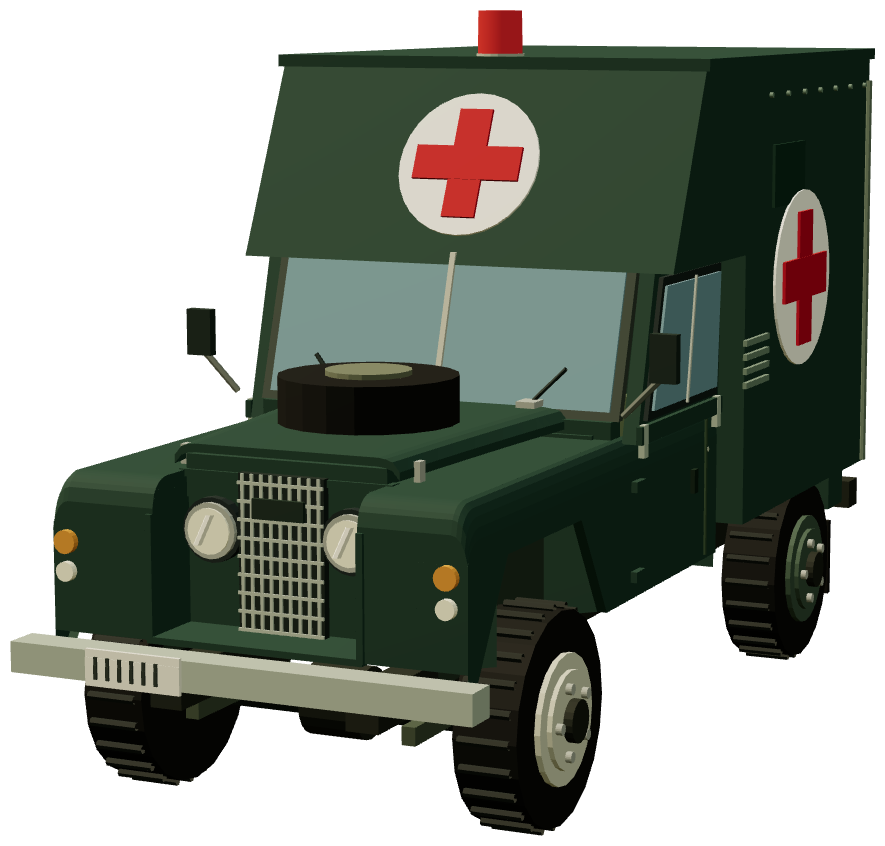
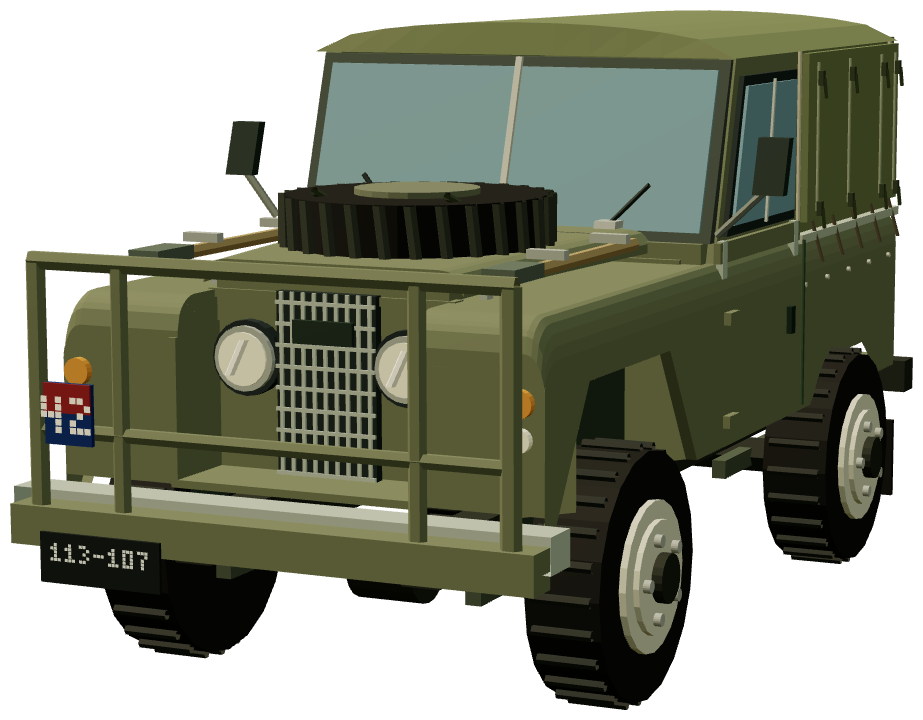
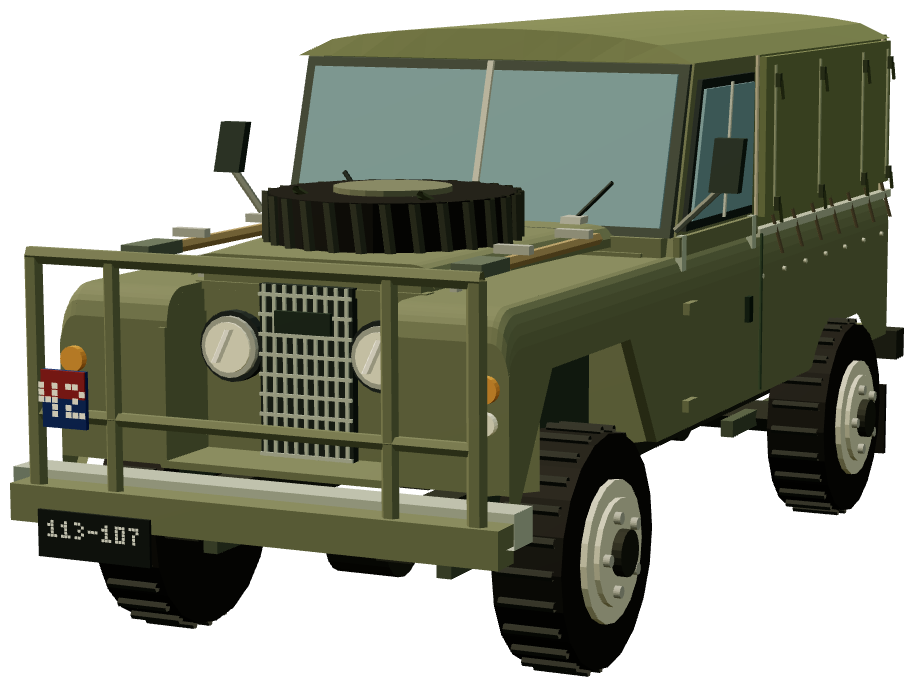
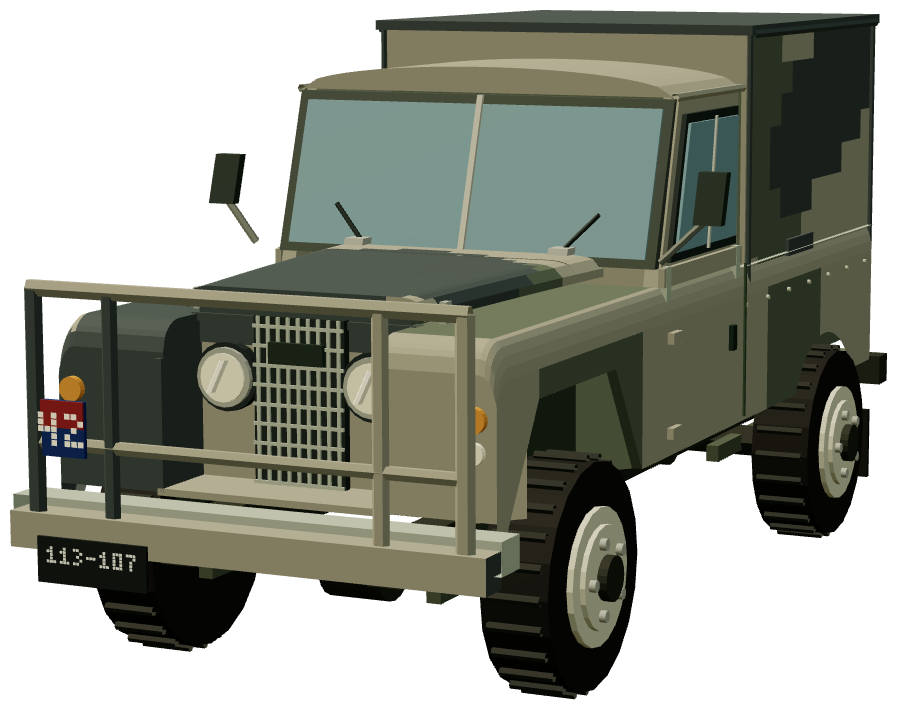
The base vehicle is the Australian Military Forces' own specification of the Series IIA 109. Australian Series IIAs were substantially re-engineered against civilian cars: extended front spring mounts and rear spring shackles to raise ride height, matching bump-stop supports, an extra chassis outrigger carrying a duplicate ten-gallon fuel tank on the passenger side, longer dampers, 7.50-16 tyres and twin fan belts on the 2.25-litre petrol four, together with a brush guard, bridge-weight-classification plate, blackout light, tactical sign holders and a radio earthing wingnut on the rear cross-member. The first Series IIA 88-inch was delivered in June 1963 and the first 109-inch in 1964, with the last 109s dated September 1971; REMLR's registration records account for 4,776 Series IIAs in Australian Army service, 3,766 of them long-wheelbase. Vehicles for the Australian market of this period were assembled from CKD kits by Pressed Metal Corporation at Enfield, Sydney.
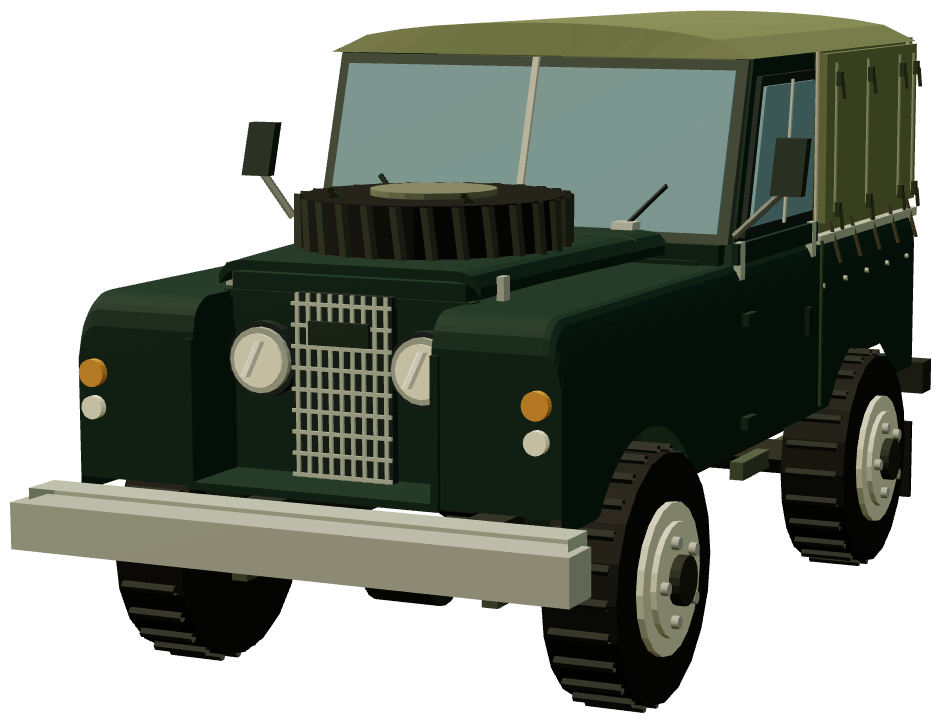
Paint follows the fleet: Australian Army Land Rovers wore gloss Deep Bronze Green from the factory until April 1967, when the standard changed to a flat Australian Olive Drab considered better suited to service in Vietnam, and existing vehicles were resprayed. REMLR's photographs of this vehicle, contributed by Paul Handel, are the only Series IIA Fitted For Line images the registry holds, and its attribution to 1 Signal Regiment, 1st Division is offered by REMLR as a belief rather than a certainty. Because the conversion is undocumented beyond that single set of photographs and one paragraph of description, this record is held at draft confidence: the type is unquestionably real, but its numbers, the units that ran it and the exact equipment fit are not established.
Research status: draft — identification, dates or figures could not all be pinned down; the summary says what is unresolved.