The record
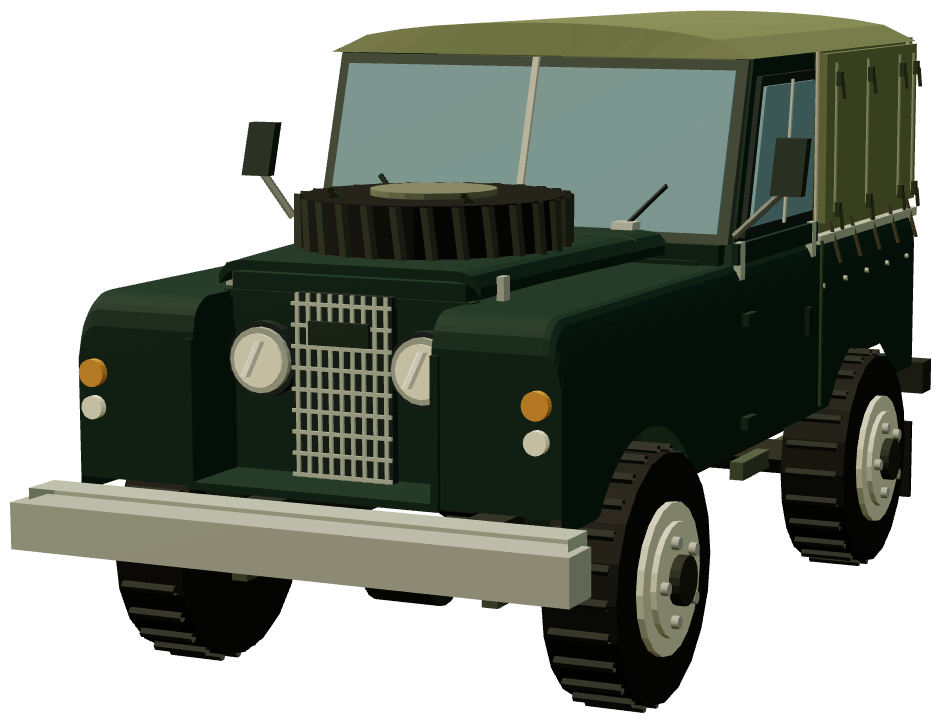
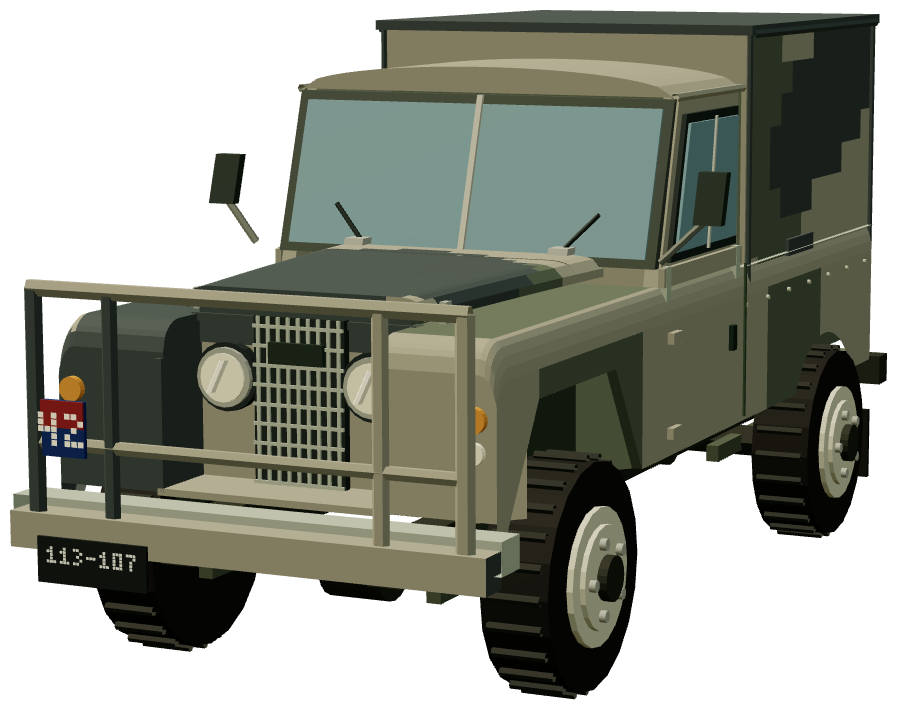
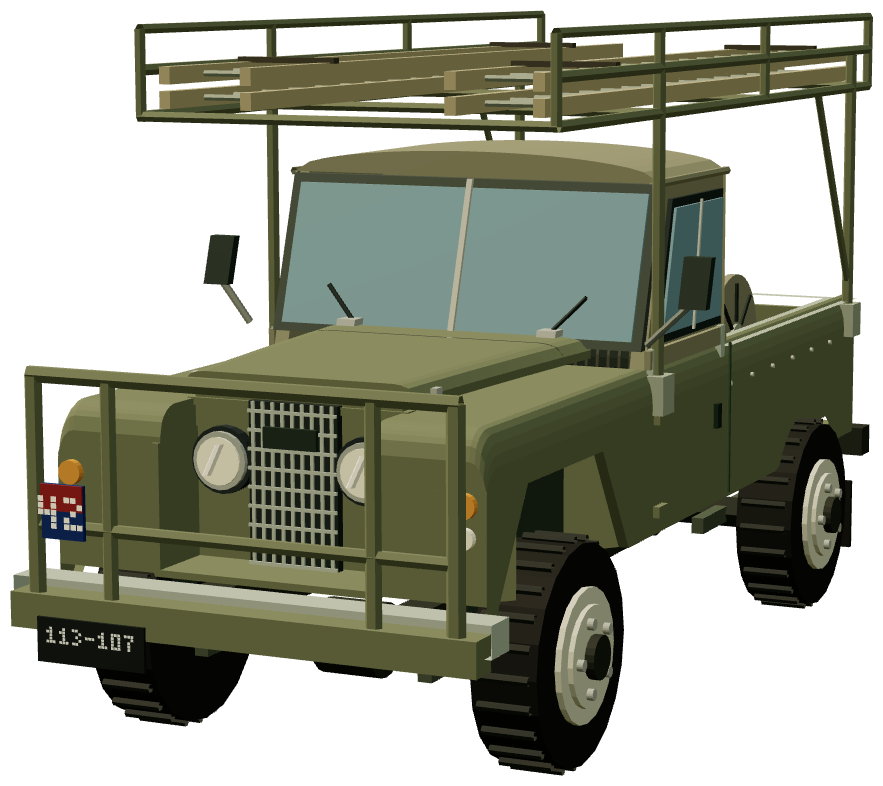
After the Series 2 88 won the Army Design Establishment's 1958 'Project V50' comparative trials, the Australian Military Forces issued contract 104337 in November 1958 for CKD Series 2 Land Rovers, assembled from RHD kits by Pressed Metal Corporation at Enfield in Sydney. The first 88″ short-wheelbase units — all dated 16 December 1958 and in service early in 1959 — were designated Trucks, Command and Reconnaissance, ¼-ton, replacing the WW2 Jeep and, to a lesser extent, the Austin Champ in the light command role.
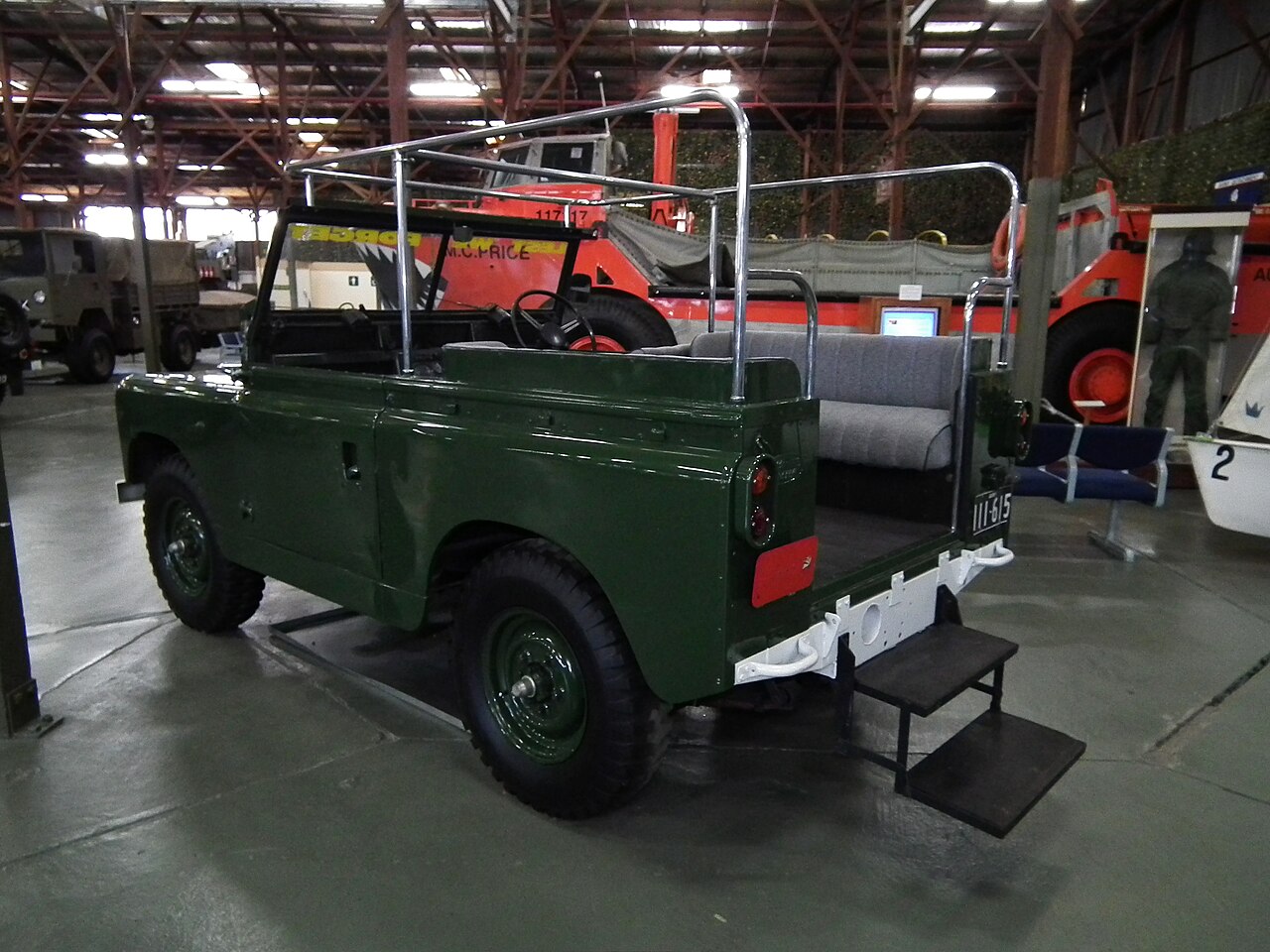
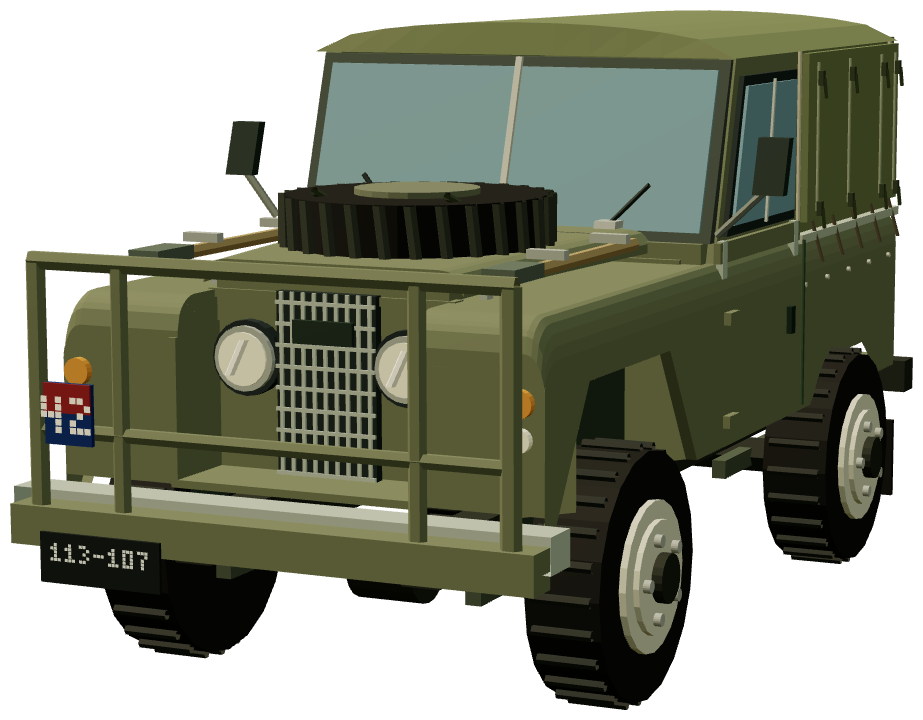
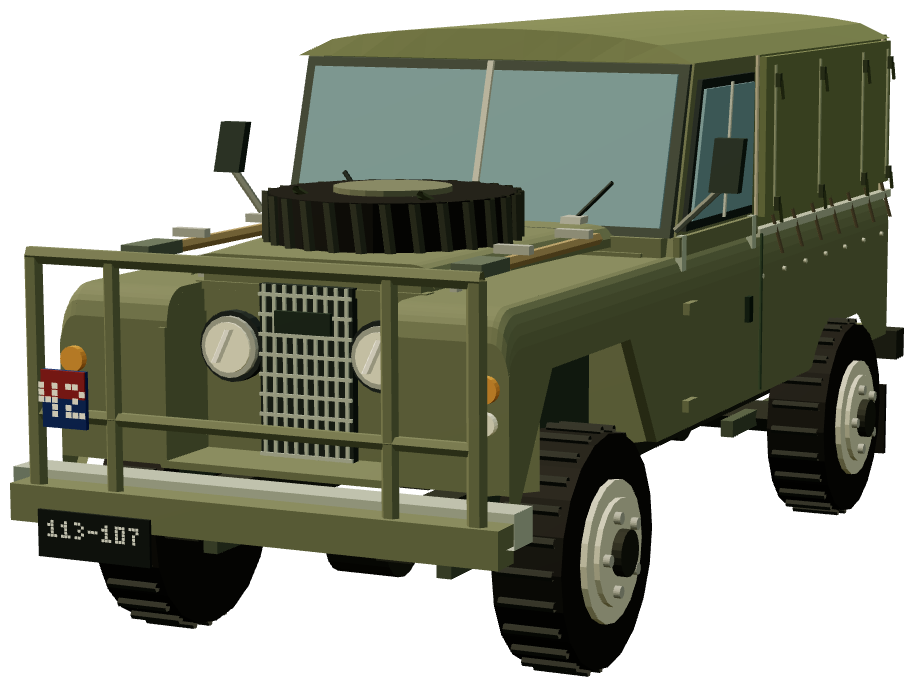
Their appearance was almost identical to civilian Series 2s. Military fittings were limited to front towing eyes, tail-light protectors, extra instrumentation and switching including a large blackout switch beside the speedometer panel, a fire extinguisher, a heavy-duty canopy, and an early-pattern pintle hook of the type fitted to the Austin Champ; tactical-sign holders were added front and rear once the vehicles were in service, after a change to Formation Markings Standing Orders. The 1958 trials had flagged the small fuel tank and the need for heavier suspension — recommendations answered later in the heavily modified Series 2A GS models, while the strengthened canopy design appears to have begun with the Command Reconnaissance itself. Period photographs show the type on command duties and survey work with the Royal Australian Survey Corps around 1960.
The vehicles were delivered in gloss Bronze Green enamel (the British Deep Bronze Green standard) and were over-sprayed in the Army's flat Olive Drab in the mid-to-late 1960s. Survivors are prized by REMLR members: documented examples include 'Pickles', chassis 143900691 with a 16.12.58 delivery date, an unrestored car still in original bronze green, and a Command Reconnaissance in the classic Land Rover collection of Melbourne City Land Rover.
.jpg)