The record
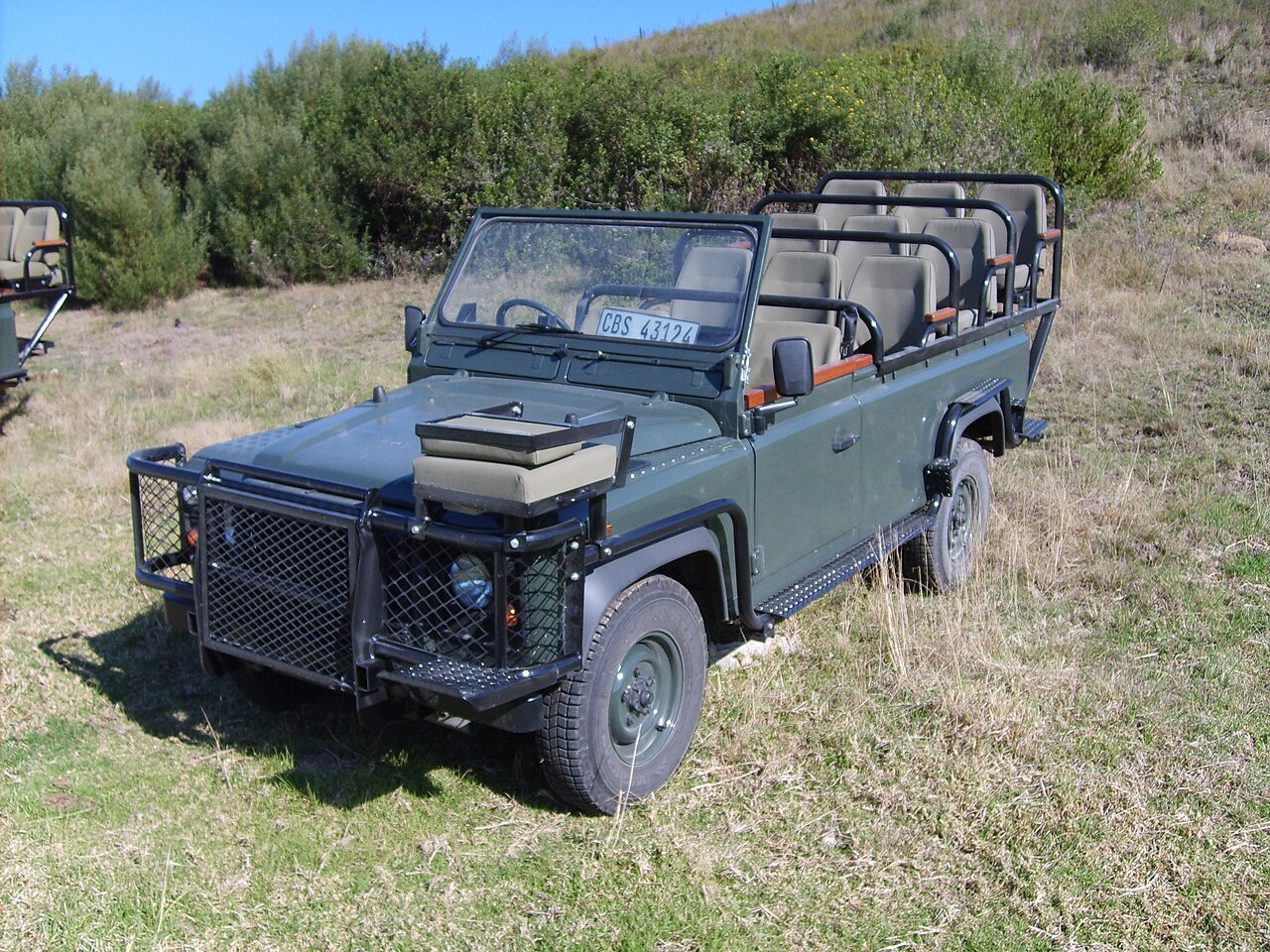
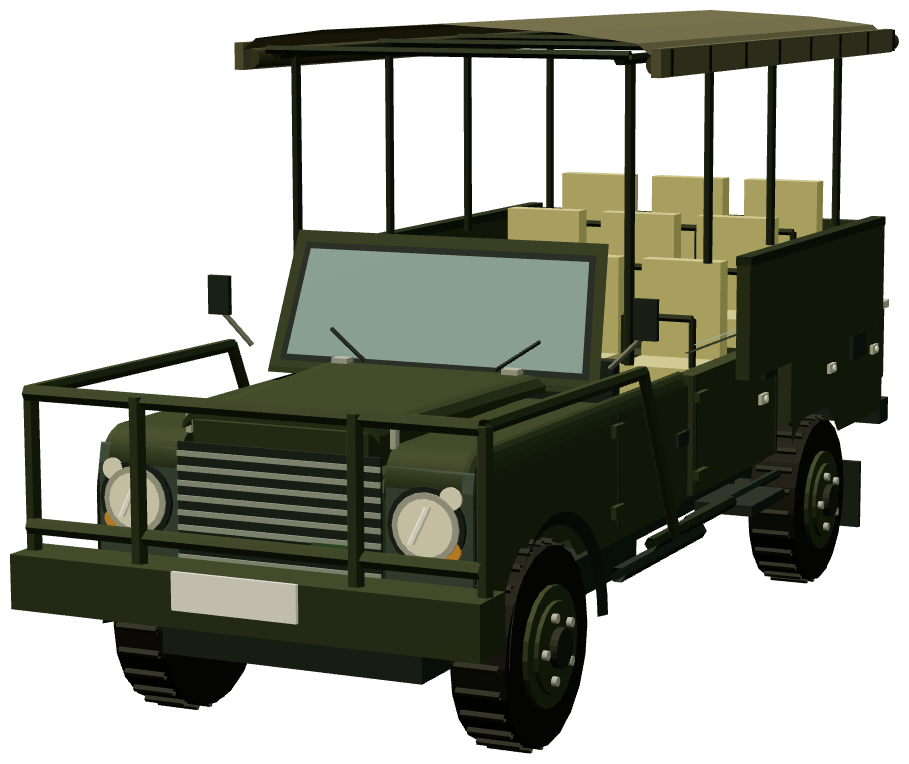
The 'game viewer' or safari car is one of the longest-running Land Rover derivative types and one of the least standardised. Game reserves in East and Southern Africa need a vehicle that will carry a guide and six to nine guests across rough bush at low speed, with an unobstructed all-round view for watching and photographing animals, so the conversion strips the roof and side glass, hinges or removes the windscreen so it can be dropped flat, and replaces the load area with rows of bench or bucket seats stepped up towards the rear in a theatre arrangement, usually under a removable canvas canopy on a tubular frame. Drop-down sides with steps, roll bars, a cool-box rack, a bull bar and a spotlight complete the standard specification. Land Rover Defenders and Toyota Land Cruiser 70-series are the two base vehicles most often used.
The 130-inch chassis is the natural choice where seating capacity matters: the extra 17 inches of wheelbase over a 110 buys another full row of seats and the payload to carry them. Land Rover's own special-vehicles operation offered a game viewer on either the 110 or 130 chassis, fitted with seats and canvas top and exported across Africa in left- or right-hand drive; independent converters built the same thing to order. Foley Specialist Vehicles of Roydon, Essex has been converting the 130 since 1983 — it began by stretching 110s to 127 inches when factory long-wheelbase chassis were scarce — and its 130 catalogue has included game viewers alongside station wagons, crew cabs and hearses. In South Africa, Td5-engined Defender 130s have been rebuilt as dedicated photography game viewers, and in 2011 Land Rover trialled an electric Defender game viewer at the Londolozi reserve, precisely because a silent vehicle disturbs animals less.
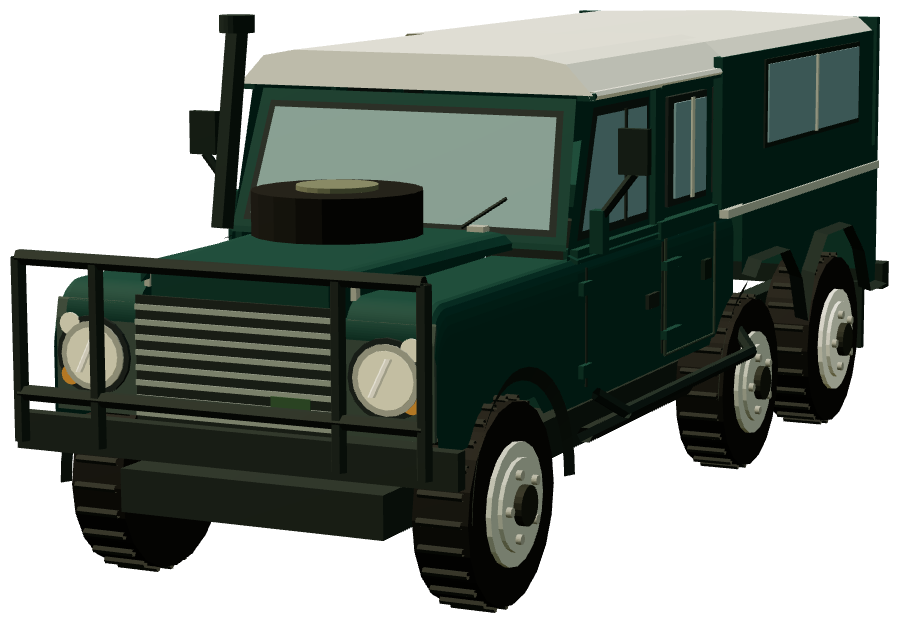
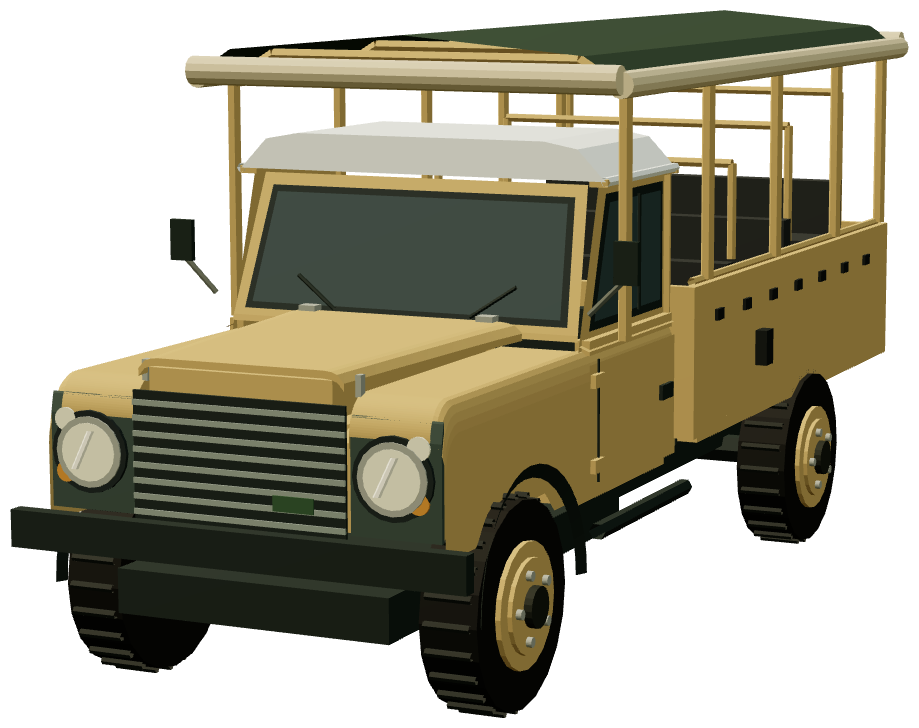
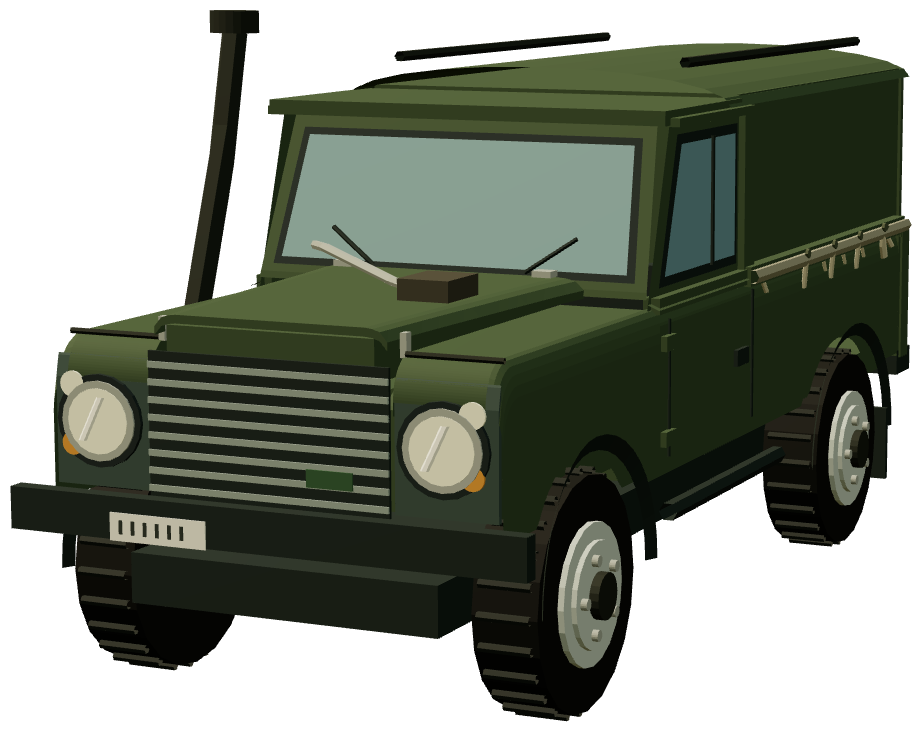
This registry entry represents that conversion type rather than one identified vehicle. The catalogue reference for this record is an unattributed image thumbnail showing an open-cab 130 with raised rear seating under a canvas canopy, and no owner, registration, converter or country of service can be established for it. The type itself is unquestionably real and still in daily use; the specific vehicle is not identifiable, so the record is left at draft and its stated colours are the Defender factory greens and white that such conversions typically carried, not a documented finish for one car.
Research status: no real-world counterpart has been identified for this build; it is recorded honestly as unidentified.