DIFFLOCKEDTHE REGISTRY NAMED MODEL · 1971–85
NAMED MODELMilitary · UKUnited Kingdom

Series III 109″ · UK military

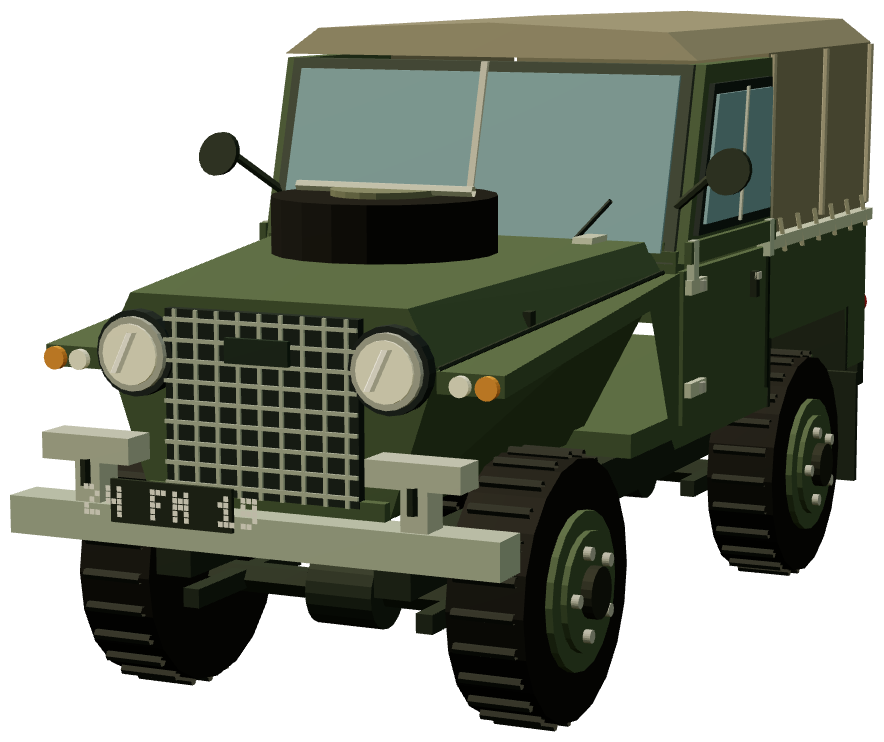
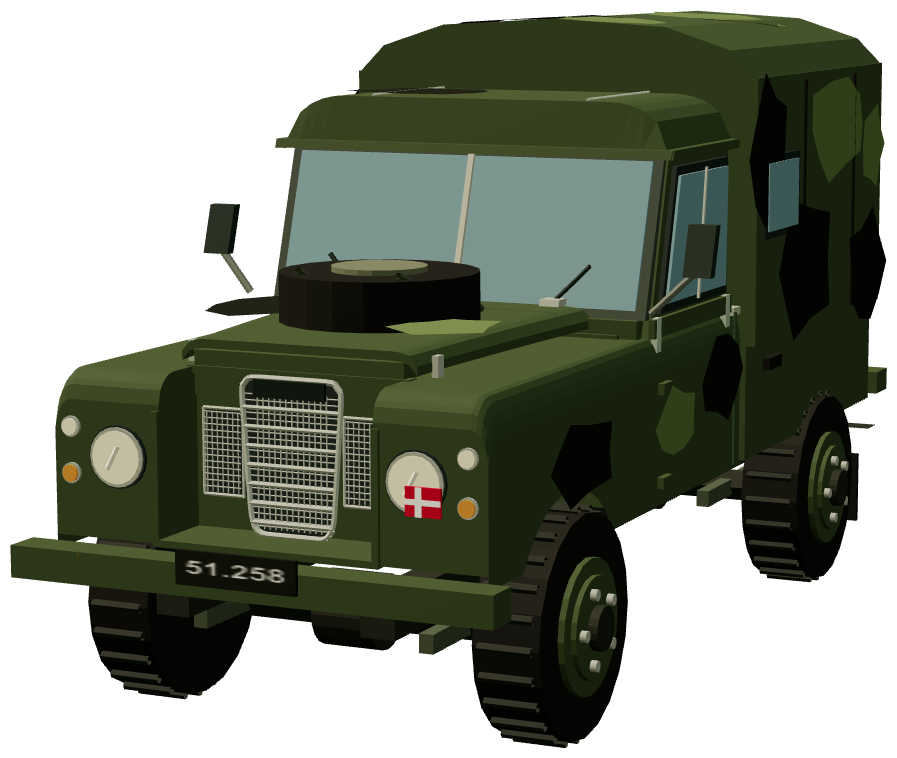
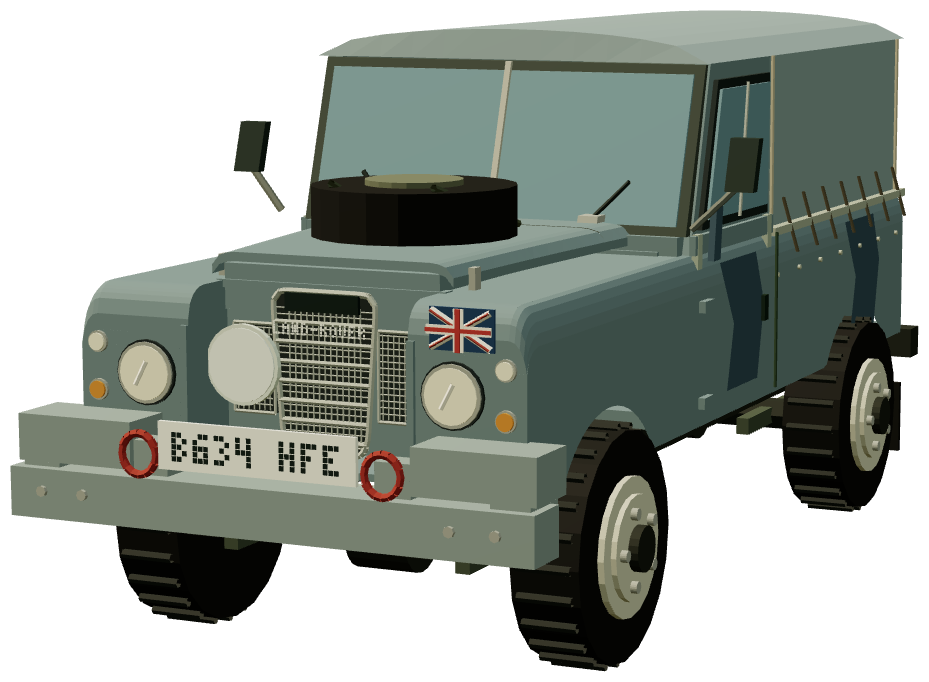
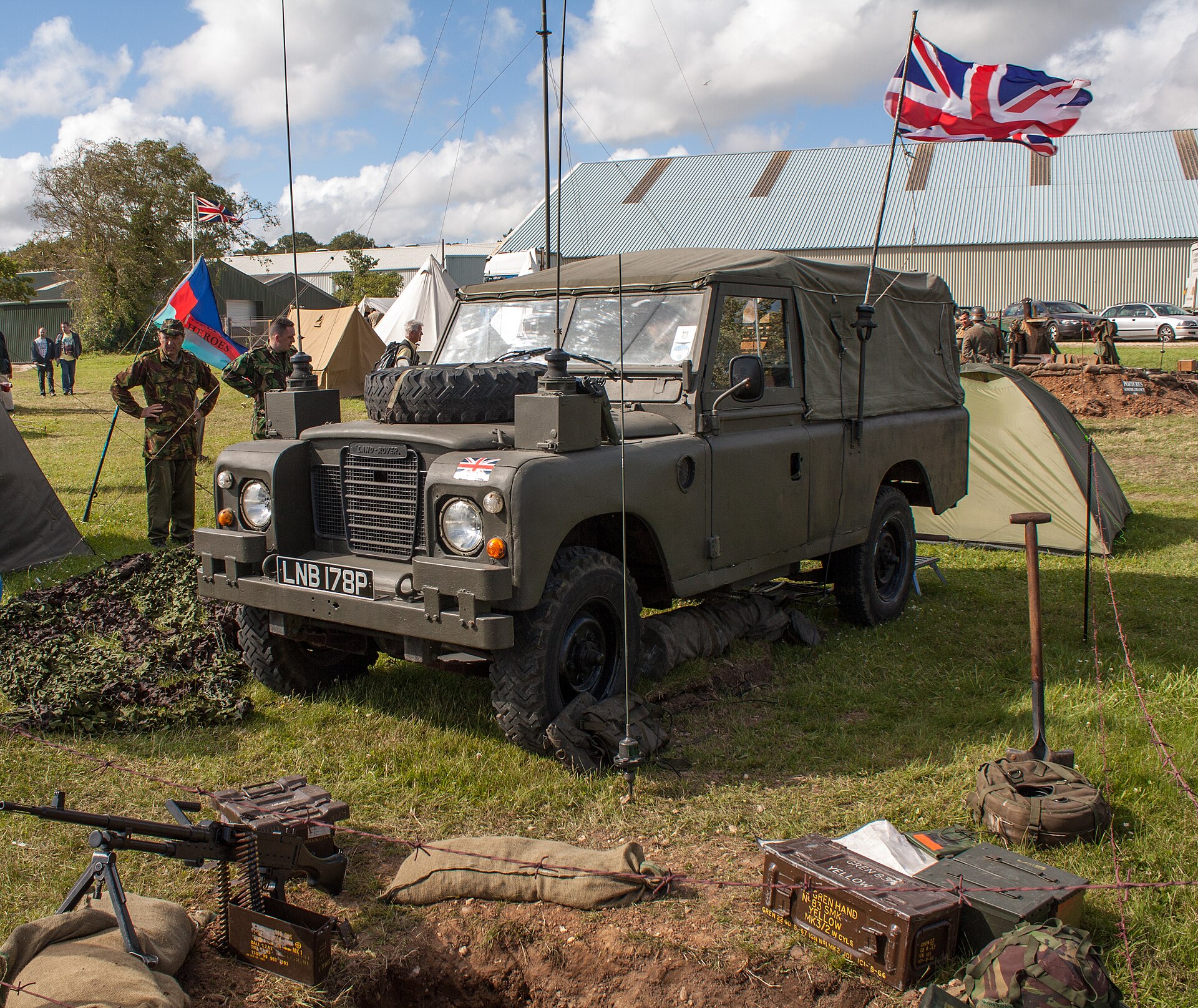
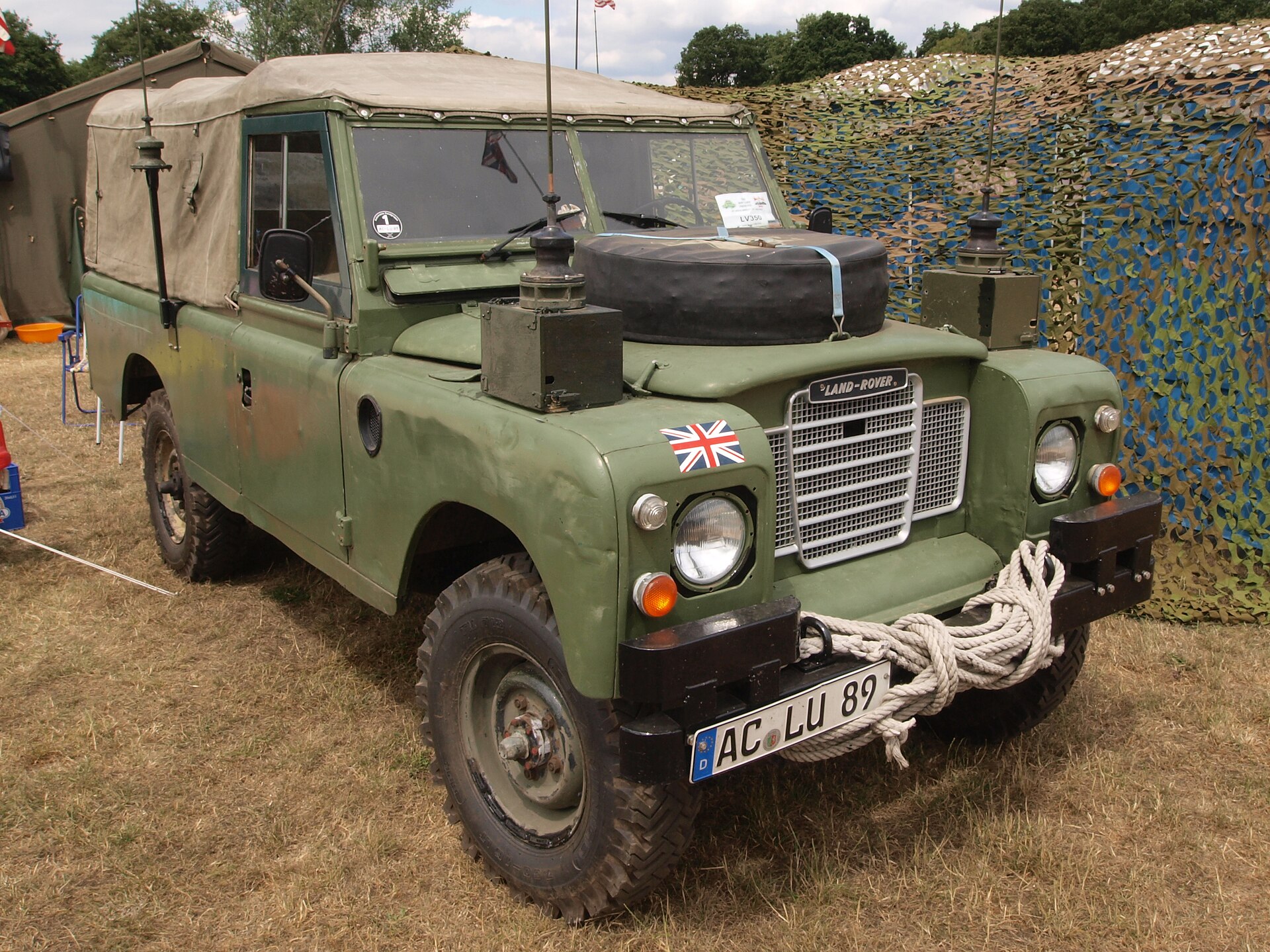
The standard long-wheelbase workhorse of the British armed forces through the 1970s and 1980s: the Series III 109 in General Service (GS) trim, with canvas tilt, military bumper and bonnet-mounted spare wheel.

Drive it in the gameSources & evidence
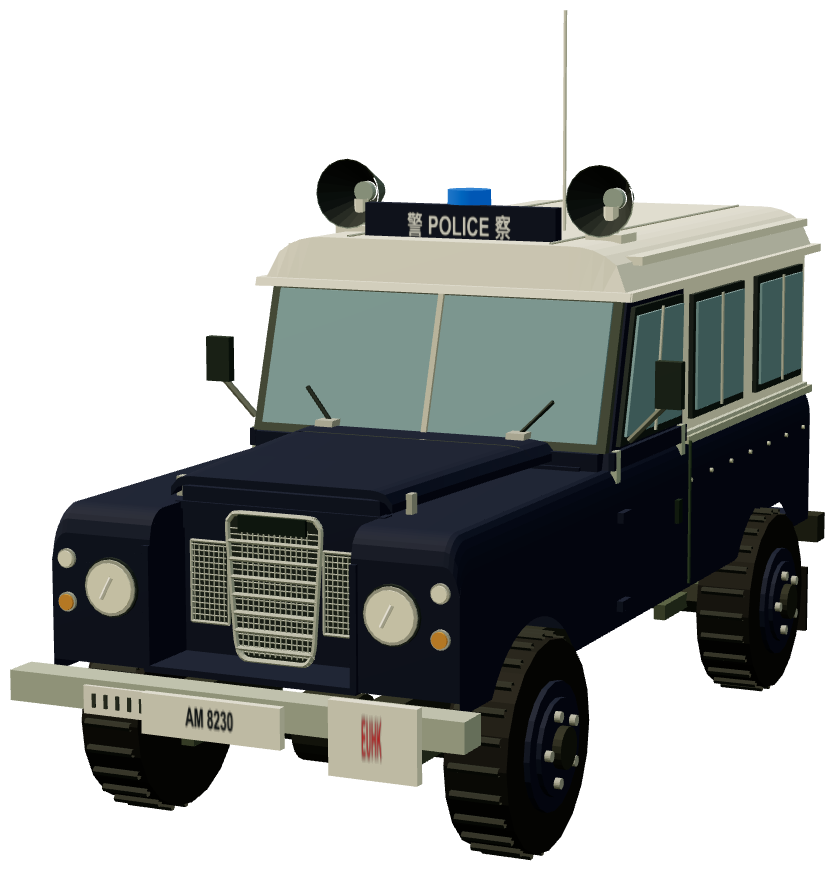
Series III 109″ · UK military — front three-quarter render
BASE VEHICLESeries III 109″BUILT BYLand Rover (British Leyland)IN SERVICE1971–85OPERATED INUnited KingdomPRODUCTION~9,000 Series IIIs in British Army service by the late 1970sLAYOUT4 wheels

The record

When Land Rover's Series III arrived in 1971 the British military carried straight on buying what had long been its standard light truck, and by the late 1970s the British Army had taken on roughly 9,000 Series IIIs, the great majority long-wheelbase 109s. The military 109 differed from its civilian sibling in the details that define the type's look: heavy-duty bumper, lashing and lifting rings, bonnet-mounted spare wheel, convoy and blackout lighting, oversized towing gear and a full-length canvas tilt over the rear body. The basic troop- and cargo-carrying version was designated General Service (GS) — Truck, Utility, ¾ Ton — with conventional 12-volt electrics, while the FFR ('Fitted For Radio') version carried 24-volt screened electrics with an engine-driven generator to power radio installations.

Mechanically the military 109 GS was standard Series III: the 2.25-litre four-cylinder petrol engine in most British vehicles, all-synchromesh four-speed gearbox and selectable four-wheel drive on leaf springs. It went everywhere the Army, Royal Marines, RAF and Royal Navy did — BAOR Germany, Cyprus, Belize, Northern Ireland — hauling troops, stores, radios and trailers, alongside the smaller half-ton Lightweight and the one-tonne 101 Forward Control.

Vehicles of the era were delivered in gloss Deep Bronze Green, with the matt infrared-reflective NATO Green (with black disruptive patterns in BAOR service) taking over from the late 1970s. The Series III soldiered on until the coil-sprung Land Rover 90 and 110 families replaced it during the mid-to-late 1980s, and thousands of ex-MoD 109s were sold at auction into civilian hands — canvas-topped GS and FFR examples remain a staple of military vehicle shows. Across all users Land Rover built about 440,000 Series IIIs between 1971 and 1985, making it the most numerous of the Series generations.
Specification

MANUFACTURERLand Rover (British Leyland)
MANUFACTUREDSeries III production 1971-1985
ENGINE2.25 L petrol inline-four (73 hp); 2.25 L diesel inline-four option
PRODUCTION RUN~9,000 Series IIIs in British Army service by the late 1970s (of ~440,000 Series IIIs built)
COUNTRY OF ORIGINUnited Kingdom
OPERATED INUnited Kingdom
STATUSretired from military service in the late 1980s; widely preserved
RECORD KINDNamed model
MODEL LINESeries III
WHEELS4
CATEGORYMilitary · UK

Catalogue fields describe the vehicle's structure and body as this registry records it. They are not certified factory measurements, and no performance figures are published here.

Variants & colours

Factory colours

  • Deep Bronze Green
  • NATO Green (IRR)

Codes on hover. Hex values are representative approximations of period paint unless a source states a measured value.

Sources

  1. 1Land Rover series (Series III 1971-1985, 440,000 built; ~9,000 Series IIIs with the British Army by the late 1970s; GS 12-volt and FFR 24-volt variants) ↗Wikipedia · accessed 2026-09-09SOURCE
  2. 2Land Rover ½ ton Lightweight (context for contemporary British military Land Rover fleet and FFR electrics) ↗Wikipedia · accessed 2026-09-09SOURCE
  3. 3Series Land Rover paint schemes (Deep Bronze Green and later IRR NATO Green military finishes) ↗expeditionlandrover.info (TeriAnn Wakeman) · accessed 2026-09-09SOURCE

Registry record updated 2026-09-11T00:38:16.973Z · status: researched