The record
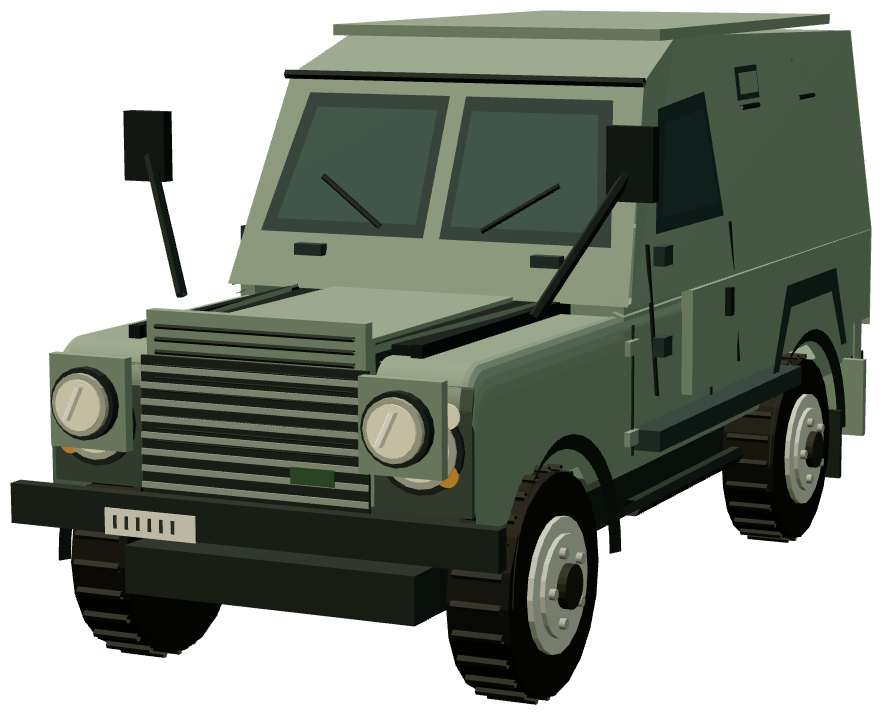
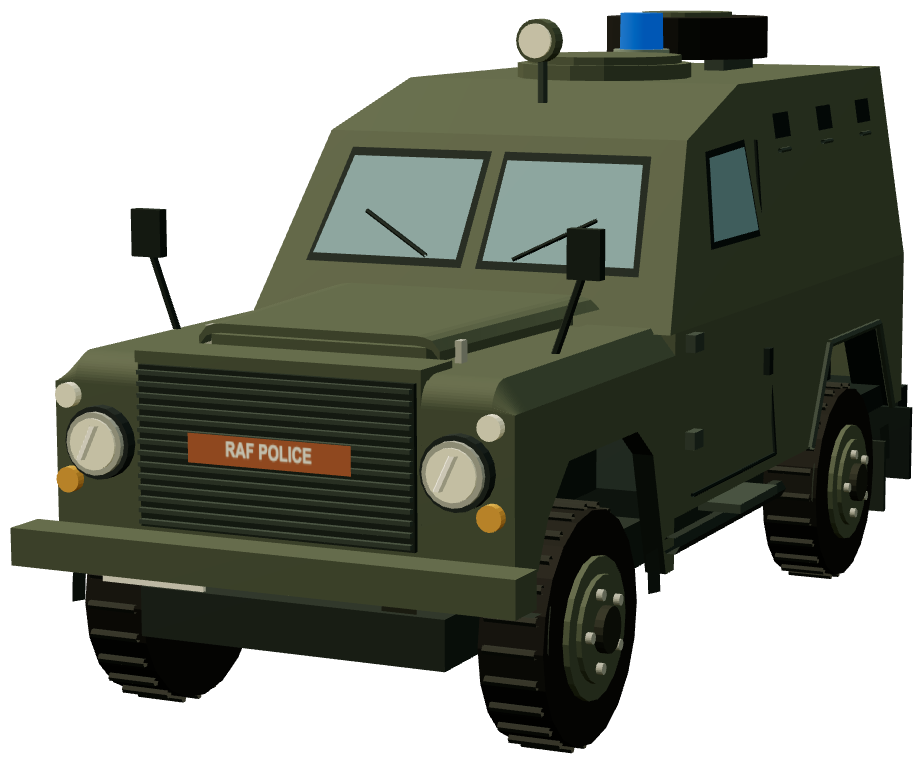
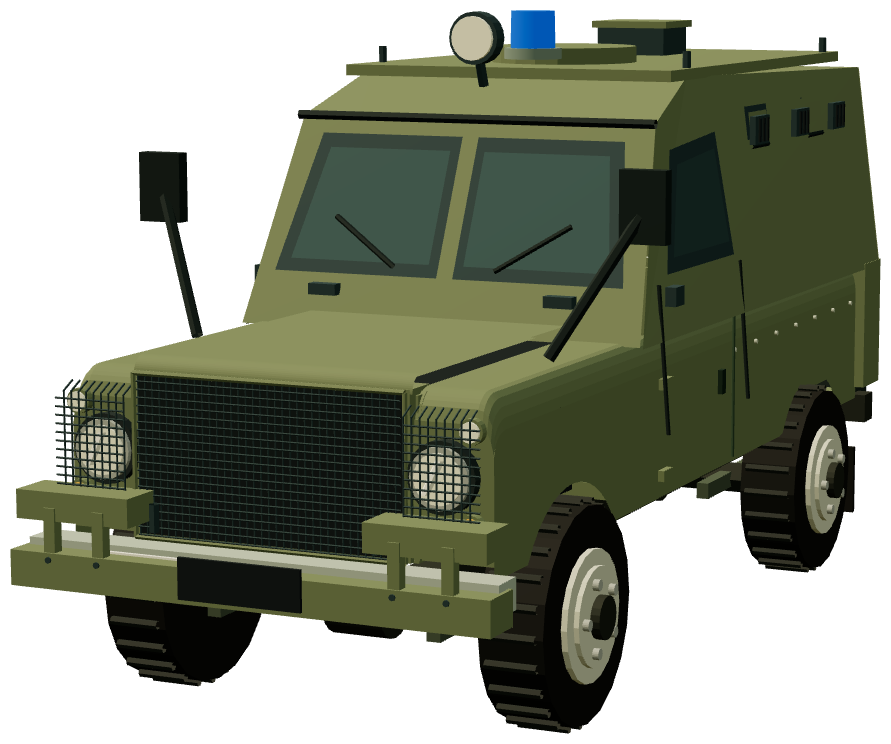
When Short Brothers moved the Shorland onto the 110 in coil-sprung Land Rover chassis they also changed the company nomenclature, replacing "Mark" with "Series", so the new generation became the Series 5 and its variants gained S5x numbers rather than a single mark number. The most visible change was the chassis itself, with its wider track, coil springs, power steering and tighter turning circle, and the wheel-arch guards and starker armoured front body that went with it; the general silhouette of the earlier turreted Shorlands, however, was deliberately retained for the patrol car, which Shorts designated S51. Power remained the 3.5-litre Rover V8 petrol engine, with the 2.5-litre Rover turbo-diesel offered as an alternative, and roughly 85 per cent of the automotive and mechanical components were stock Land Rover parts so that operators could support the vehicle through the ordinary Land Rover spares chain.
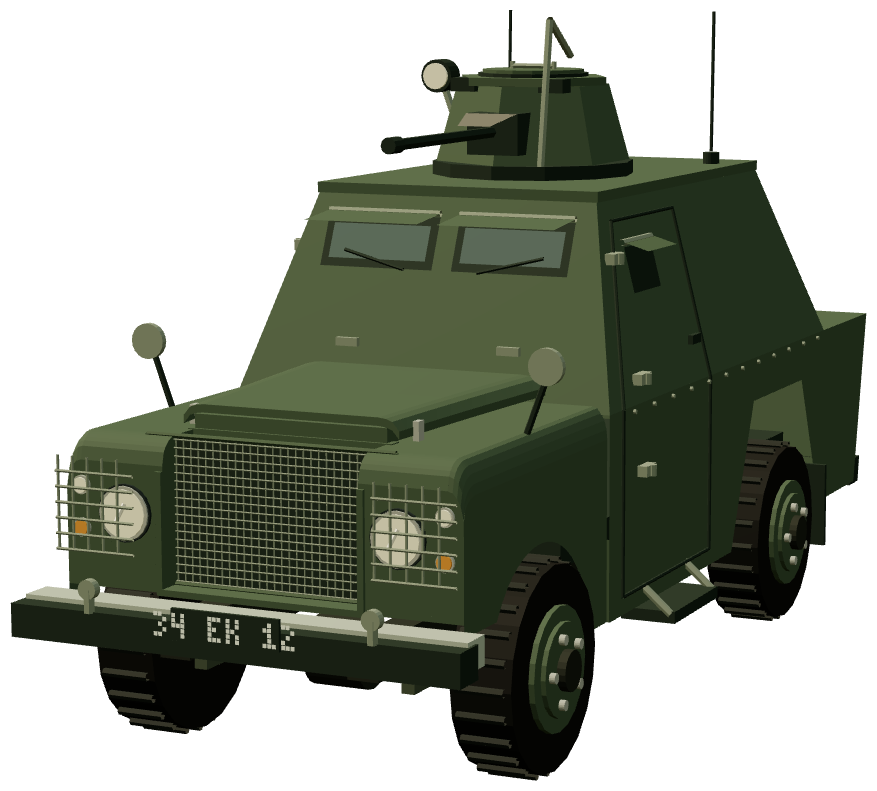
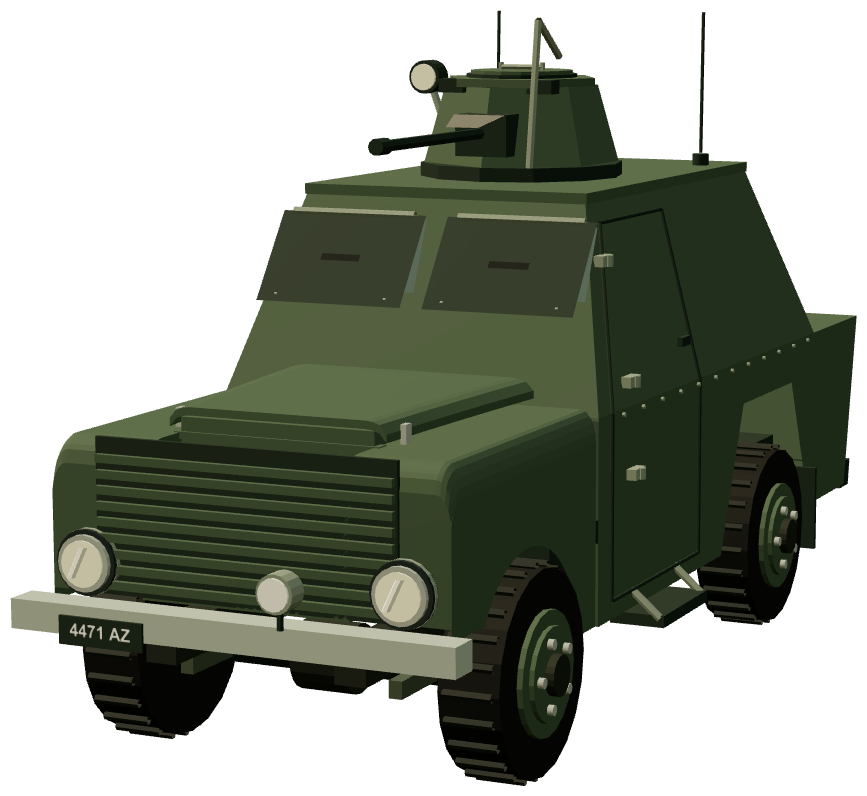
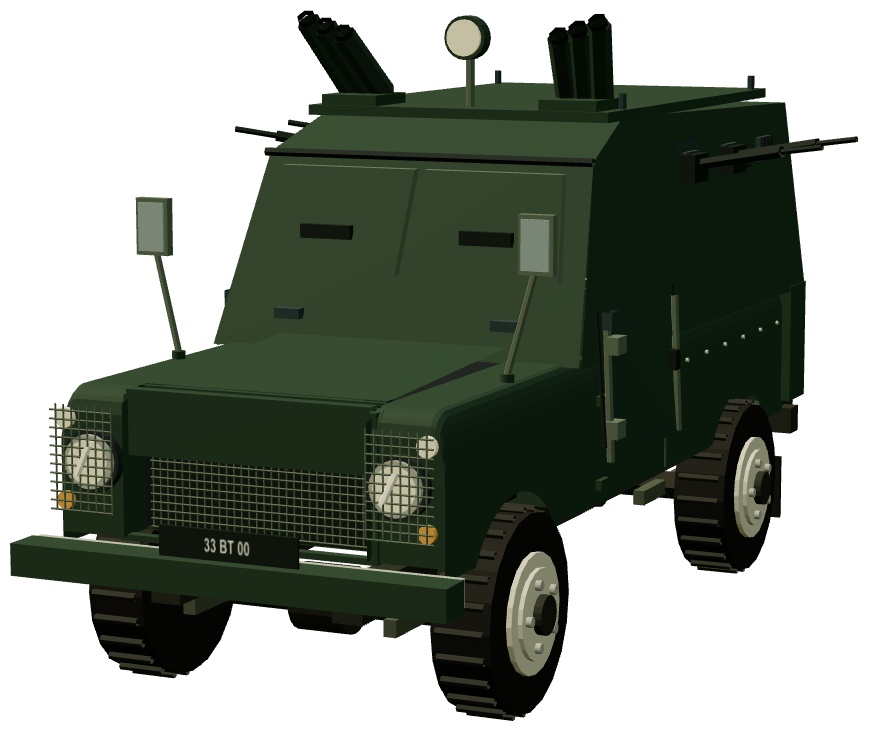
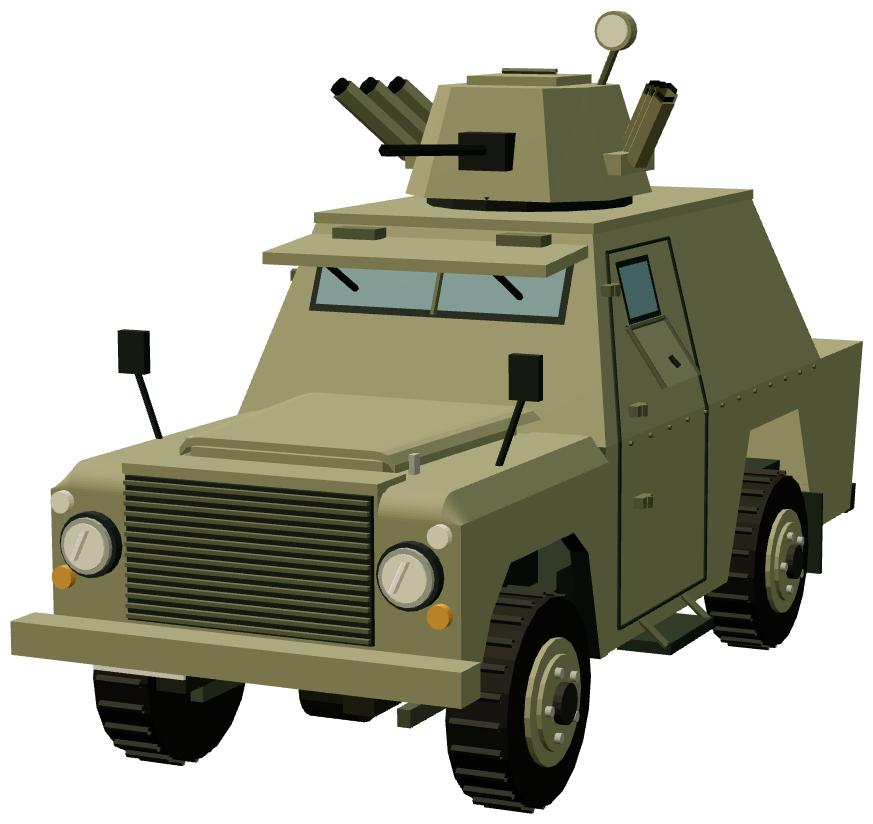
The S51 kept the classic three-man patrol-car layout: driver and commander side by side under a large bullet-resistant windscreen, and a gunner in a manually traversed 360-degree turret with an adjustable seat, a periscope sight boresighted to the armament and a linked searchlight; an alternative gunner's seat was fitted behind the commander. The usual armament was a 7.62 mm GPMG, with four-barrelled 66 mm smoke/illumination/CS grenade launchers available on each side of the turret. The hull resisted right-angle fire from NATO 7.62 x 51 mm ball down to 25 m, the engine and radiator were fully armoured, and the floor was reinforced glass fibre for blast and mine protection. Maximum operational weight was 3,600 kg and the road speed 120 km/h, falling to around 48 km/h cross-country. Published power figures conflict: the Shorland Site quotes a power-to-weight ratio of 31.6 bhp/tonne for the Series 5, while the Jane's-derived Army Guide entry gives 134 hp and 37.8 hp/tonne for the same vehicle.
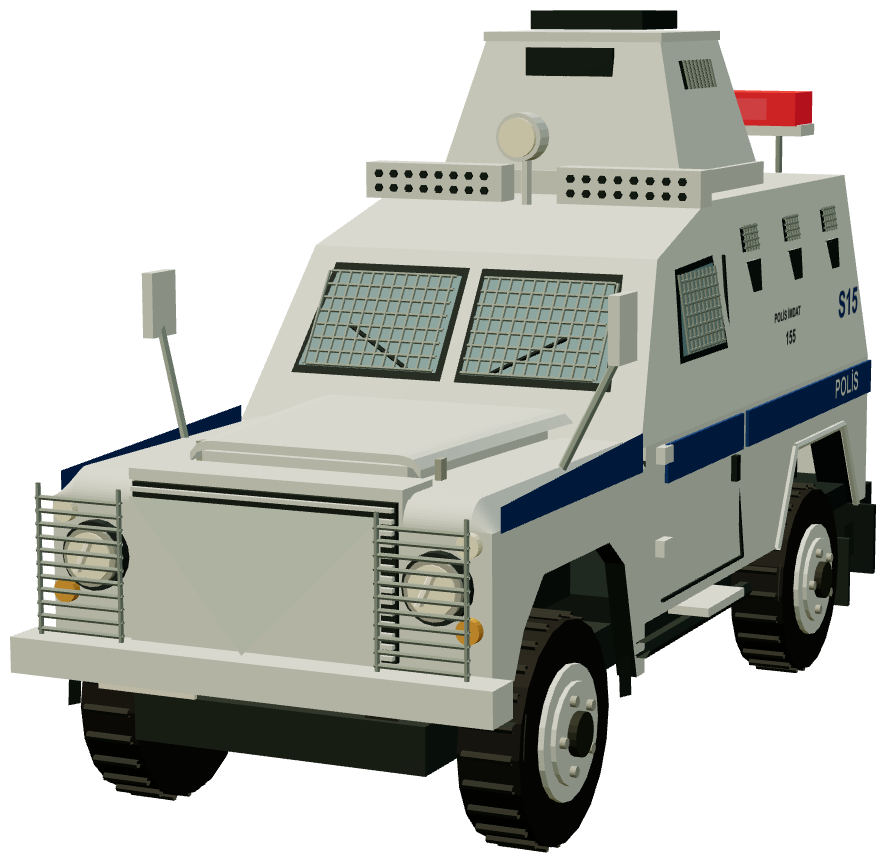
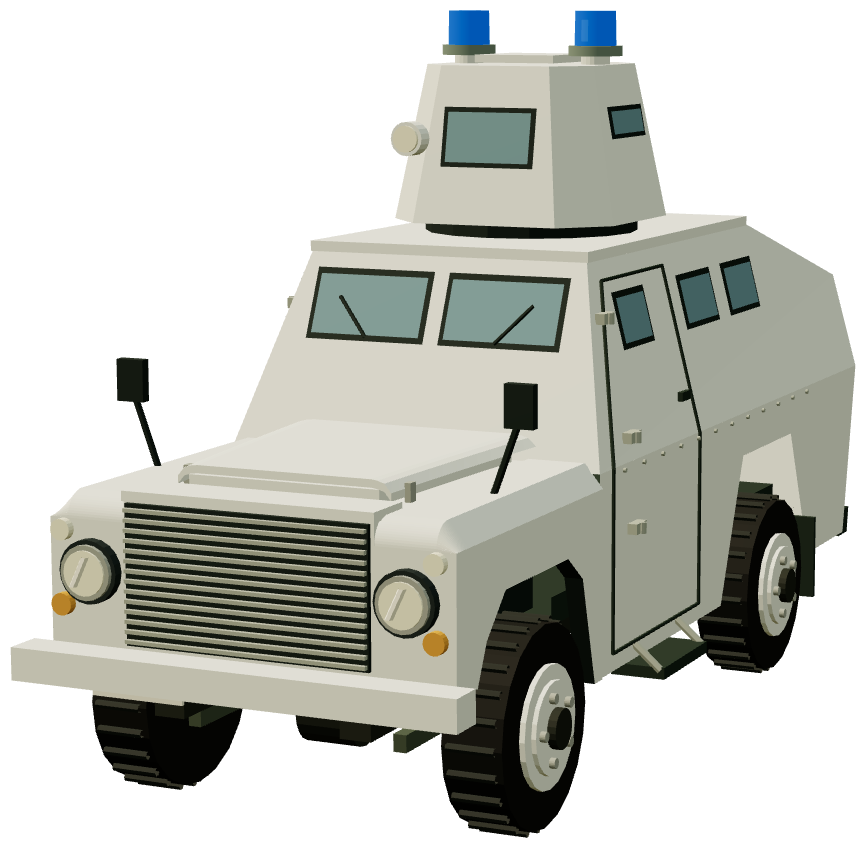
What distinguishes the S51 from every other Series 5 car is its tail. Behind the crew compartment the body dropped away in the traditional short sloping boot, pierced only by a small escape hatch — adequate for bailing out, but awkward for loading equipment. Shorts answered that with the S52, whose extended rear cabin and large rear hatch made both jobs easier, and the S51 was withdrawn from the range with the S52 promoted in its place as the Armoured Patrol Car. The S51 body was not wasted: it was reworked, glazed and repainted white to become the S54 anti-hijack vehicle.
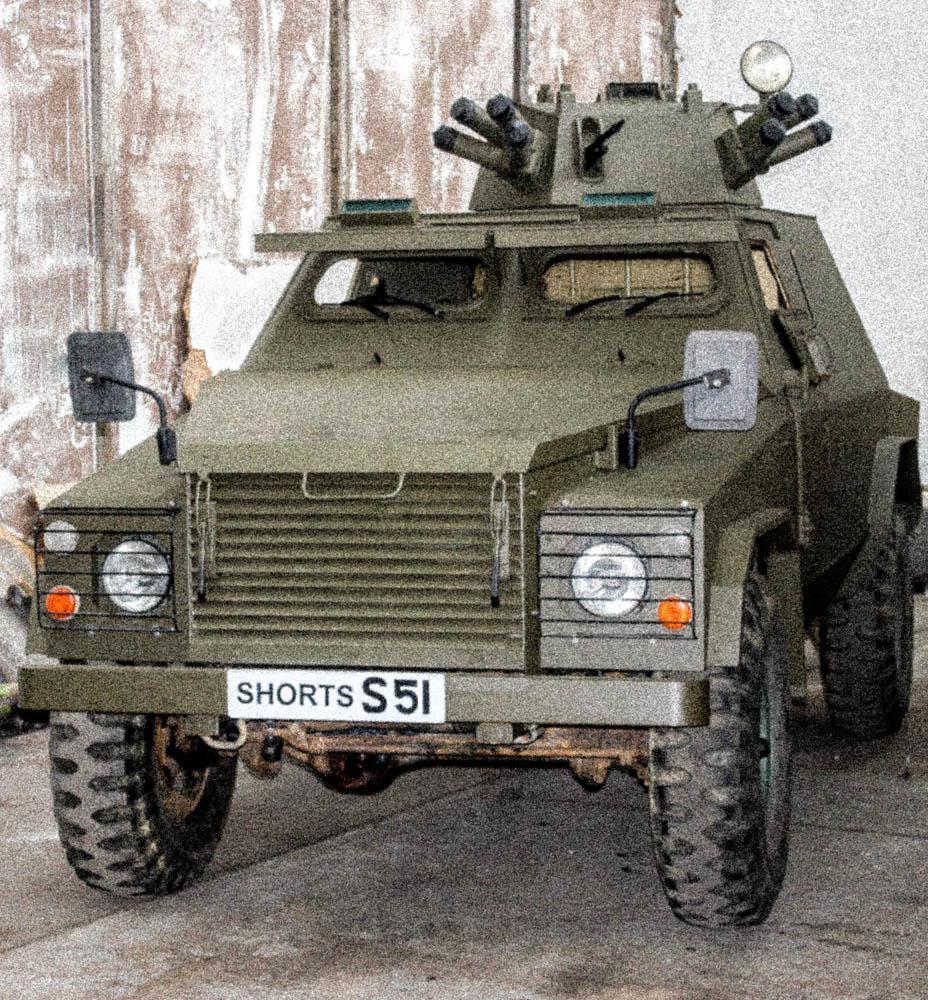
No production figure specific to the S51 has been published. Army Guide's Shorland patrol-car entry, which is written around the S52 but covers the whole patrol-car line, lists 255 vehicles across sixteen countries; that table conflates the Series 5 with earlier marks and should not be read as an S51 total. The Shorland Site's own figures, obtained from Shorts in 1990, put total Shorland production of all marks at well over 1,000 vehicles. A Shorts demonstrator carrying the trade plate "SHORTS S51", finished in a dark olive/NATO green and fitted with twin triple smoke dischargers, survives and is the vehicle most often photographed as an S51.