The record
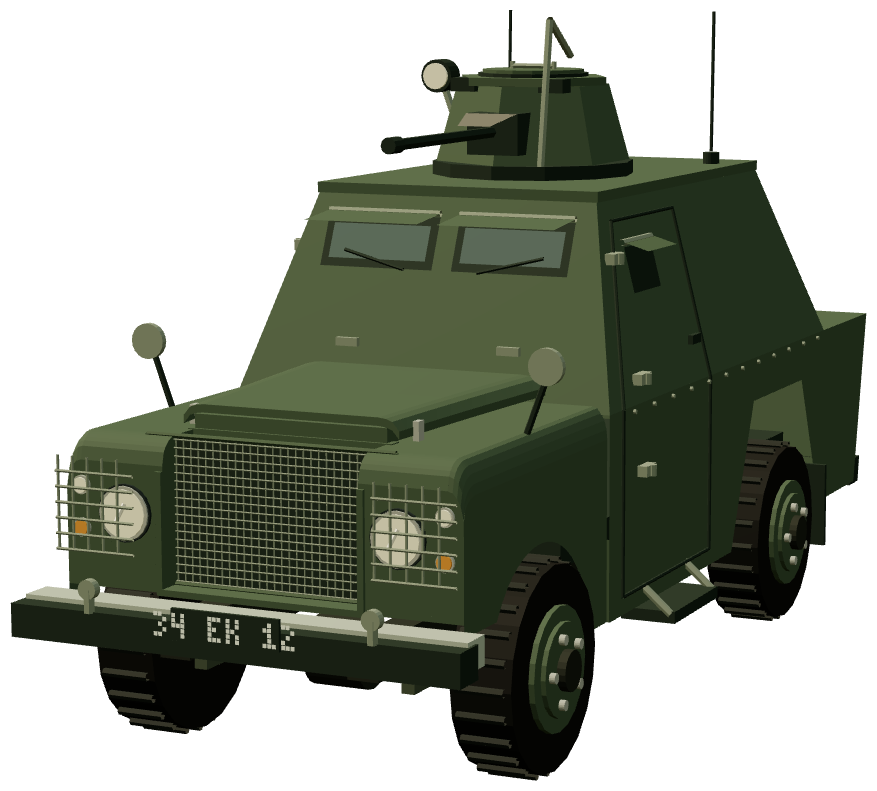
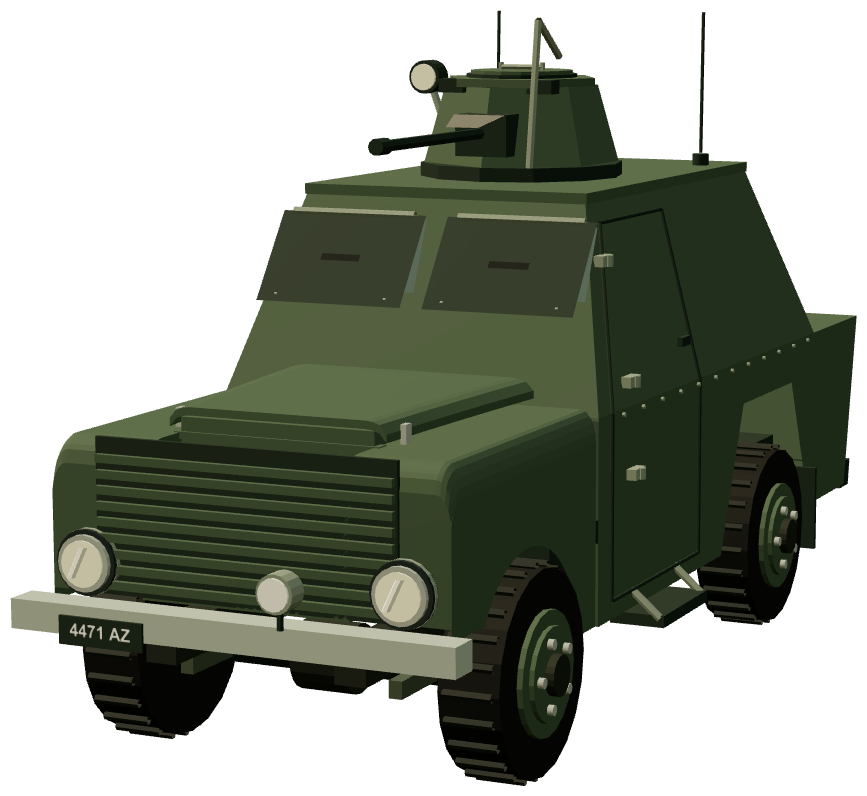
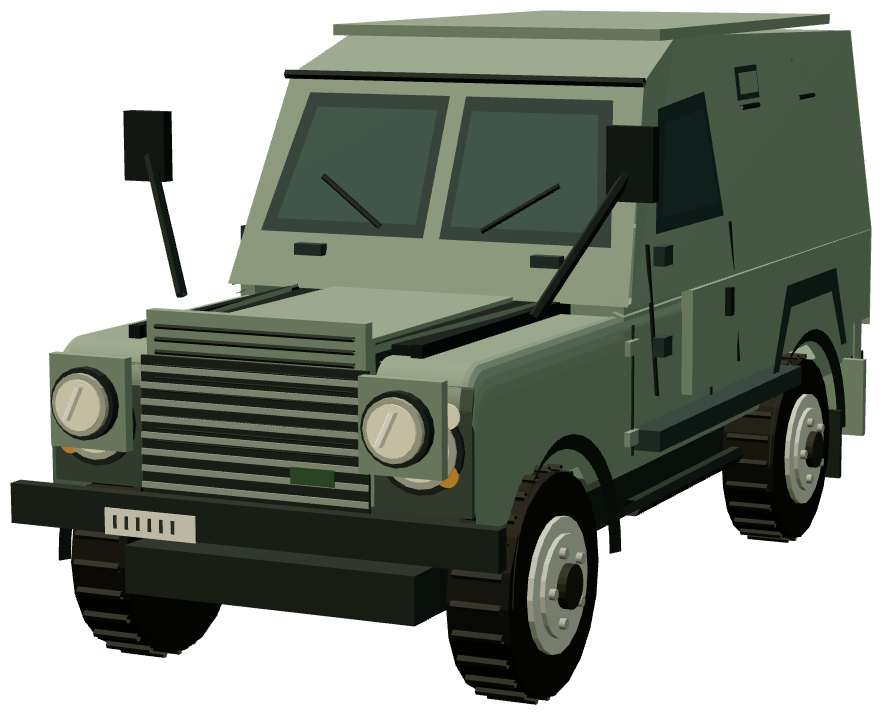
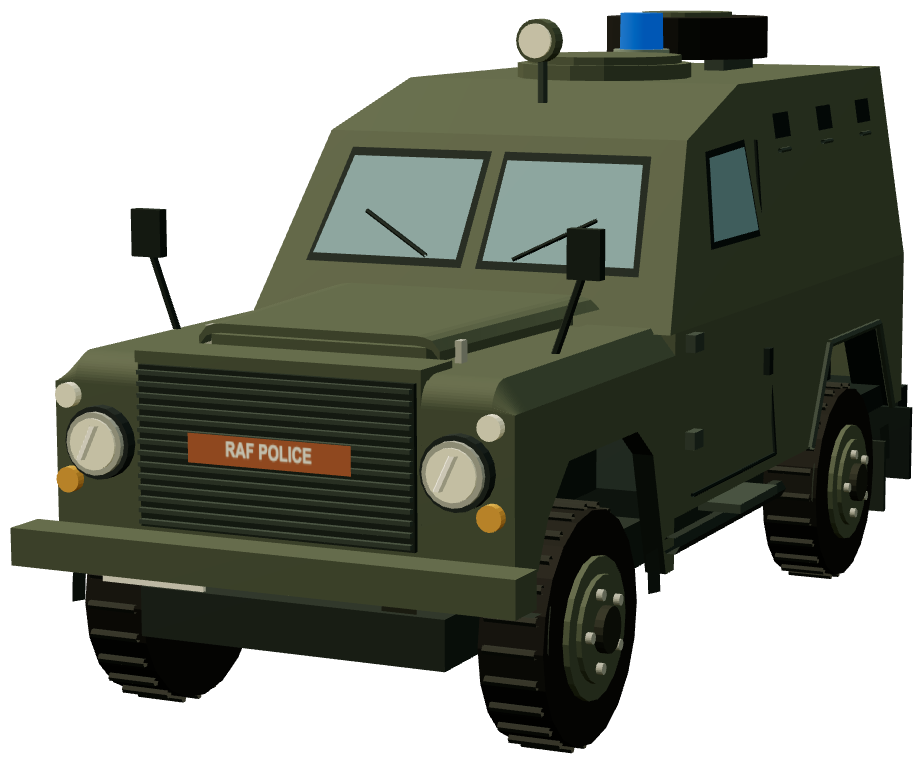
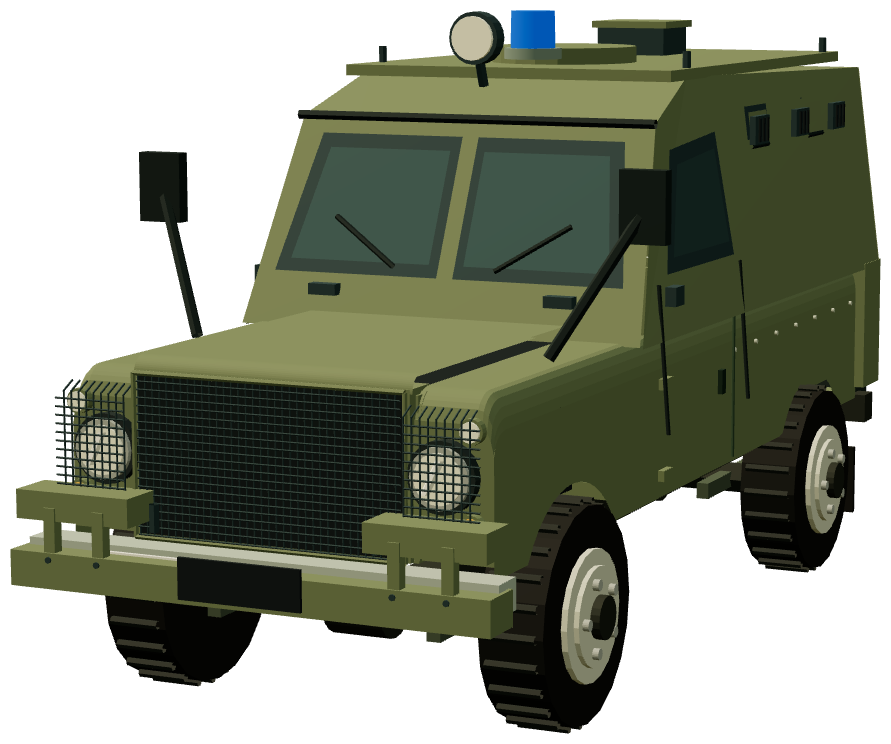
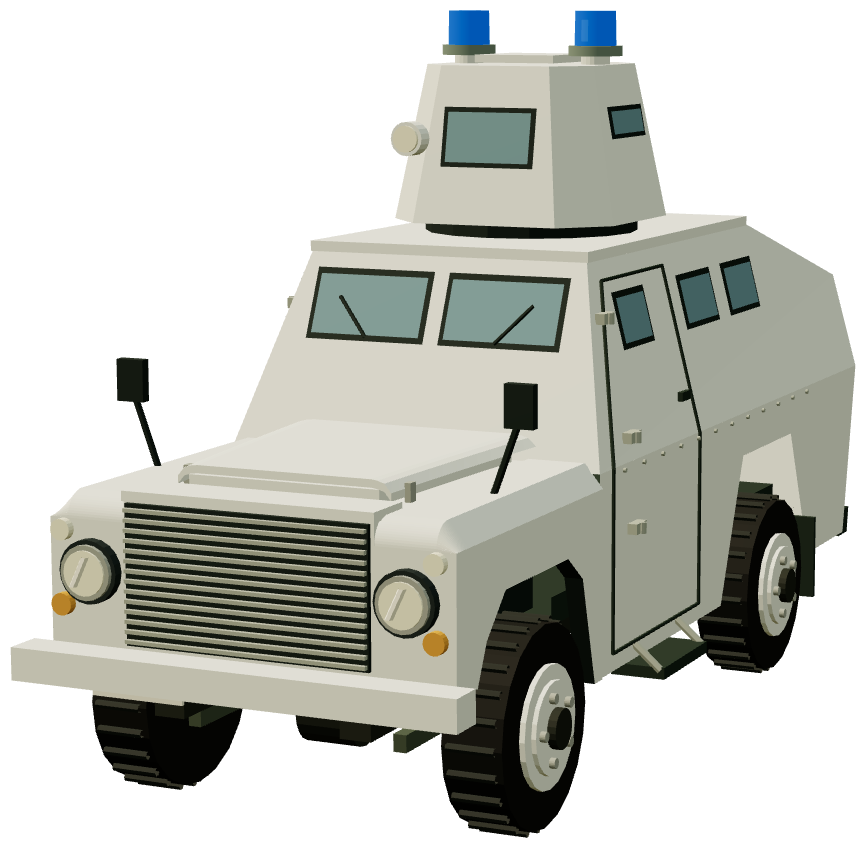
The Mark 3 was the volume Shorland. It began in 1969 as the six-cylinder option split off from the Mark 2, and for a time the two marks were sold side by side with the engine as the only difference; buyers facing arduous terrain took the Mark 3. The Rover 2,625 cc six-cylinder petrol gave 91 bhp at 4,100 rpm. Early Mark 3s were still built on late Series IIA Land Rovers — by then already carrying their headlamps in the wings — while the bulk sat on the Series III. Moving the lamps out of the grille let Shorts armour the whole radiator aperture with slatted plate, improving both protection and cooling, and it satisfied export lighting rules. Over 500 were sold, making the Mark 3 the most numerous mark by a wide margin; Short Brothers & Harland built them in Belfast until the company reverted to the name Short Brothers in 1977.
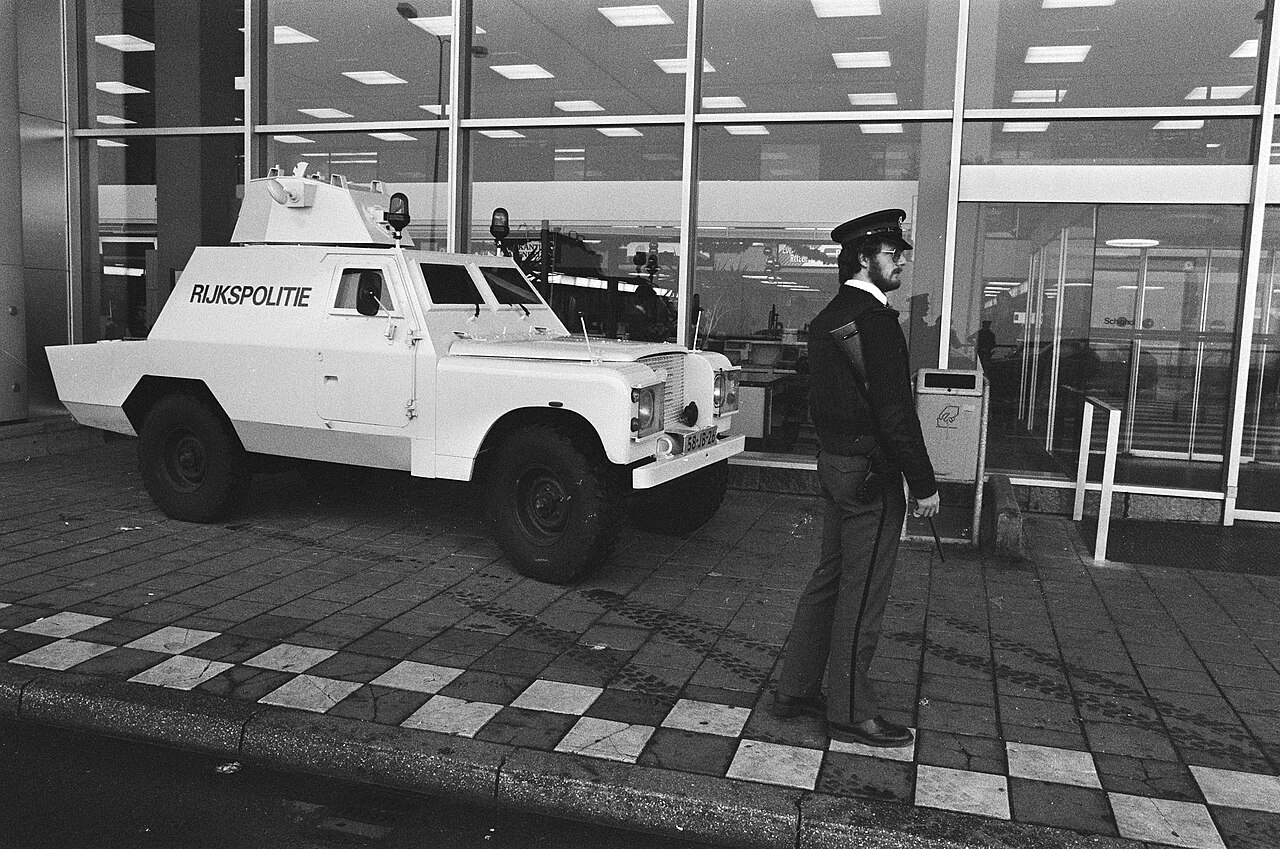
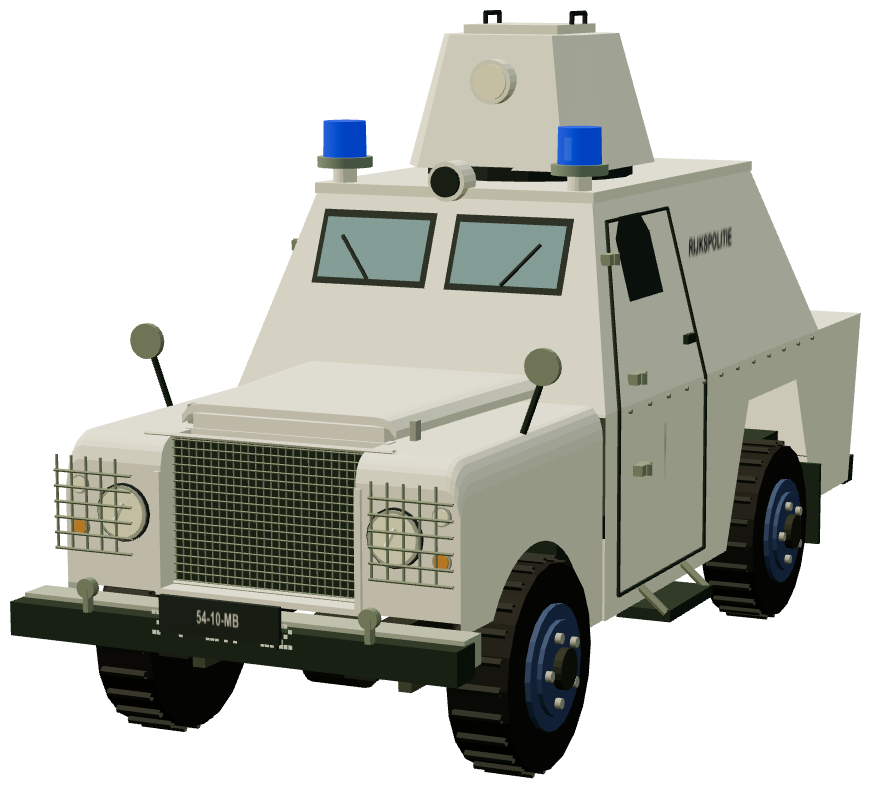
The Netherlands was the Mark 3's most visible European police customer. The Korps Rijkspolitie's Dienst Luchtvaart (aviation service) at Schiphol took delivery from 1976, and Rijkspolitie.org records four and later five permanently stationed there, with one or two more at the COME depot at Neerijnen and two with the Gemeentepolitie Haarlemmermeer. Registrations are documented as 54-10-MB and 54-11-MB (1976), 13-52-NB and 13-53-NB (1976), 19-56-ZB and 19-57-ZB (1977), and 58-JB-25 and 58-JB-26 (1978); individual cars carried fleet numbers 2 to 5. The turret mounted a Heckler & Koch MP5A3 submachine gun rather than a belt-fed machine gun, reflecting the policing role.
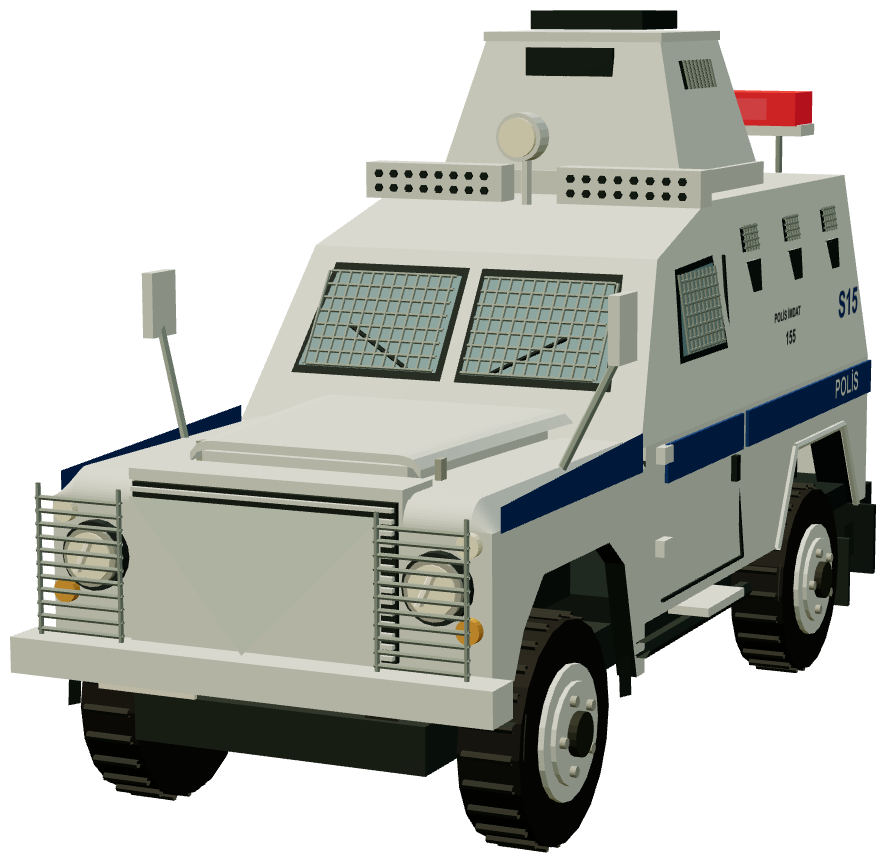
Their task was airport security and anti-hijack response: surveillance, escort and reconnaissance around the apron, and in particular the guarding of aircraft judged to be terrorist targets — El Al services were escorted on the taxiways and stand by up to three Shorlands at a time. One Rijkspolitie car was finished in white and parked at the terminal entrance as a deliberate show of presence. The Shorland Site records four Dutch airport-police cars (19-56-ZB, 13-52-NB, 54-11-MB, 19-57-ZB) as anti-hijack conversions, with armoured windscreens in place of the visors, armoured glass replacing the door flaps, a vision block in the turret and a mounting for an HK33 sniper rifle. Shorts' brochures captioned that configuration SB 403 and illustrated it, confusingly, with a Mark 3 photograph reused after the Mark 4's launch; the Shorland Site notes a Dutch anti-hijack car also captioned SB303, so the designation for these conversions is not consistently applied in period literature.
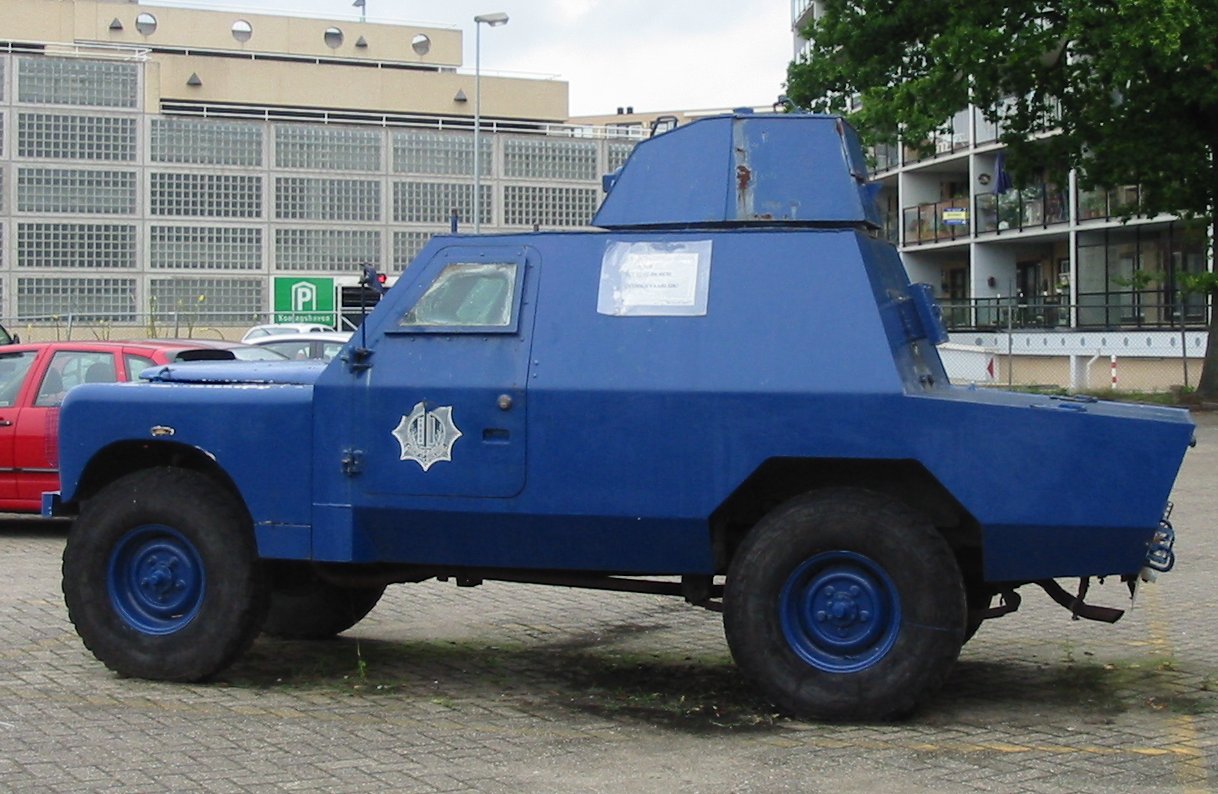
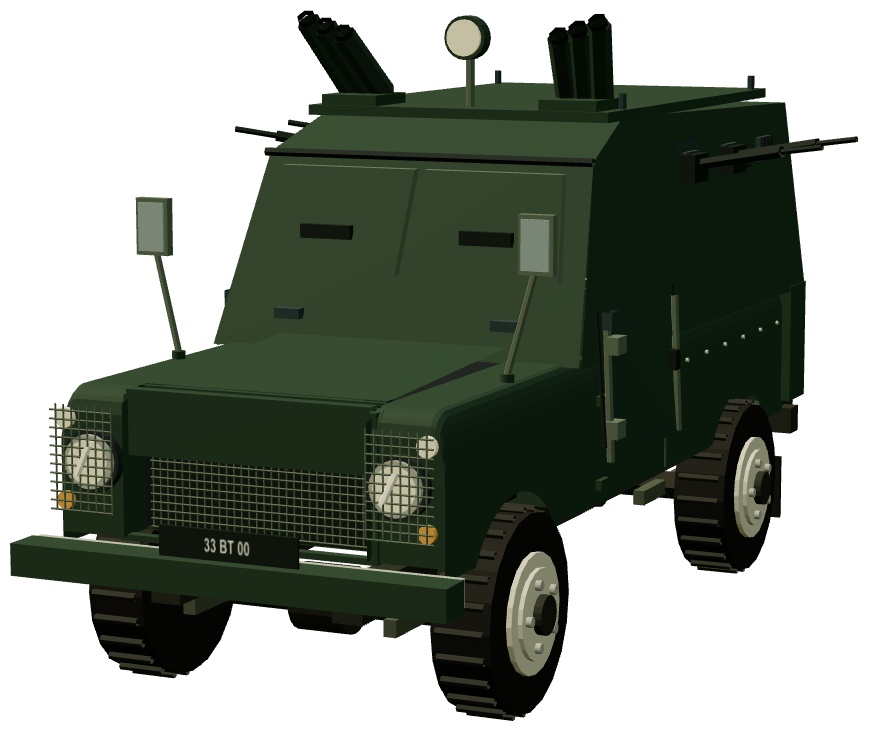
Other Mark 3 users included the Ulster Defence Regiment in Northern Ireland (covered under the separate UDR record) and the Guarda Nacional Republicana's intervention unit in Portugal through the late 1970s and 1980s, with Wikipedia giving Portugal 38 Shorlands. A proposed air-defence Mark 3 carrying a pair of Shorts' own Blowpipe missiles on a hydraulically controlled frame never left the artwork stage in 1972; the idea resurfaced only with the Series 5 S53 Air Defence Vehicle. The Rijkspolitie itself was disbanded in 1994 and its Shorlands did not survive long in service; one former Dutch police Shorland is preserved in the Netherlands.