The record
The Mark 2 was an incremental development of the Mark 1 rather than a new design, and Short Brothers & Harland built far fewer of them: about 50 against the Mark 1's hundred, on the figures Shorts gave in 1990. The principal change was ballistic: armour thickness went up from 7.25 mm to 8.25 mm. The Shorland Site notes that this attribution is not universally agreed — some references place the same increase between the Mark 2 and Mark 3 instead, and the site owner's own Mark 1 carries a mixture of both thicknesses, which he attributes to the Mark 1 having been derived directly from the third-stage RUC prototype. Quoted vehicle weight did not change with the later marks (2,941 kg unladen for the Mk 2, 3 and 4), which is one reason the armour question remains open.
The engine at launch was unchanged: the Rover 2,286 cc four-cylinder petrol giving 77 bhp at 4,100 rpm. By 1968 the Mark 2 was advertised with an optional 2,625 cc six-cylinder petrol engine producing 84 bhp at 4,500 rpm on a 7:1 compression ratio. A later Mark 2 brochure shows that this six-cylinder option had been moved into a separate designation — the Mark 3 — and uprated to 95 bhp at 4,500 rpm by raising compression to 7.8:1. For a period the two marks were sold side by side, the engine being the only difference; customers facing difficult terrain were steered to the six.
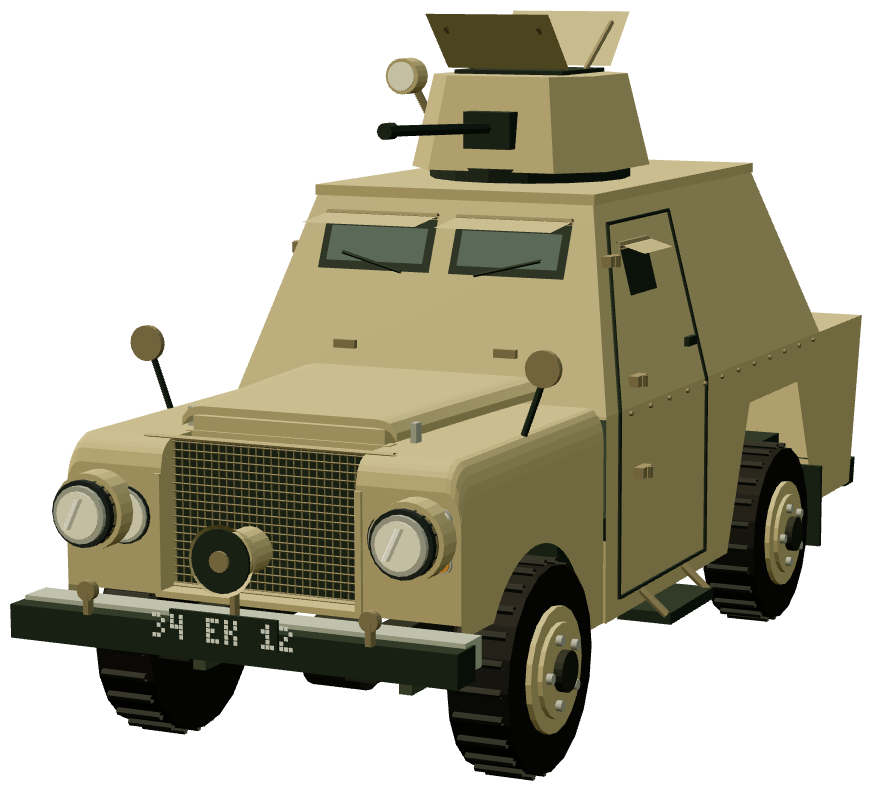
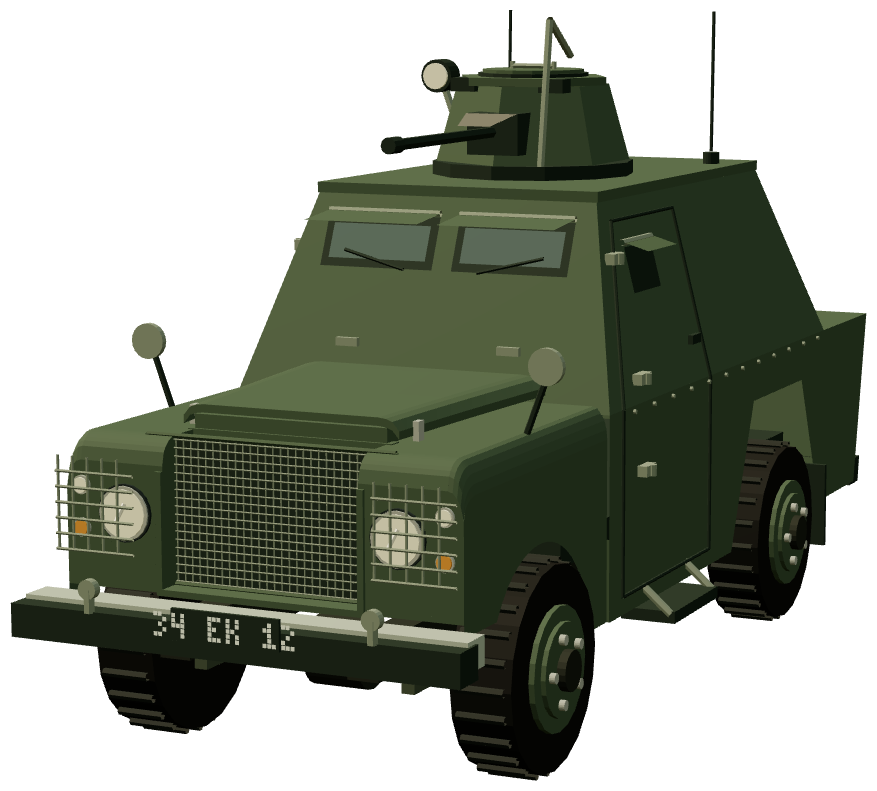
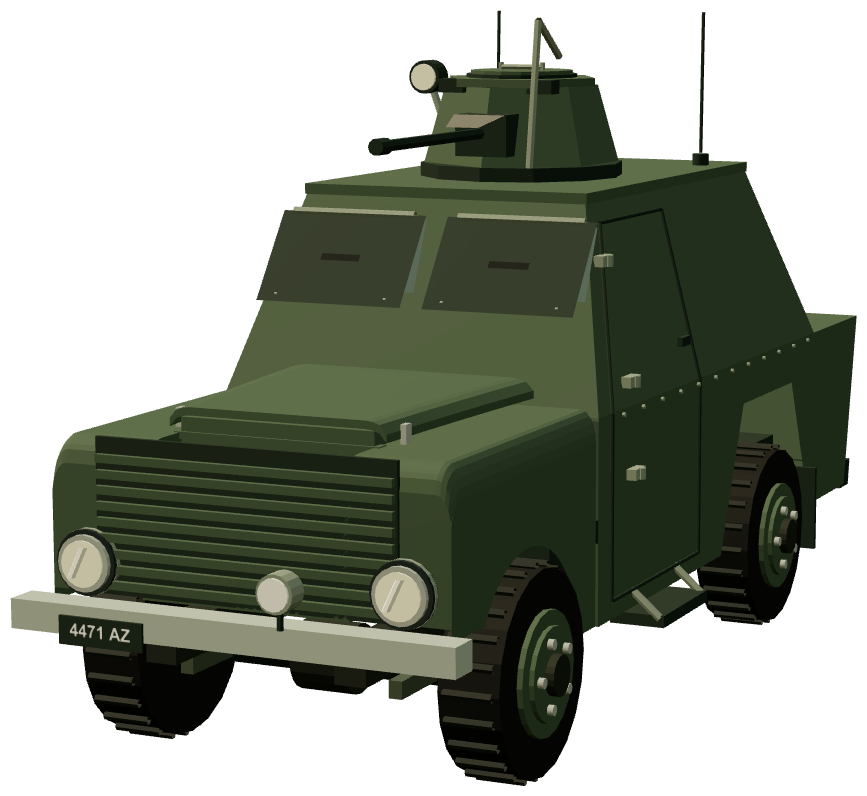
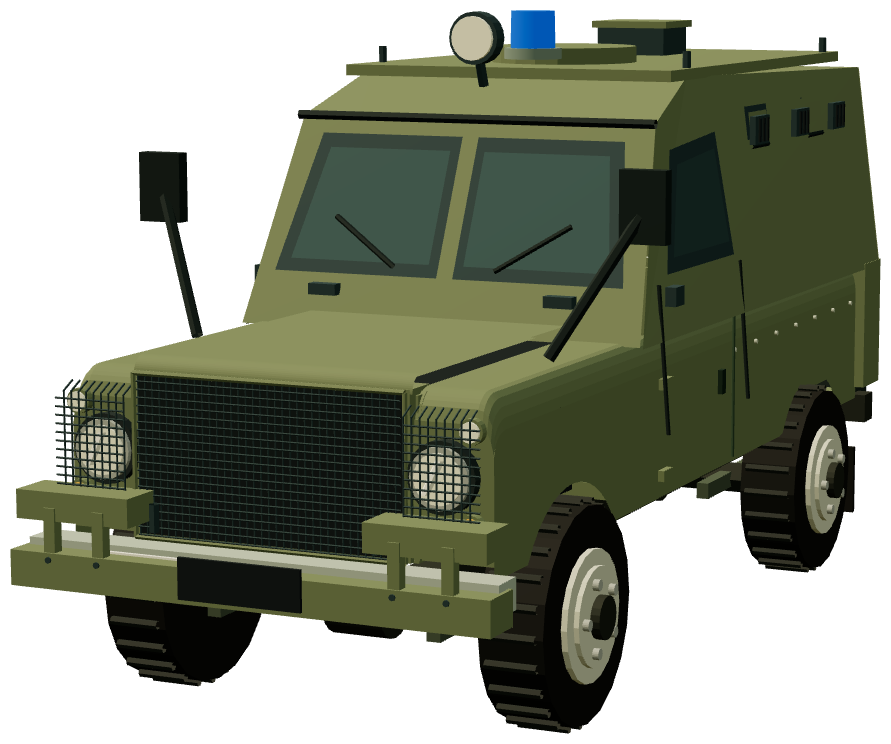
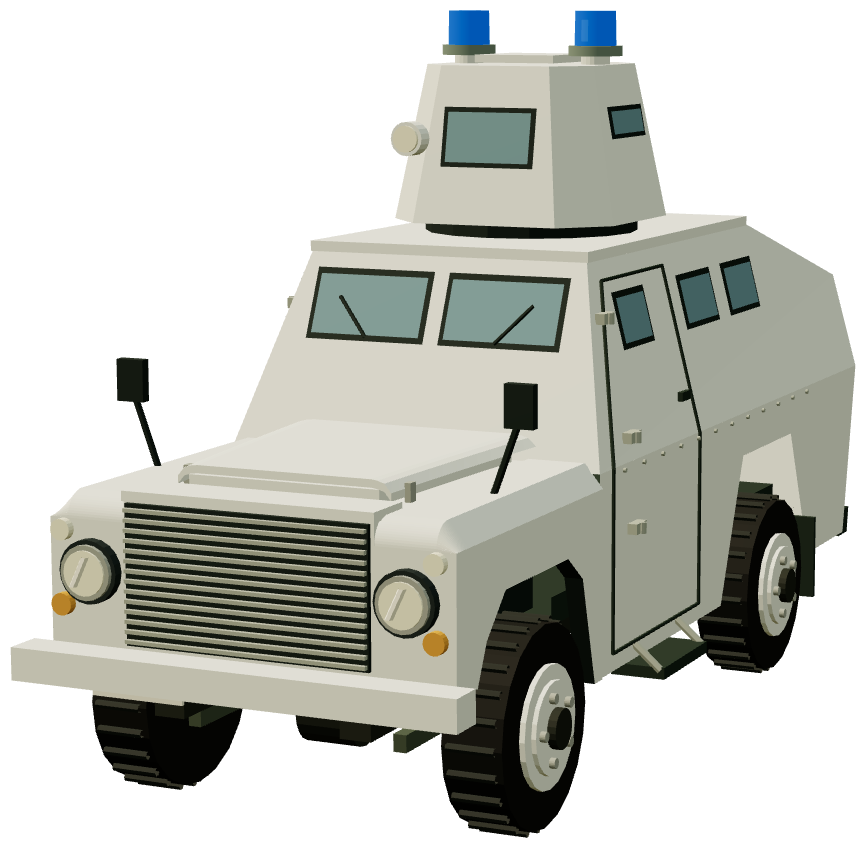
Equipment reflected export marketing rather than Northern Ireland service. The optional extractor fan sat in an armoured cowl on the rear escape hatch, and an optional second fuel tank extended range to 320 miles. Recognition points against the Mark 3 are the double supports carrying the turret's rear flap and a period Pye-type VHF antenna base. Shorts' own brochure photograph of the Mark 2 was printed reversed — the turret spotlight was only ever made to fit the vehicle's left side — and the same image was reused, correctly oriented, on early Mark 3 literature.
No British operator of the Mark 2 is recorded in the sources consulted. The Shorland Site notes that the sand-finished demonstrator used in Shorts' promotional filming, right-hand drive and fitted with certain optional extras, was aimed at Middle Eastern buyers; the exact paint shade is not documented anywhere consulted. Shorland exports eventually reached more than thirty countries, but published operator lists do not break down by mark.
.jpg)