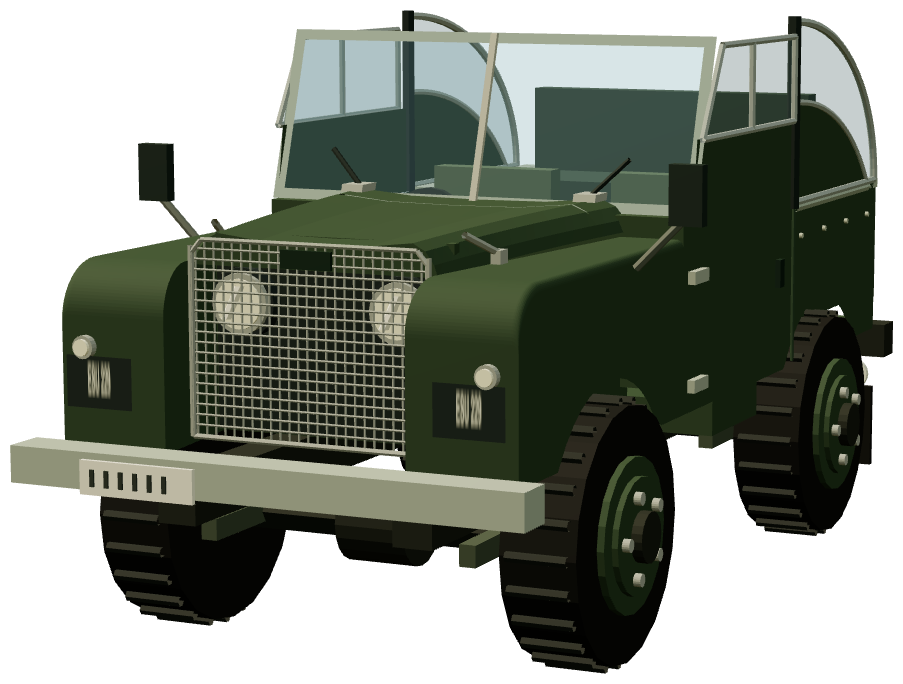
The record
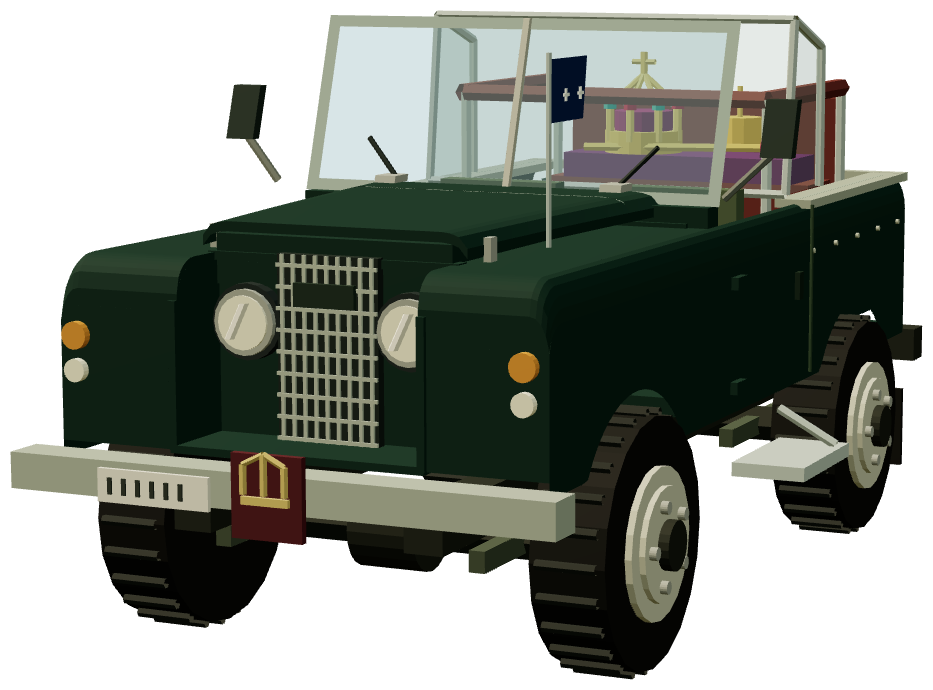
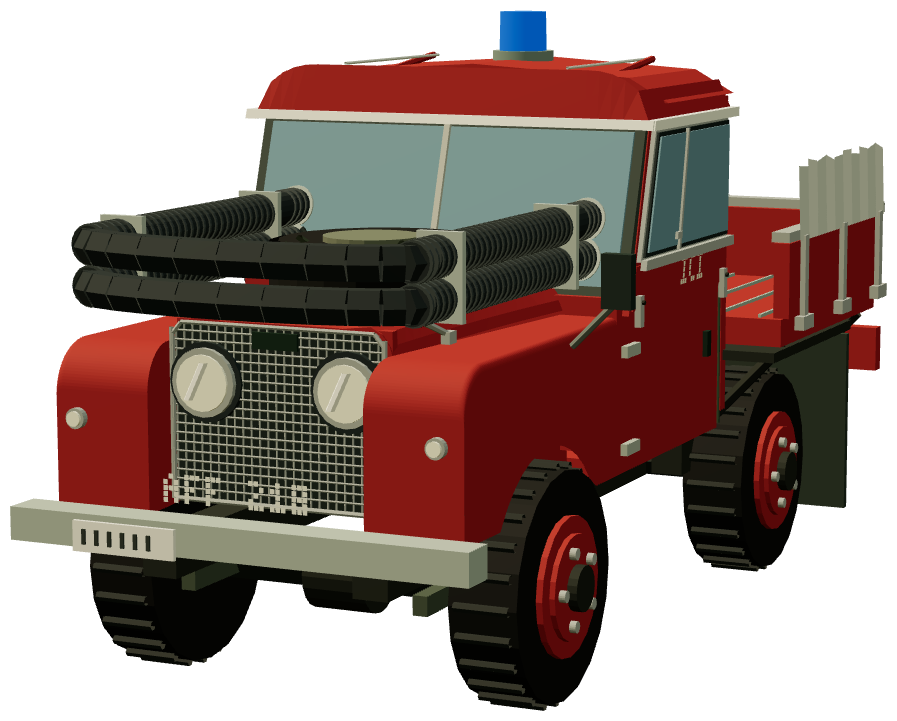
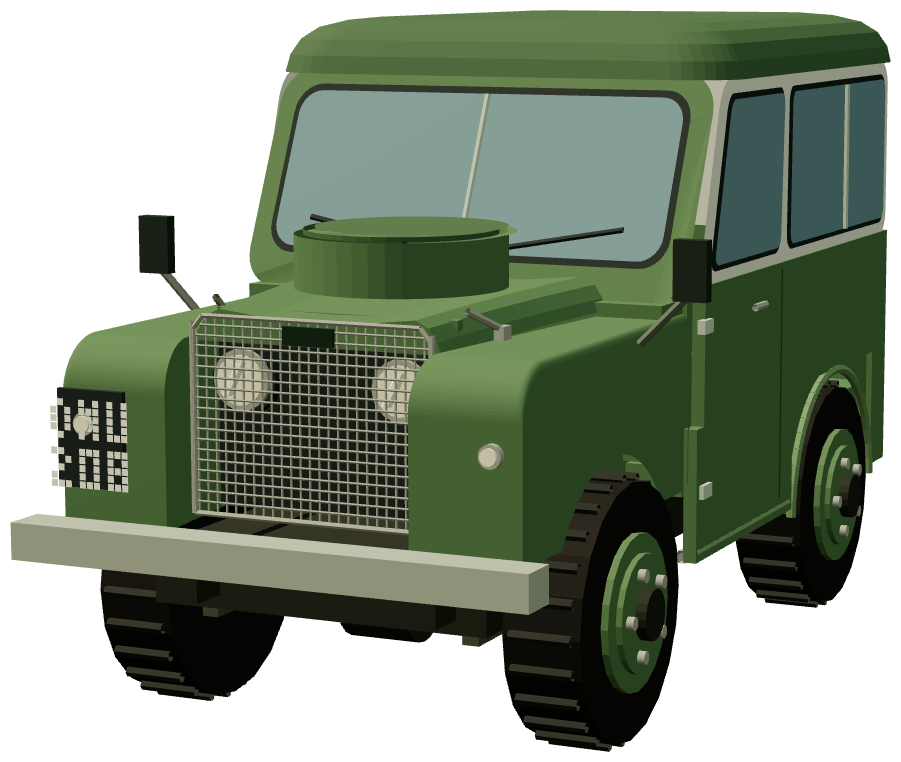
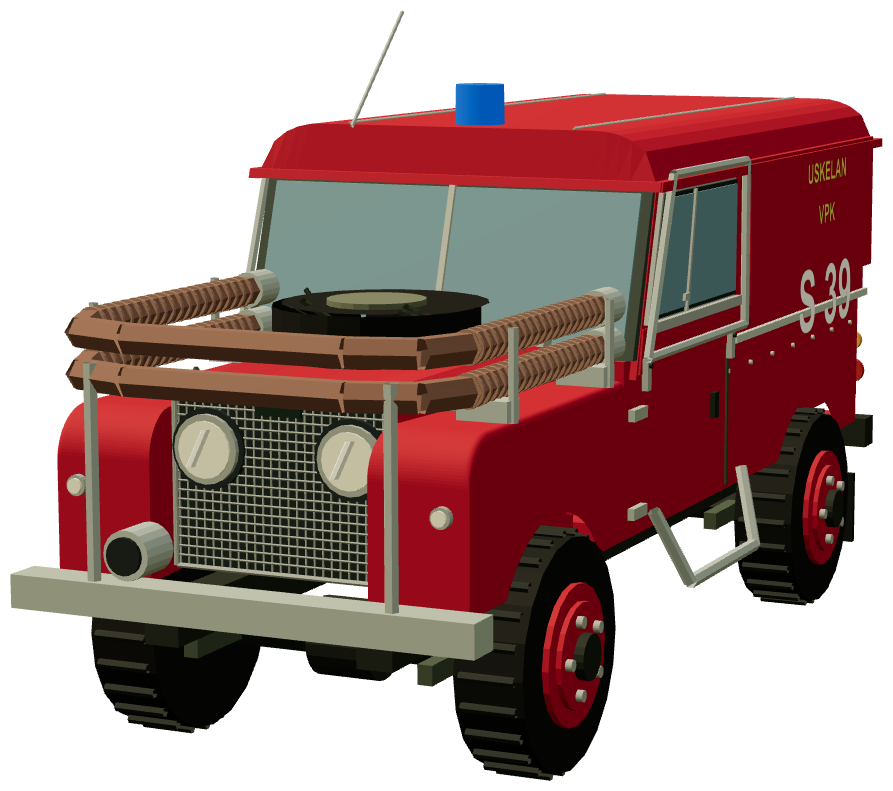
In the late 1940s the British Army pursued standardisation on the Rolls-Royce B-series family of military engines, and needed to evaluate alternative light 4x4 designs alongside the vehicle that became the Austin Champ, which used the same Rolls-Royce B40 four-cylinder unit. To give the Land Rover a comparable powerplant, a batch of 33 standard 80-inch Series I vehicles was delivered in 1950 to Hudson Motors Ltd of Chiswick, London, where, under the supervision of Rover's engineers, they were fitted with the Rolls-Royce B40 Mk 2B petrol engine (about 2.8 litres; the Dunsfold Collection quotes 3.0 litres) driving through a four-speed gearbox.
The bigger, taller engine forced extensive alterations: the transfer box, front panel, floor, exhaust and gauges were all modified, the bonnet was raised to clear a larger radiator, and the rear axle was moved back by an inch — which is why the converted vehicles became known as the '81-inch'. Trials carried out at the Fighting Vehicles Research and Development Establishment over the following couple of years found the B40 installation was no improvement on Rover's own engine, and the proposal was dropped; the Army's B40-powered light 4x4 requirement went to the Austin Champ instead.
Of the roughly 34 conversions, only two are known to survive with the Rolls-Royce engine still installed. One, chassis RO61 04618, was sold by Bonhams in September 2014 for £51,750. The other, chassis R06104455 (registration ESU 229), was used as a parade vehicle after the trials, was displayed at Beverley Museum and then the REME Museum from 2006, and is now preserved in the Dunsfold Collection.