The record
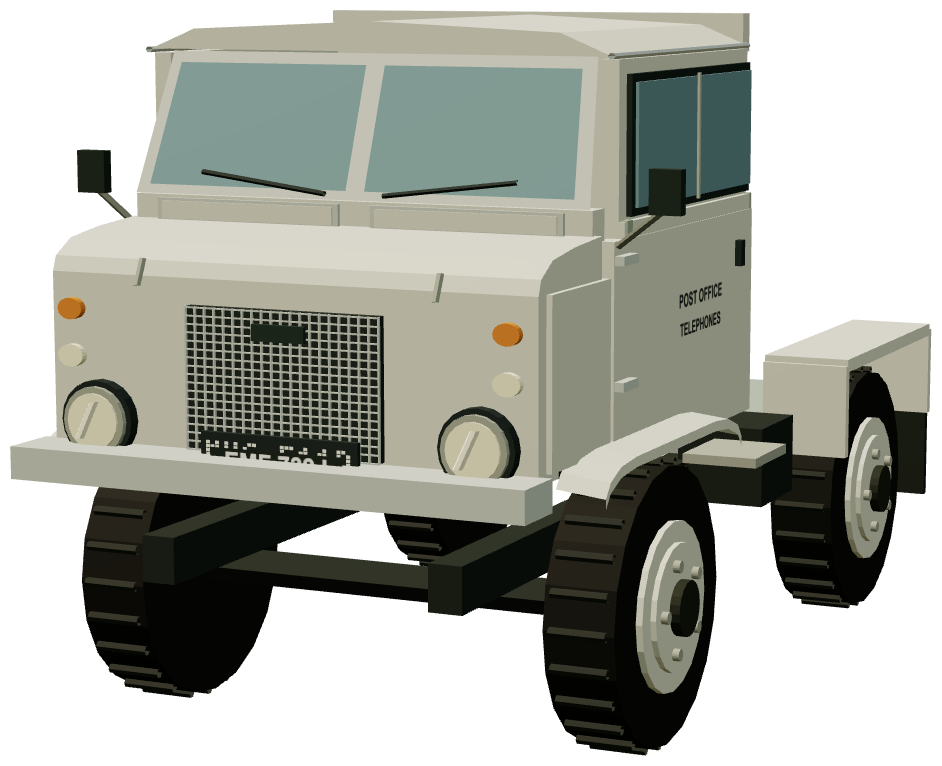
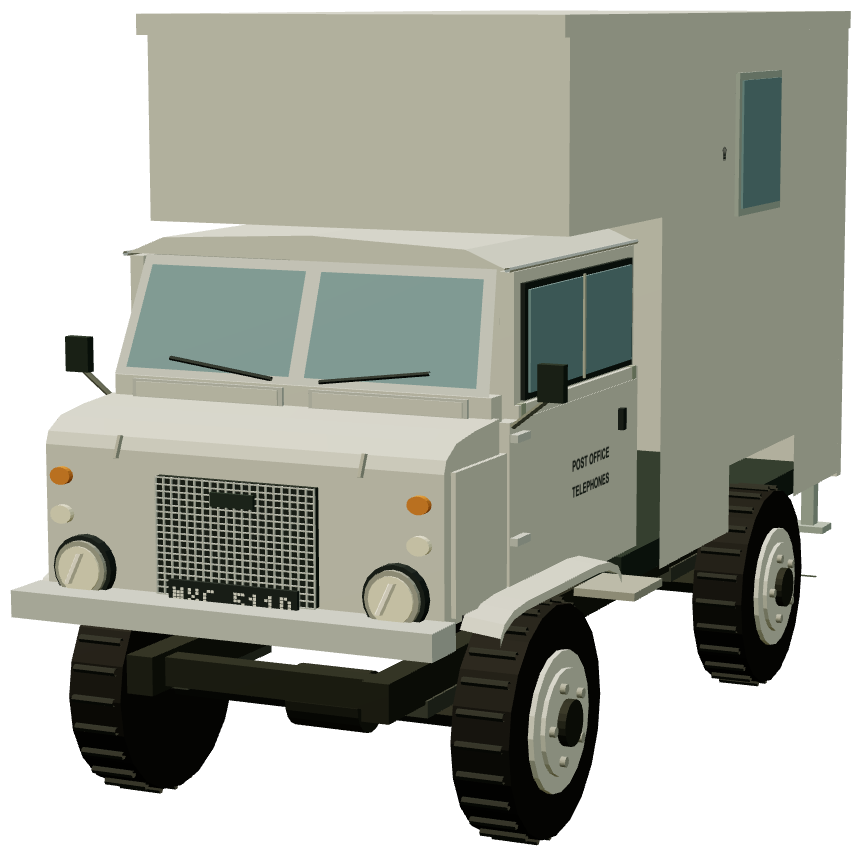
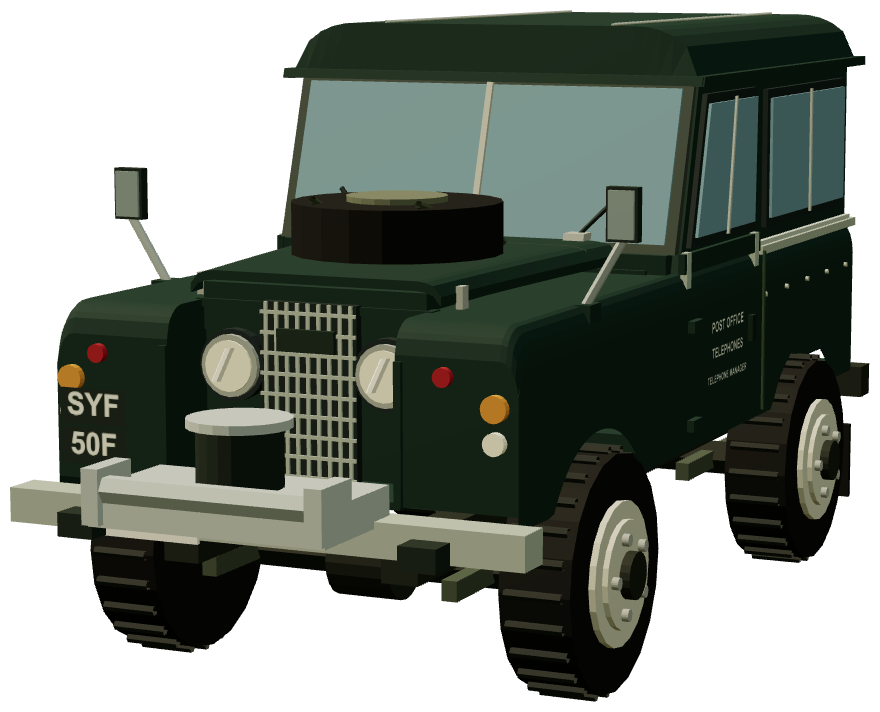
Telephone cable has to be pulled through ducts, and pulling it takes a winch. The Post Office Engineering Department's answer in the late 1960s was to build the winch into a Land Rover: Engineering Instruction B 3615 of 1 June 1969 describes the Landrover Station Wagon Type 3, and says plainly that its main use is as a cabling winch.
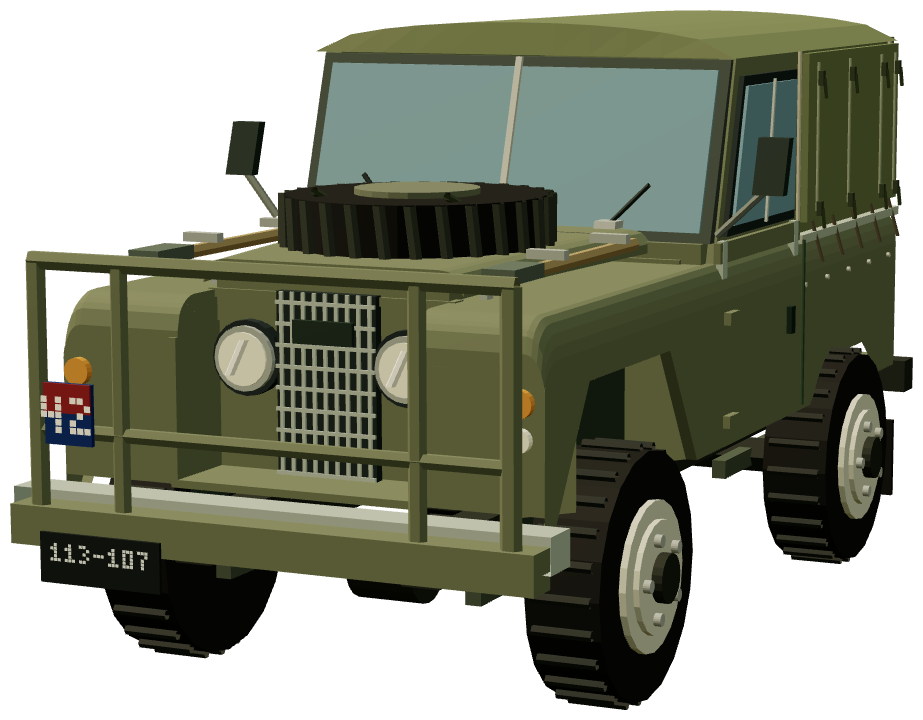
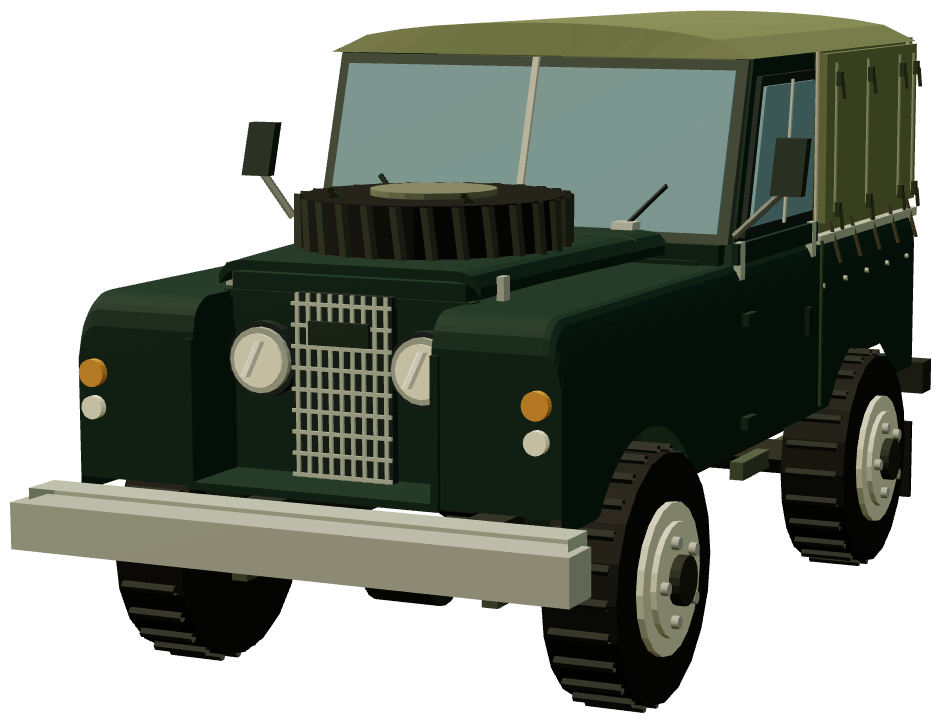
The vehicle is a short-wheelbase 88-inch Station Wagon, petrol-engined, with a front-mounted 2,500 lb capstan winch and a centre-mounted bull winch with a self-winding take-up drum, the latter set for a maximum pull of 4,000 lb. The centre winch sits where the passenger seat would normally be, so the cab seats the driver alone; a passenger seat in the rear body may not be used with the full complement of tools aboard, since the vehicle would then be overloaded. Each winch has its own hand throttle — a quadrant lever on the dashboard connected to the engine governor pre-sets engine speed for the capstan — with red emergency stop buttons and a four-wheel brake locking system to hold the vehicle while it pulls. The standard station-wagon body is modified for the cabling attachment, and the rear door has a catch to hold it open. A 10-gallon tank gives roughly 130 miles.
The fleet is well documented: fleet numbers 202390 to 202484, registered SYF 1F to SYF 95F in 1967, which is ninety-five vehicles. The example photographed, SYF 50F, survives in private ownership.