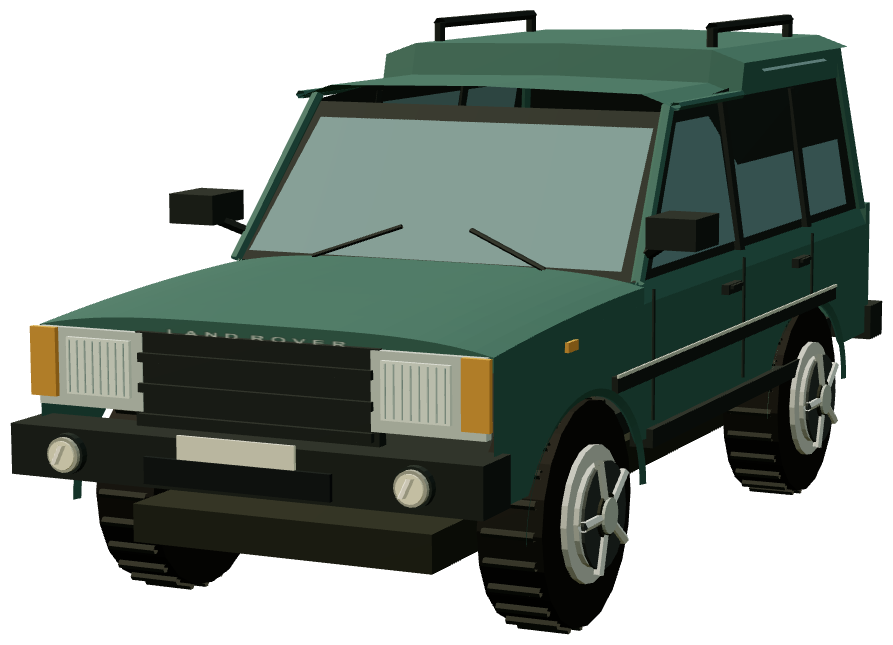
The record
By the mid-1980s Land Rover was being squeezed between its utility models and the increasingly expensive Range Rover while Japanese 4x4s claimed the family market. The answer, developed from 1986 under the code-name 'Project Jay', reused the Range Rover's 100-inch chassis, permanent four-wheel drive and coil suspension beneath an all-new body whose stepped 'alpine' roofline, asymmetric rear and optional seven seats defined the Discovery. The interior broke new ground: styled with input from the Conran Group in pale 'Sonar Blue' with golf-ball textures, map bins and grab handles, it won a British Design Award.
The Discovery was unveiled at the Frankfurt Motor Show on 12 September 1989, with UK sales starting that November at just under £16,000 for the three-door - initially the only body, with the five-door following in 1990. Launch engines were the 3.5-litre Rover V8 and, crucially, the brand-new 200Tdi direct-injection turbodiesel, whose economy and pace made diesel the defining Discovery choice in Europe. Press cars registered in the G-WAC series, in launch colours such as Zanzibar Silver, Marseilles Blue and Foxfire Red, are now prized by preservationists.
The range matured steadily: the 2.0-litre Mpi petrol arrived for tax-friendly markets, the V8 grew to 3.9 litres with fuel injection, and a major 1994 facelift brought the 300Tdi diesel, a stronger R380 gearbox, revised lights and airbags, taking the model to the 1998 handover to the heavily re-engineered Discovery Series II. North American sales began in 1994, and Discoverys carried Camel Trophy colours through the event's classic years.
The Discovery became Land Rover's volume seller and arguably saved the company, though no official Series I-only production total appears to have been published; the Discovery family as a whole passed one million vehicles in 2012.
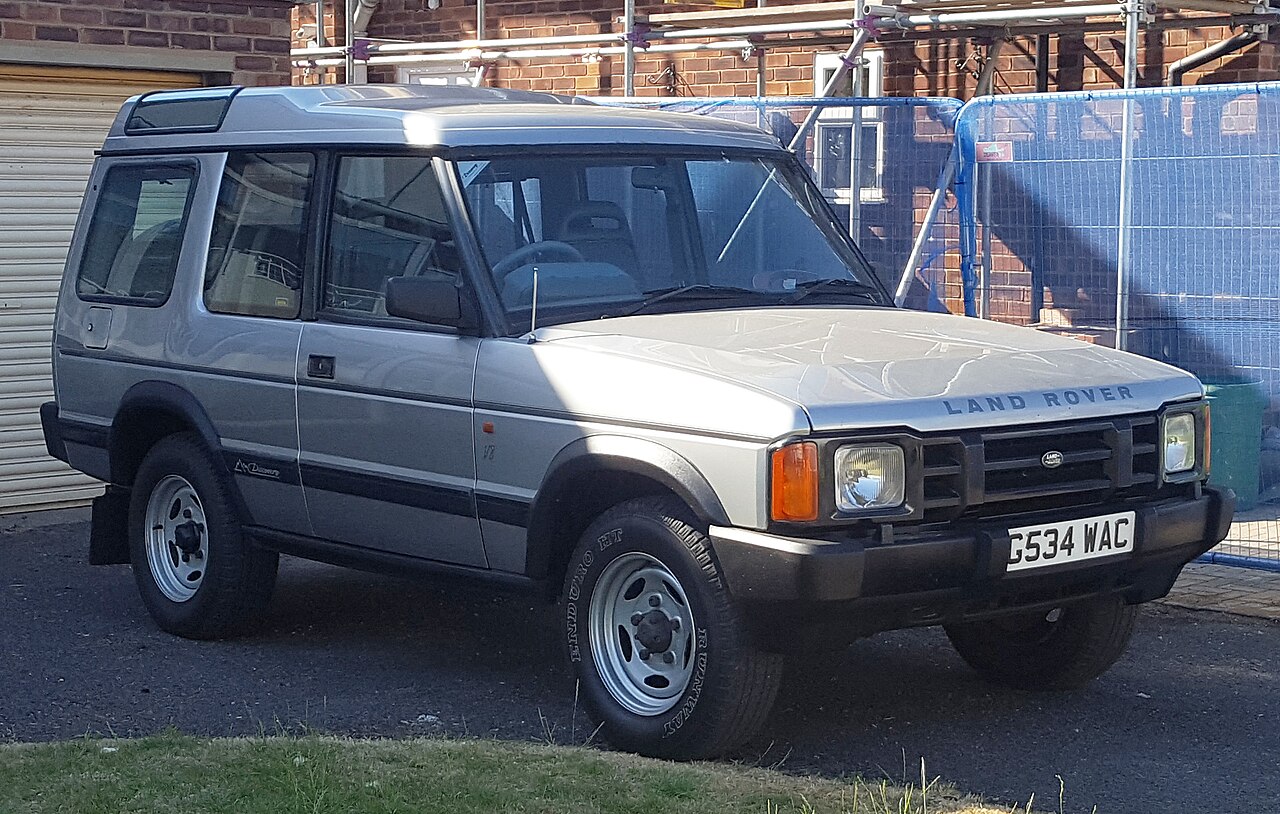
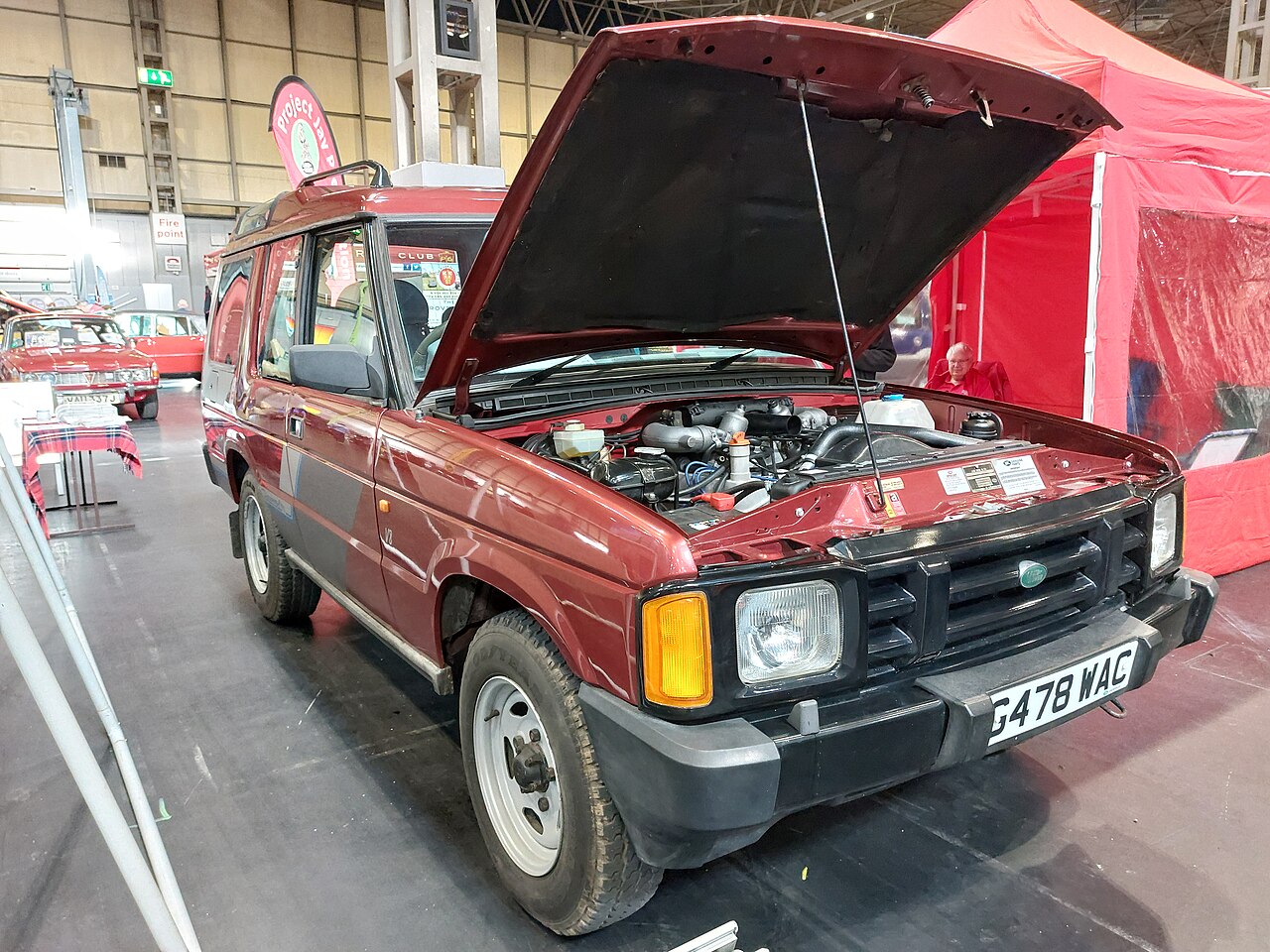
.jpg)
