The record
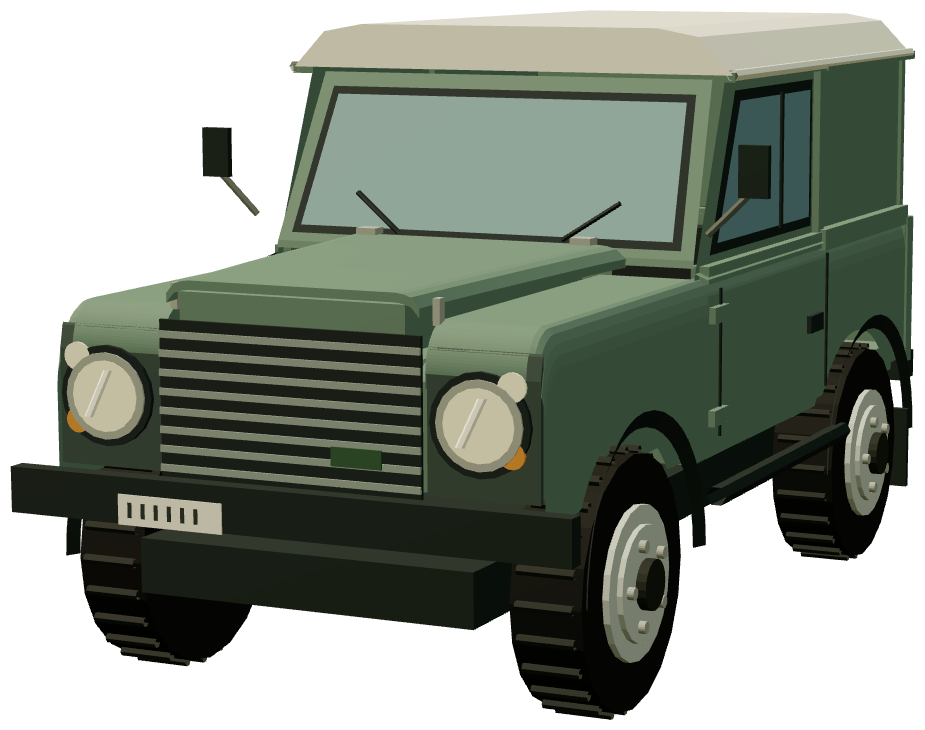
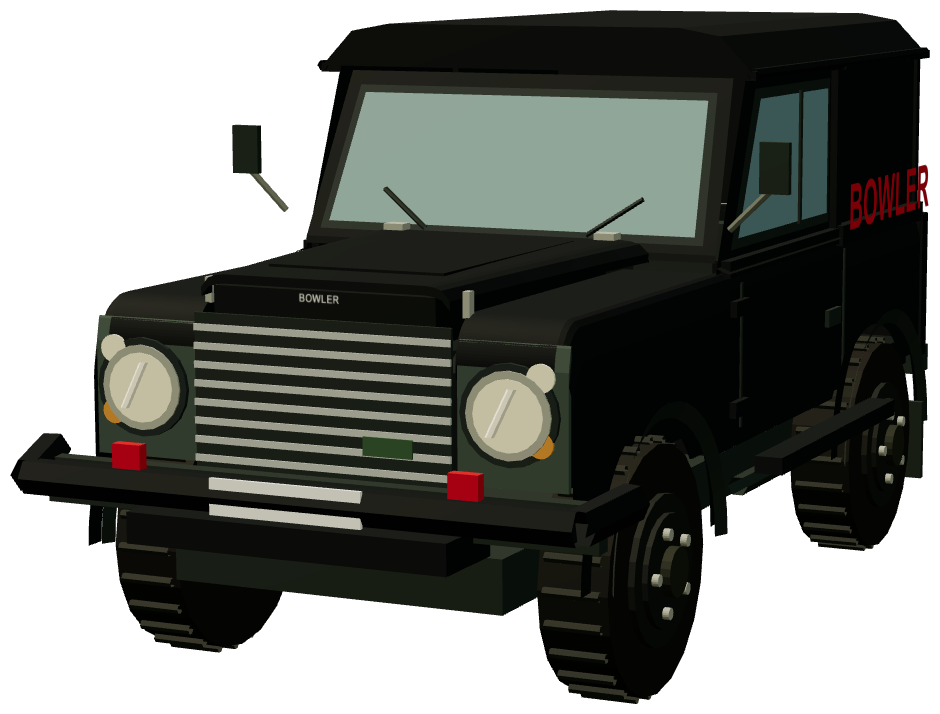
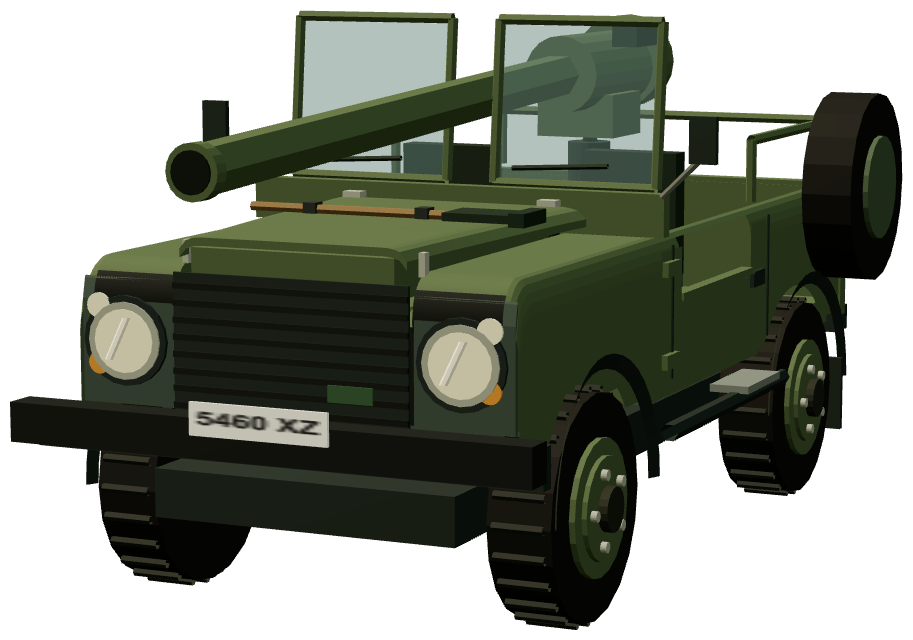
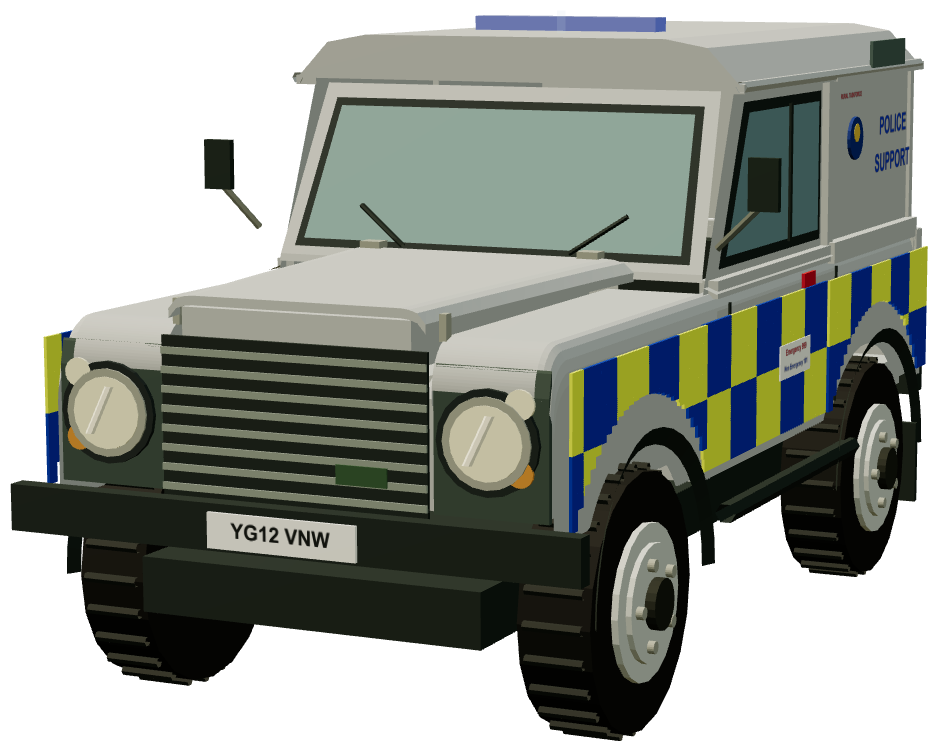
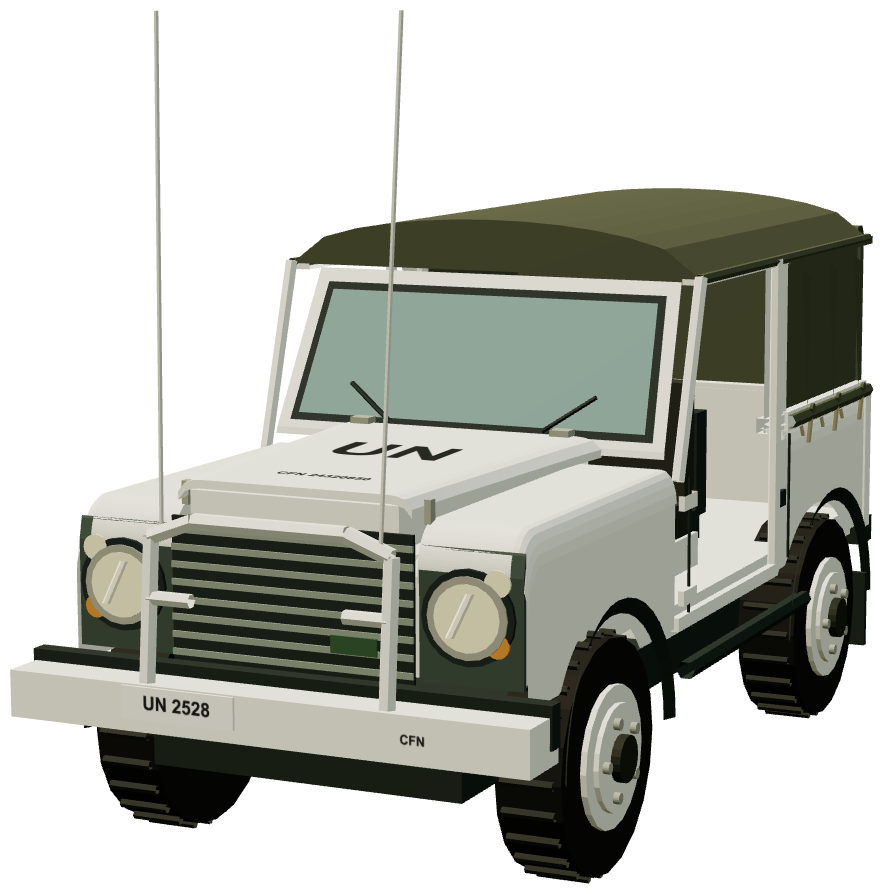
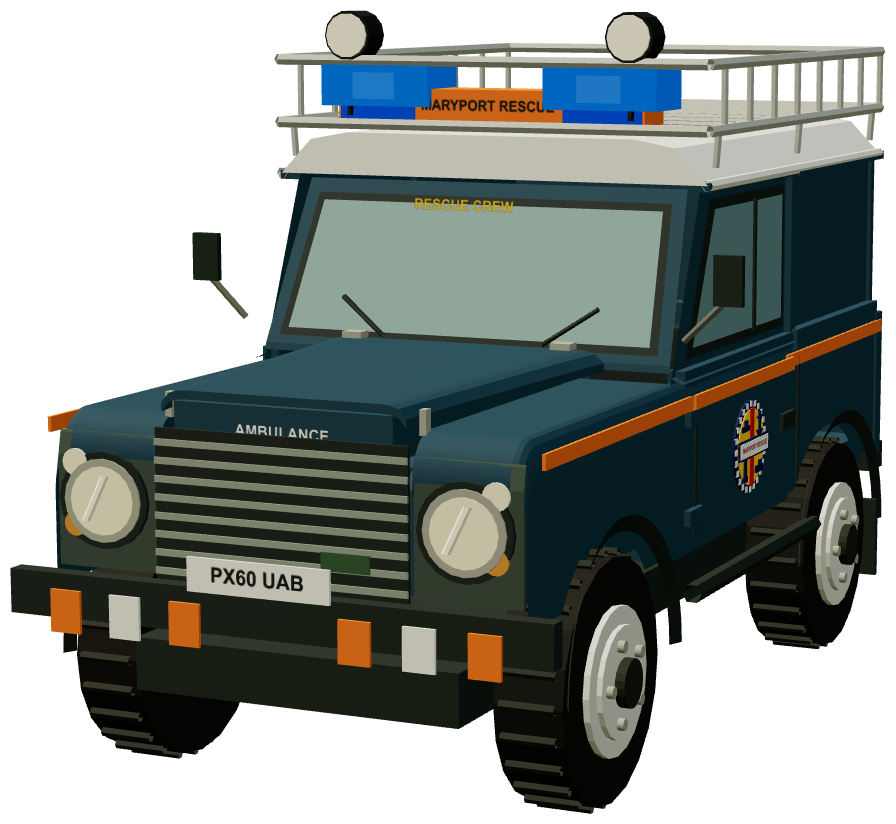
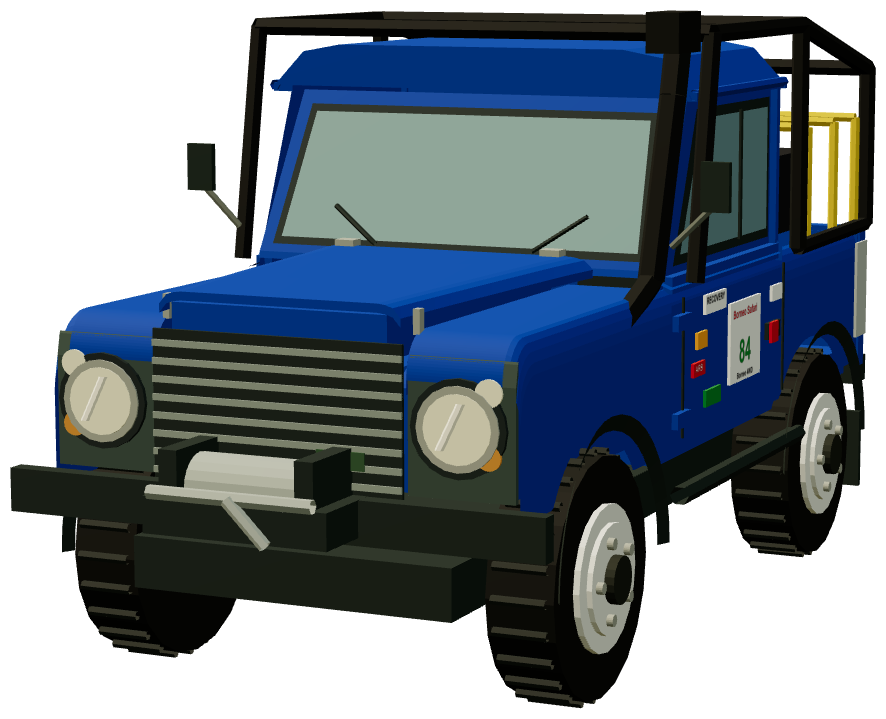
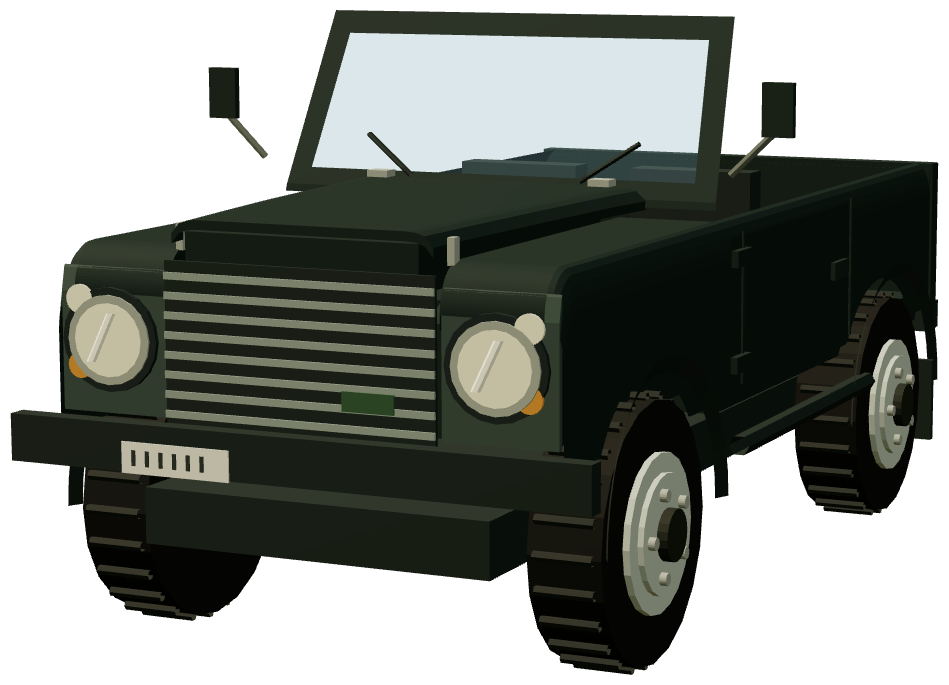
Land Rover replaced its leaf-sprung Series models with an all-new coil-sprung chassis in 1983, launching the One Ten — named for its 110-inch wheelbase — with permanent four-wheel drive, a one-piece windscreen and wind-up windows, but body panels and outline barely changed from the Series III. The short-wheelbase Ninety followed in 1984 on a nominal 90-inch (actually 92.9-inch) wheelbase, and from 1985 the stretched Land Rover 127 joined the range, built as a crew-cab and chassis-cab platform for heavy utility bodywork. Engines at first carried over from the Series line — 2.25-litre (soon 2.5-litre) petrol and diesel four-cylinders and the 3.5-litre Rover V8 — with a turbocharged Diesel Turbo arriving in 1986.
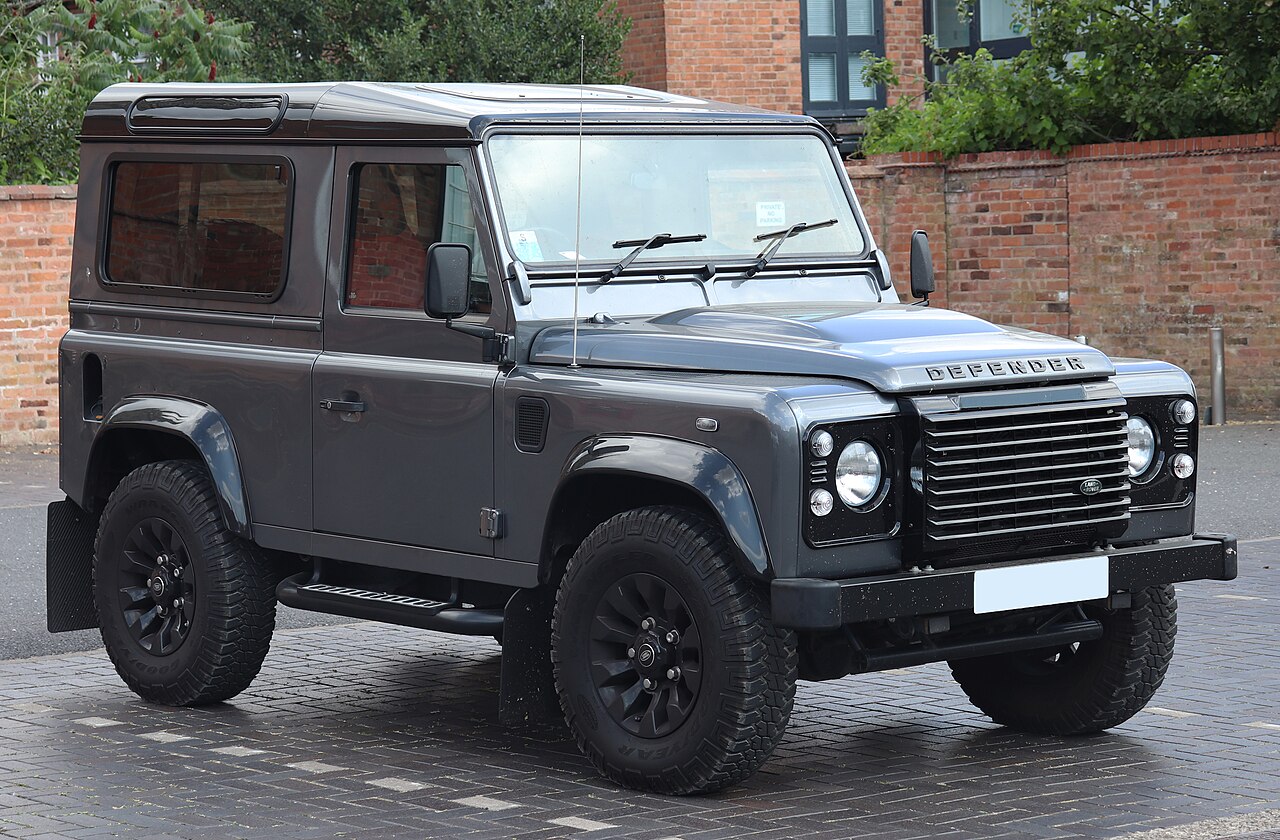
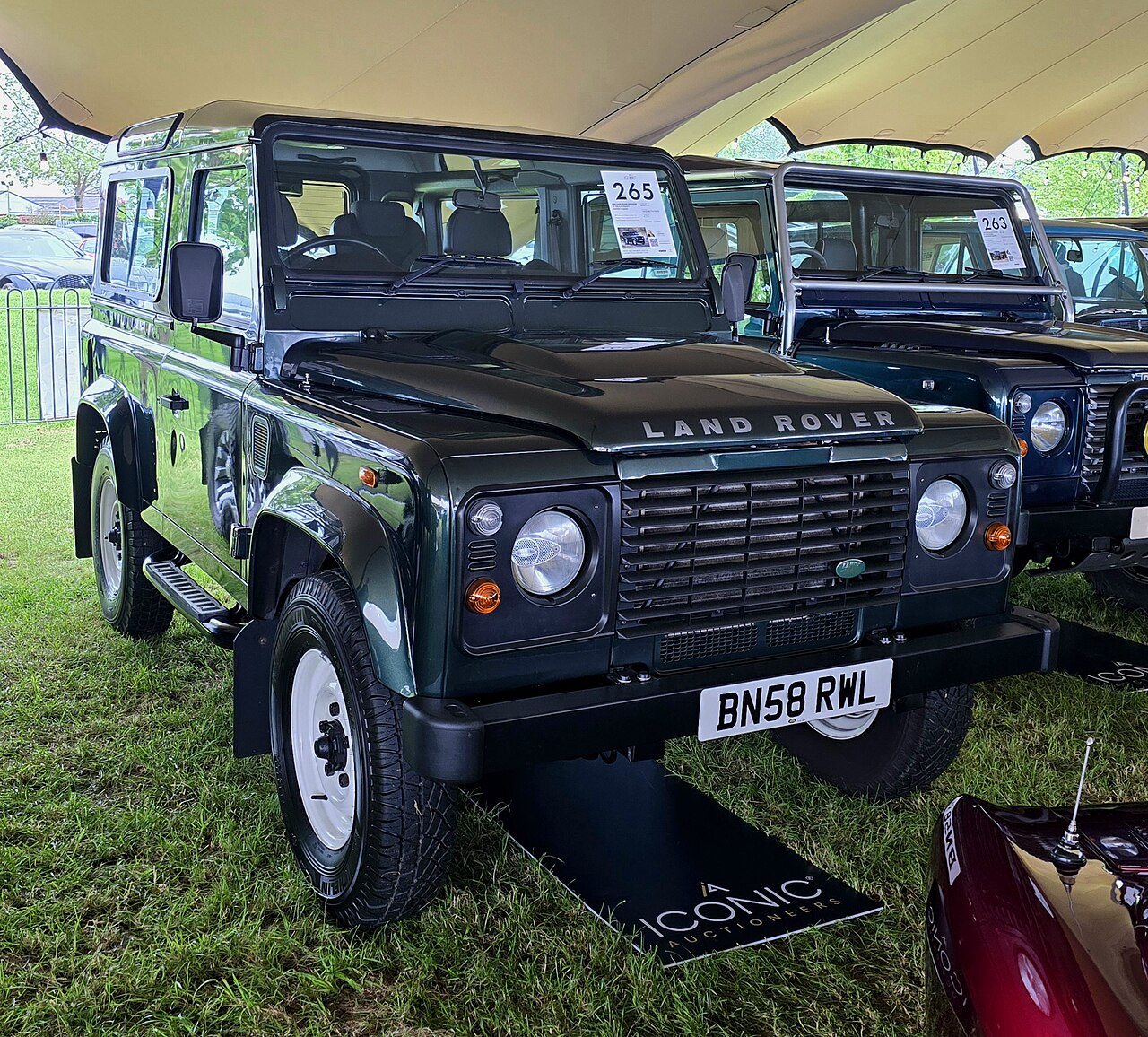
When the Discovery arrived in 1989 the original Land Rover needed a name of its own, and for the 1991 model year the One Ten, Ninety and 127 became the Defender 110, 90 and 130 — the 130 keeping its 127-inch wheelbase despite the tidier badge. The renaming came with a major mechanical upgrade: the 200Tdi, a 2.5-litre direct-injection intercooled turbodiesel developed for the Discovery, which gave the Defender usable motorway pace and modern fuel economy for the first time.
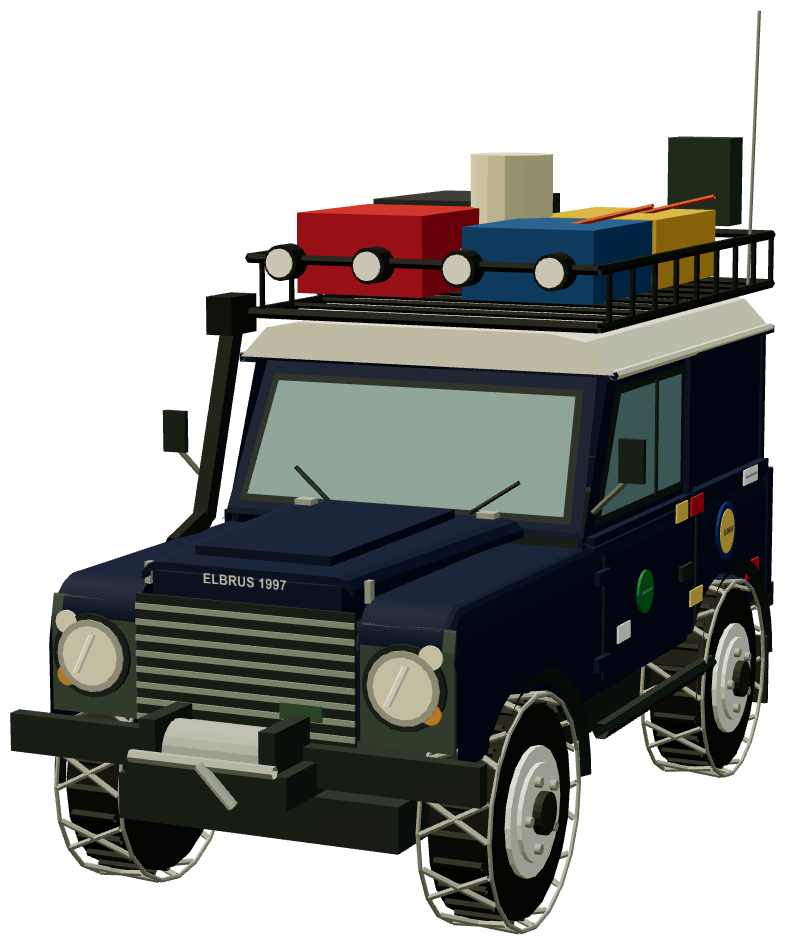
The engine line then marked out the Defender's generations: the refined 300Tdi replaced the 200Tdi in 1994, the five-cylinder electronically-managed Td5 followed in 1998, and from spring 2007 the Ford 2.4-litre Duratorq TDCi ('Puma') arrived with a six-speed gearbox and a redesigned interior, downsized to a 2.2-litre for the 2012 model year to meet emissions rules. Through all of it the Defender remained the working Land Rover — farm hack, military workhorse, expedition truck and aid-agency staple — assembled at Solihull with construction fundamentally unchanged from 1983.
The 130 stood slightly apart from its shorter siblings: sold almost exclusively as a chassis-cab, crew-cab or high-capacity pickup rather than a station wagon, it carried dropside bodies, box ambulances and fire pumps, and its double-cab-plus-tray layout made it the standard platform for utility fleets and military ambulance conversions.
Defender production ended on 29 January 2016, when the 2,016,933rd vehicle of the Series/Defender line — a soft-top Defender 90 Heritage registered H166 HUE, echoing the first pre-production Land Rover HUE 166 — rolled off the Solihull line after 68 years of continuous production. The all-new Defender (L663) unveiled in September 2019 and on sale from 2020 is a distinct, monocoque successor; this registry's records cover the classic coil-sprung line.