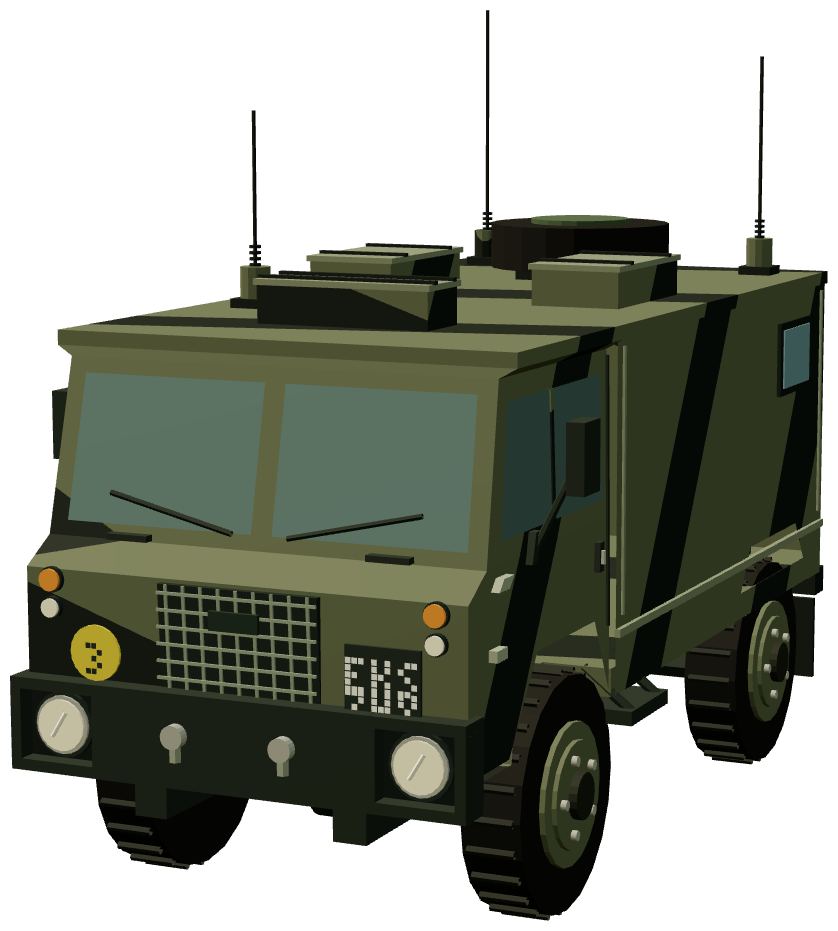
The record
The 101 Forward Control left Solihull as a soft-top general service gun tractor, and the box-bodied versions came afterwards. Land Rover had borrowed the demountable panel idea from the experimental Lightweight during the 101's development precisely so that the vehicle could be re-roled, and the radio body was the result: a hard box over the rear of the 101-inch chassis, entered from the back, fitted out as a signals vehicle or command post.
Almost every radio-bodied 101 was wired for 24 volts. British Army radio sets of the period ran at 24 volts, so the vehicles were built to the same voltage to keep the batteries charged; of roughly 150 radio bodies, only about six are thought to have been 12-volt. The factory's own production breakdown for 1972–78 lists 170 right-hand-drive and 465 left-hand-drive 24-volt vehicles plus a further 92 for export, though those totals cover Fitted For Radio soft-tops as well as box bodies.
Under the body the vehicle is the standard 101: a 3.5-litre Rover V8 mounted under and behind the cab, four-speed LT95 gearbox with permanent four-wheel drive, 101-inch wheelbase and 9.00×16 tyres, built to be air-portable in an RAF Andover and light enough to be underslung from a heavy-lift helicopter.
Radio bodies served with the Royal Signals and with artillery and air defence units through the 1980s and 1990s. A batch was taken back into UK workshops and converted into the screened, mast-equipped Vampire electronic warfare vehicles for 14 Signal Regiment. The 101 fleet was almost entirely withdrawn by the end of 1998, the ambulance-bodied vehicles going last in 1999, and box-bodied survivors are now common among collectors — several having been turned into campers and expedition vehicles.
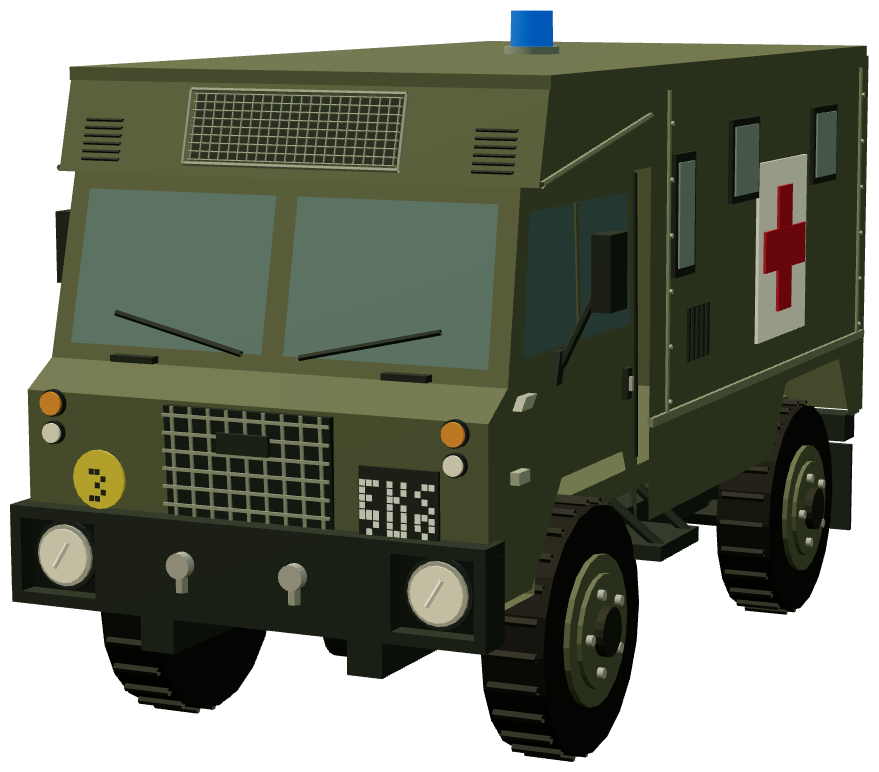 101 Forward Control Ambulance
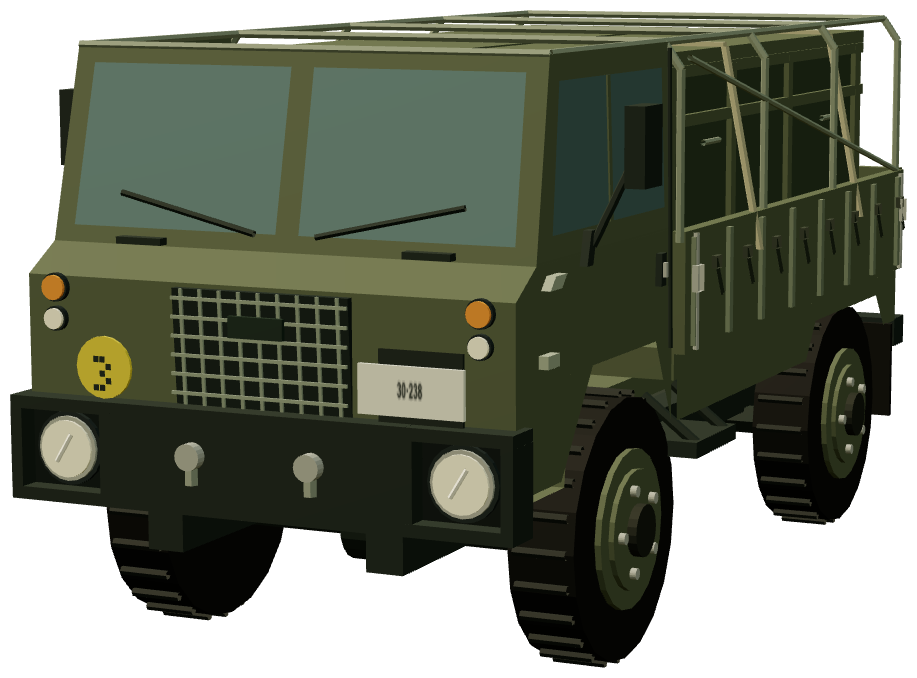 Rapier 101FC
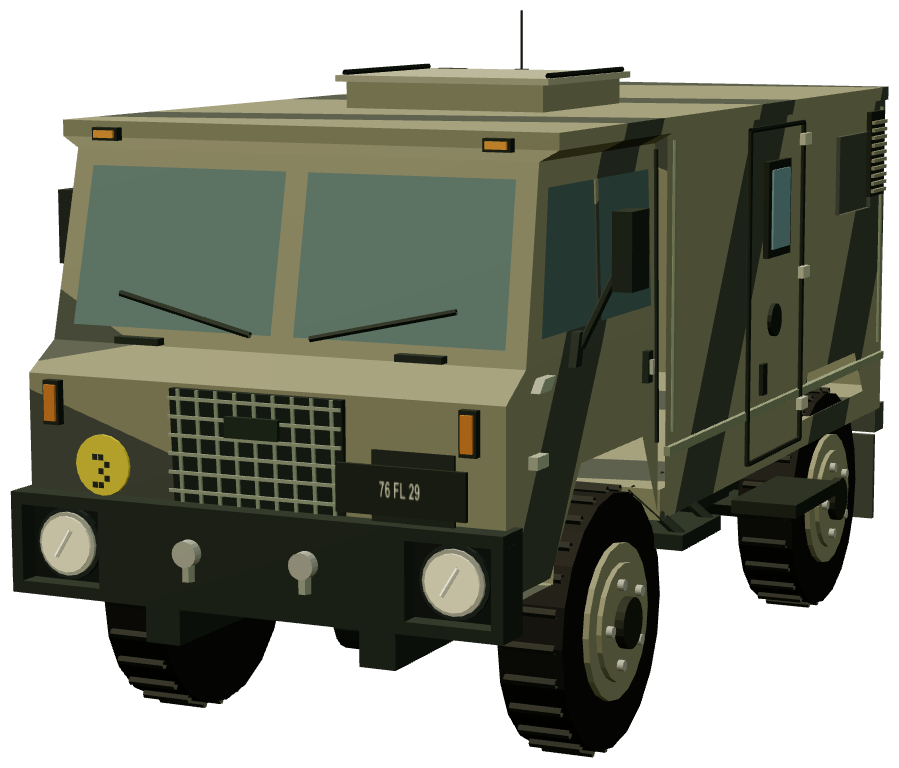 Vampire EW
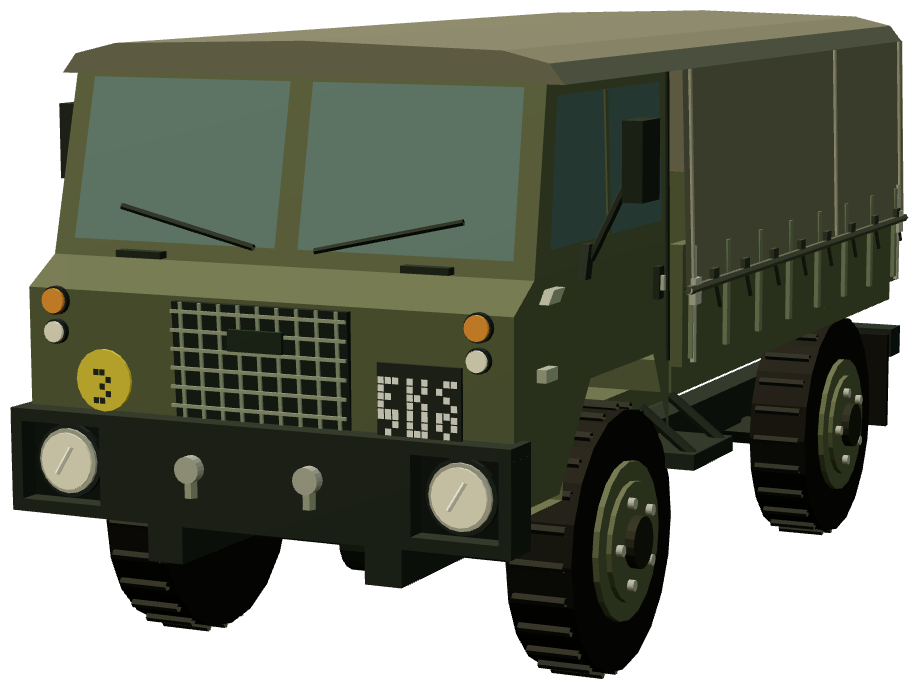 101 Forward Control Cargo