The record
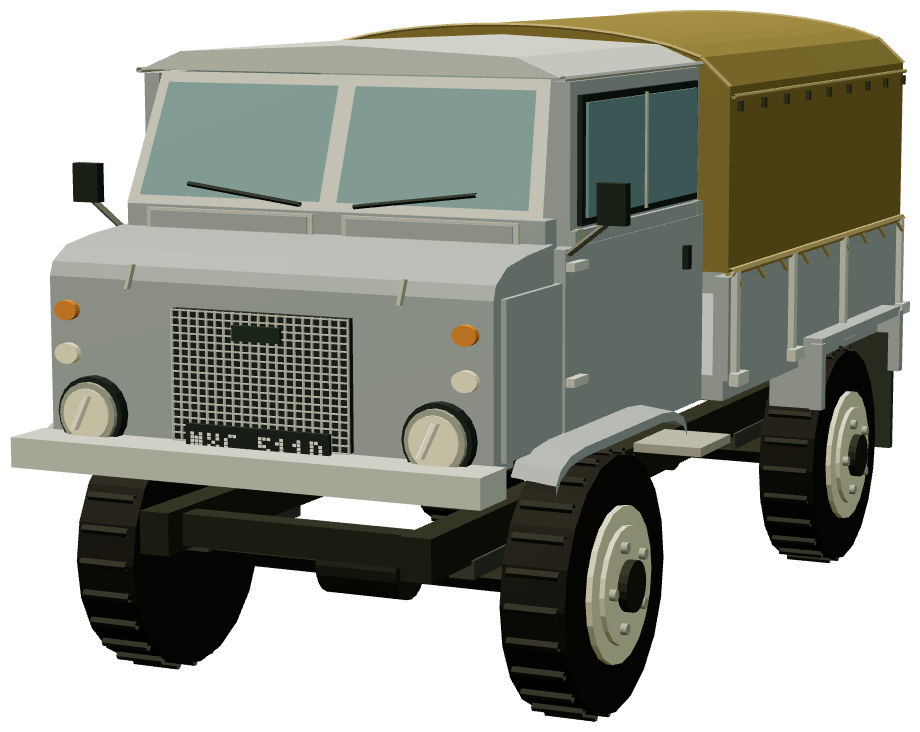
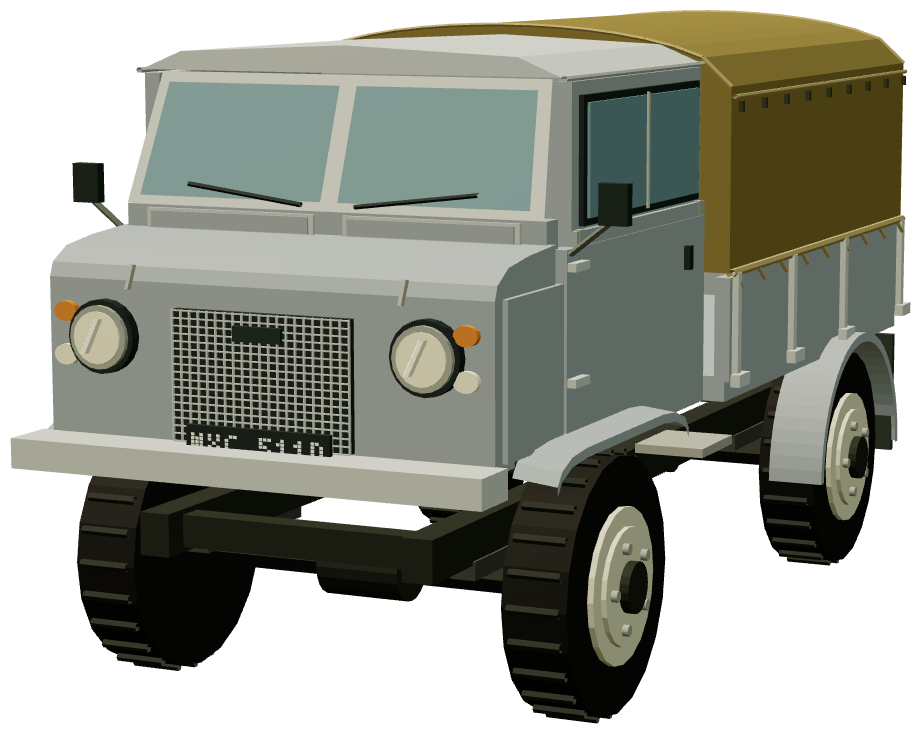
Land Rover entered the light forward-control truck market in 1962 with the Series IIA Forward Control, a 109-inch chassis carrying its cab above the engine to free the whole frame length for a load bed. The IIA FC's tall build and carried-over running gear earned it a reputation for instability and underpowering, and in 1966 the factory answered with the thoroughly revised Series IIB Forward Control. The wheelbase grew to 110 inches (strictly 109.75in), the track was widened by four inches on heavy-duty ENV axles, a front anti-roll bar was added and the rear springs moved on top of the axles, while the cab gained relocated gear and handbrake levers and repositioned lighting. Rated payload was 30cwt on the road and 25cwt cross-country, and the IIB was built only as a forward-control - there was no normal-control Series IIB.
Engine choice broadened alongside the familiar 2.25-litre petrol four: a 2.25 diesel and, as the home-market standard, the 2.6-litre inline-six petrol. Production figures reflect how small this niche was for Land Rover: 2,305 Series IIB Forward Controls in total - 527 petrol fours, 524 diesels and 1,254 six-cylinder vehicles - before the model was dropped in 1972 when the company rationalised its range ahead of the 101 Forward Control military project; a special South African military contract continued Forward Control production into the mid-1970s.
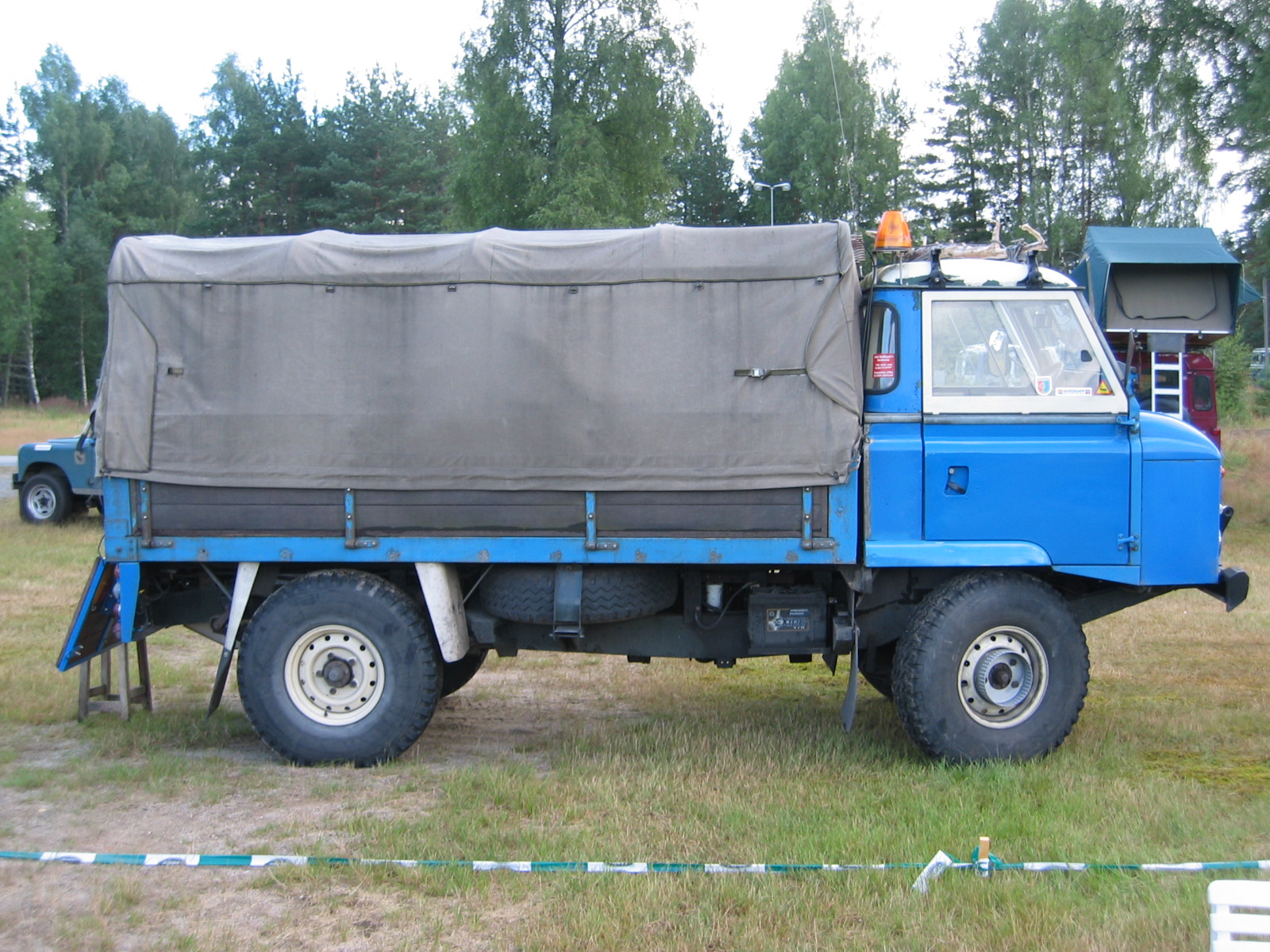
Most IIB FCs went to work as drop-side trucks, fire appliances, breakdown trucks and camper conversions at home and in export markets, and the type's hard working life means few survive today. The registry's images show a preserved 1968 example in the UK and a IIB in Norway, where the type served with civil and military operators.
 Series IIA Forward Control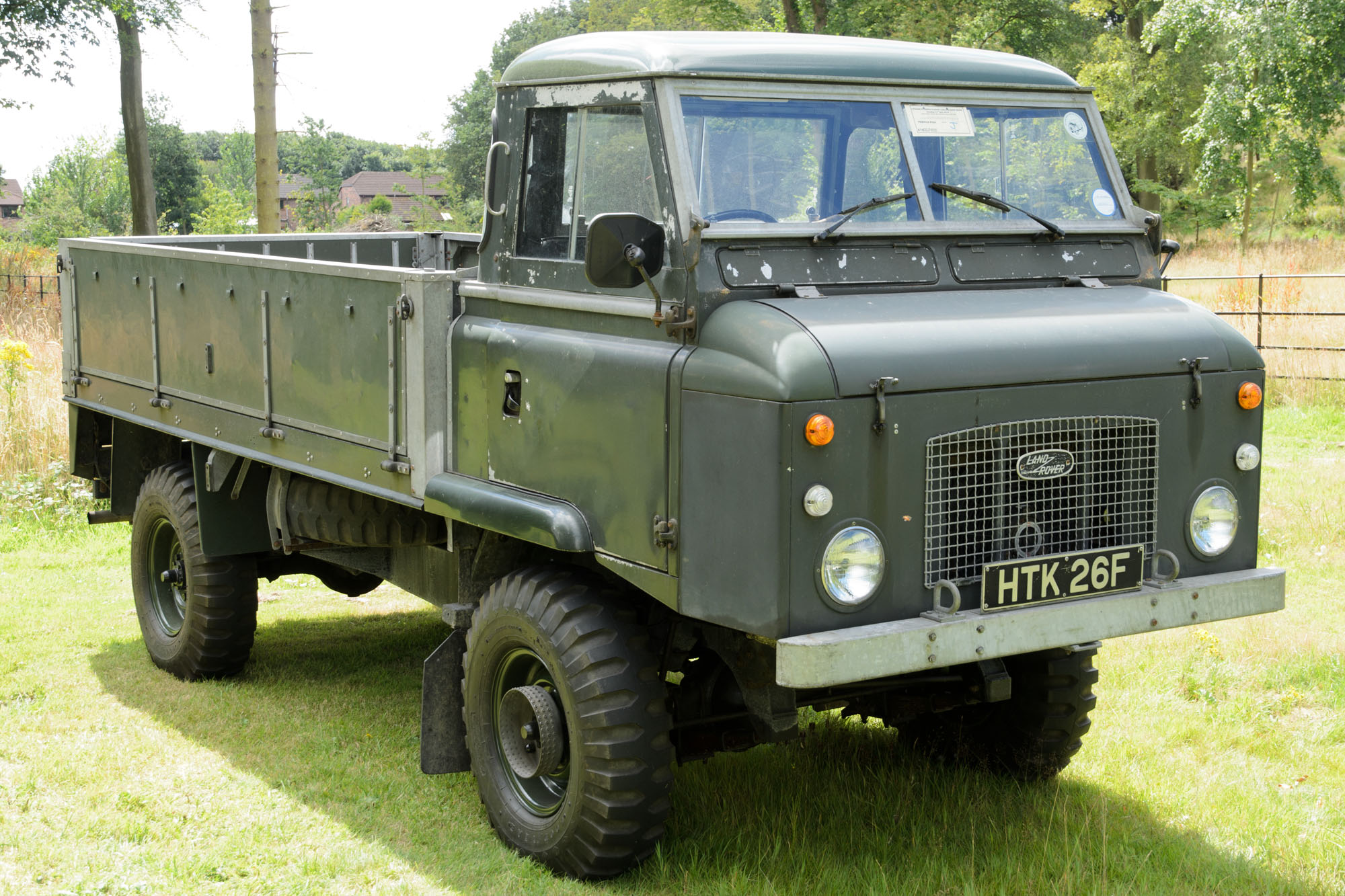
_-_29364327694.jpg)
