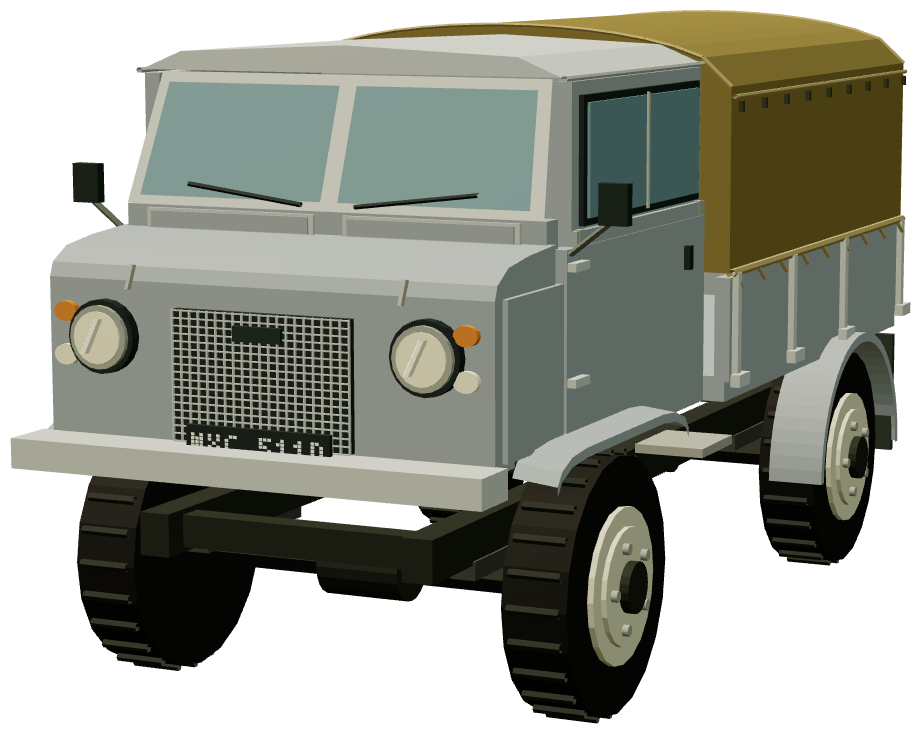
The record
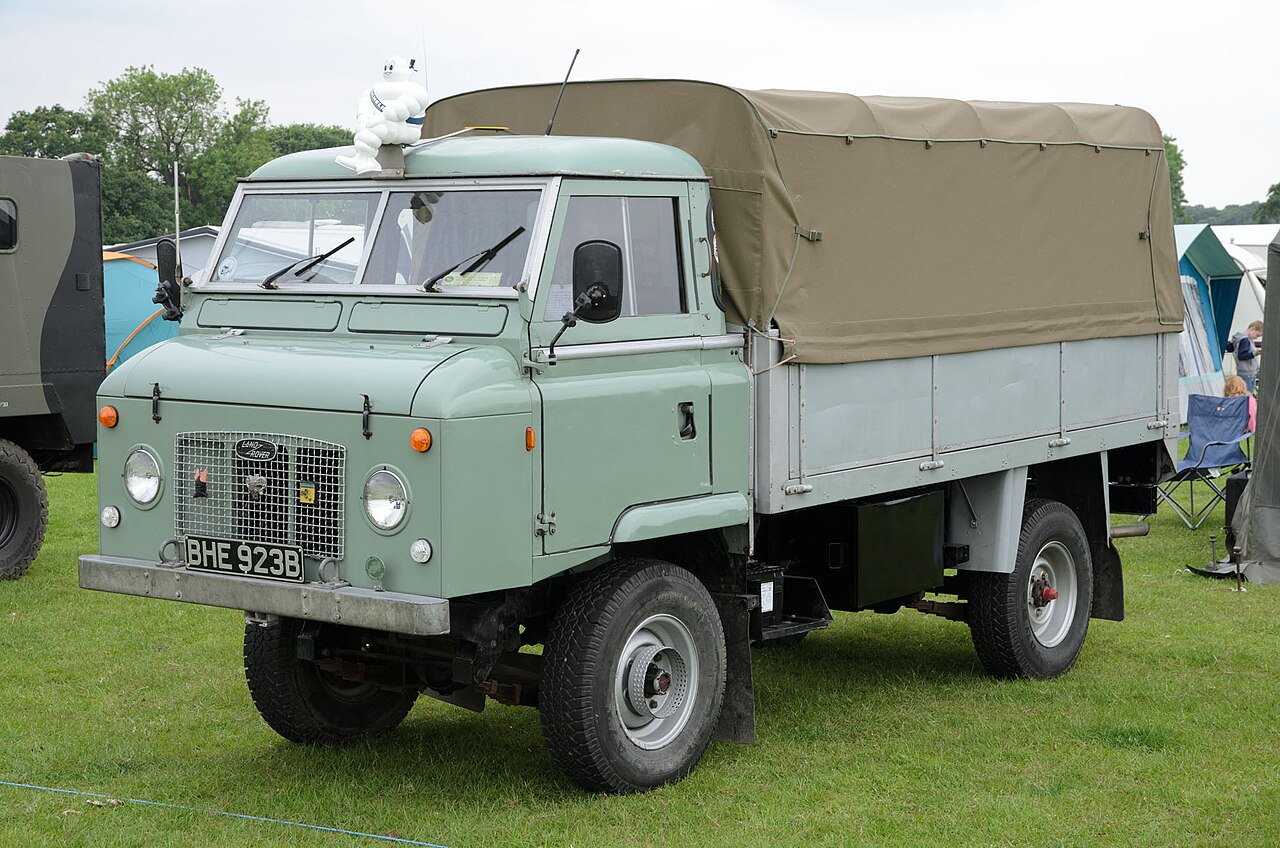
Launched in 1962, the Series IIA Forward Control was Rover's answer to customers who wanted a genuine light truck with Land Rover go-anywhere ability. By seating the driver in a new cab above and ahead of the engine on a reinforced 109-inch Series IIA chassis, the load bed grew to take a rated 30 cwt (about 1.5 tonnes) on the road - roughly double a normal 109's payload - on slightly larger 9.00x16 wheels. The high cab gave the model its unmistakable silhouette, with headlamps mounted high in the front panel and curved mudguards over the rear wheels, the quickest way to tell a IIA from the later IIB with its lowered lamps.
At launch the only engine was the familiar 2.25-litre petrol four, which left the heavy truck badly underpowered; the 2.6-litre six-cylinder was soon offered, mainly for export, and a diesel was nominally available but found almost no takers. Silodrome's production breakdown records 2,091 four-cylinder, 1,097 six-cylinder and just 5 diesel vehicles - 3,193 in all, though 'fewer than 2,500' is also commonly quoted for the type. The combination of modest power, a high centre of gravity and narrow standard-width axles under a tall, heavily-laden body earned the IIA FC a reputation for feeling top-heavy, and sales stayed thin across its four-year run.
Rover answered the criticism in 1966 with the Series IIB Forward Control: wheelbase stretched to 110 inches, tracks widened four inches on heavy-duty ENV axles, headlamps lowered and the diesel and six-cylinder properly integrated. The IIB inherited the concept until 1972, when Land Rover left the civilian forward-control market to concentrate on the military 101. Worked hard as tippers, fire appliances and drop-side lorries, few IIA Forward Controls survive, and the type is now one of the rarest factory Land Rovers - the registry's example wears the high headlights and curved rear mudguards that define it.
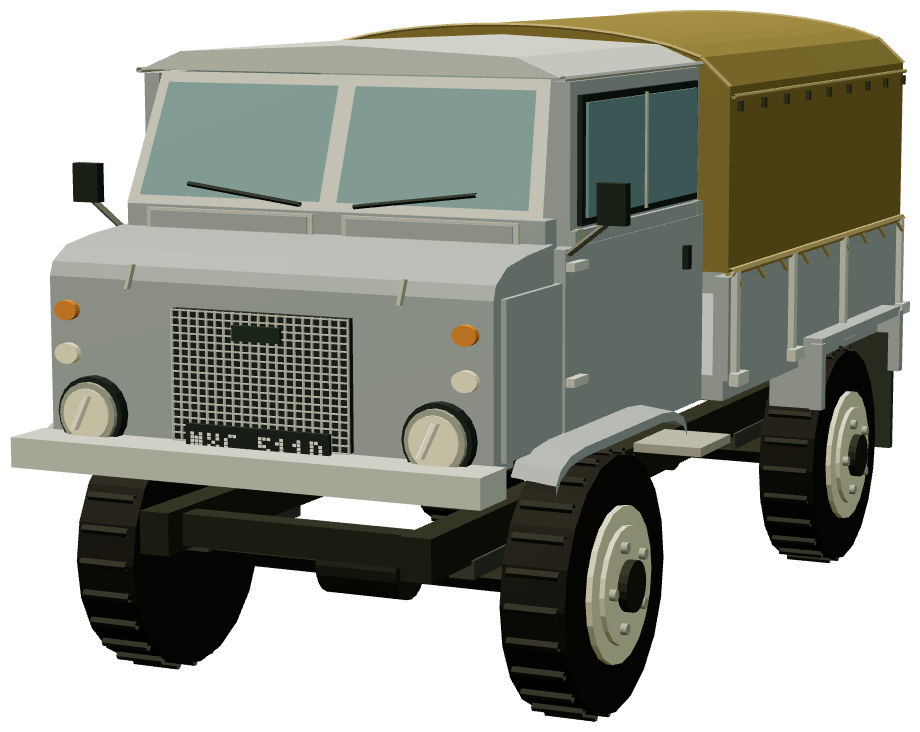 Series IIB Forward Control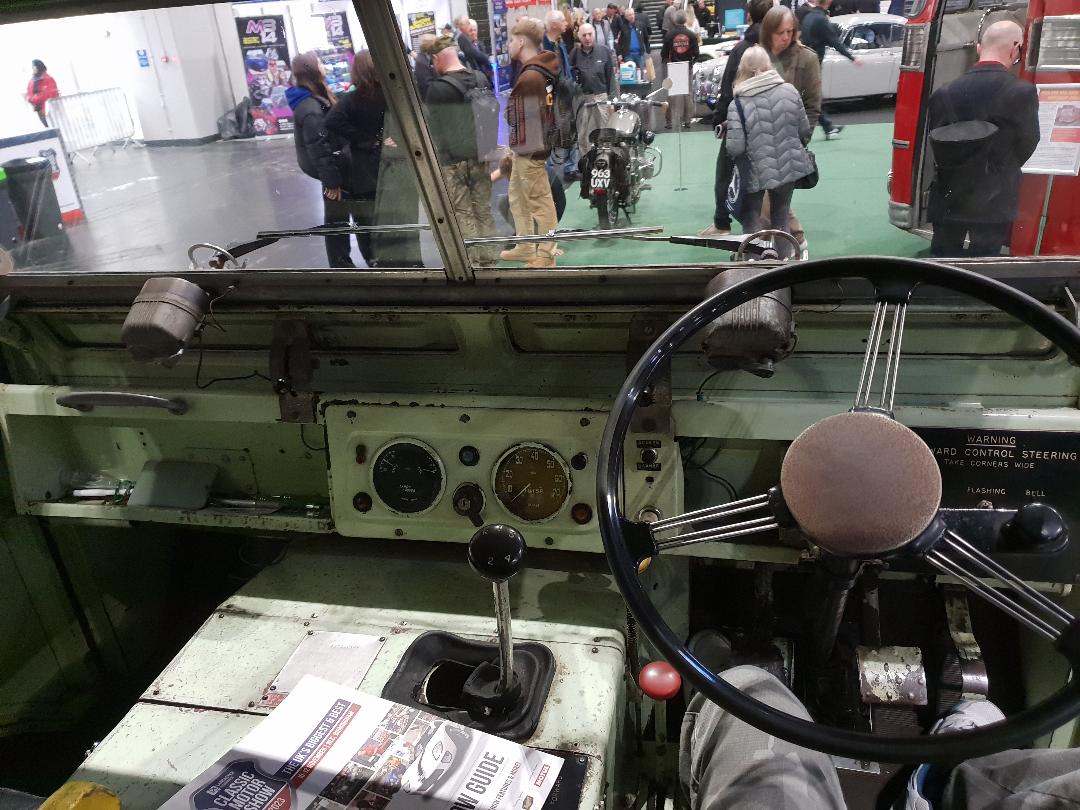
_(53339842260).jpg)
_-_29151237781.jpg)