The record
This is one of several Jack Oliver Dobson builds in the registry, alongside his 109-inch trayback ute, the Shop Truck. Dobson is a British-born, Brisbane-based specialist who has spent more than 25 years rescuing, rebuilding and recommissioning classic Land Rovers, and this 80-inch is the earliest car in his own fleet.
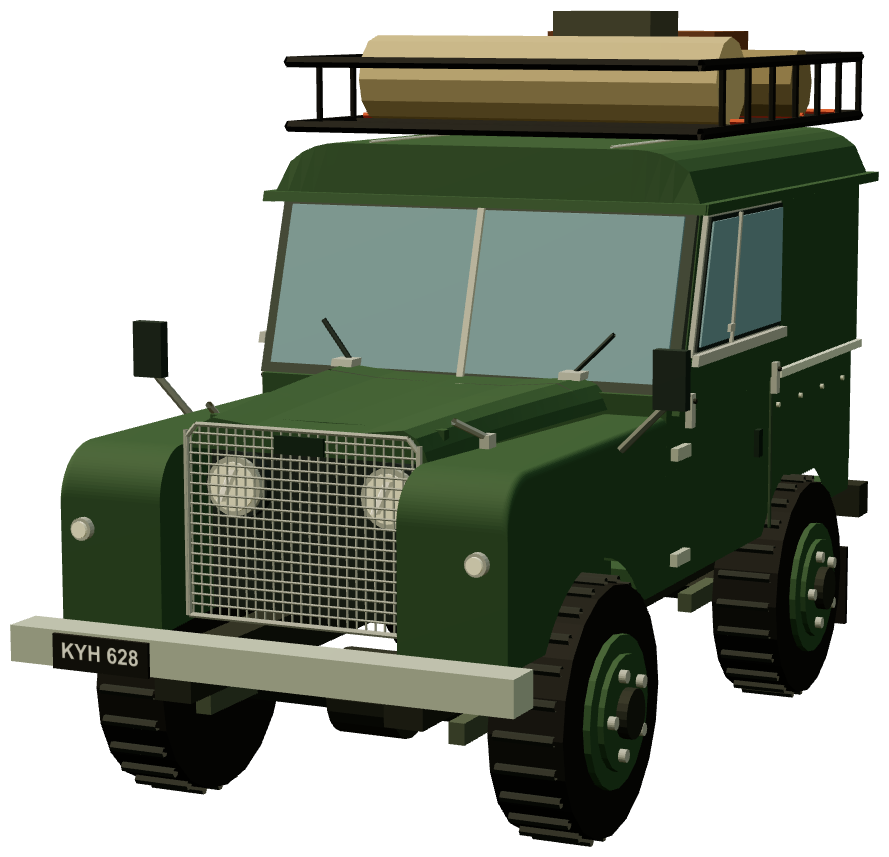
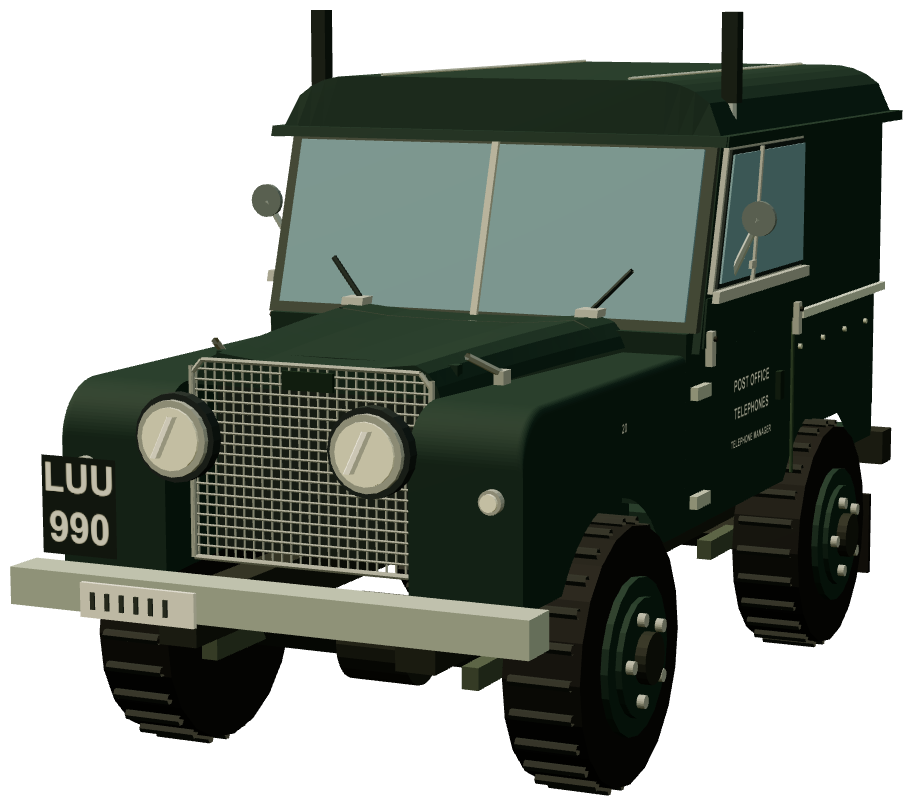
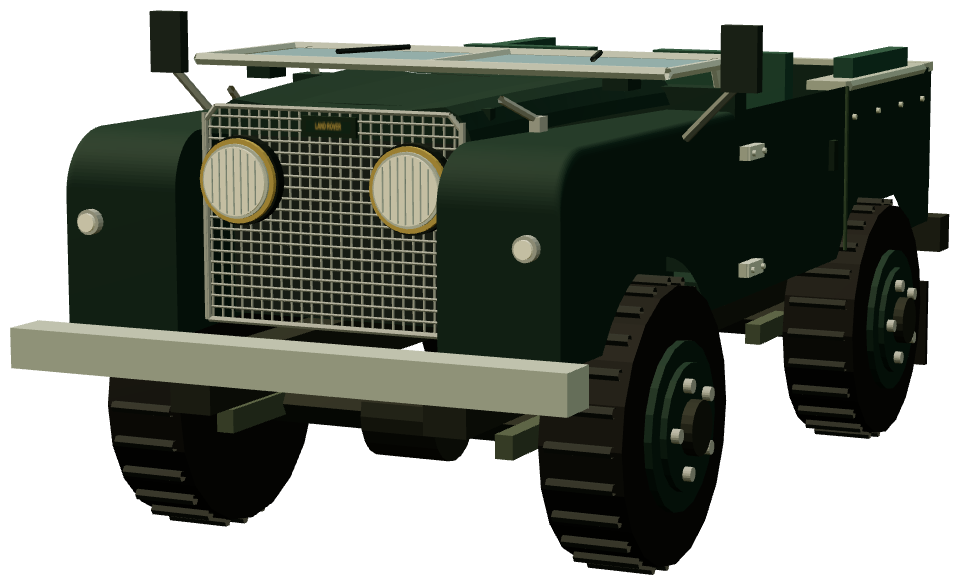
The 1950 80-inch is a Series I from Land Rover's first, pre-Series nomenclature era — Rover built the 80-inch at Solihull from 1948 — powered by the 1,595 cc inline-four petrol engine of around 50 bhp that the model carried until the 2.0-litre arrived for 1952. Nineteen-fifty was a year of visible change on the 80-inch: the semi-permanent four-wheel drive with its freewheel gave way to a conventional dog-clutch arrangement for engaging the front axle, and the headlamps moved from behind the wire grille to protrude through it. The car in the photograph on Dobson's Projects page shows the through-the-grille lamps of that later-1950 arrangement, on an open-bodied 80-inch with a galvanised front bumper.
Dobson describes the vehicle only as fully rebuilt "a year ago" on an undated page, and records that under his stewardship it won Best 4x4 and Car of the Show at the 2024 Brisbane All British Day — held that September at Tennyson — and was subsequently invited to the 2025 Noosa Concours d'Elegance. He is a British-born, Brisbane-based specialist who has spent more than 25 years rescuing, rebuilding and recommissioning classic Land Rovers from the earliest 1948 cars through to 2015, is Australian ambassador for Exmoor Trim, Maxxis Tyres, Kincrome, Autosparks and LOF Clutches, and writes a column for Land Rover Monthly; he posts his own vehicles and travels as @dobbo_down_under.
Several things could not be established and are deliberately not claimed here. No chassis or registration number, build date, engine number or Australian registration is published for the car, and no factory colour is documented for it: early 80-inch Land Rovers were painted in various shades of light green because the colour was dictated by military-surplus aircraft cockpit paint, but which finish this individual vehicle left Solihull in is not recorded, and the photograph on the owner's site shows it in a dark green rather than a light one. That photograph also carries a British-style black-and-silver plate reading 866 KR2, which is not a valid British registration format and is not an Australian plate, so it is not clear whether the image was taken in Australia or predates the car's arrival there.
Research status: draft — identification, dates or figures could not all be pinned down; the summary says what is unresolved.