NAMED MODELSpecial · Expedition & CampersMilitary · UKUnited Kingdom
Military Carawagon command vehicle.
British Army command-post version of the Searle Carawagon camper conversion: around 34 Series III 109s with elevating arched roofs, blackout curtains and map tables, converted from about 1978 for field commanders in BAOR Germany, with a few more following in 1984.
BASE VEHICLESeries III 109″CONVERTERSearle Ltd (Carawagon)IN SERVICE1978–84OPERATED INUnited Kingdom, GermanyPRODUCTION~34 conversions circa 1978, plus at least 4 more in 1984LAYOUT4 wheels
The record
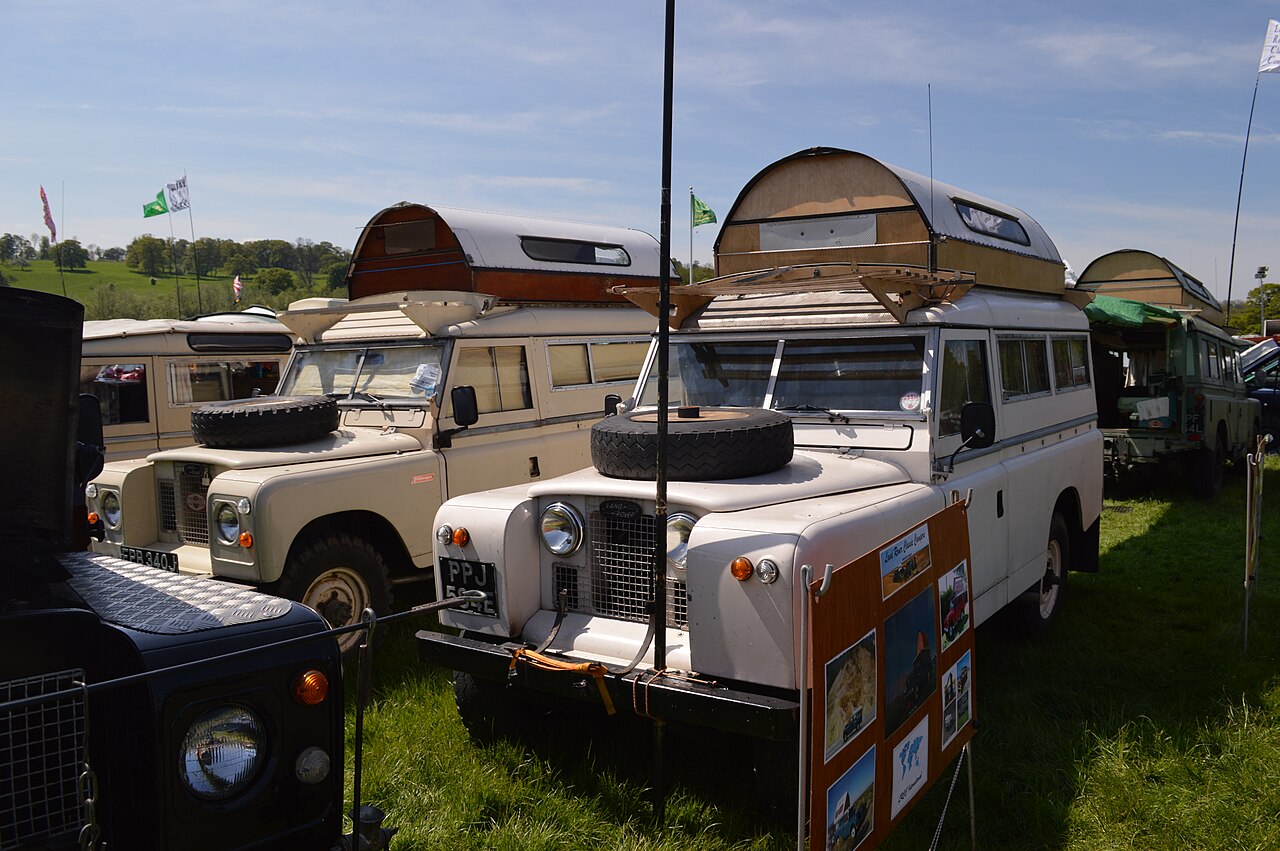
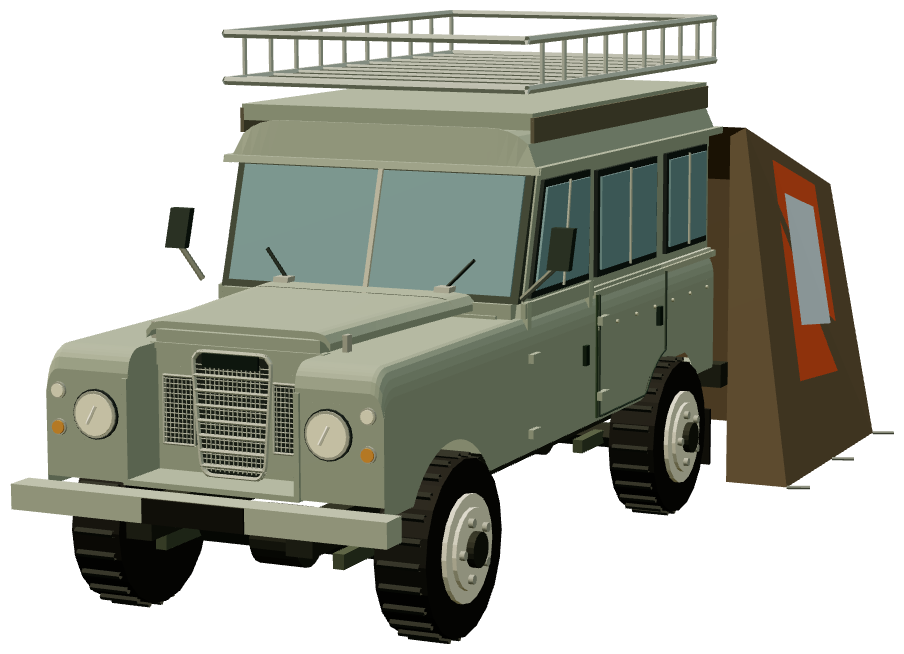
The Military Carawagon was based on the civilian caravan conversion built by Searle Ltd of Sunbury, Middlesex (trading as Carawagon), who had converted Land Rovers for many years before winning the military contract and marketed the vehicle to any service needing a mobile command post with four-wheel-drive capability. The signature feature is the elevating roof: a flexible aluminium sheet that lies flat when stowed and bows into a large cathedral-like arch when raised, giving full standing headroom down the length of the vehicle, with hinged end panels folding inside when not in use.
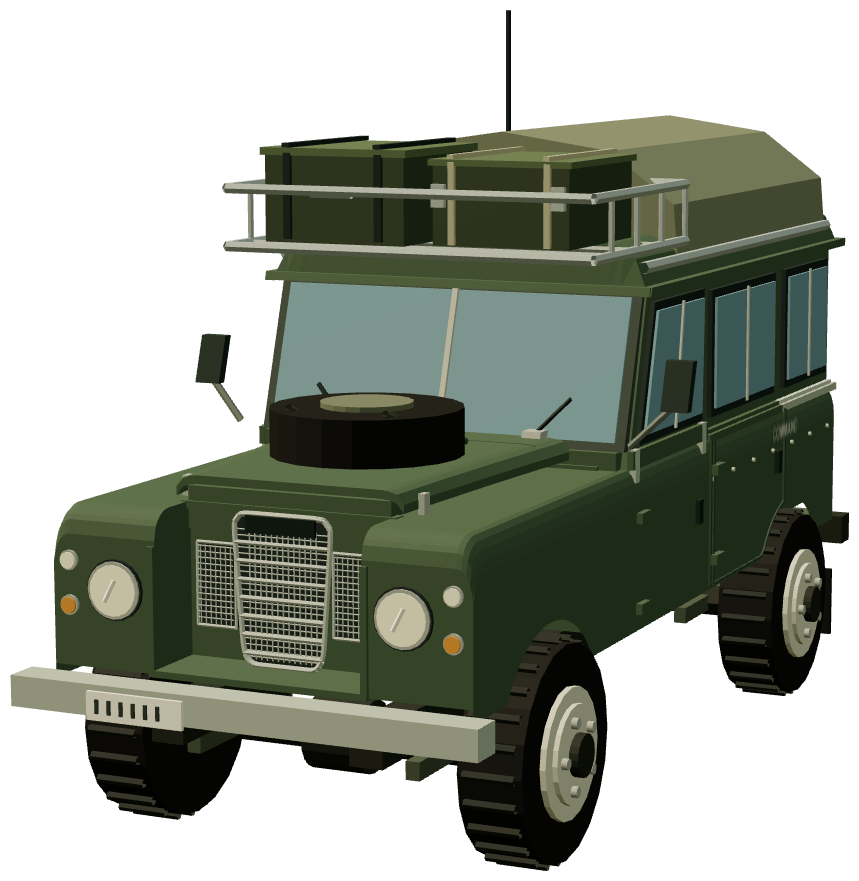
The first batch was converted around 1978 for commanders to use in the field with the British Army of the Rhine, built on left-hand-drive GS 109s drawn from a depot and already in service, their hardtops modified to take the Carawagon roof; later conversions were taken straight from the Land Rover production line as late as 1984. The military version differed from the civilian one in having no roof skylights, dark glass and only one long side window on the left, blackout curtains running in aluminium channels on the windscreen and doors, roller curtains for the side window and rear door, door switches that killed the interior lights, and a large square-section roof rack over the cab to stow the camouflage nets needed to disguise the Carawagon's unmistakable raised-roof profile. Inside were a long worktop with cupboards and drawers, a stainless-steel sink with Whale foot pump, a map table with low-voltage lamp, and a bunk made up from the front seat and rear bench; power was 12-volt with provision for 240 V AC via an external Depot Unit box, and some vehicles had 24-volt connections.
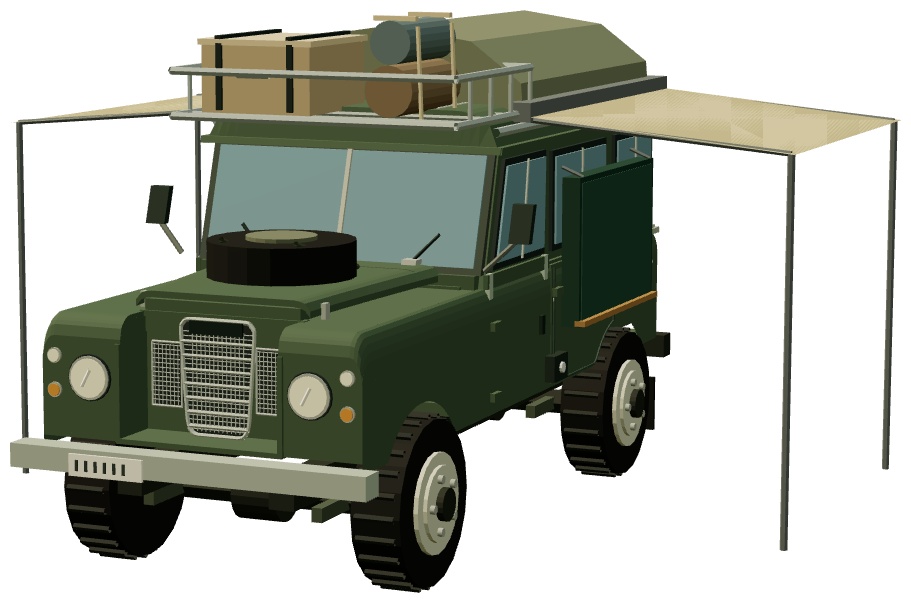
Only around 34 vehicles were converted by Carawagon, with at least a further four ordered and entering service around 1984; the count is muddied because some conversions were "replanted" onto other Land Rover chassis during their service lives, acquiring new registrations. Known registrations include 16 GN 15, illustrated in the user-handbook supplement, and 71 KB 52. The vehicles were delivered in Deep Bronze Green — one early example even retained a Stone-coloured donor hardtop under the paint — and, as the EMLRA article puts it, that finish "would soon be brutally repainted in IRR Green or Breen/Black" like most British military vehicles of the period. Survivors are prized among ex-military Land Rover collectors, the originality of Searle's coachwork comparing well with in-service plywood repairs.
Specification
MANUFACTURERLand Rover (British Leyland), Series III 109 donors
ENGINE2.25 L petrol inline-four (standard British Army 109 GS specification)
PRODUCTION RUN~34 conversions circa 1978, plus at least 4 more in 1984
COUNTRY OF ORIGINUnited Kingdom
OPERATED INUnited Kingdom, Germany
STATUSretired; survivors in private preservation
RECORD KINDNamed model
MODEL LINESeries III
WHEELS4
CATEGORYSpecial · Expedition & Campers, Military · UK
Catalogue fields describe the vehicle's structure and body as this registry records it. They are not certified factory measurements, and no performance figures are published here.
Variants & colours
Factory colours
Deep Bronze Green
NATO Green (IRR)
Codes on hover. Hex values are representative approximations of period paint unless a source states a measured value.
Renders & references
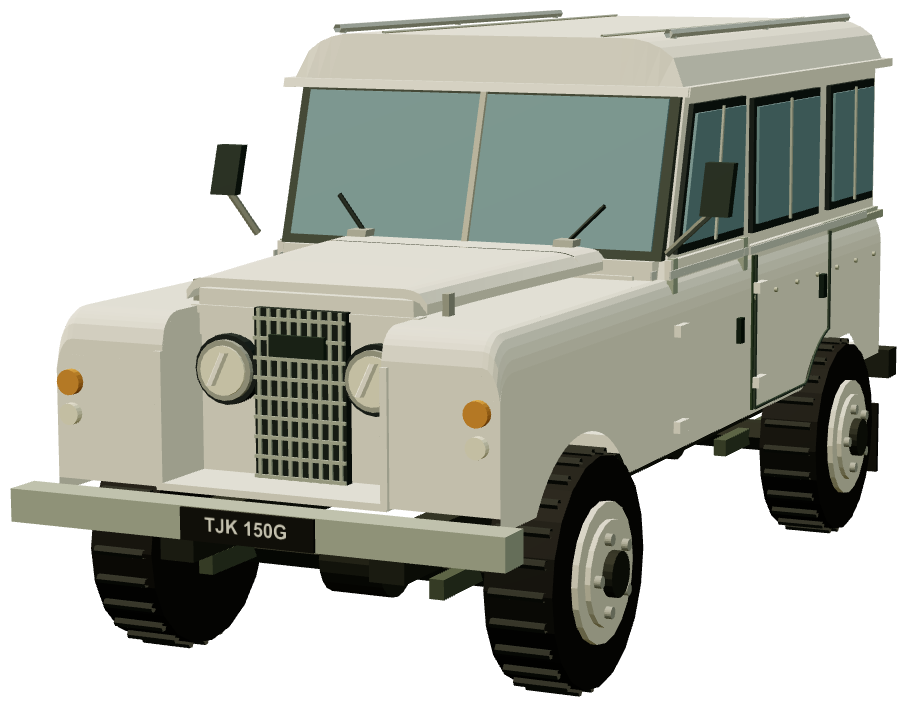
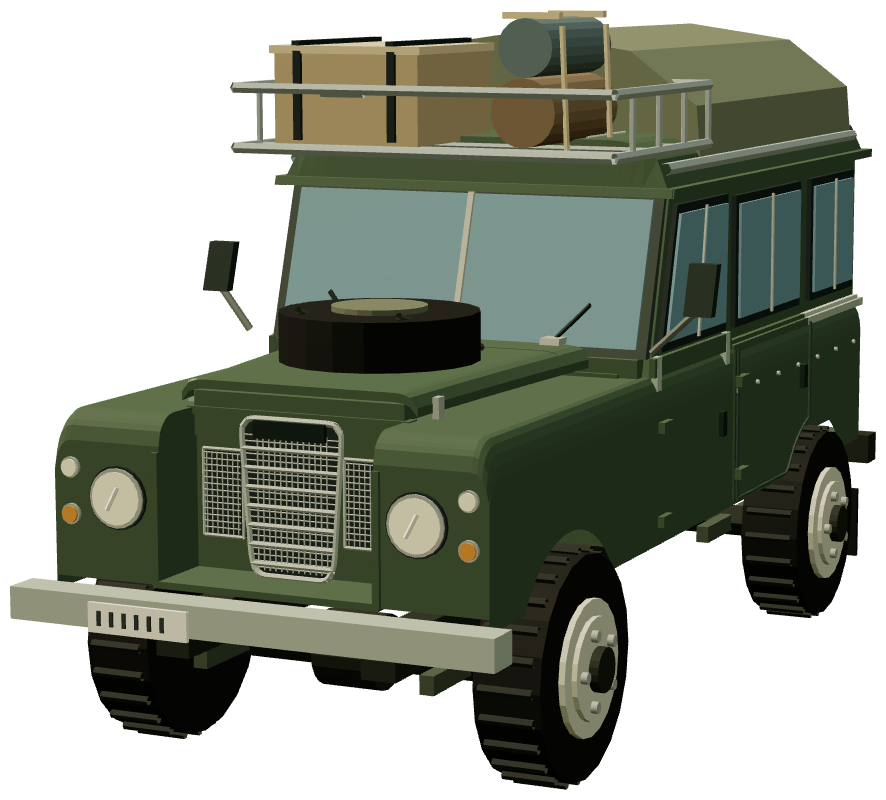
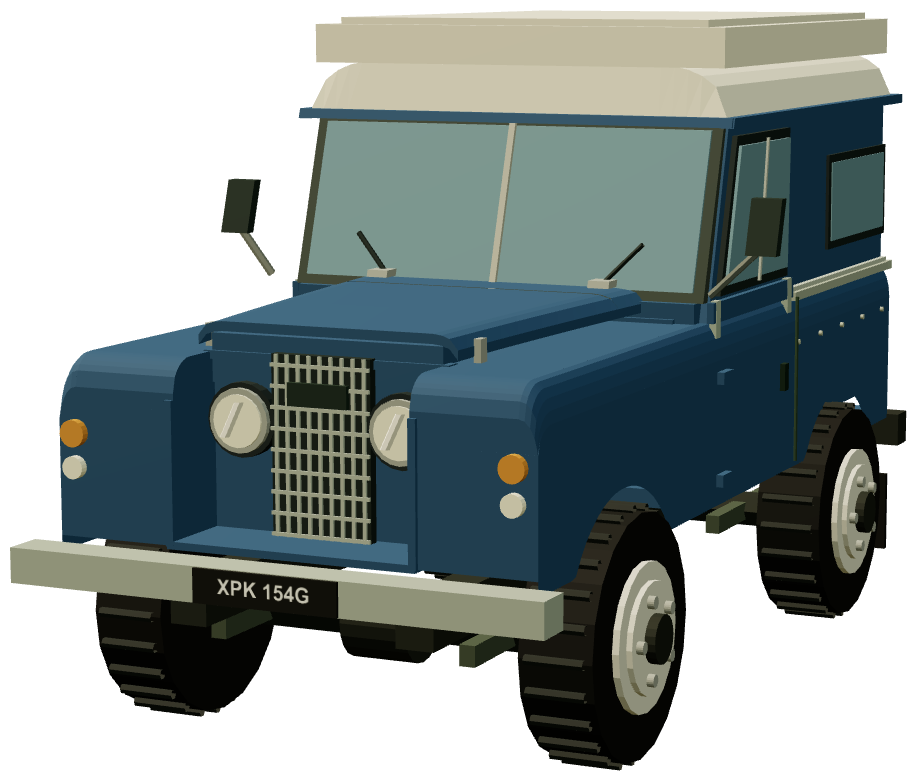
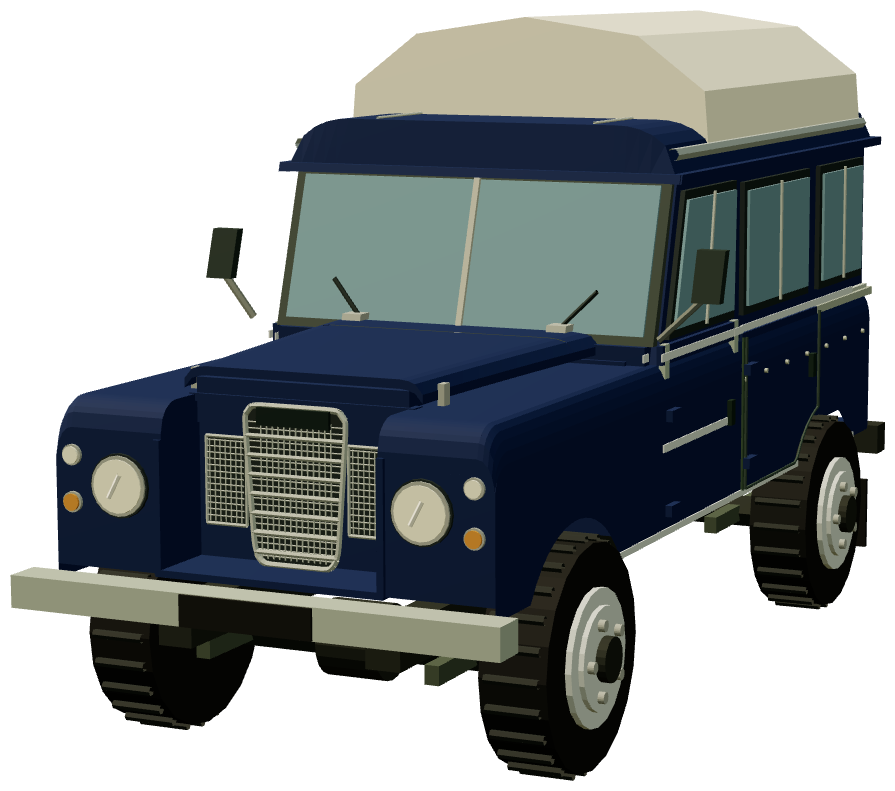
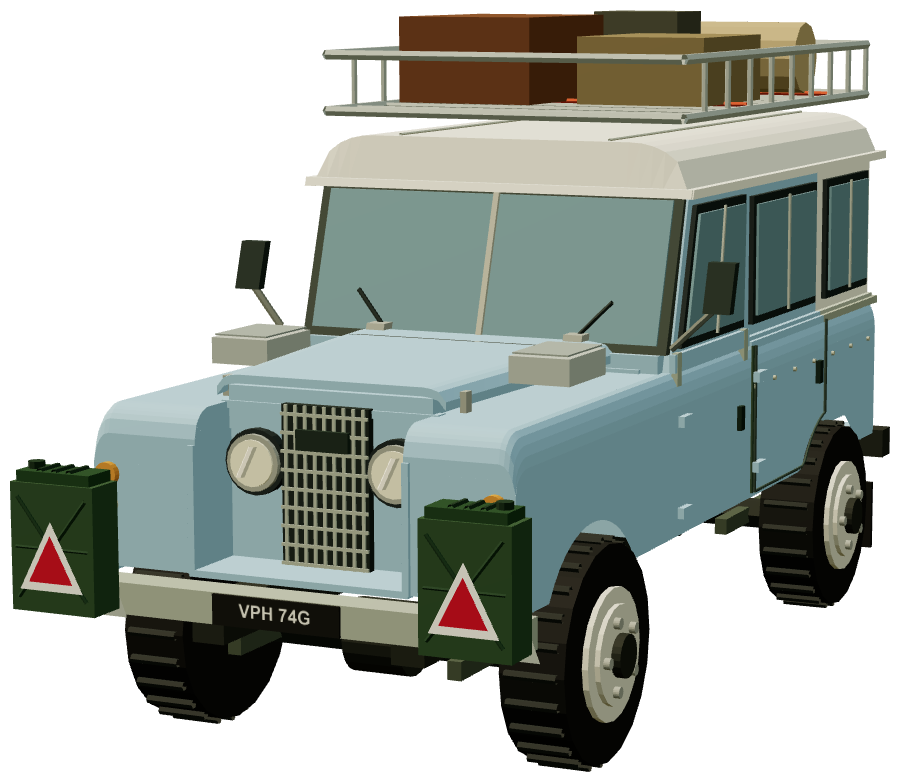
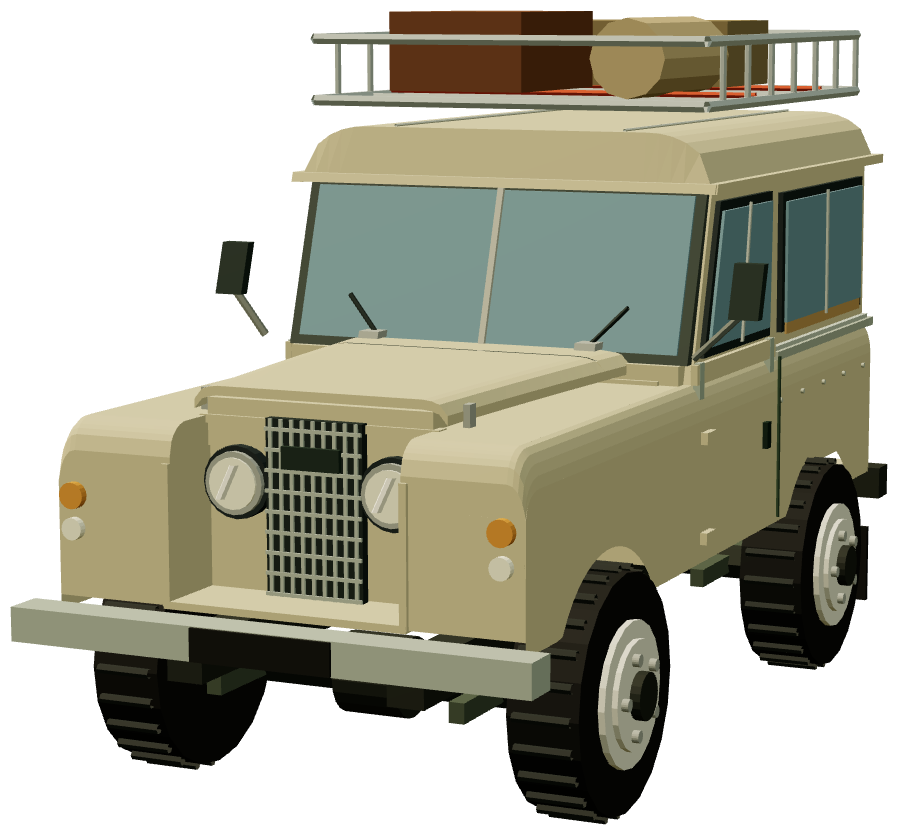
Front three-quarterRegistry renderThree-quarterRegistry renderSideRegistry renderRearRegistry renderFrontRegistry renderCarawagon conversions with the Searle elevating arched roof raised, at a Land Rover gathering in North Yorkshire — civilian examples of the same roof system used on the military command vehiclesDraco2008 (Flickr) · CC BY 2.0 ↗
.jpg)